
Ethnic Rhinoplasty
Ethnic rhinoplasty is the technique of adapting rhinoplasty to different ethnic communities to achieve a harmonious and natural result.
Double-board-certified facial plastic surgeon Dr. Raghu Athré specializes in the art and science of ethnic rhinoplasty in Houston.
Rhinoplasty reshapes the bone, cartilage, and soft tissues of the nose to create long-lasting structural changes. Dr. Athré performs both primary and revision rhinoplasty and emphasizes careful surgical planning to reduce the likelihood of additional surgery.
Dr. Athré will work closely with you using imaging techniques and other methods to turn your vision into reality.

“Dr. Athré did an amazing job on my nose. His staff treated me like family, and I felt very comfortable getting the work done."
What is Ethnic Rhinoplasty?
Ethnic rhinoplasty, sometimes called ethnic nose surgery, is a specialized type of nose surgery designed to enhance the appearance of your nose while honoring your unique ethnic heritage.
Rhinoplasty is a delicate cosmetic surgery that can also improve the function of your nose. Successful rhinoplasty requires careful assessment, precise technique, and individualized surgical planning. Dr. Raghu Athré uses techniques including ultrasonic rhinoplasty and dorsal preservation rhinoplasty when appropriate for the patient’s anatomy and surgical goals.
Depending on the patient’s anatomy and goals, ethnic rhinoplasty may refine the bridge, reshape or support the tip, adjust nasal width, or address other structural concerns. Ethnic rhinoplasty can address certain functional concerns, such as nasal obstruction related to a deviated septum or other correctable structural problems. The goal is to make changes that align with your aesthetic preferences while preserving features that are important to your identity.
Key Takeaways
- Enhances the harmony and proportions of your face while preserving the character of your features
- Improves both the appearance and the function of your nose
- Double-board-certified facial plastic surgeon Dr. Raghu Athré is a leading rhinoplasty surgeon in Houston specializing in ethnic rhinoplasty
- Most patients return to work and many routine activities within about a week, although recovery varies by the extent of surgery and individual healing.
- Results are designed to be long-lasting, although the nose and surrounding tissues continue to change with age.
Before & After Photos
Ethnic Rhinoplasty Gallery
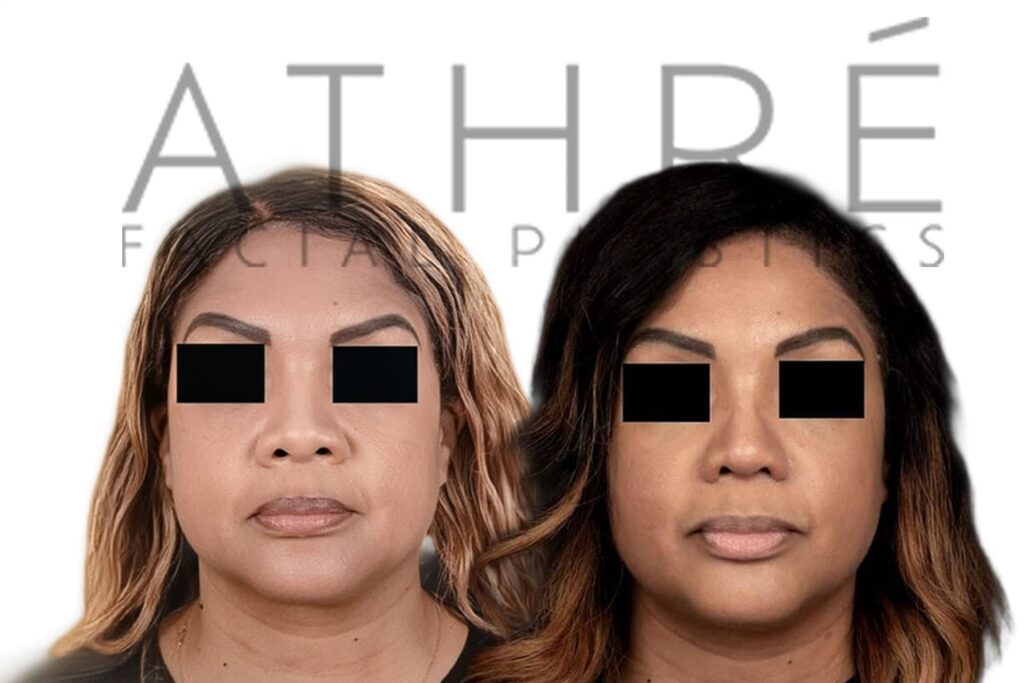
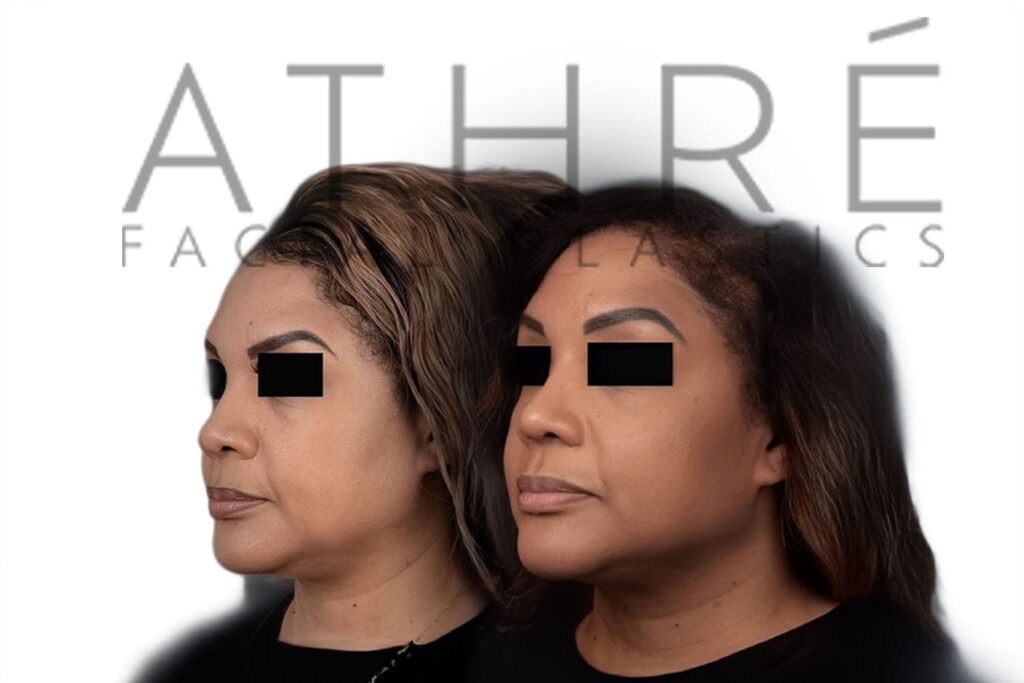
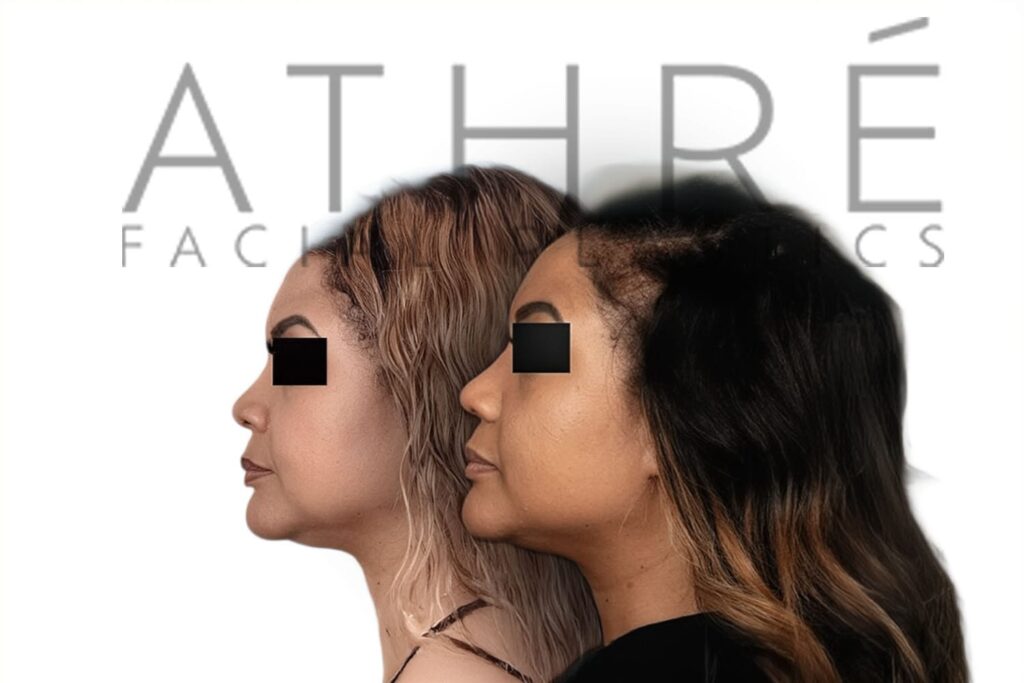
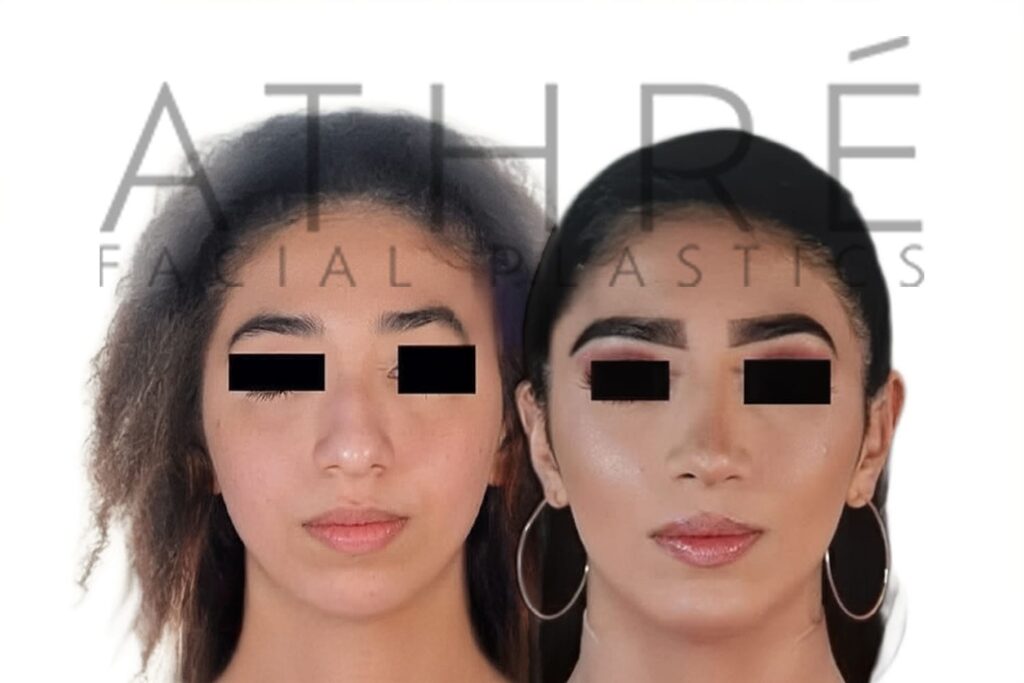
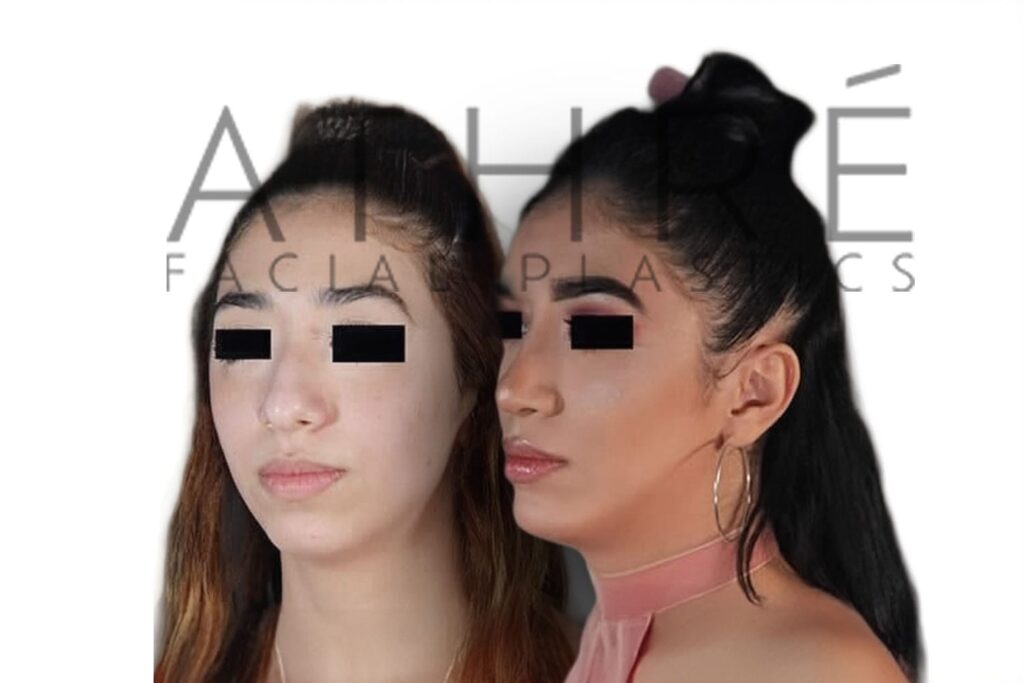
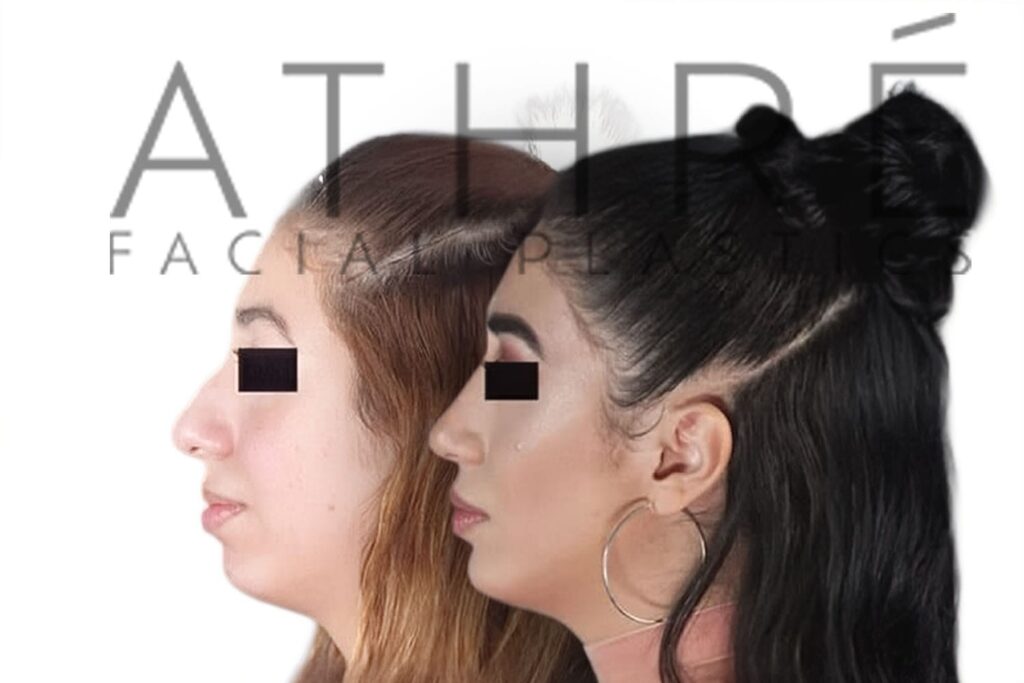
About Ethnic Rhinoplasty
Rhinoplasty and the Erasure of Ethnic Identity
History of Ethnic Rhinoplasty
Modern rhinoplasty was developed in response to antisemitism in Europe prior to World War II. There was a market for people to look less Jewish. In essence, cosmetic nasal surgery started off as ethnic rhinoplasty. As rhinoplasty surgery matured, surgeons started publishing articles on the perfect proportions of the ideal nose. Perfect proportions have even been described by da Vinci in the Vitruvian Man.
These proportions were primarily based on the facial proportions of Caucasian patients. As rhinoplasty developed, it was soon evident that the proportions that worked for a Caucasian patient may not necessarily work for an African American patient or an Asian patient.
Recognition that aesthetic ideals and nasal anatomy vary among populations contributed to the development of what became known as ethnic rhinoplasty. Ethnic rhinoplasty takes all of these special details into account to achieve a harmonious and natural result.
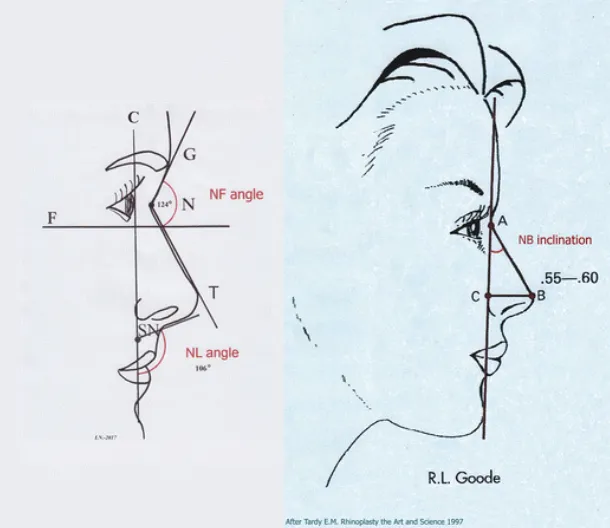
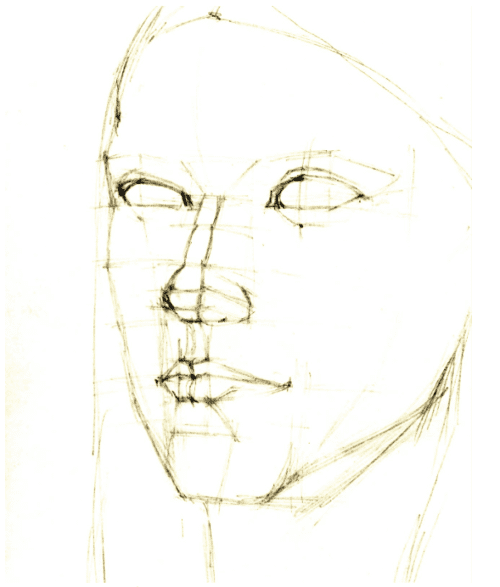
Examples of Ethnic Rhinoplasty
Three examples of ethnic rhinoplasty procedures are discussed below.
It is important to note that these descriptions are generalizations. However, these categories can be helpful for plastic surgeons and their patients. Understanding common nasal characteristics of different ethnic groups can help you plan an ethnic rhinoplasty procedure that enhances your facial balance while preserving the beauty and character of your natural features.
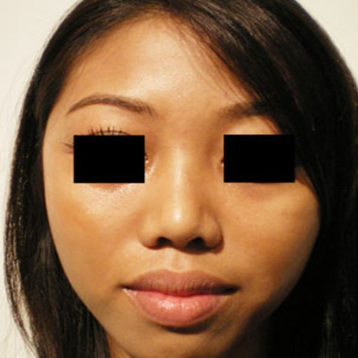
Asian Rhinoplasty
Asian rhinoplasty is a broad term historically used for rhinoplasty in patients of Asian ancestry; individual anatomy varies substantially across East, Southeast, South, Central, and other Asian populations.
This is a broad category of patients, and patients from each of these areas can have very different characteristics.
Although anatomy varies widely among individuals, some East and Southeast Asian patients may present with a lower nasal dorsum, less tip projection or support, and softer septal cartilage.
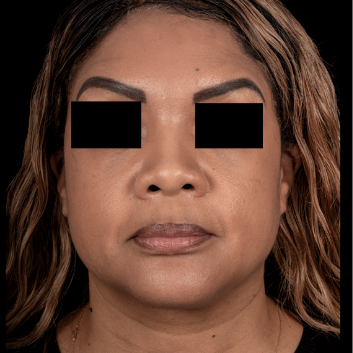
Black/African-American Rhinoplasty
Facial and nasal anatomy varies among individuals and ancestral populations; some anatomical patterns described in patients of African ancestry differ from patterns more commonly reported in patients of European or Middle Eastern ancestry.
Some patients may have a rounder facial contour with more prominent cheek volume and less chin projection. The relationship between the nose, midface, and lower face can also vary considerably from patient to patient. These differences in facial proportions are important when planning rhinoplasty because the nose should be evaluated in relation to the entire face rather than as an isolated feature. Some patients of African ancestry may have a wider nasal base, lower dorsal projection, reduced tip projection or definition, thicker skin, or softer cartilage; however, nasal anatomy varies substantially among individuals and populations.
Internally, these patients may have sufficient cartilage, but the cartilage quality is softer and less resistant to structural forces. Finally, the soft tissue envelope in these patients is usually thicker, with increased skin thickness and a thicker subcutaneous fat layer.
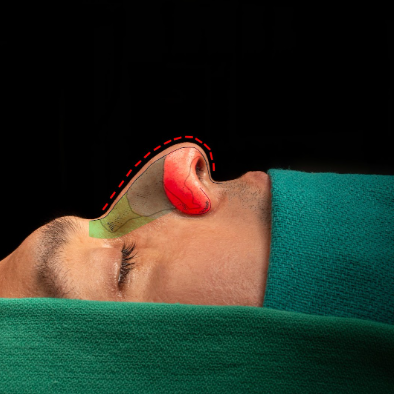
Persian Rhinoplasty
The term “Persian rhinoplasty” refers specifically to rhinoplasty for patients of Persian/Iranian background. Patients from the broader Middle East, South Asia, Greece, and Turkey should not be grouped as “Persian” solely on the basis of geography or presumed anatomy.
Nasal anatomy varies considerably within and among Middle Eastern, South Asian, Mediterranean, and Persian populations, so surgical planning should be based on the individual patient’s anatomy rather than a presumed ethnic pattern.
Certain anatomical features may be more commonly encountered in some Persian/Iranian patients, including a dorsal hump, an under-rotated (droopy) nasal tip, a tension nose deformity associated with an overly long or prominent septum, a broad or bulbous nasal tip, or limited definition of the supratip break. Some patients may also have relatively robust septal cartilage or prominent bony-cartilaginous dorsal anatomy. However, these characteristics vary considerably from person to person and should not be assumed based on ethnic background alone.

Redefining Rhinoplasty
Why is ethnic rhinoplasty important?
Every patient brings an individual combination of ancestry, culture, facial anatomy, and aesthetic preferences. Ethnic and cultural identity can be an important part of how people see themselves and how they want their facial features to be represented. In Dr. Athré’s experience, nearly all patients want refinement rather than a change in ethnic identity. They want to change small characteristics to bring their nose and face into greater proportion.
Understanding these nuances is important for the rhinoplasty techniques that will be used in each of these individual cases. Also, things like recovery time are different when doing ethnic rhinoplasty. Some patients may see substantial early improvement within several weeks, but swelling and refinement typically continue for months after rhinoplasty. Final rhinoplasty results commonly take many months to develop, and the timeline can vary with skin thickness, the extent of surgery, individual healing, and other anatomical factors.
This is exactly why it is important to see a surgeon who has experience in ethnic rhinoplasty. Dr. Athré’s experience in rhinoplasty and ethnic rhinoplasty is unsurpassed. This experience helps him evaluate facial proportions, anticipate possible anatomical variations, and develop an individualized surgical plan.
Ethnic Rhinoplasty Recovery
Most patients can walk and perform light daily activities within the first day after surgery and return to work or school in about one week. Recovery varies from person to person and depends on factors such as the extent of surgery, individual healing, and whether the procedure is a primary or revision rhinoplasty. Swelling will continue to improve gradually after patients resume their normal routines, and the nose may take several months or longer to fully refine.
Rhinoplasty is an outpatient procedure, meaning you will return home on the same day. Ethnic rhinoplasty is typically performed under general anesthesia at Dr. Athré's practice.
Dr. Athré will review all of the details of your procedure during your consultation and preoperative appointment, ensuring you know exactly what to expect regarding the duration of the surgery, the methods used, and your recovery timeline. To learn more about the techniques that may be used in rhinoplasty surgery, you can also visit our main rhinoplasty page.
Why Dr. Athré for Rhinoplasty?
Dr. Athré is one of the foremost rhinoplasty surgeons in Houston, Texas, though his patients though his patients come from throughout the United States, Mexico, South America, and the Middle East.
He is known for developing innovative techniques and adapting established techniques to achieve beautiful, soft, natural, consistent results.
Approximately 75–80% of Dr. Athré’s rhinoplasty practice is primary rhinoplasty, with revision rhinoplasty being 20–25% of his practice. Rhinoplasty represents a substantial portion of Dr. Athré’s surgical practice, providing him with extensive experience in both primary and revision cases. Many fellow physicians refer rhinoplasty patients to Dr. Athré.
Ethnic Rhinoplasty FAQs
See below for frequently asked questions about ethnic rhinoplasty.
Patient Review
“Dr. Athré did an amazing job on my nose. His staff treated me like family, and I felt very comfortable getting the work done. He was very intuitive on what I was trying to accomplish and knowledgeable enough to work through the issues involved to get the result I wanted, especially considering it was a revision surgery. The whole experience was great and helped me so much!”