
Rhinoplasty Before & After Results
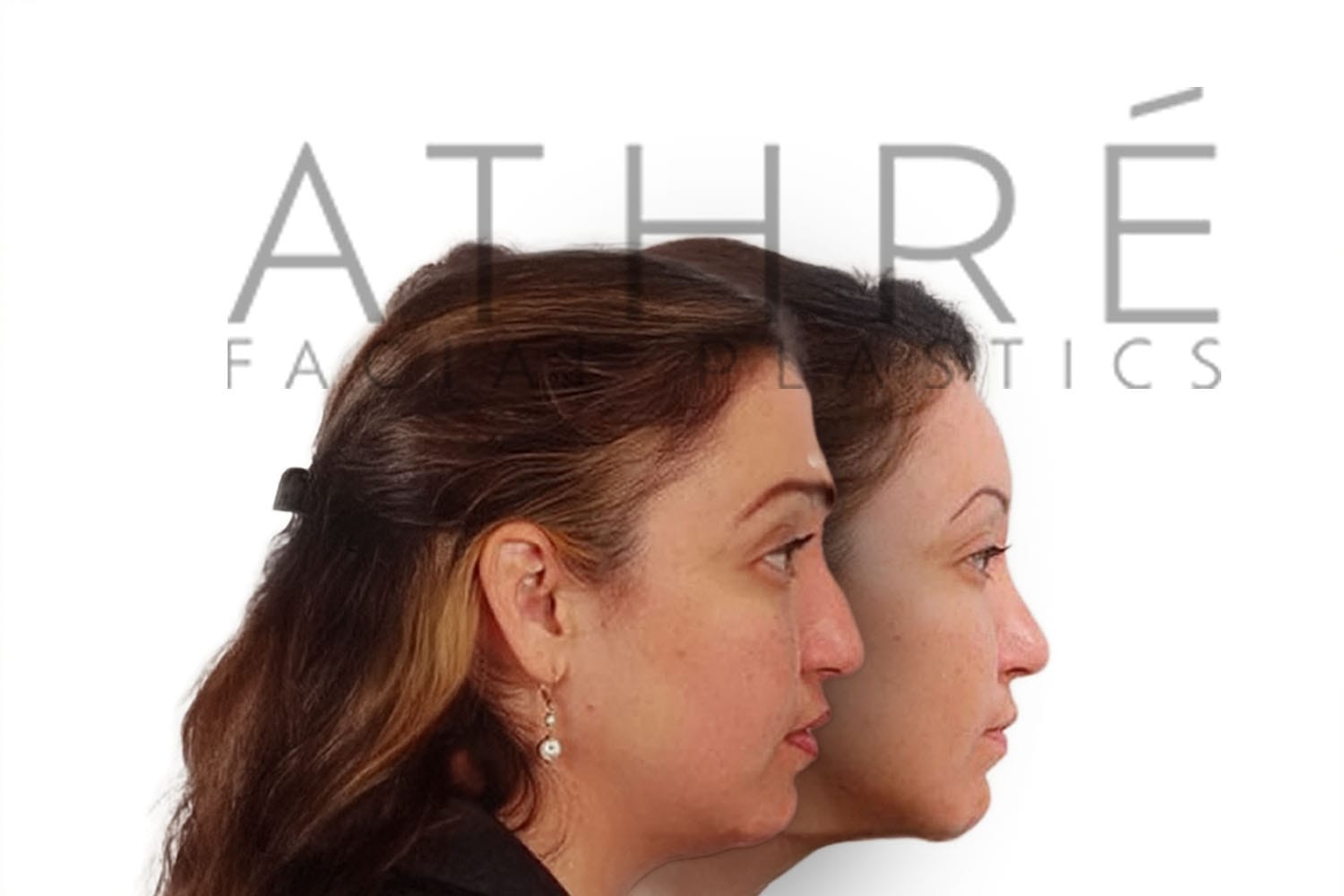
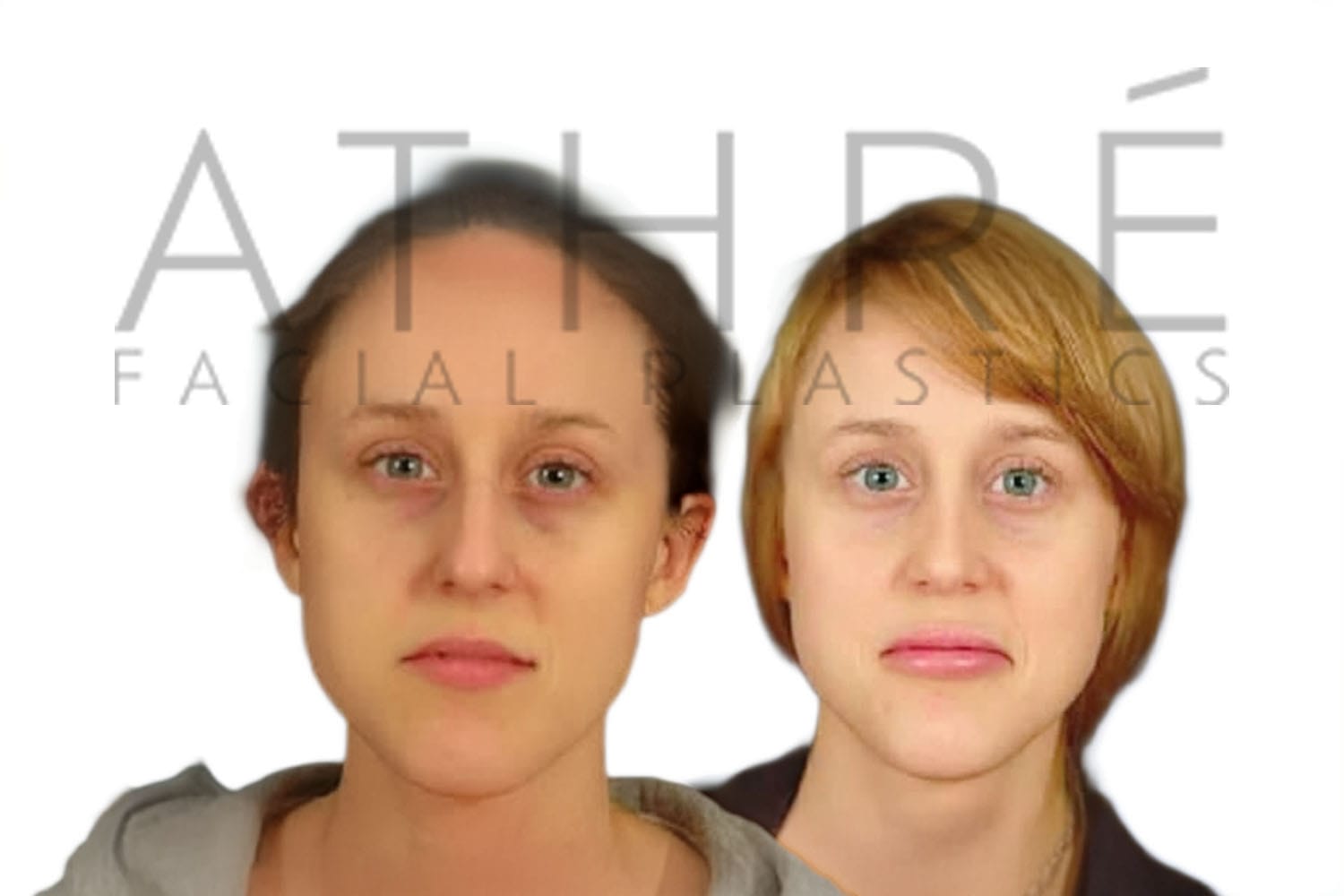
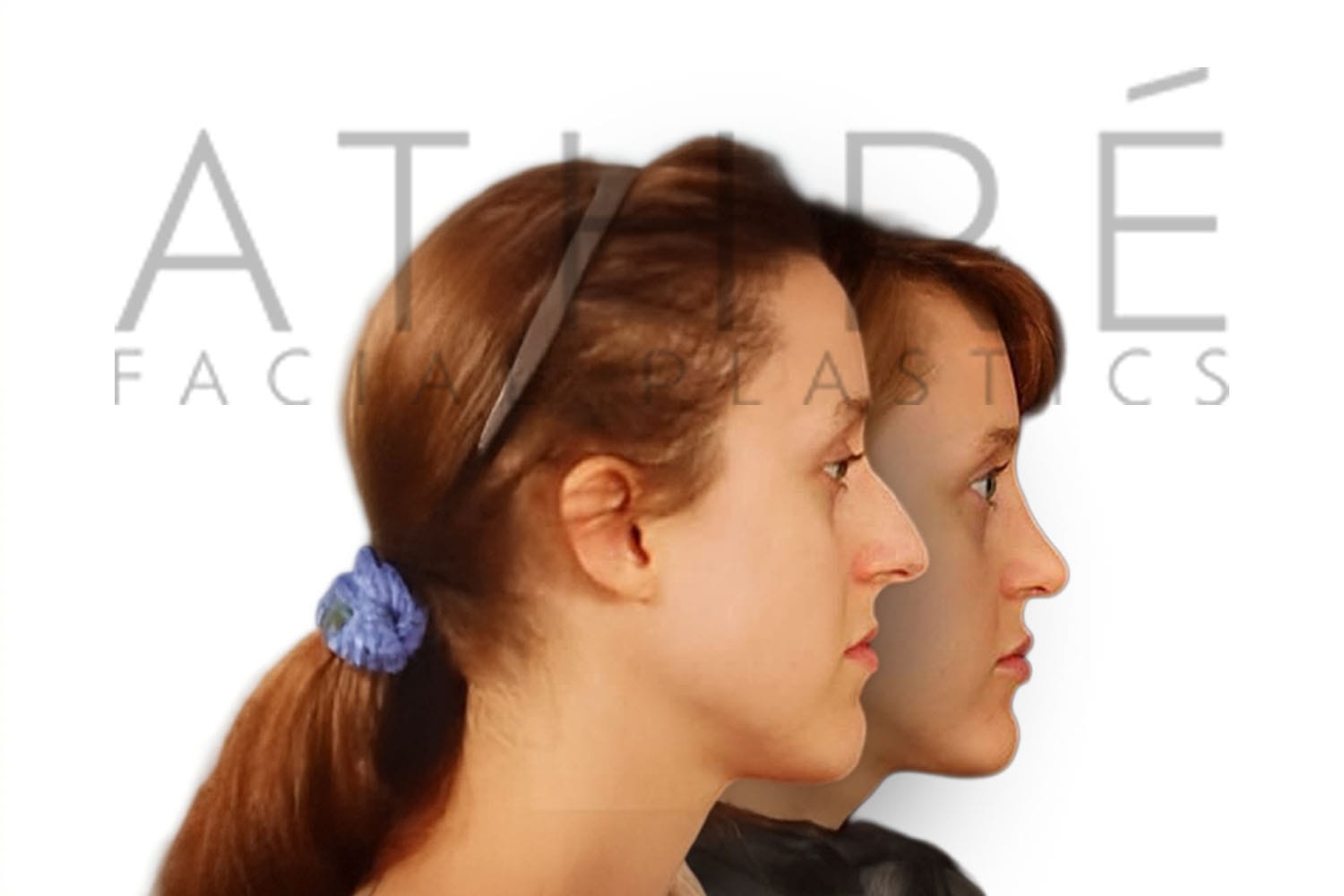
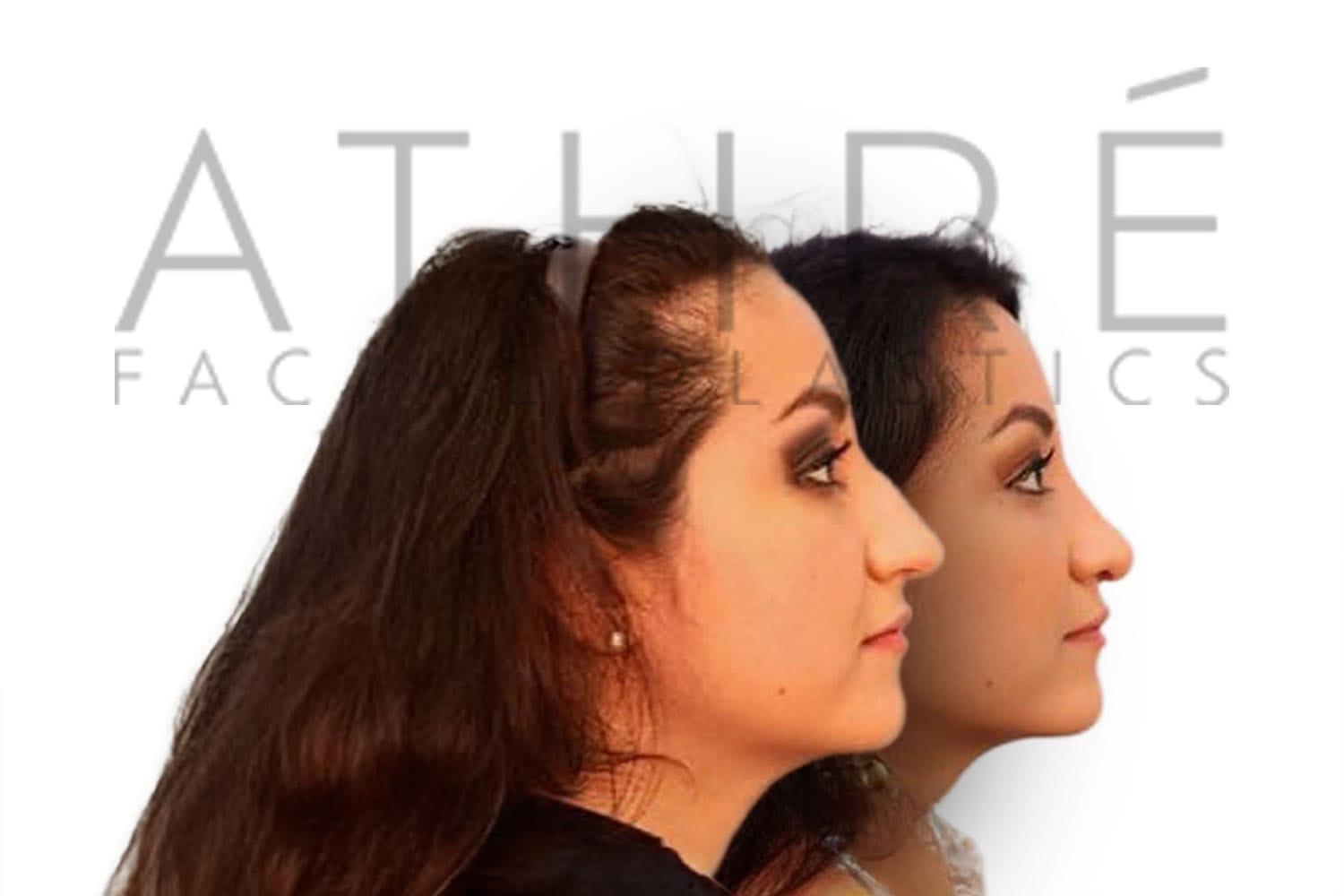
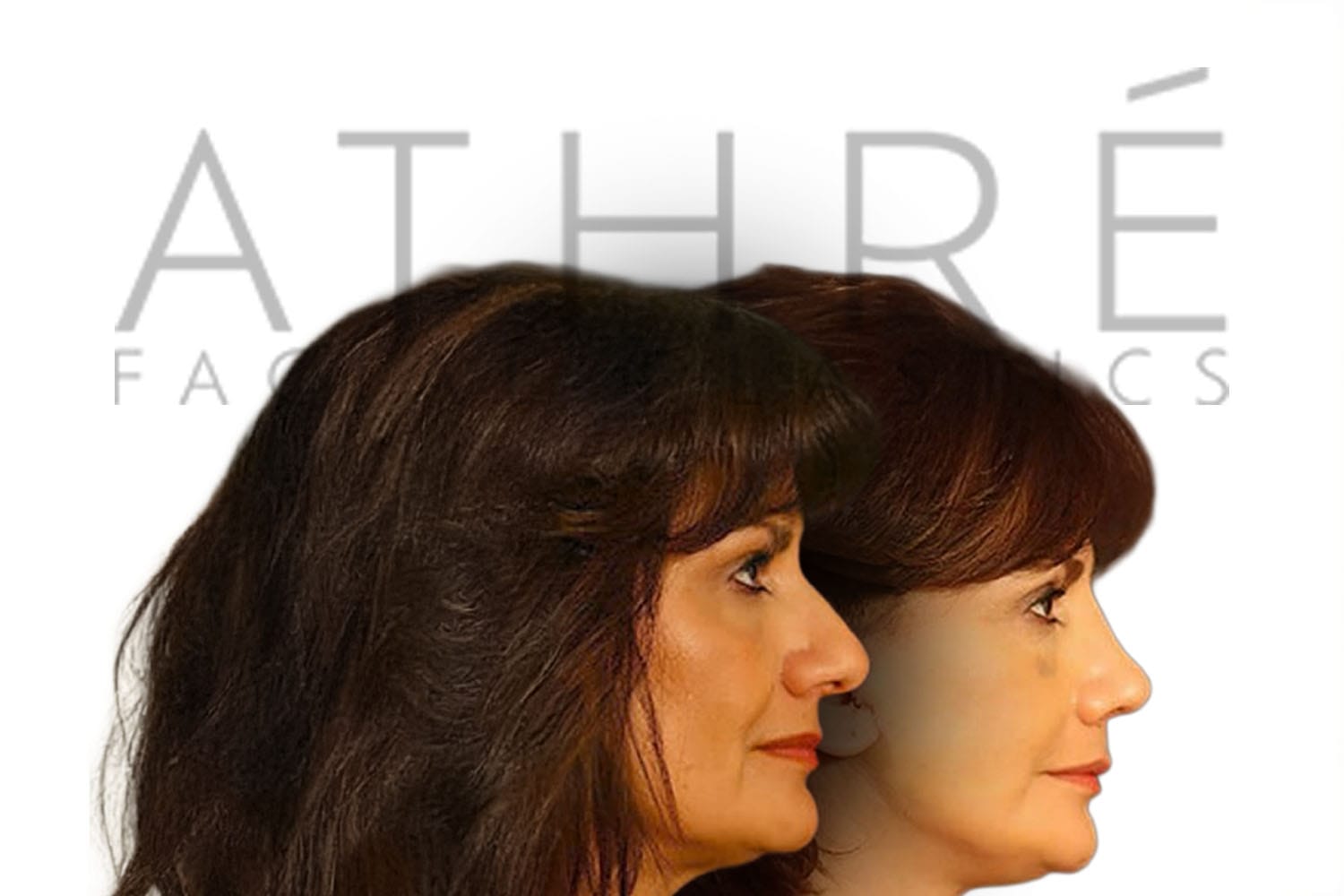
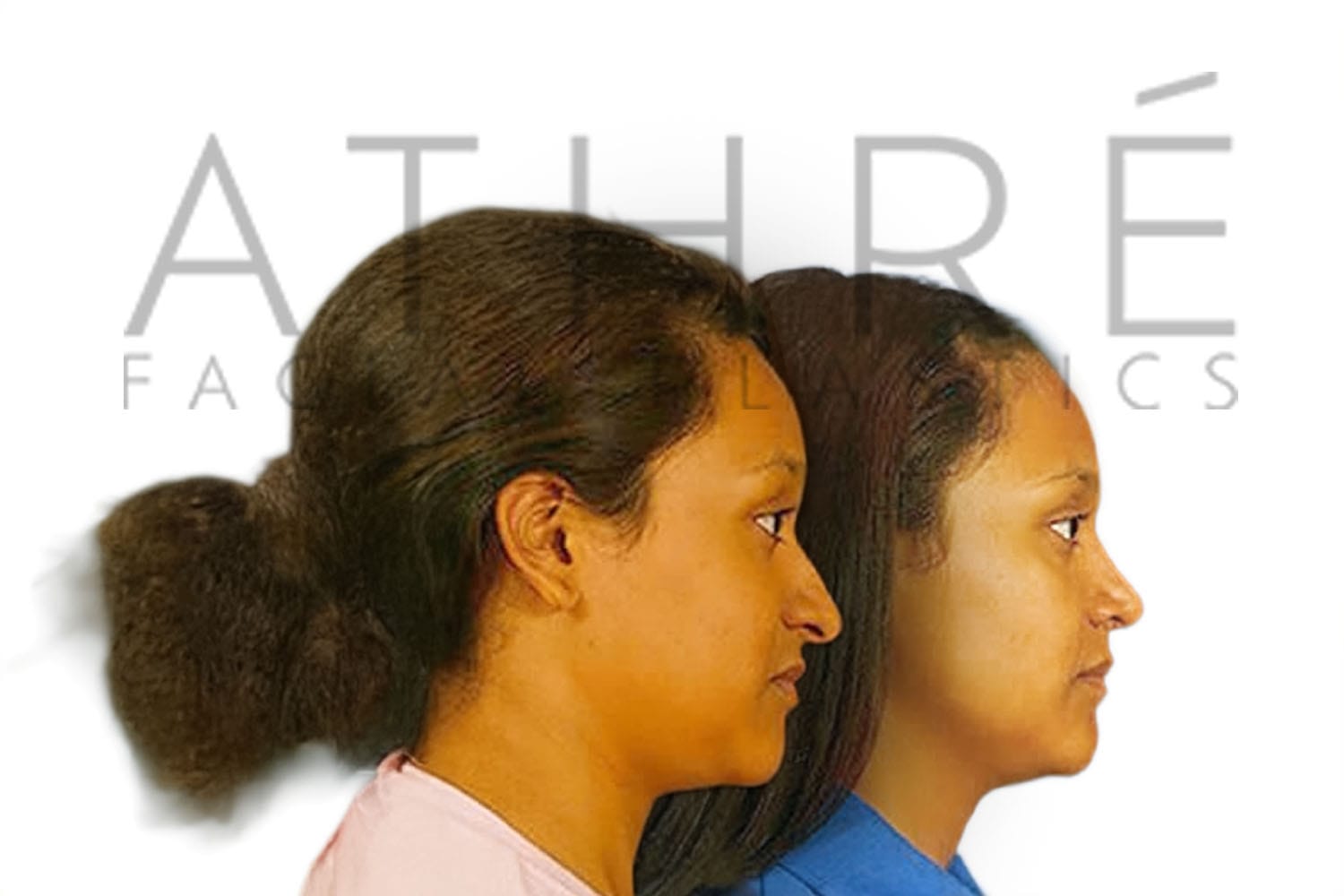
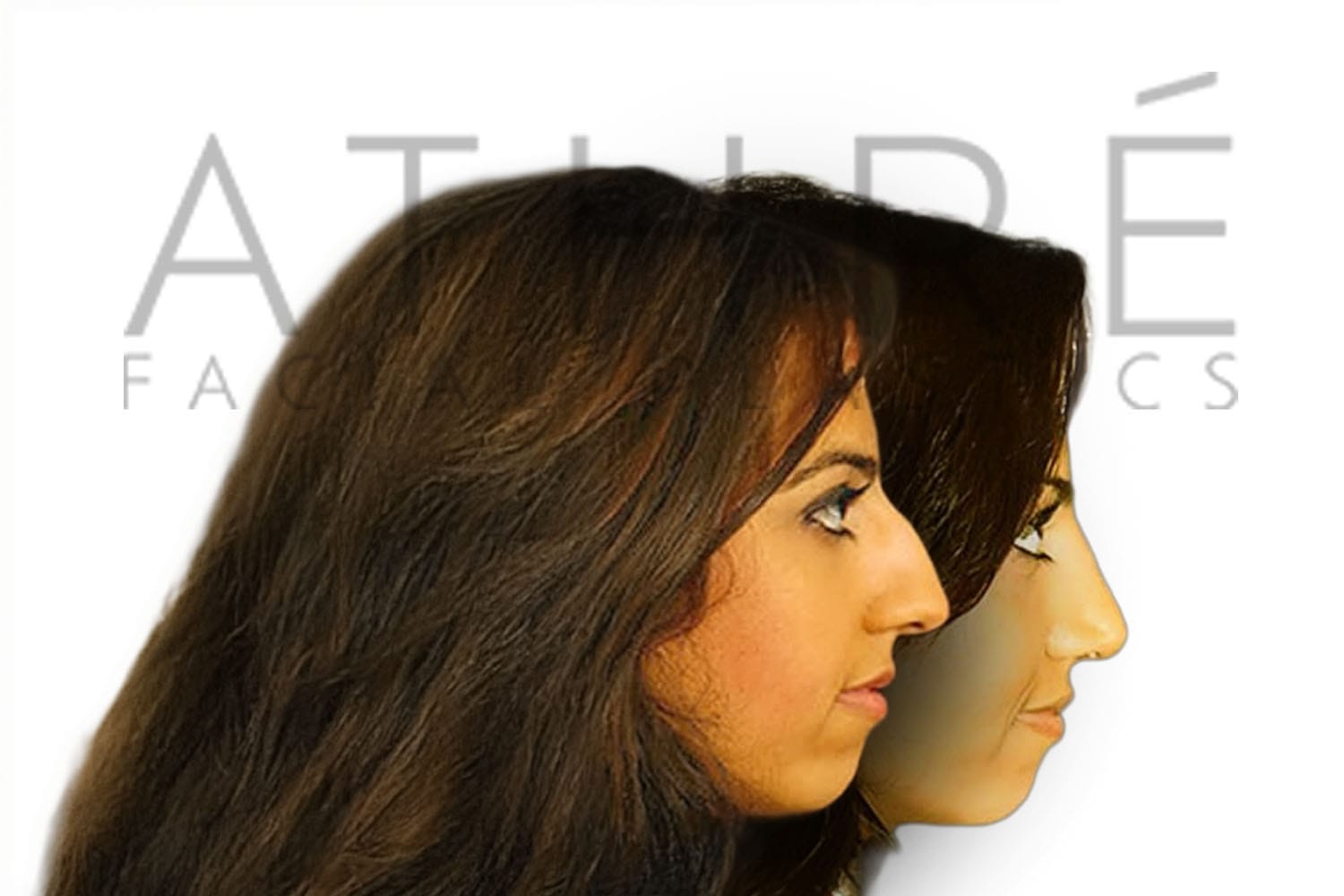
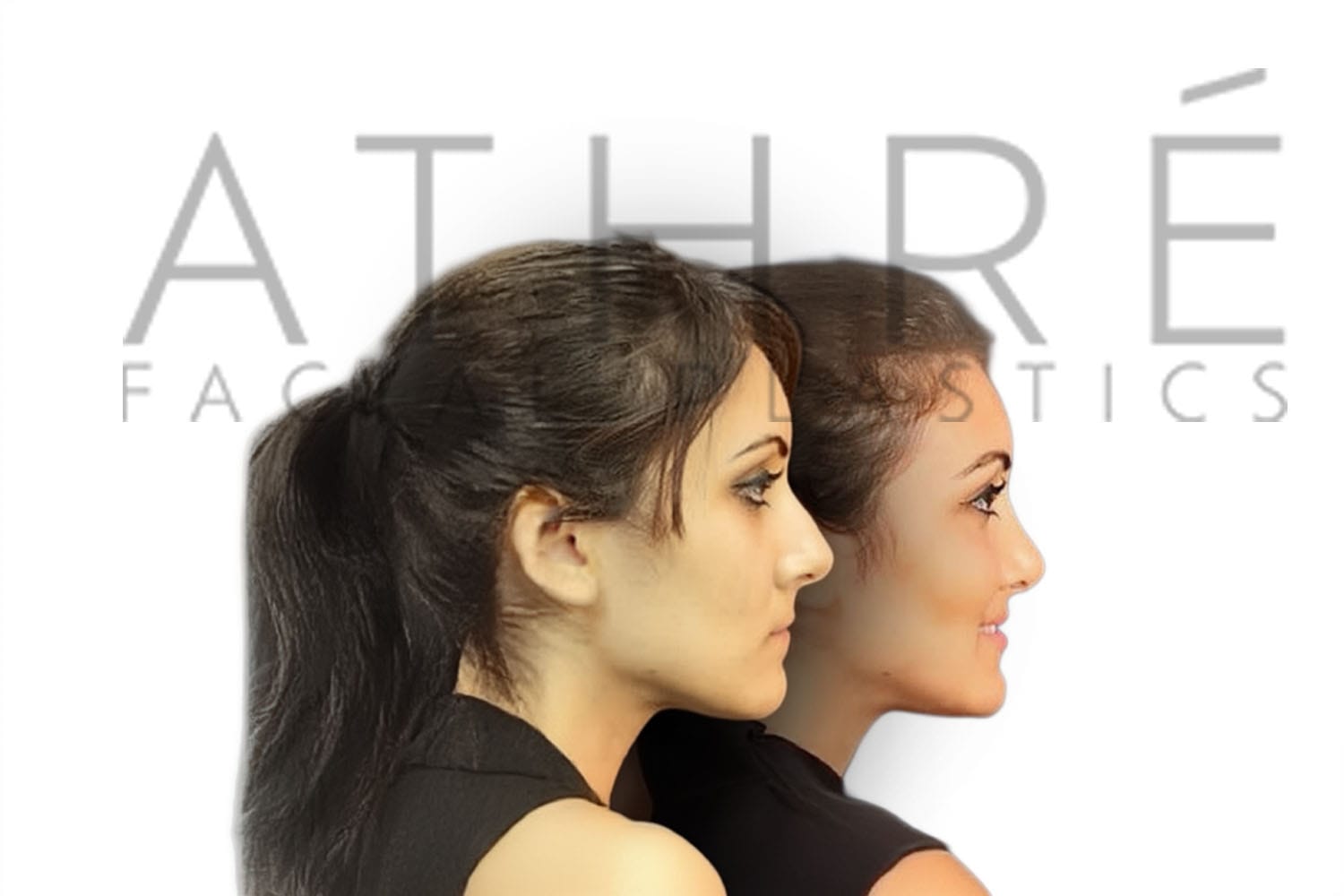
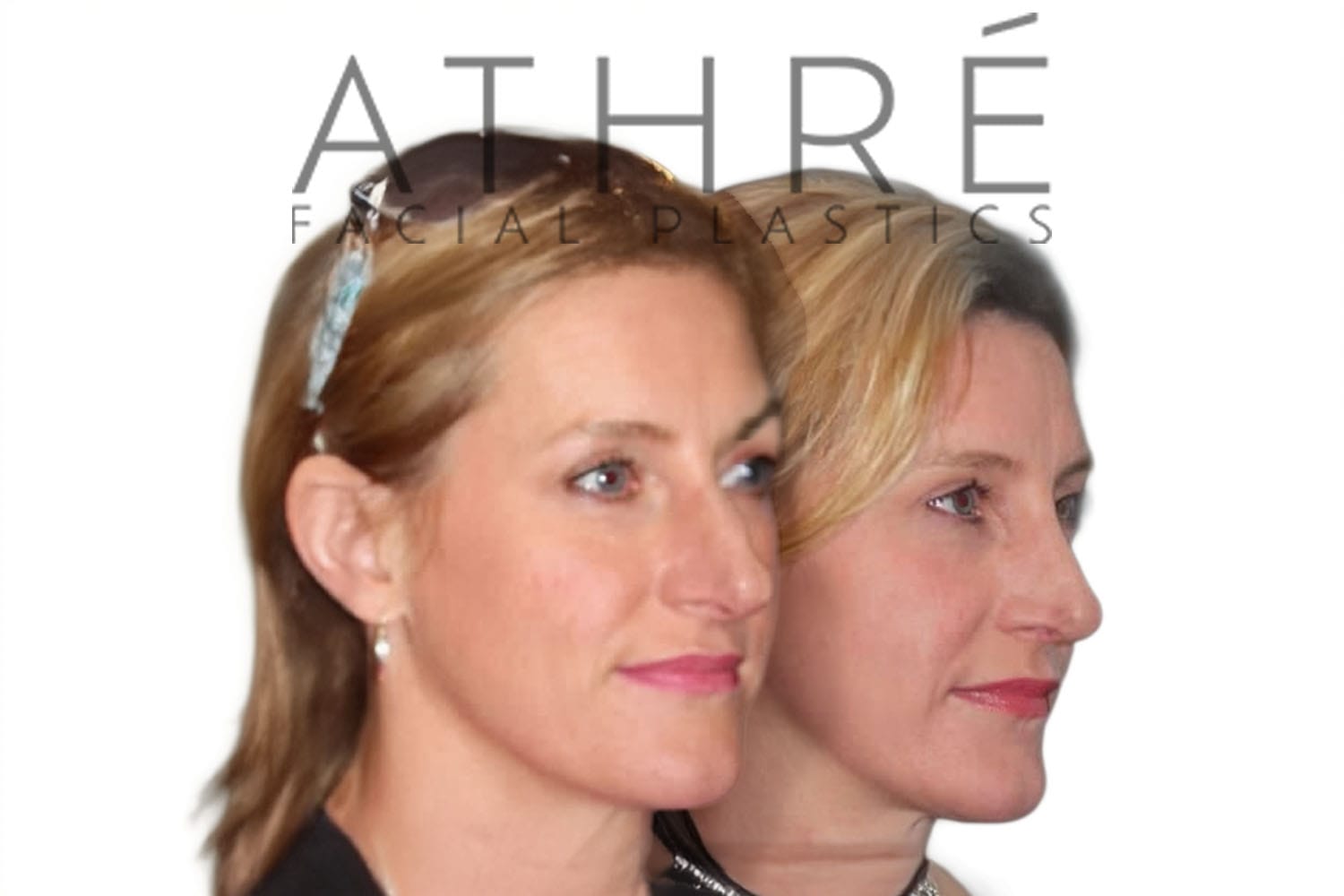
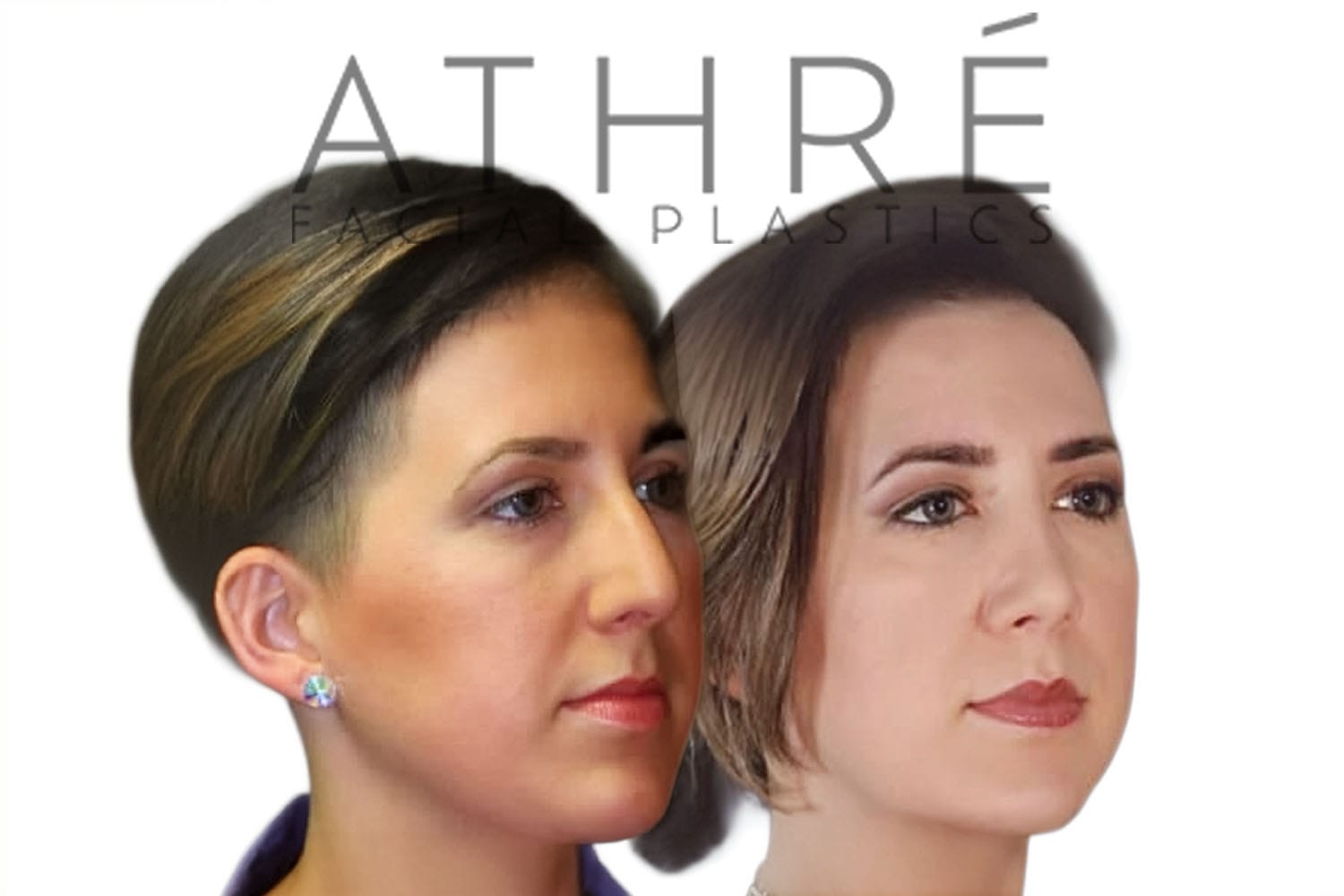
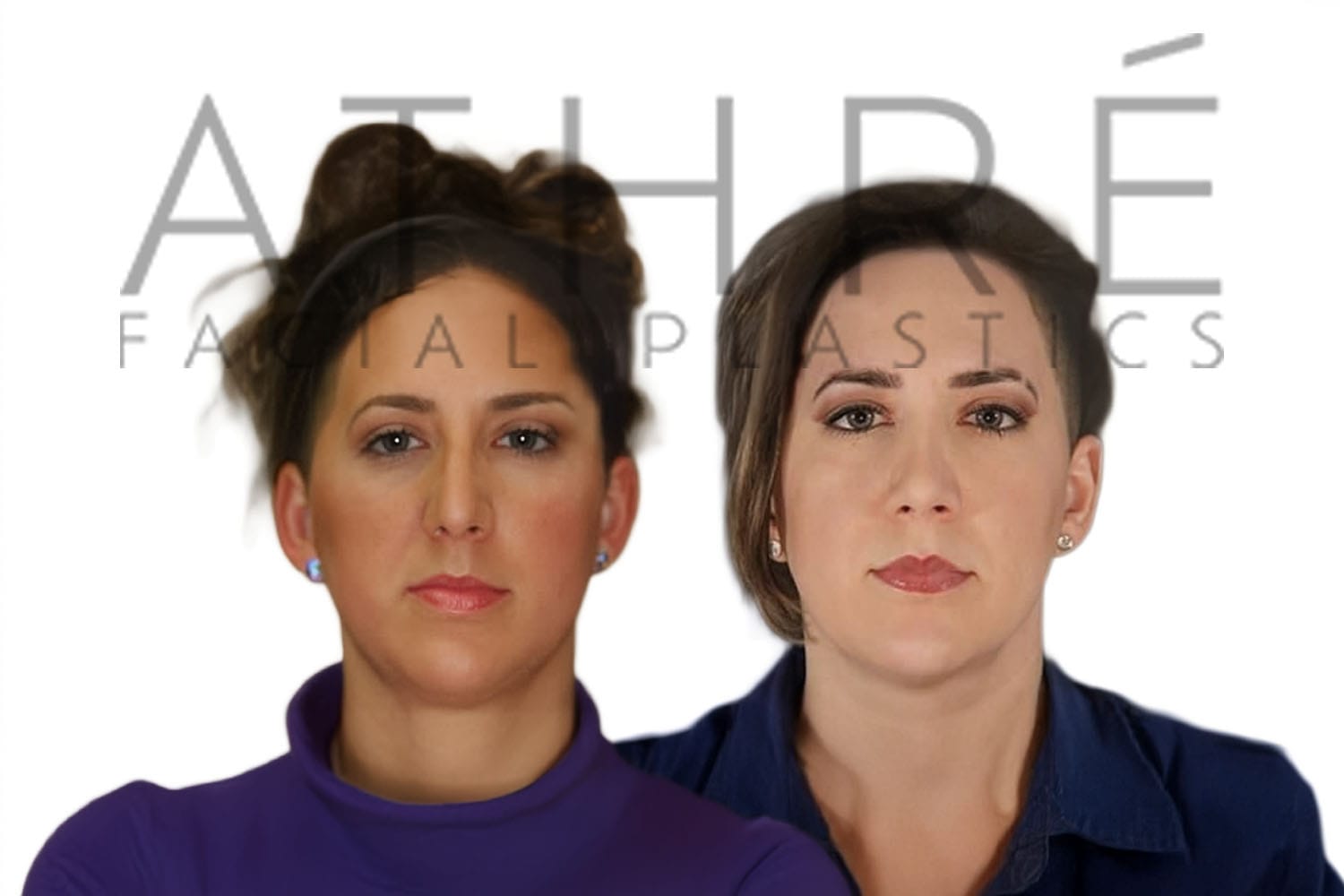
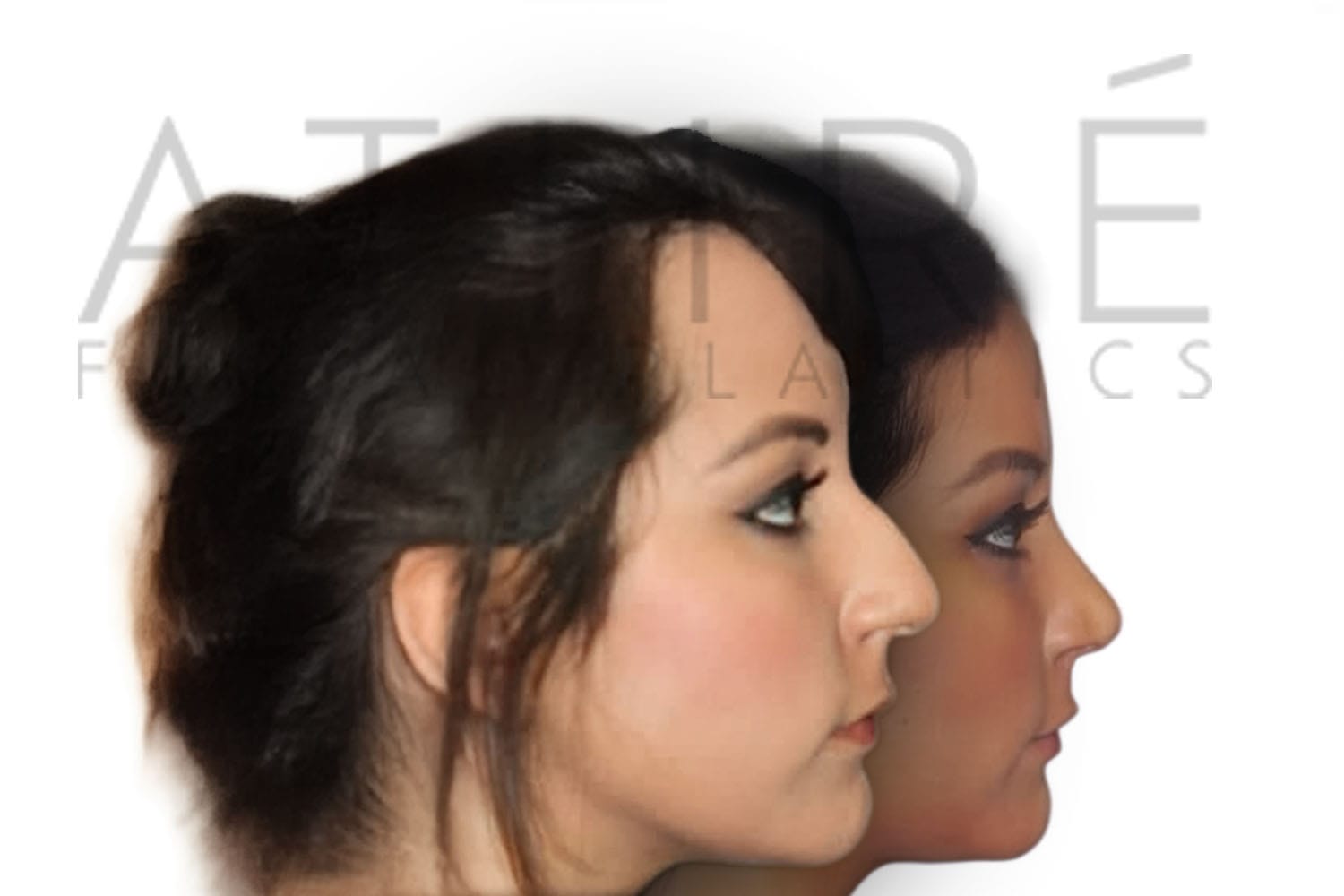
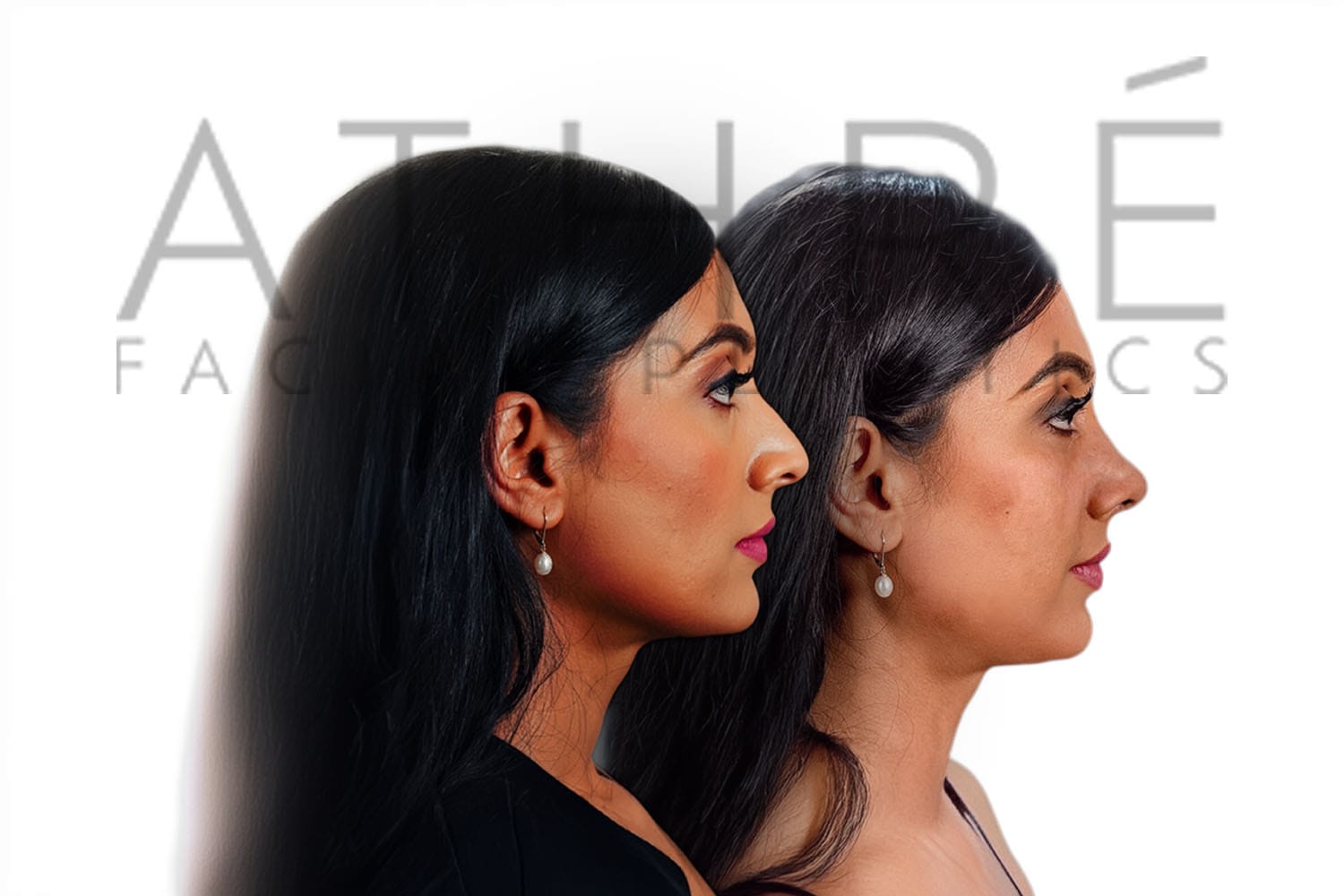
When people look at rhinoplasty before and after photos, it is easy to focus on the nose by itself. I think it is just as important to look at what happens to the face around it.
A successful rhinoplasty should improve the features that brought the patient in without creating a nose that feels disconnected from the rest of the face.
Does the Nose Still Belong to the Face?
Every nose has a different relationship with the forehead, cheeks, lips and chin. That relationship matters when planning rhinoplasty and when evaluating the result afterward.
Some patients want to reduce a prominent bridge or refine the nasal tip. Others are concerned with width, asymmetry or the way the nose projects from the face. The surgery should respond to the patient's anatomy rather than work toward a single idea of what an attractive nose is supposed to look like.
When I look at a rhinoplasty result, I want the nose to feel more balanced within the face while still looking appropriate for that individual patient.
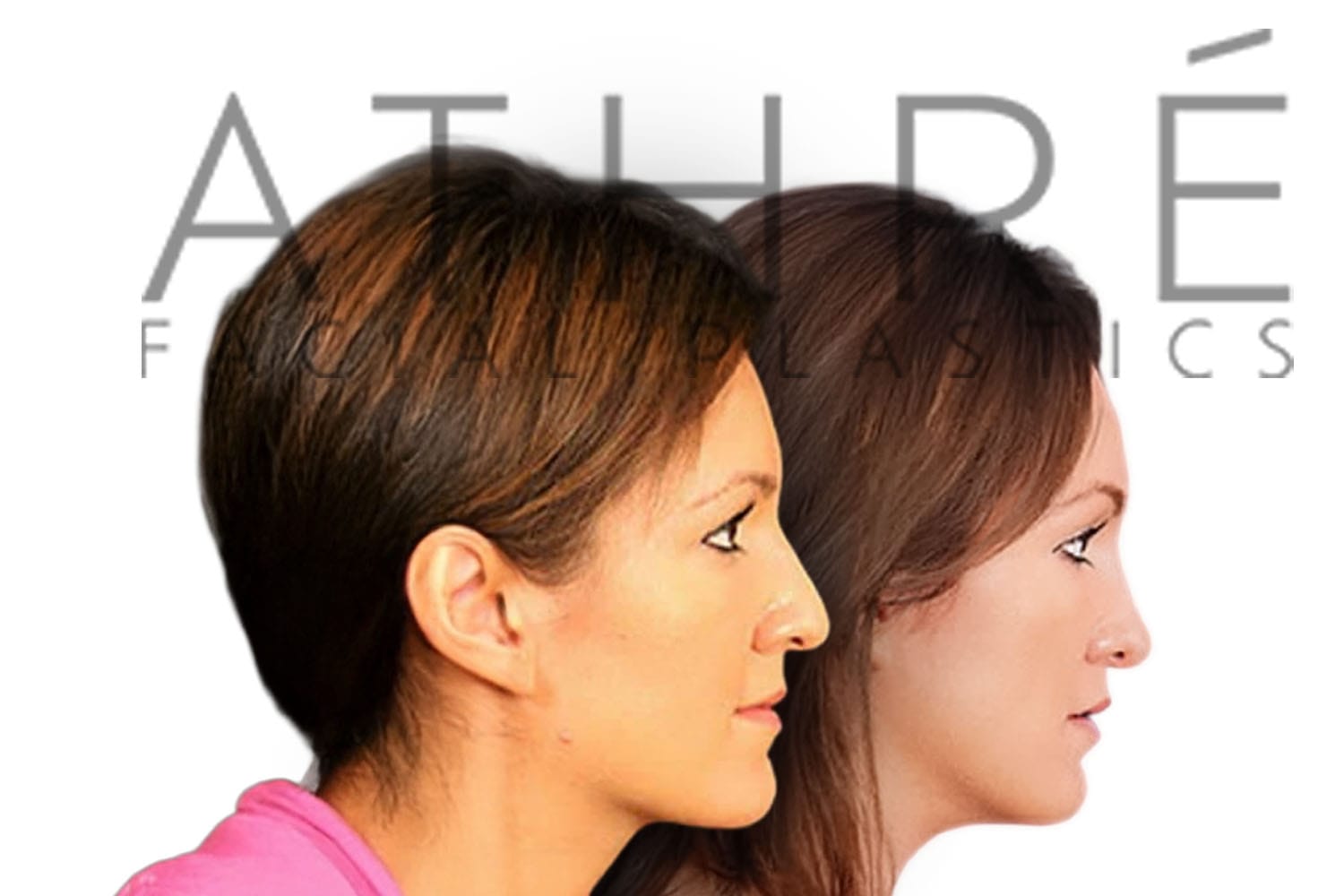
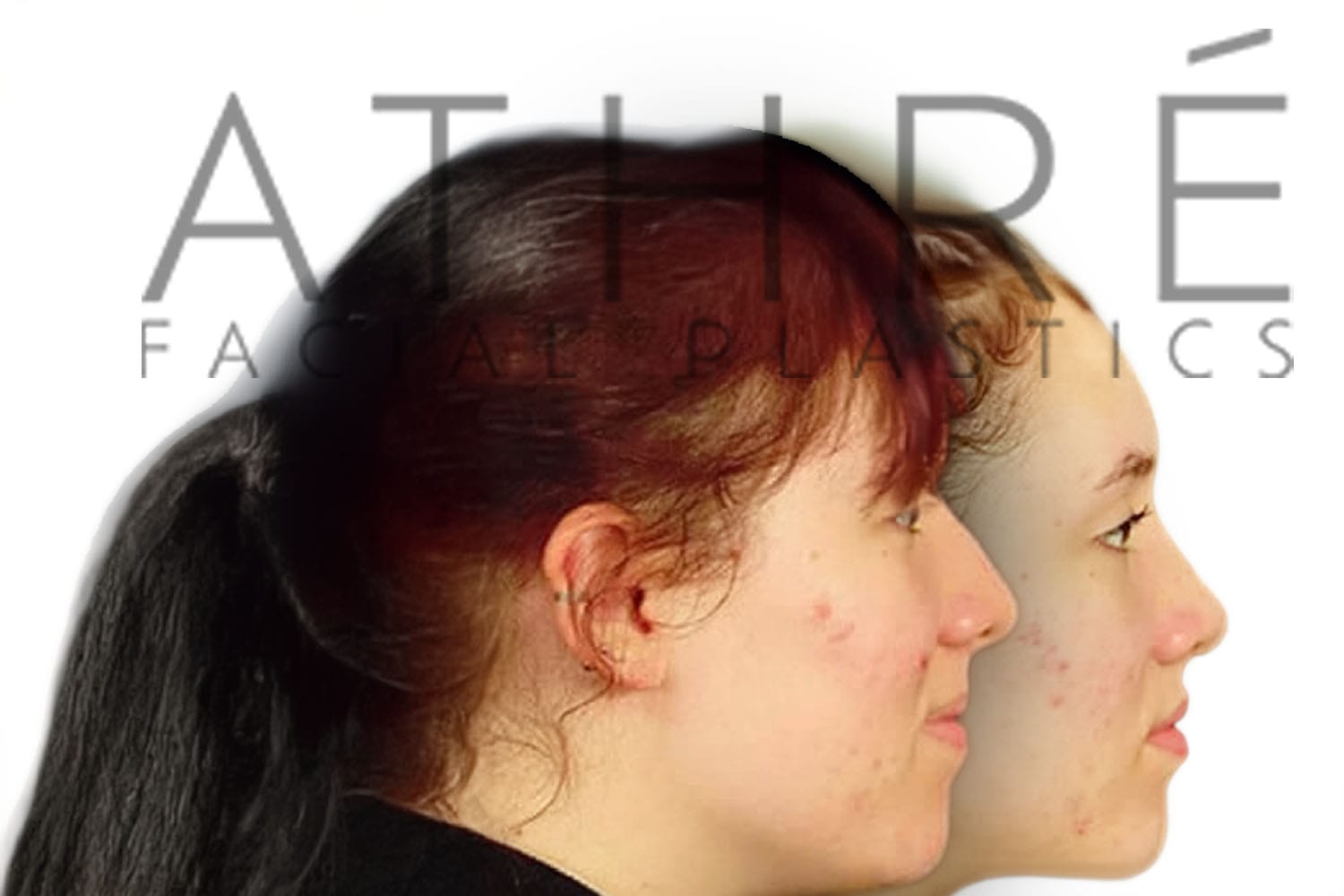
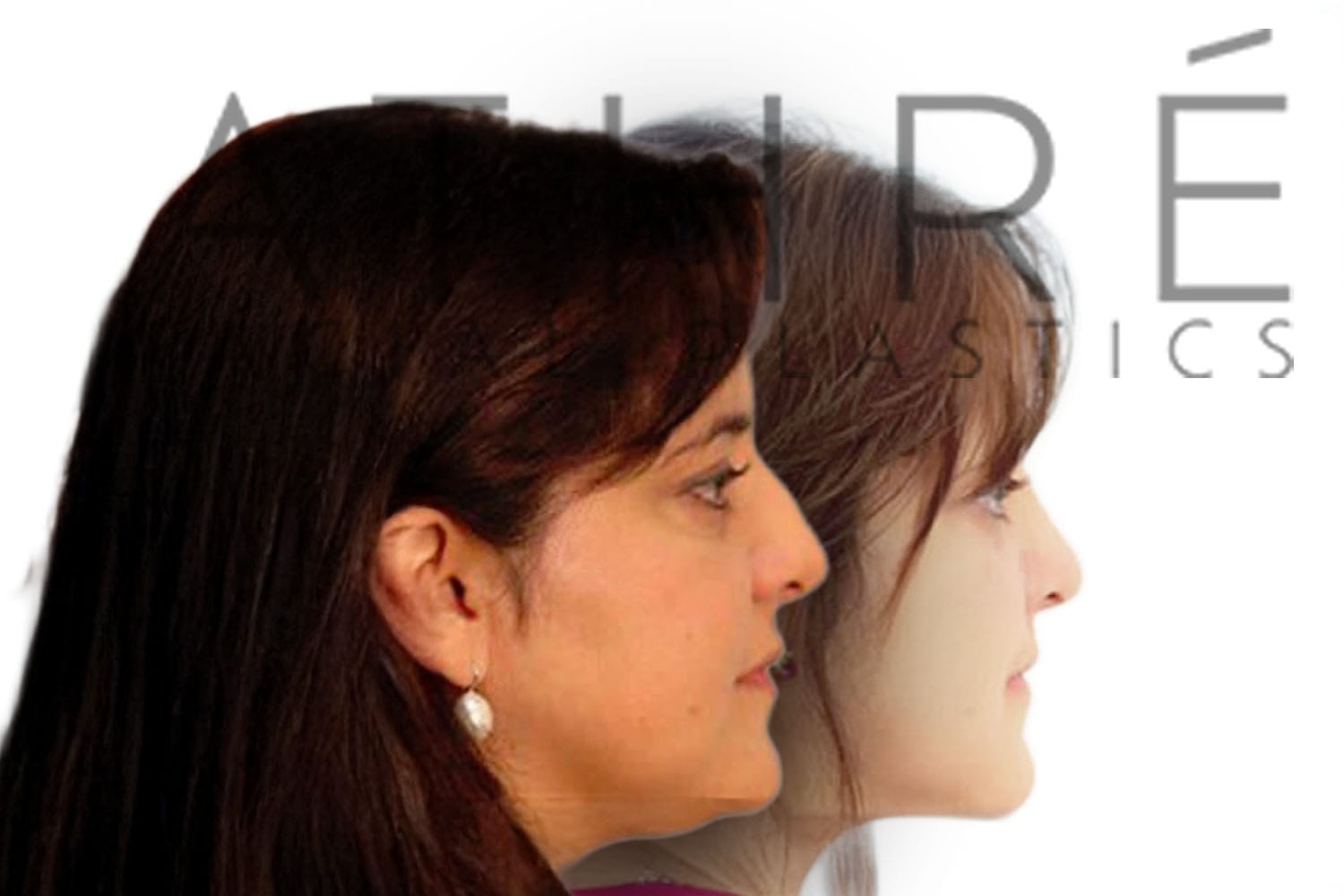
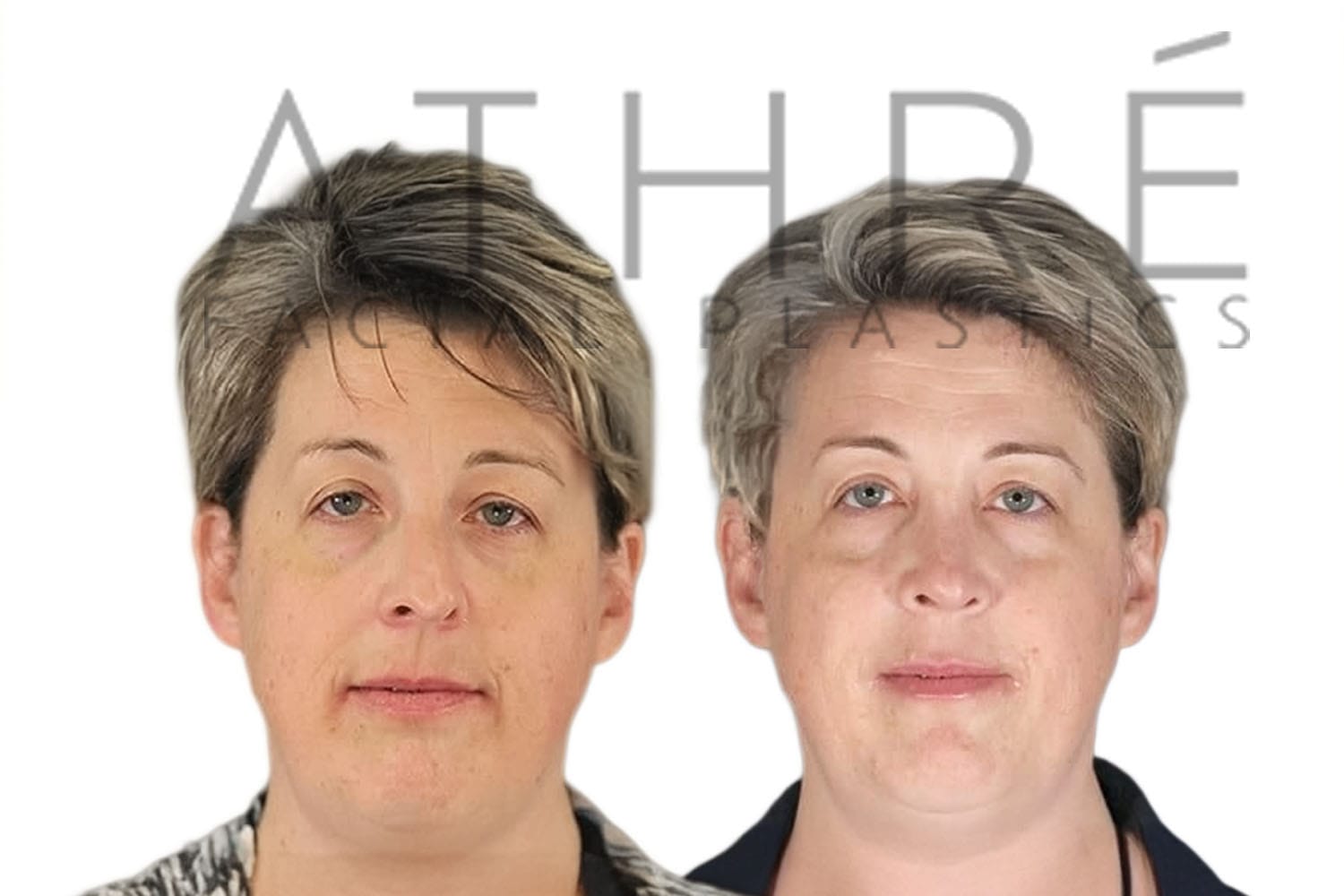
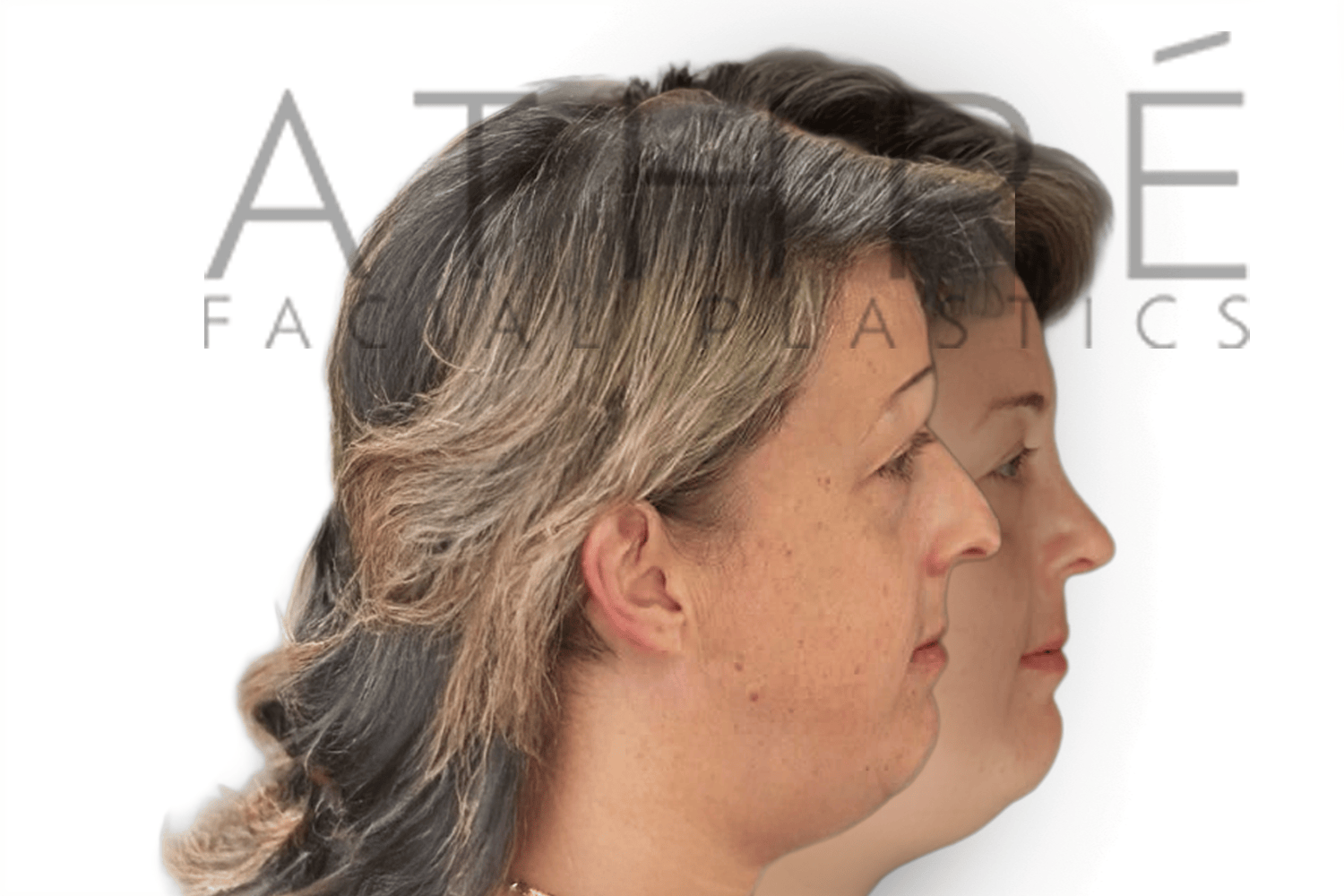
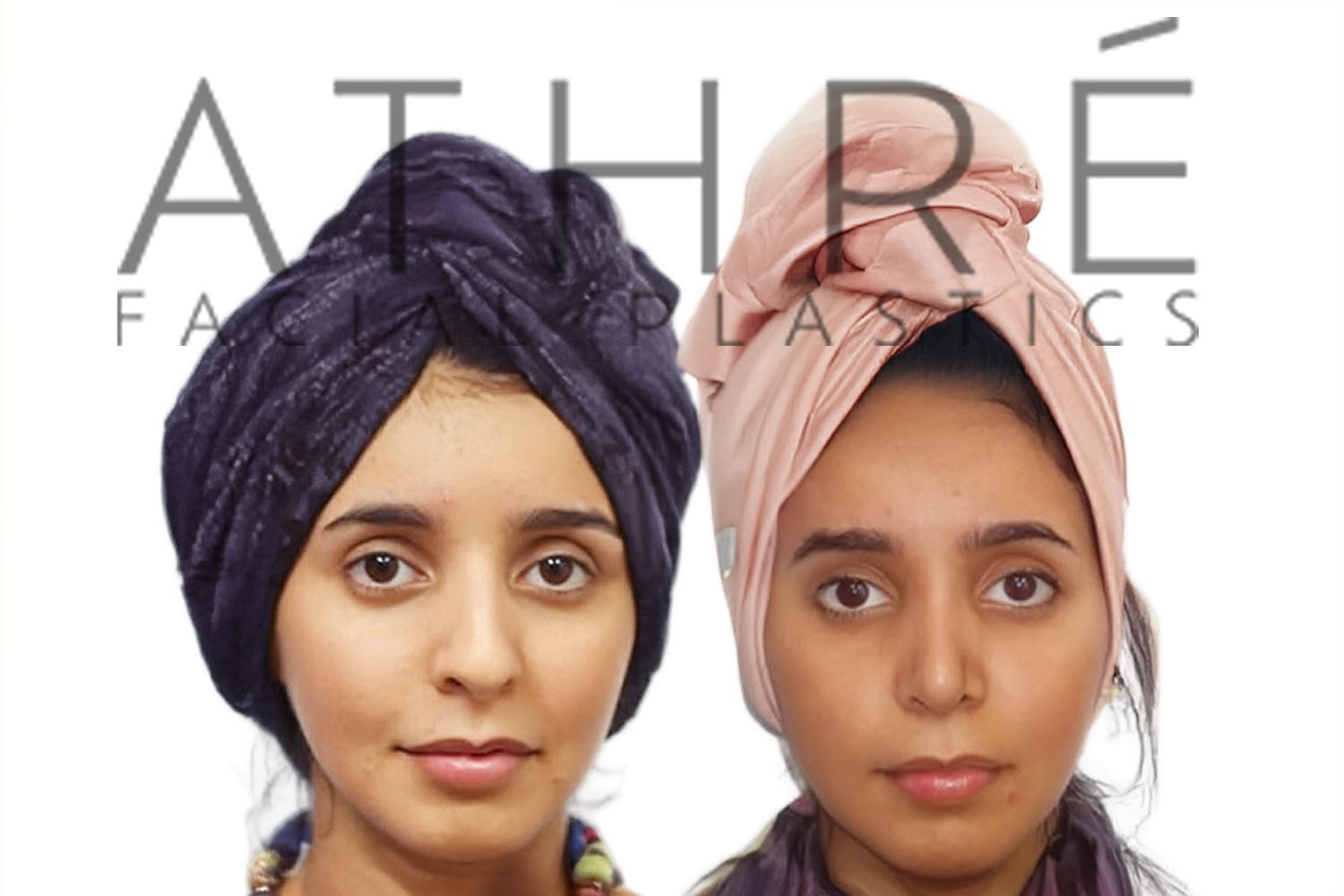
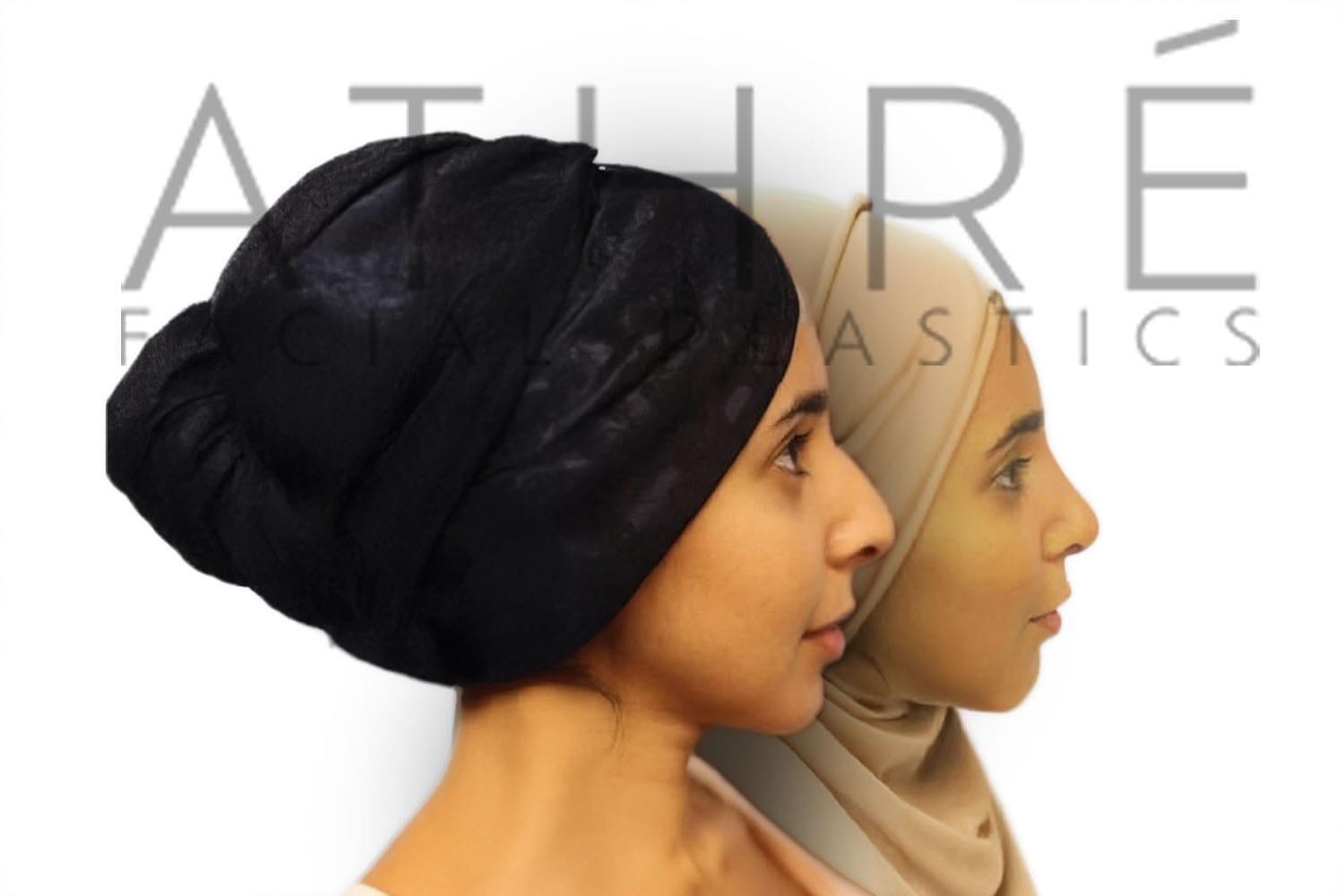
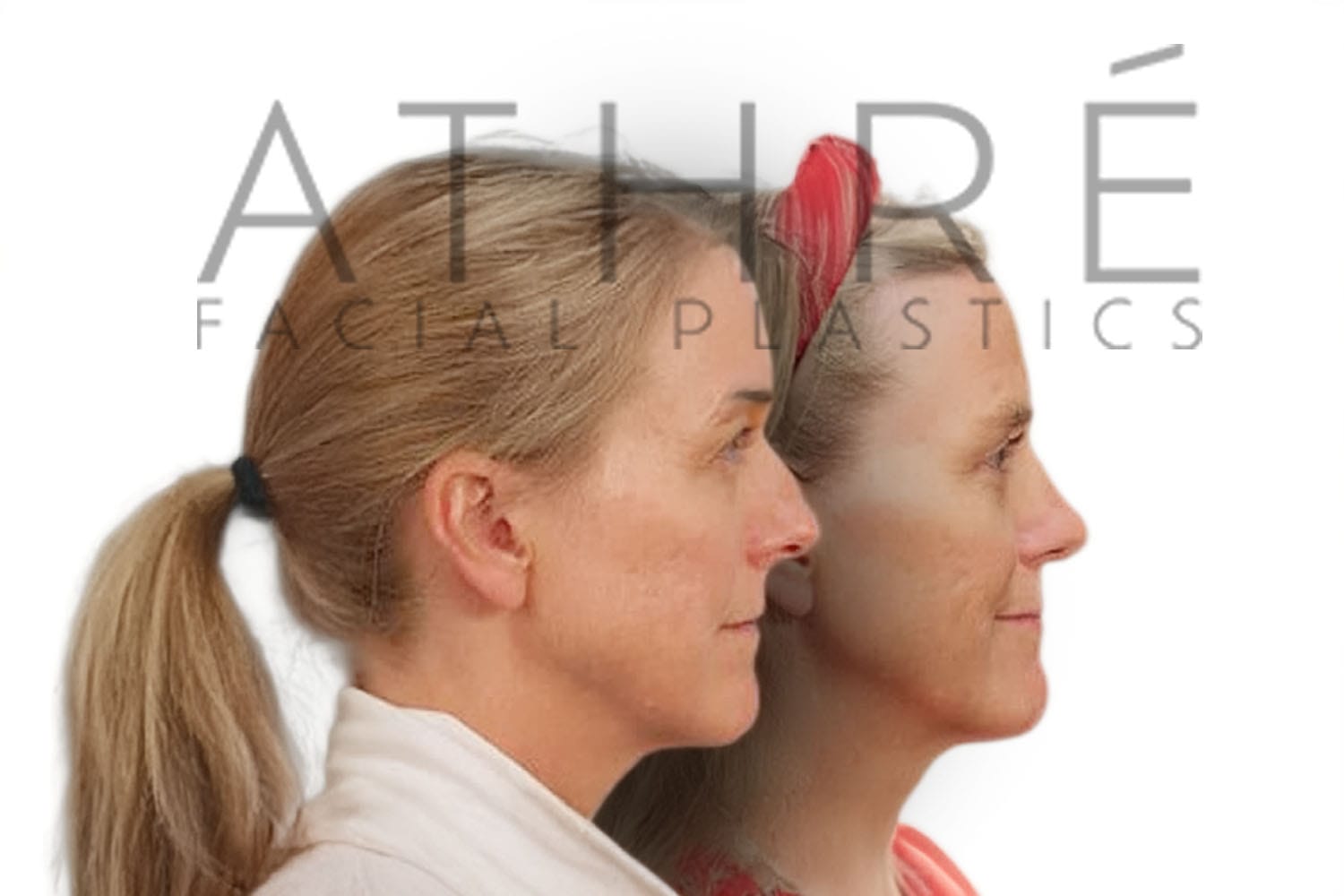

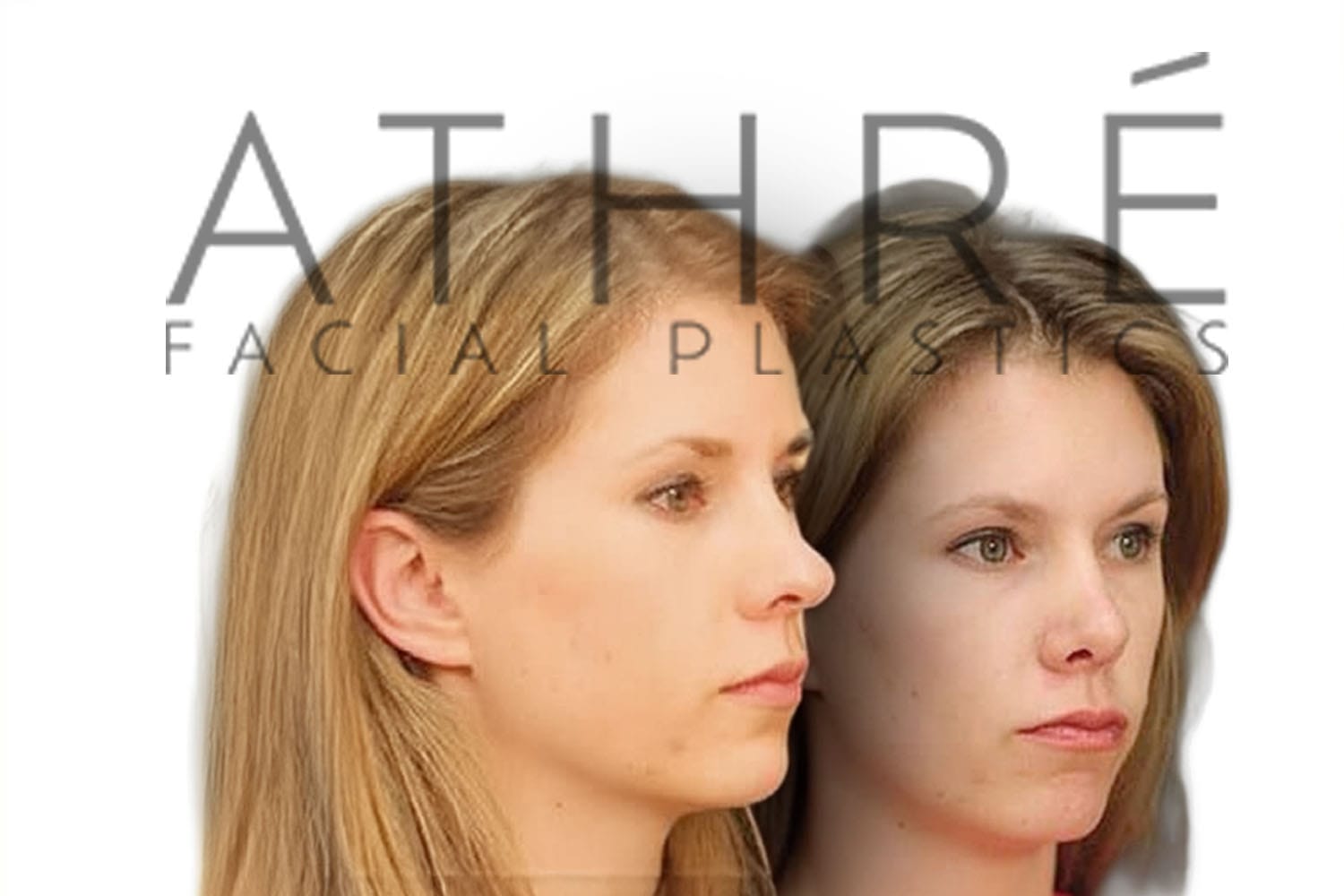
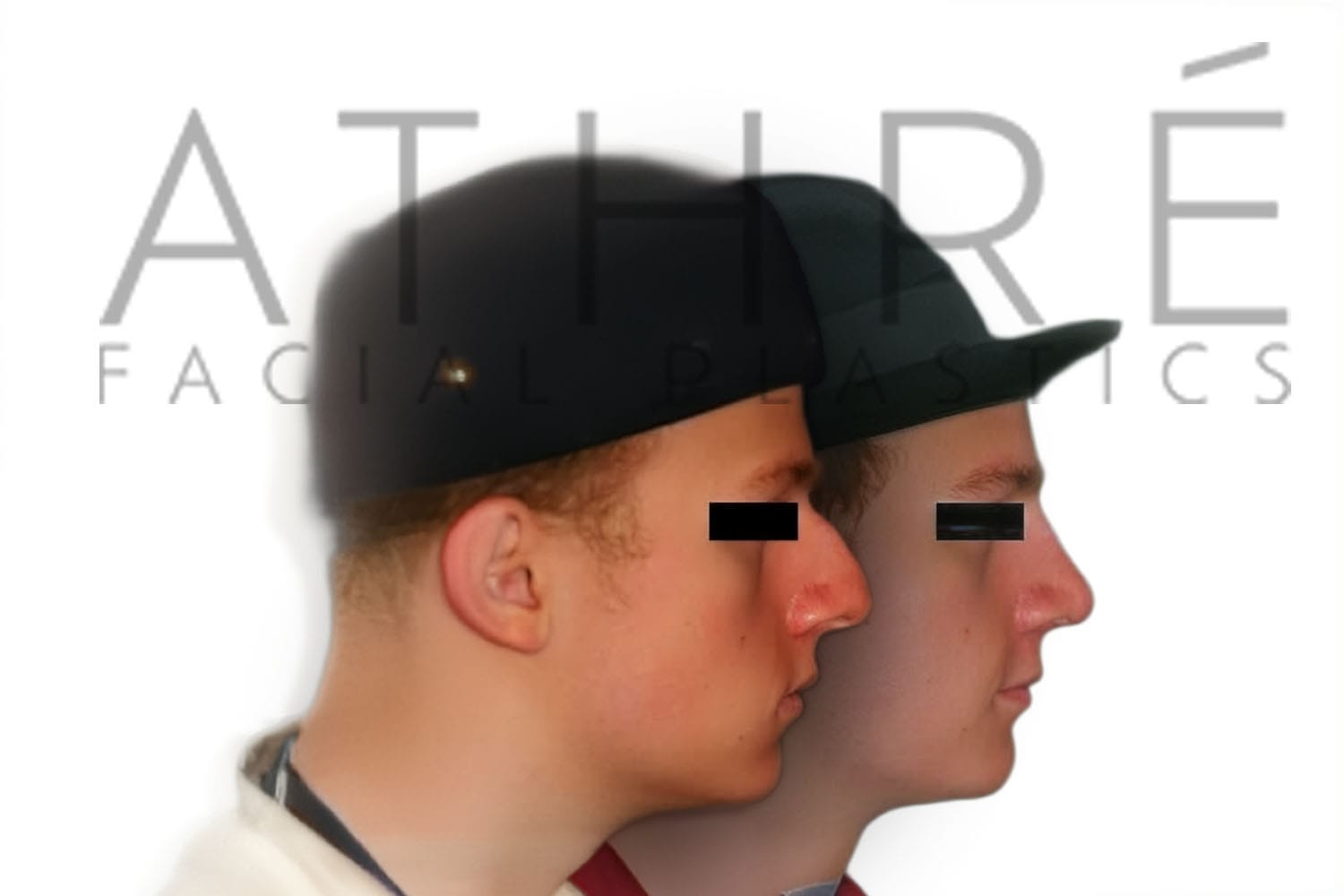
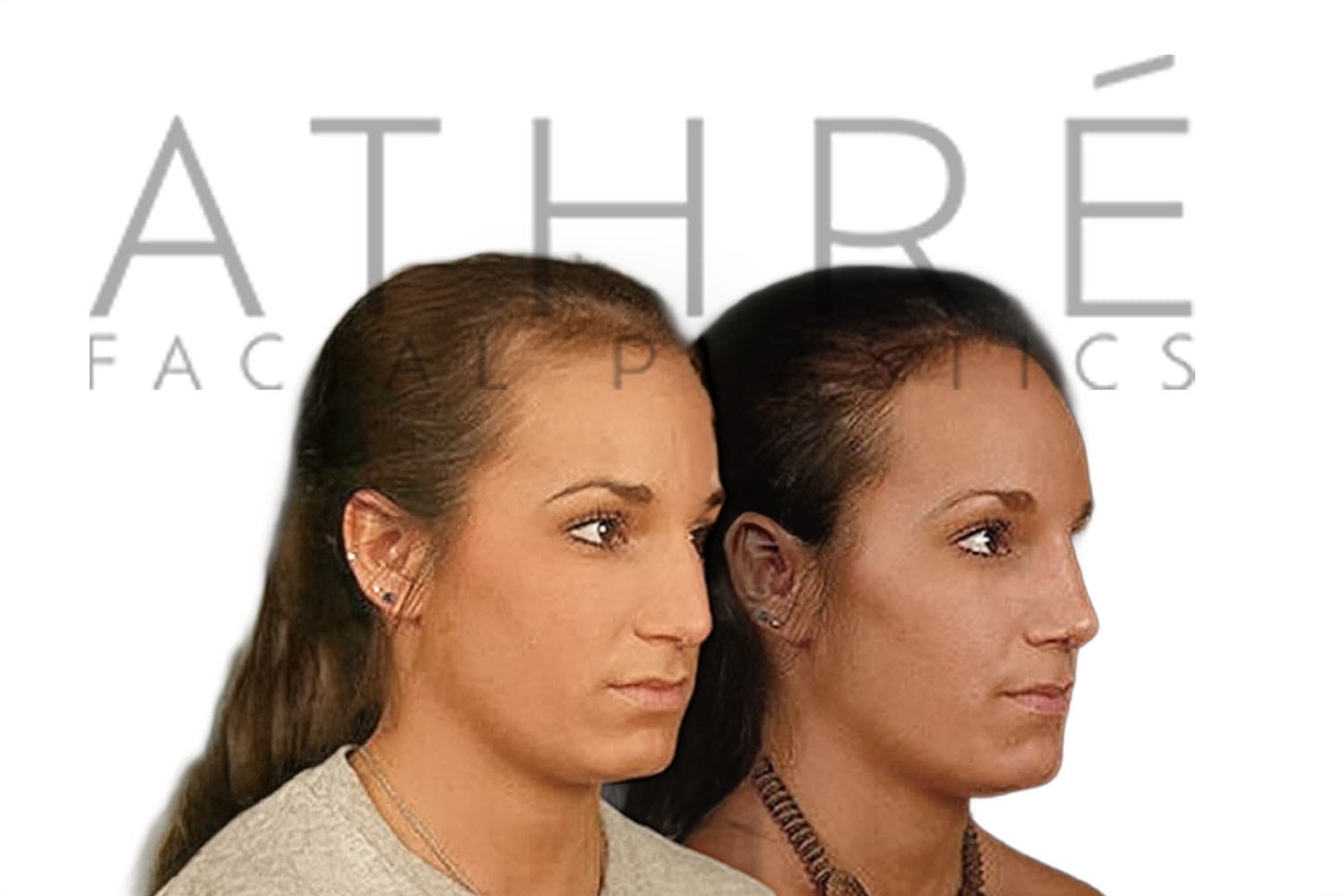
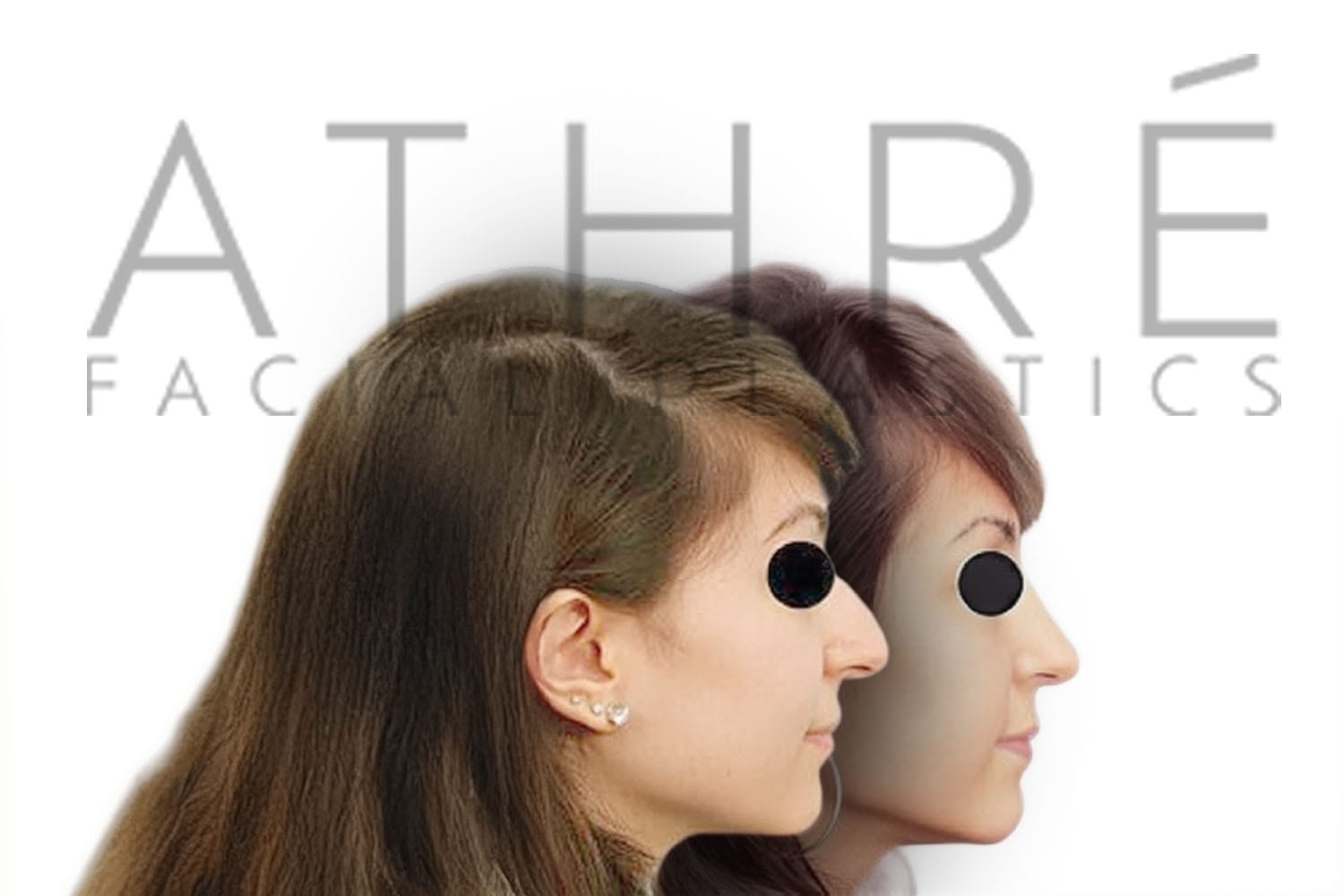
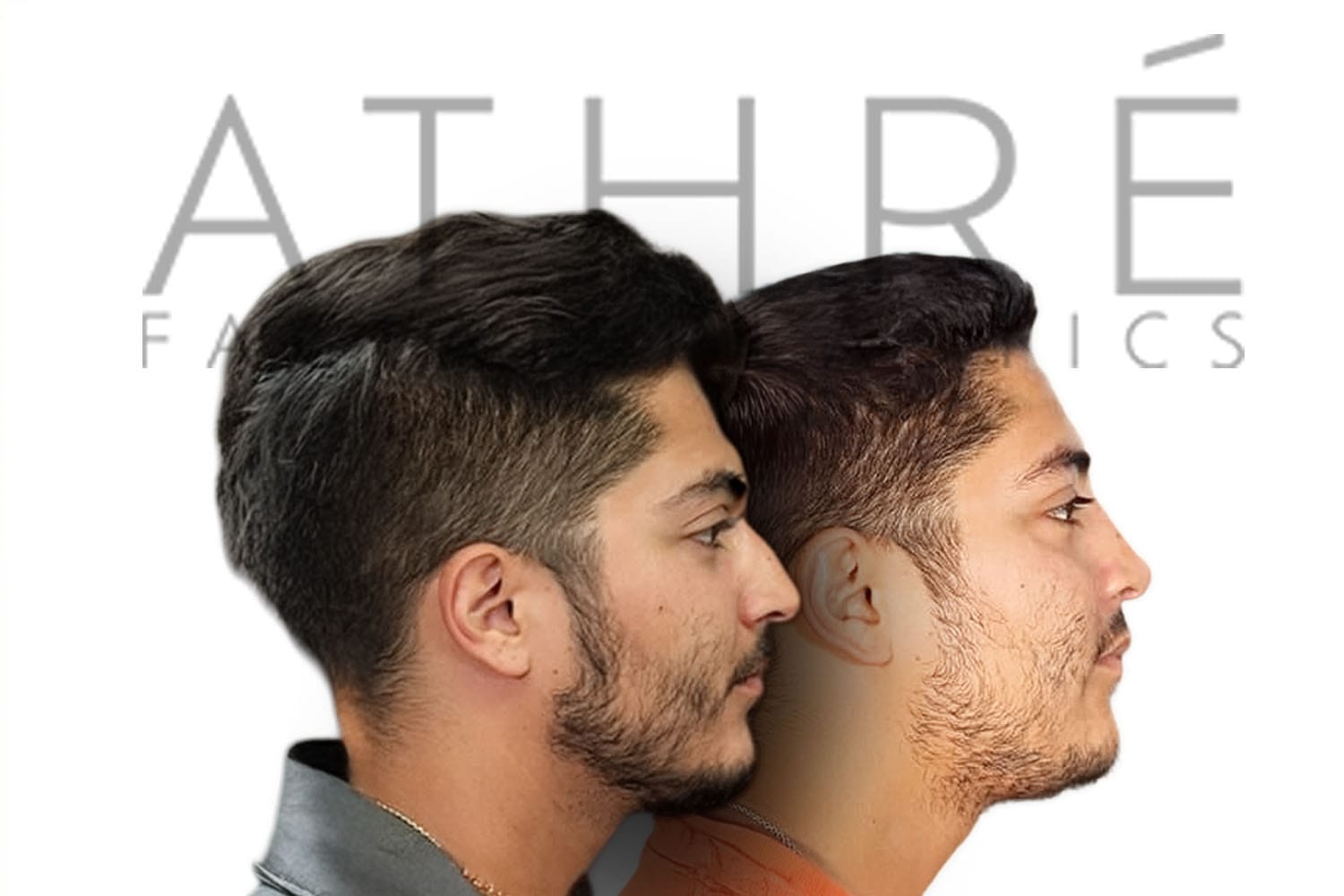
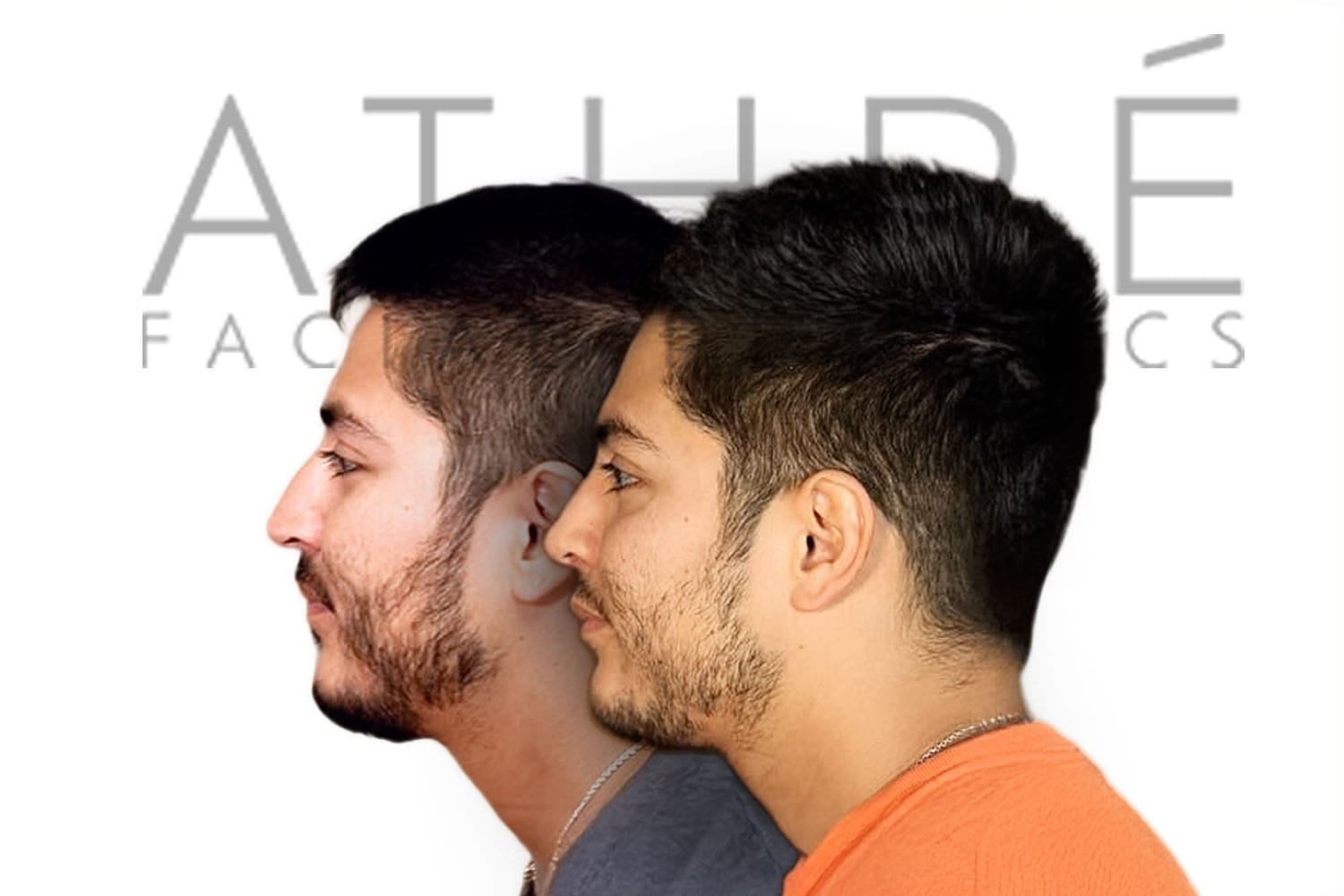
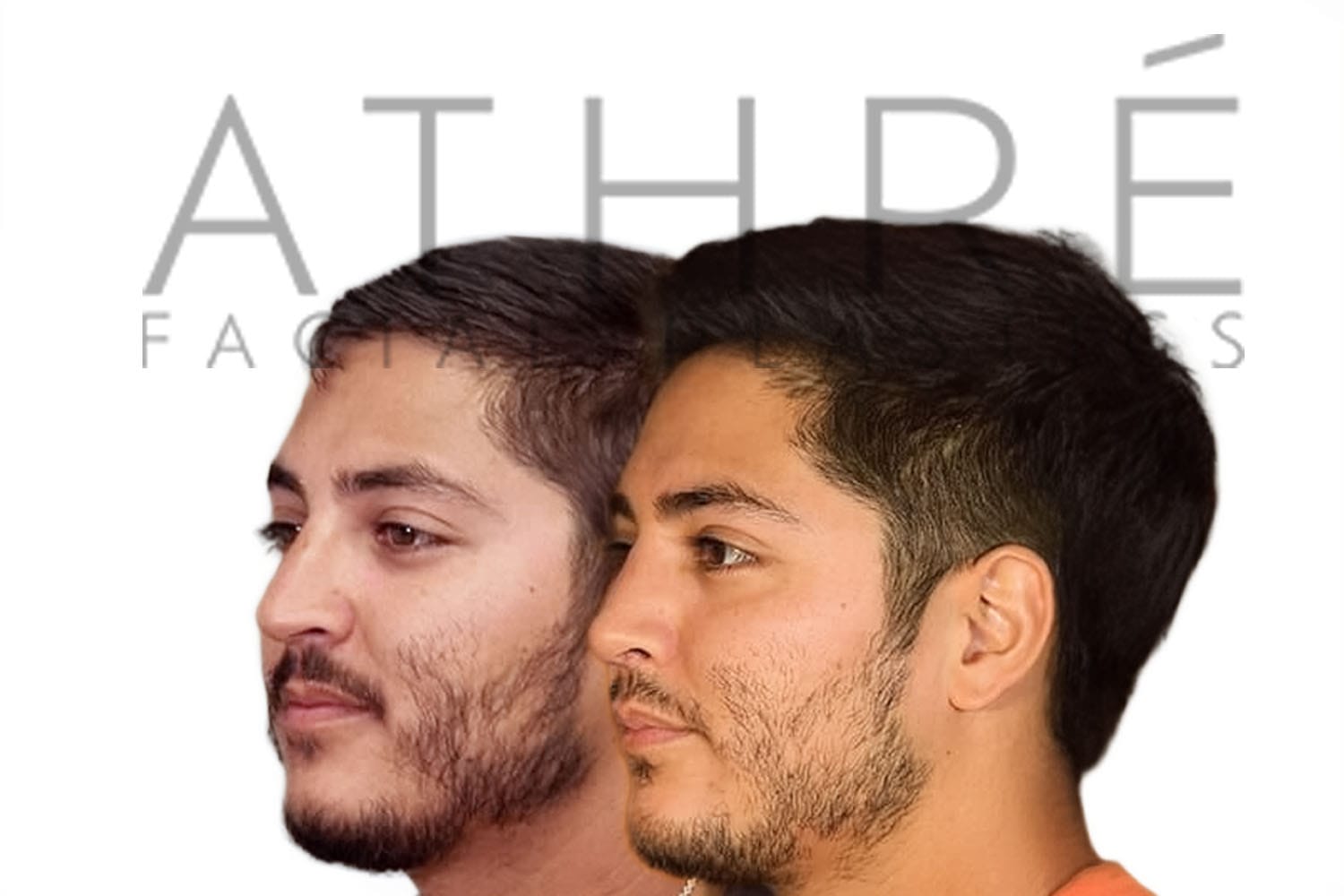
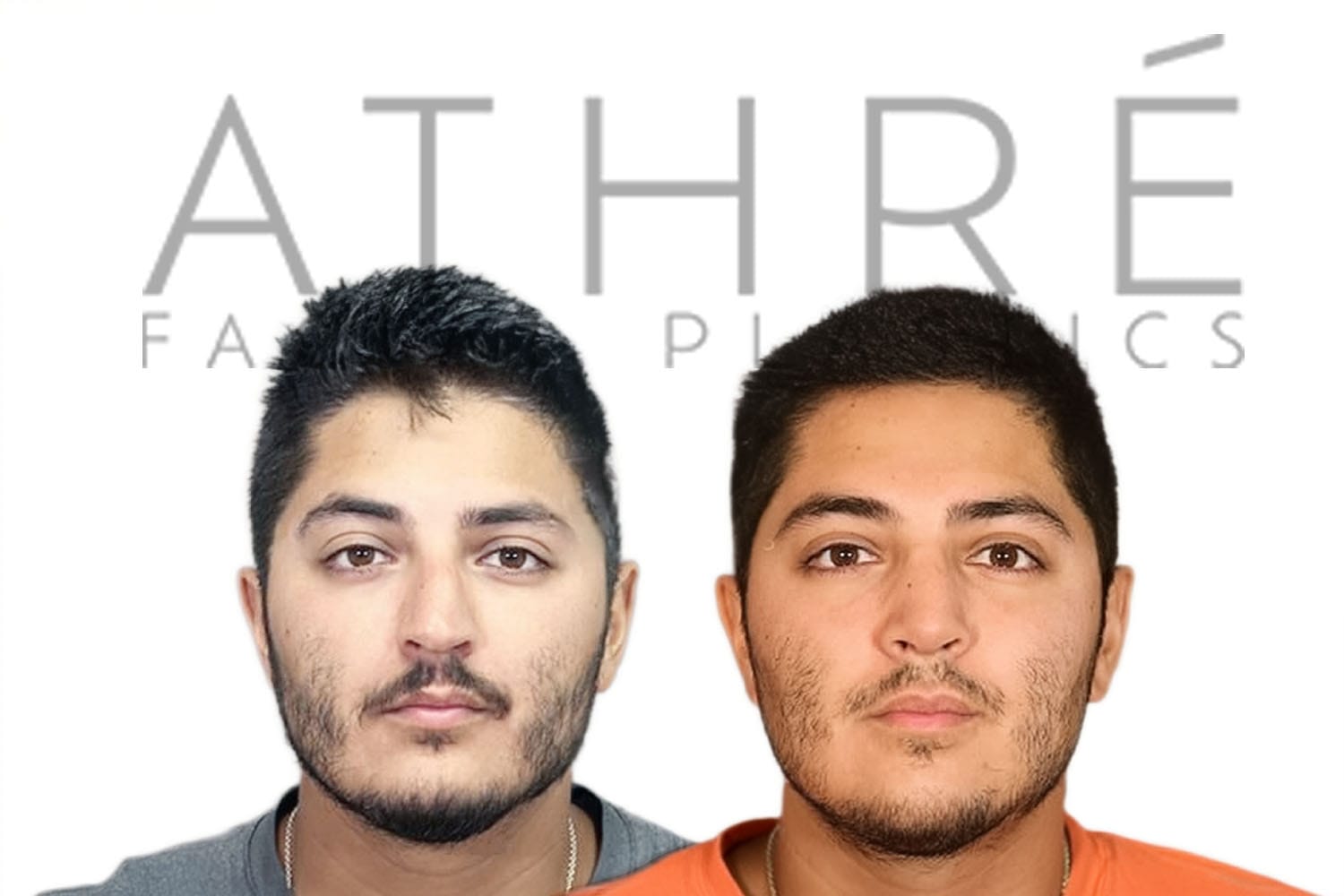
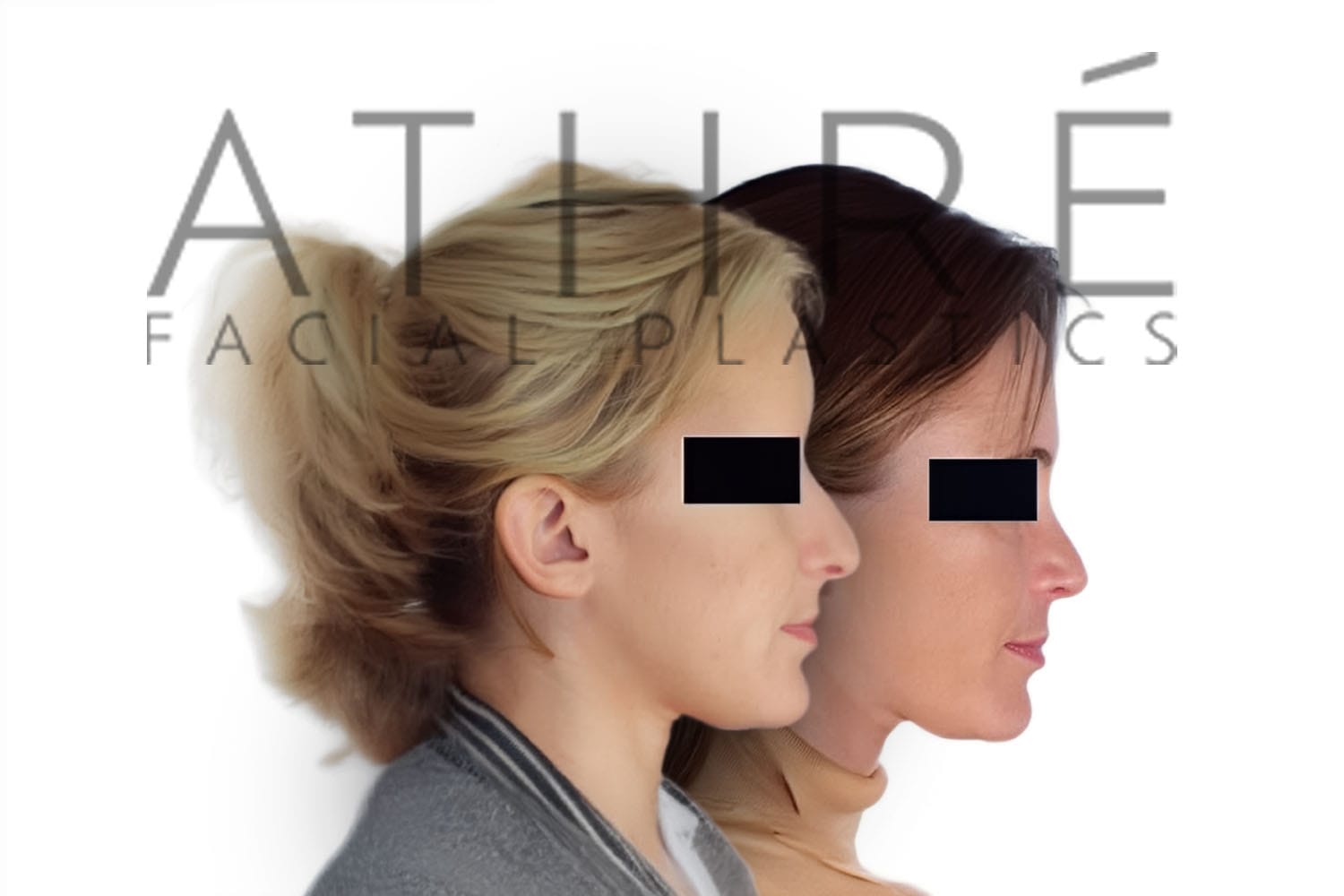
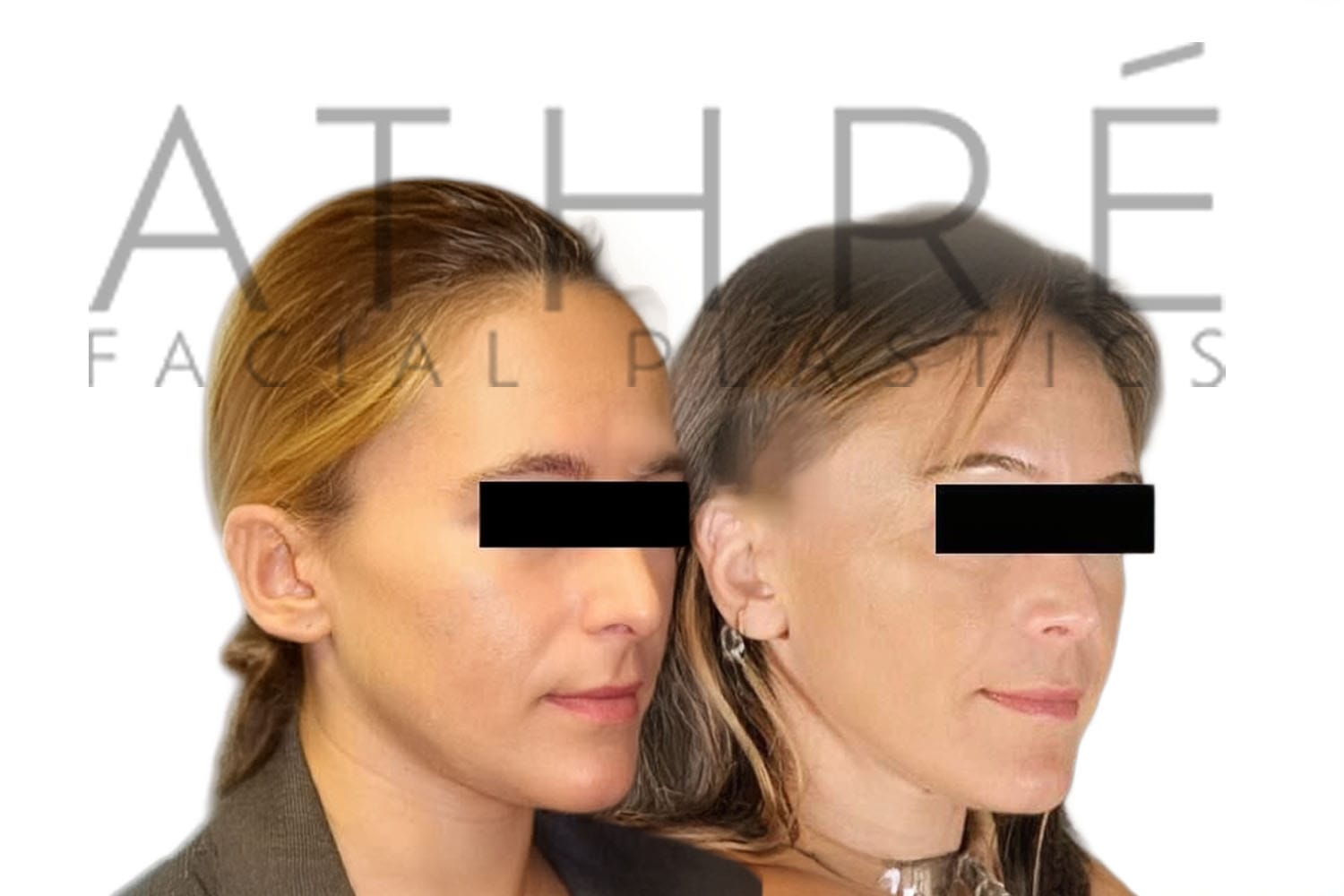
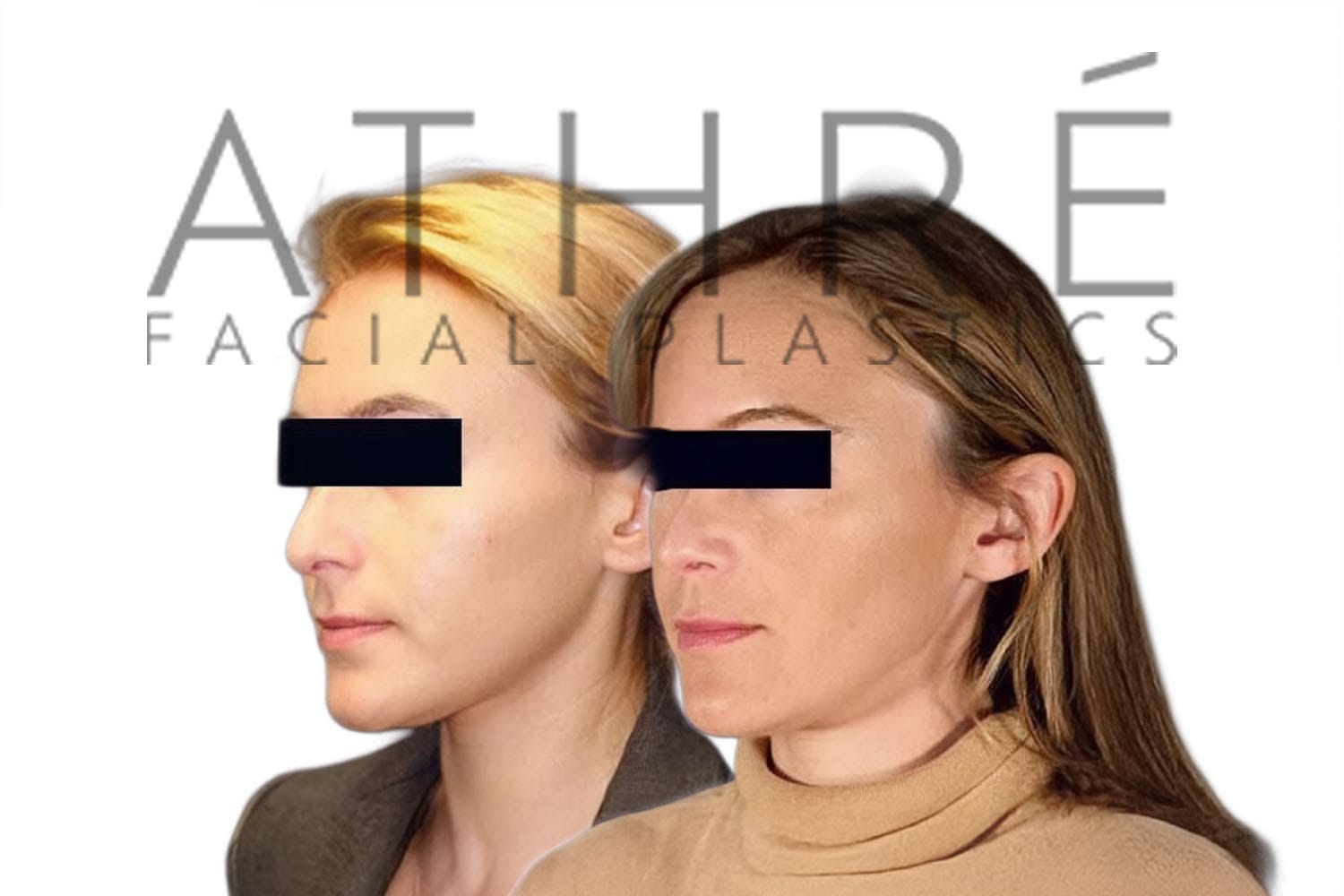
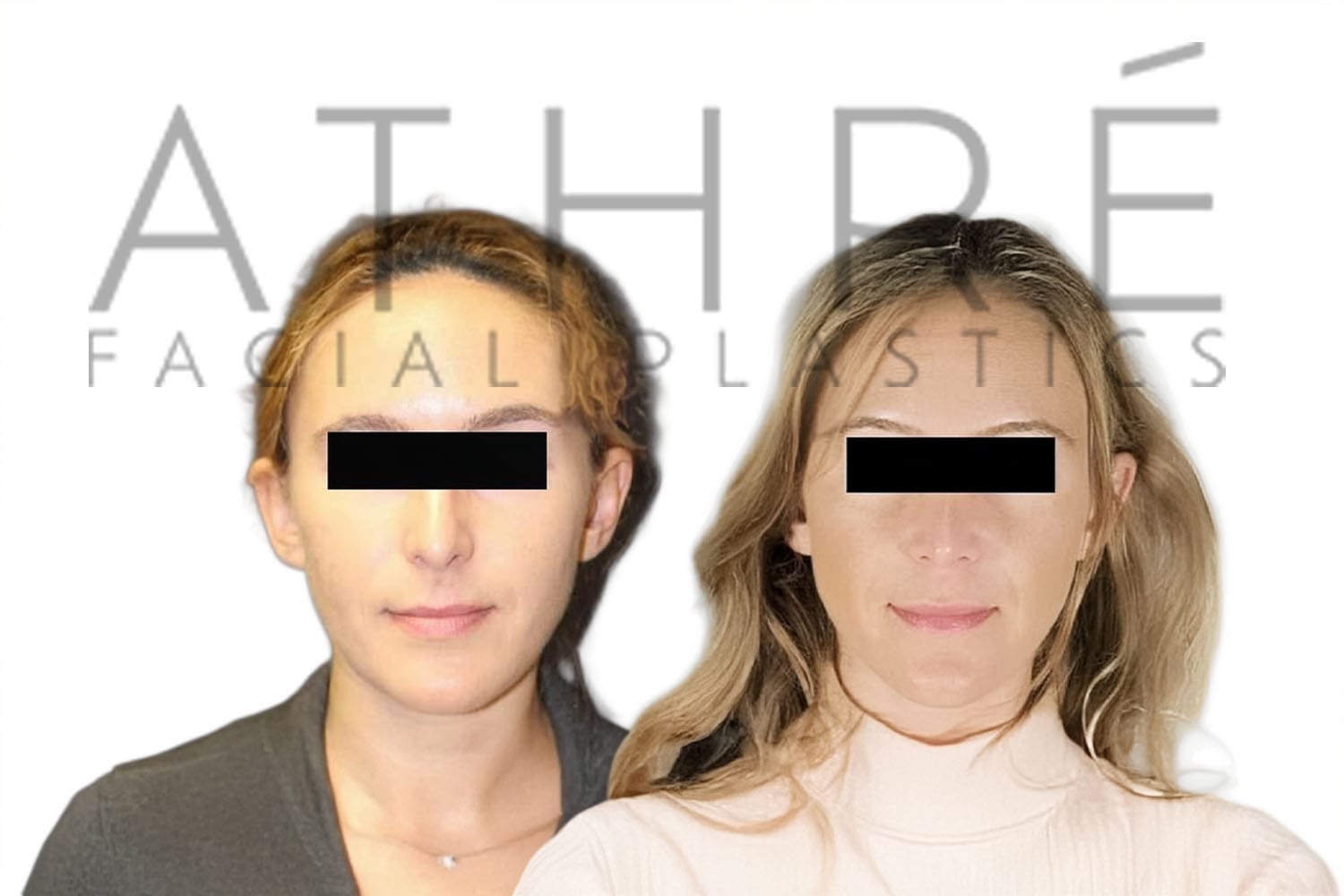
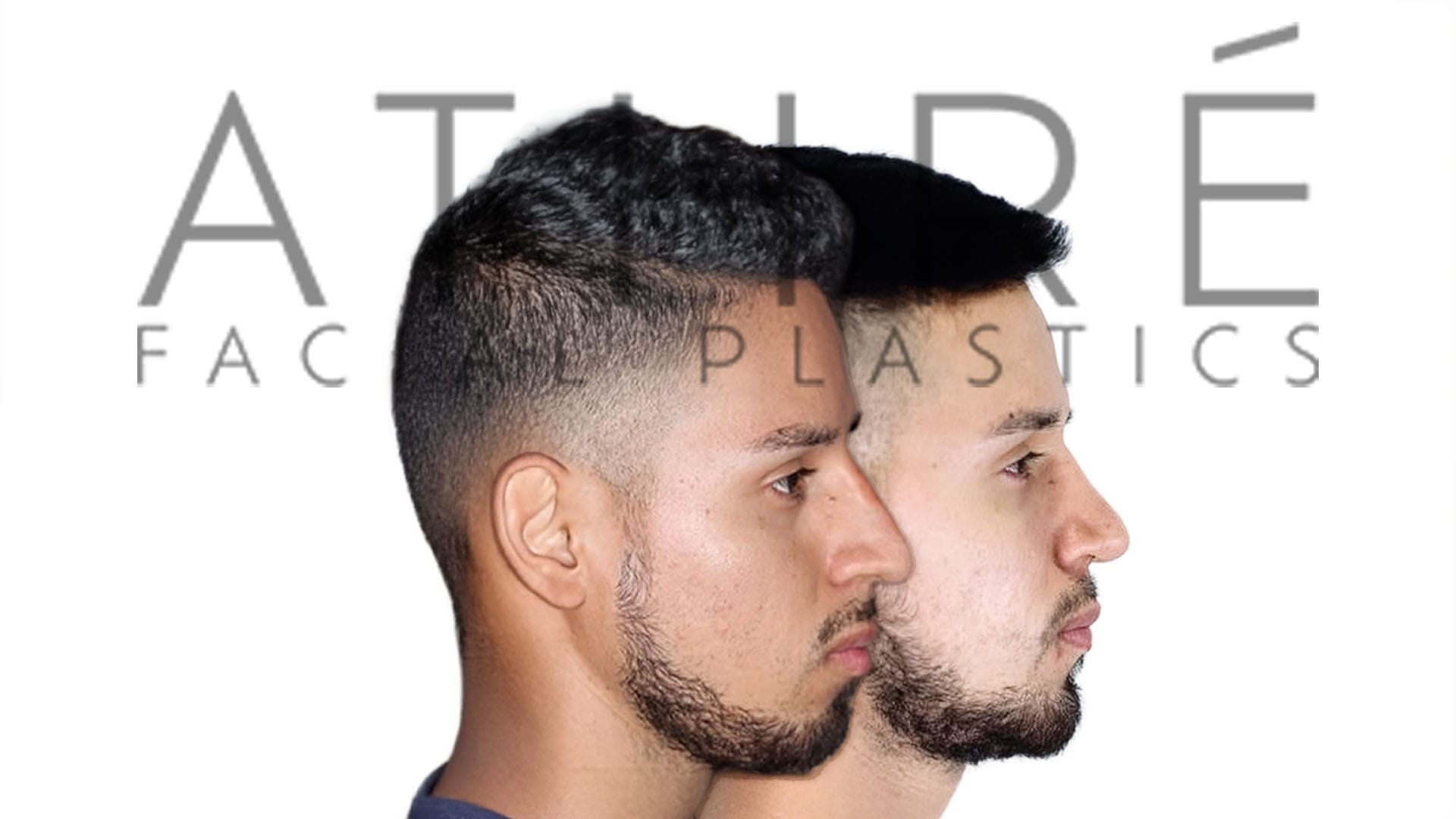
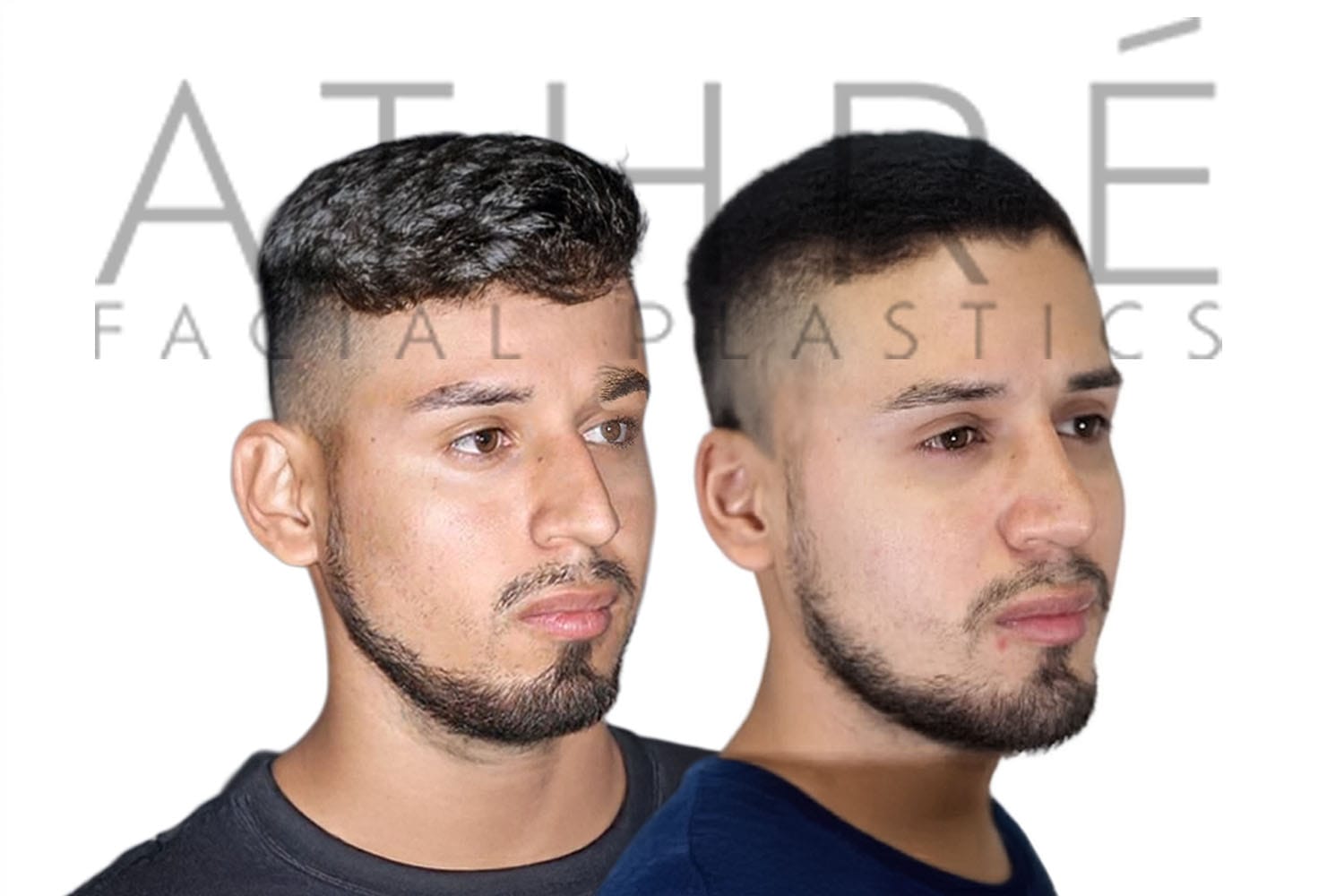
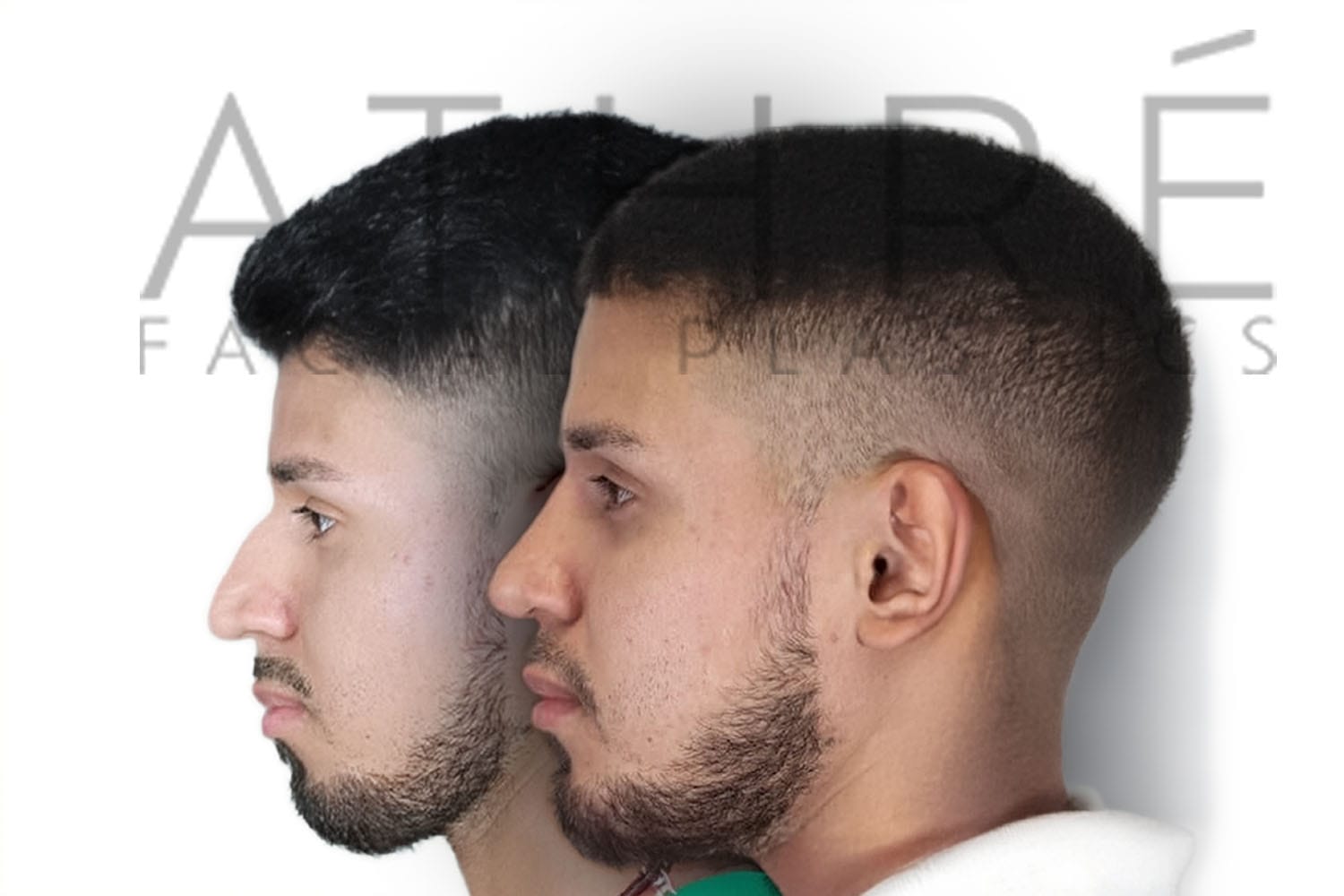
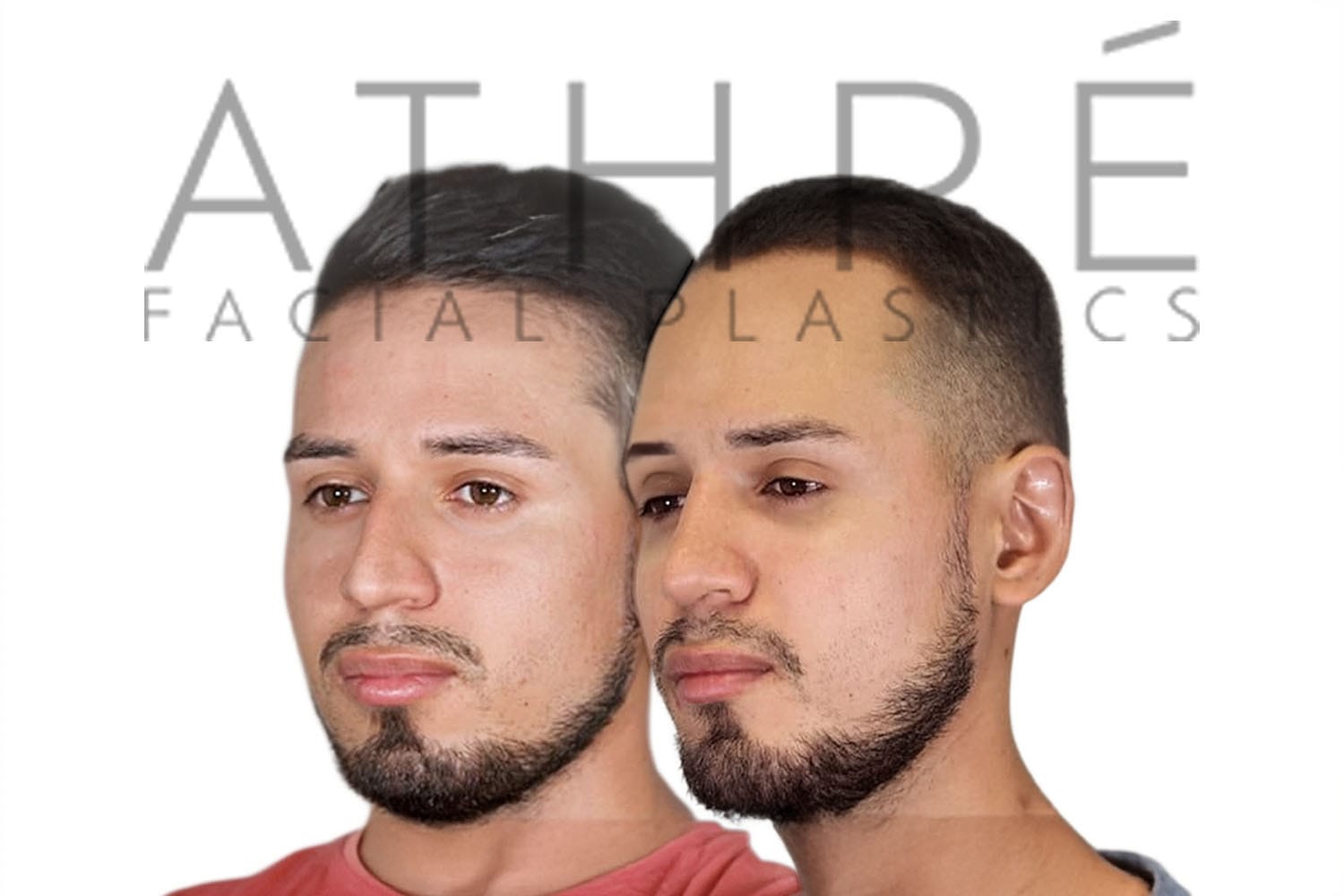
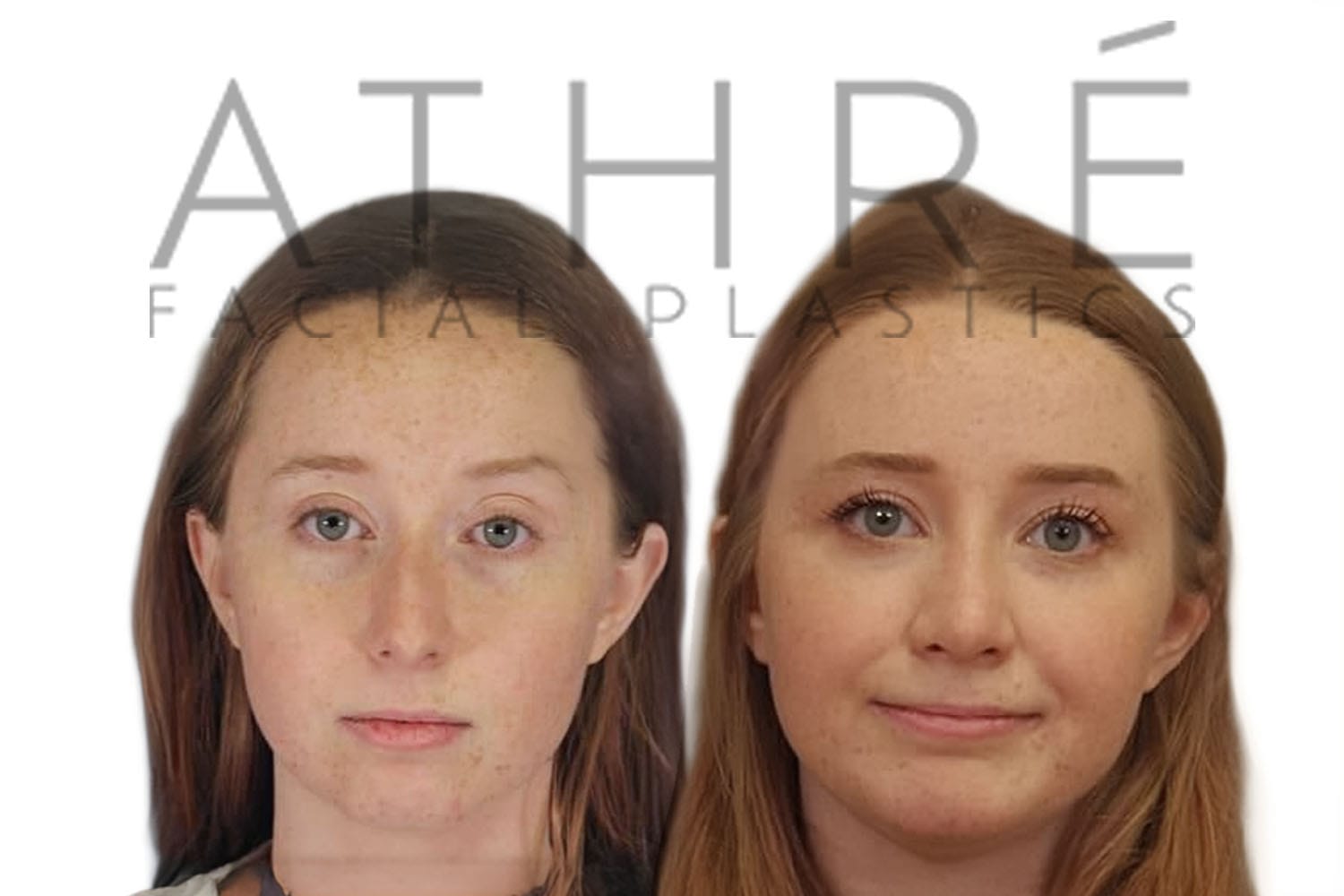
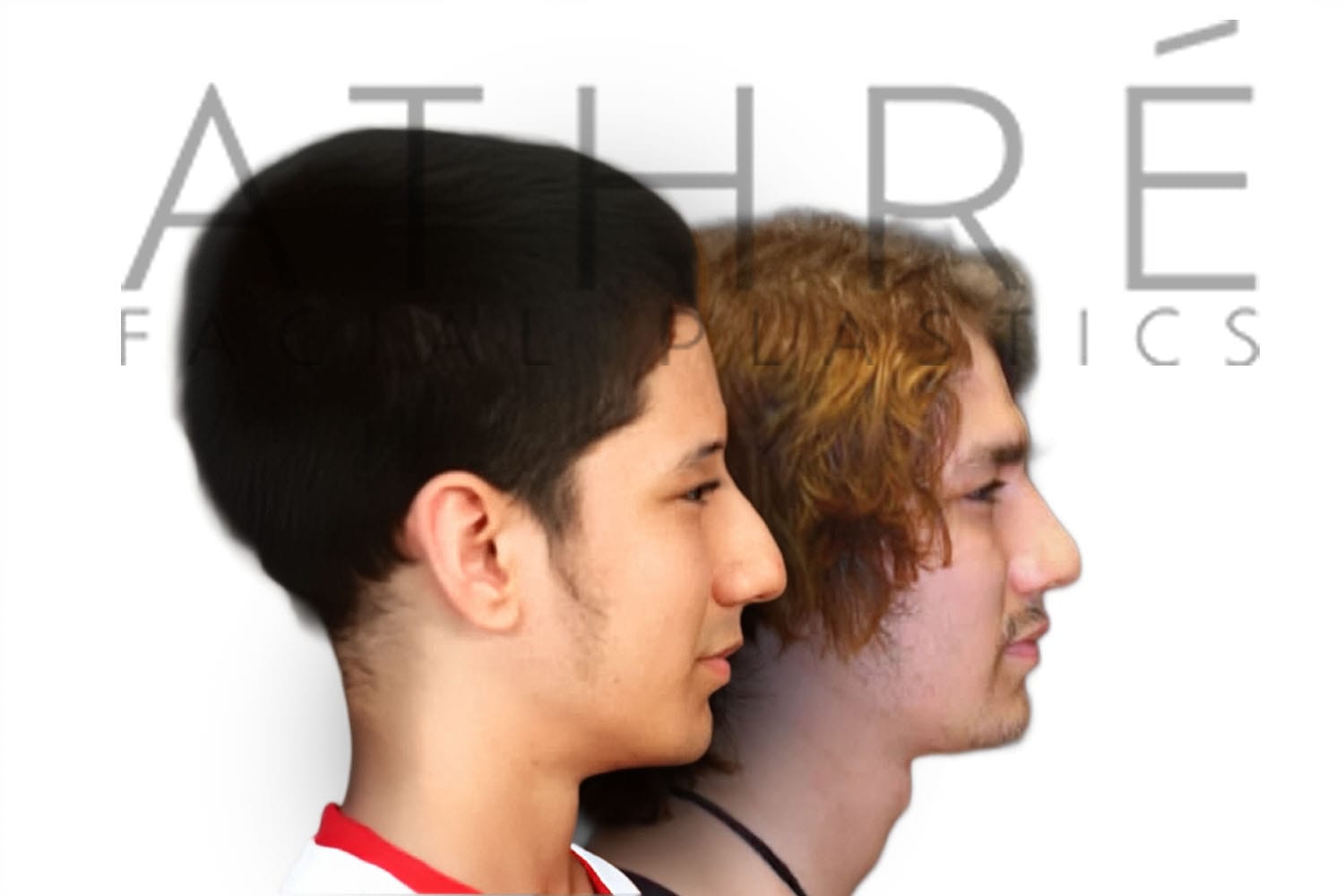
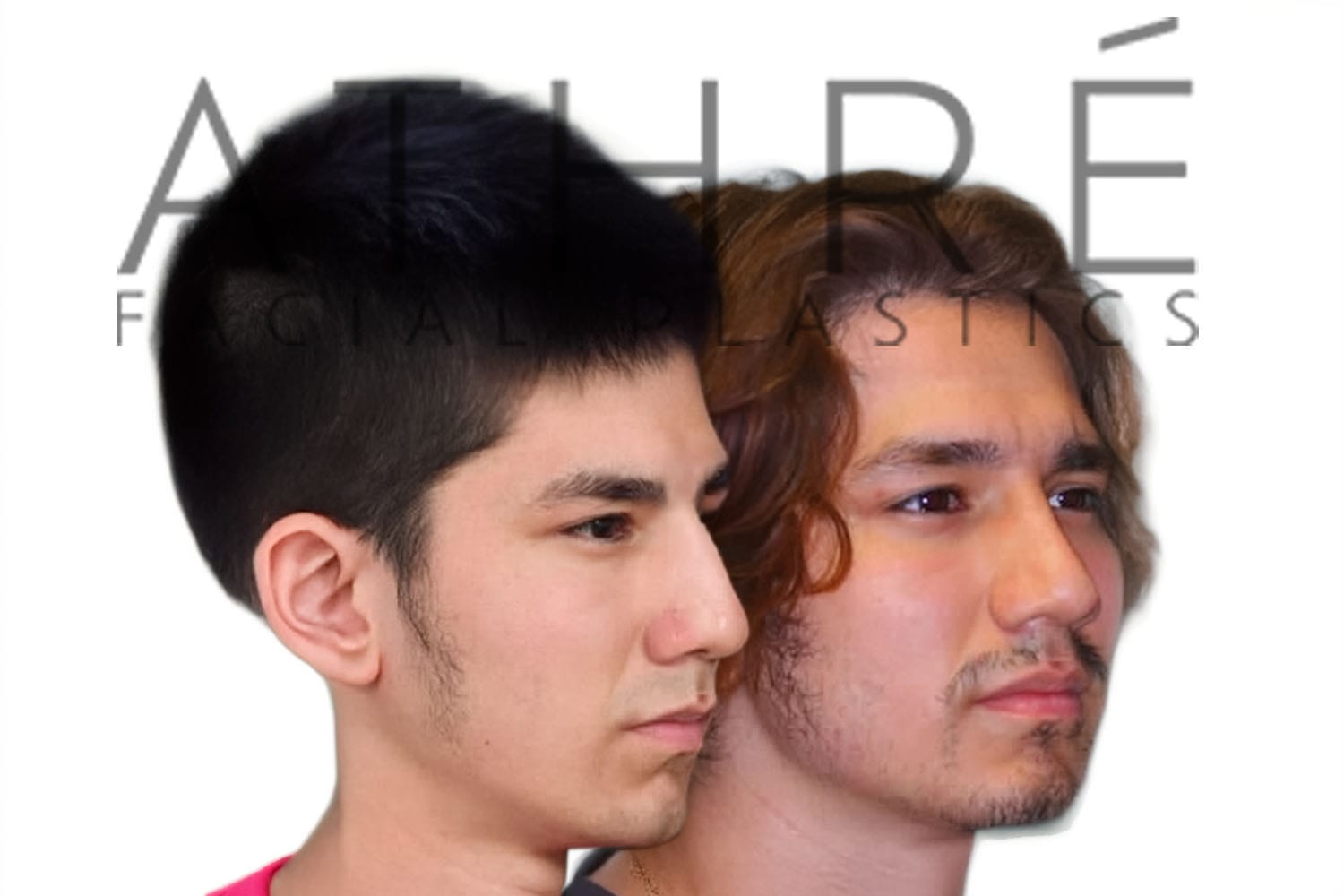
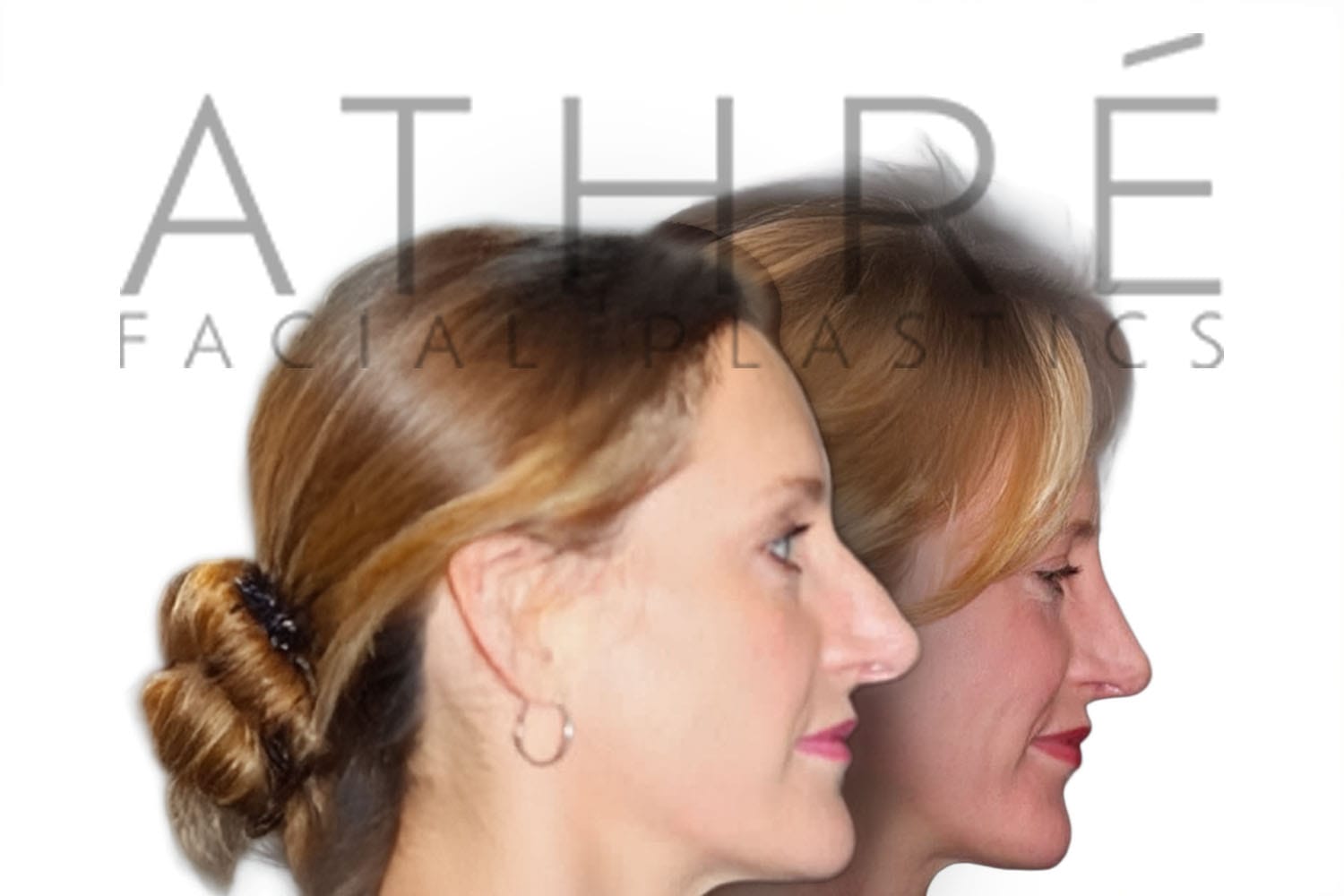
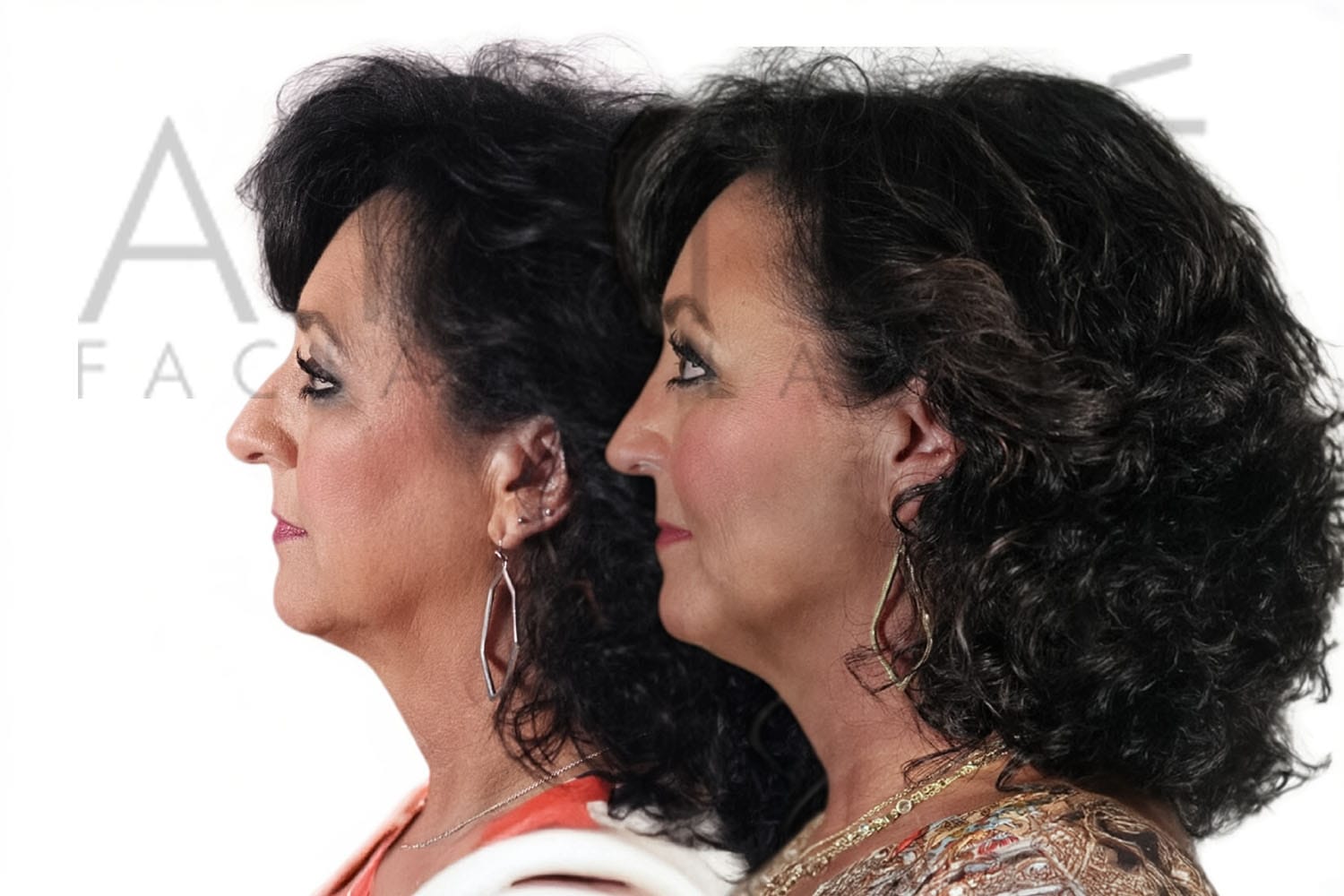
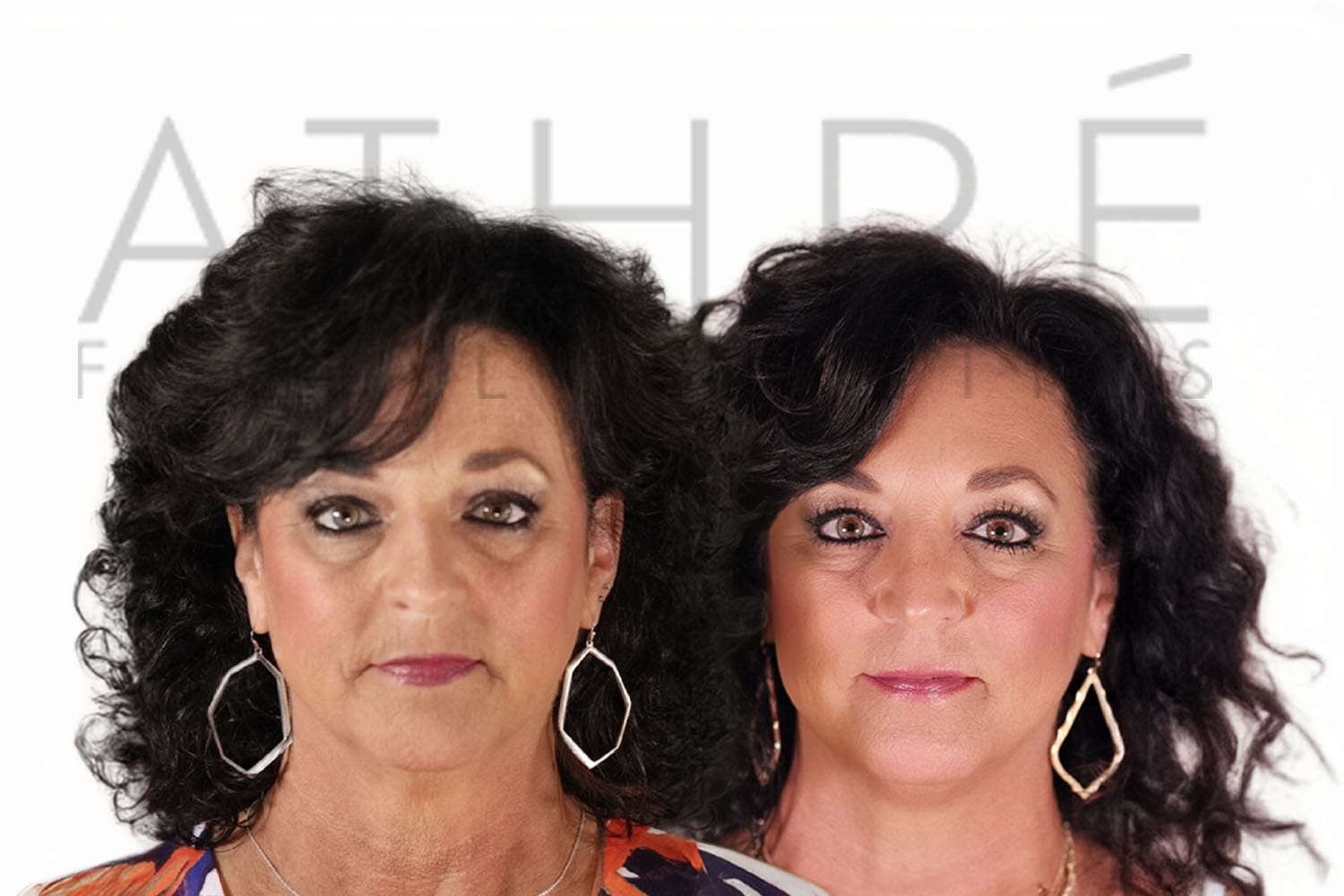
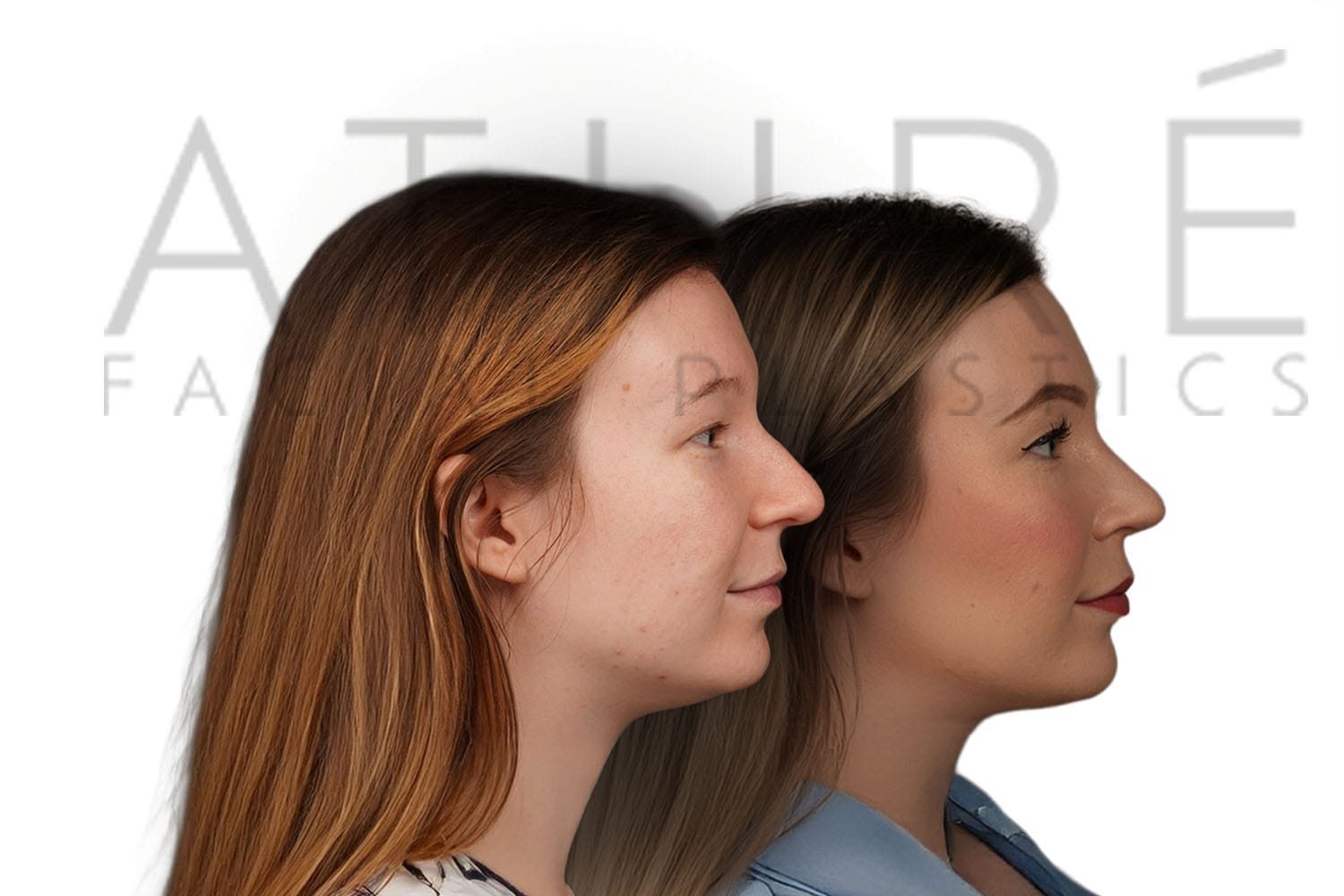
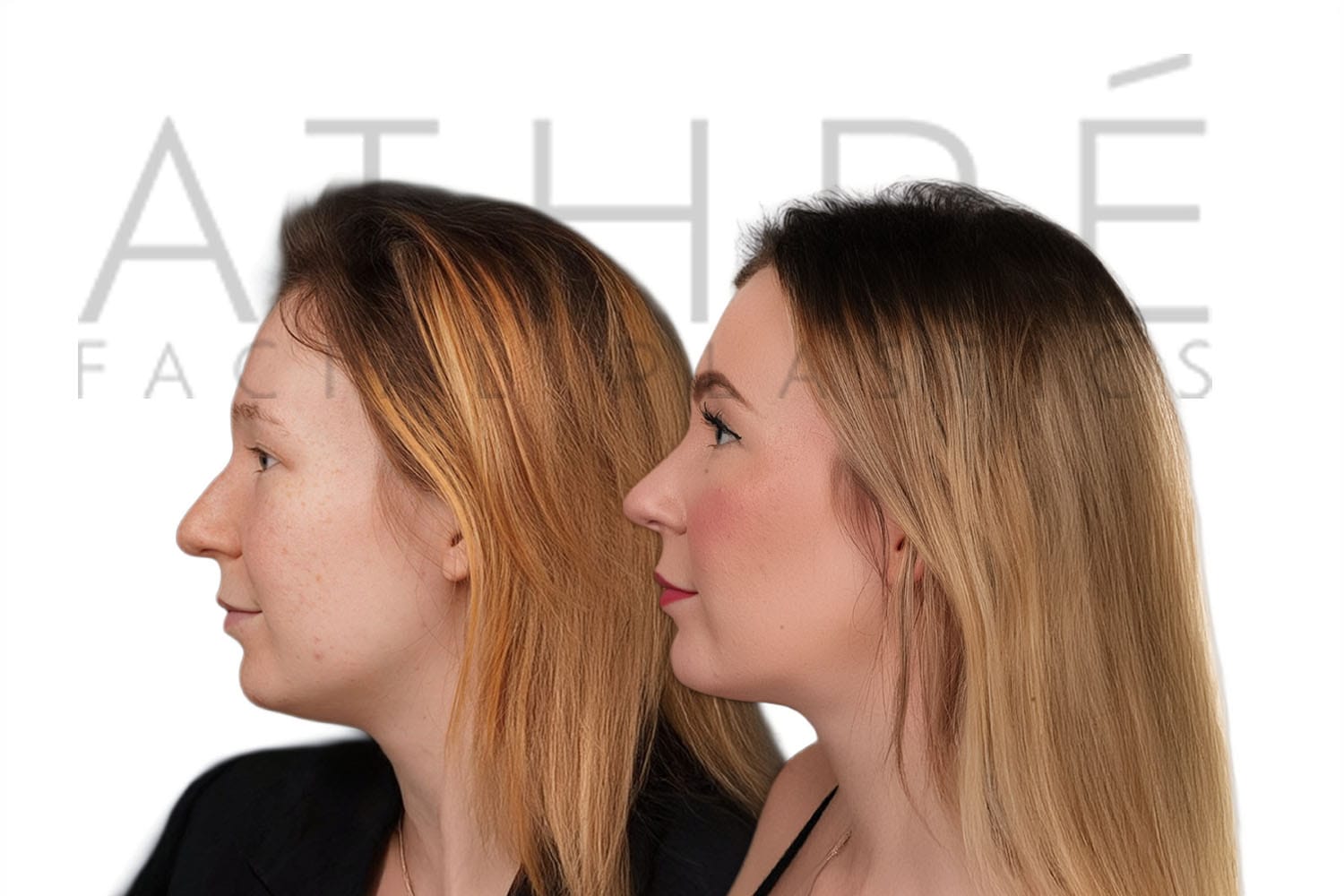
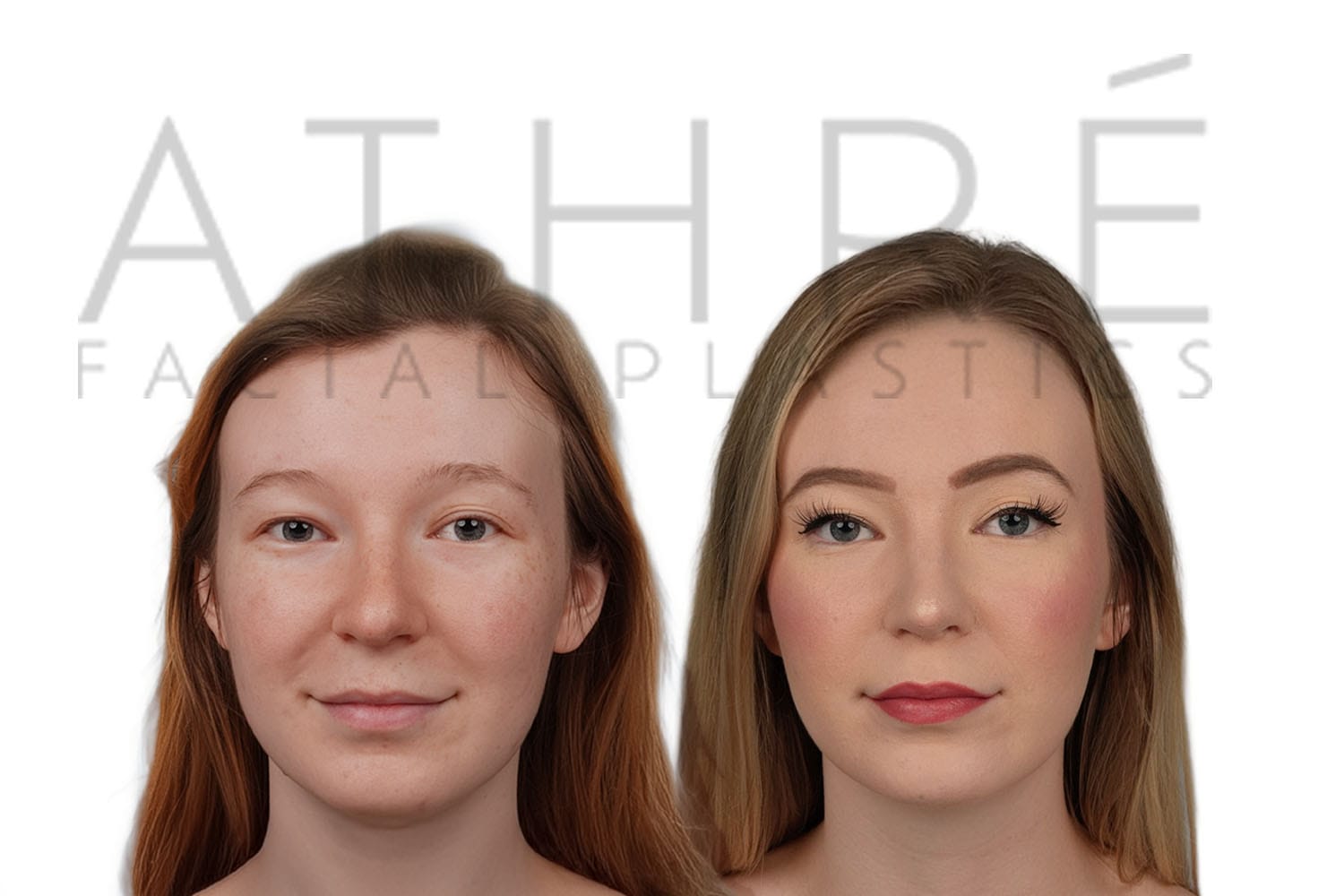
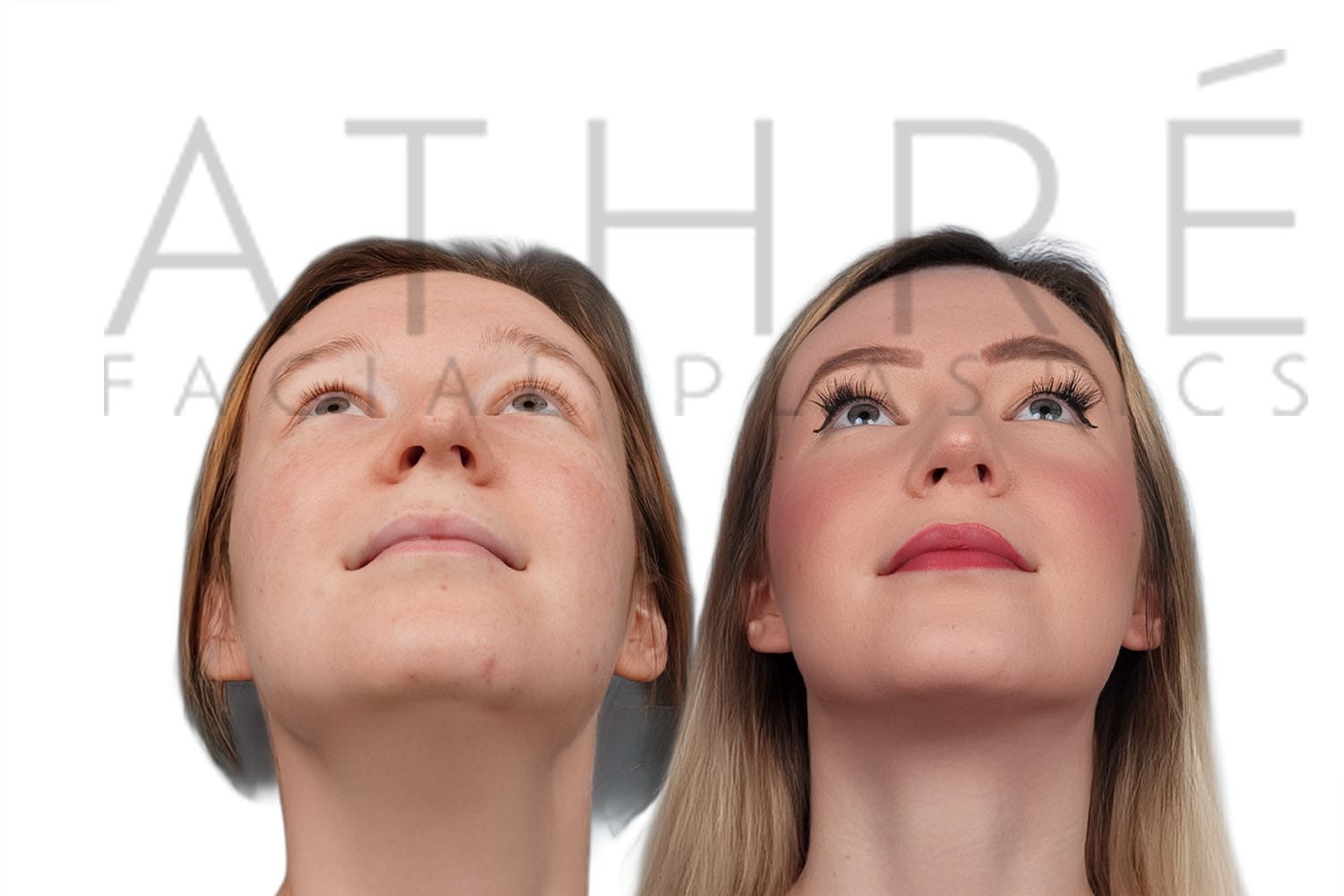
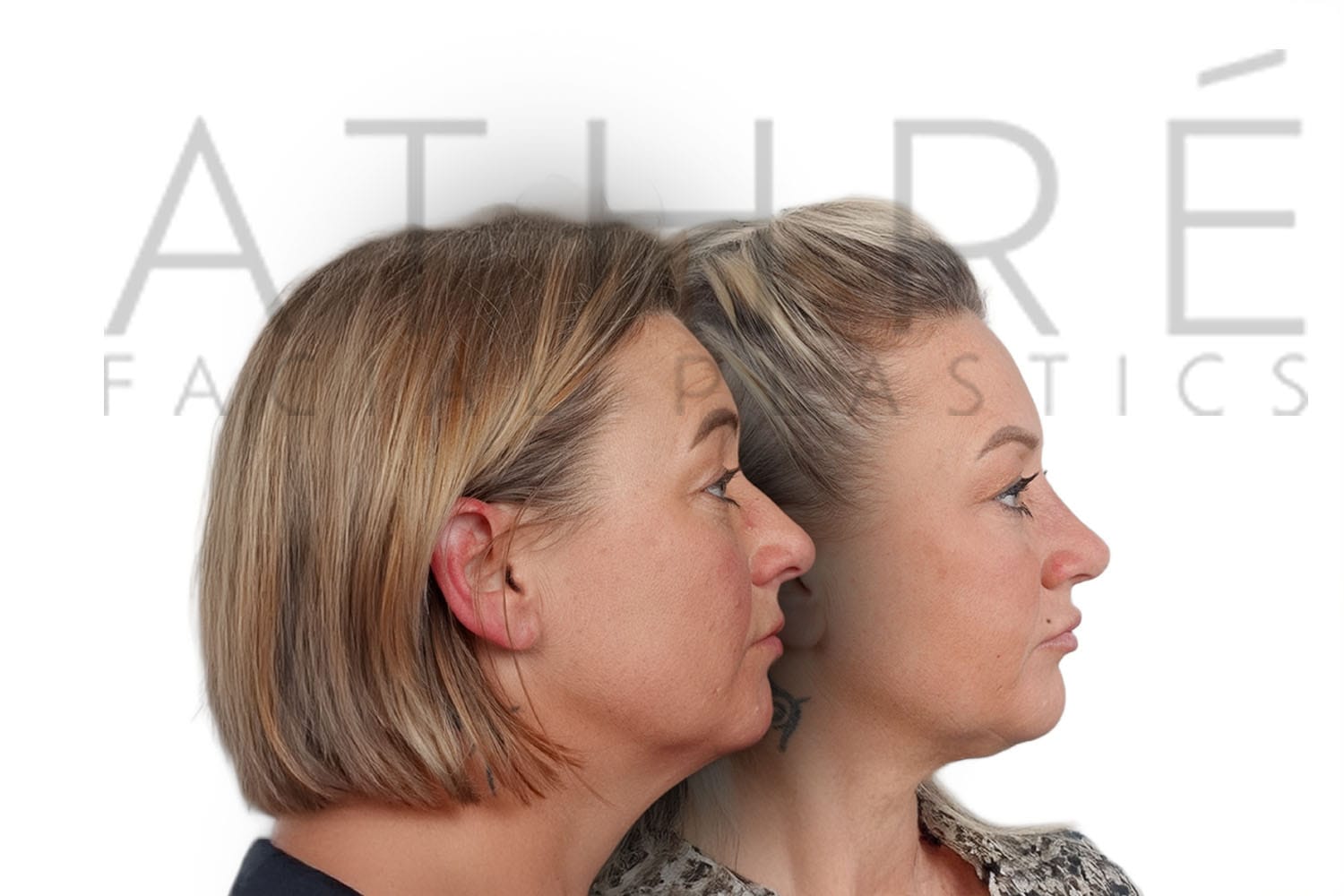
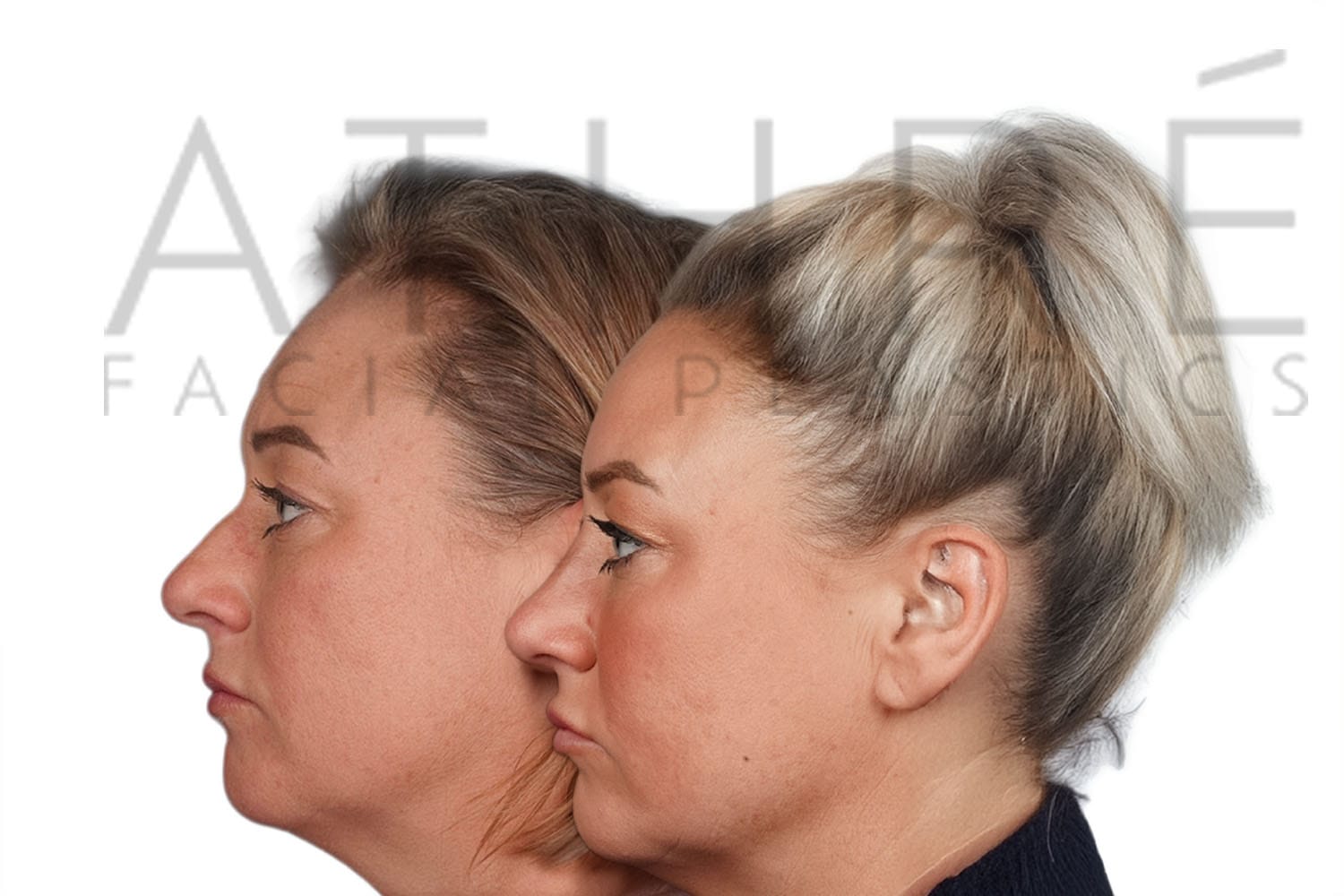
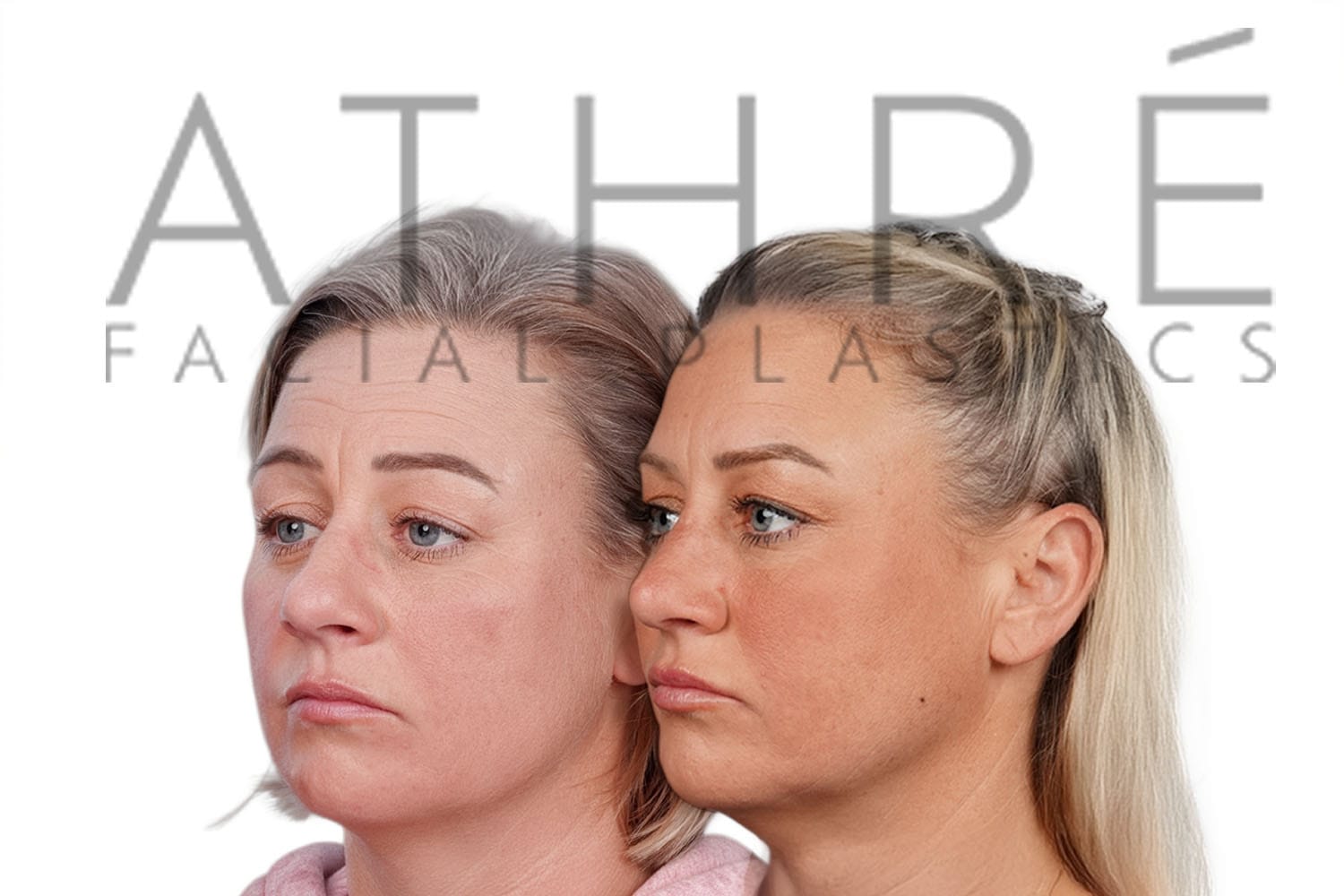
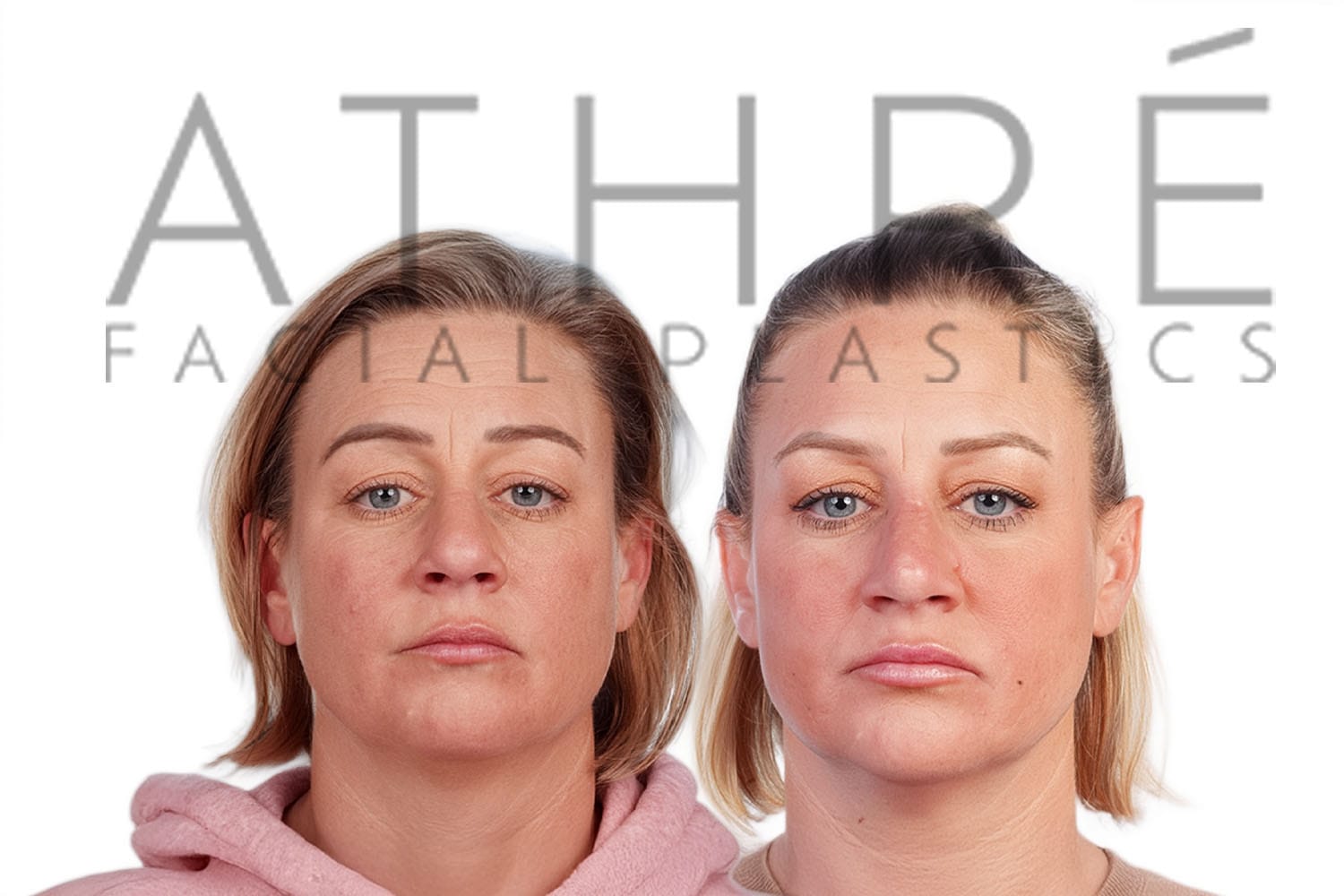
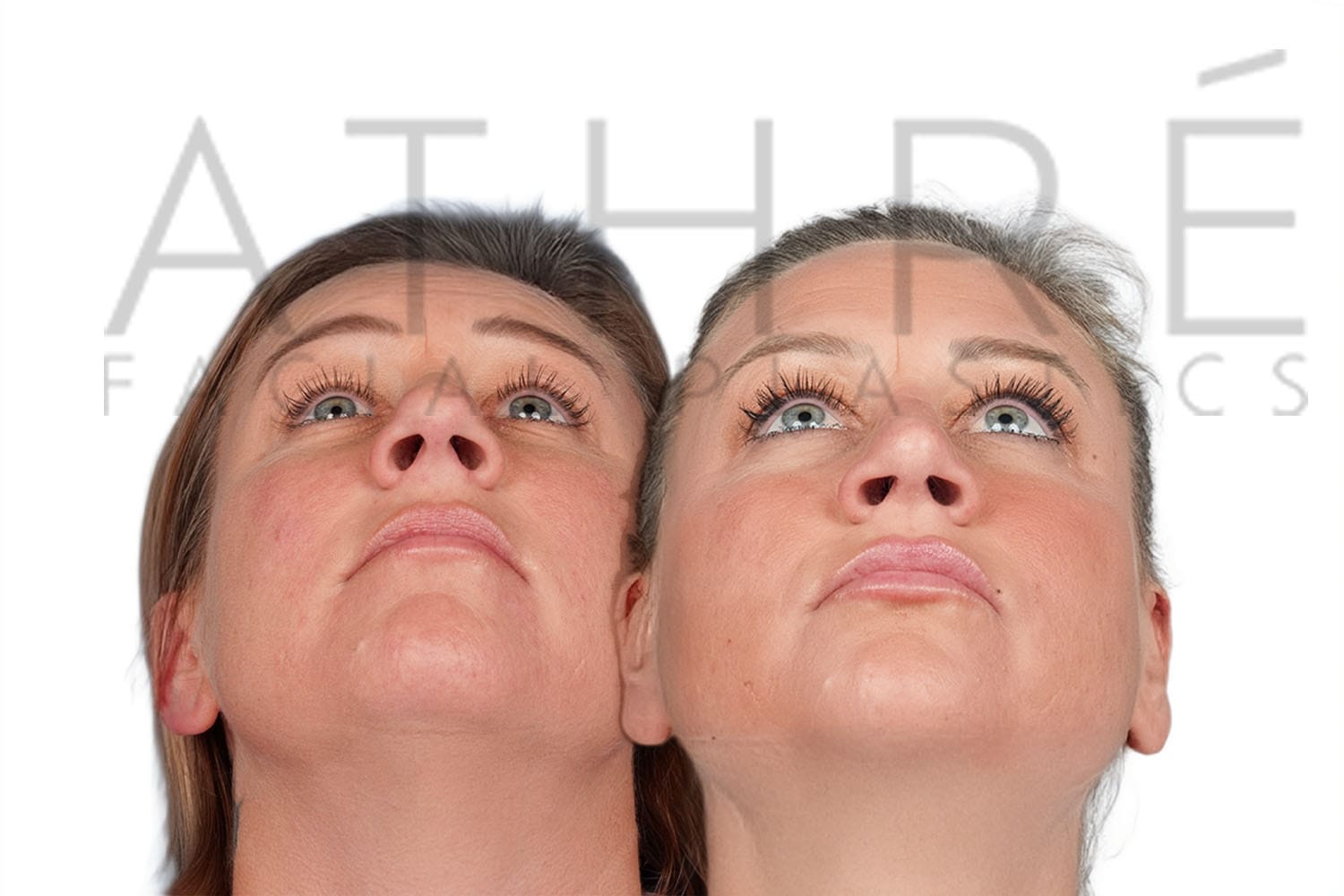
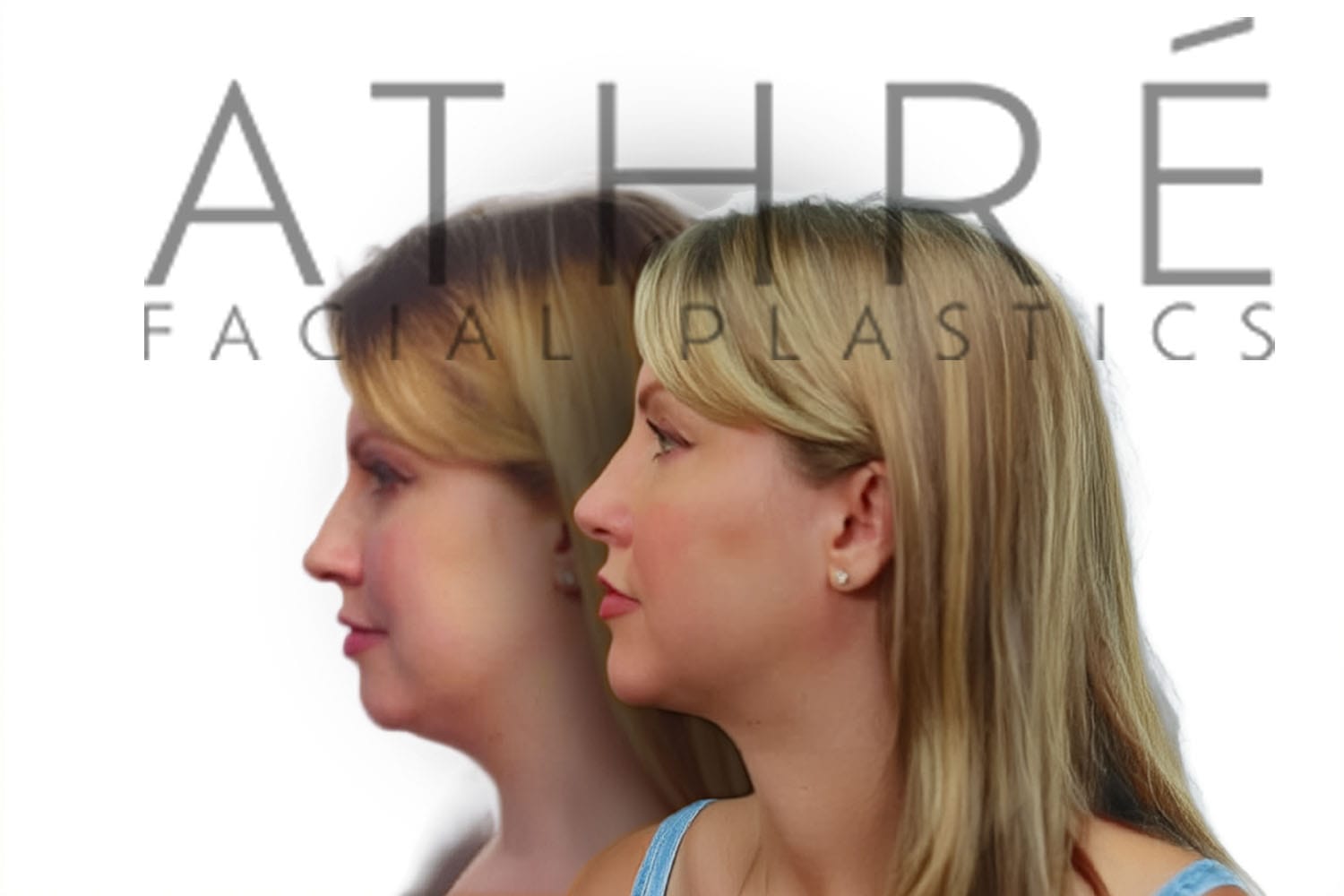
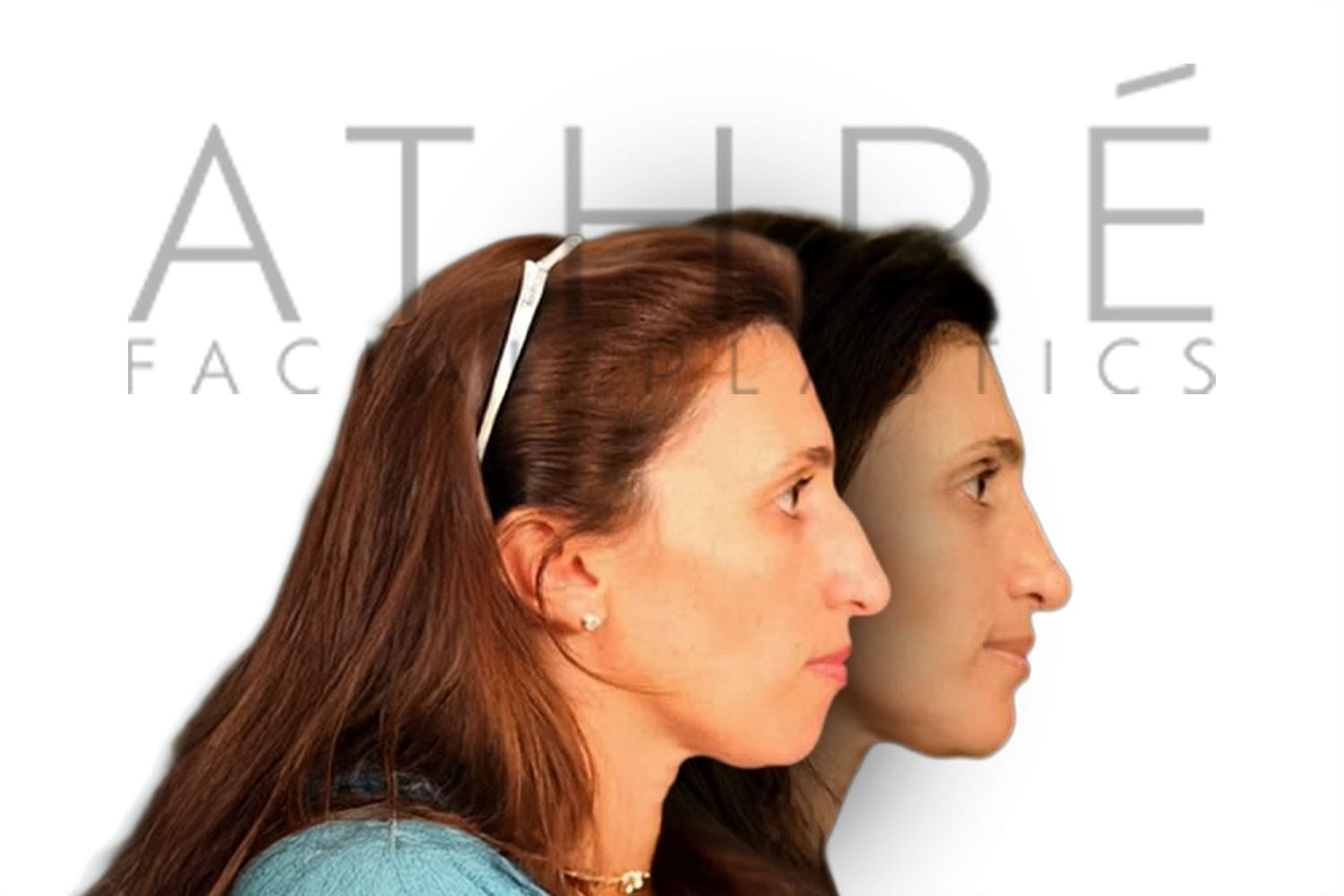
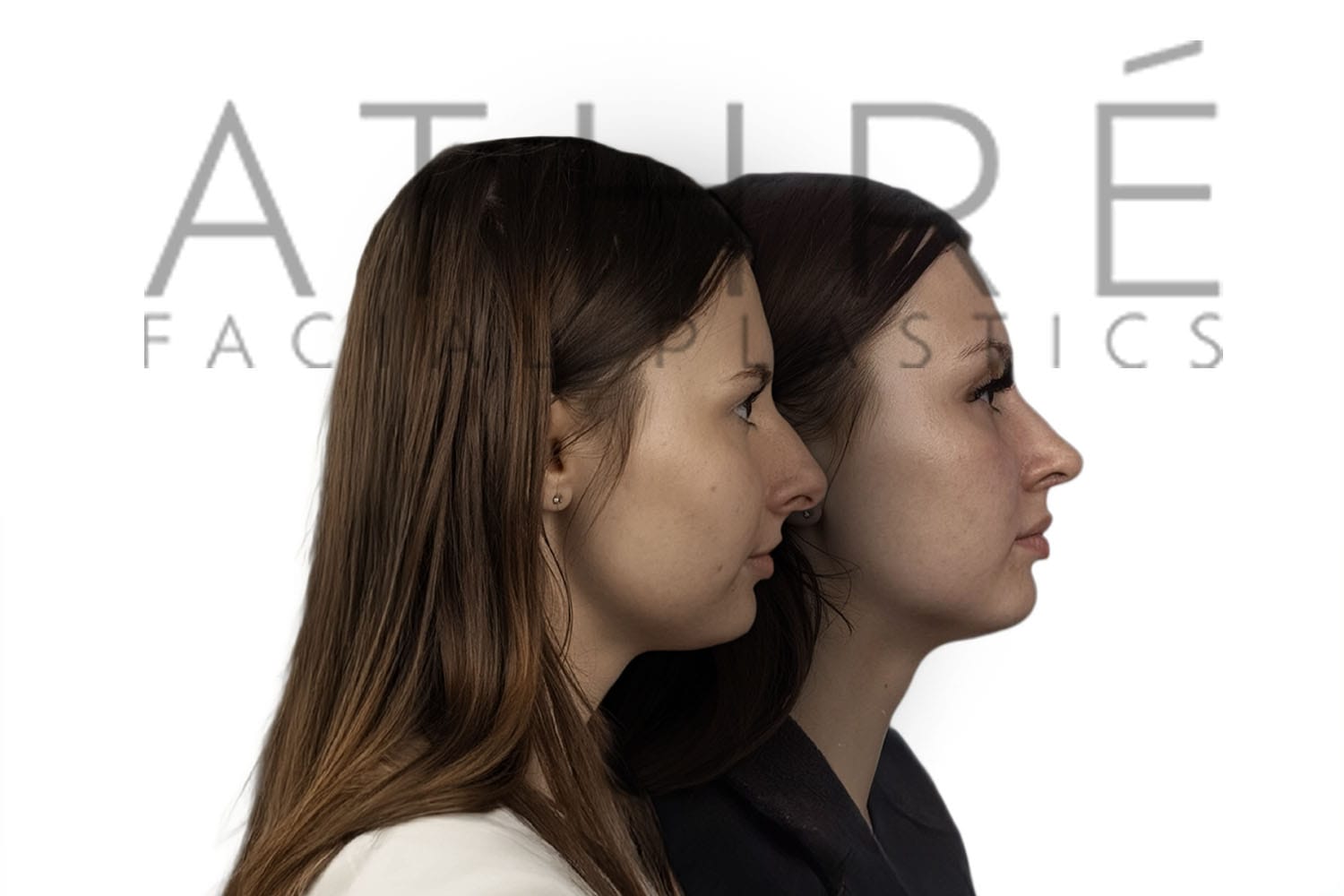
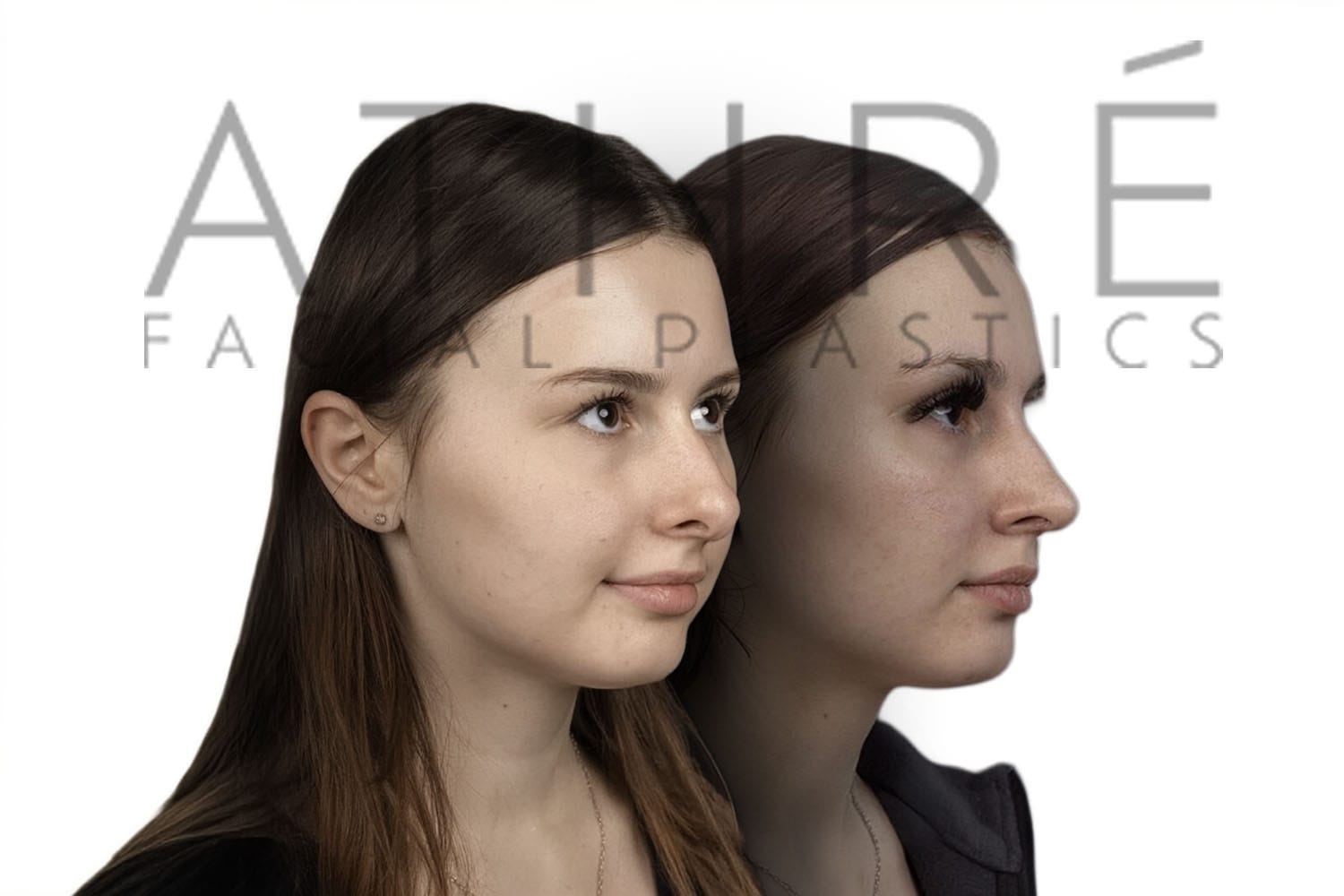
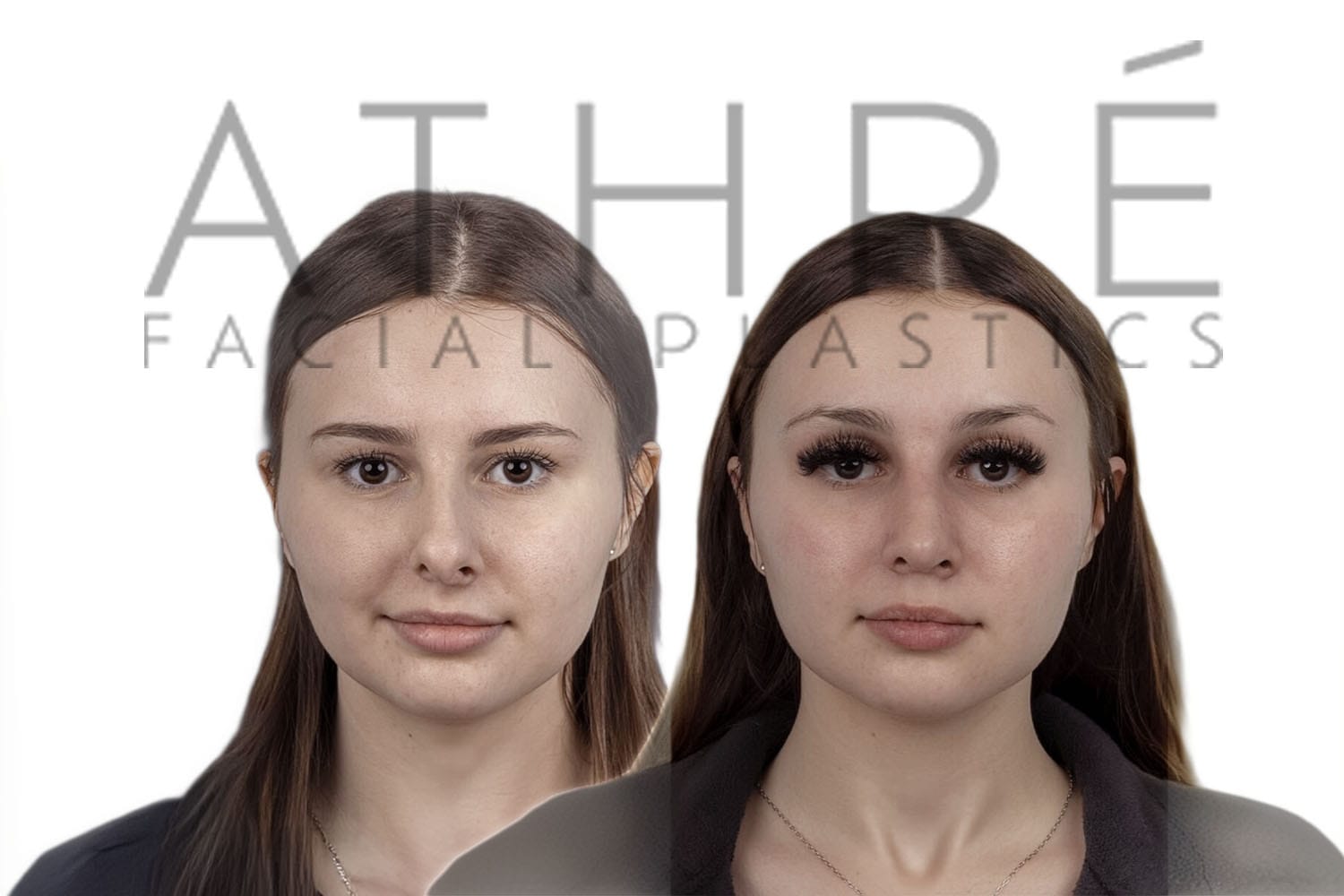
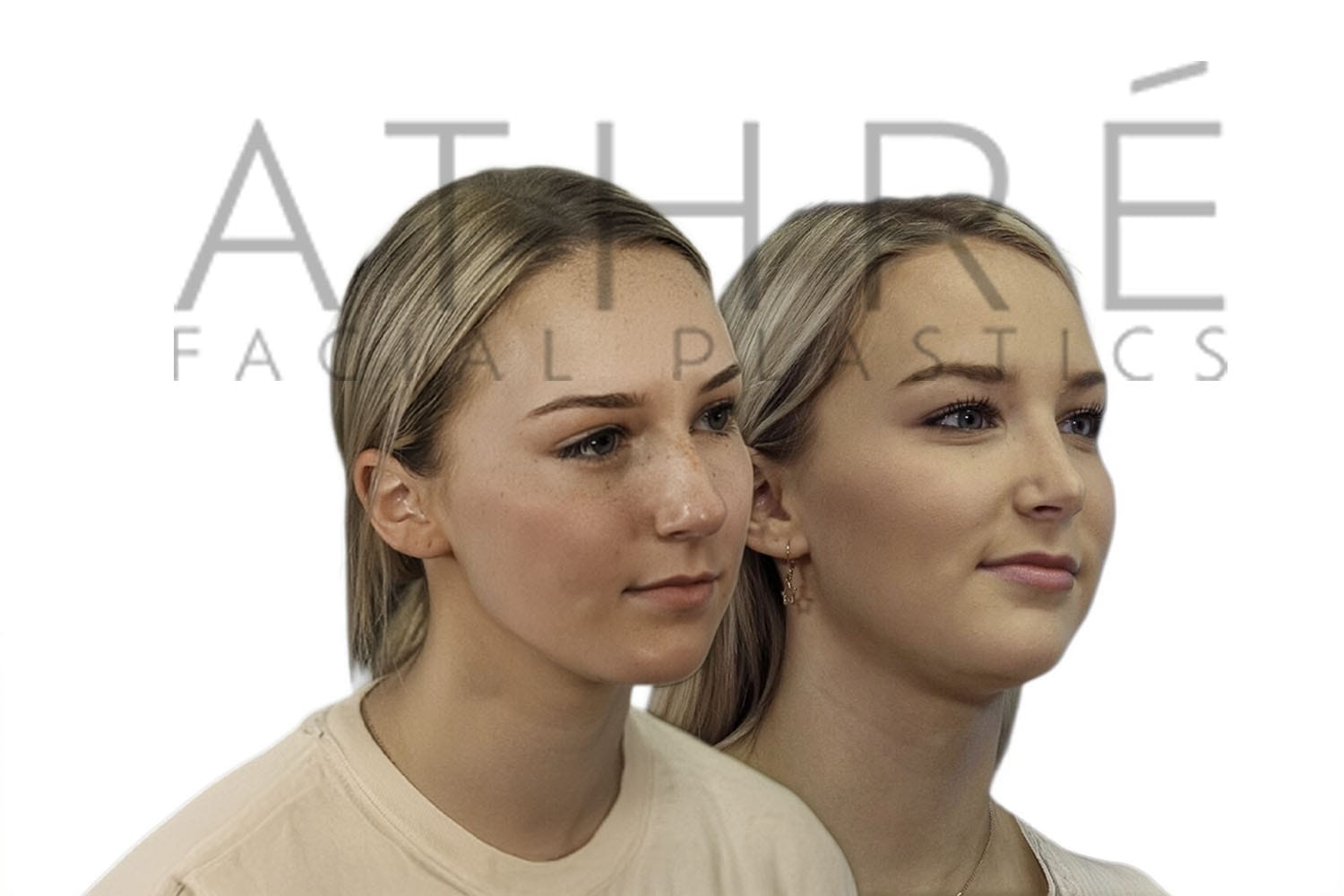
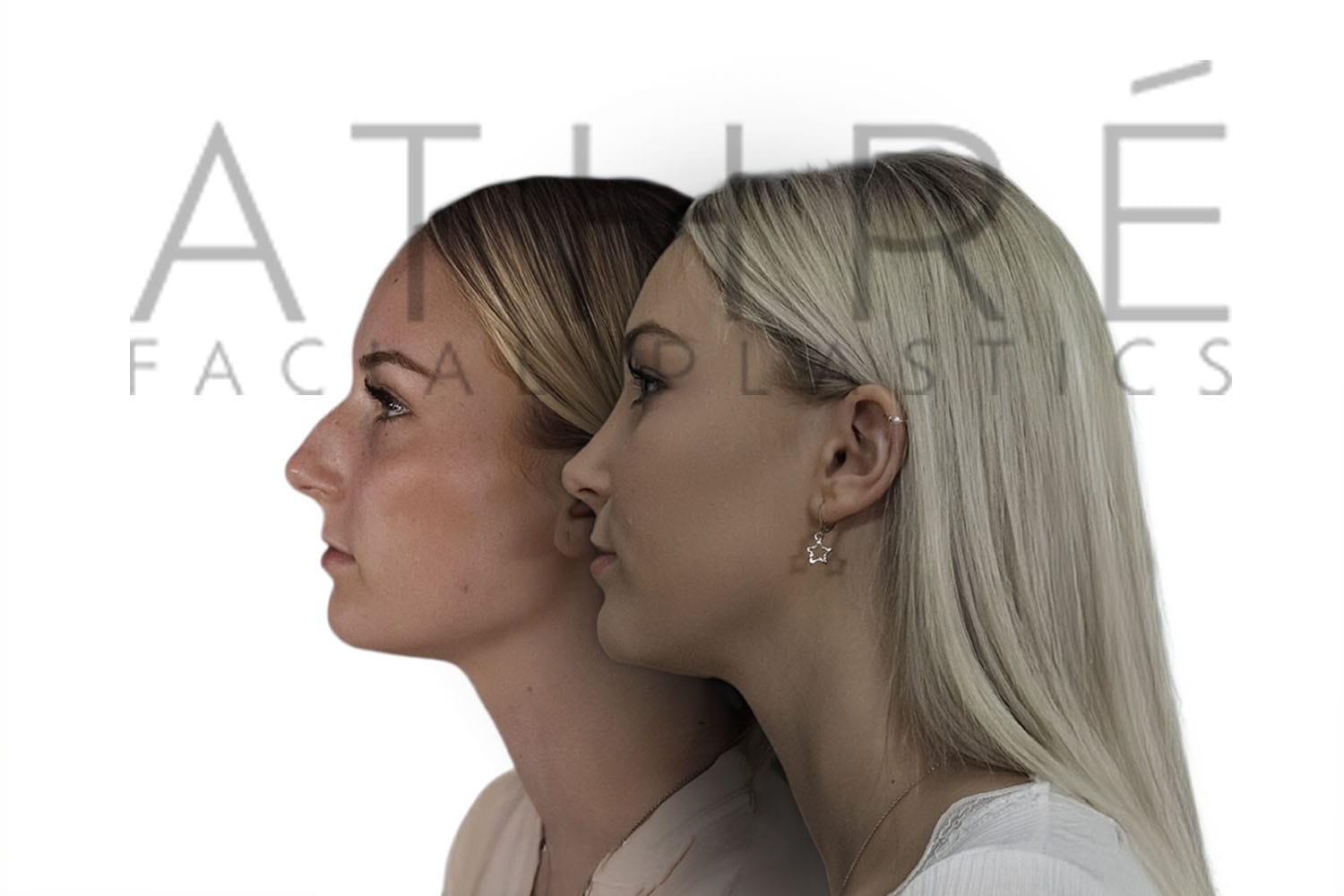
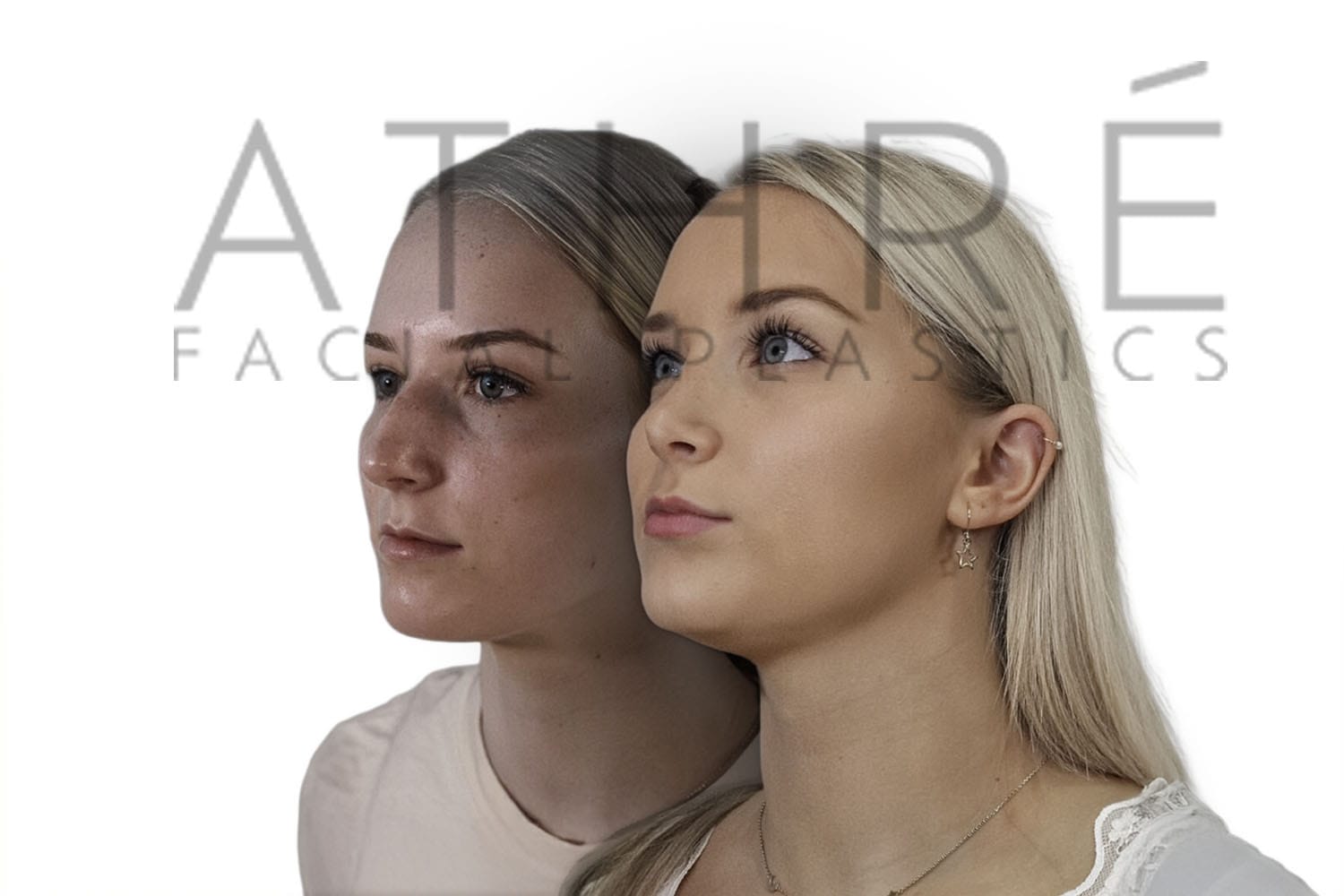
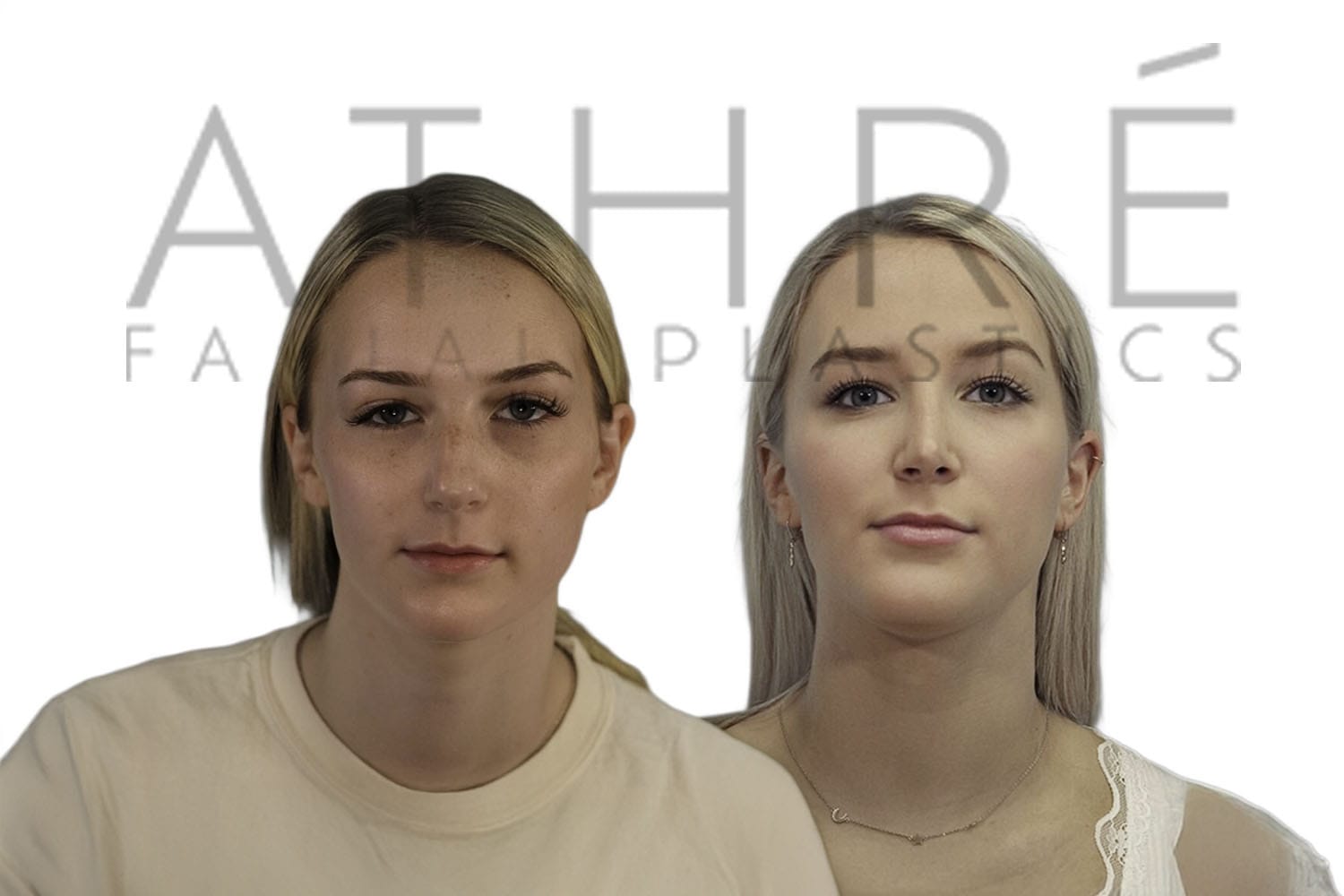
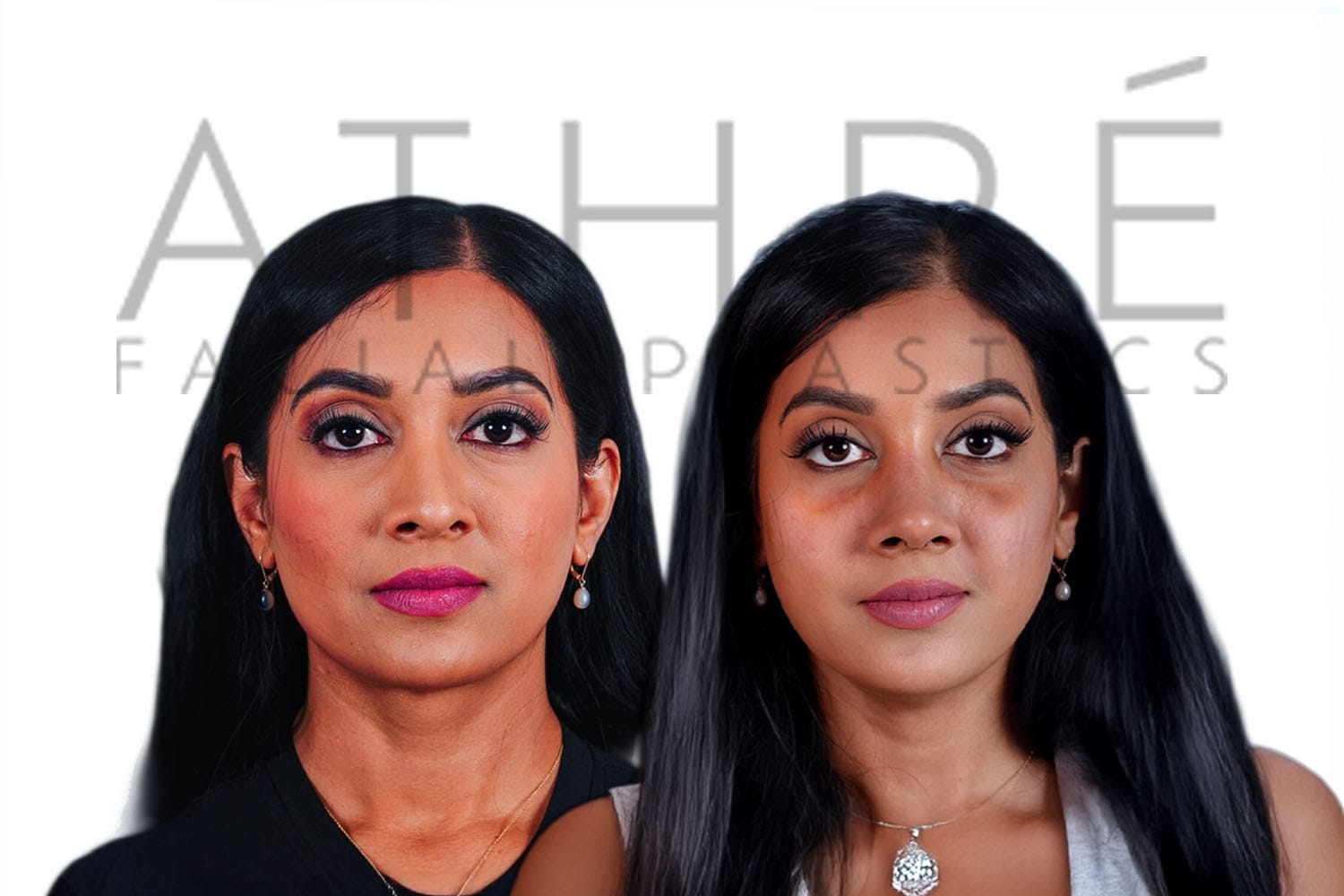
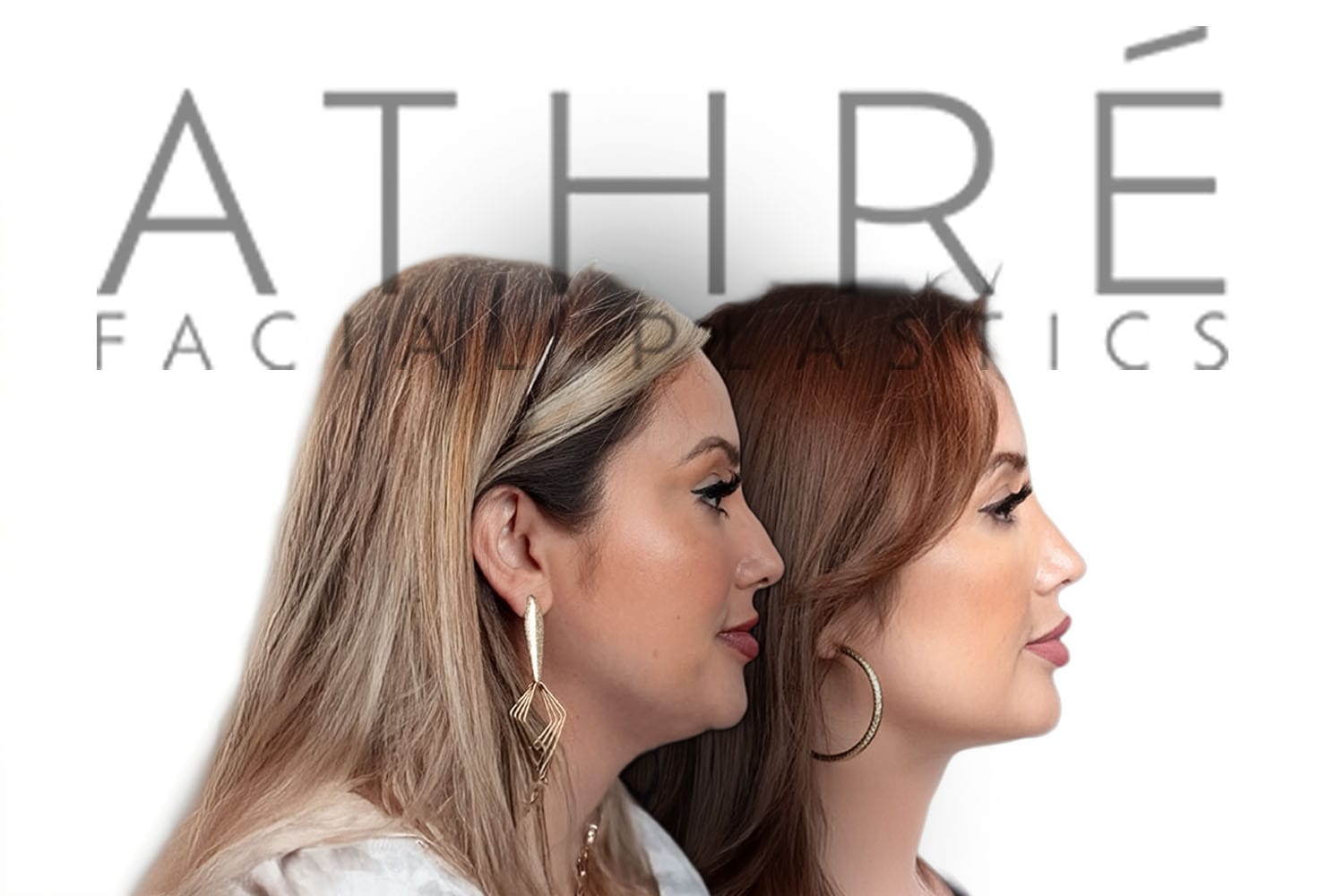
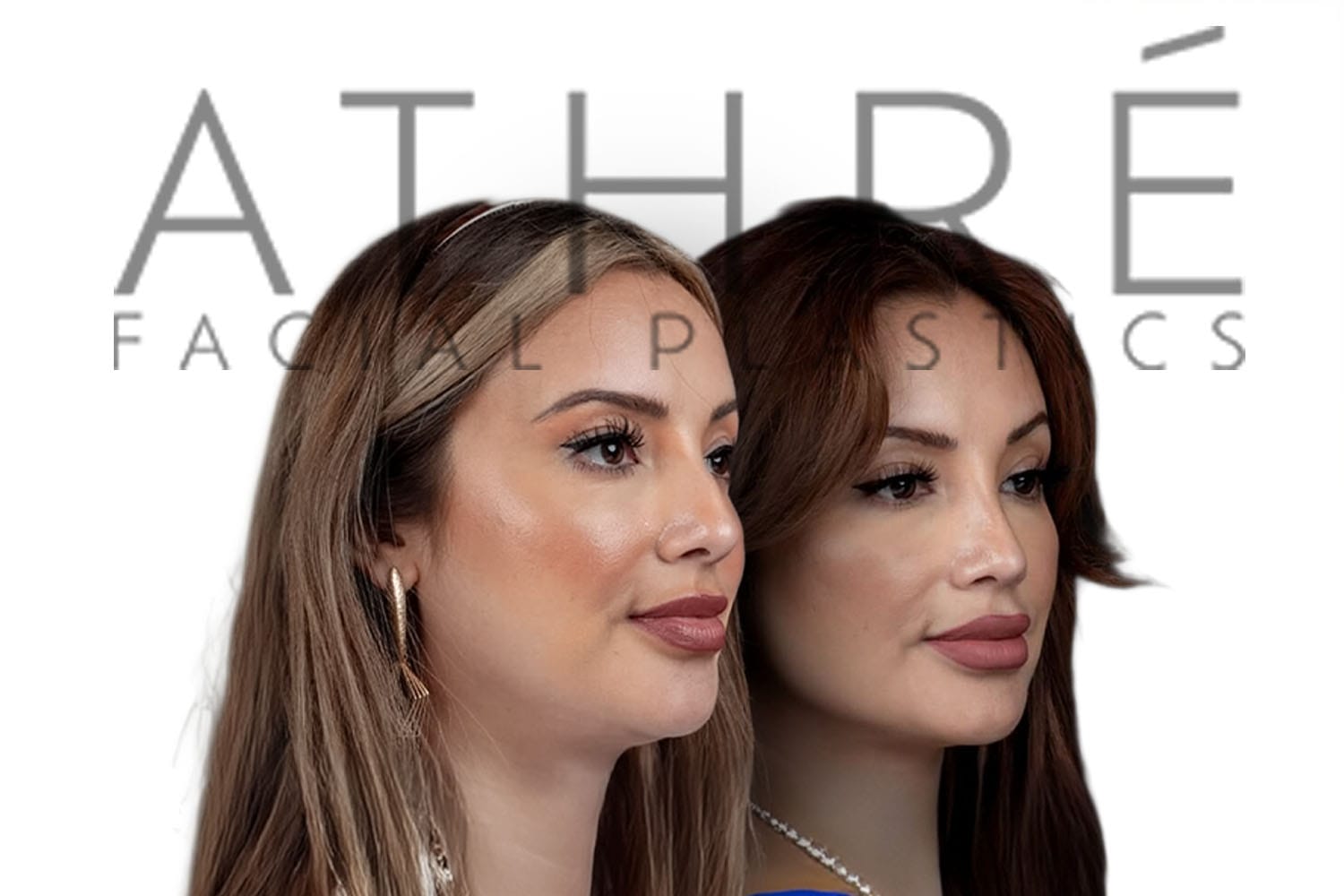

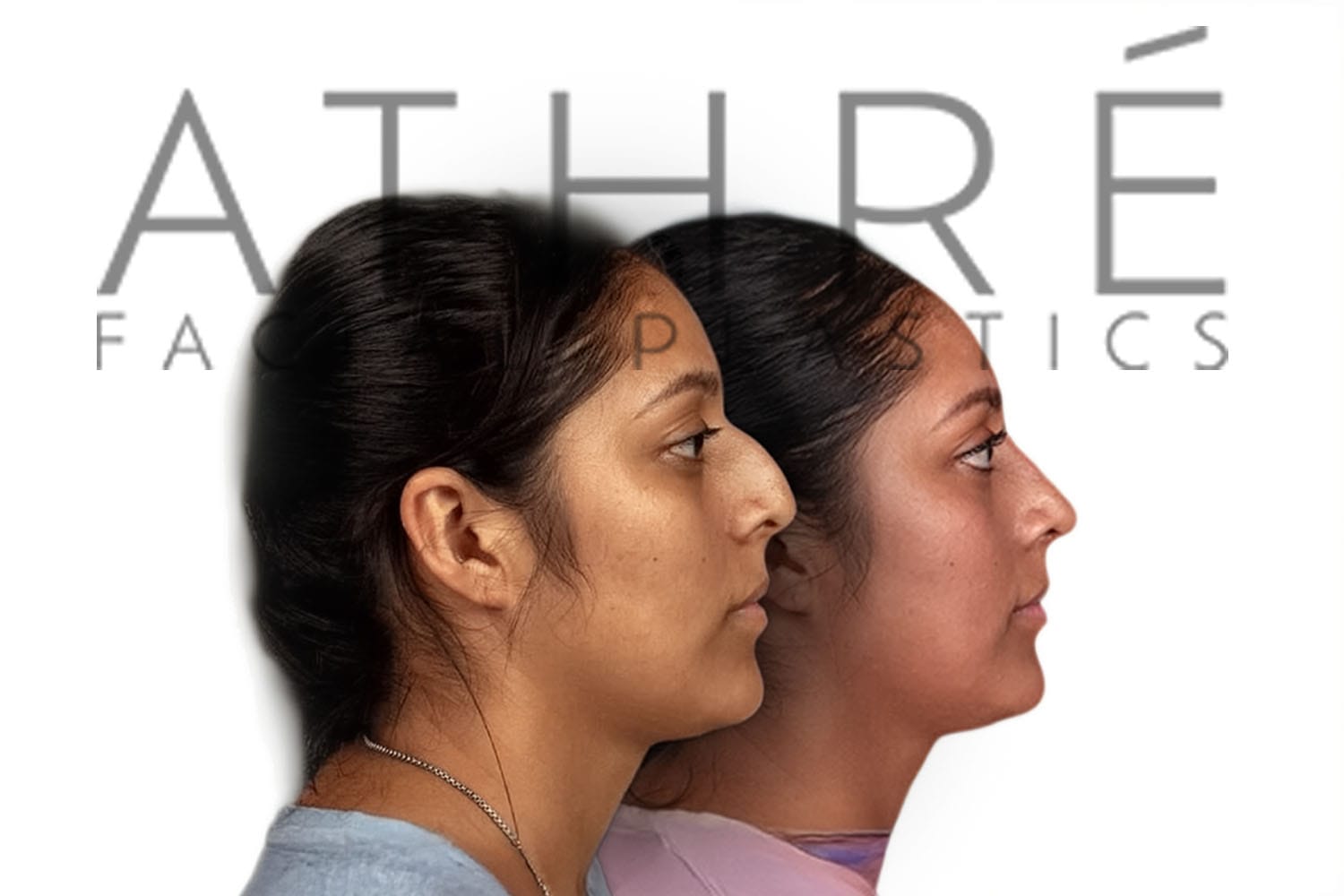
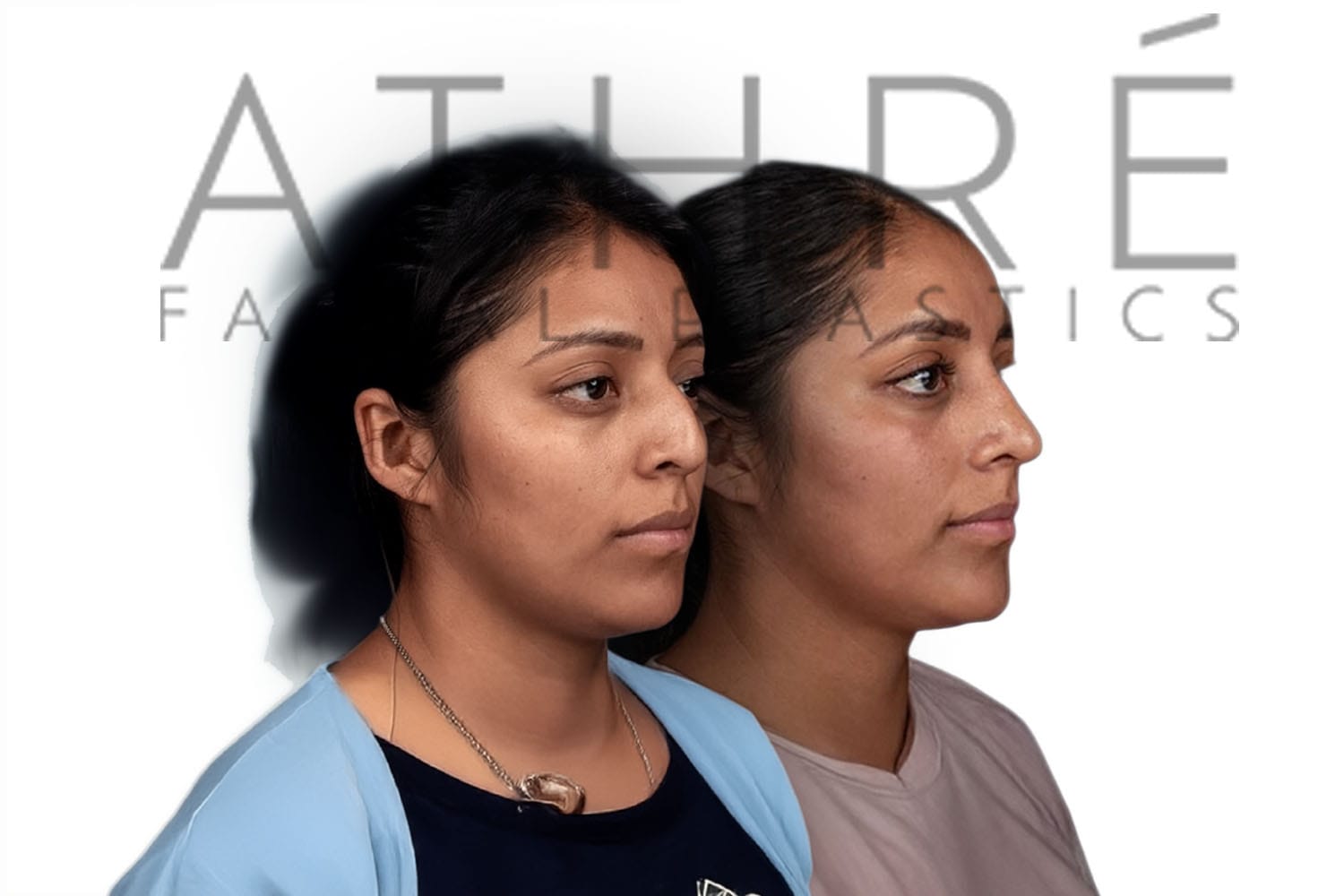
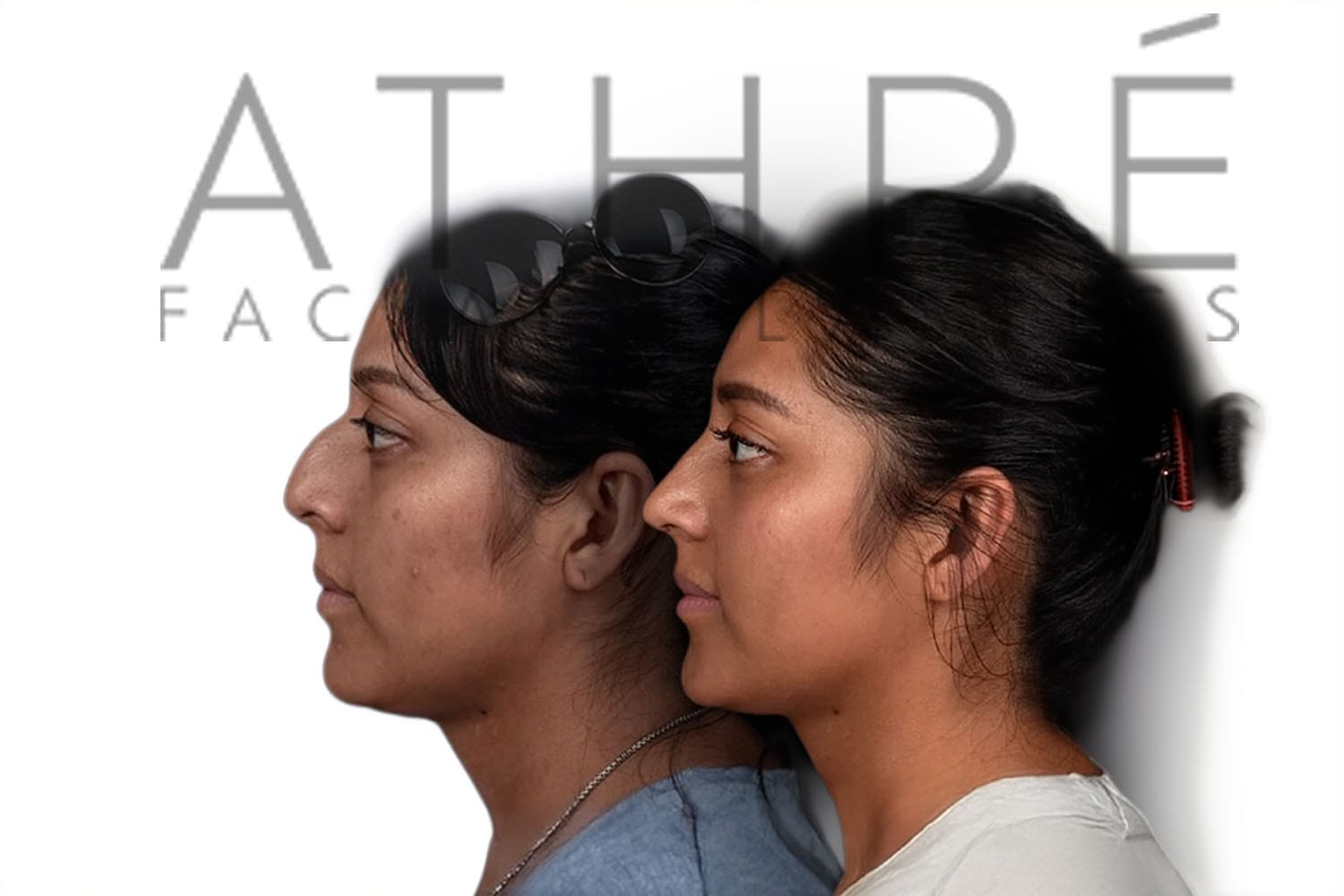
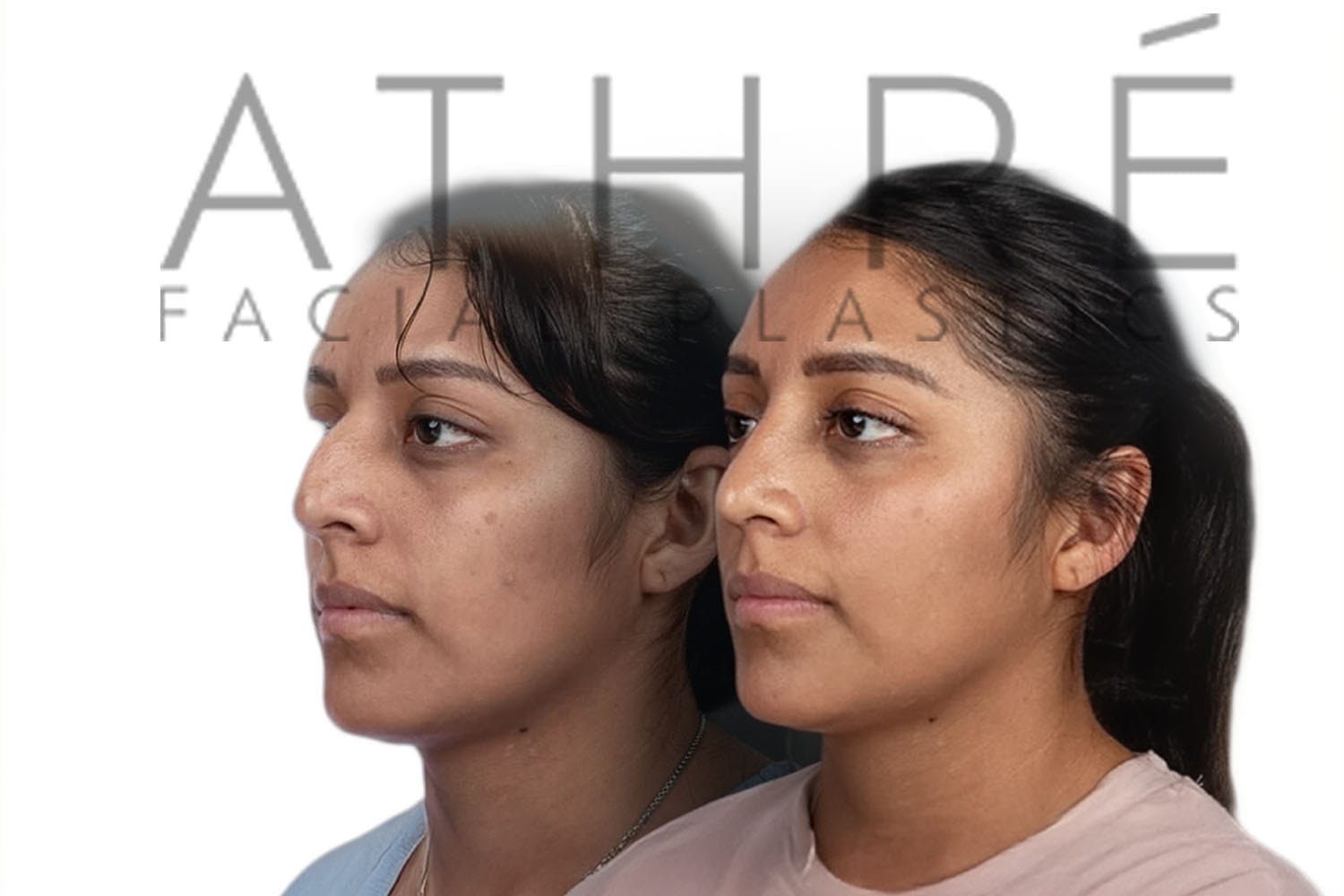
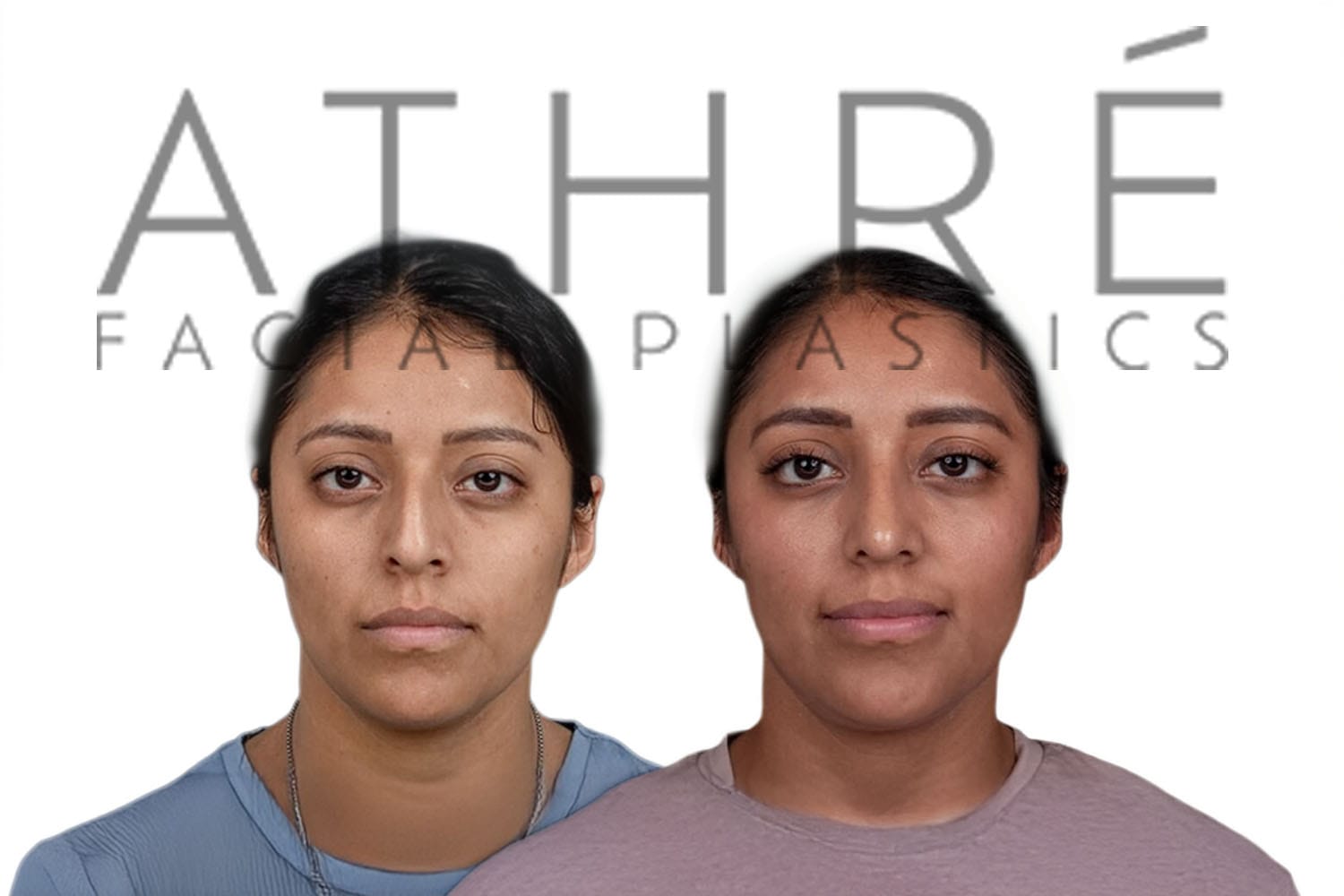
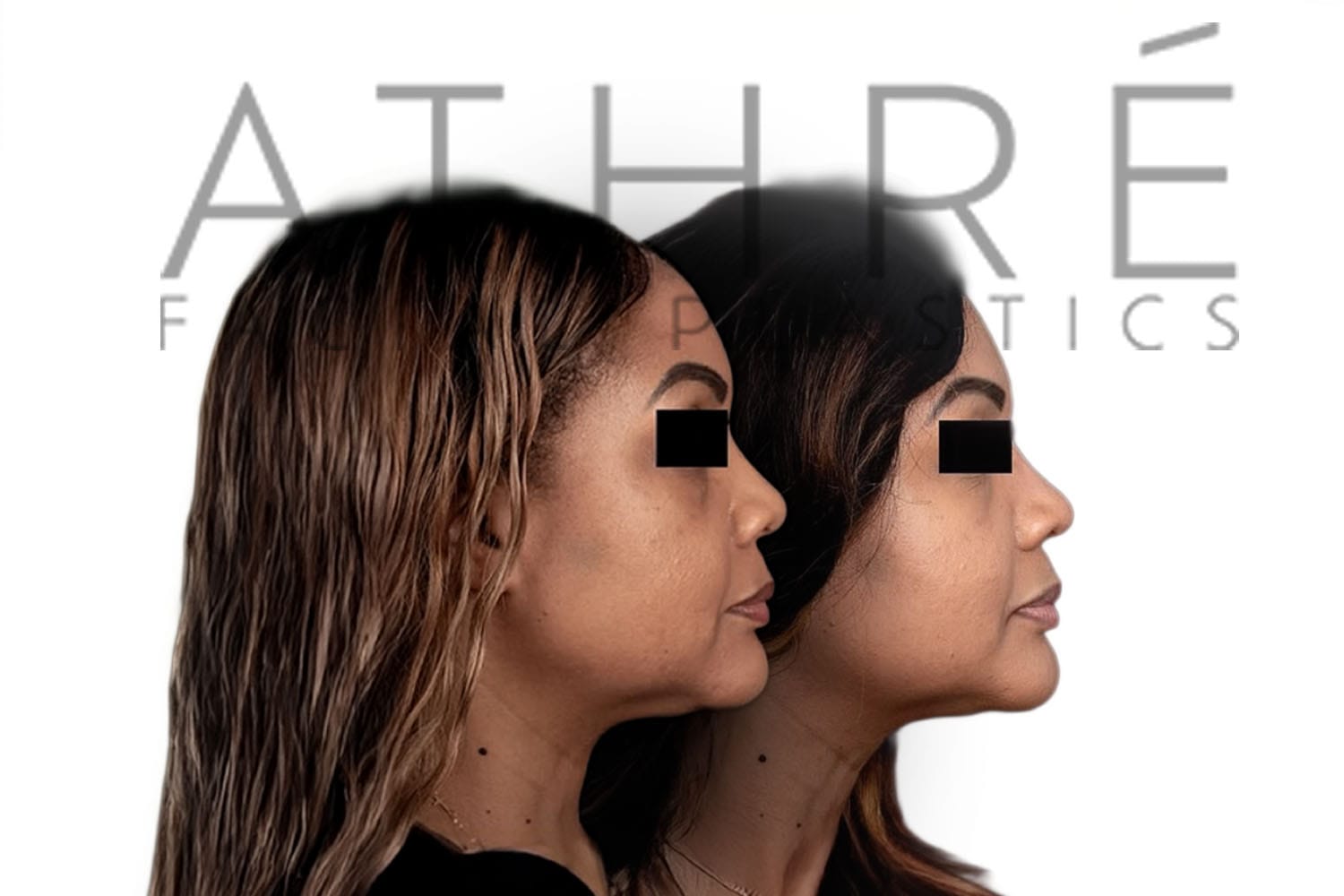
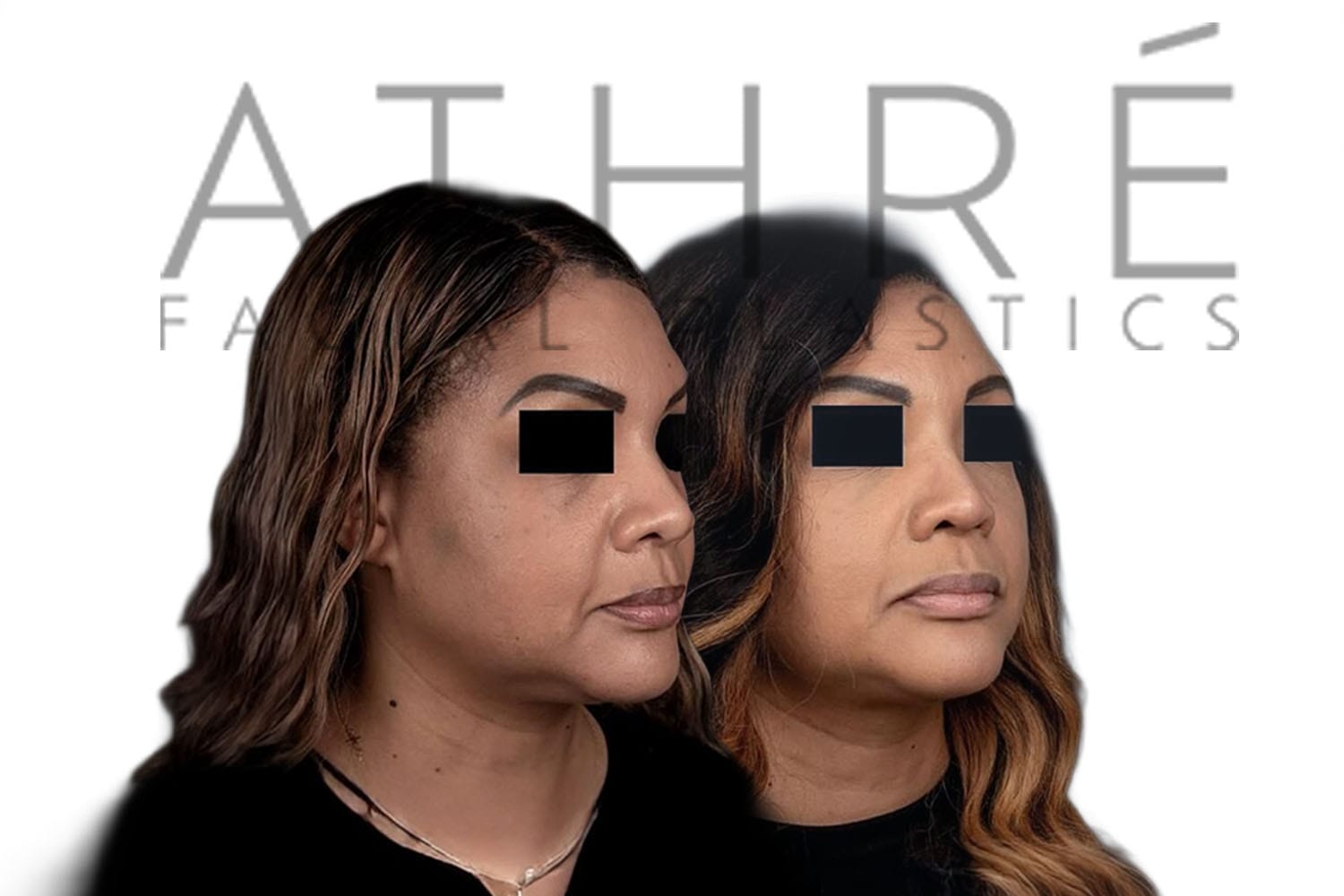
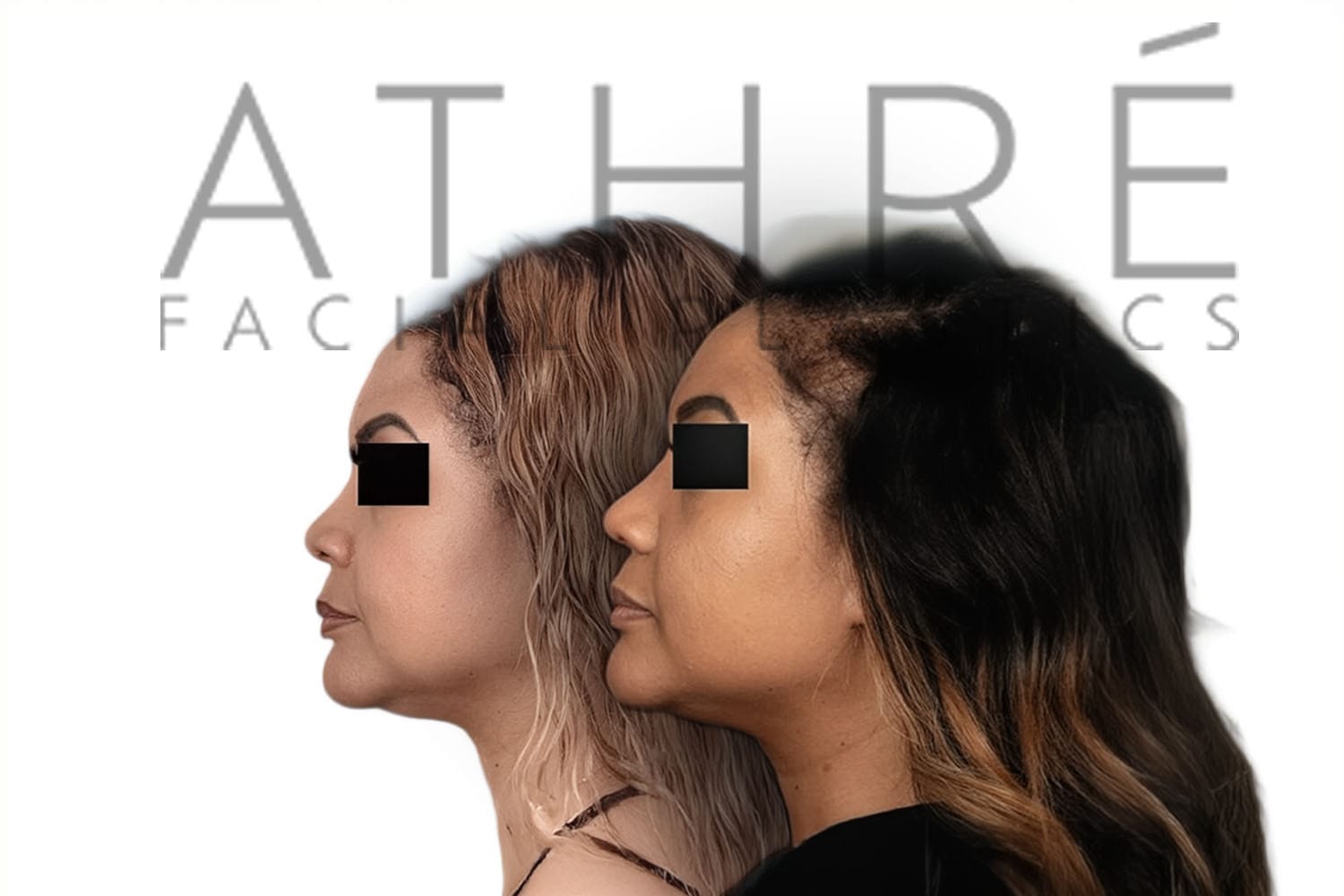
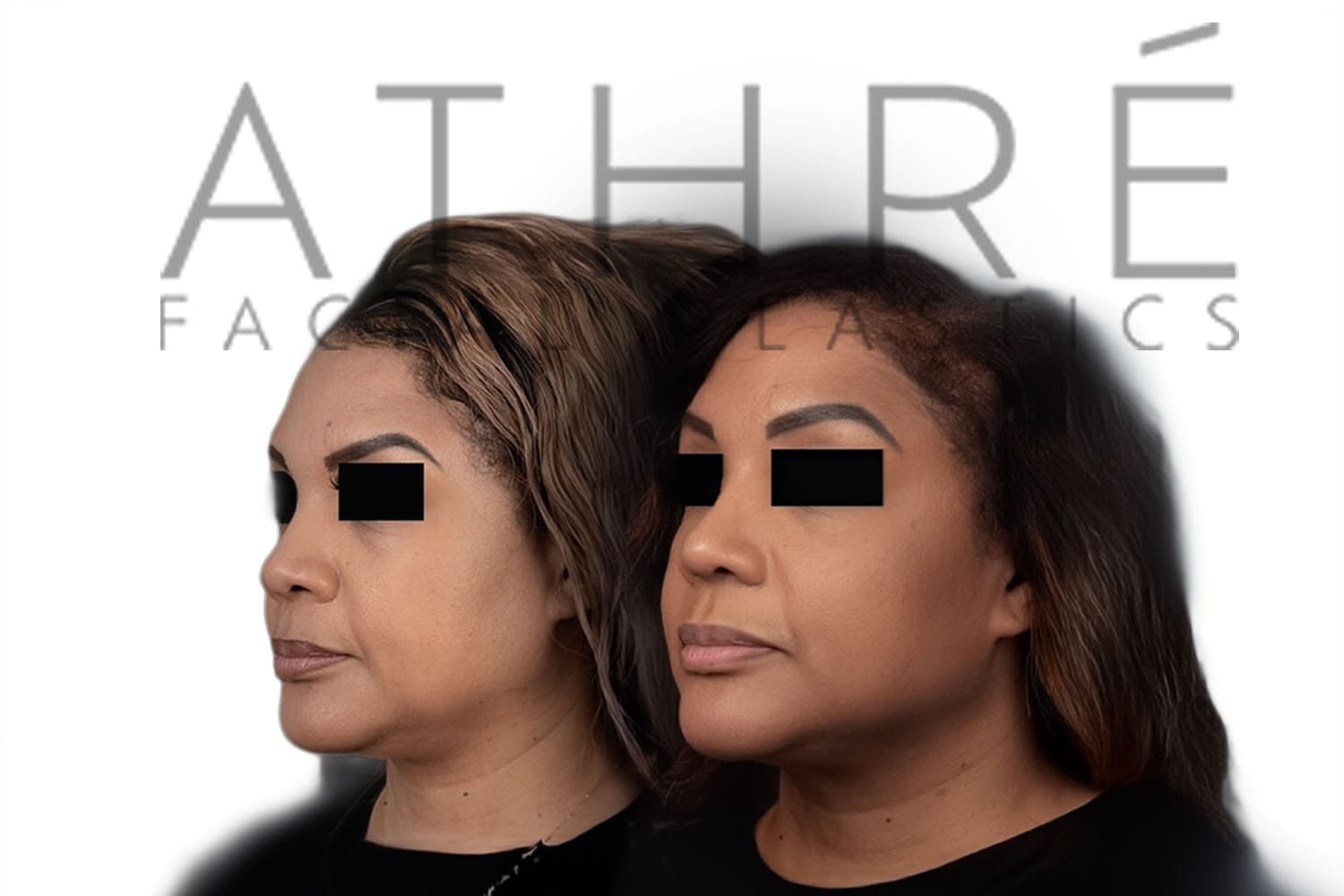
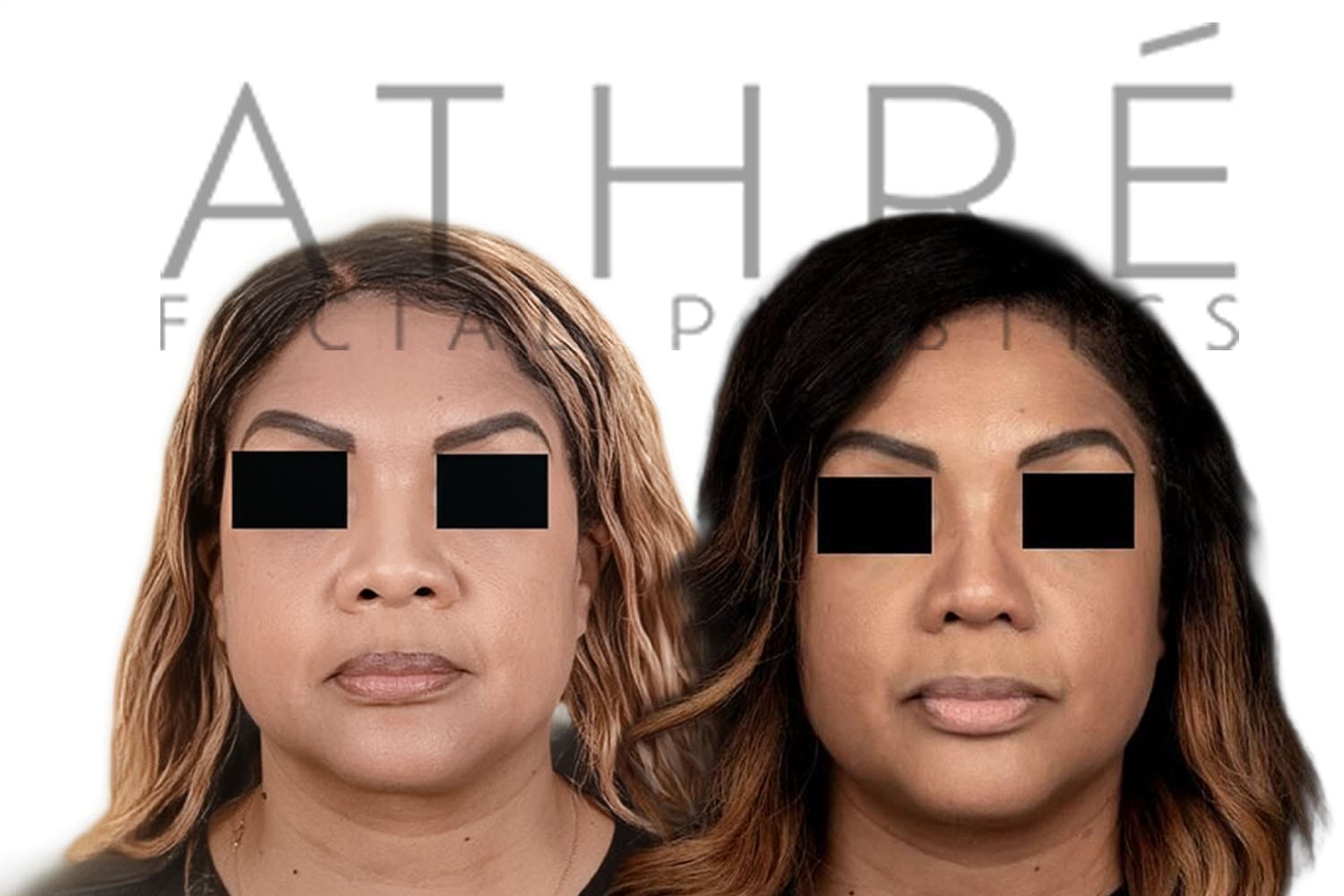
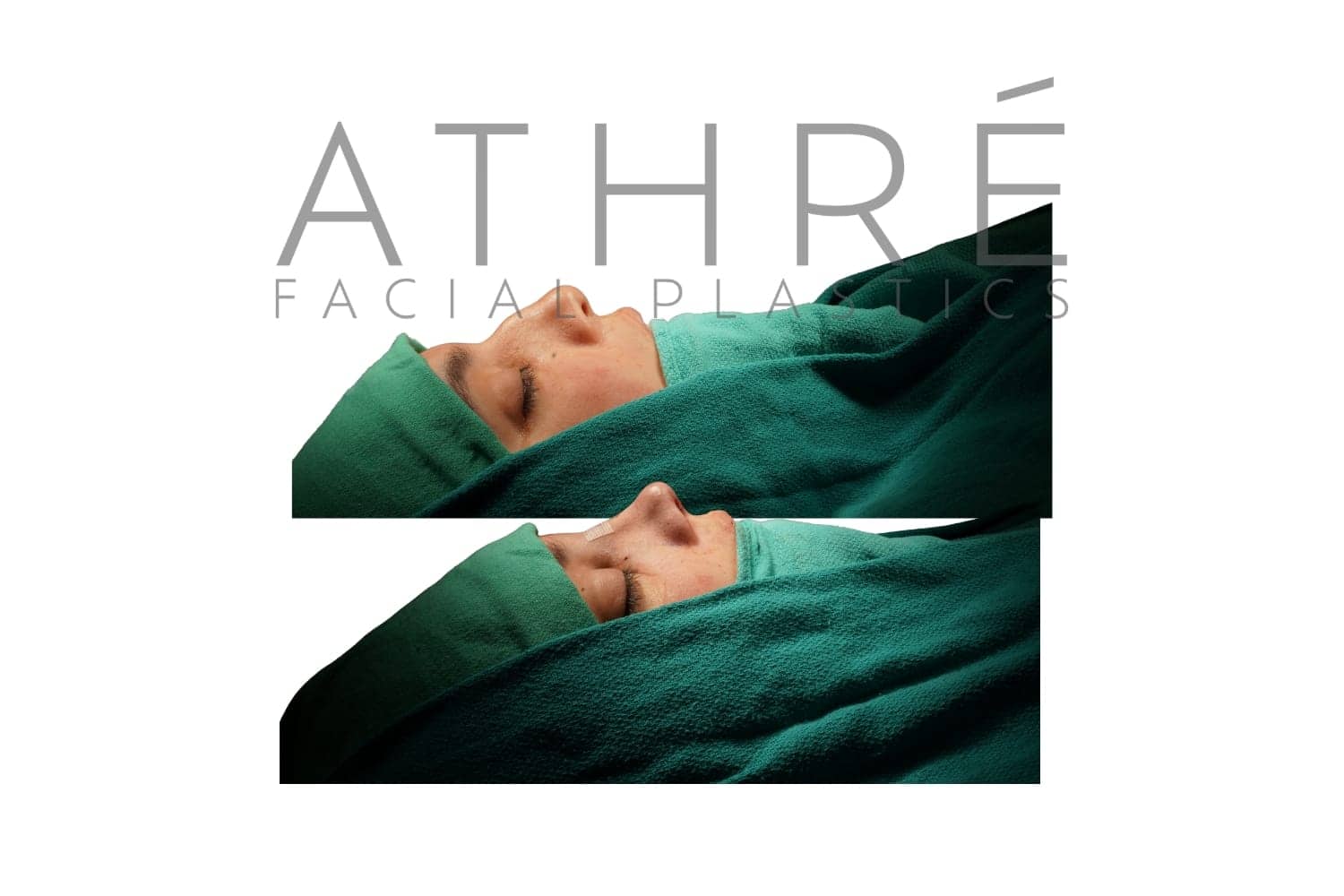
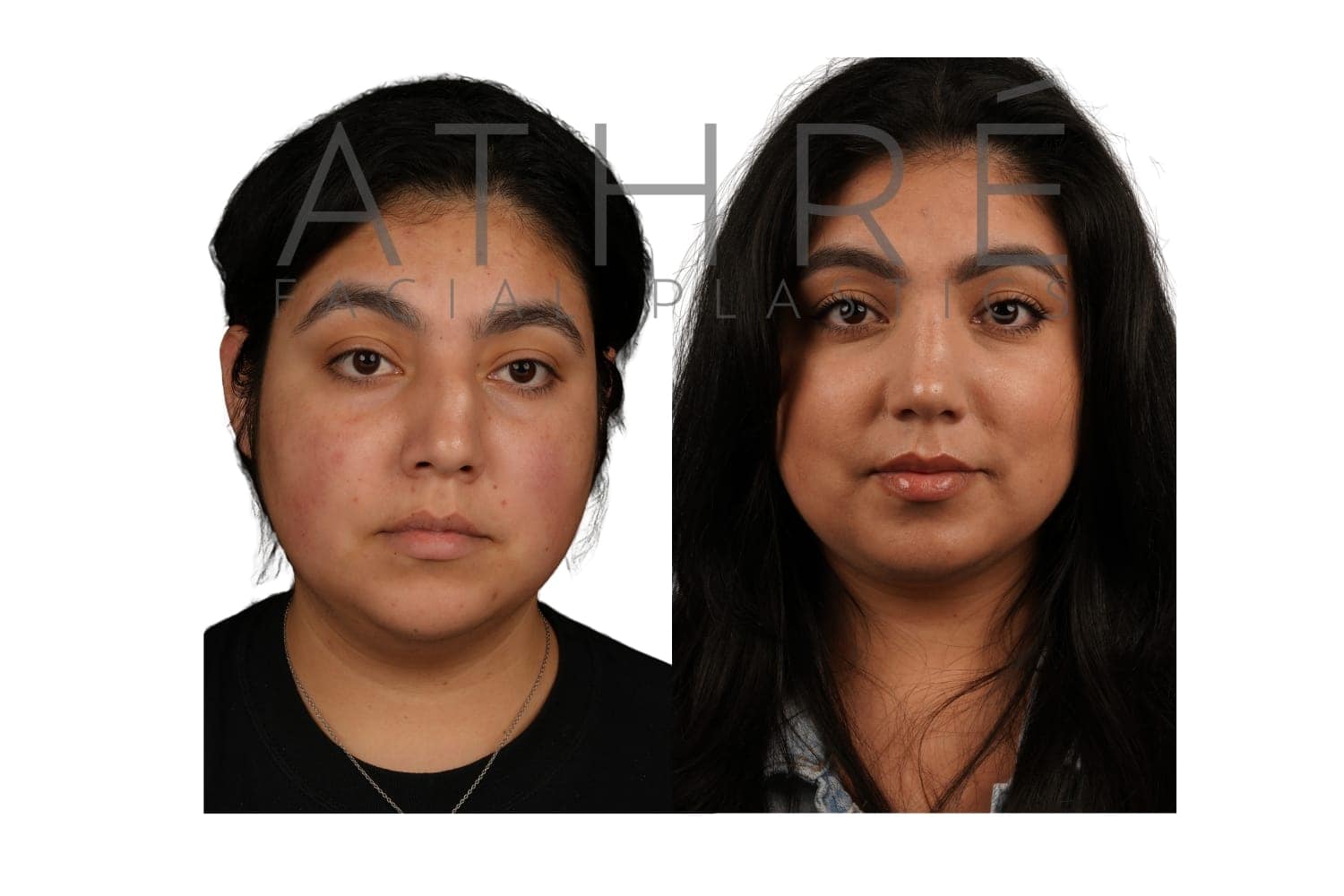
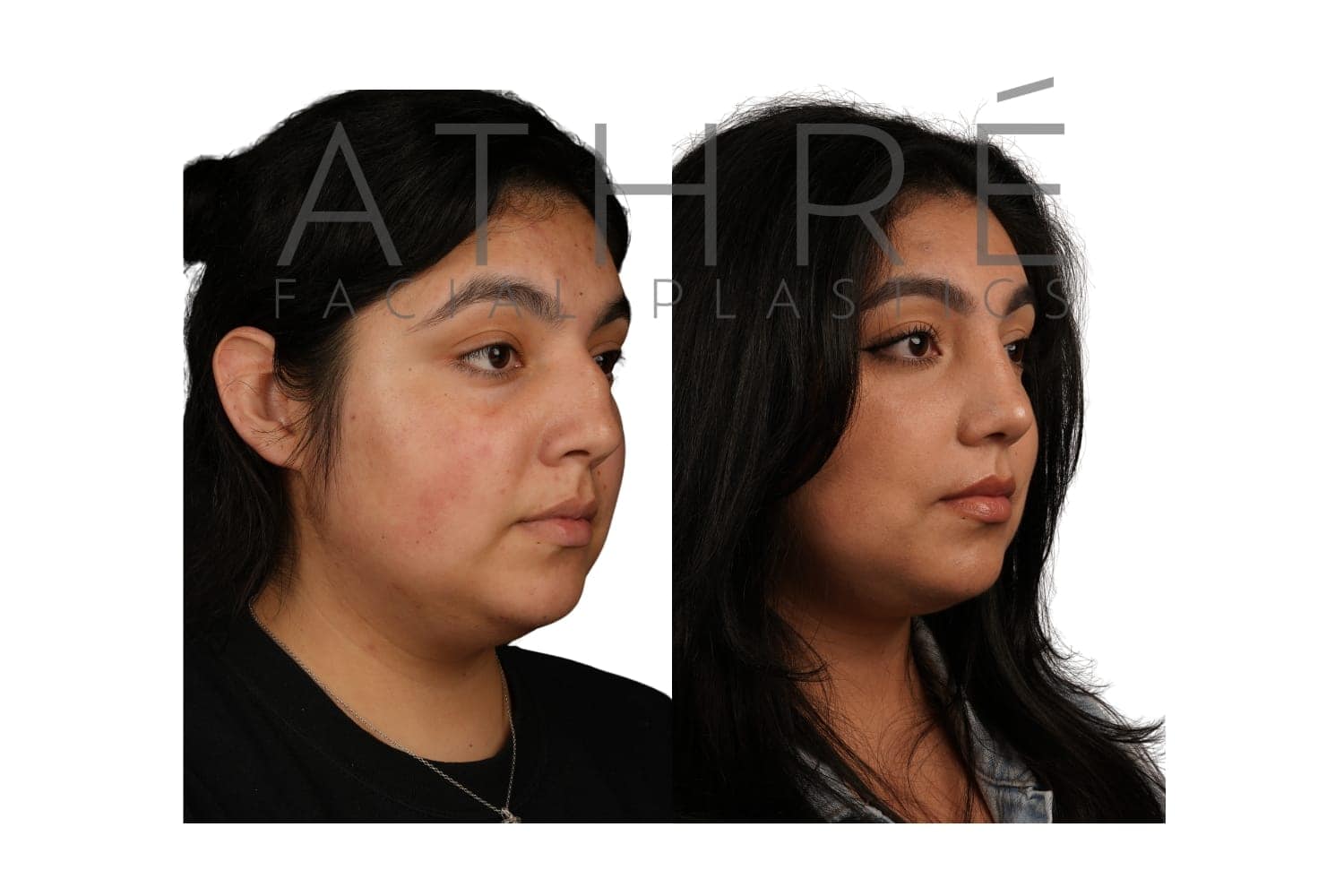
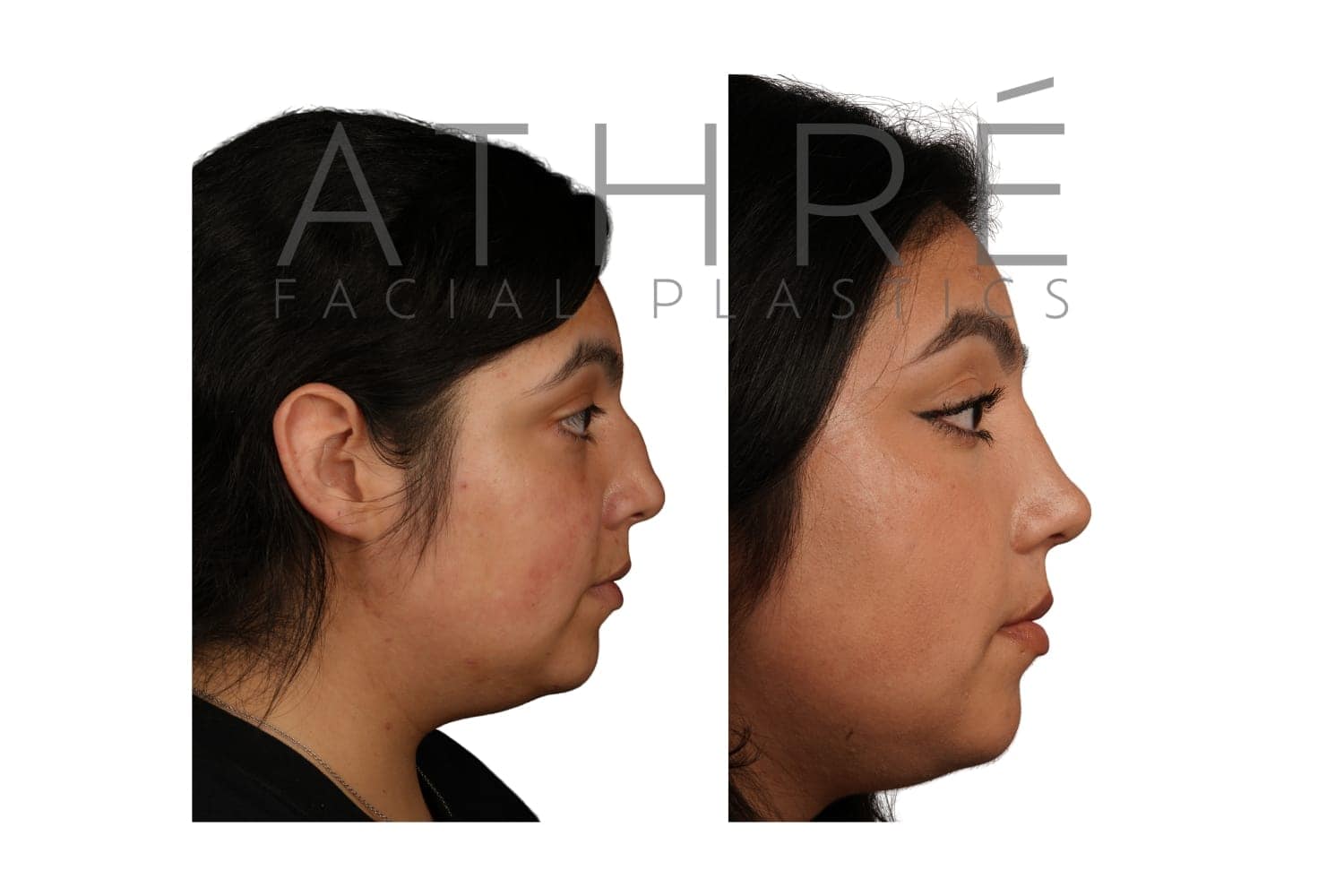
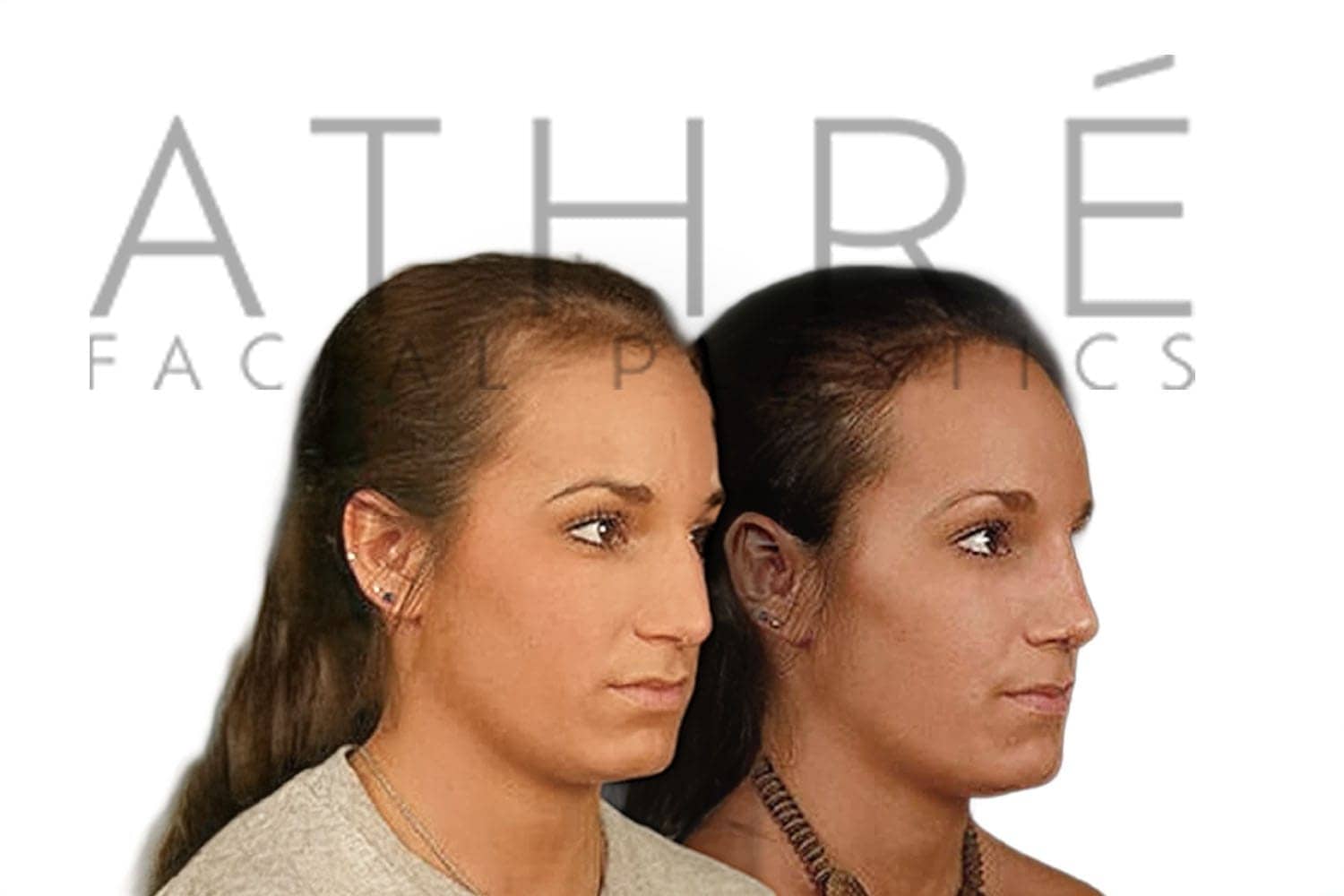
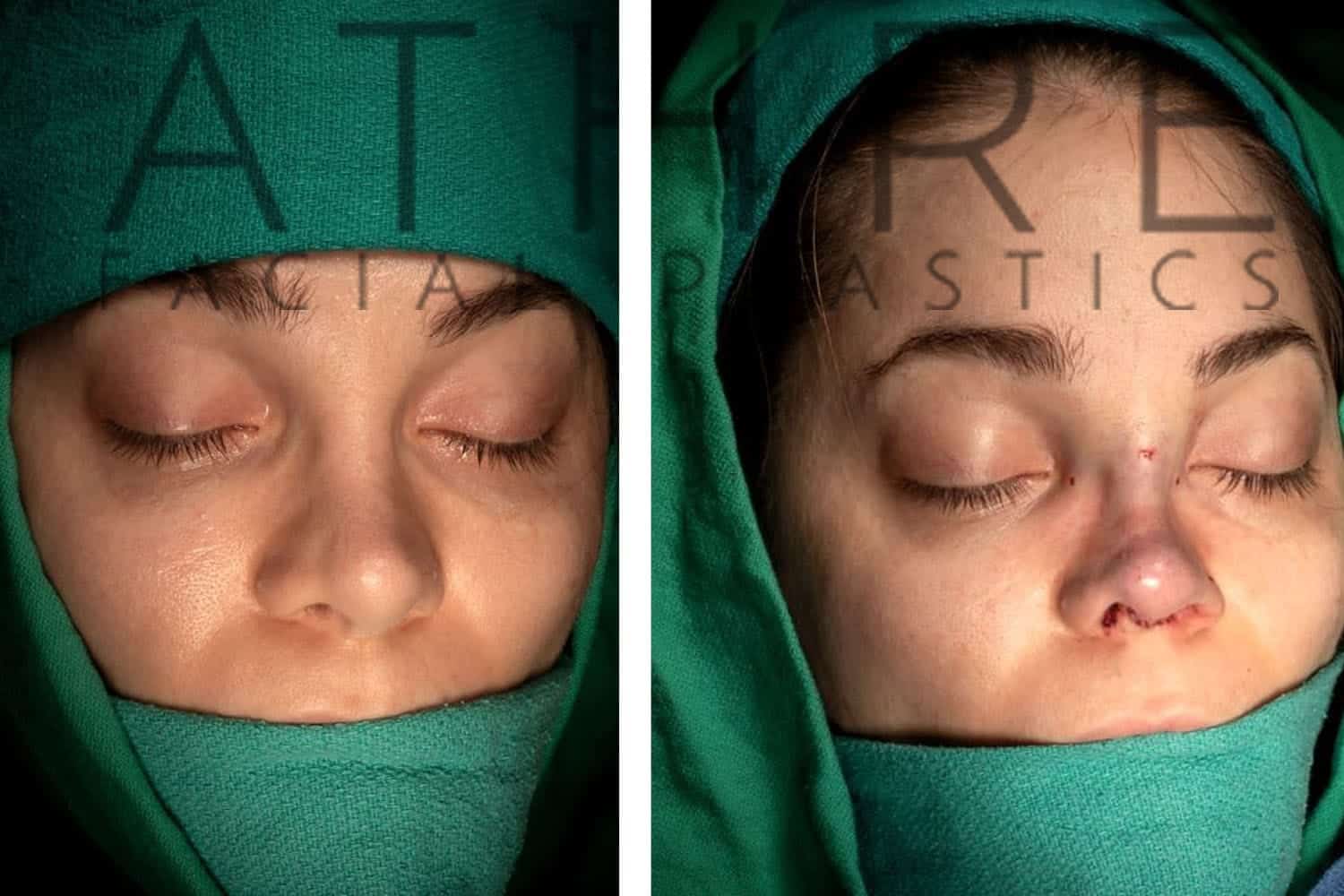
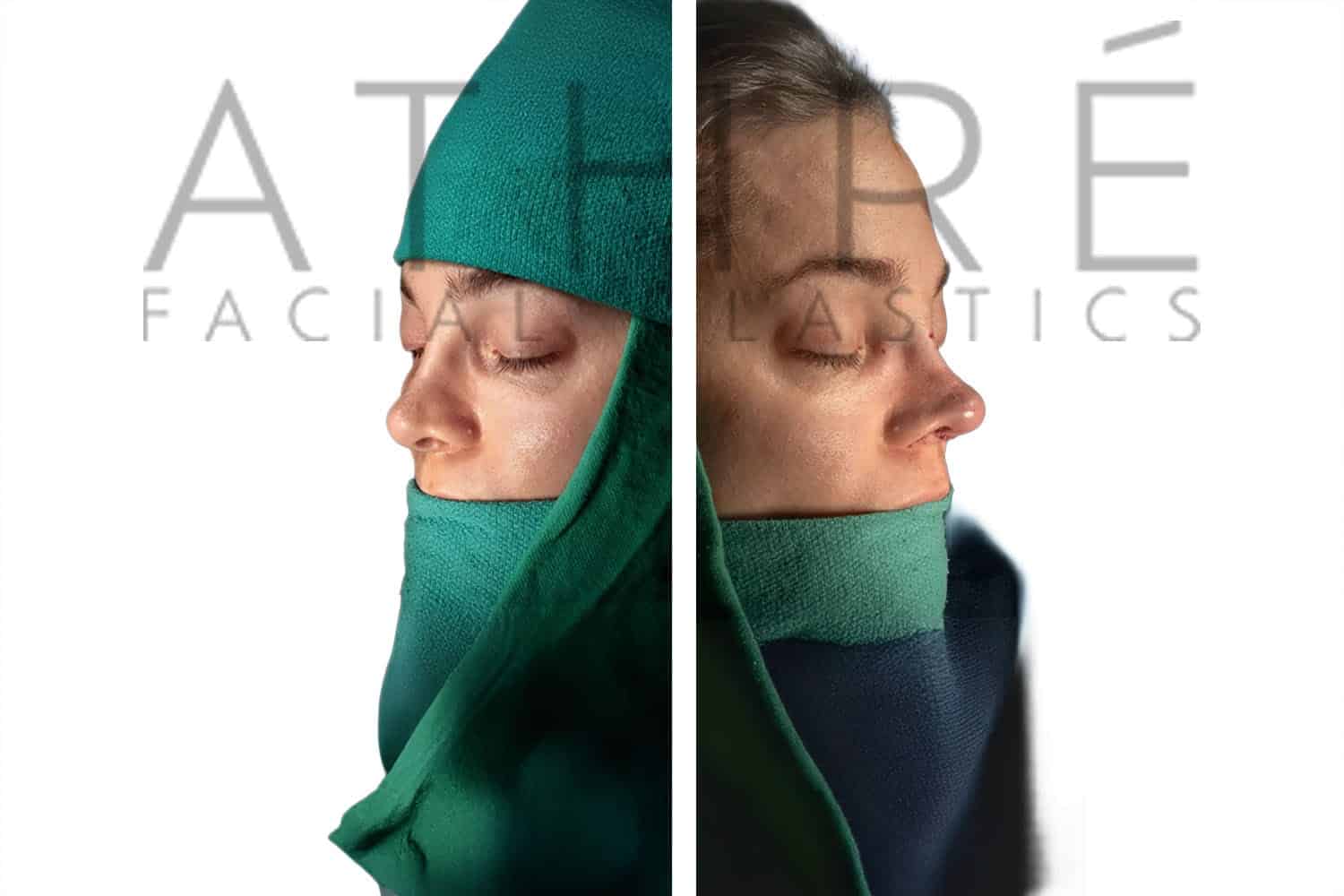
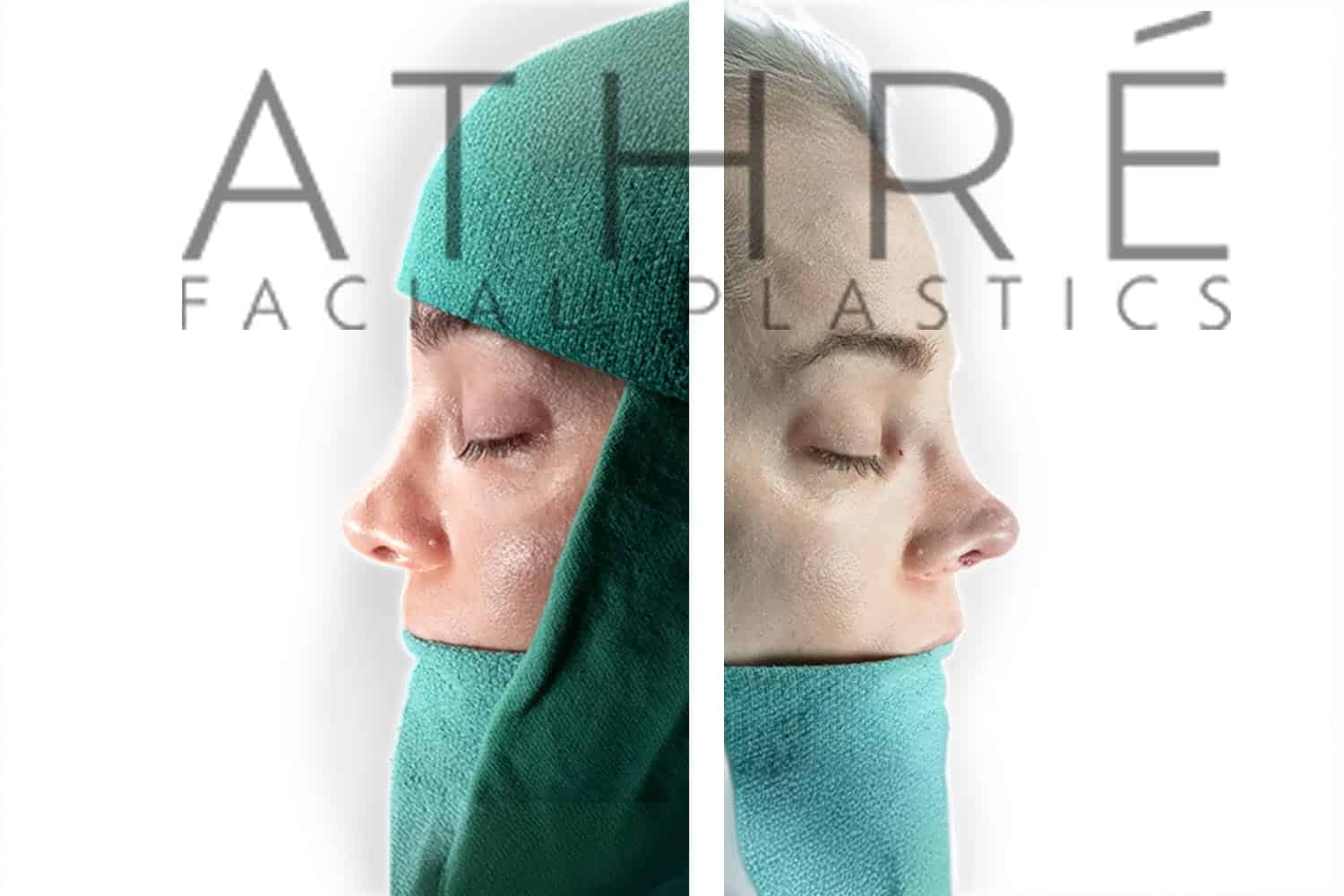
Different Noses Require Different Approaches
There is no single rhinoplasty operation that makes sense for every patient.
For someone who has never had nasal surgery, a Primary Rhinoplasty is planned around the existing anatomy and the changes the patient wants to make. A Revision Rhinoplasty presents a different problem because the nose has already been operated on and the anatomy may have been altered by the previous surgery.
Technique also varies. Dorsal Preservation Rhinoplasty can be appropriate when preserving more of the natural architecture of the nasal bridge makes sense for the patient's anatomy. Ultrasonic Rhinoplasty uses specialized technology when working with the nasal bones. In patients whose concerns are concentrated primarily at the tip, a Tip Plasty may allow us to address that area without making unnecessary changes elsewhere.
Ethnic Rhinoplasty requires the same individualized thinking. The objective should never be to make a patient's nose conform to a different ethnic ideal. The surgery should respect the patient's existing features while addressing the changes that matter to them.
The technique is chosen for the nose. The nose isn't changed to fit the technique.
What to Look for in Rhinoplasty Before & After Photos
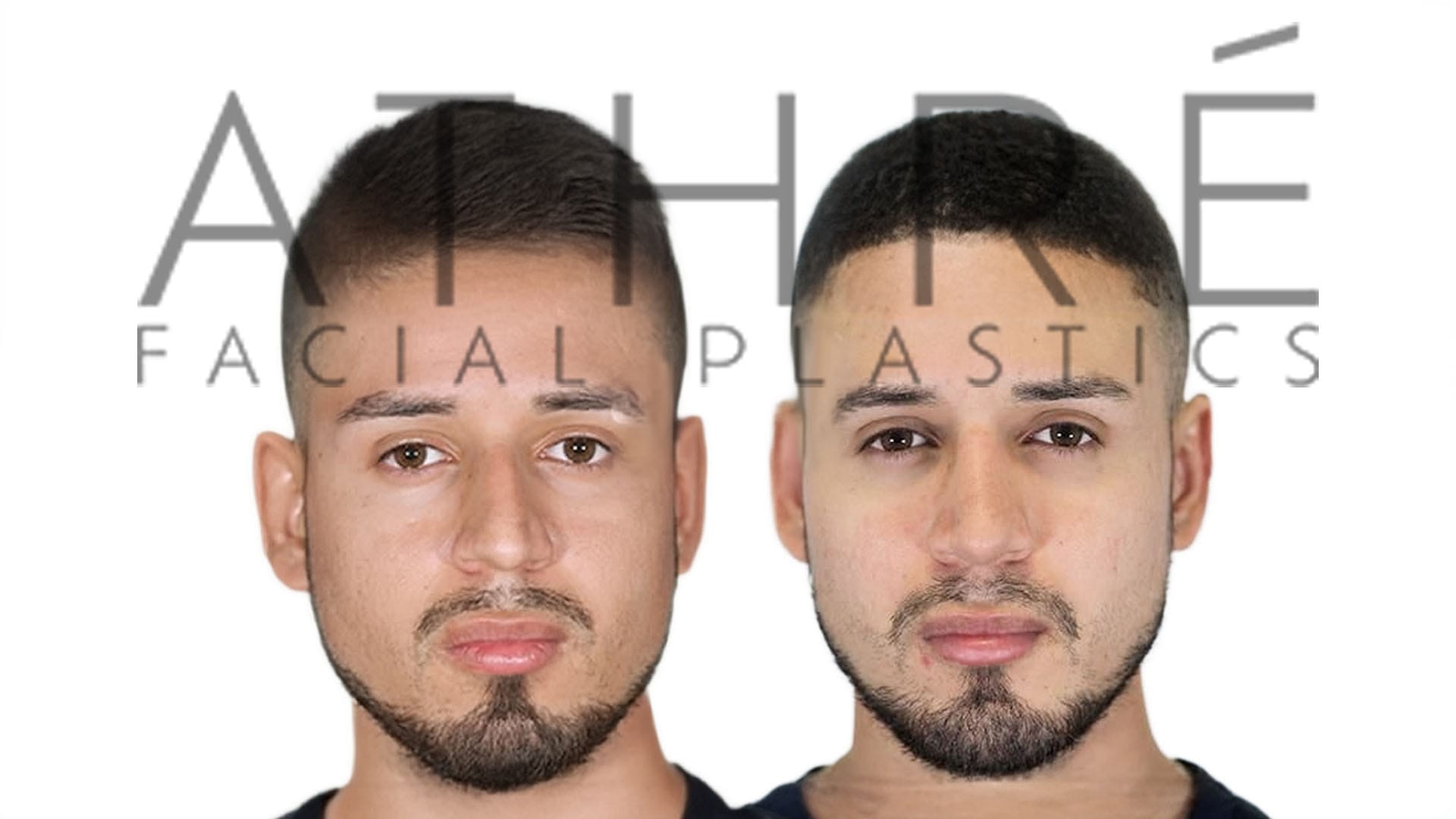
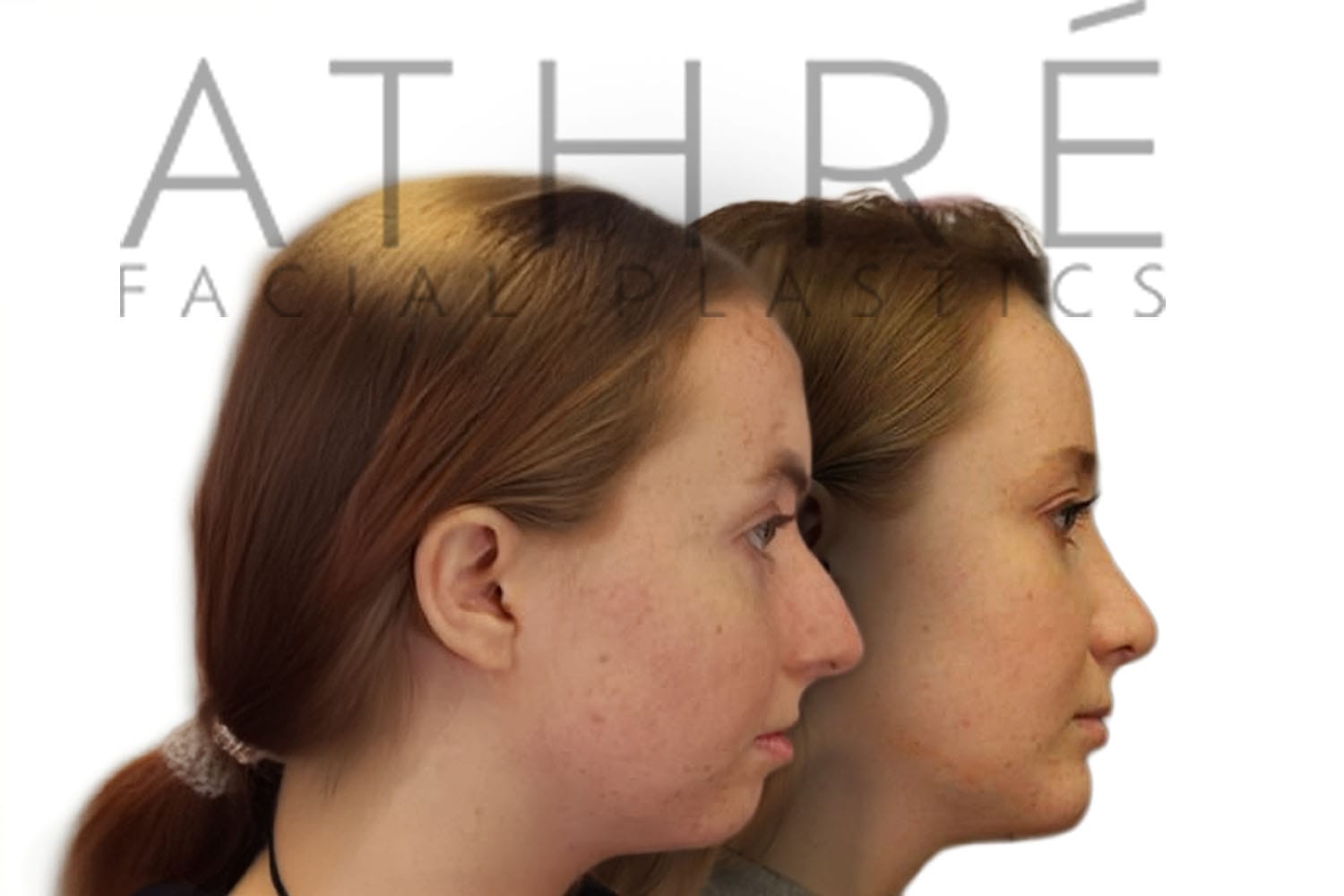
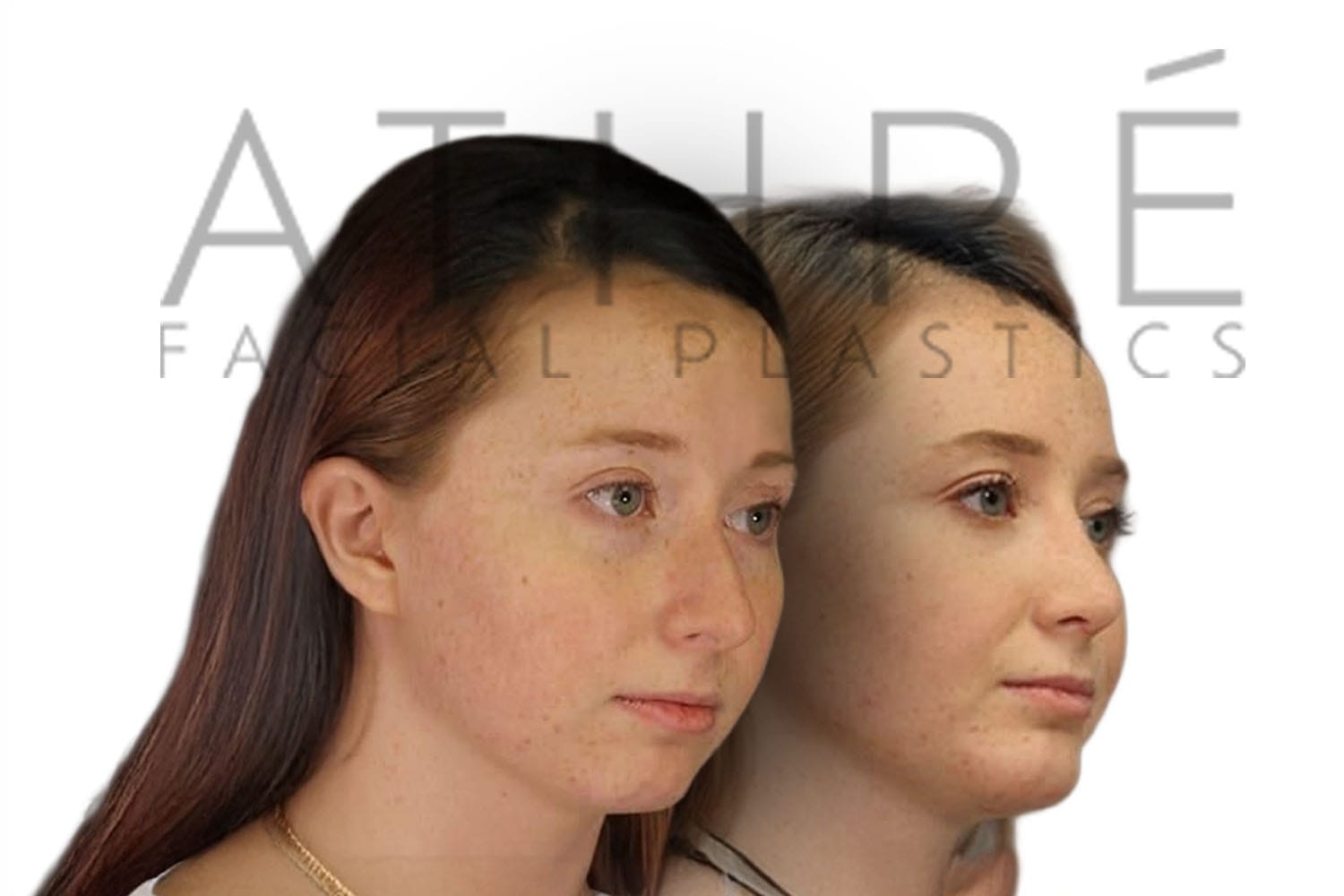
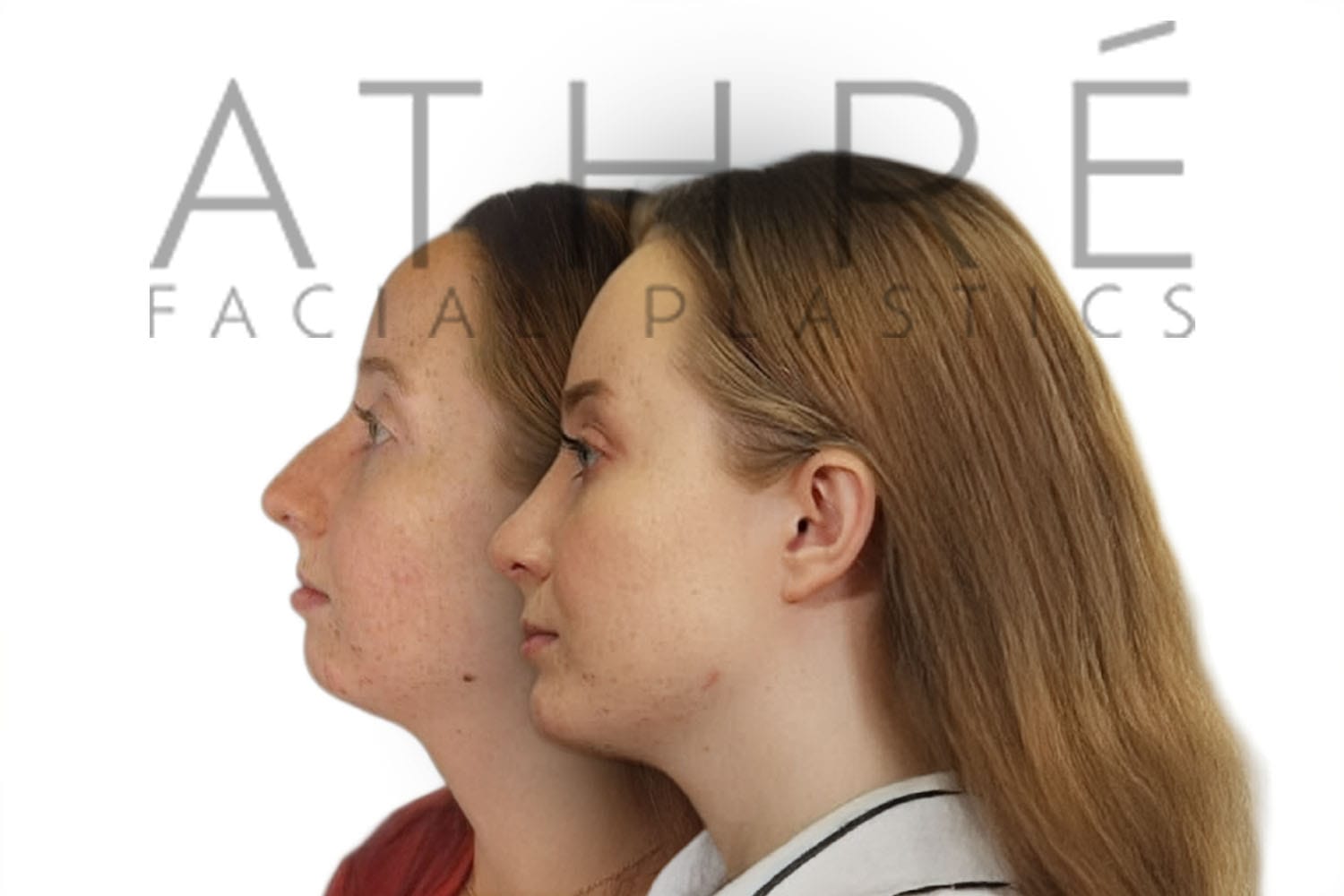
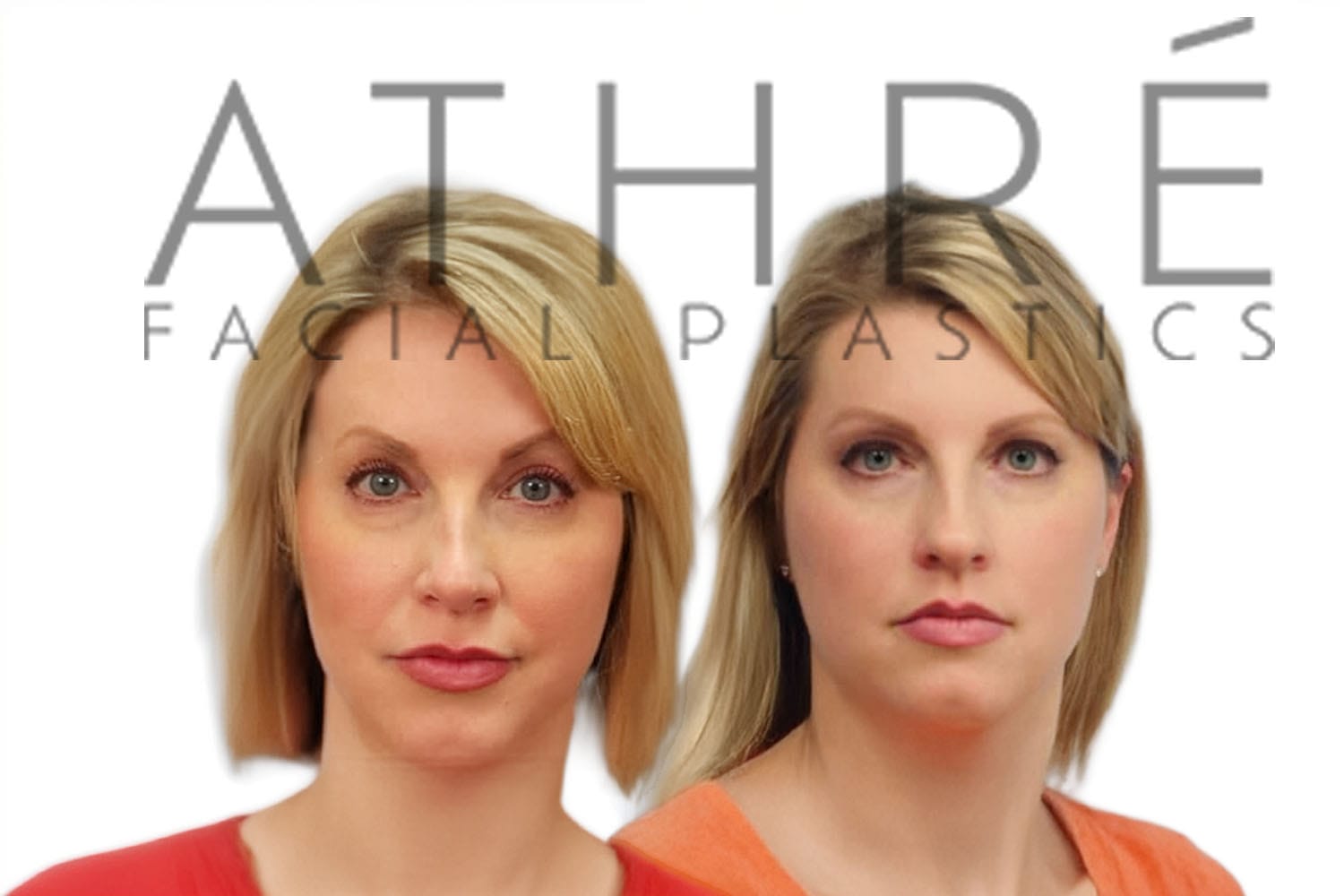
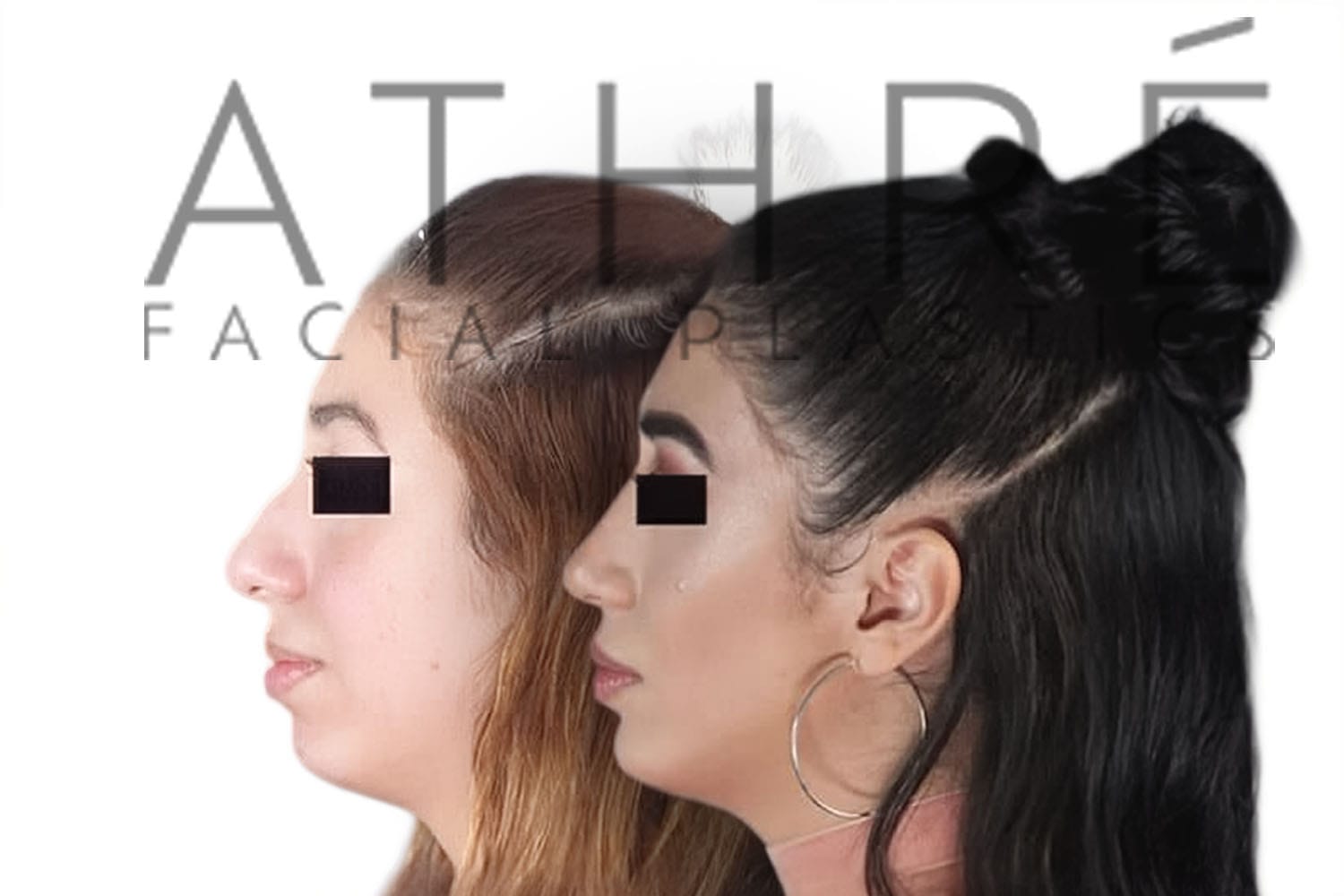
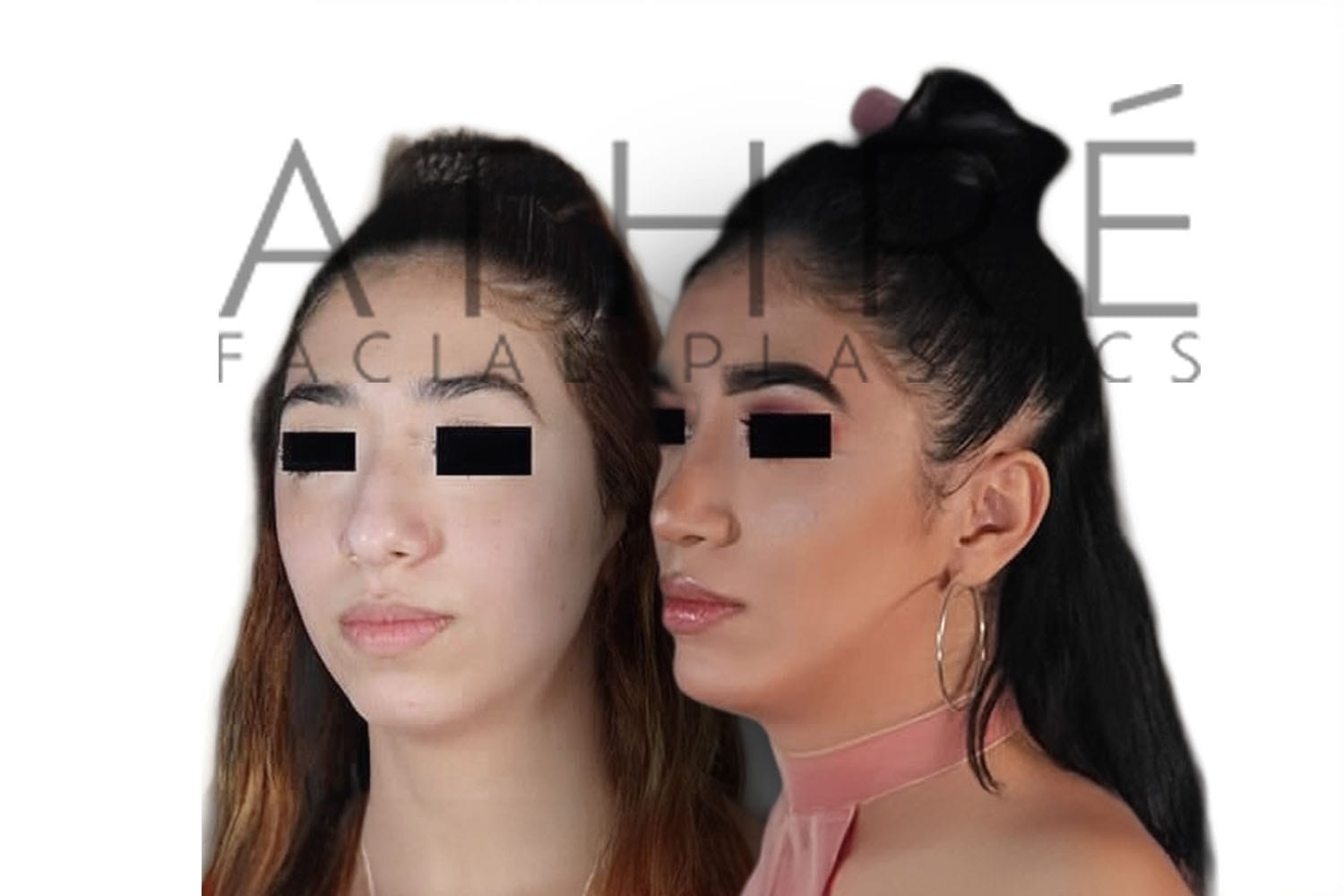
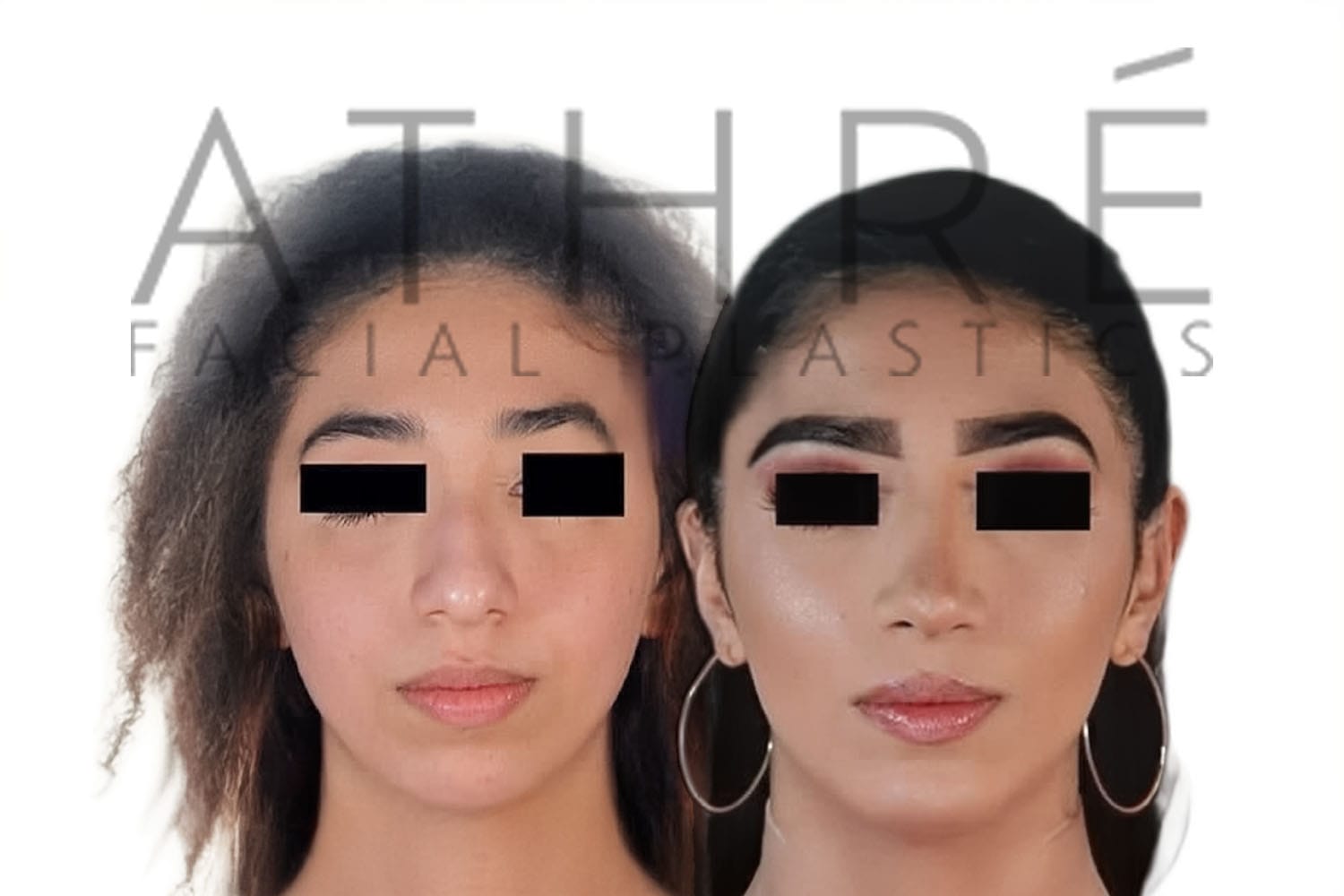
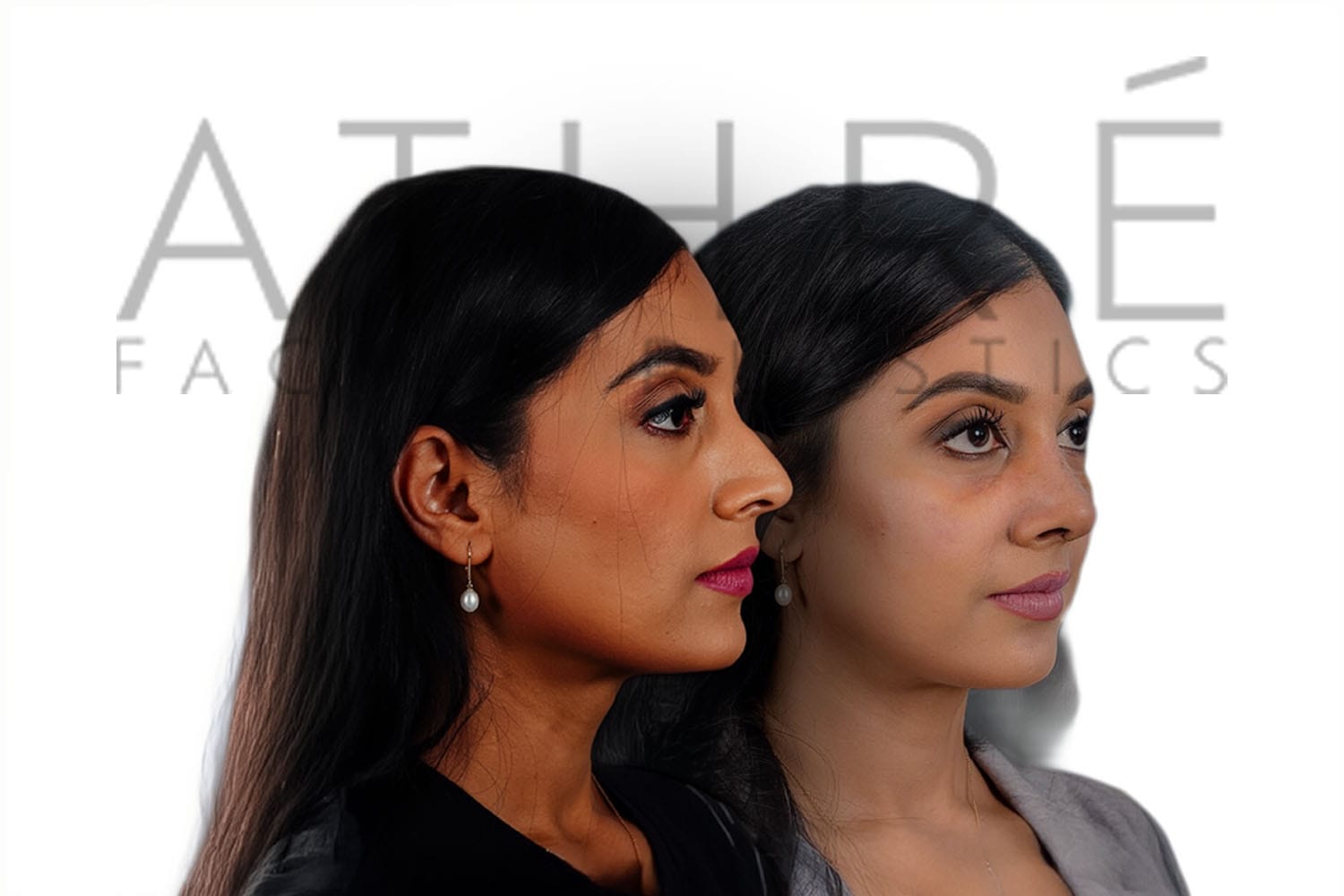
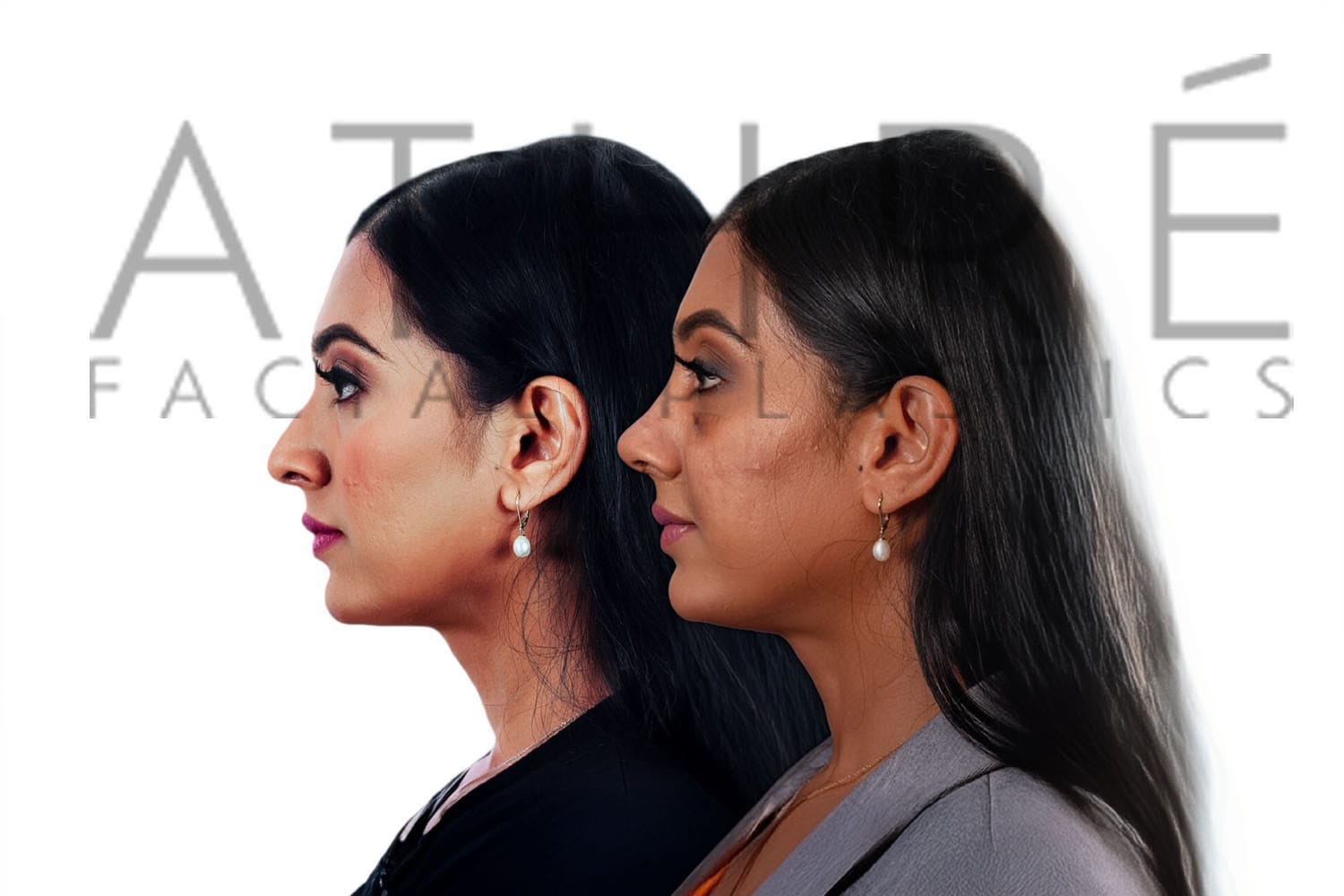
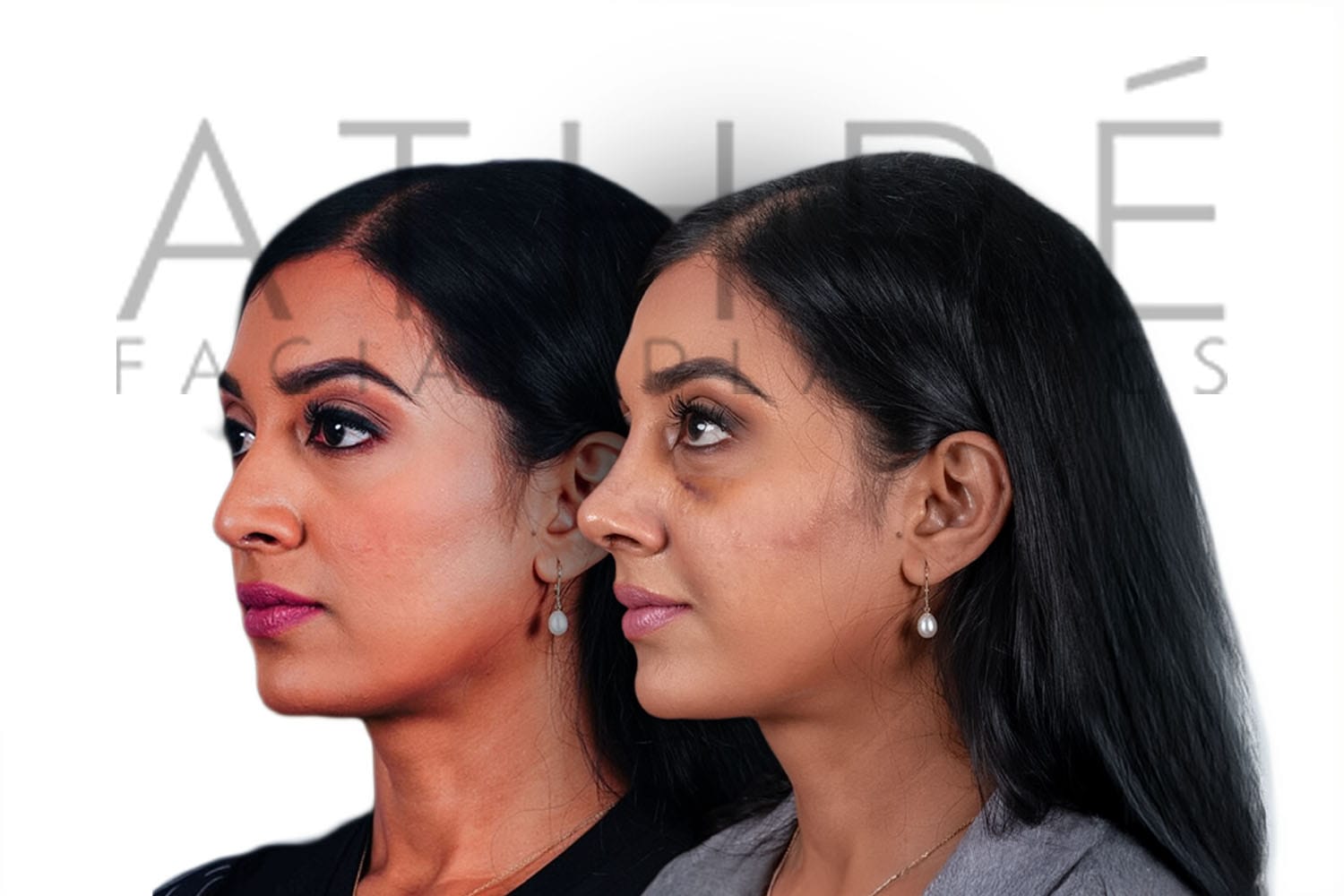
Look at more than one view. From the front, pay attention to width, symmetry and how the tip relates to the rest of the nose. The profile can show changes in projection and the contour of the bridge. Three-quarter views often reveal how those changes come together in a way that neither the front nor profile can show by itself.
Then look at the entire face.
A large change is not necessarily a better result. The nose should remain in proportion with the patient's other features and the result should make sense for that individual's anatomy.
It is also useful to look across several patients rather than searching for one result you would like to copy. Rhinoplasty before and after photographs are most valuable when they show how the operation changes from one patient to another.
Rhinoplasty Before & After FAQs
Rhinoplasty before and after photos can show a significant change, but knowing how to evaluate that change matters. These questions explain what to look for in the photographs, why timing and consistency matter and what the images can realistically tell you about rhinoplasty results.