Rhinoplasty Before & After Results
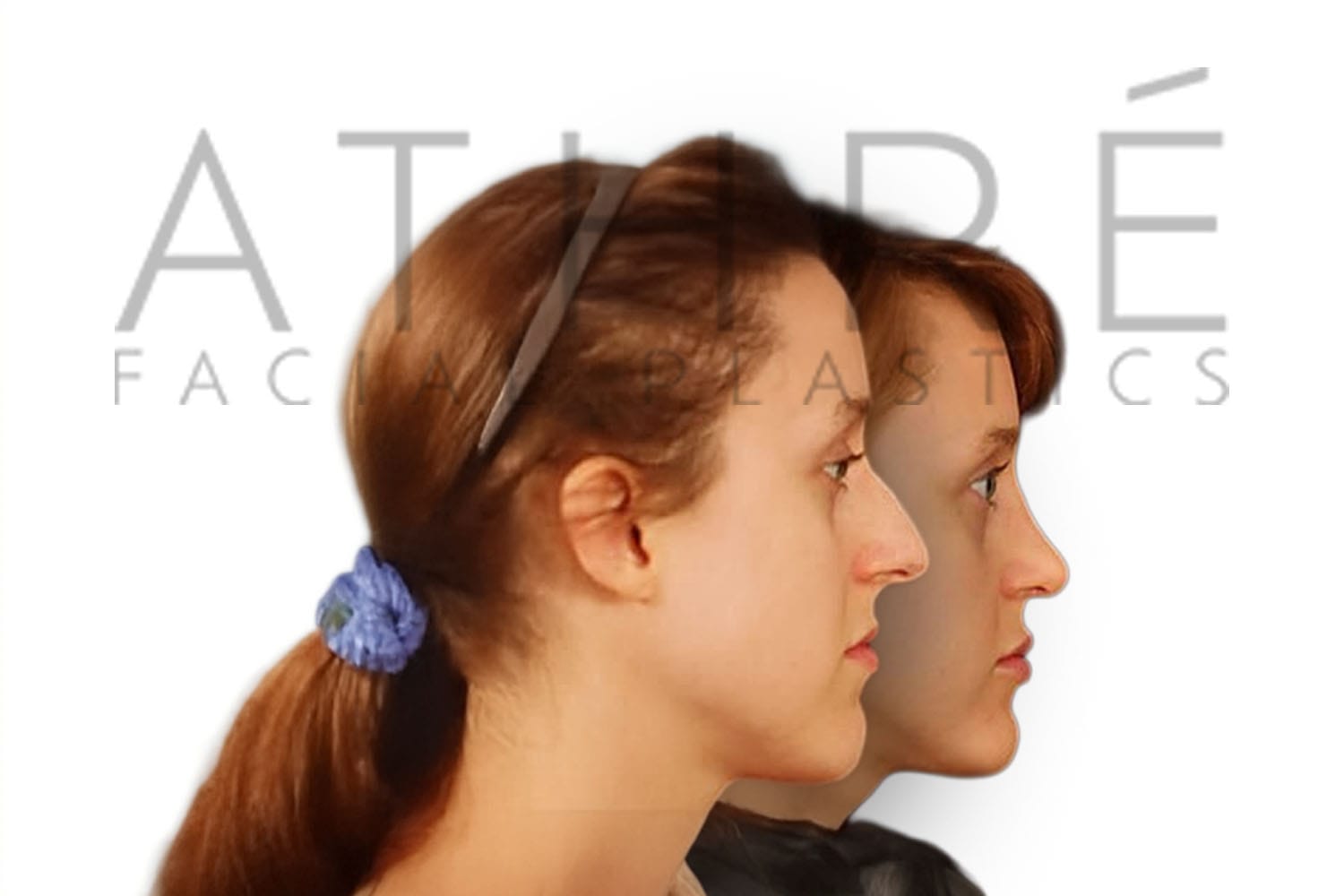
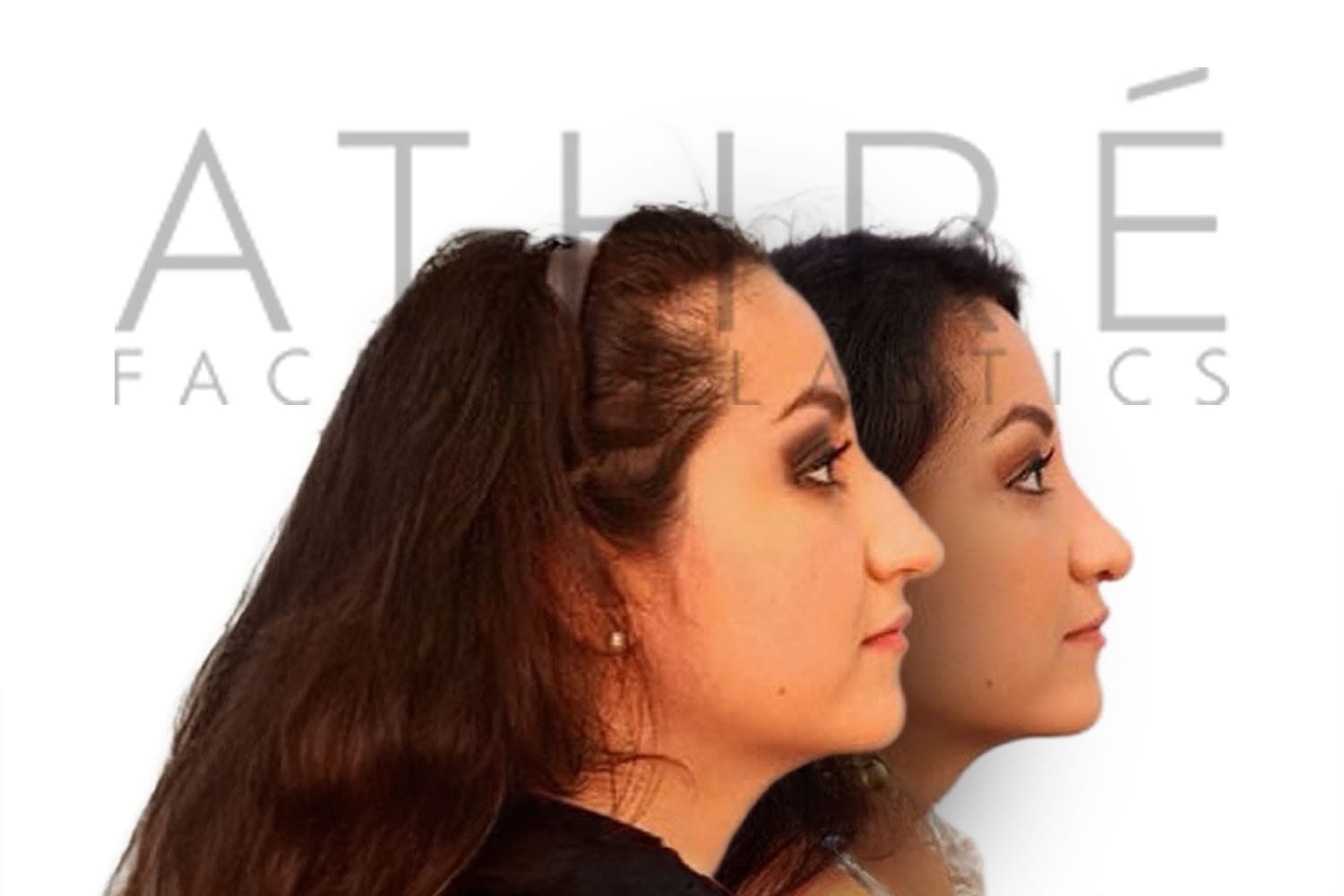
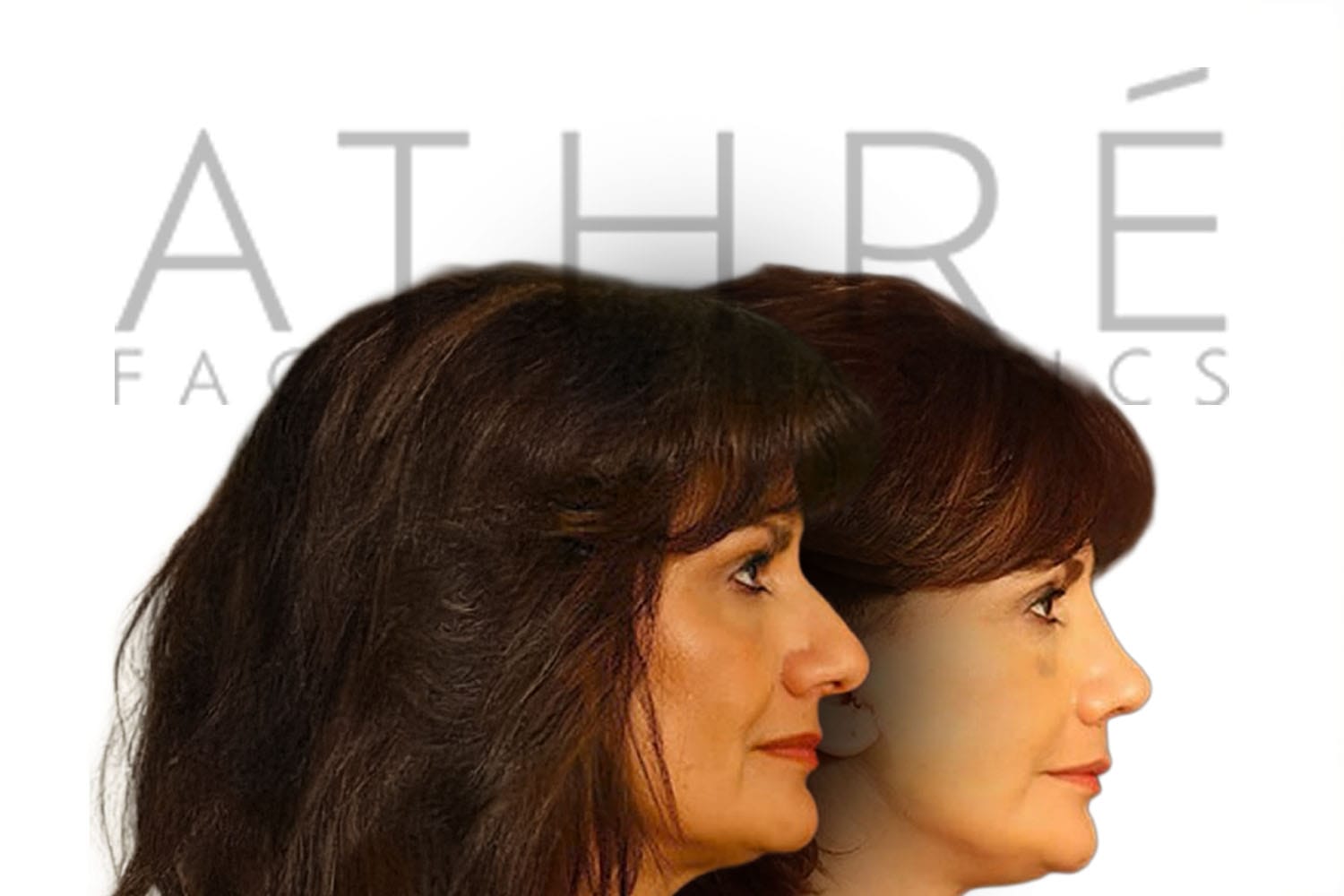
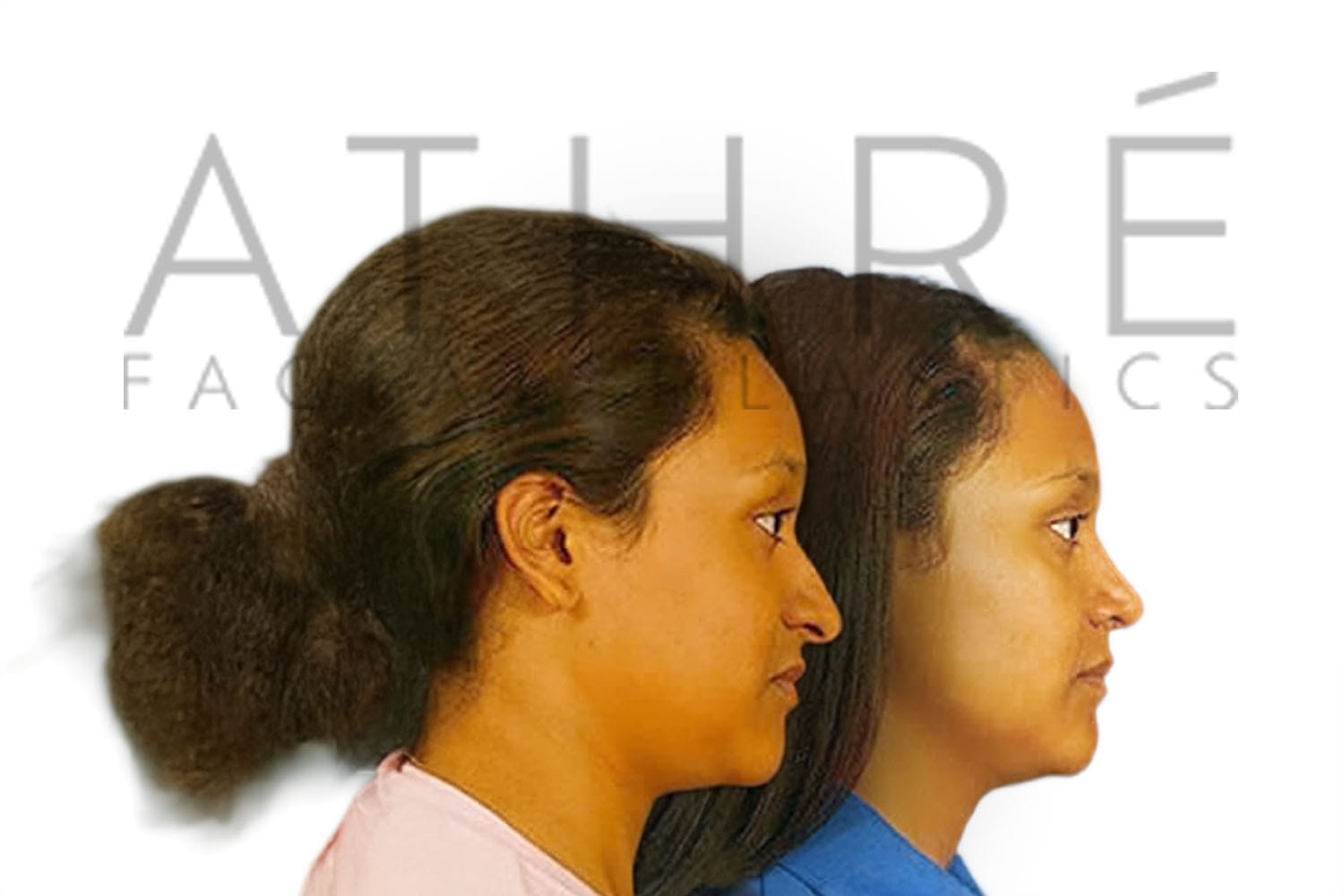
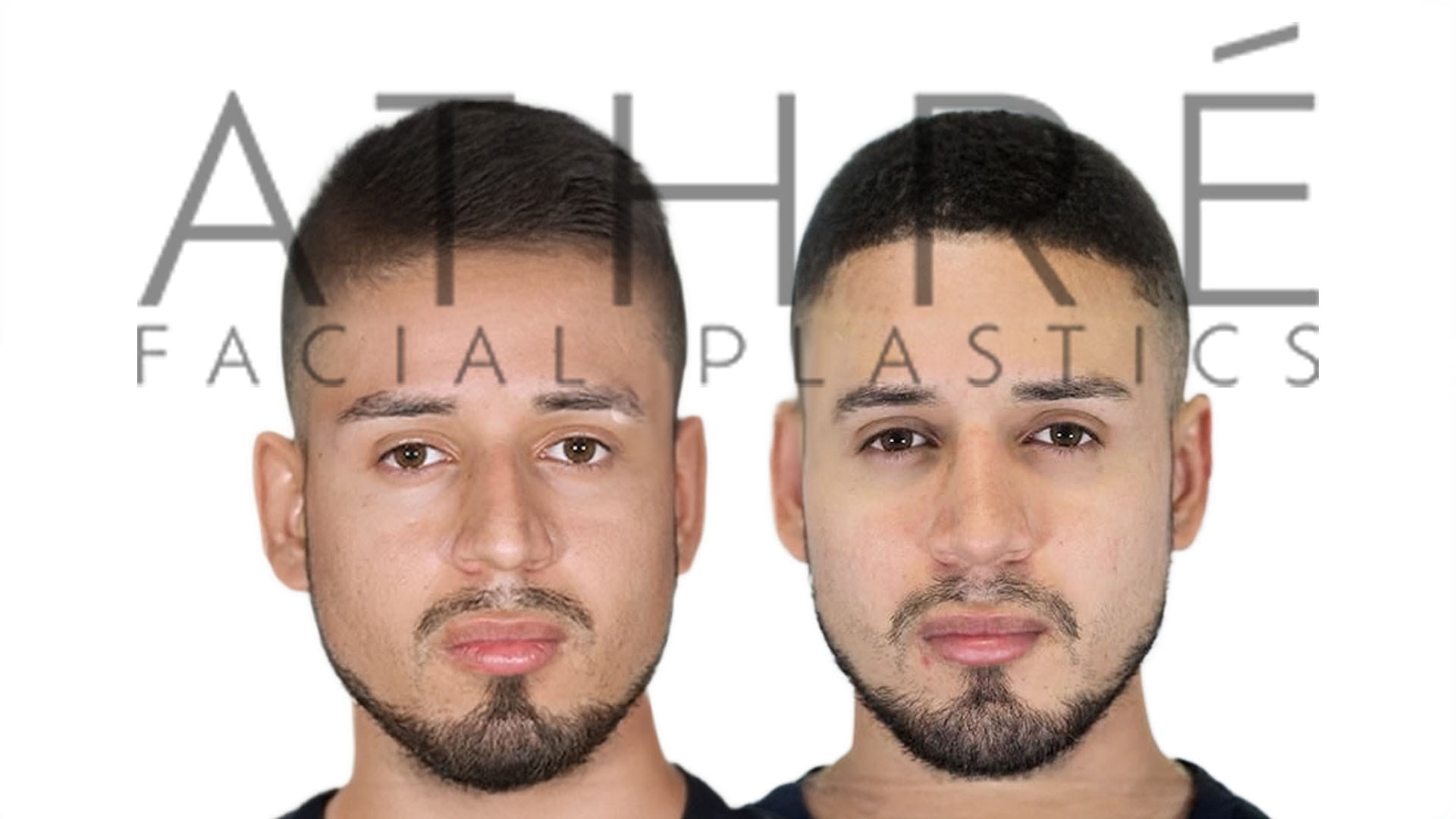
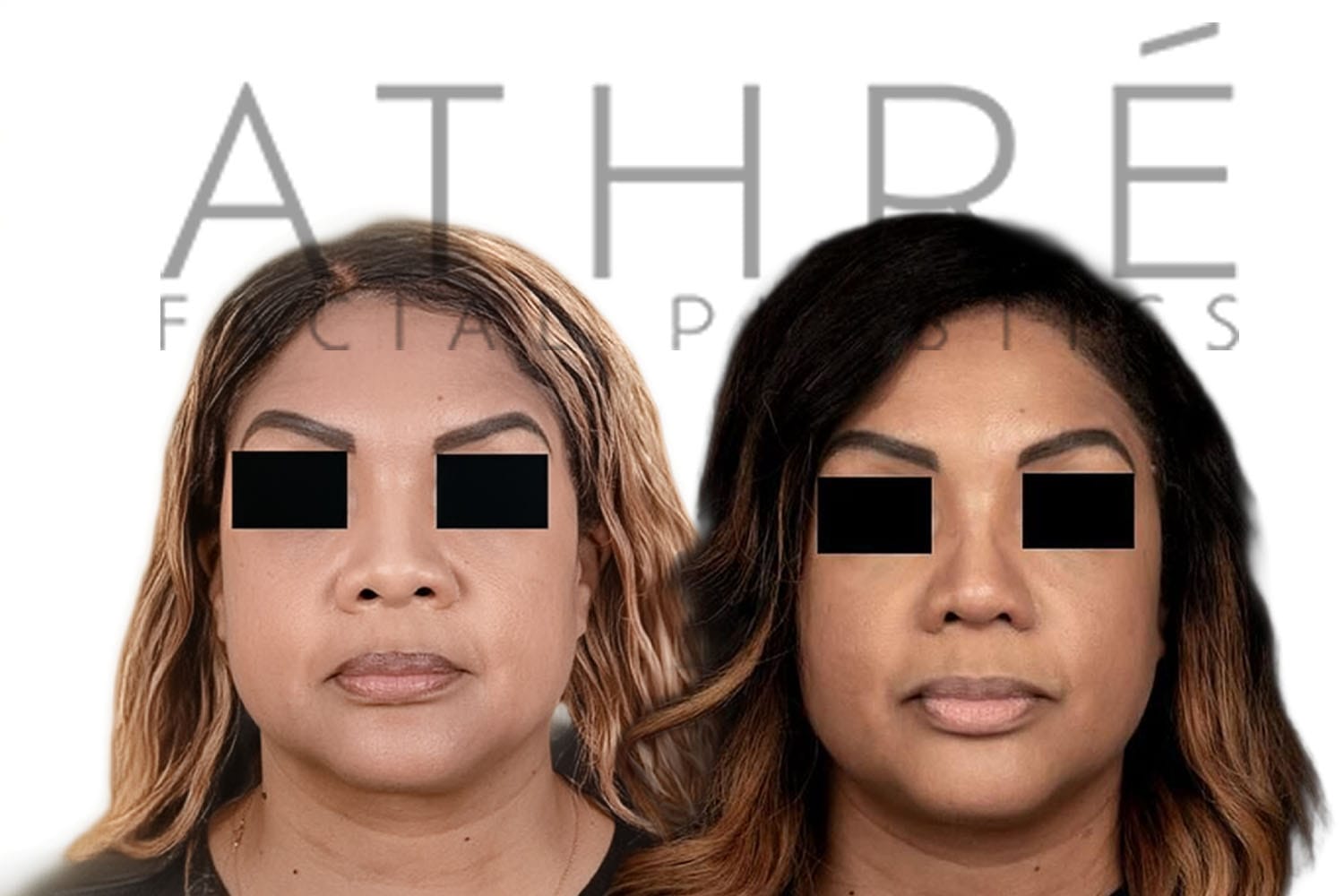
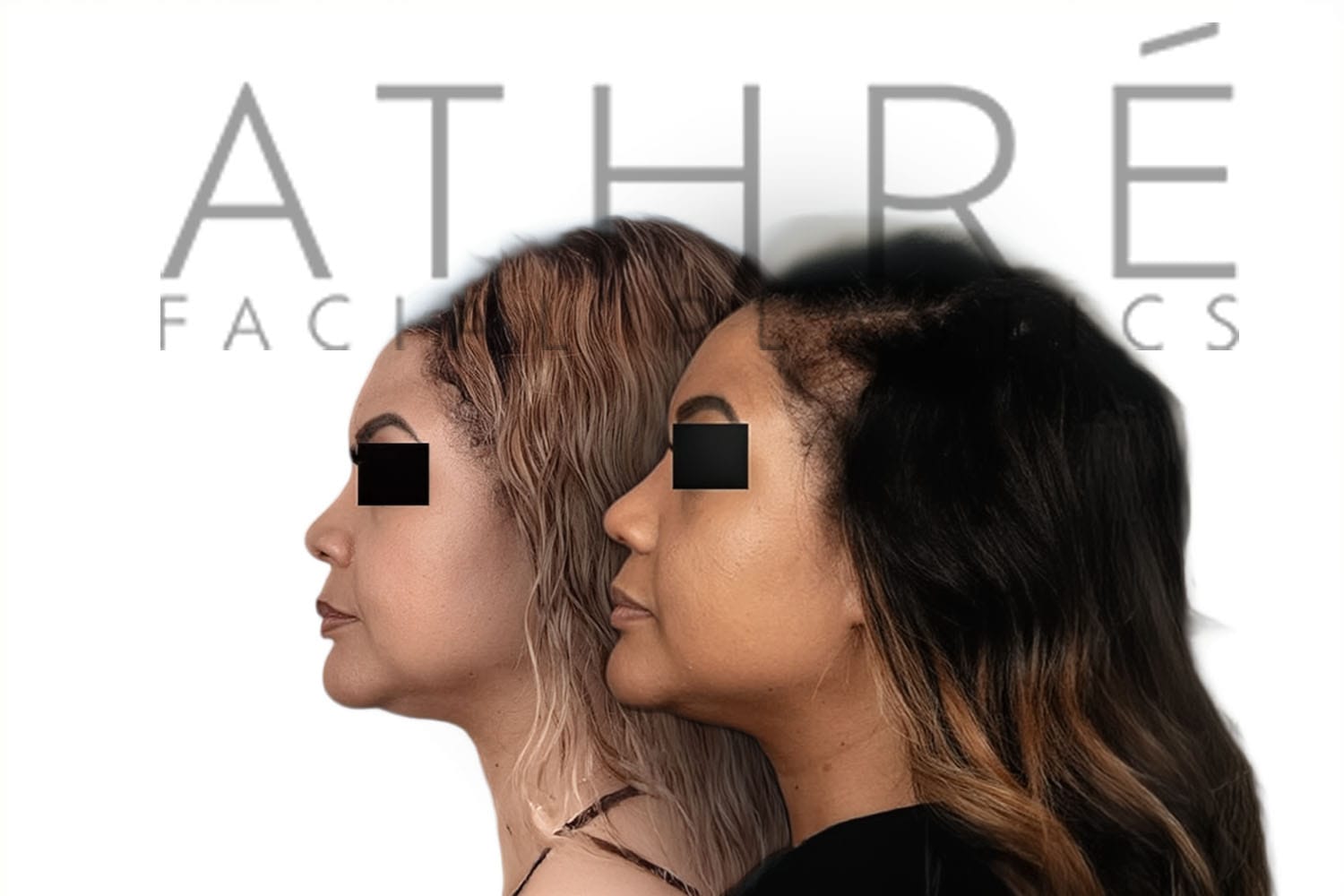
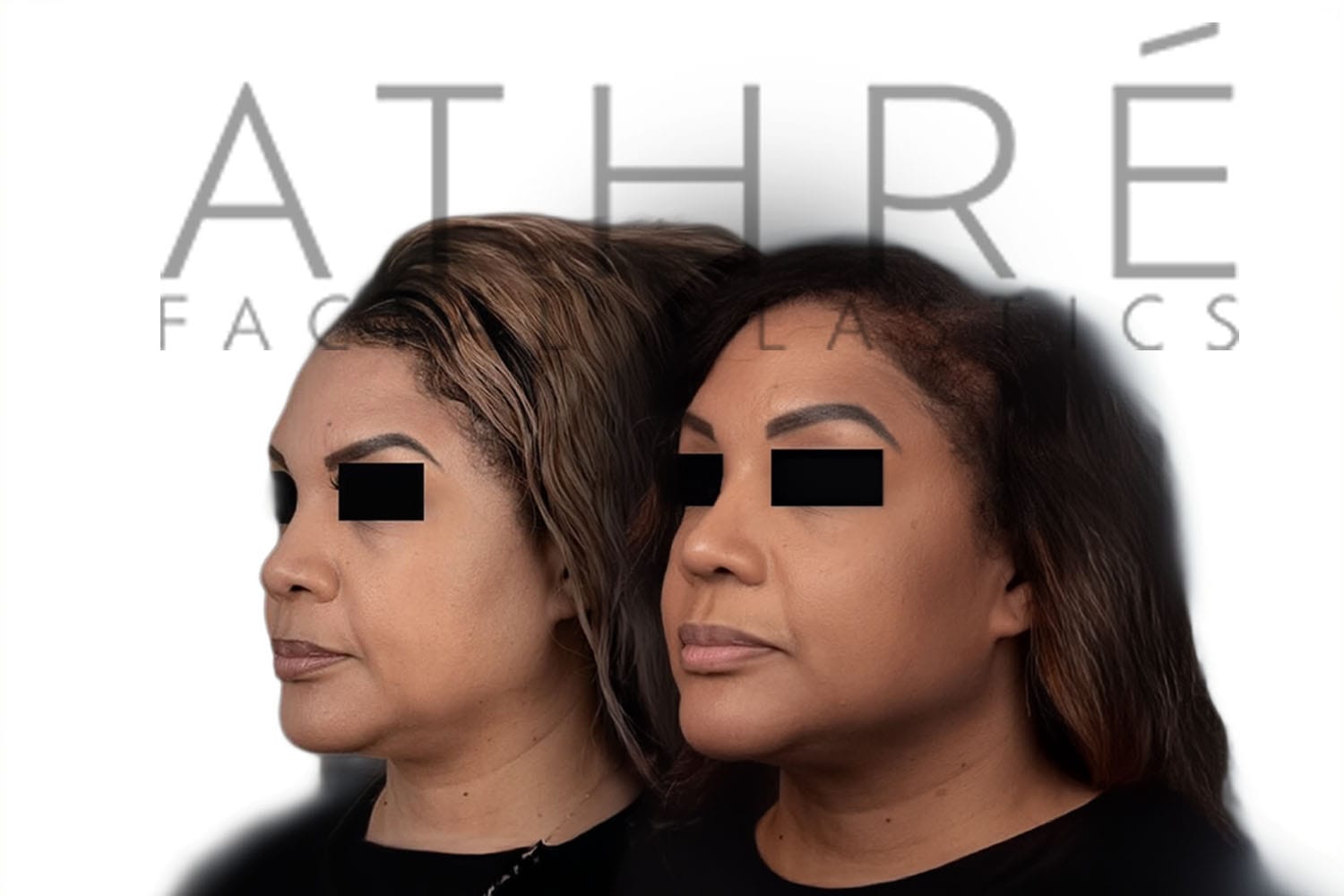
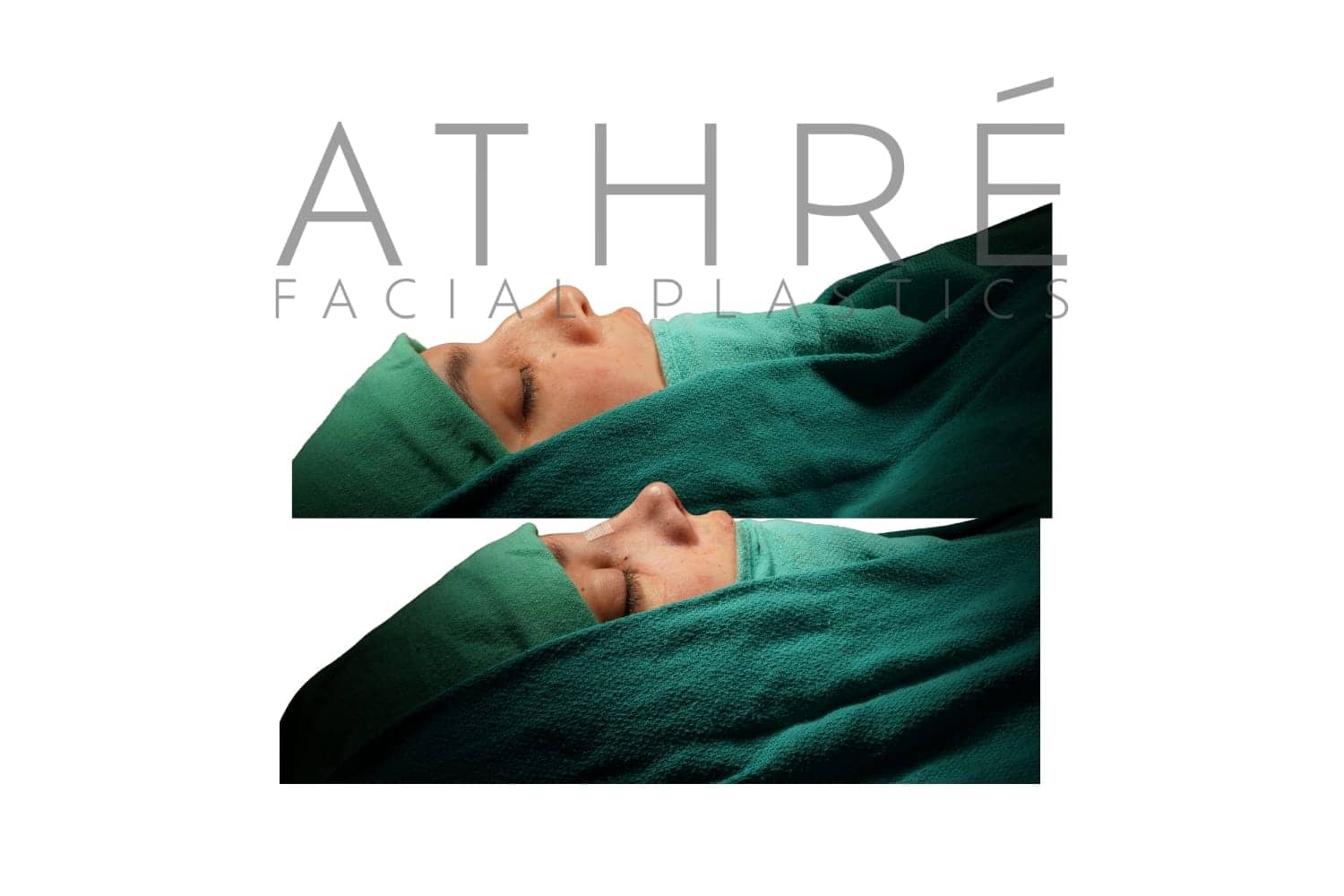
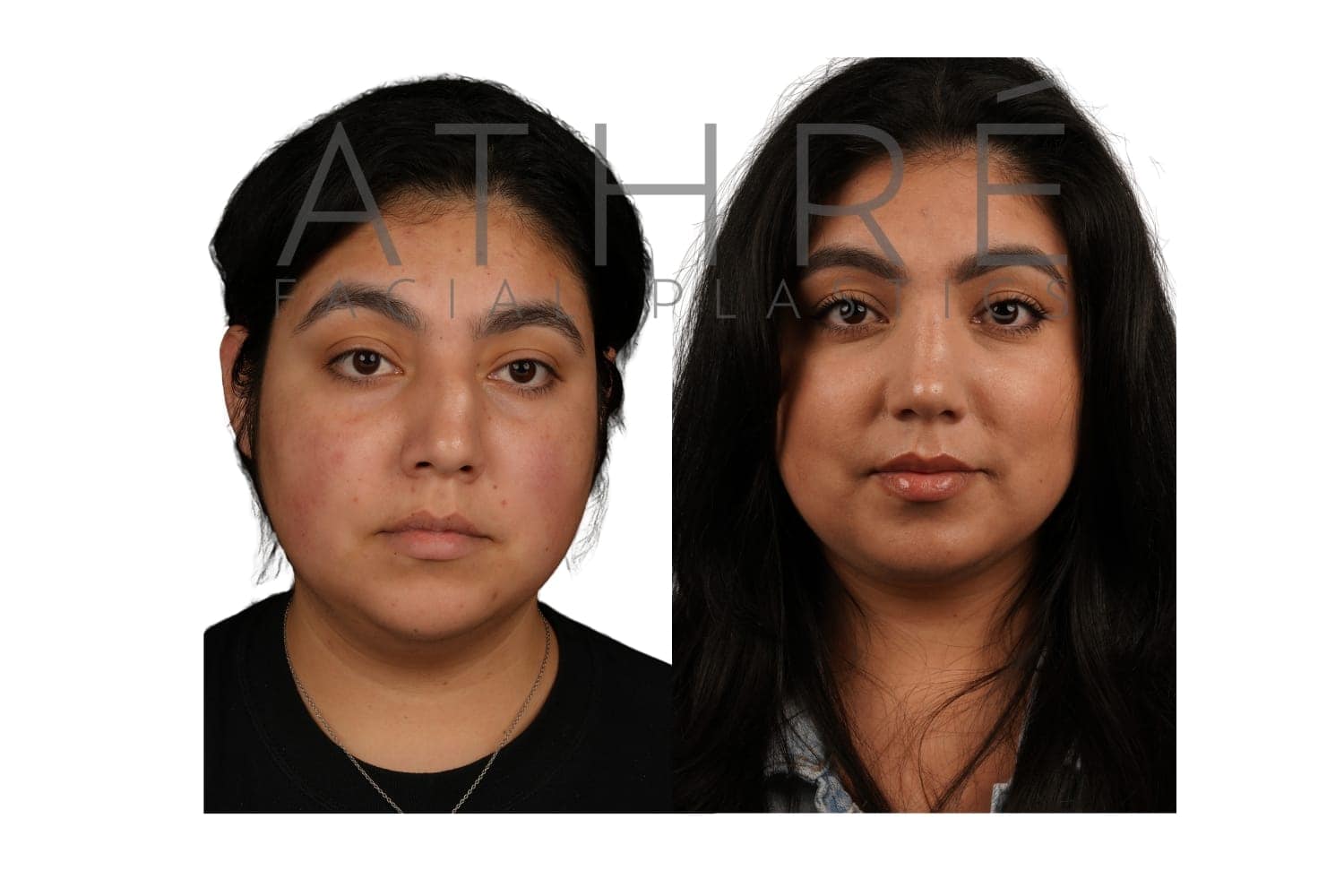
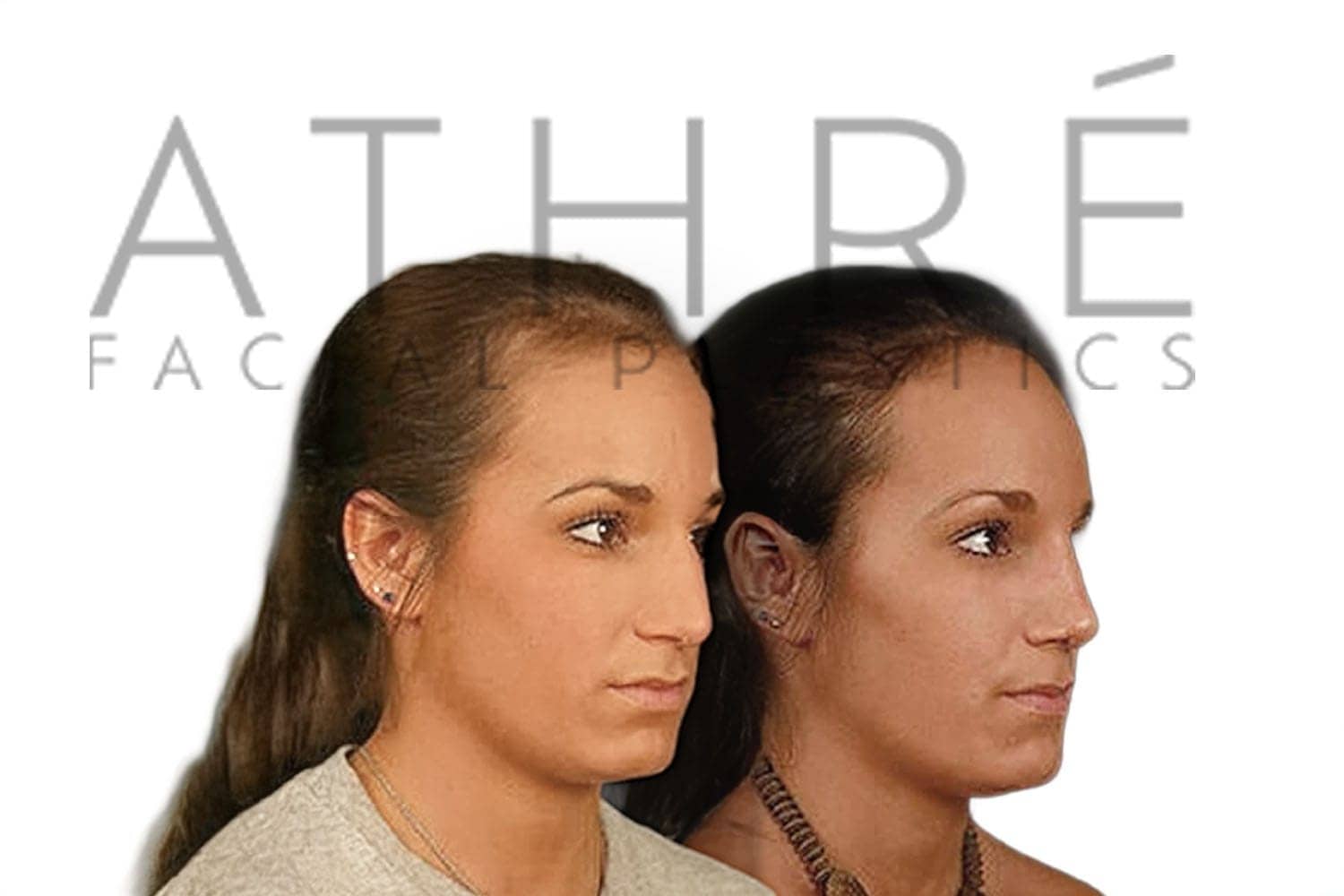
When people look at rhinoplasty before and after photos, it is easy to focus on the nose by itself. I think it is just as important to look at what happens to the face around it.
A successful rhinoplasty should improve the features that brought the patient in without creating a nose that feels disconnected from the rest of the face.
Does the Nose Still Belong to the Face?
Every nose has a different relationship with the forehead, cheeks, lips and chin. That relationship matters when planning rhinoplasty and when evaluating the result afterward.
Some patients want to reduce a prominent bridge or refine the nasal tip. Others are concerned with width, asymmetry or the way the nose projects from the face. The surgery should respond to the patient's anatomy rather than work toward a single idea of what an attractive nose is supposed to look like.
When I look at a rhinoplasty result, I want the nose to feel more balanced within the face while still looking appropriate for that individual patient.
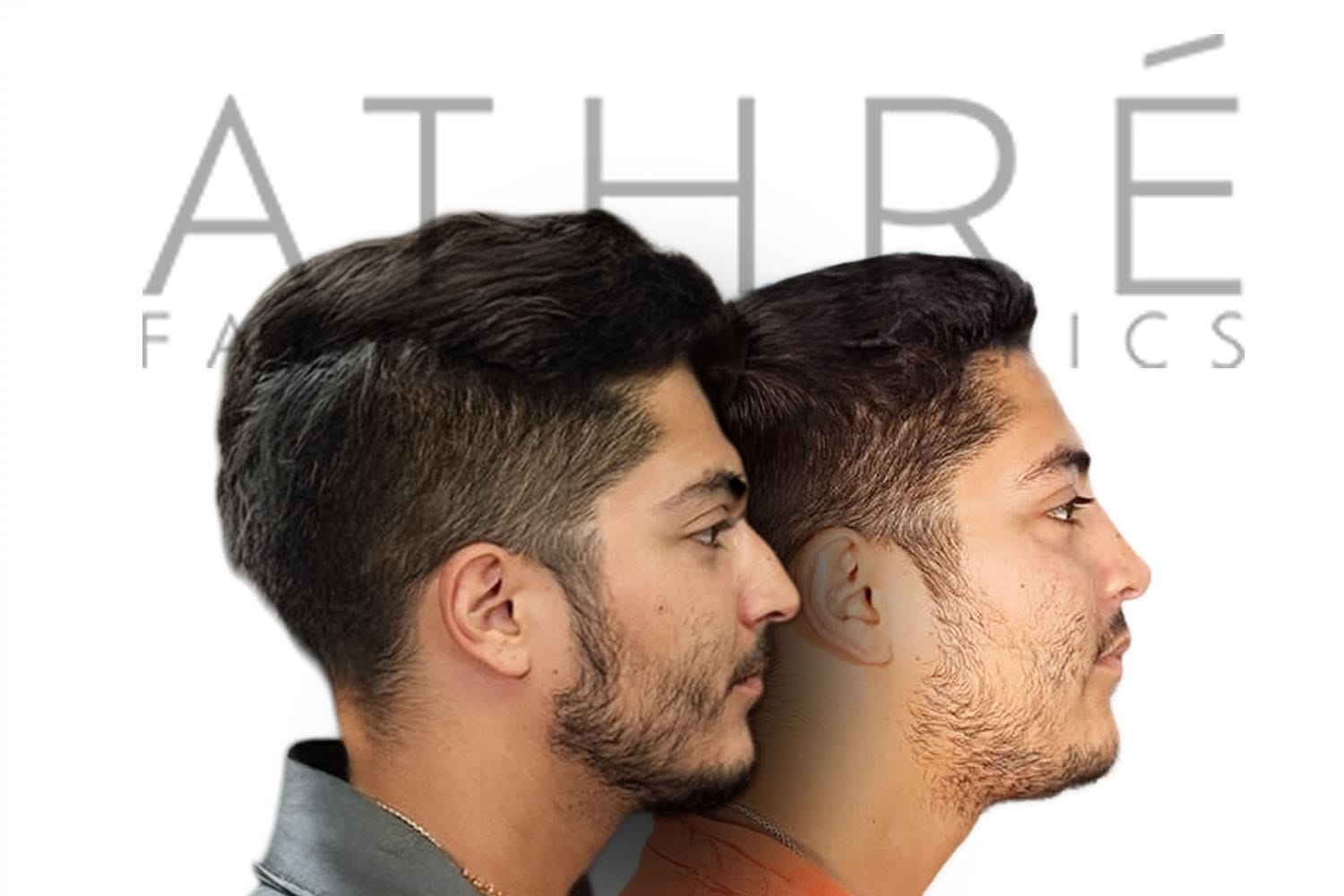
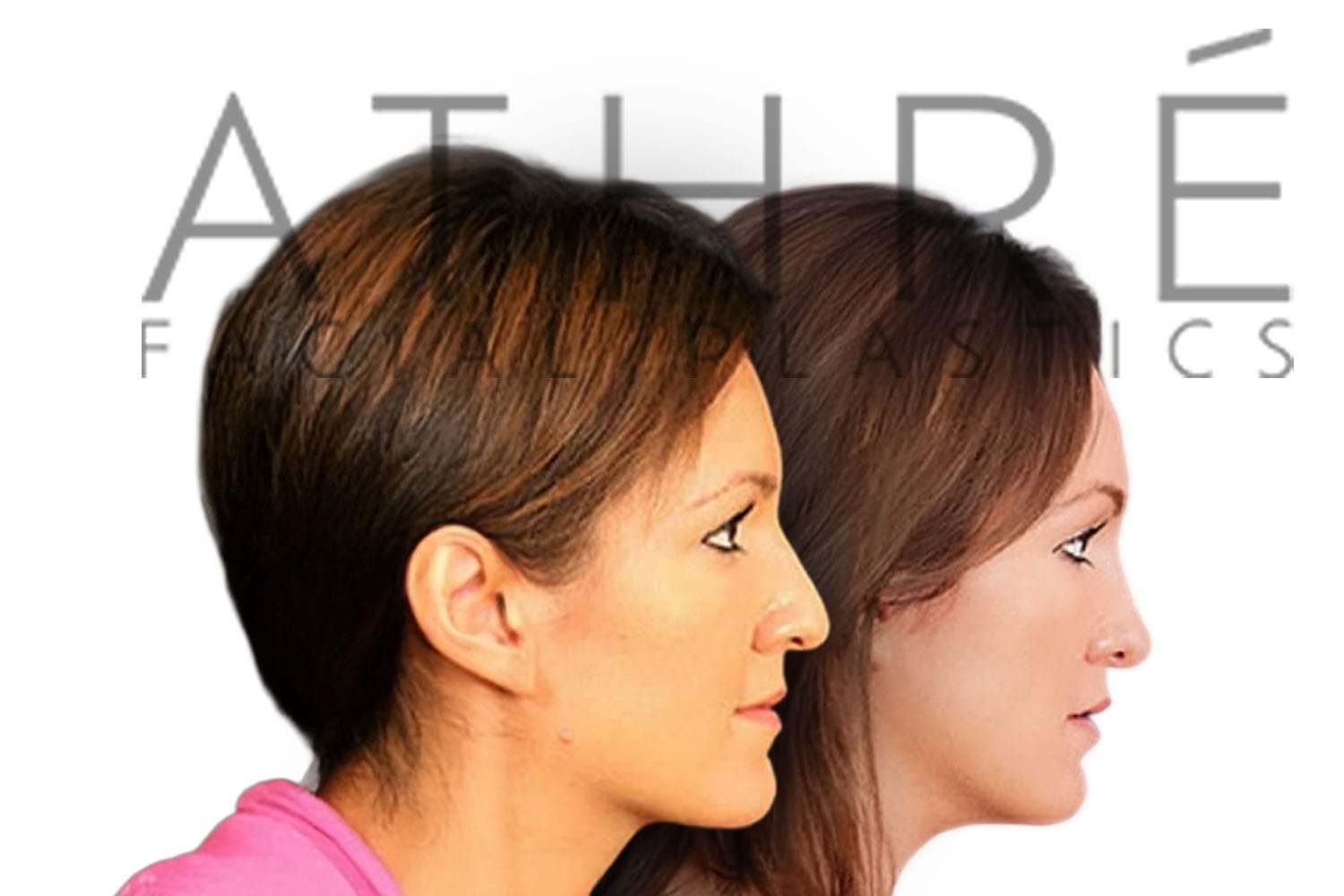
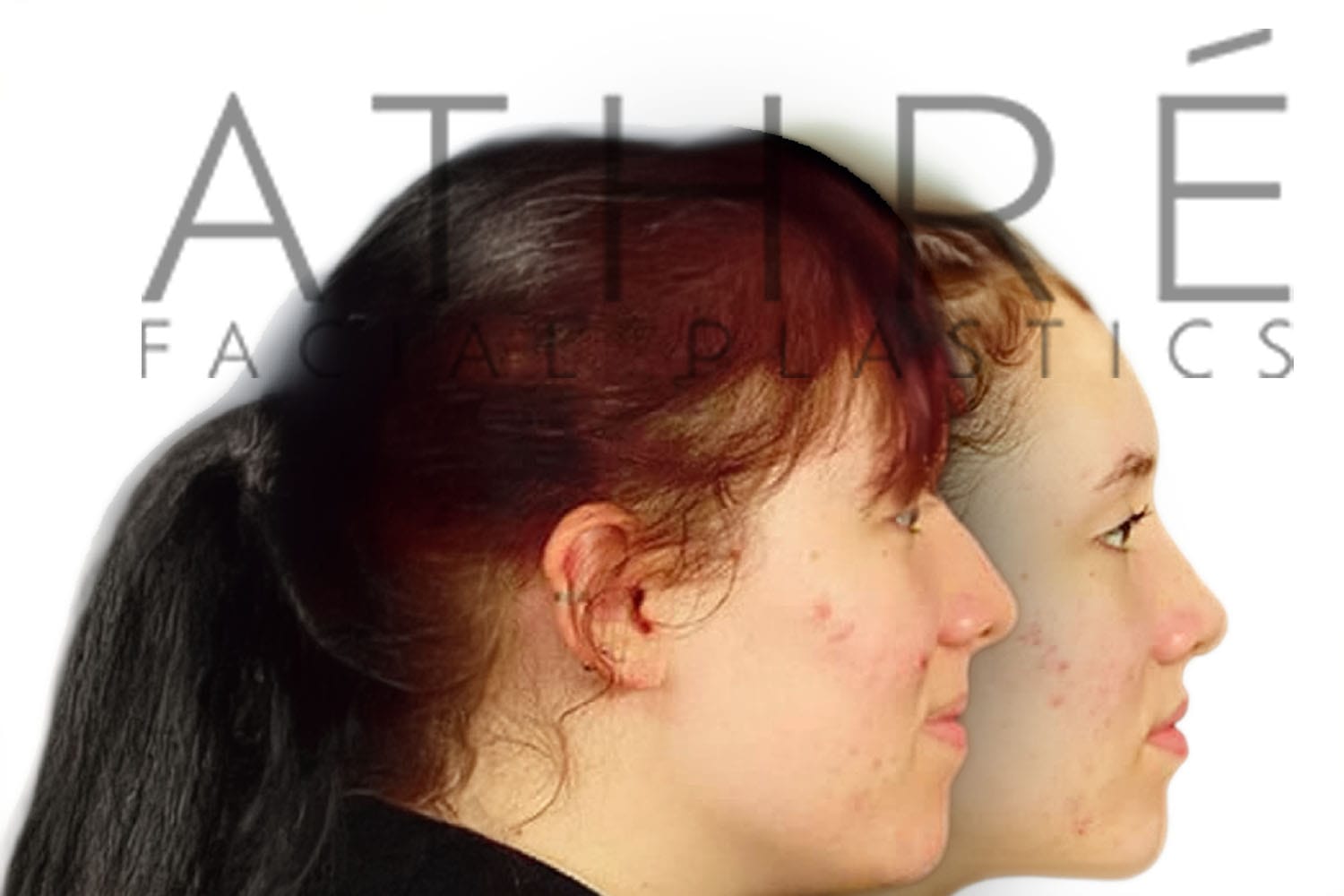
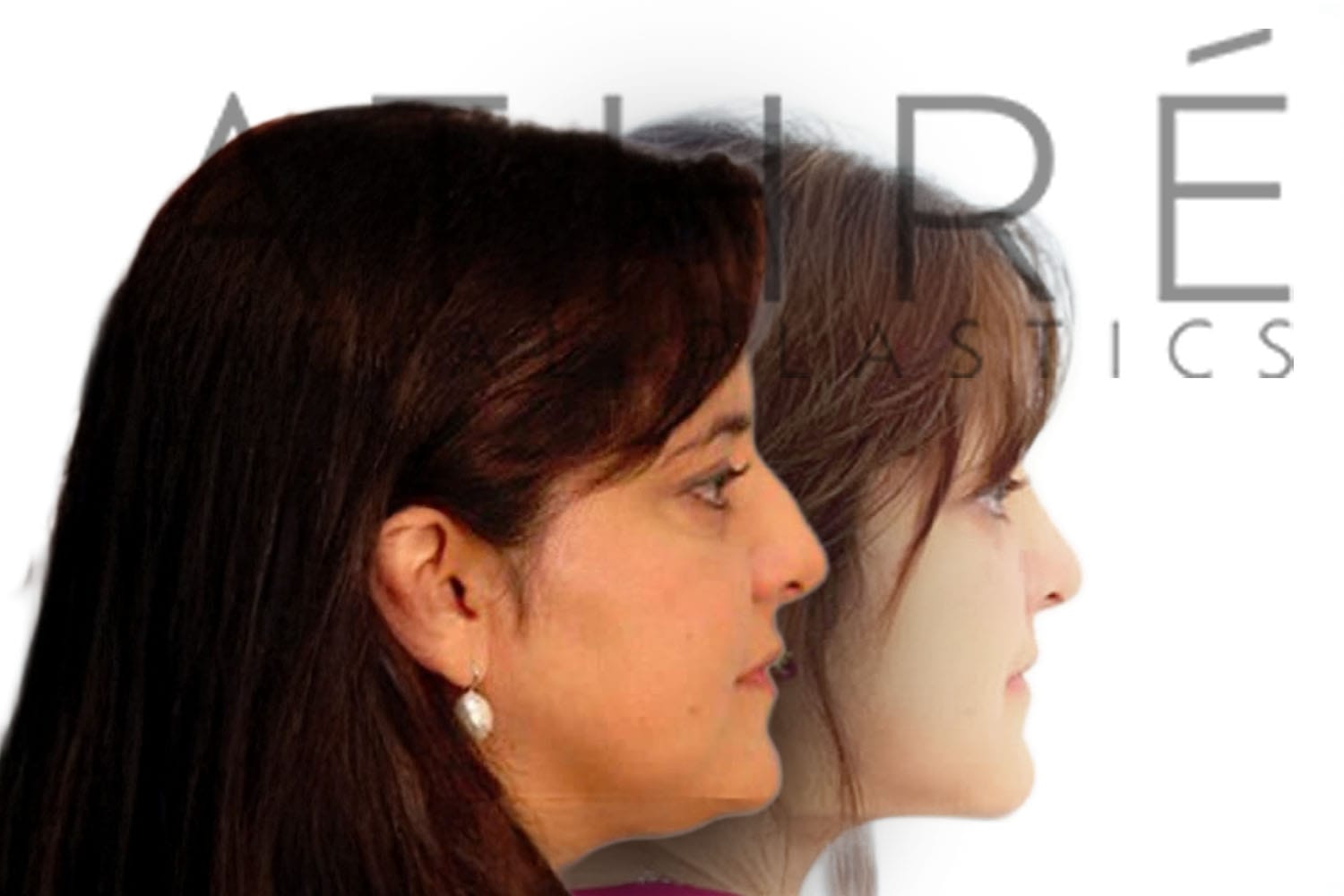
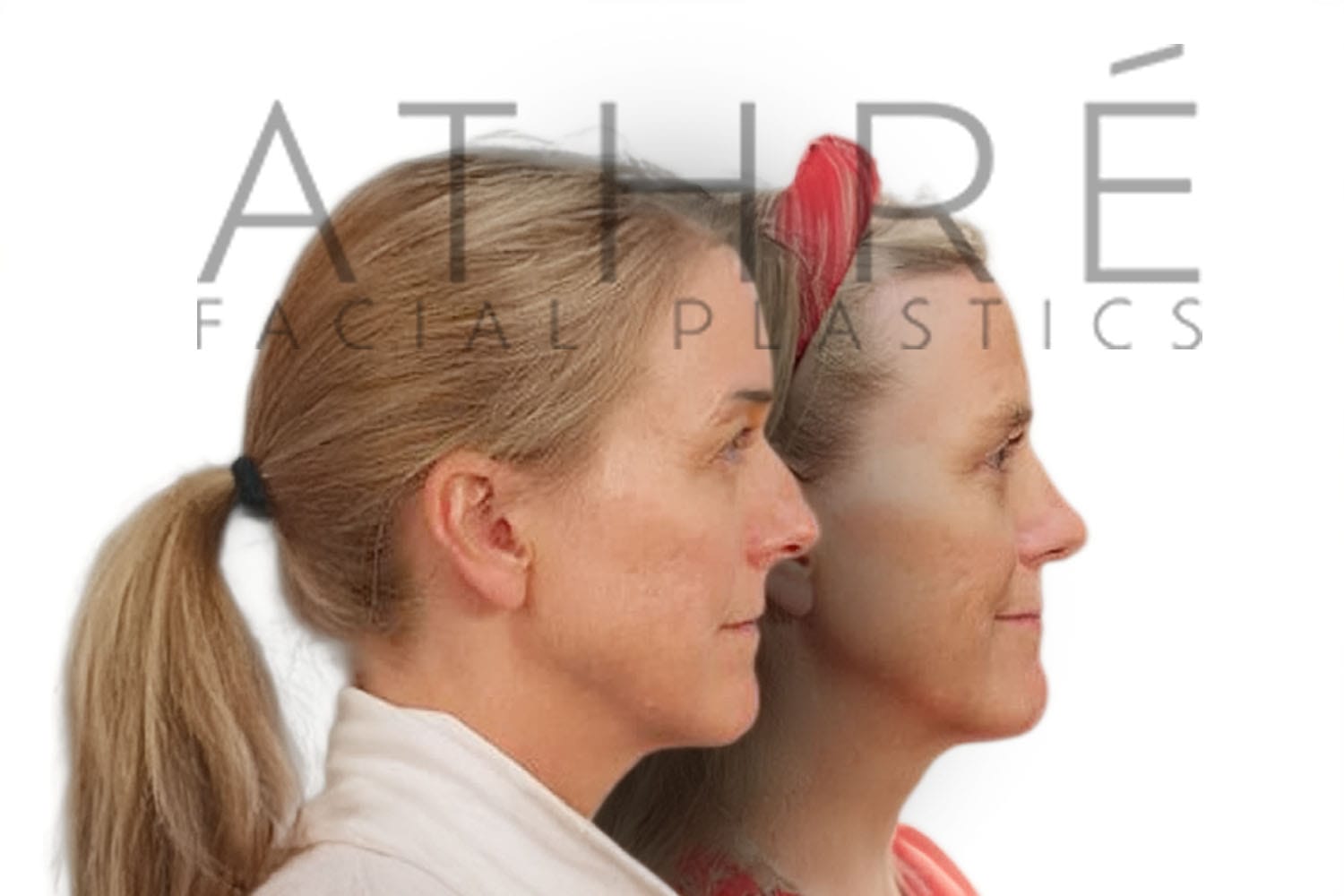
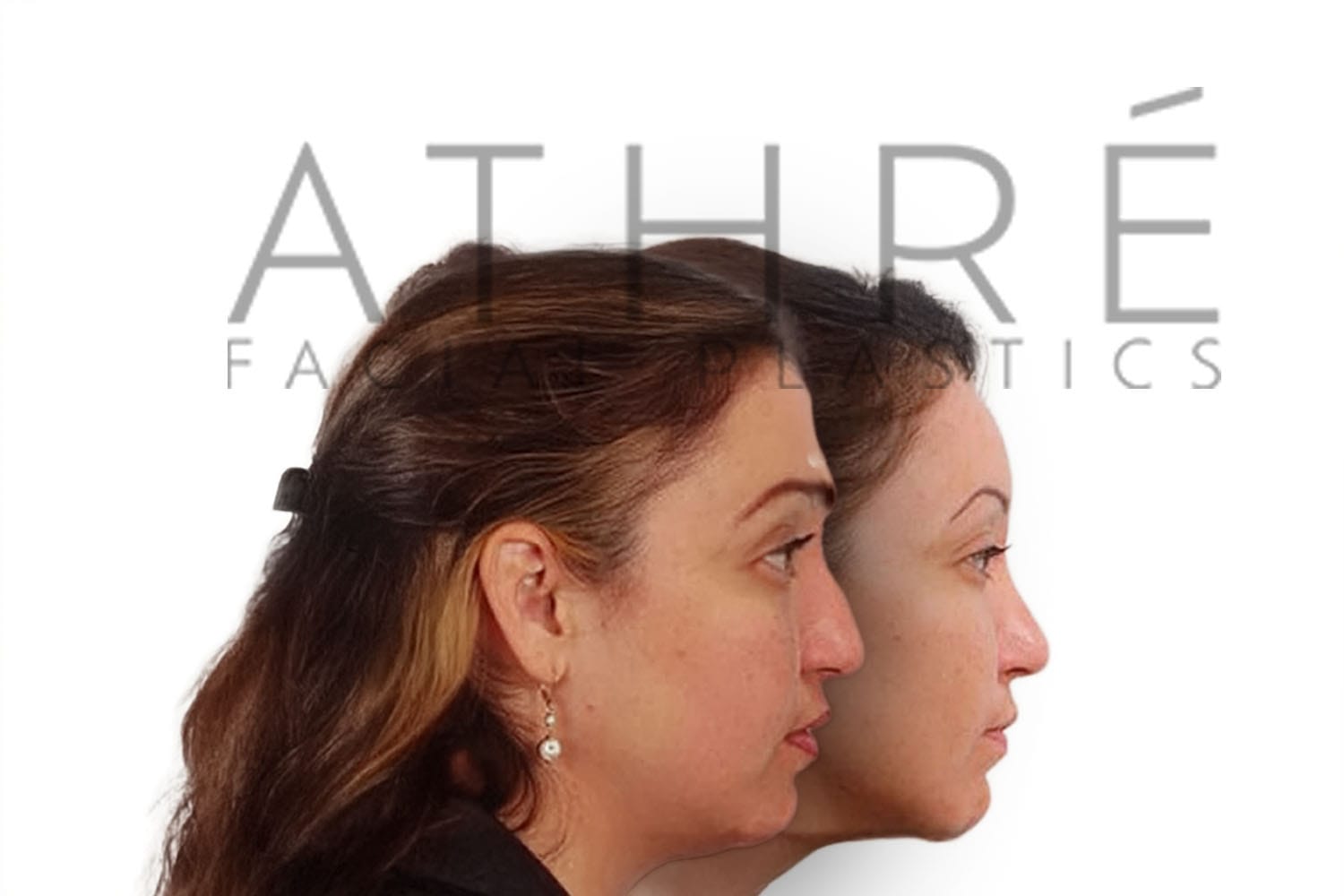
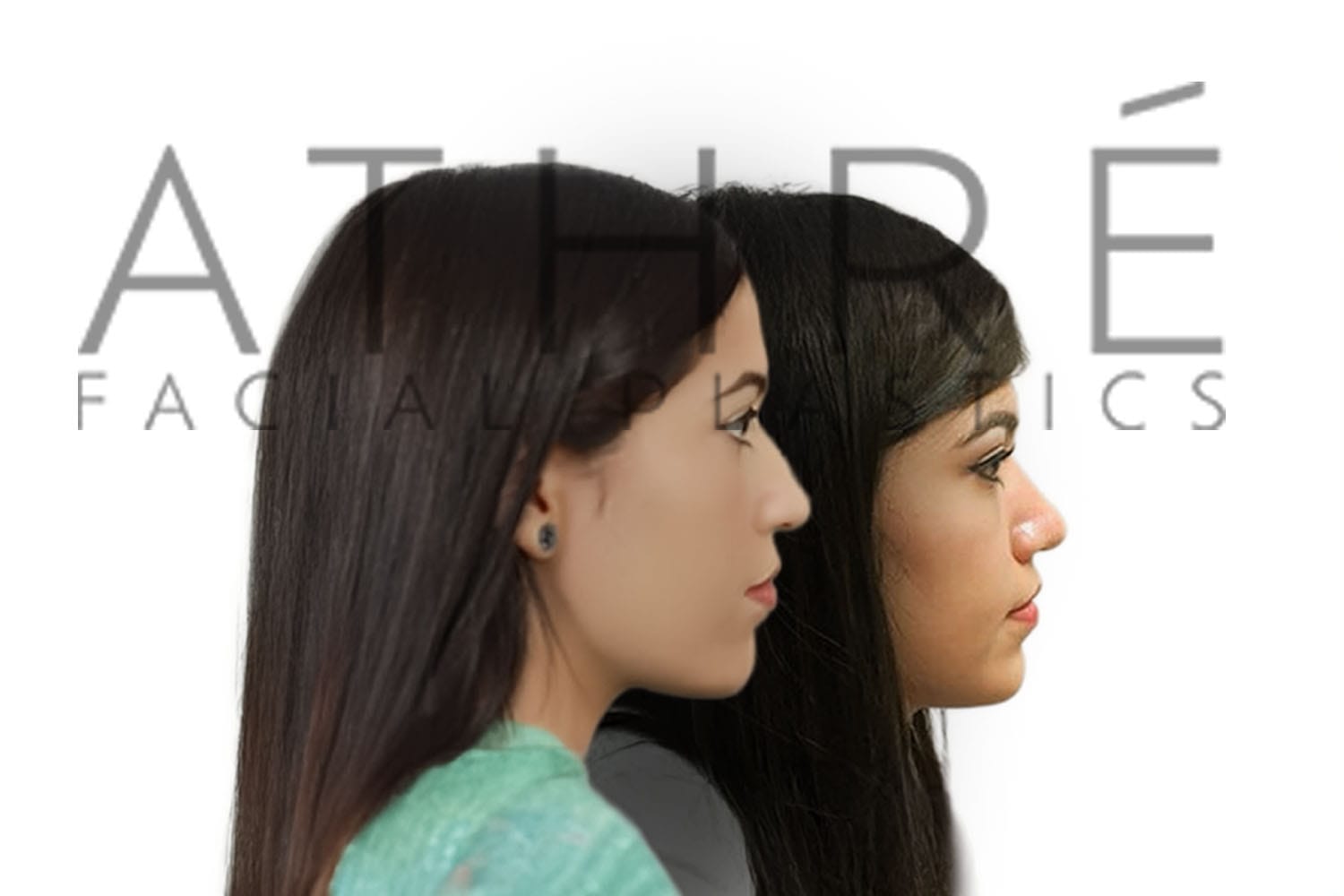
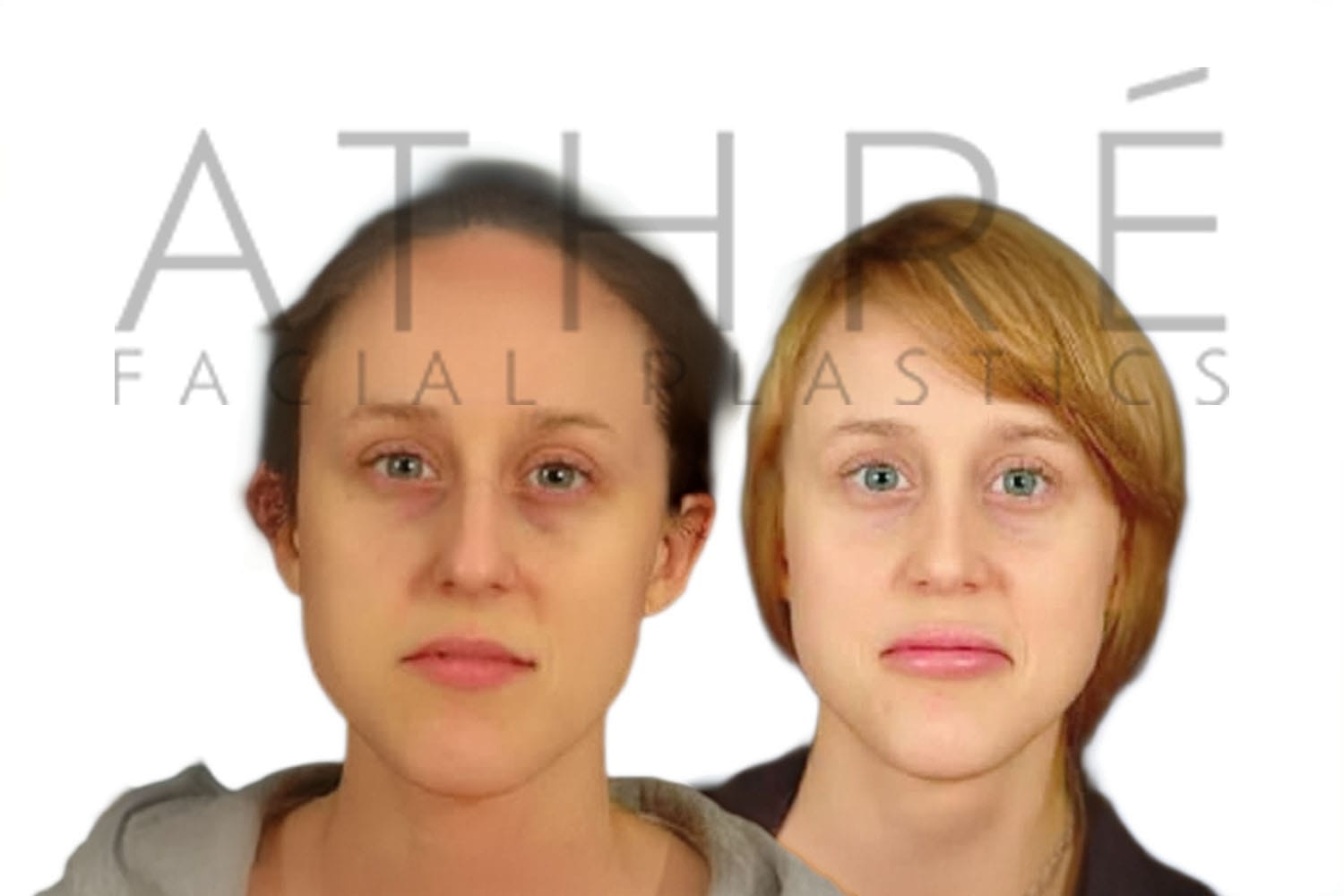
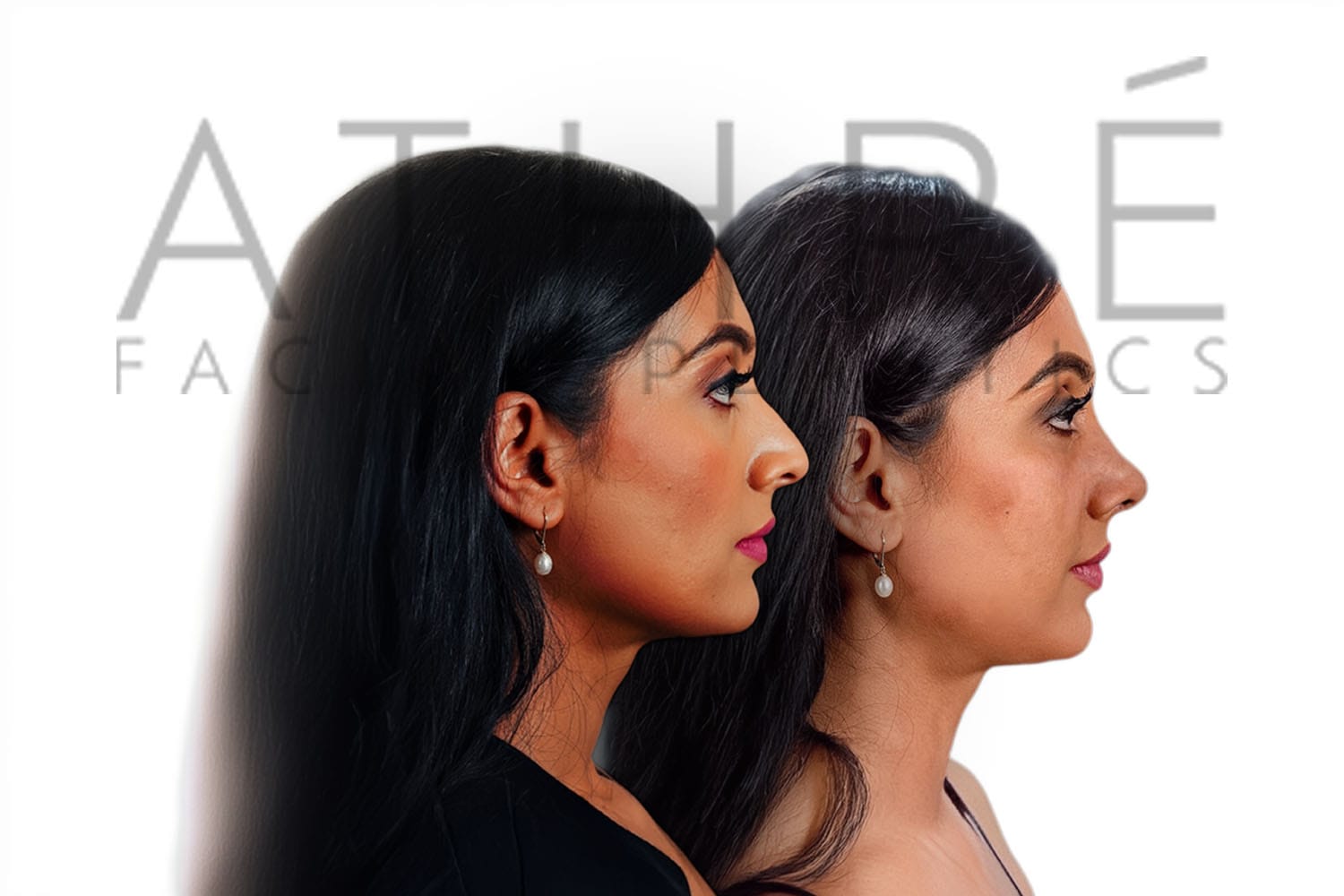
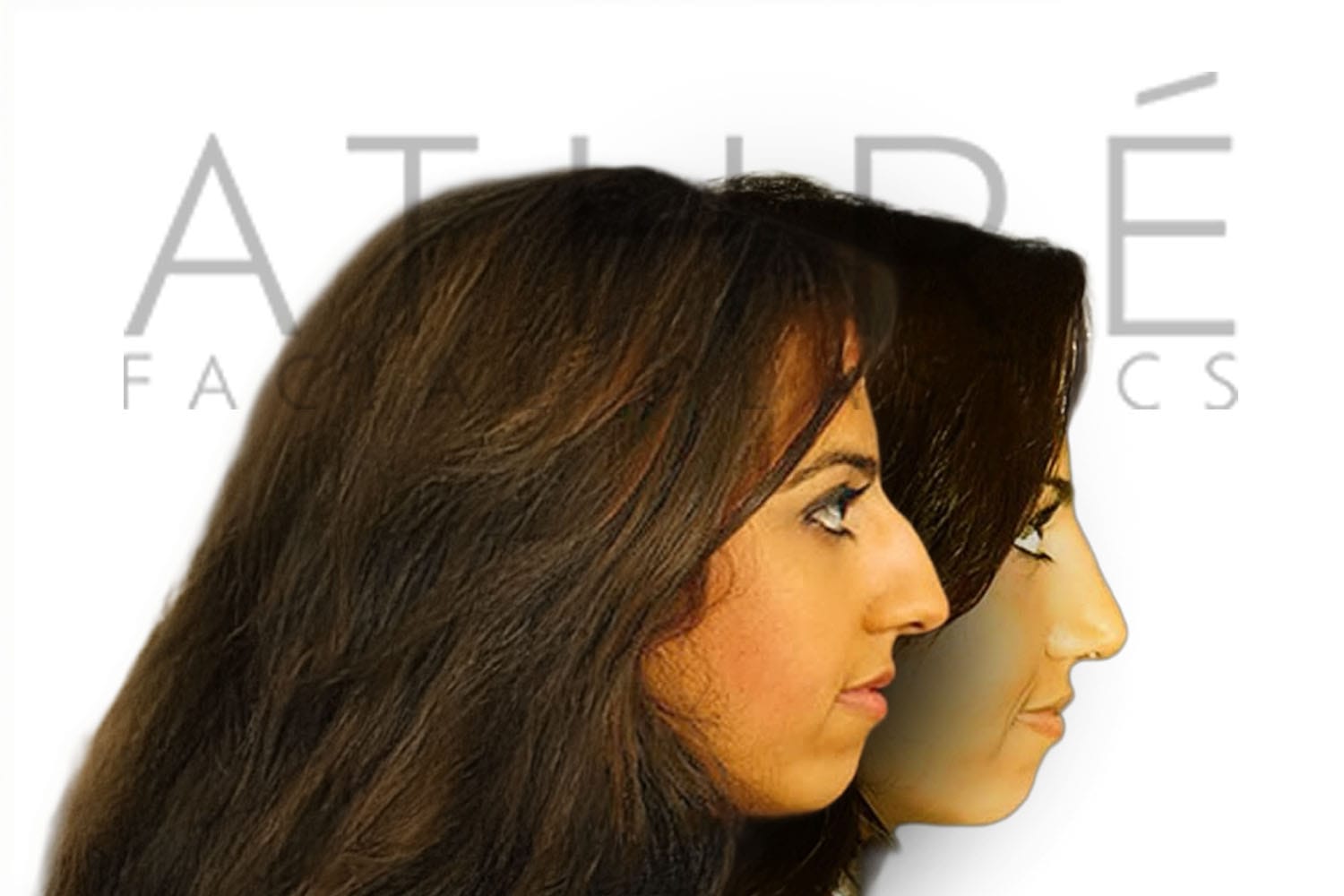
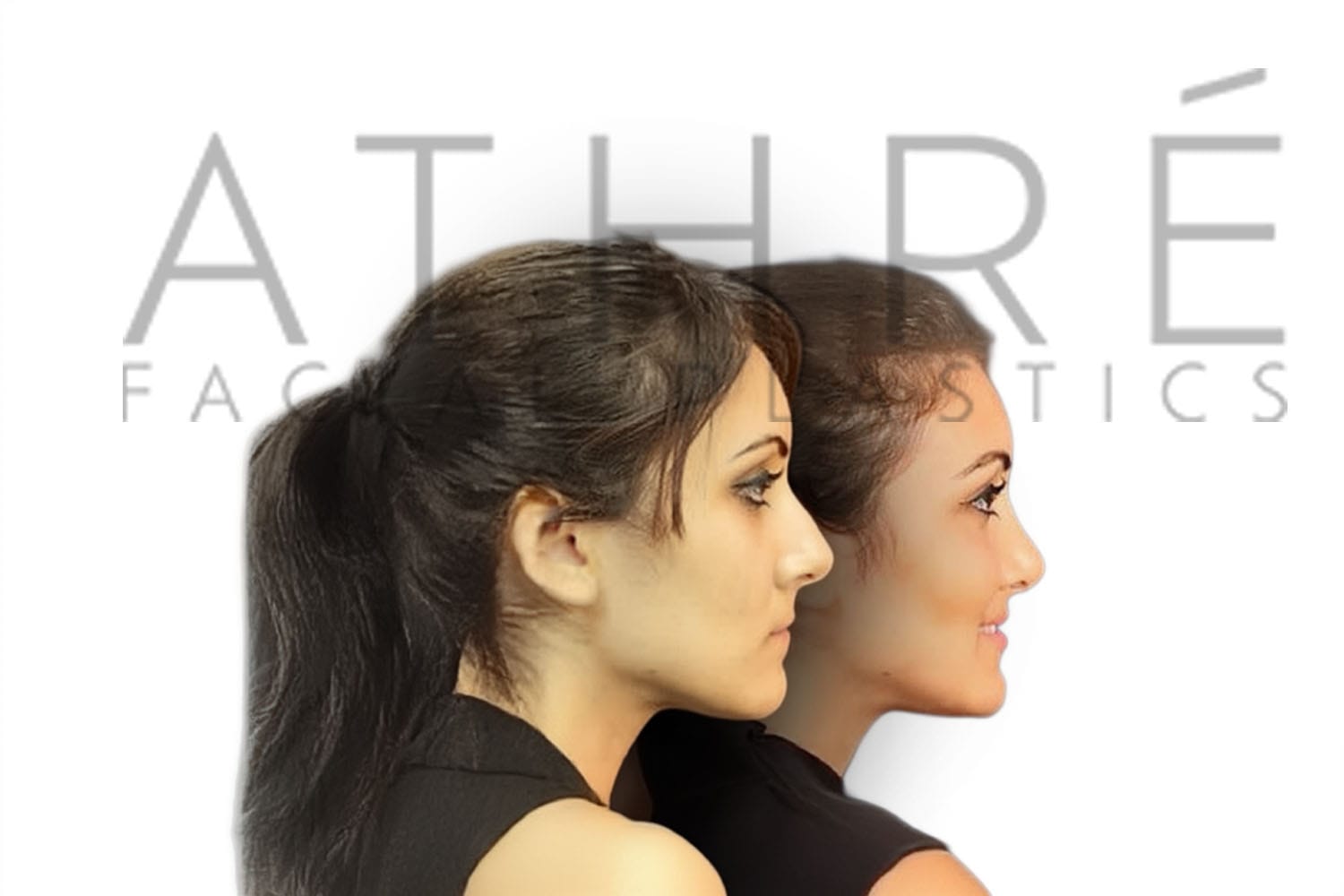
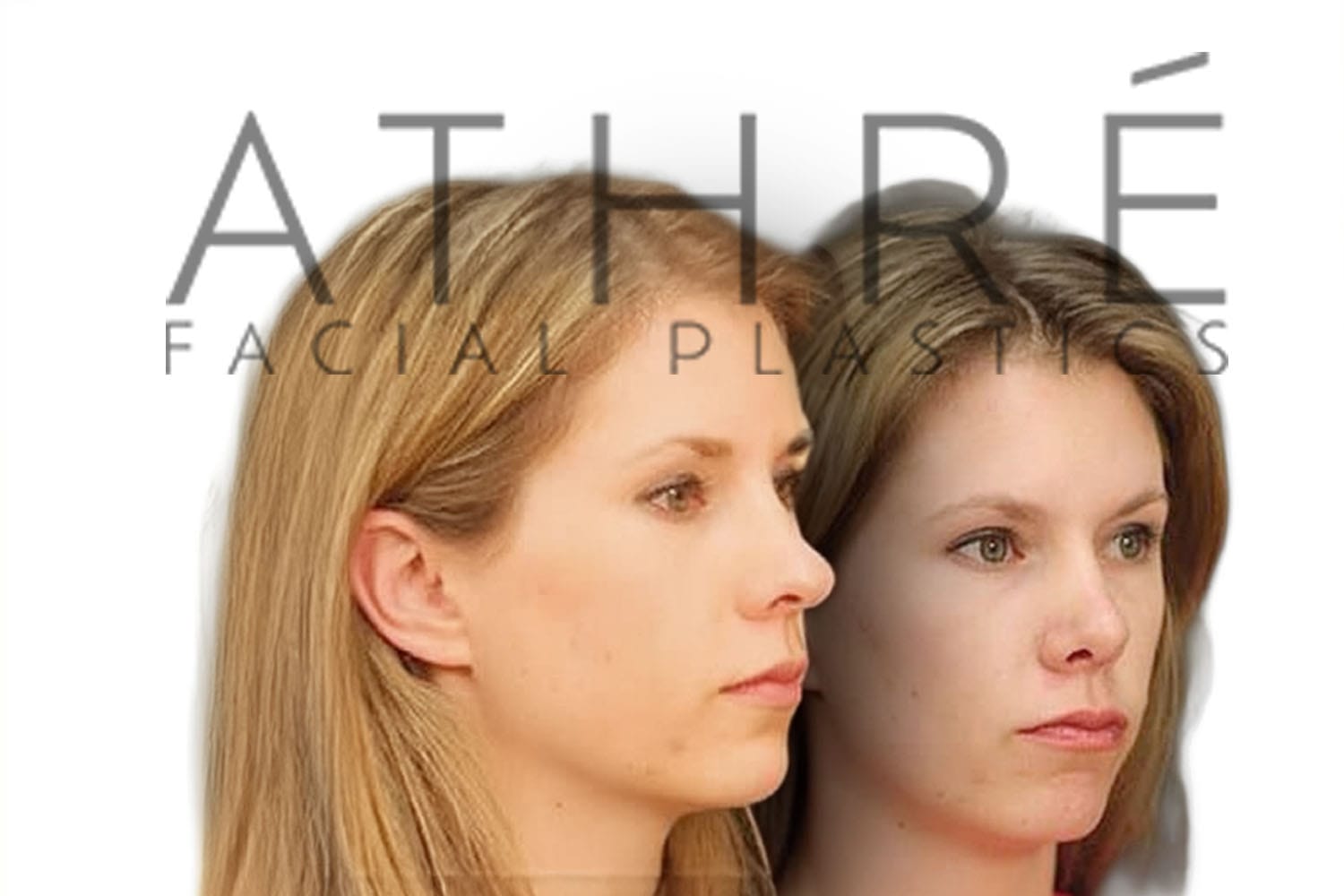
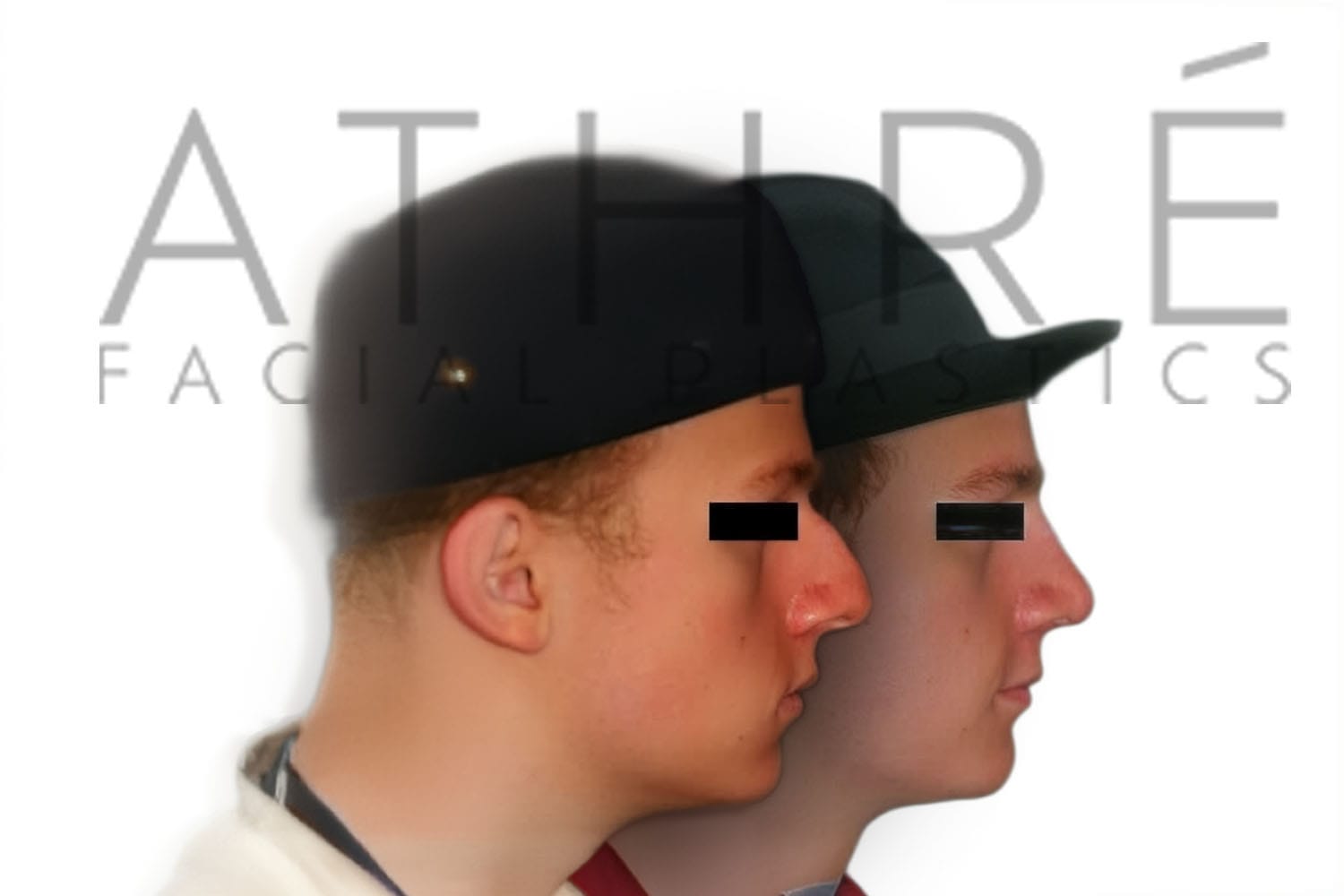
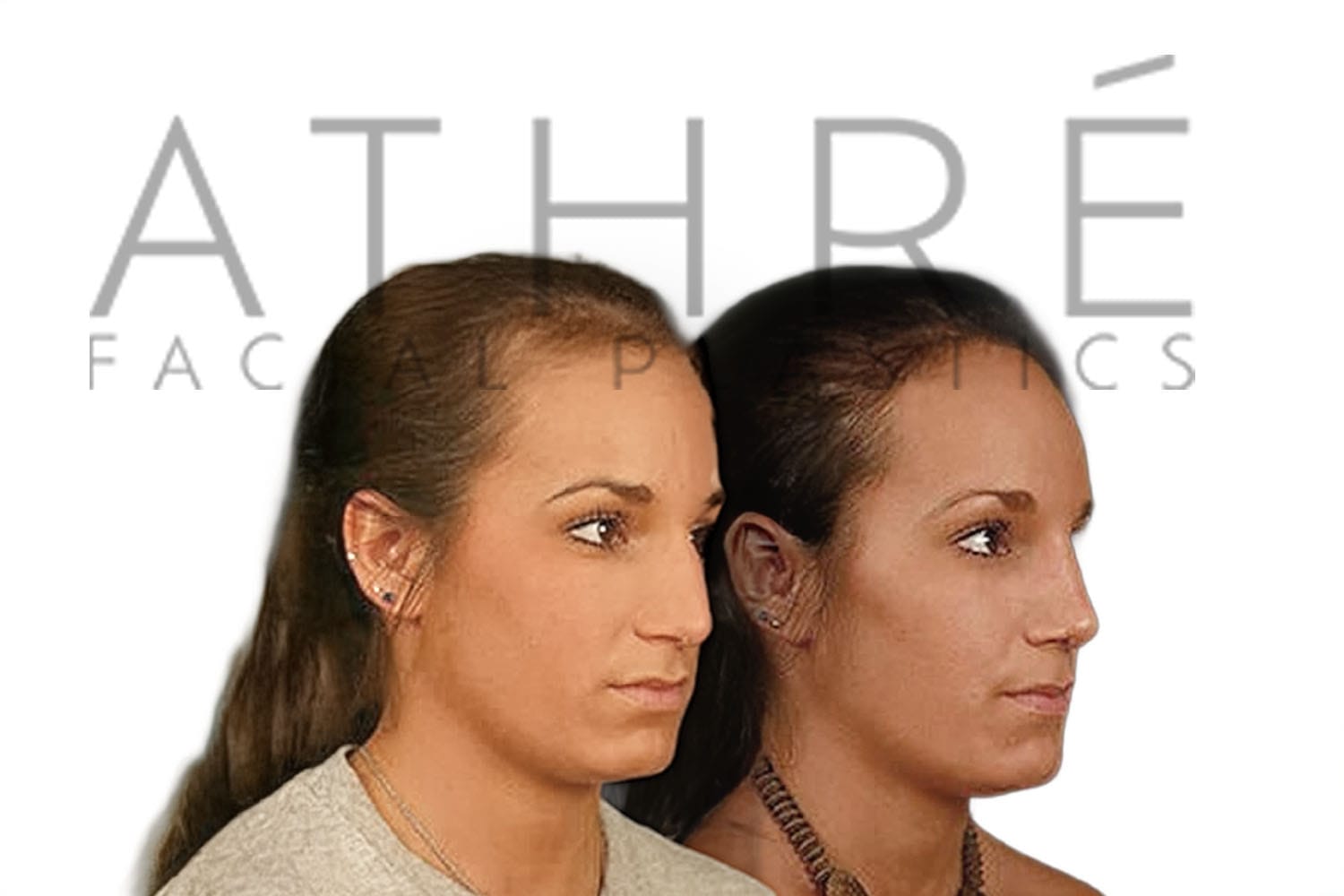
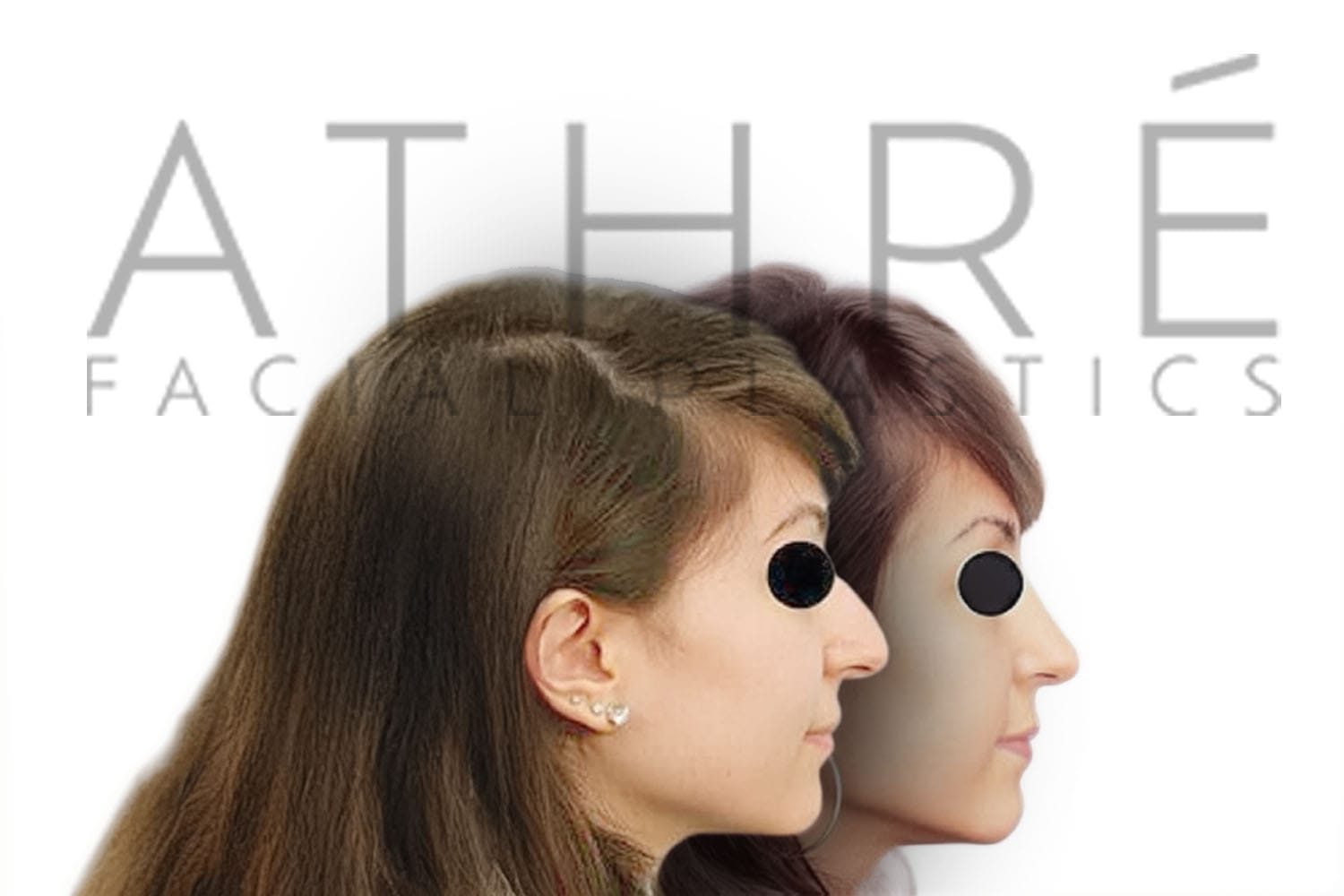
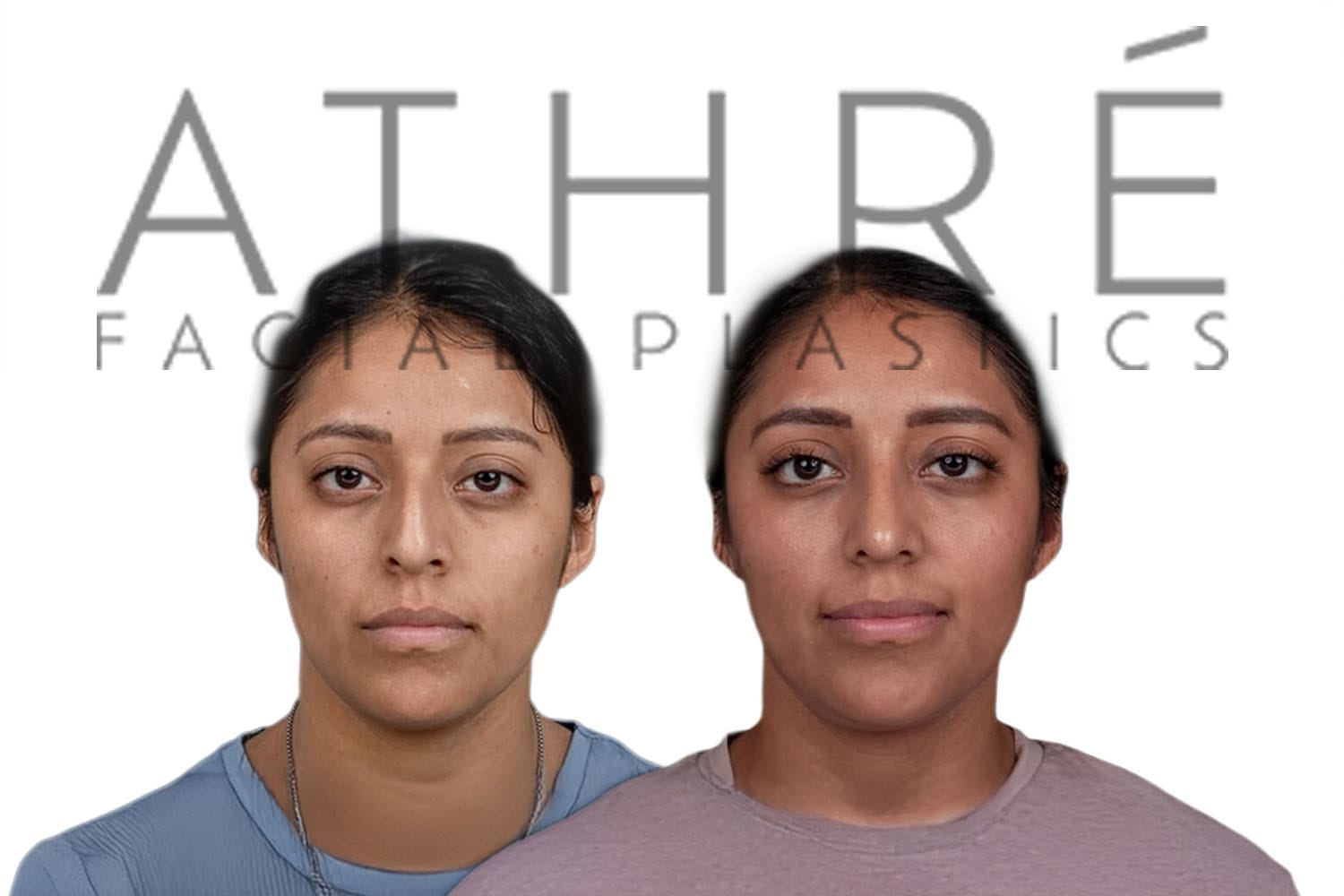
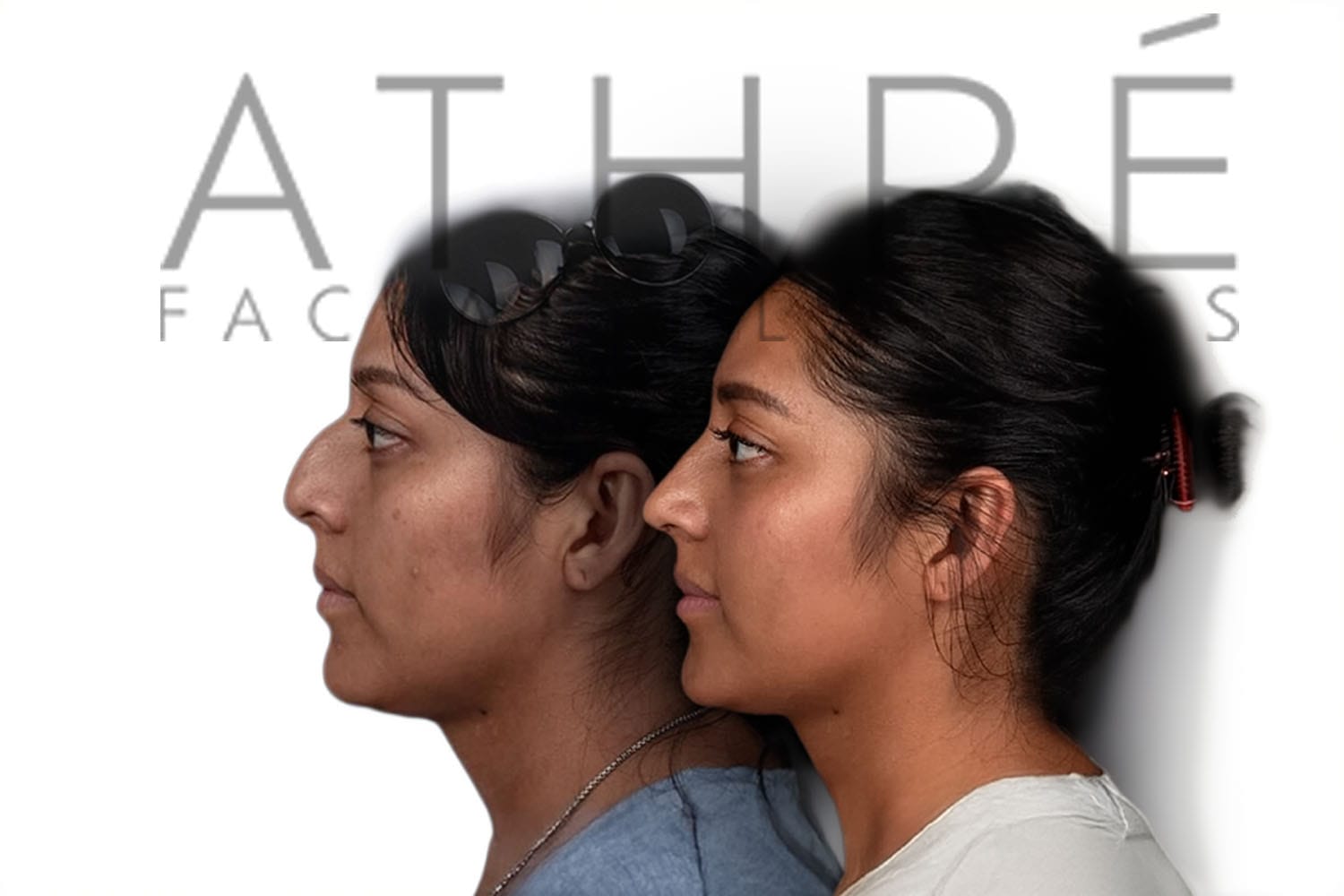
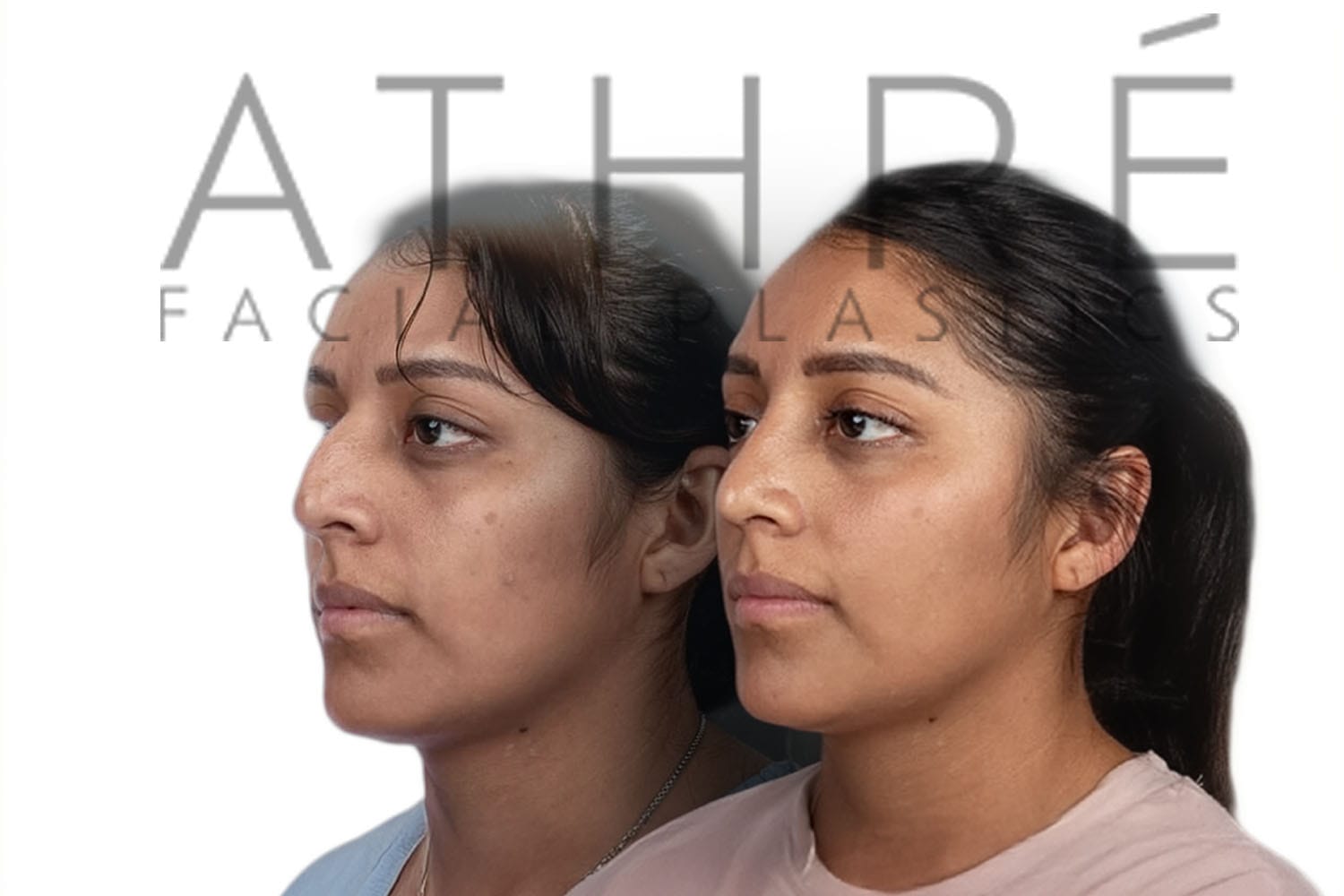
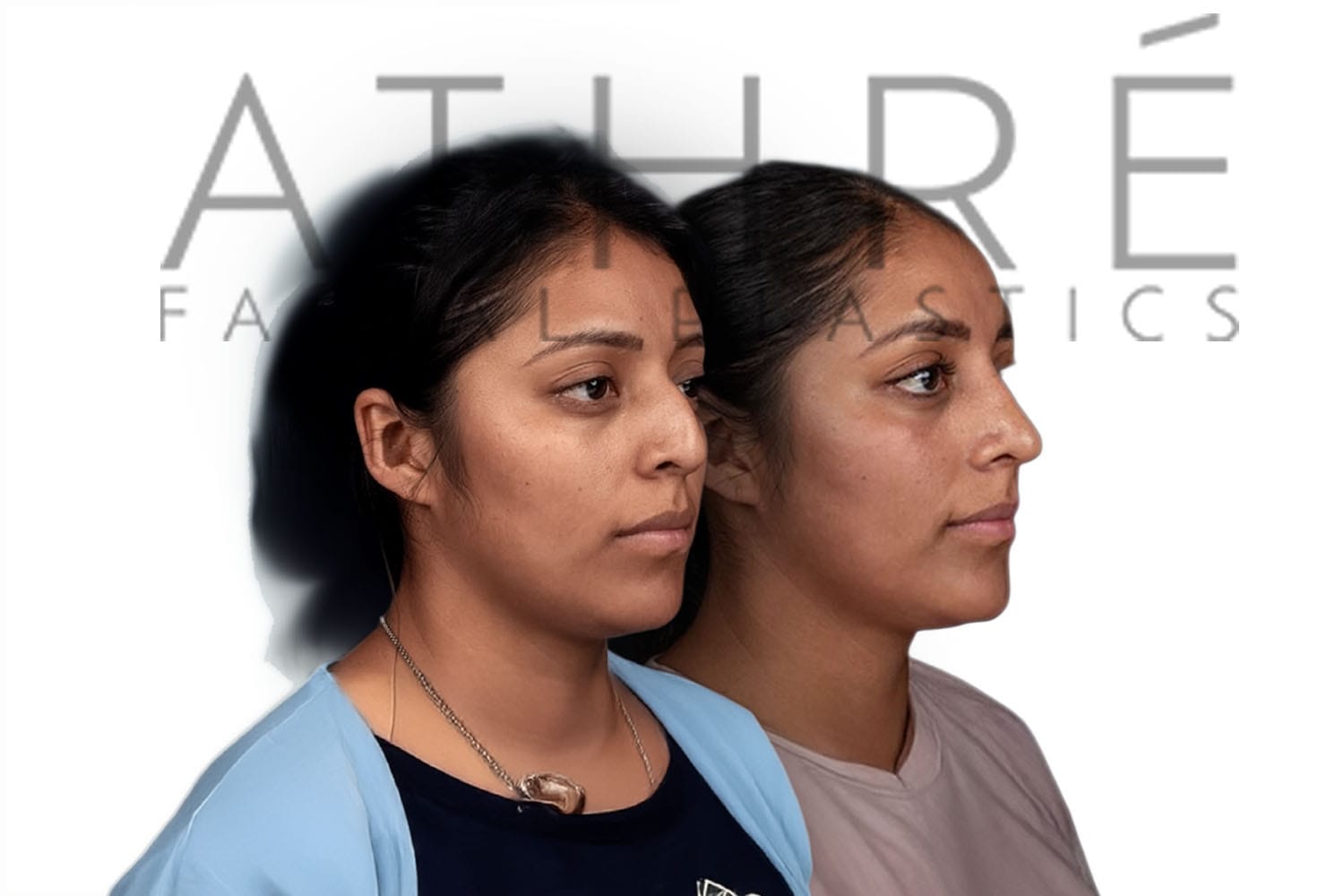
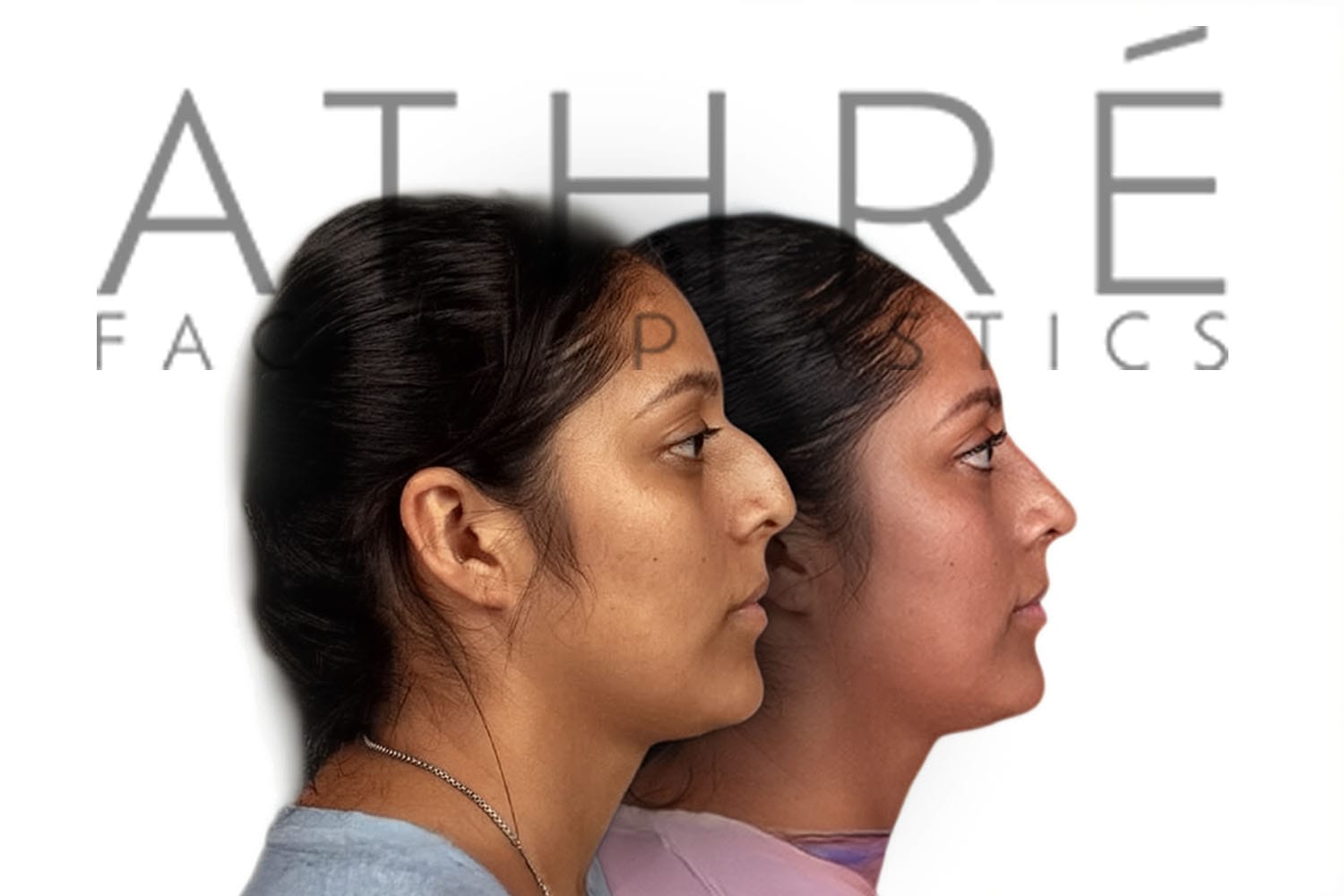
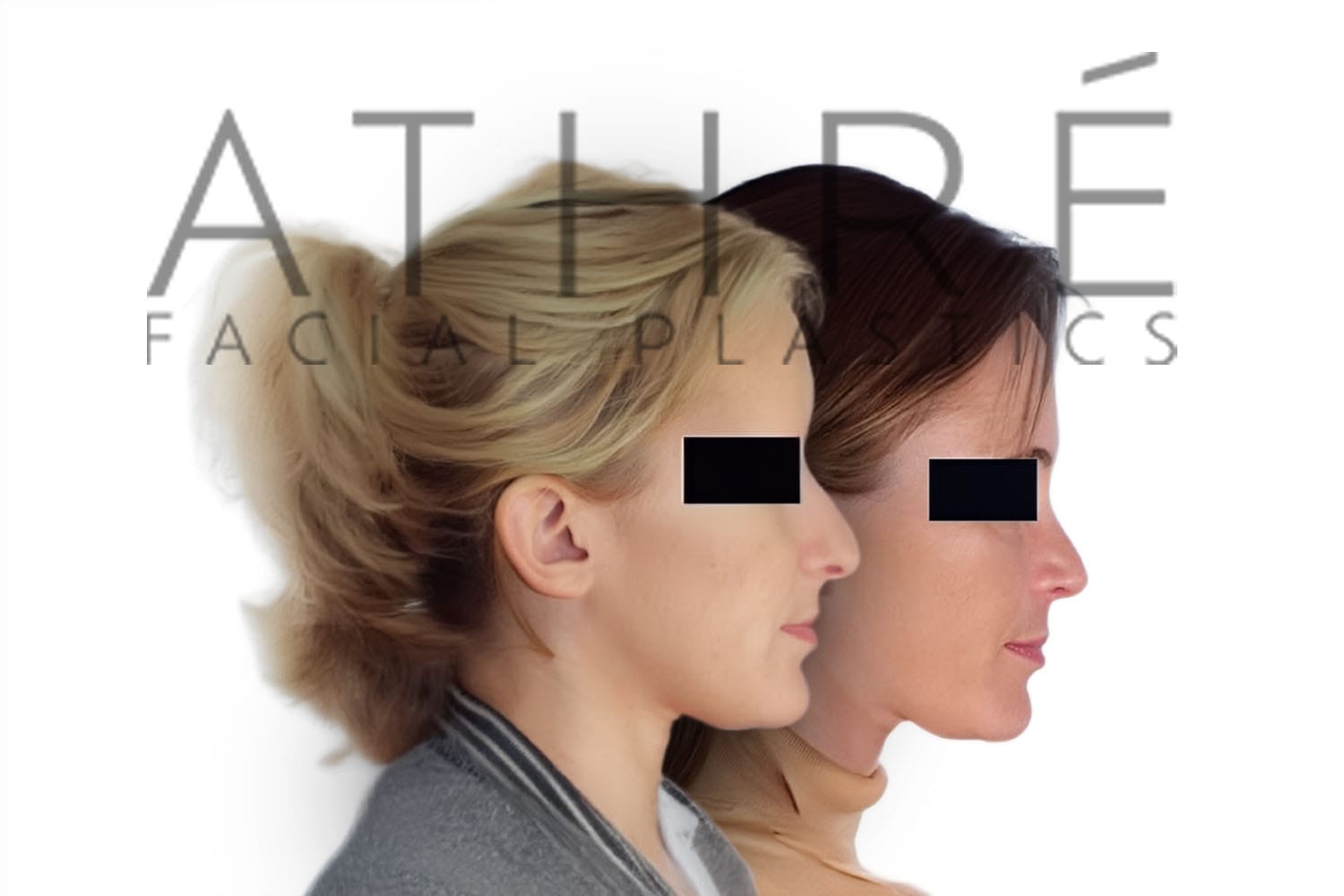
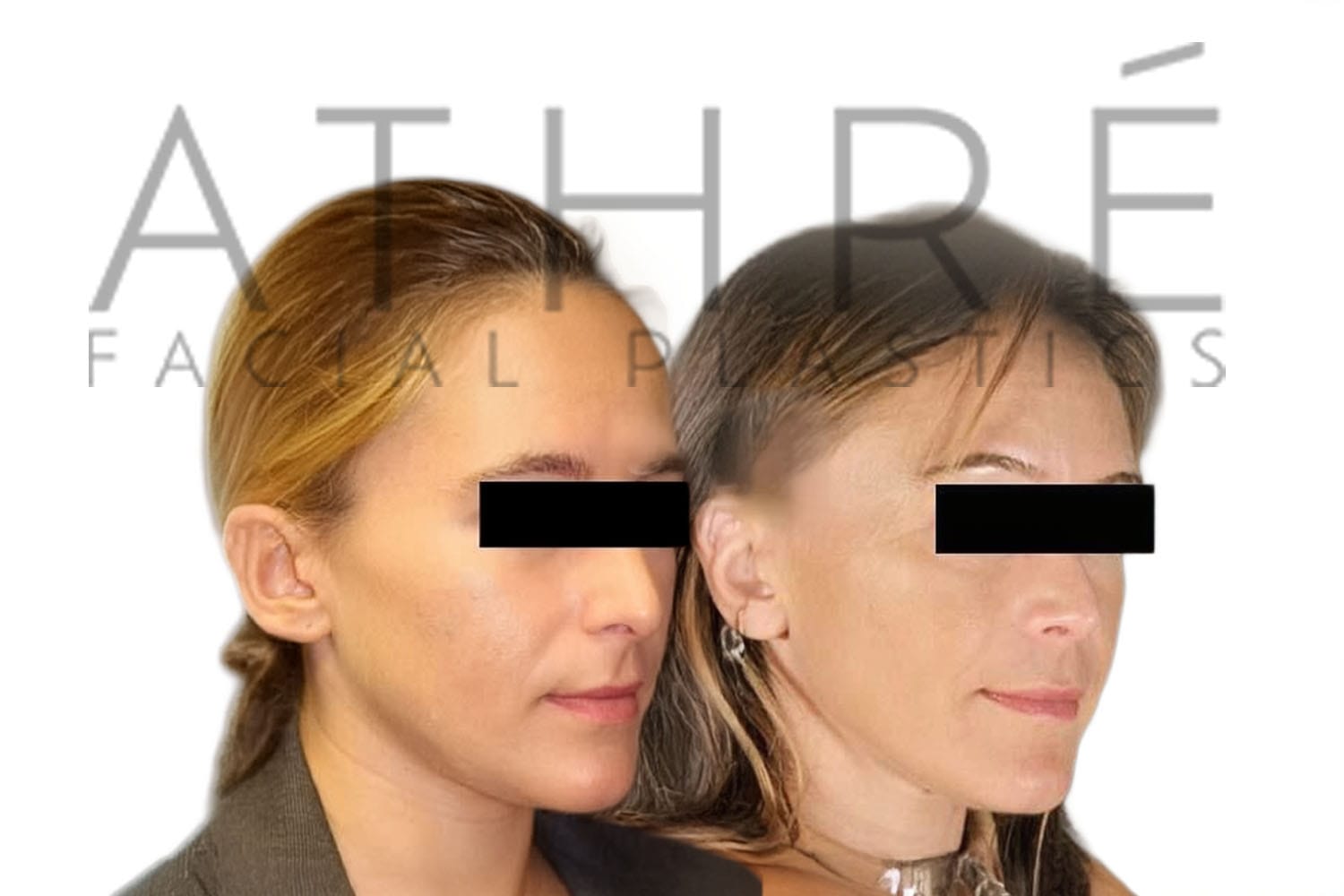
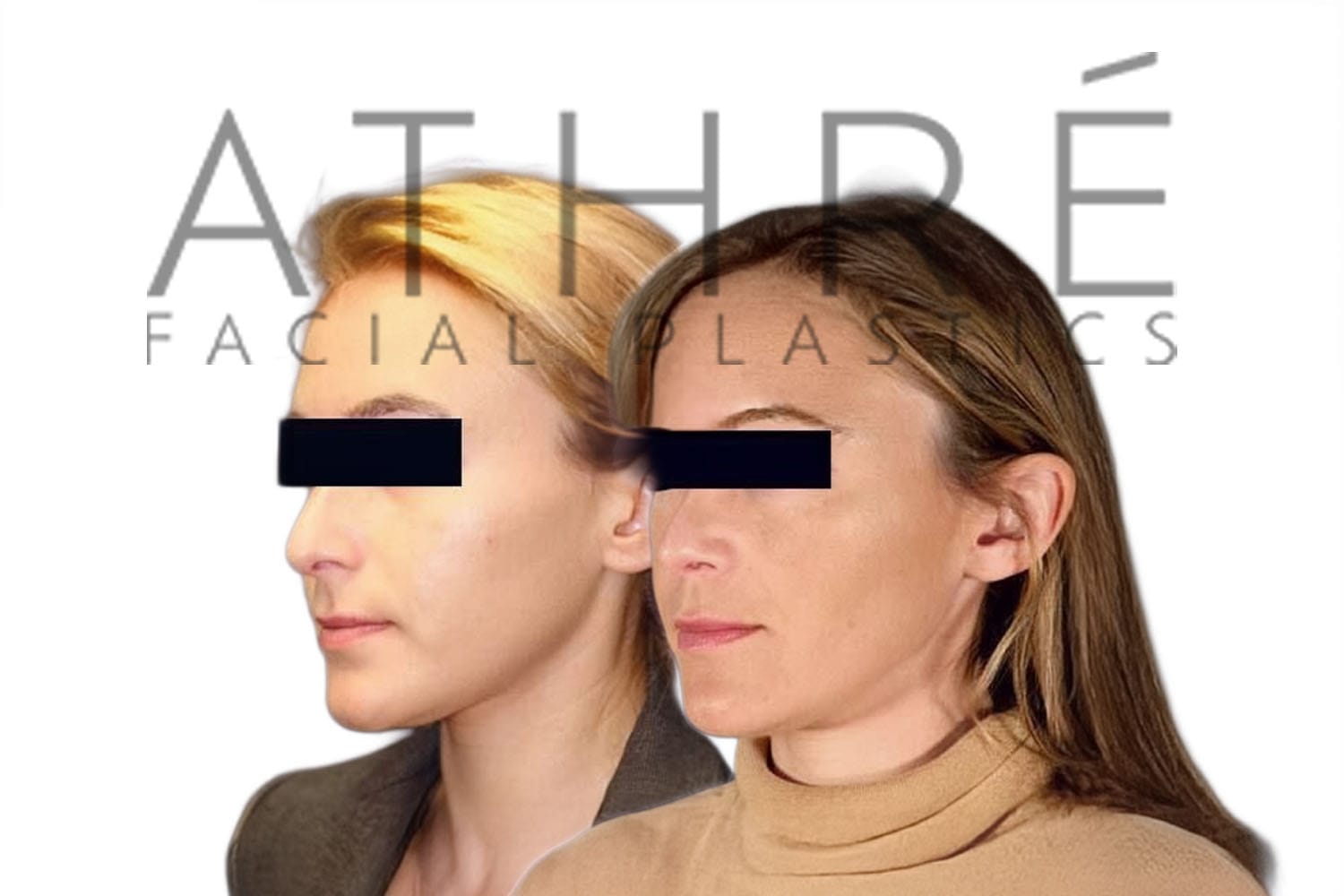
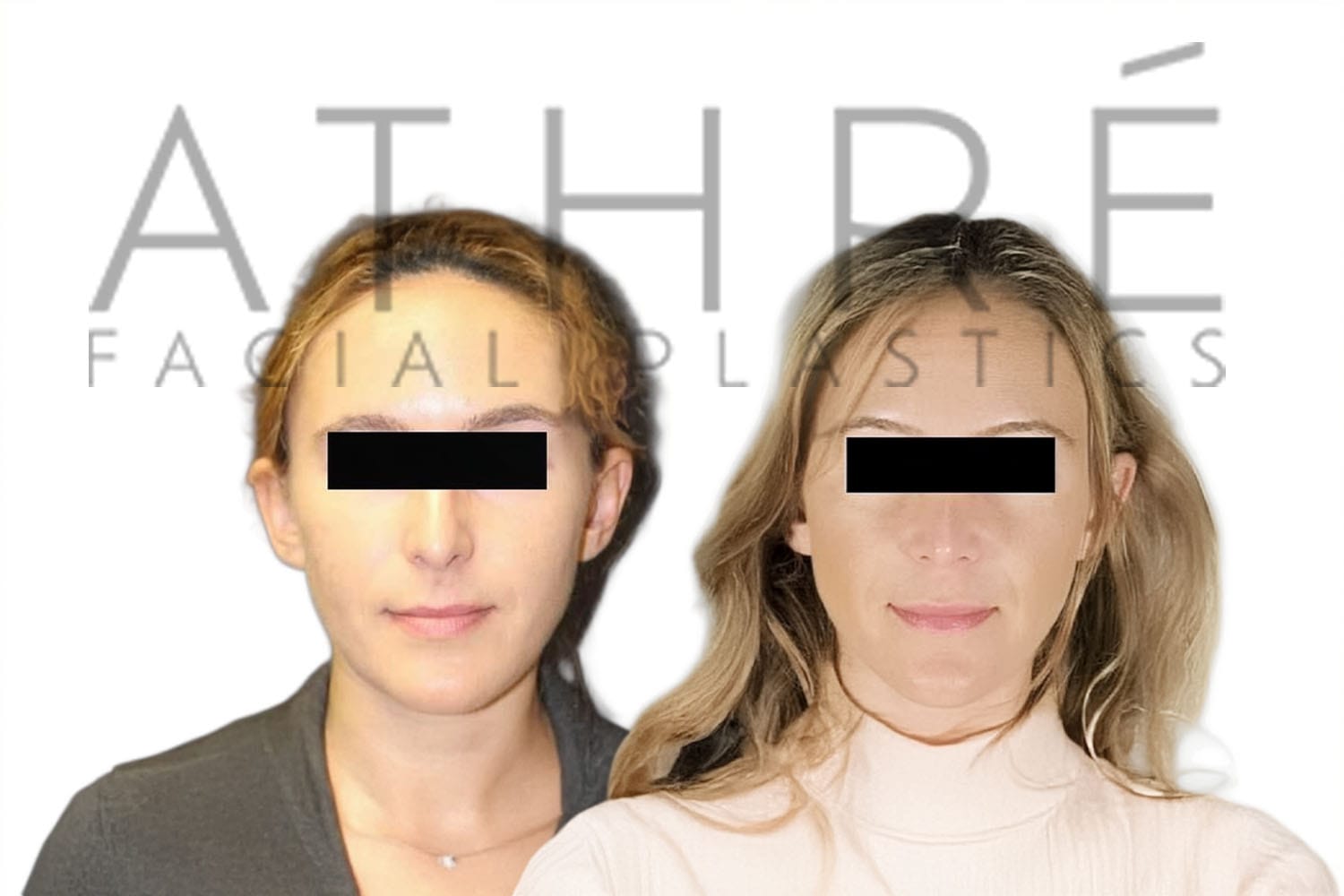
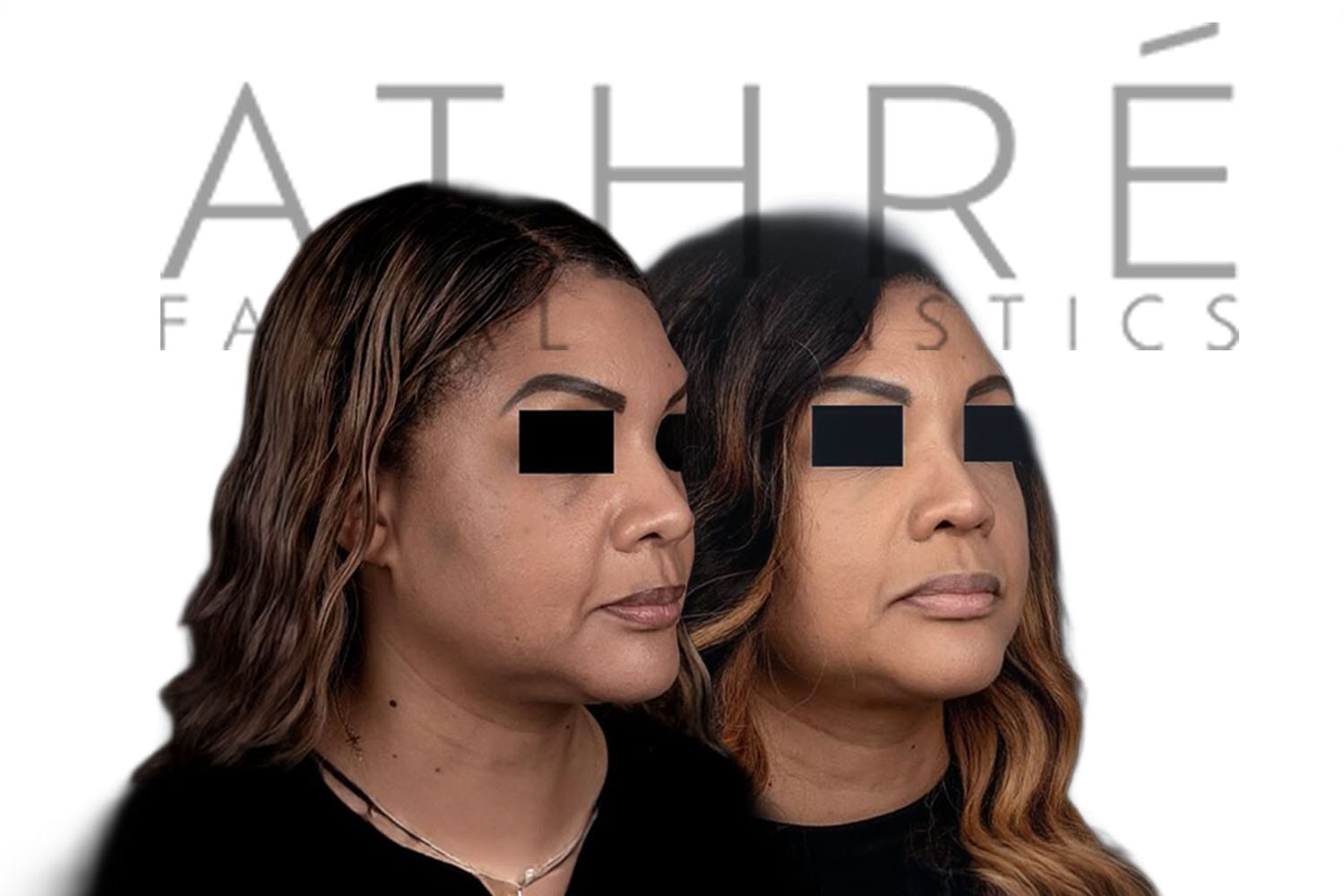
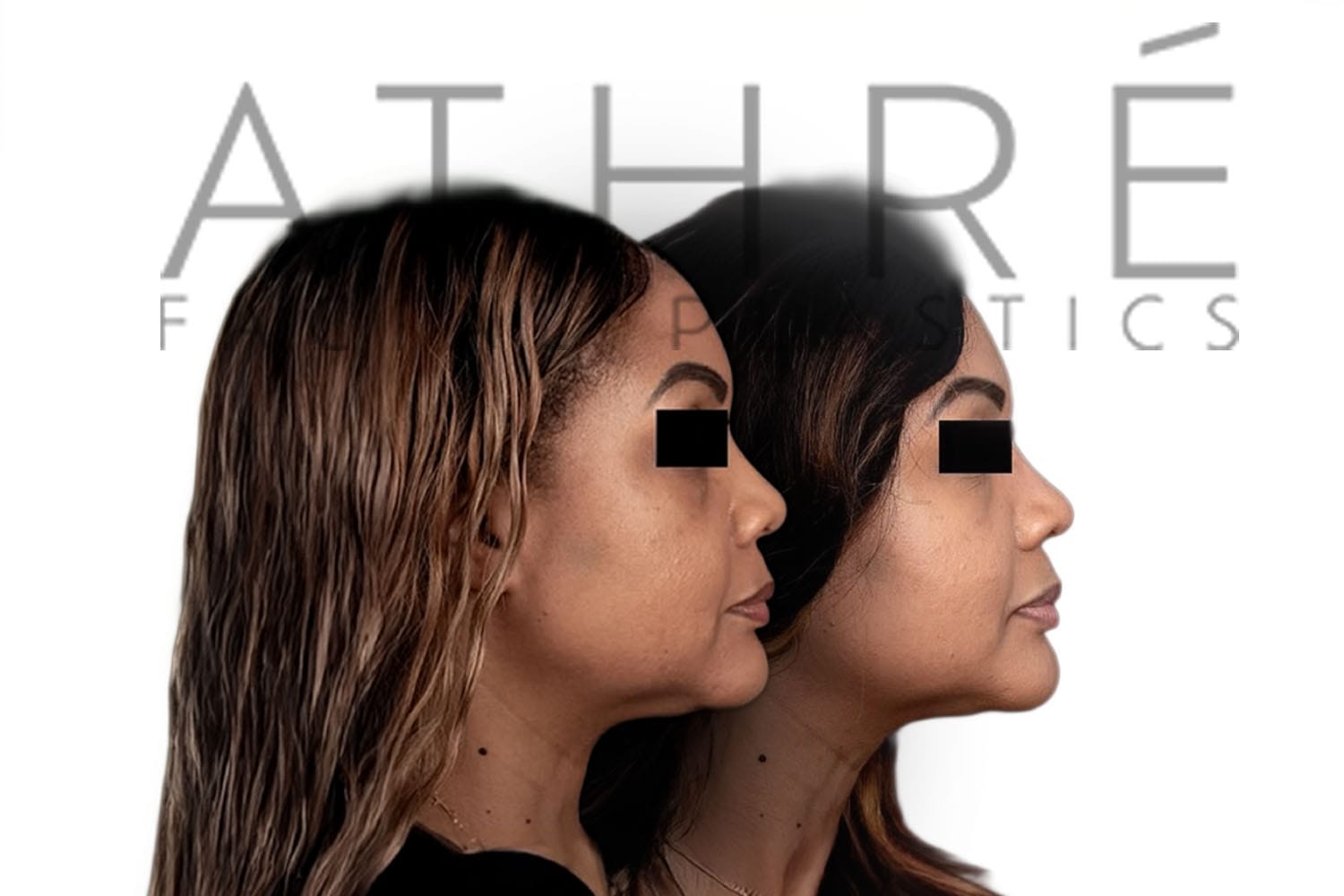
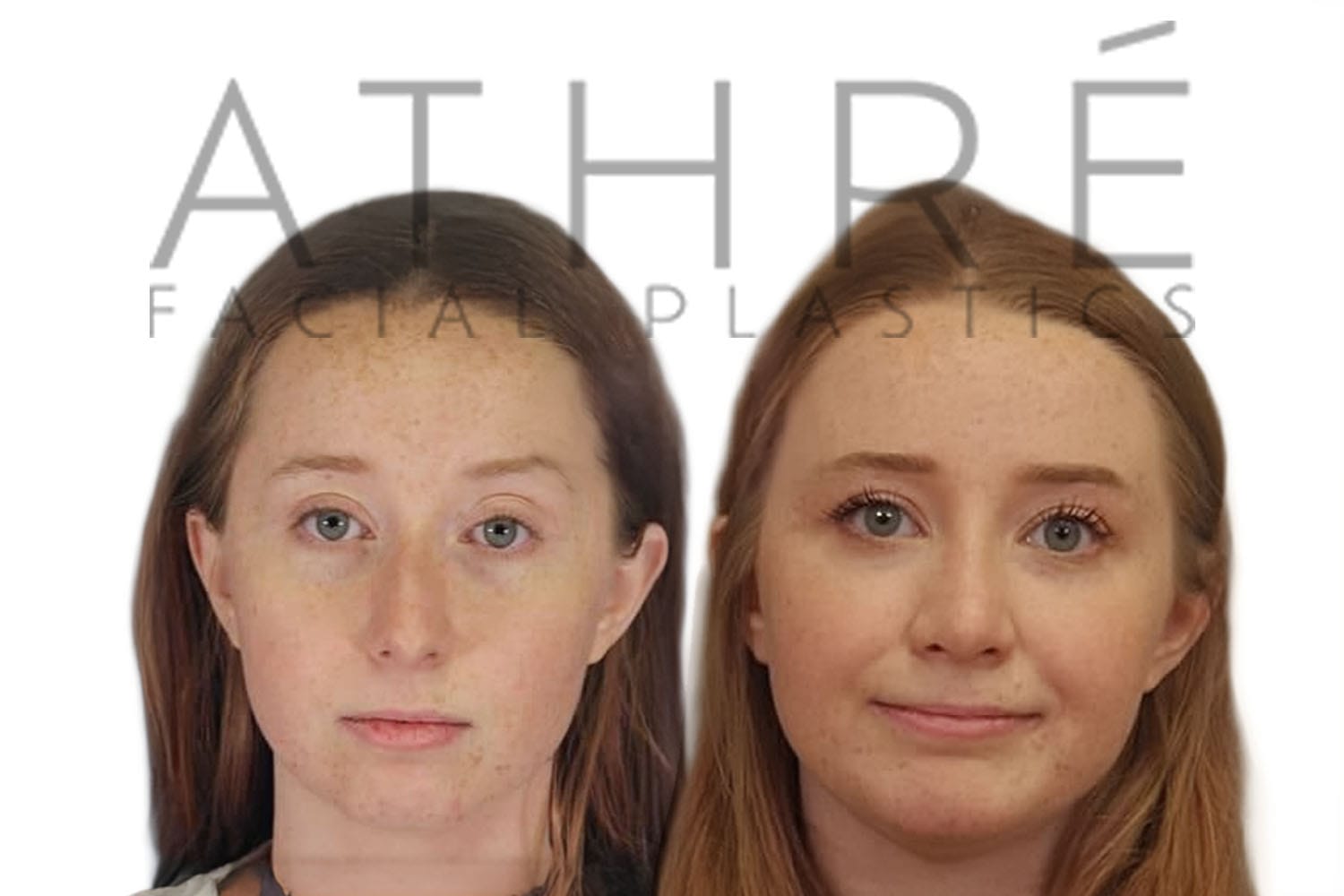
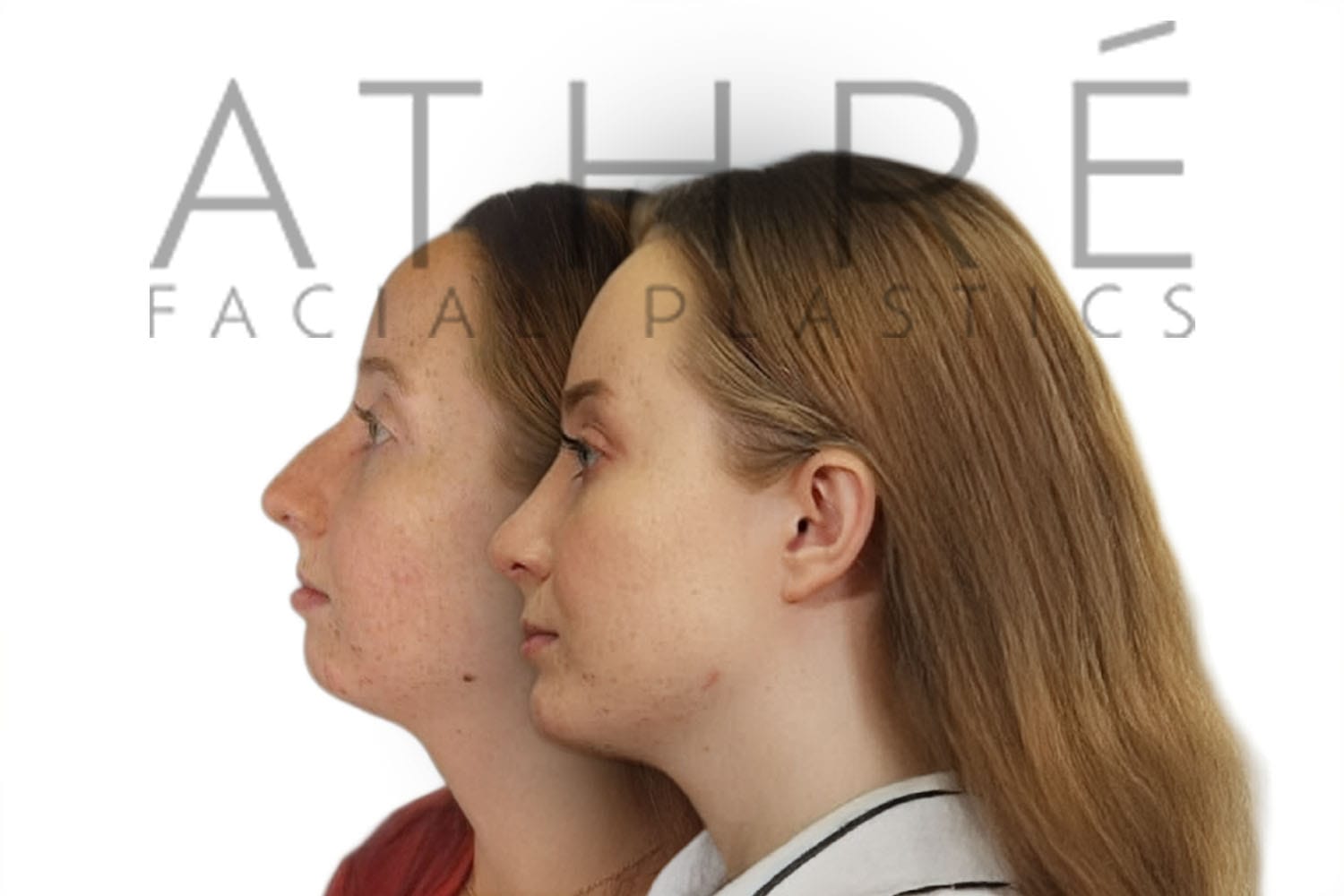
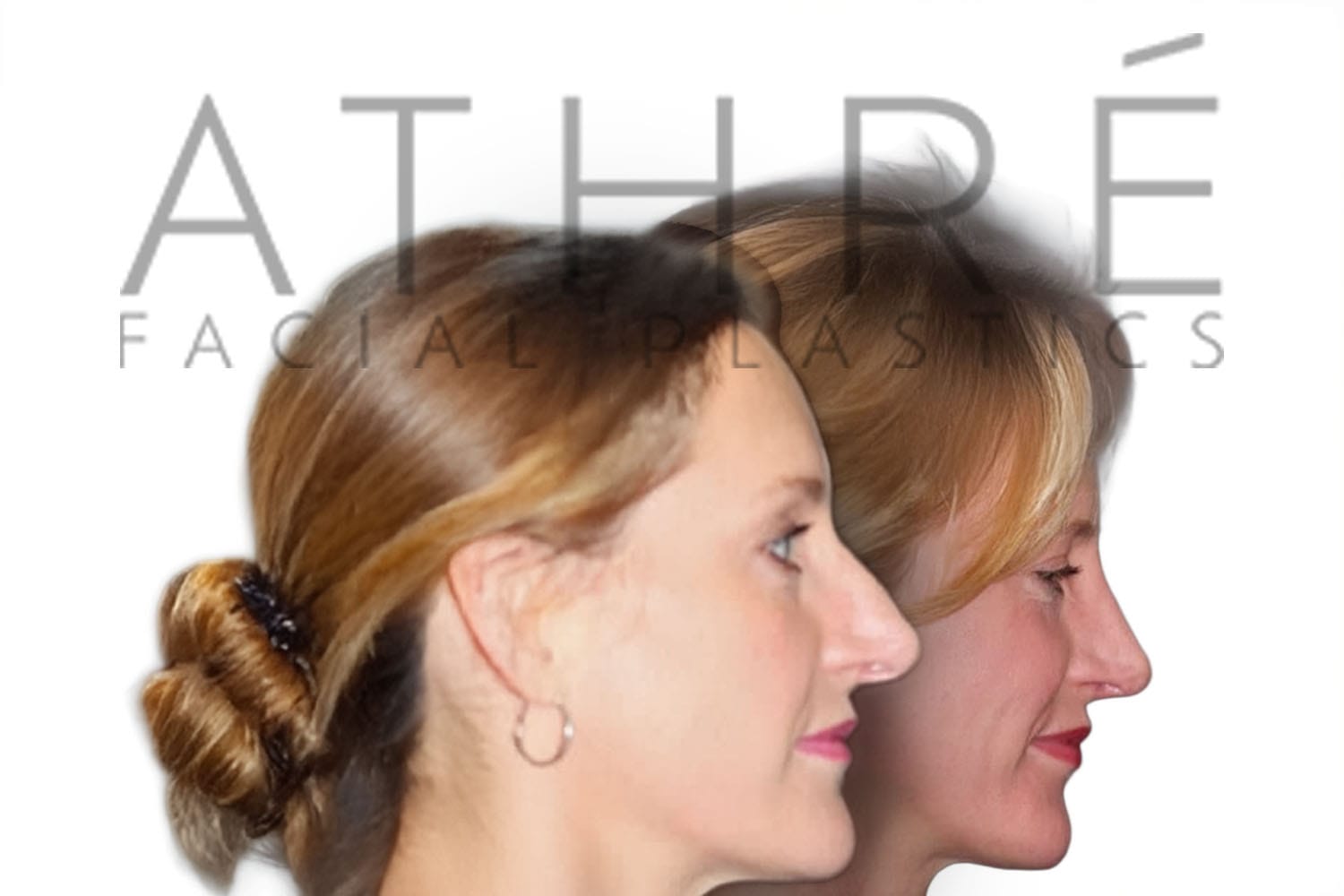
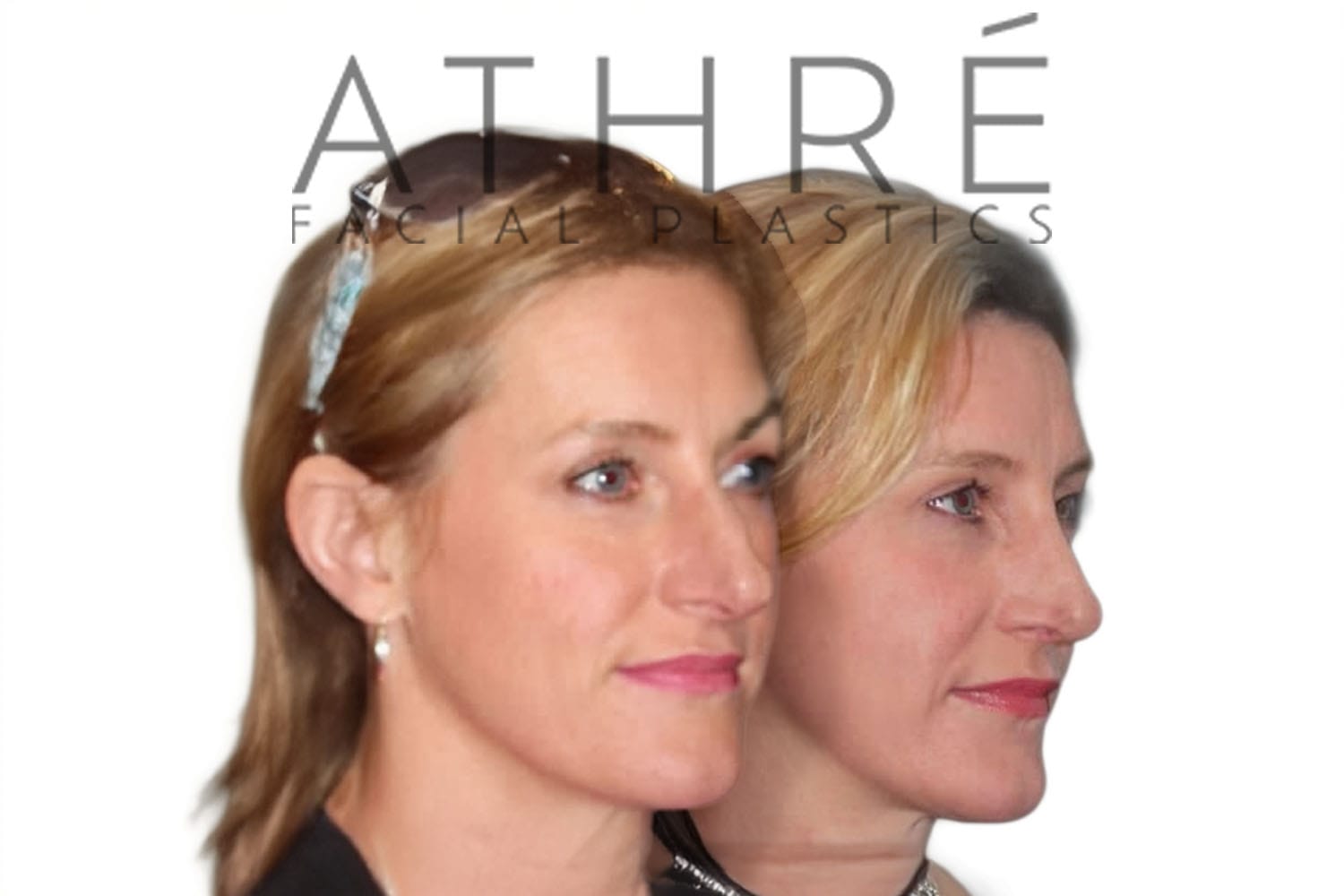
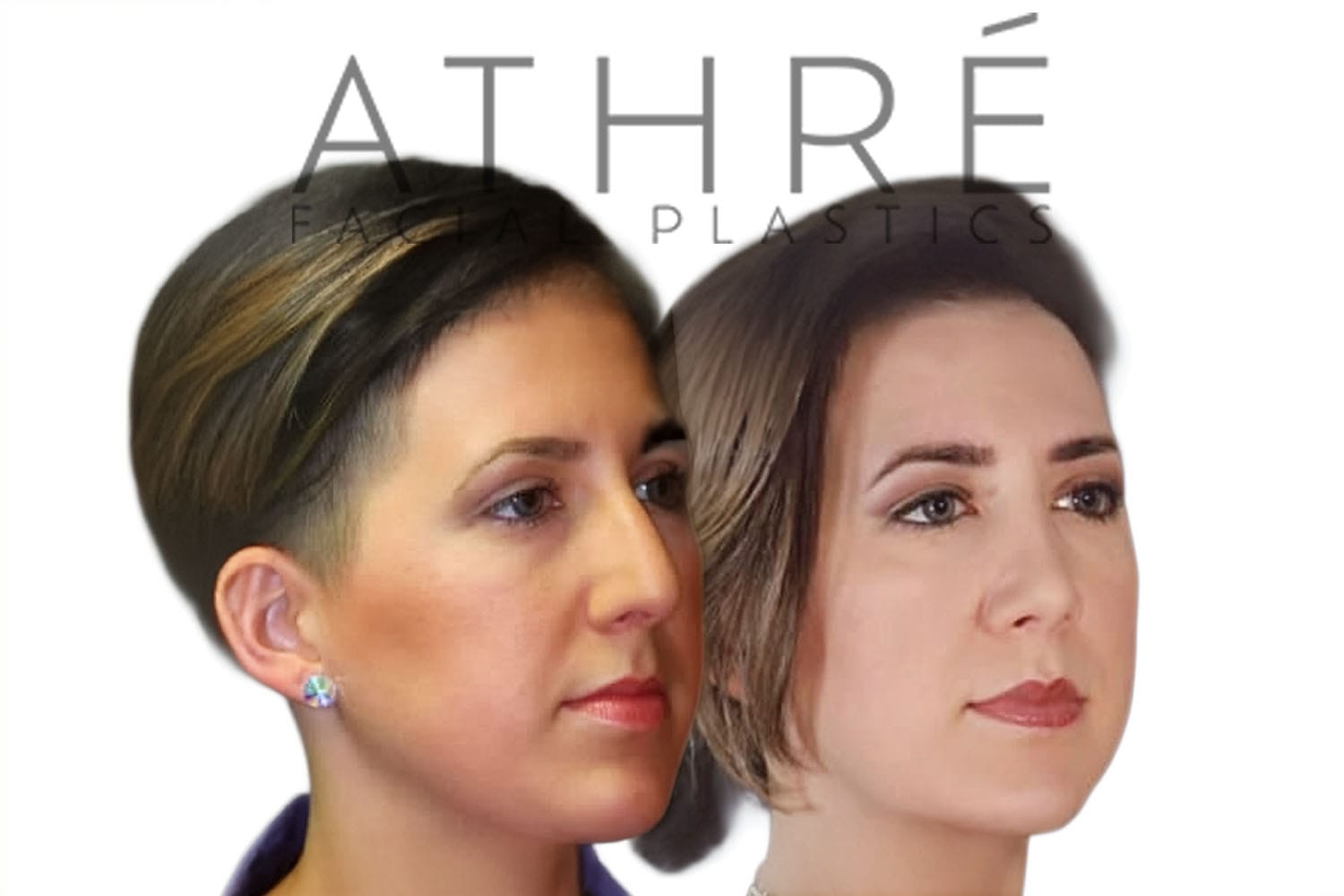
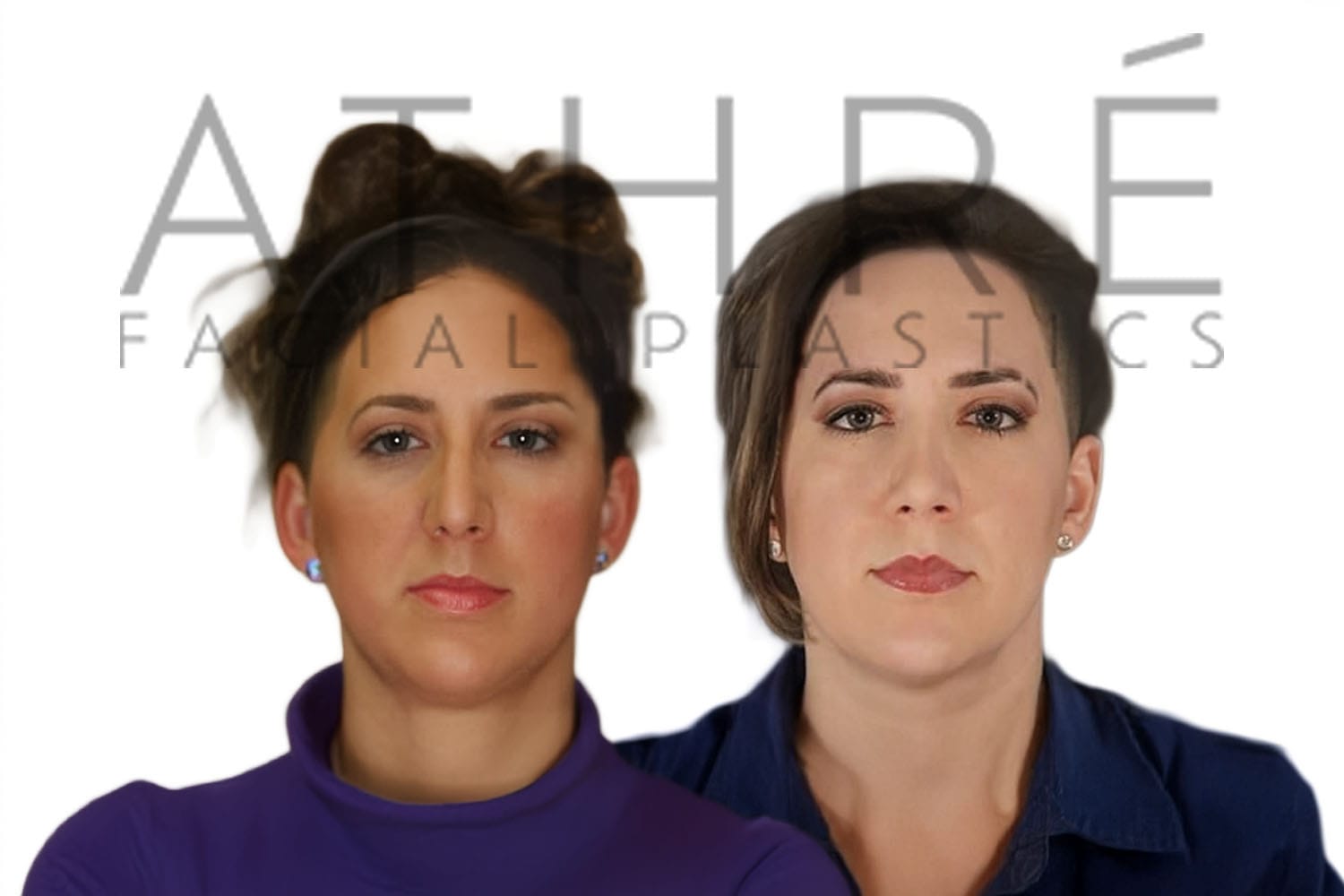
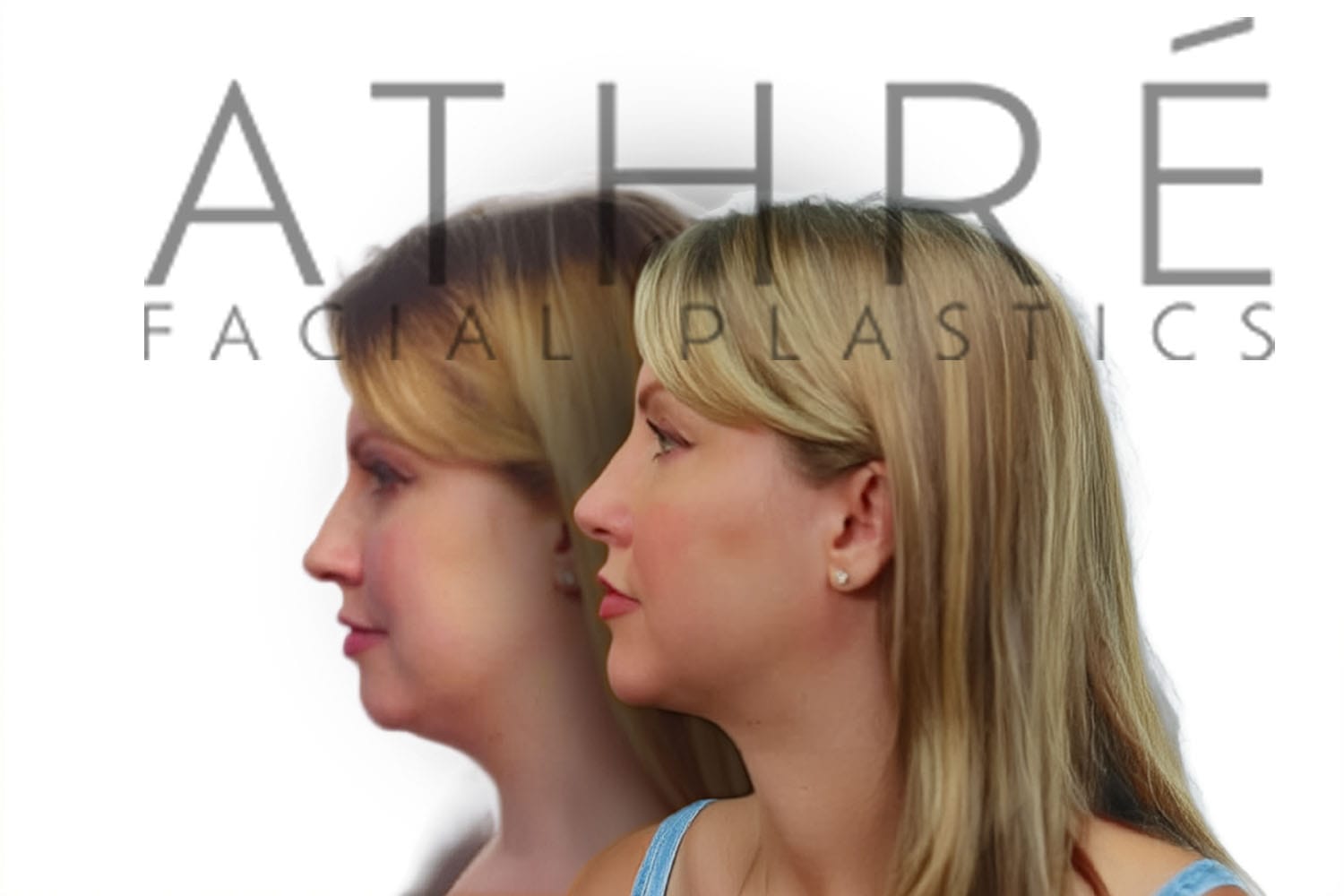
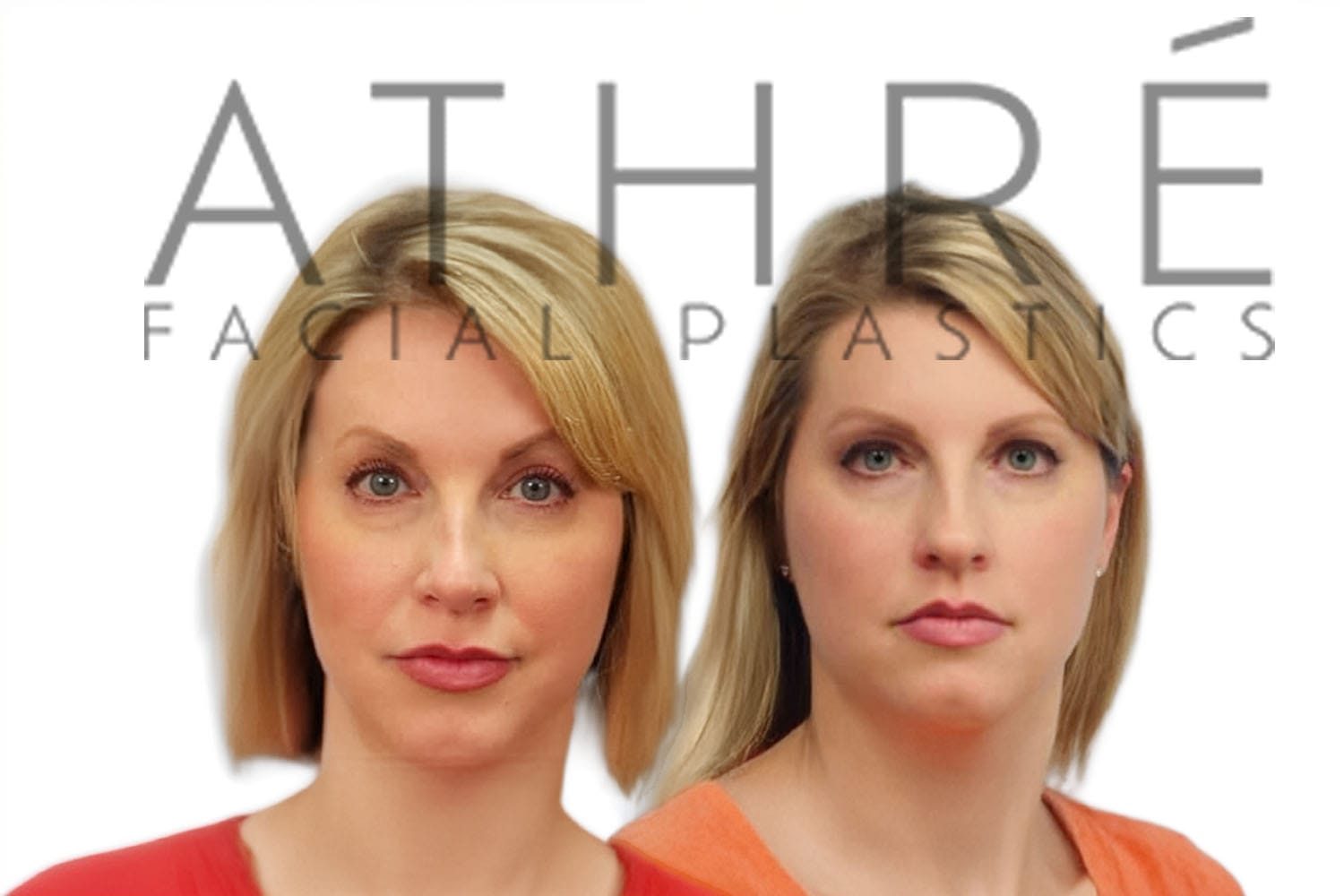
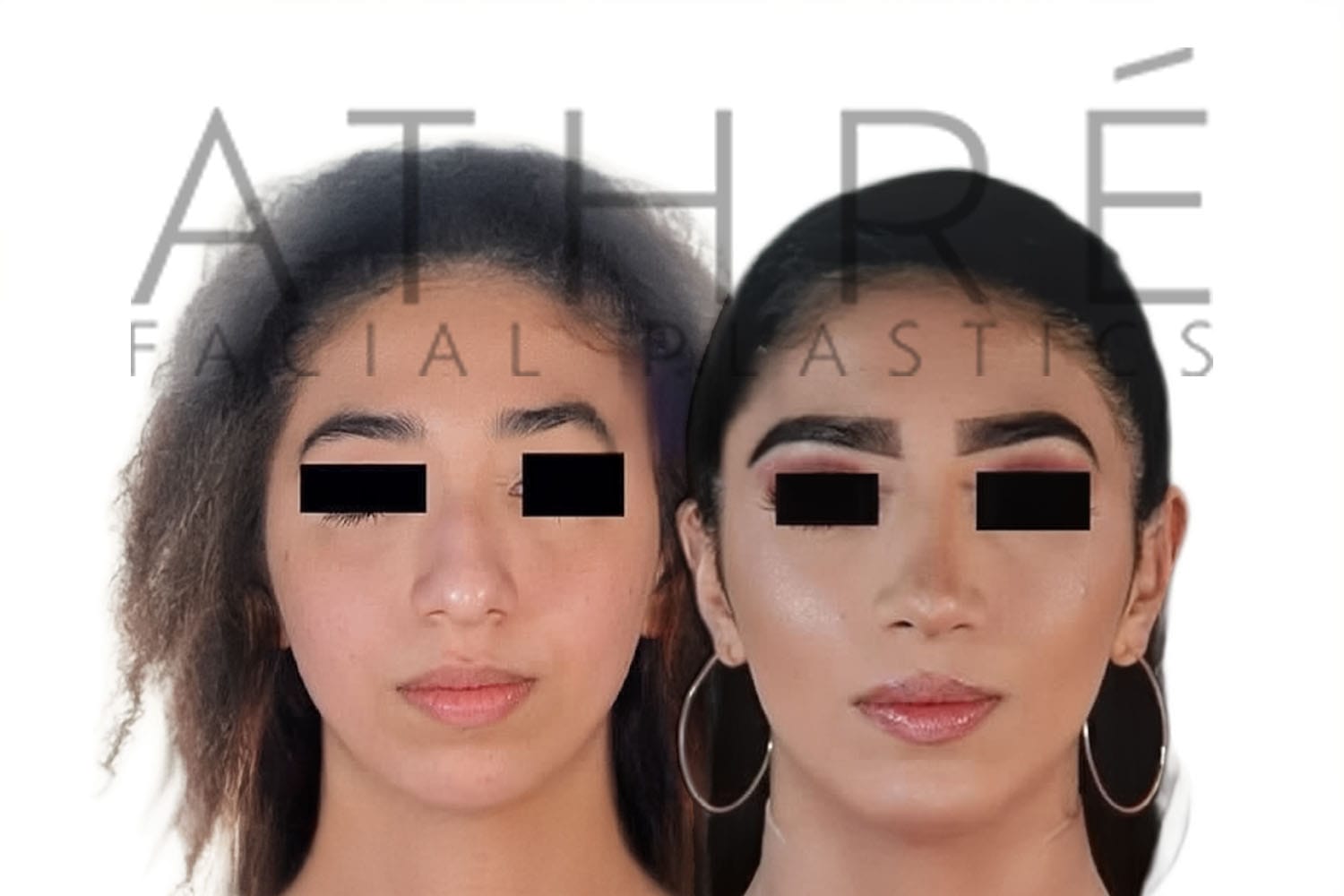
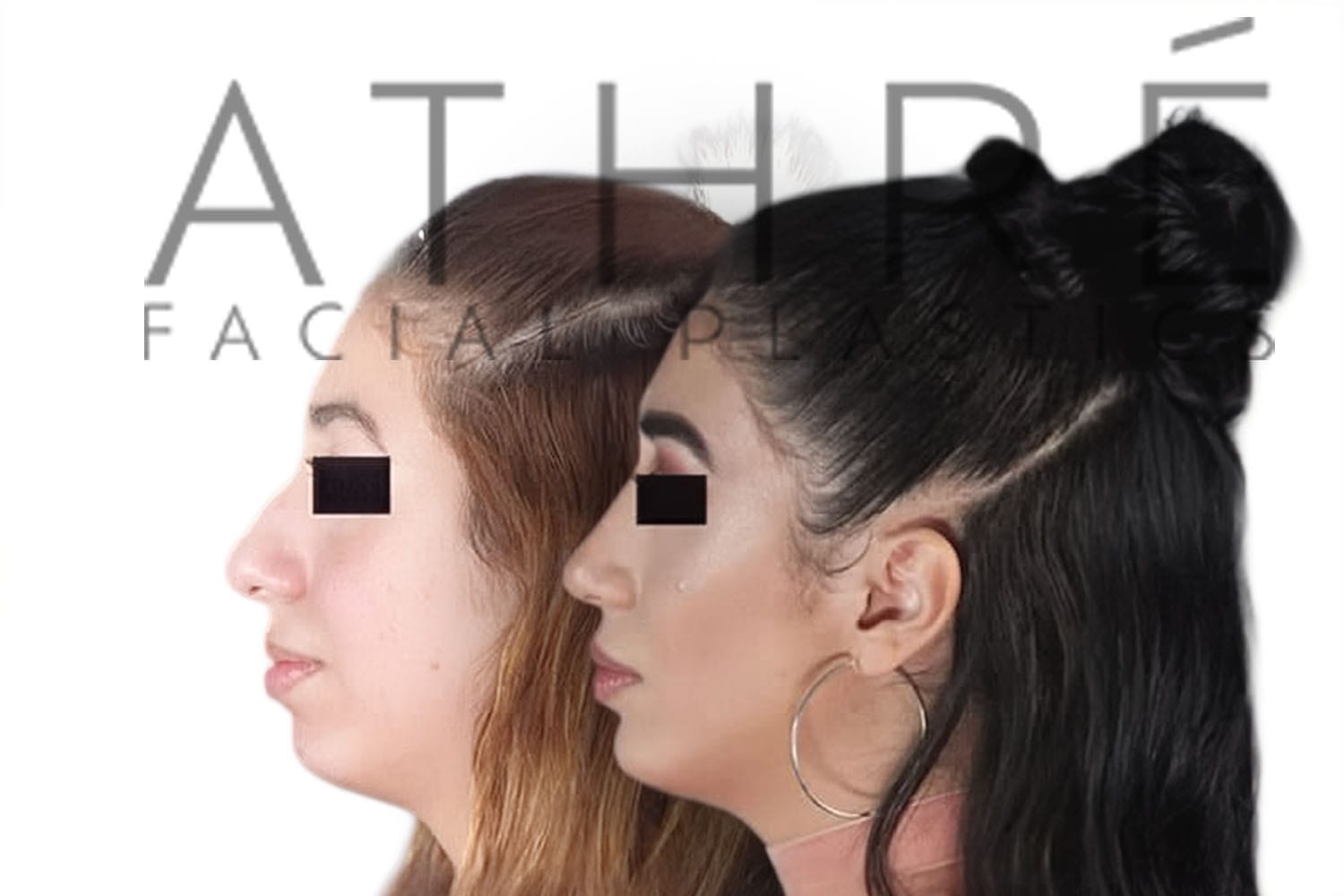
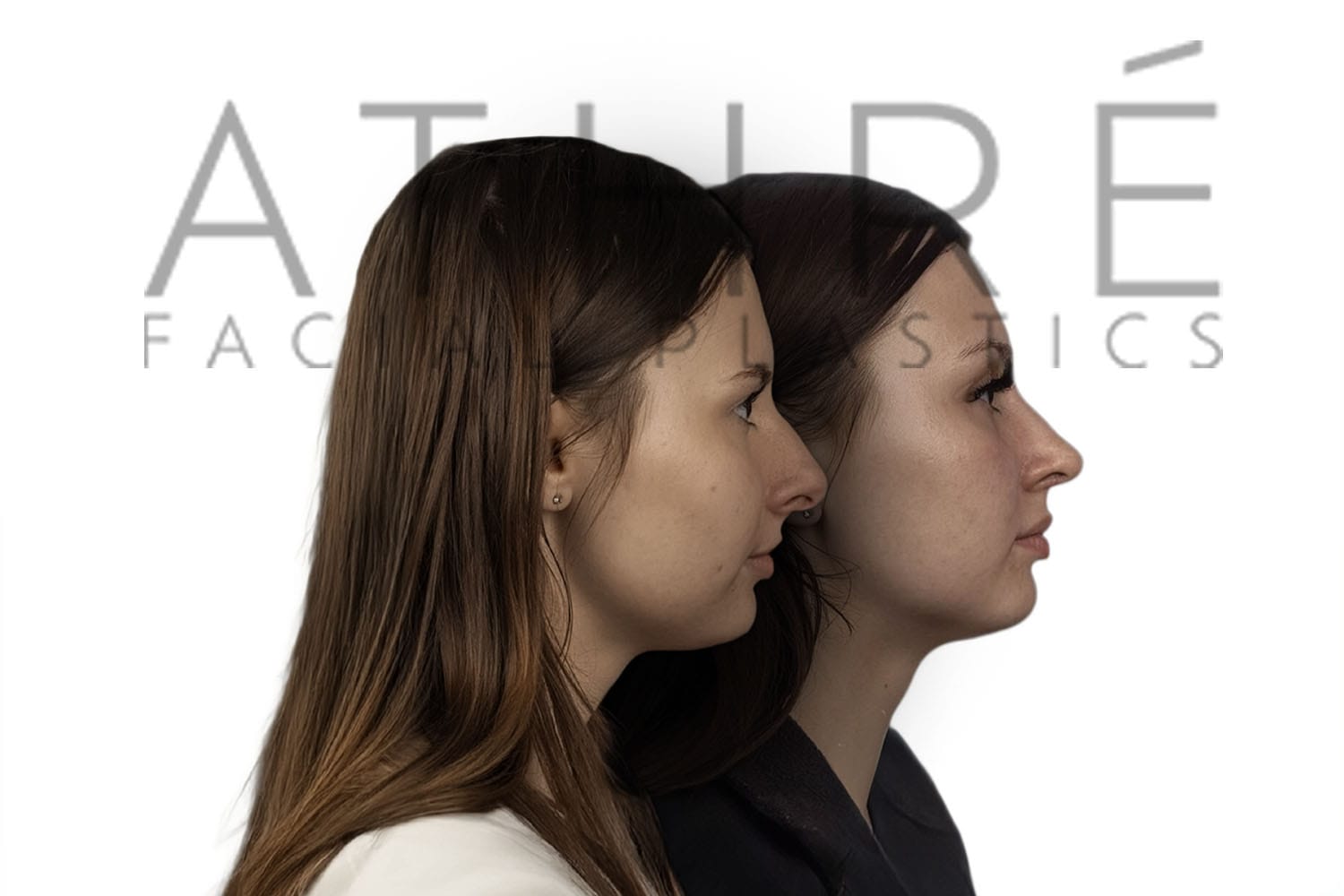
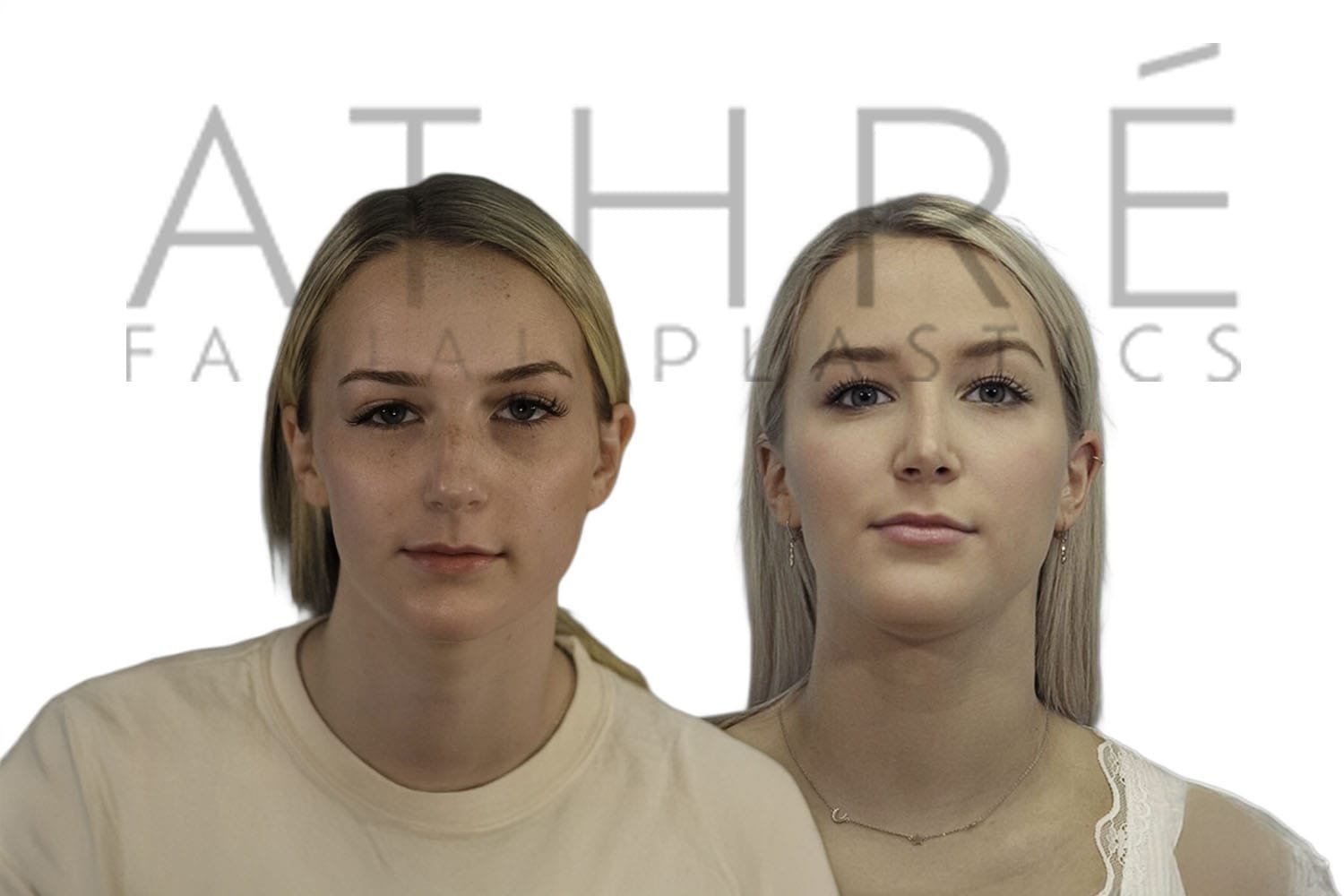
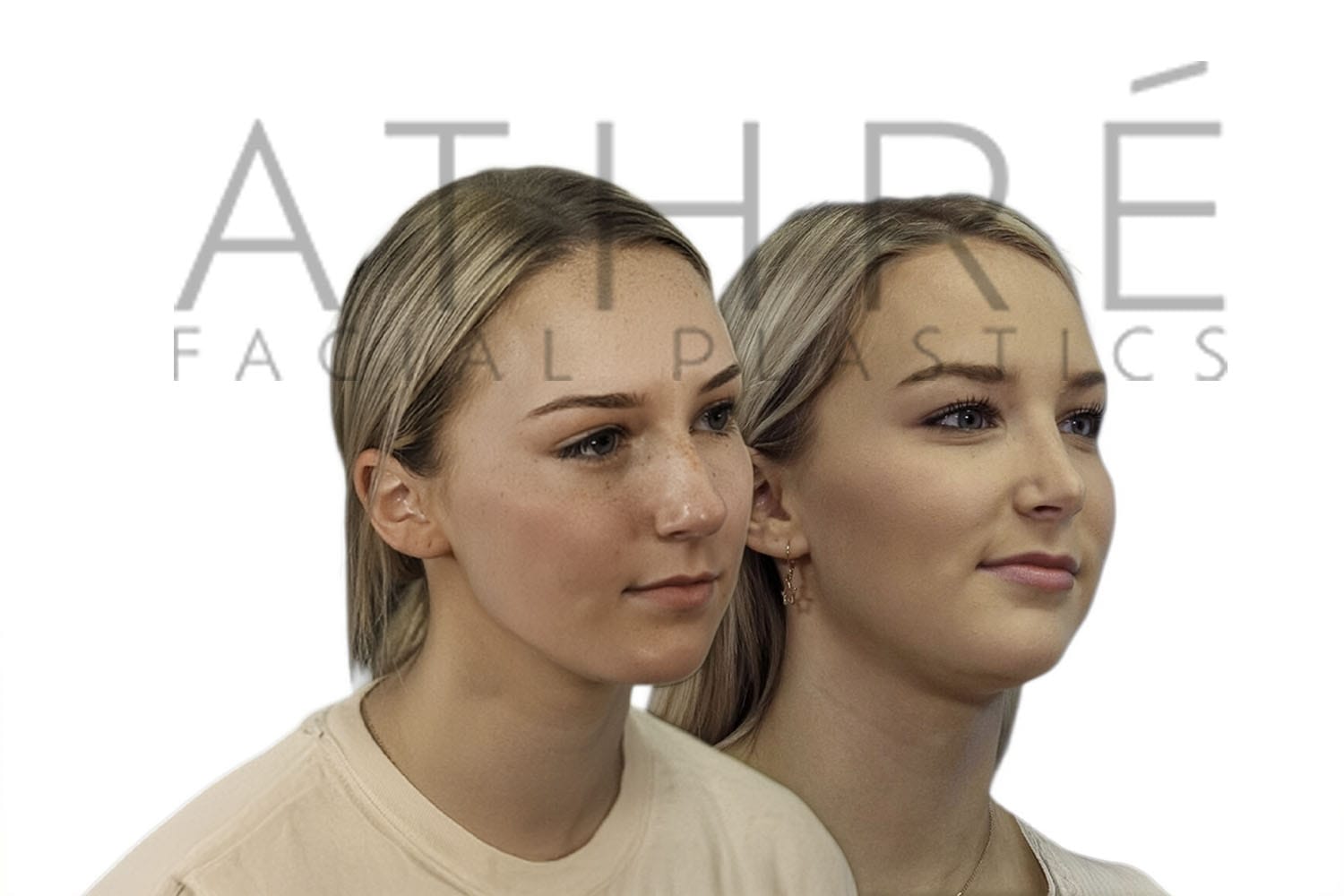
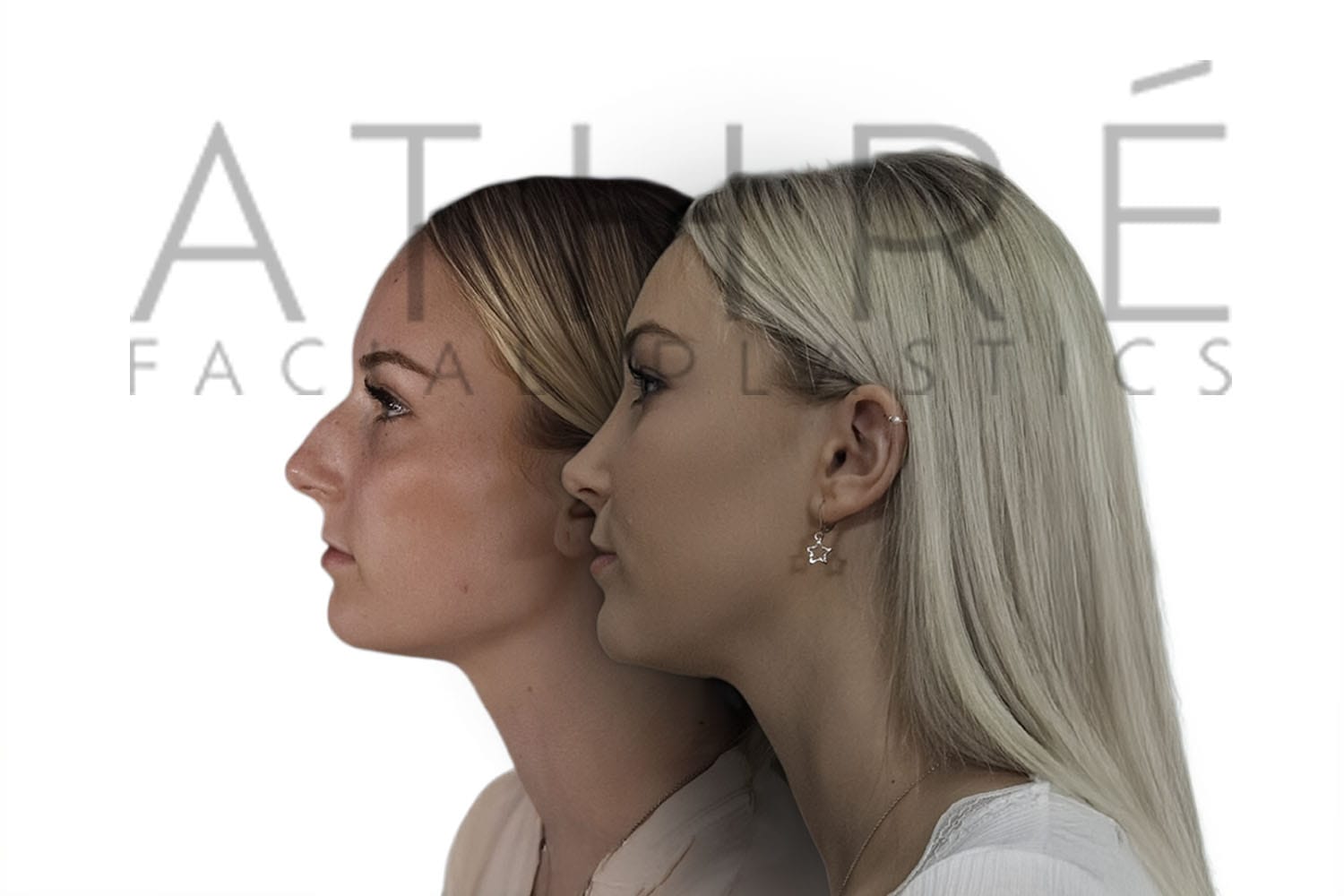
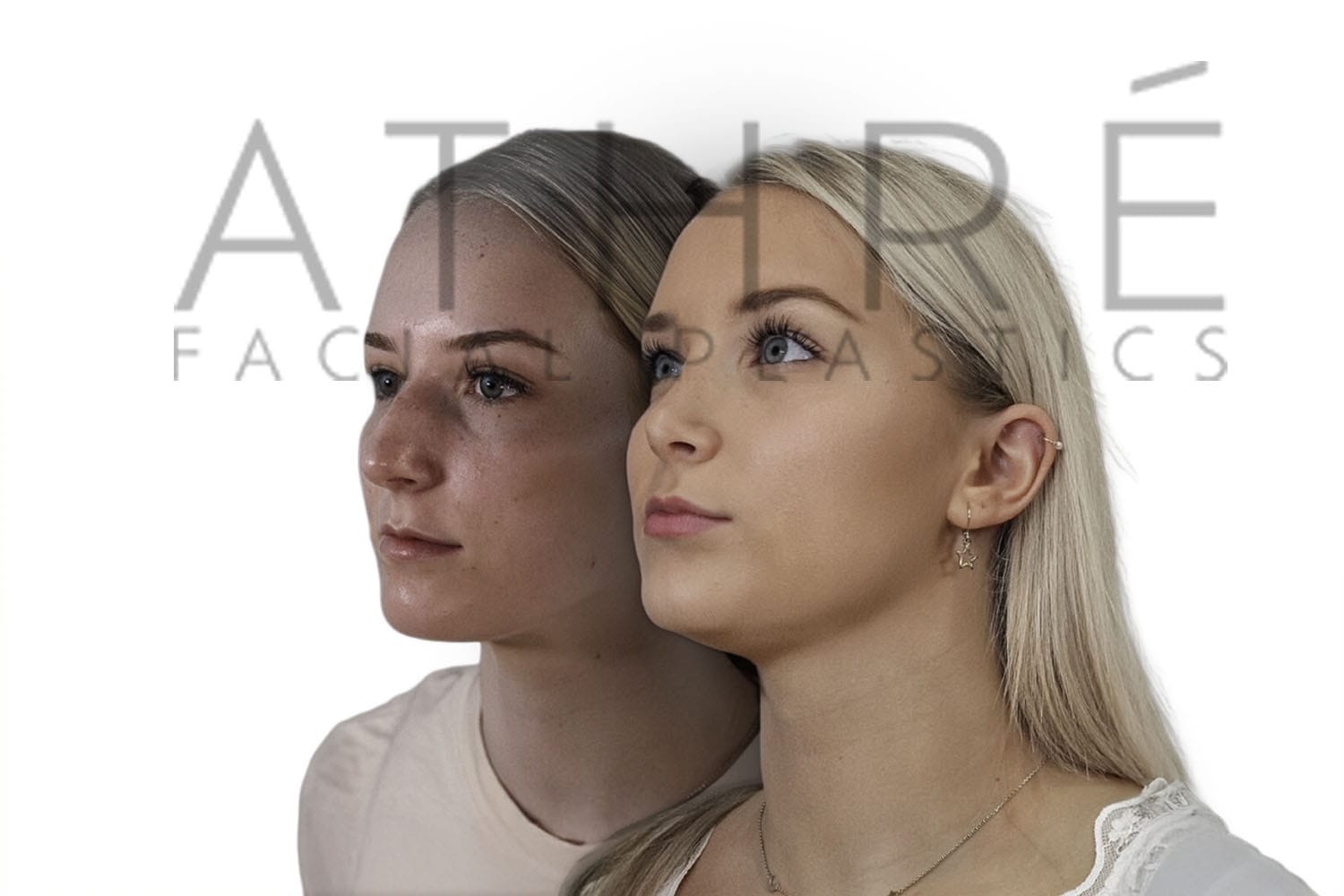
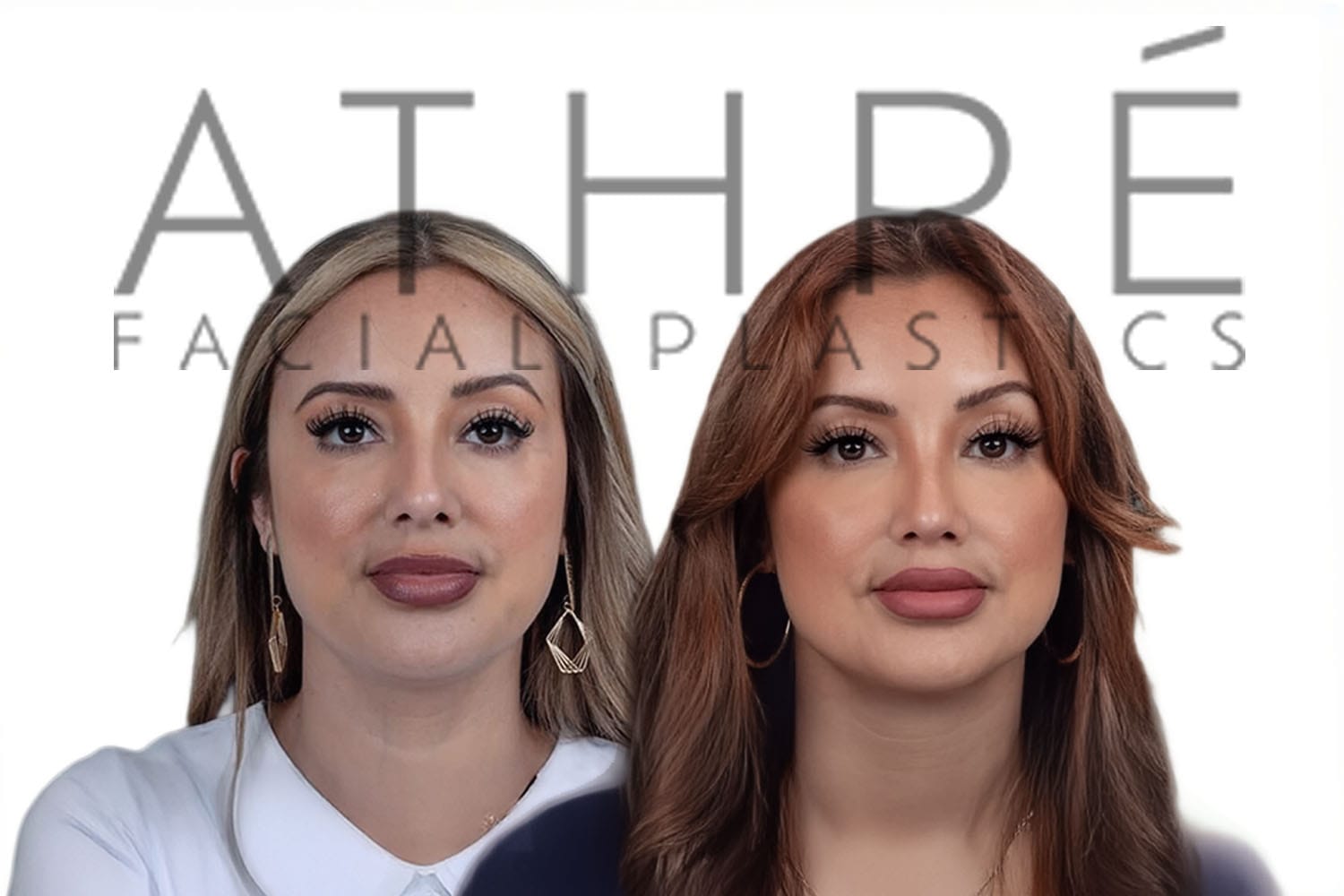
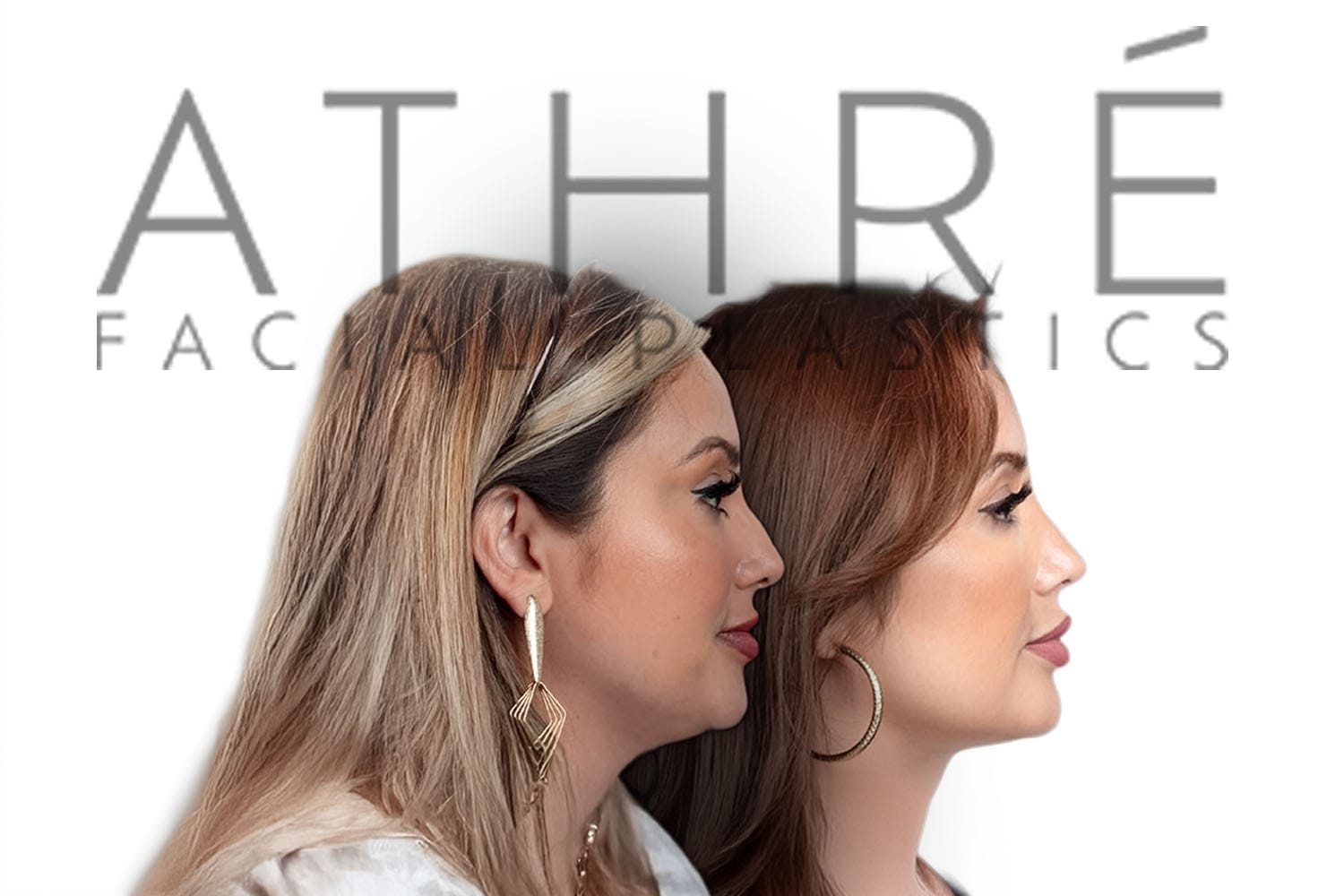
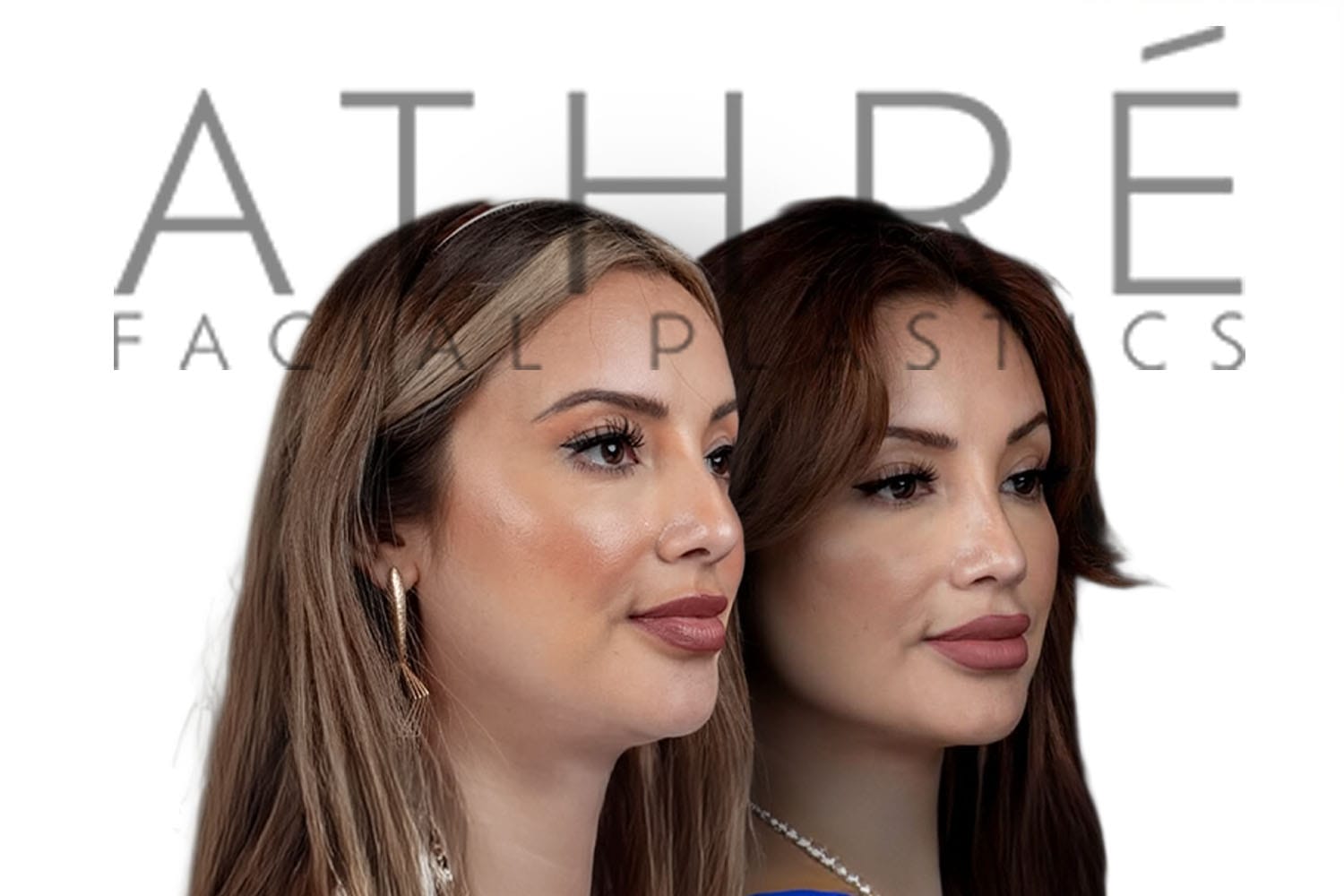
Different Noses Require Different Approaches
There is no single rhinoplasty operation that makes sense for every patient.
For someone who has never had nasal surgery, a Primary Rhinoplasty is planned around the existing anatomy and the changes the patient wants to make. A Revision Rhinoplasty presents a different problem because the nose has already been operated on and the anatomy may have been altered by the previous surgery.
Technique also varies. Dorsal Preservation Rhinoplasty can be appropriate when preserving more of the natural architecture of the nasal bridge makes sense for the patient's anatomy. Ultrasonic Rhinoplasty uses specialized technology when working with the nasal bones. In patients whose concerns are concentrated primarily at the tip, a Tip Plasty may allow us to address that area without making unnecessary changes elsewhere.
Ethnic Rhinoplasty requires the same individualized thinking. The objective should never be to make a patient's nose conform to a different ethnic ideal. The surgery should respect the patient's existing features while addressing the changes that matter to them.
The technique is chosen for the nose. The nose isn't changed to fit the technique.
What to Look for in Rhinoplasty Before & After Photos
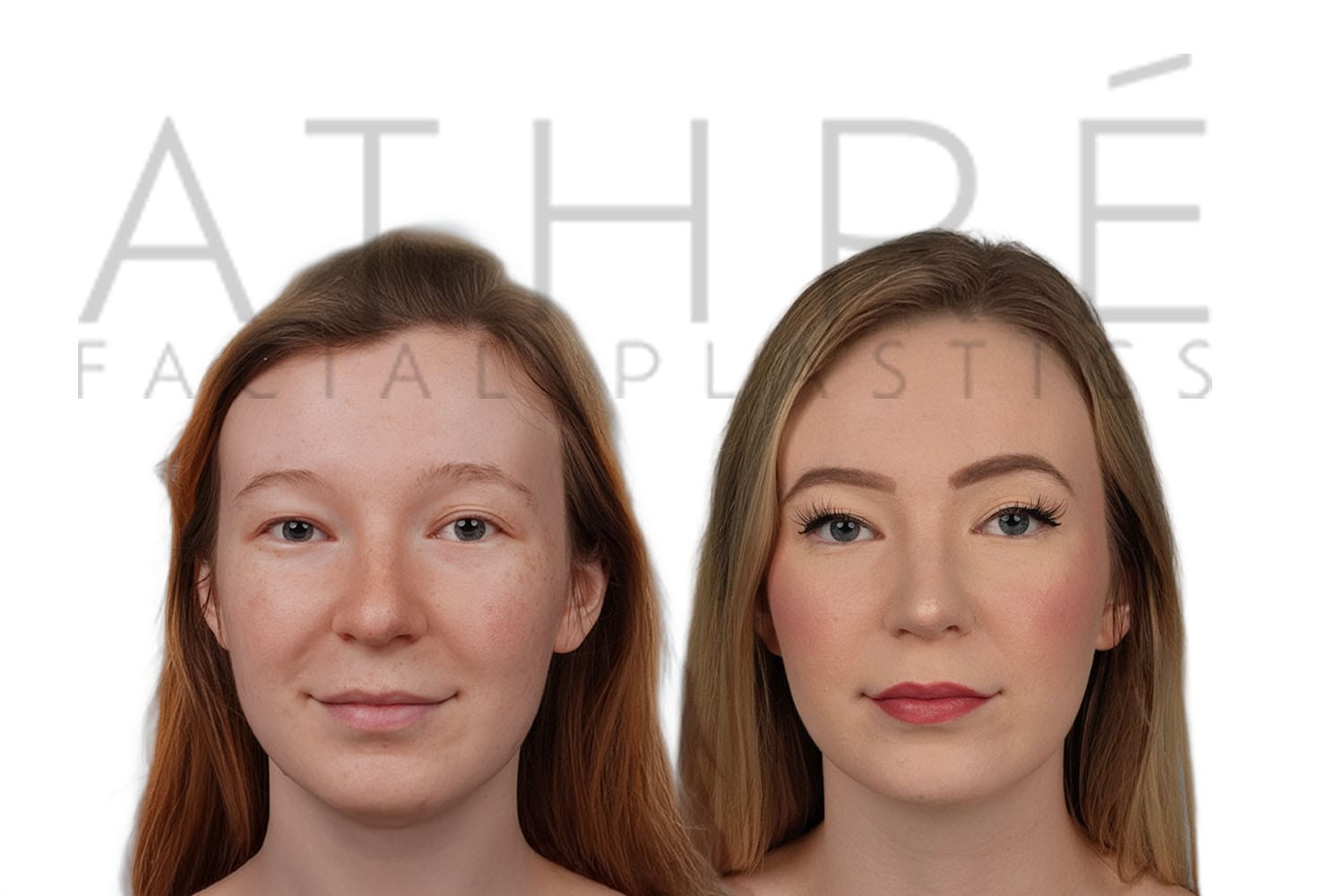
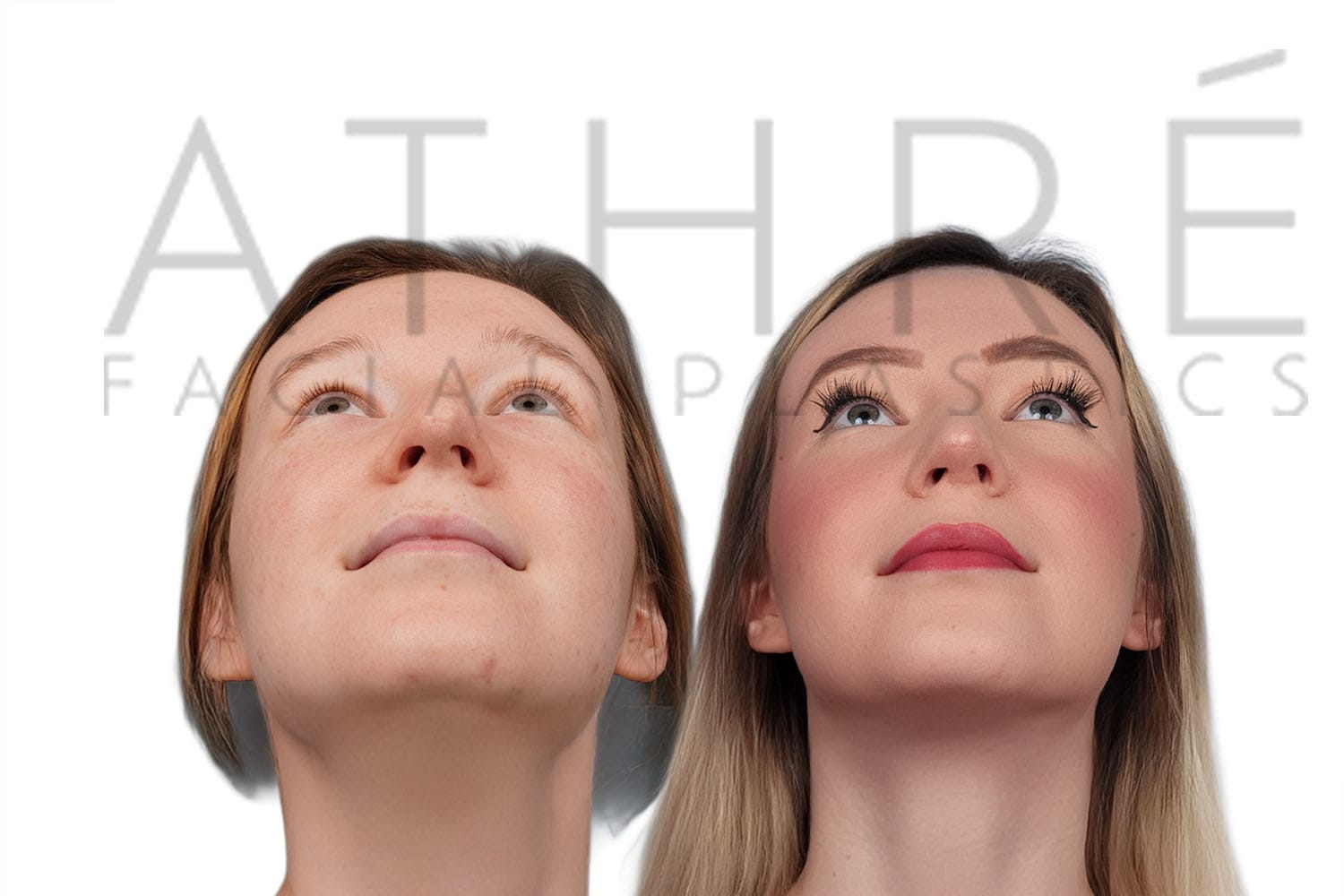
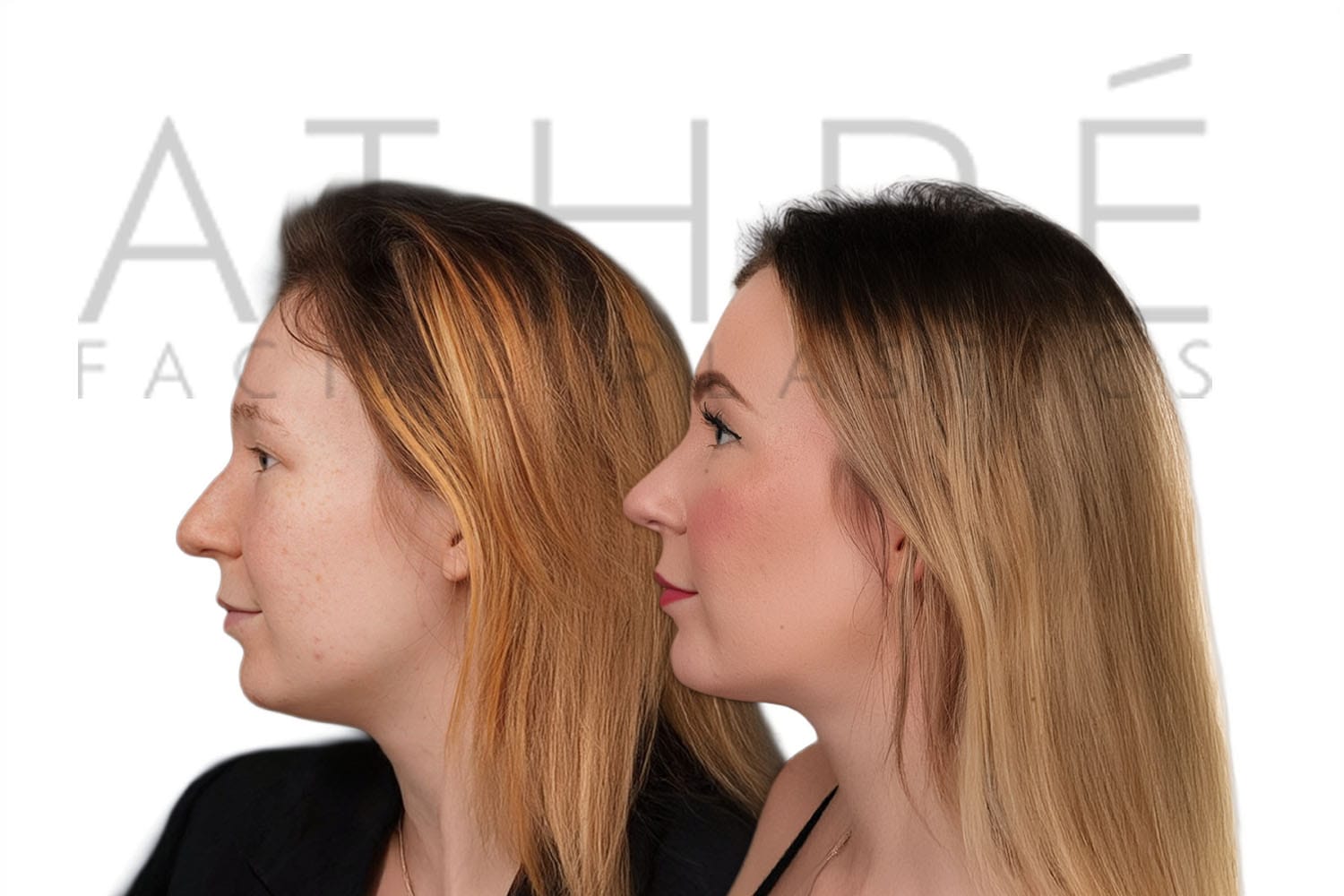
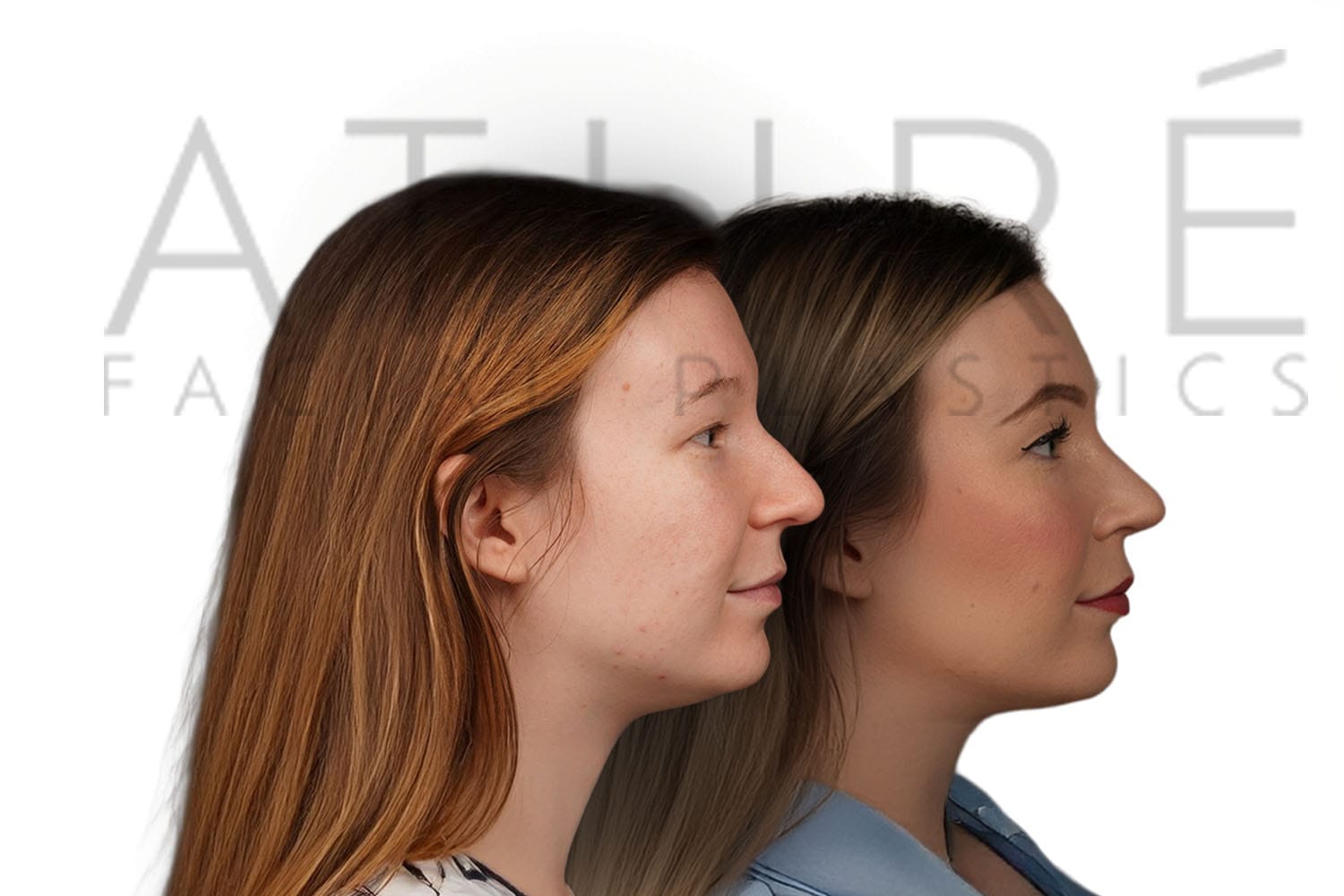
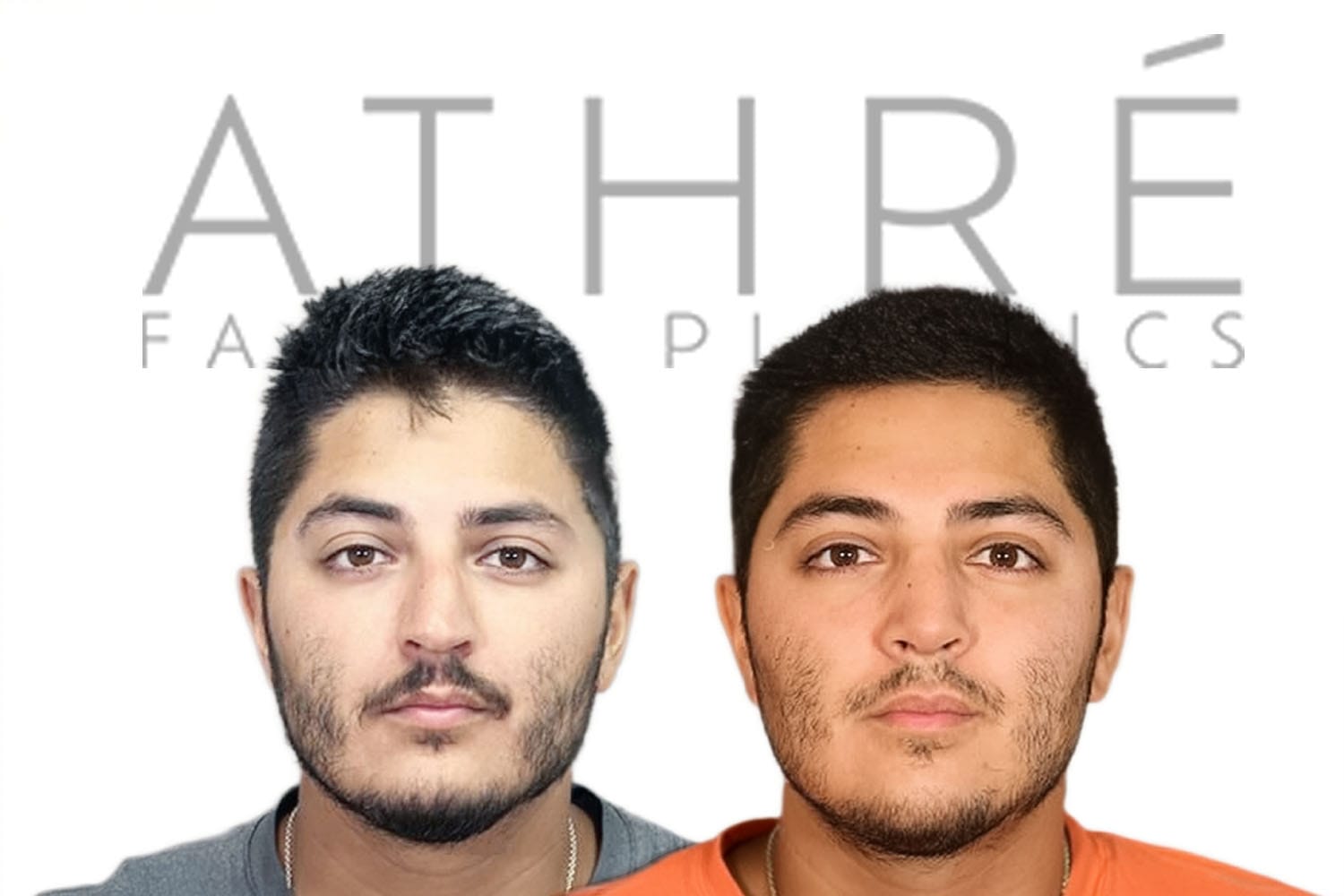
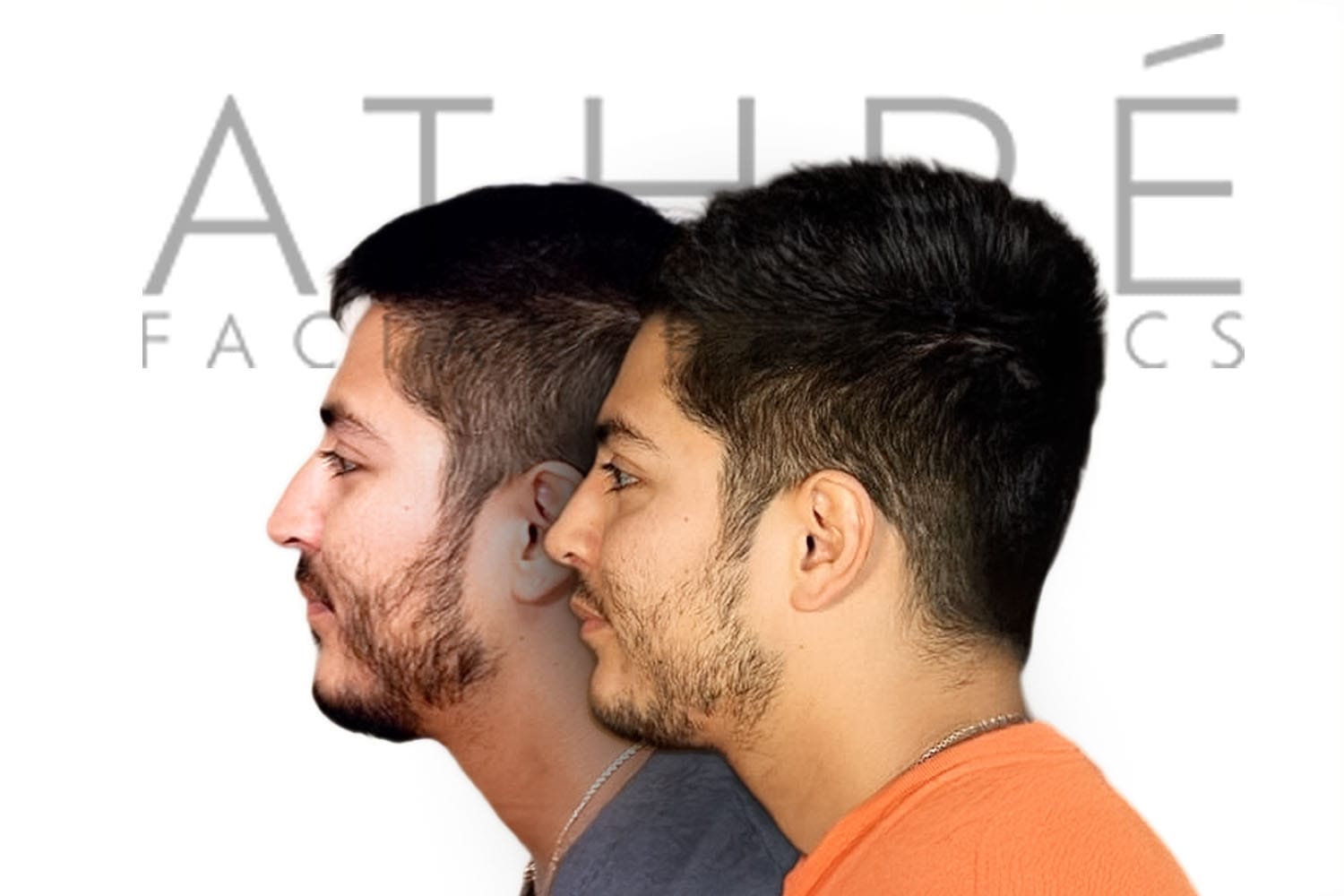
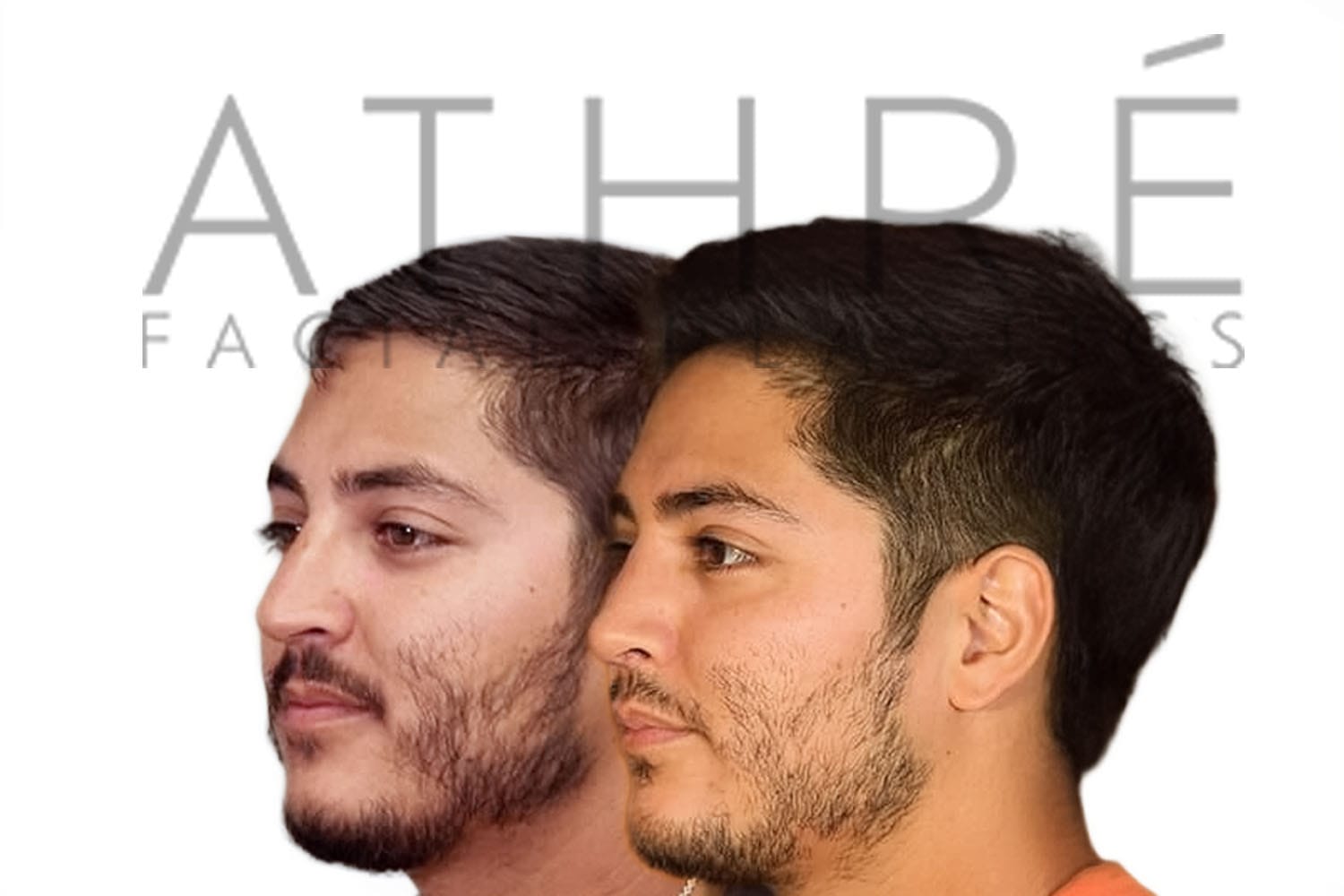
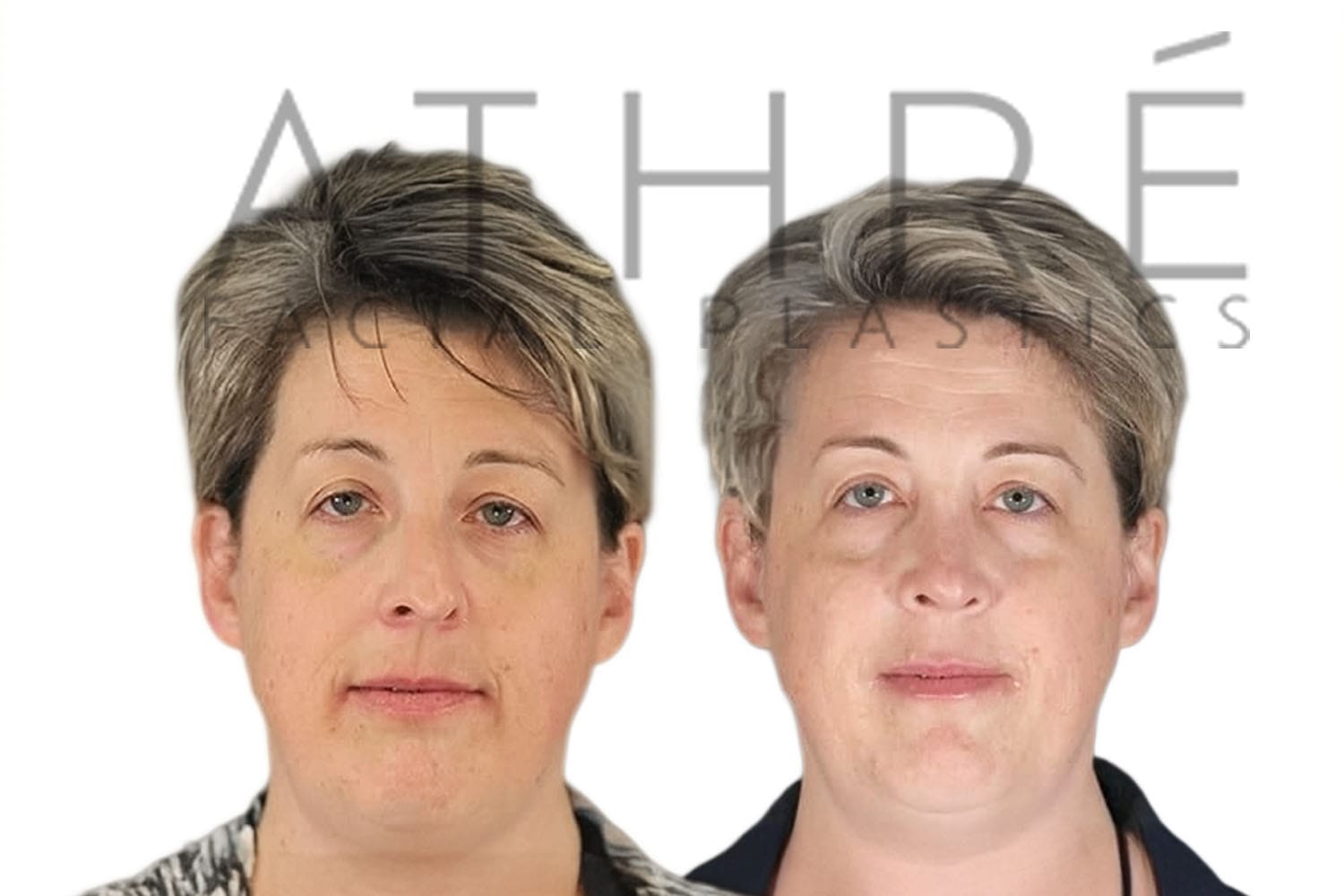
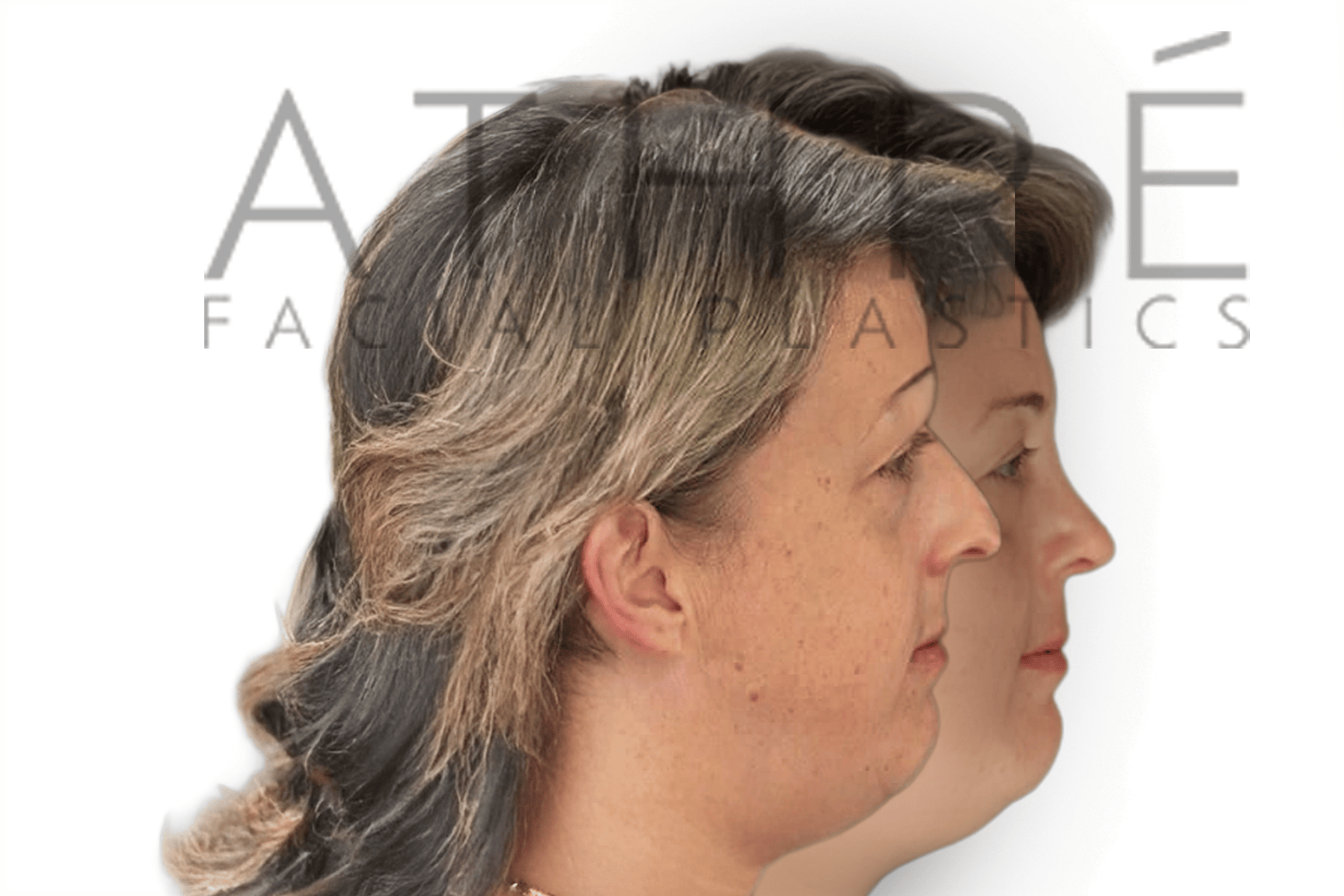
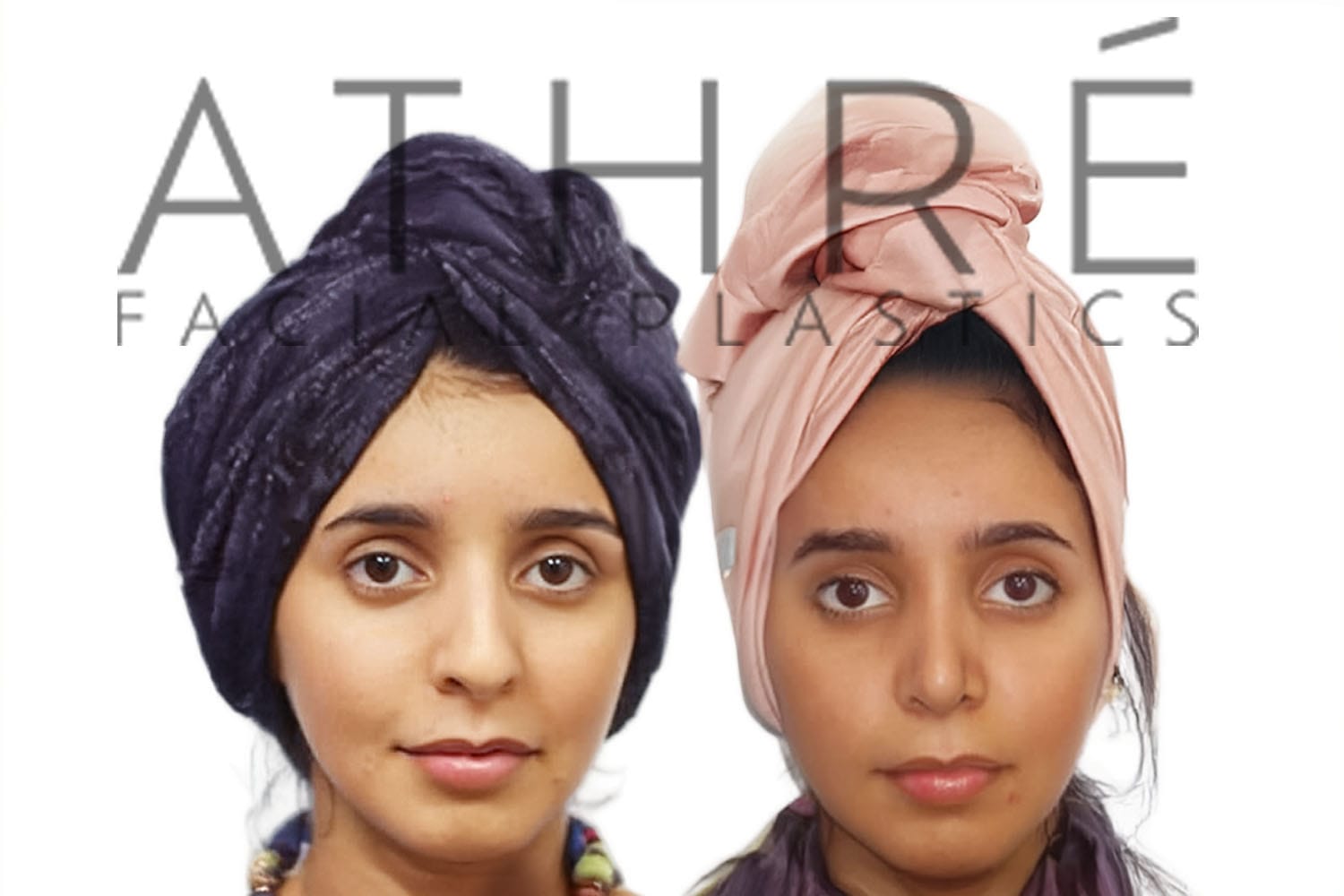
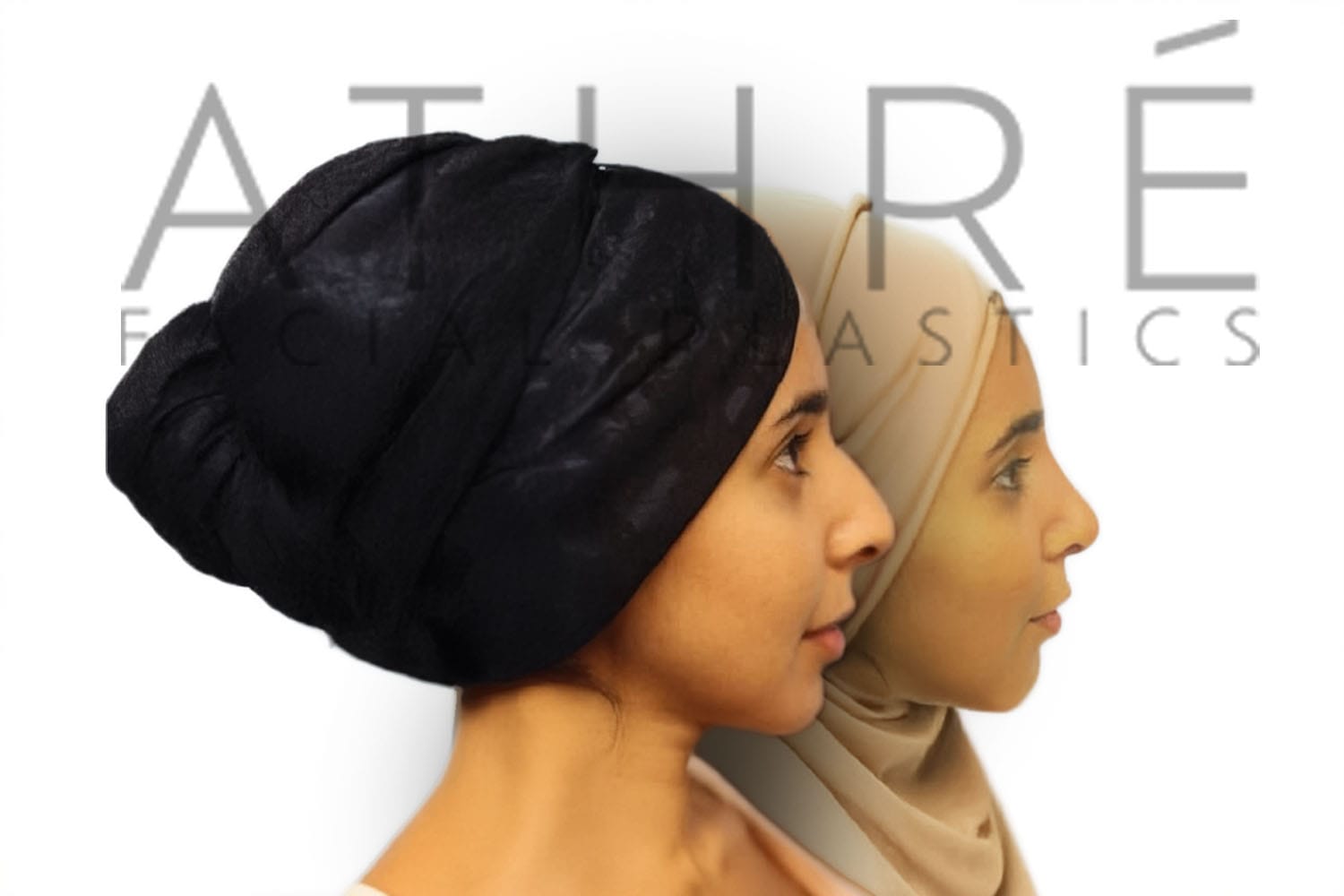
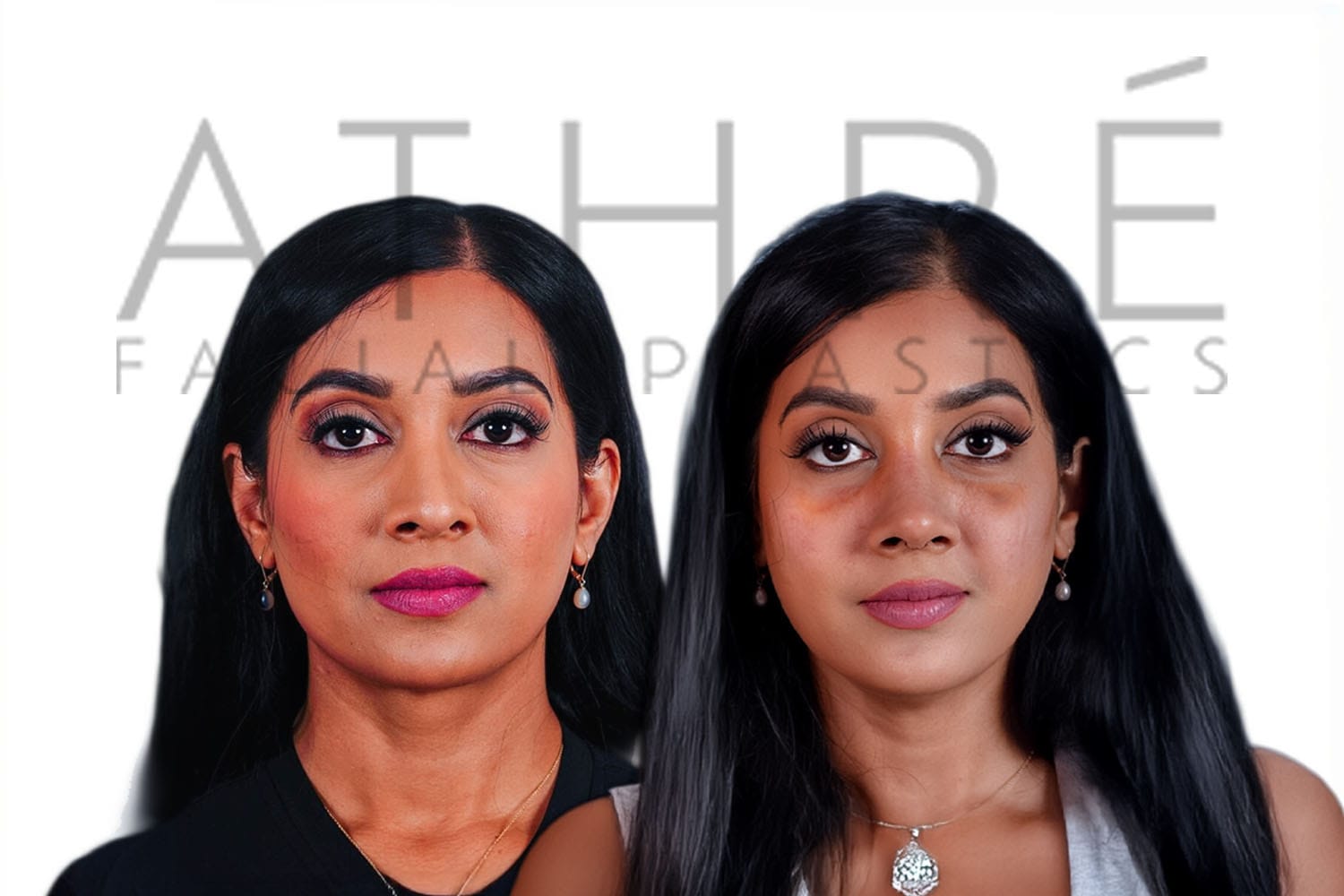
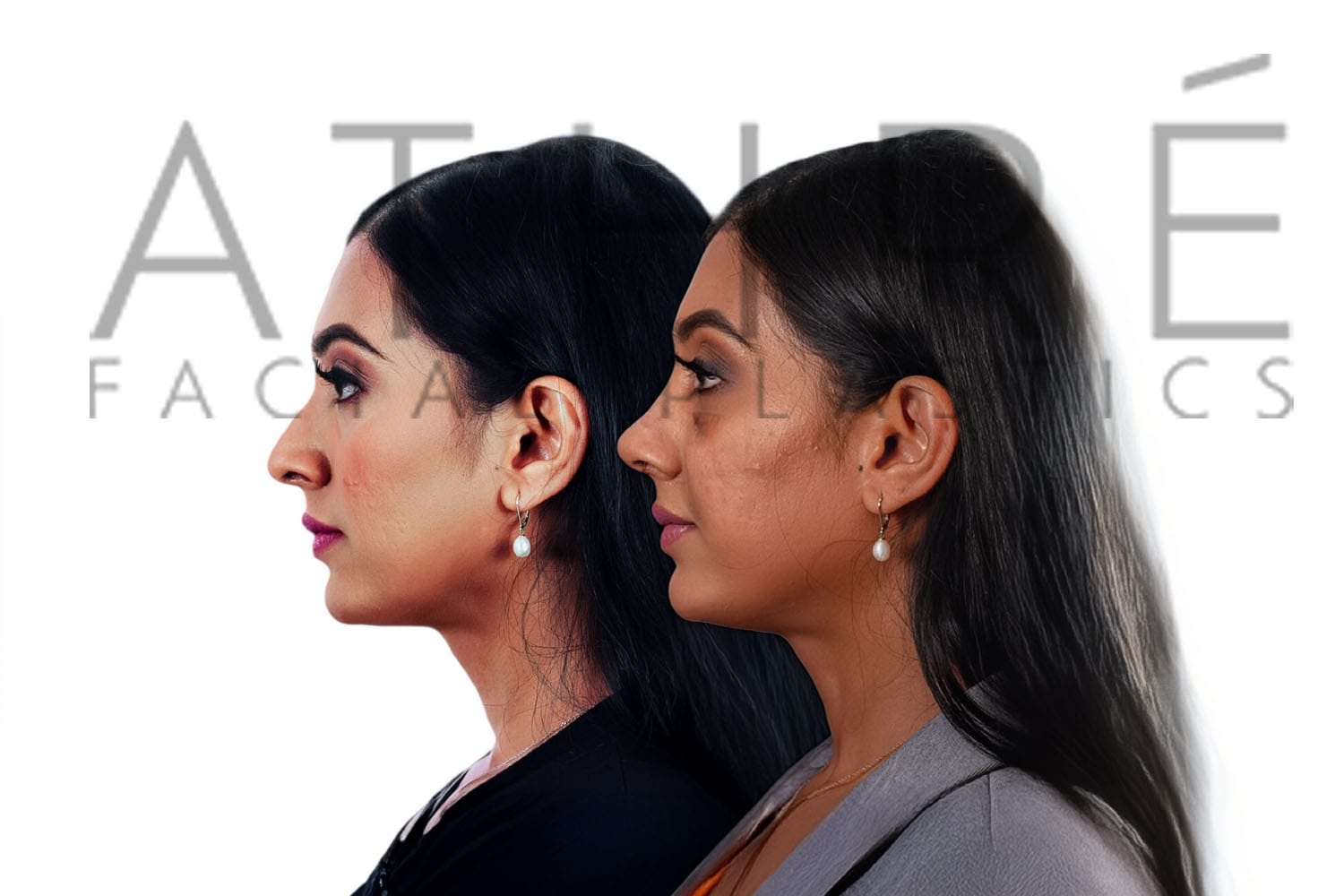
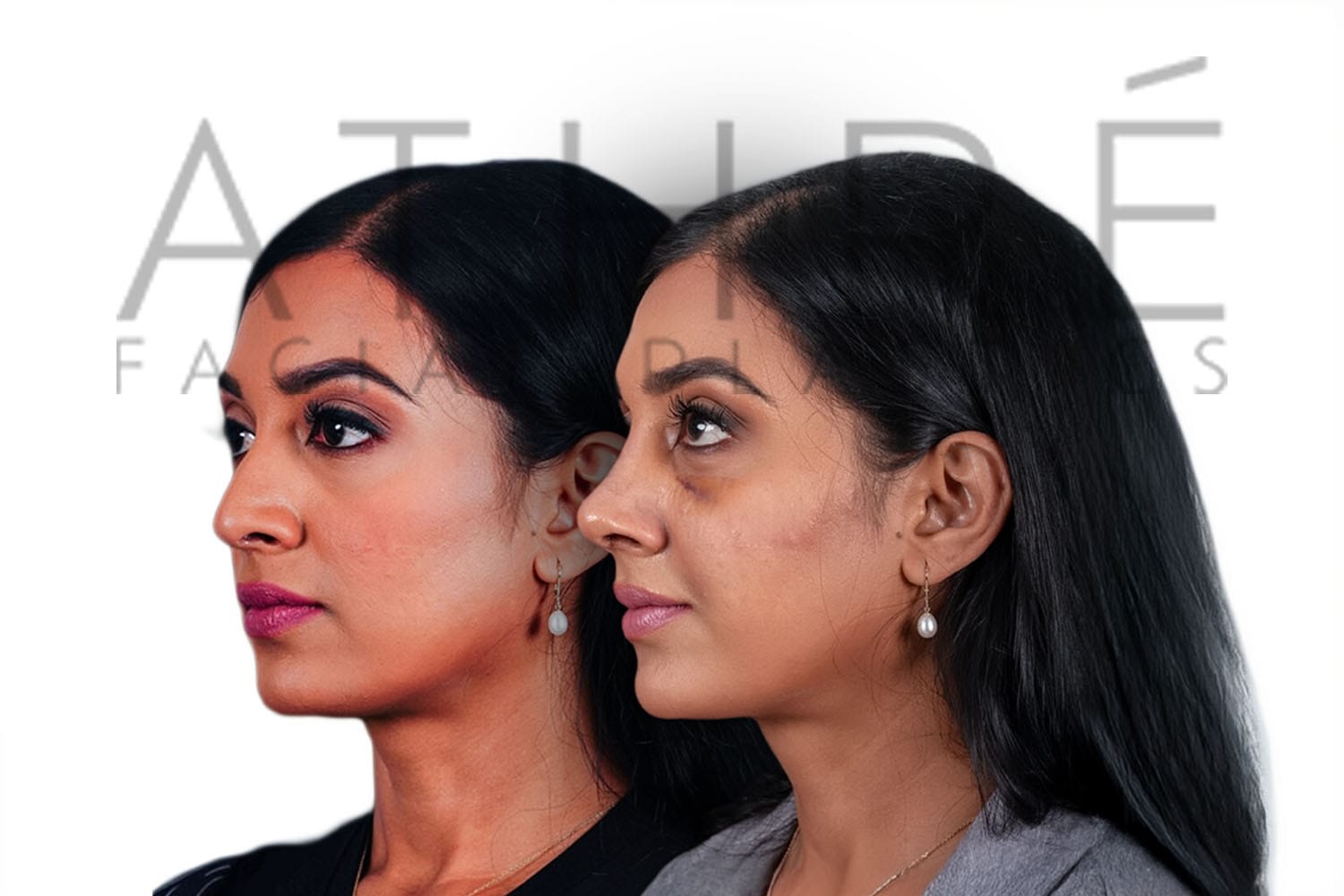
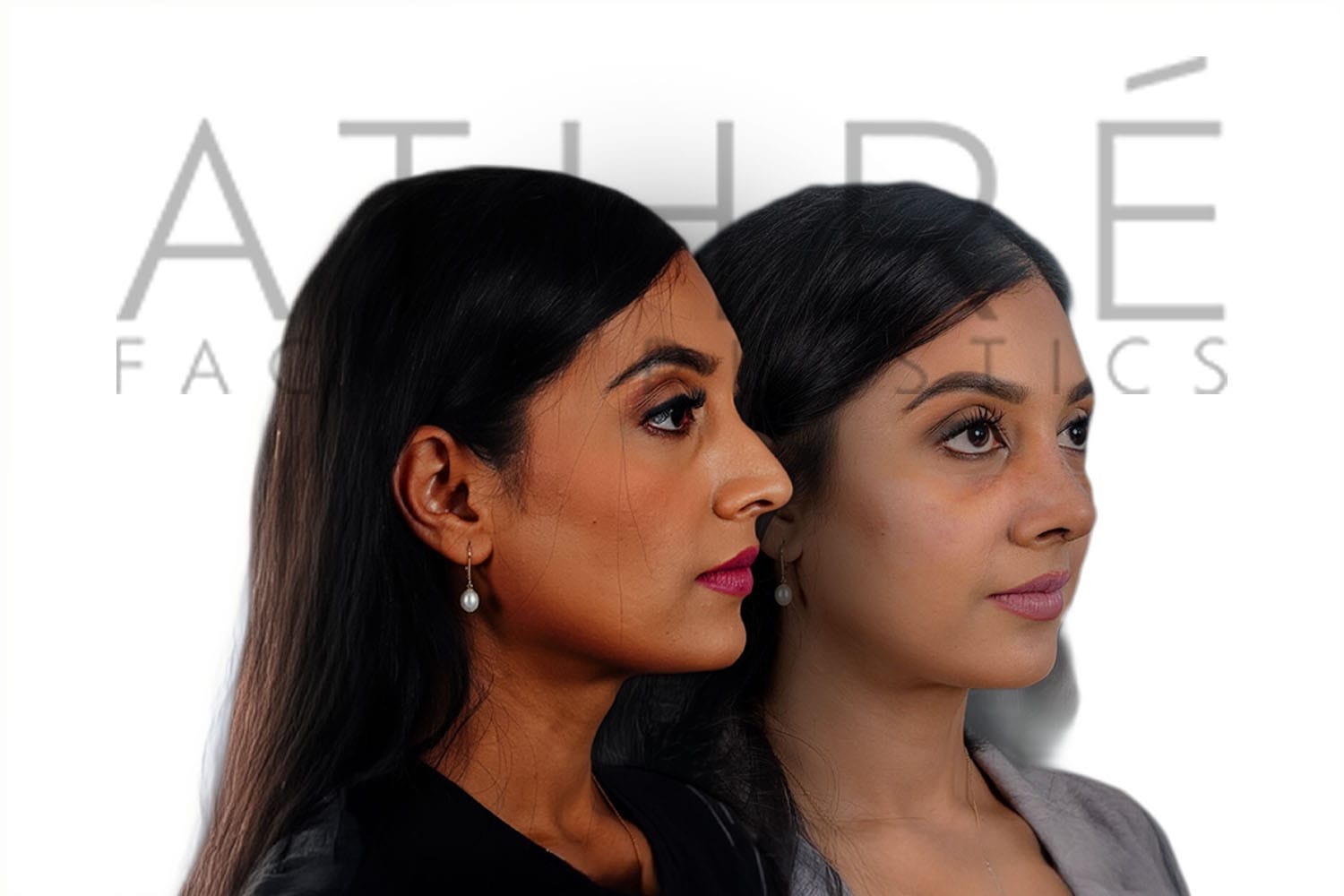
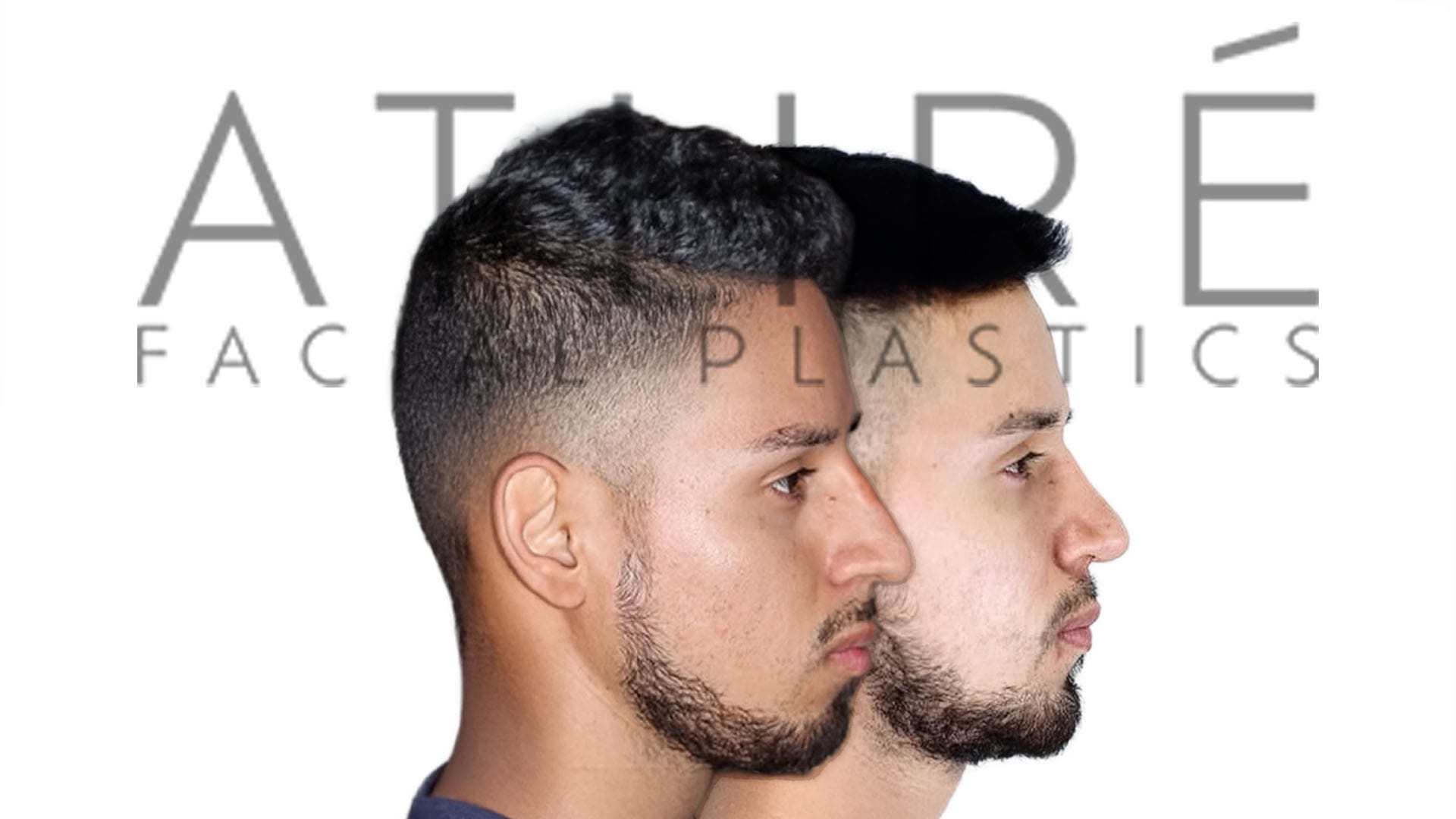
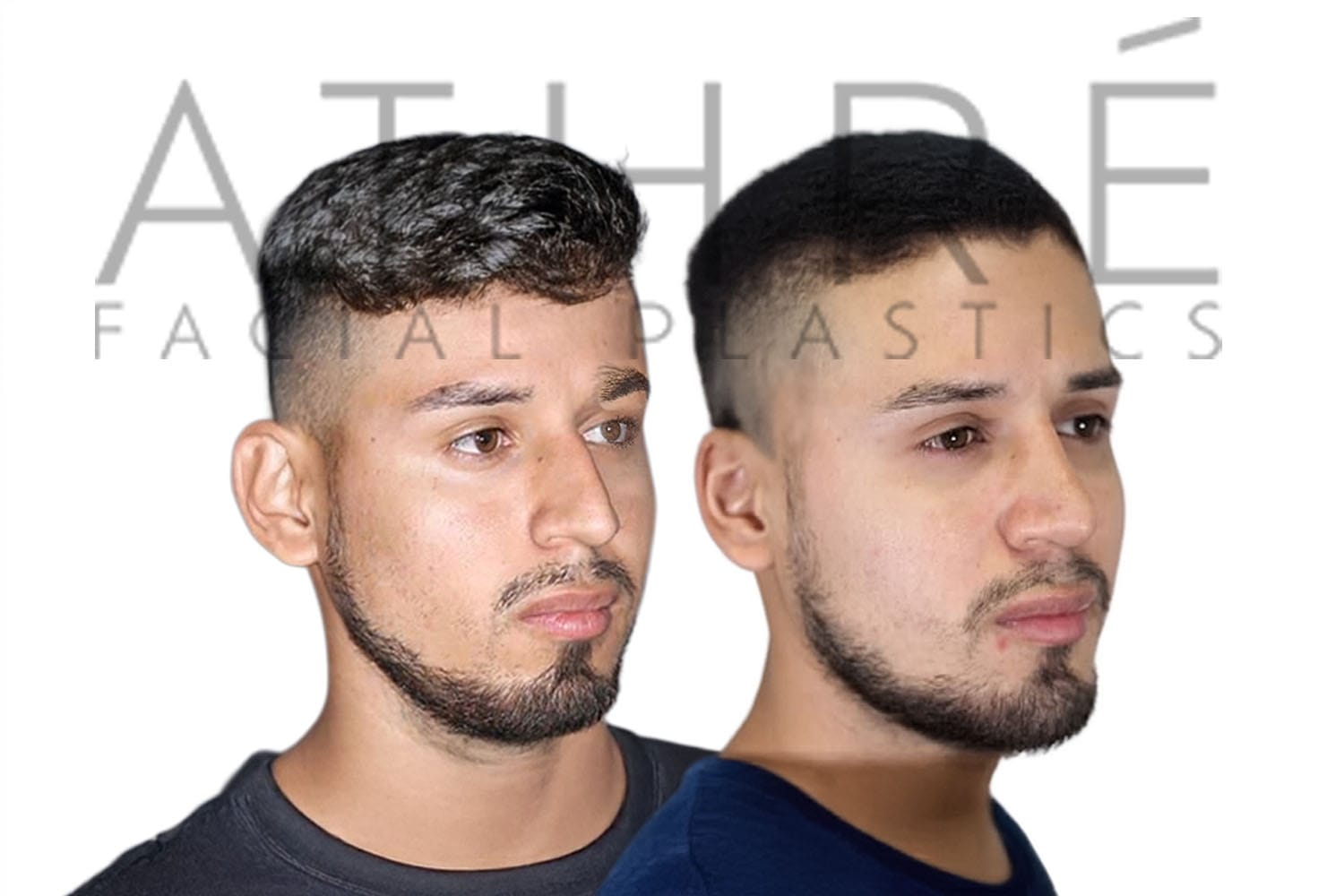
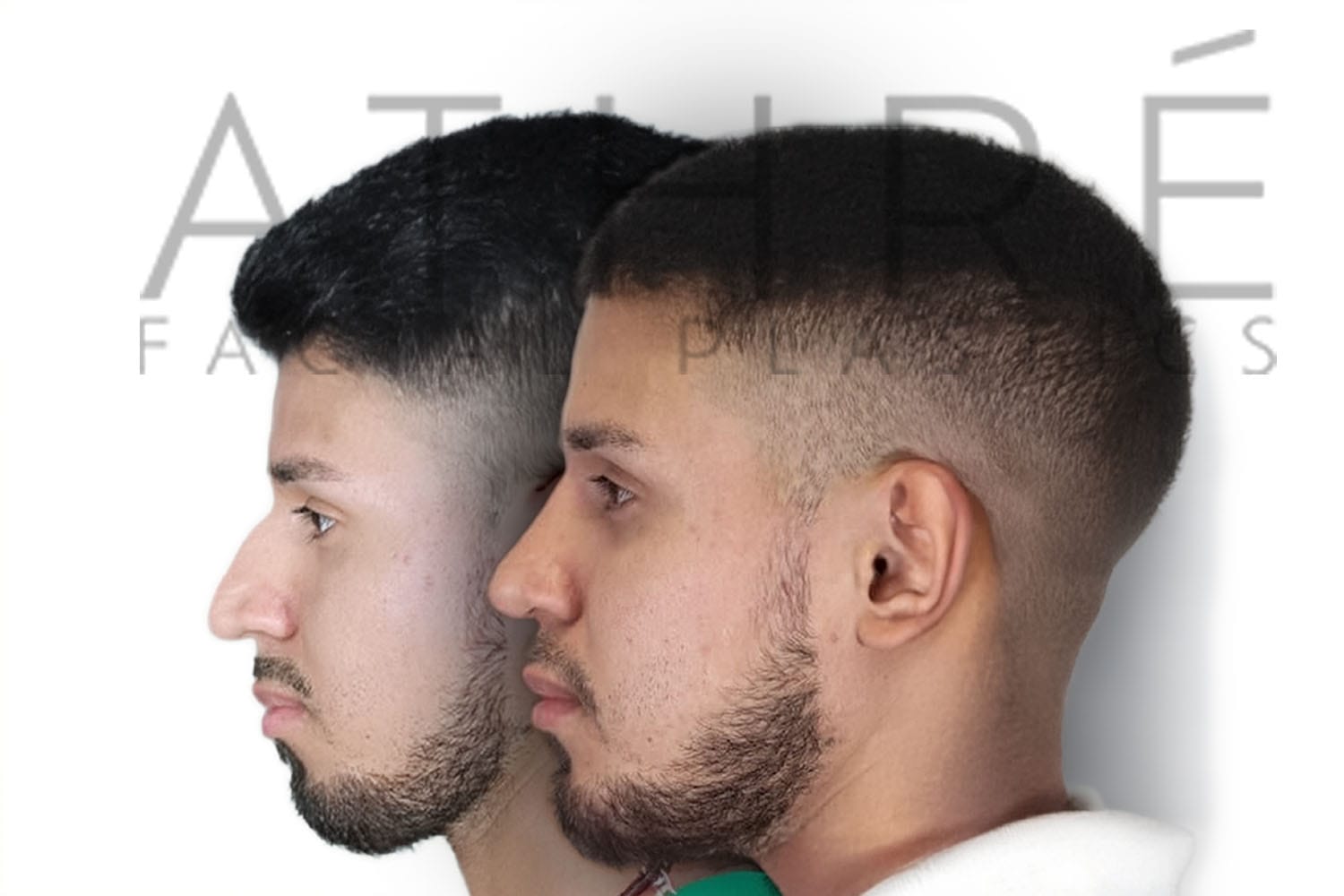
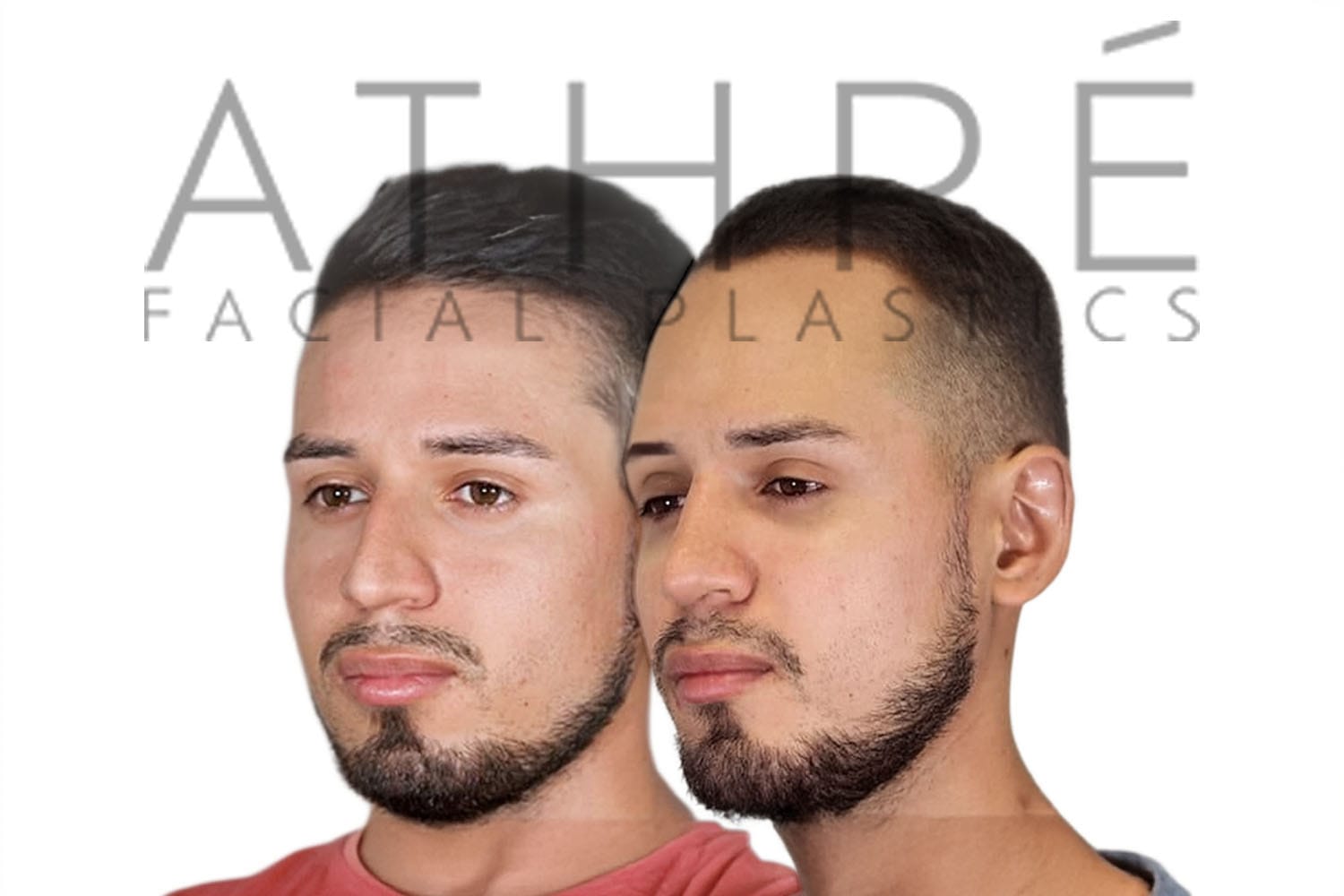
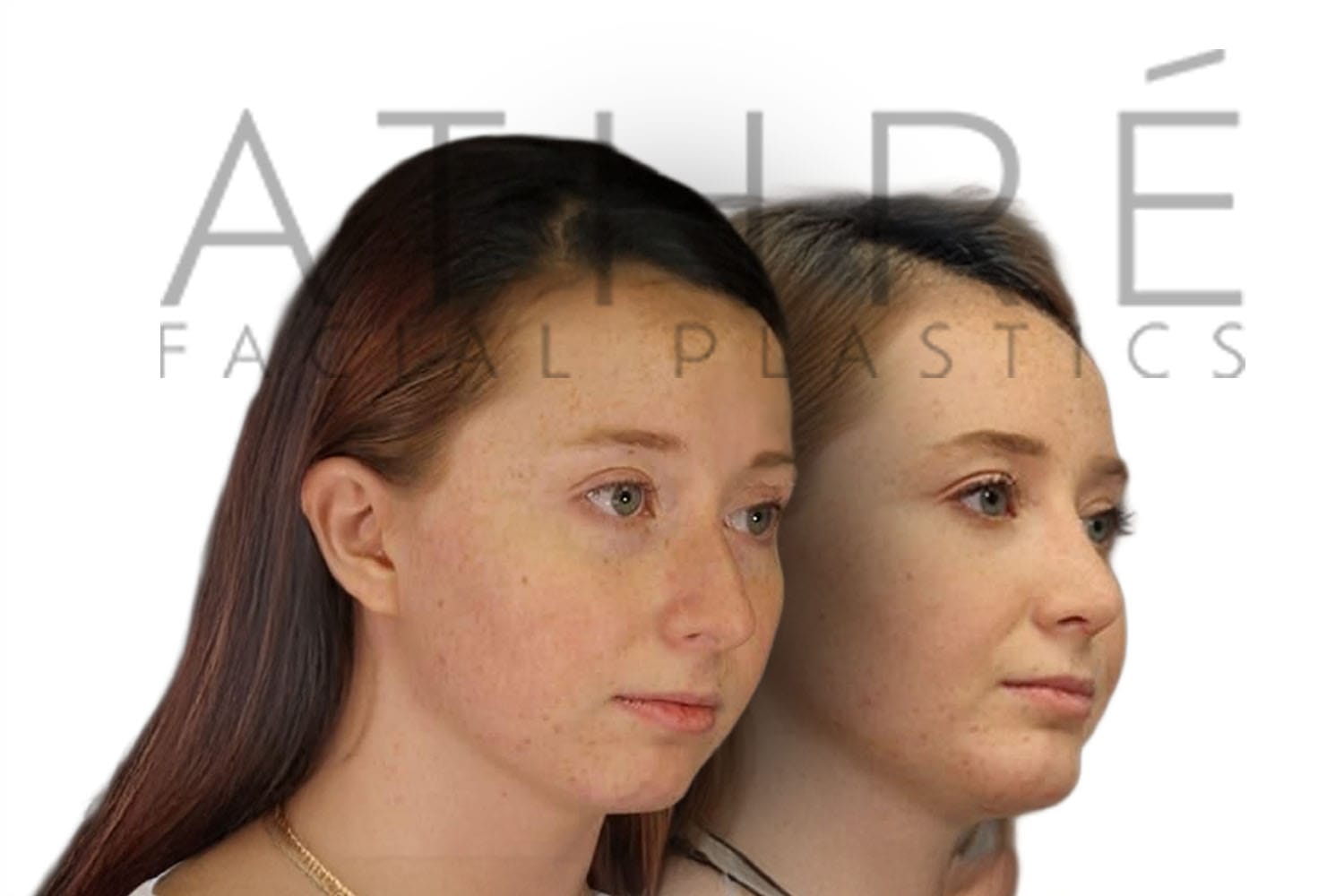
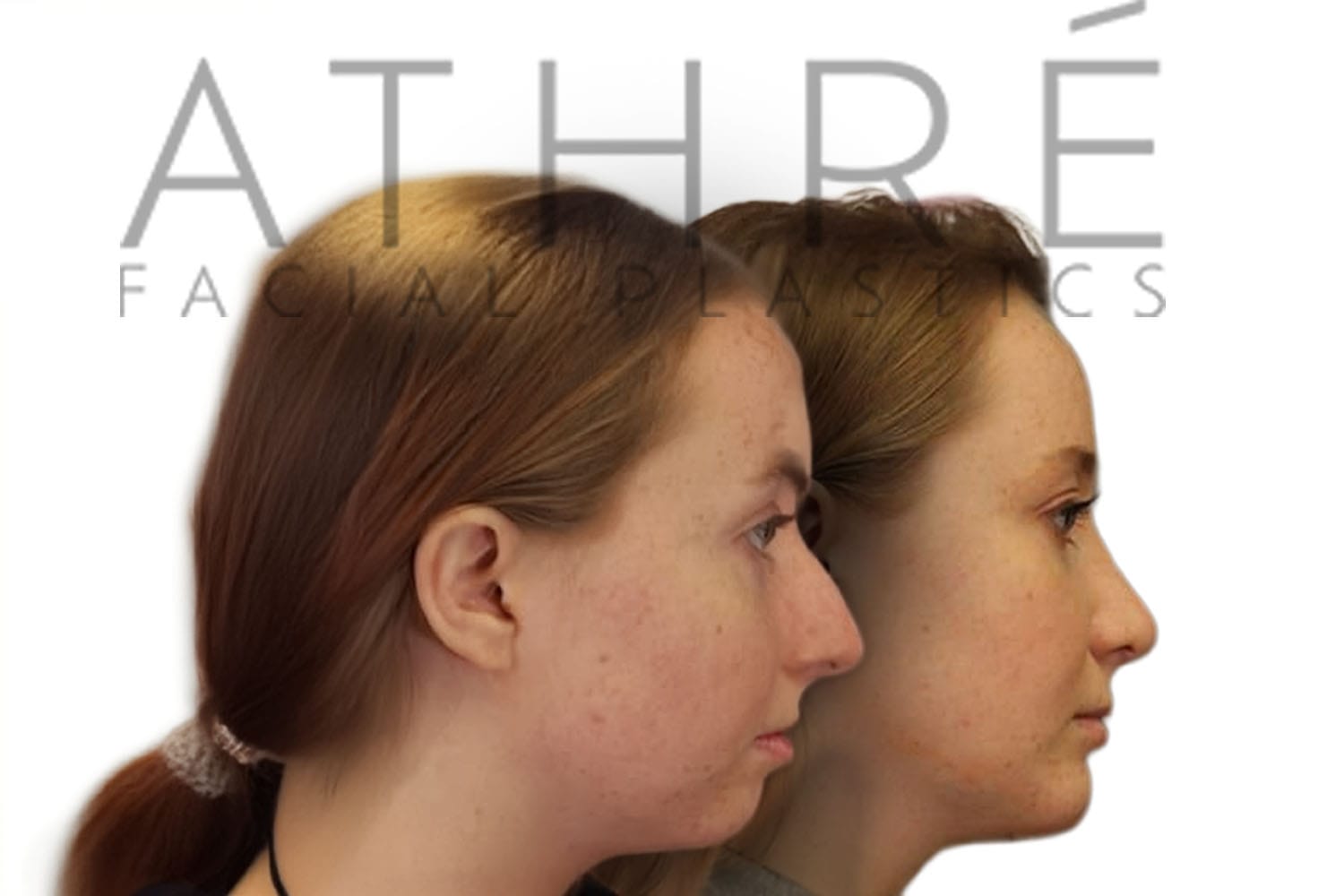
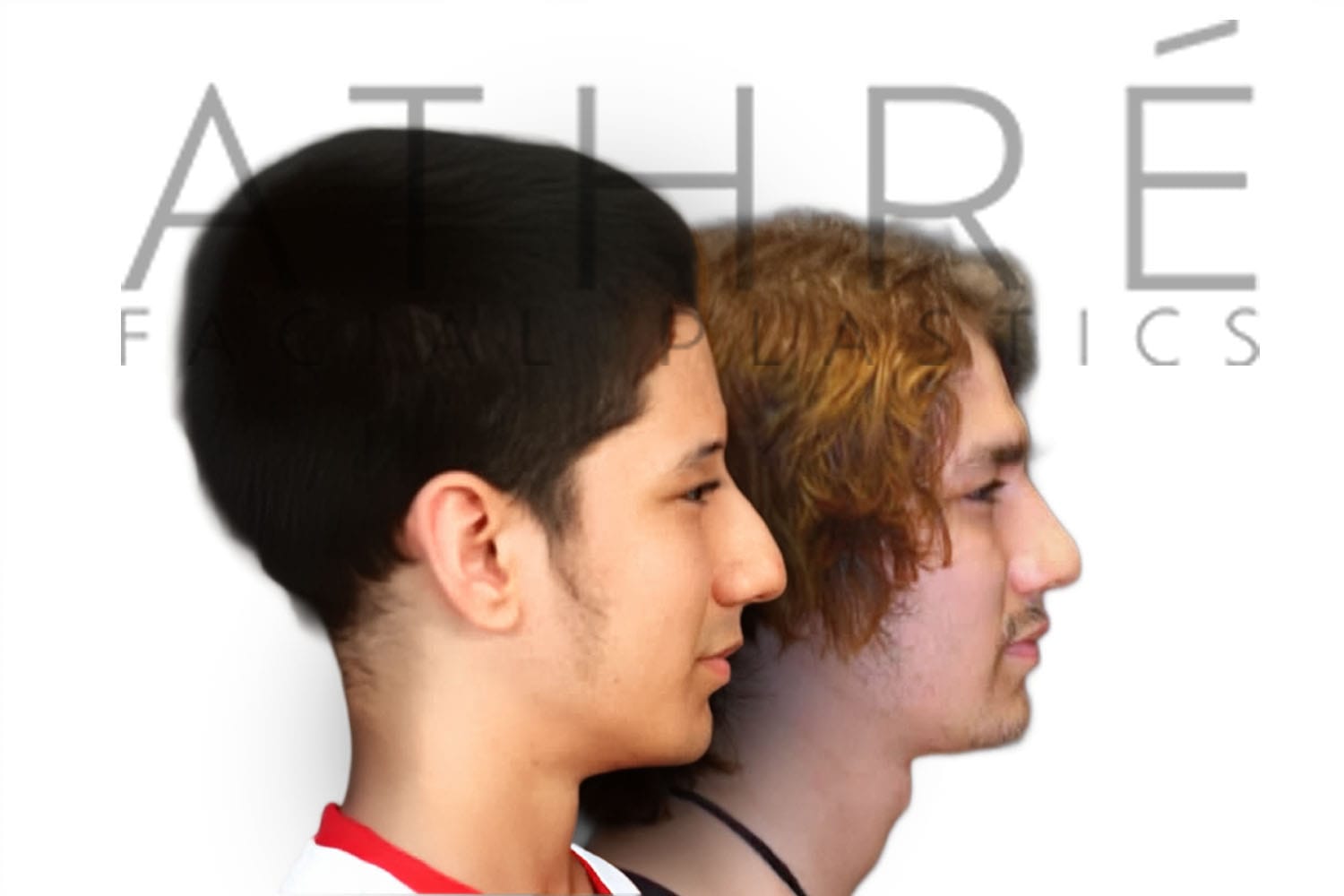
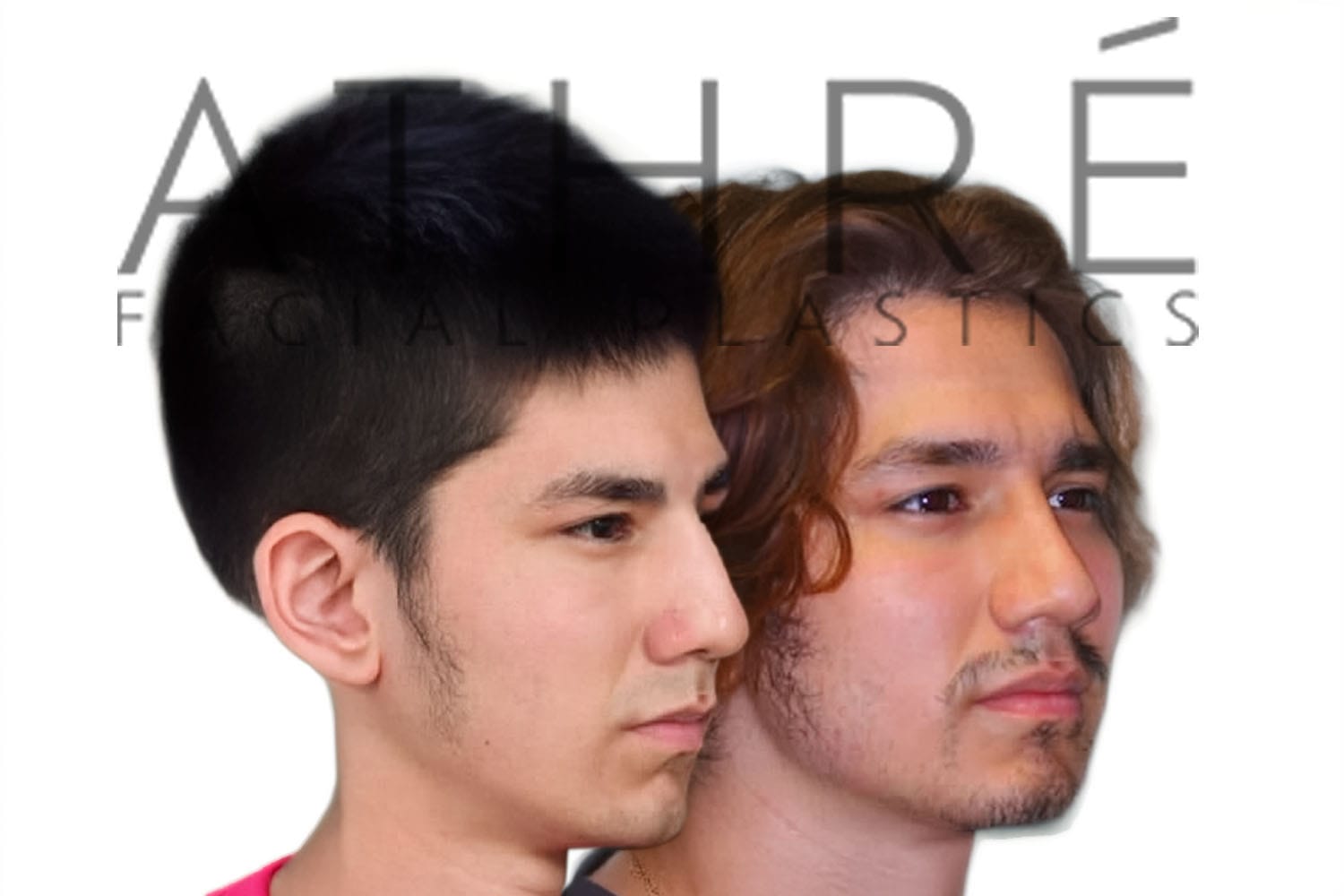
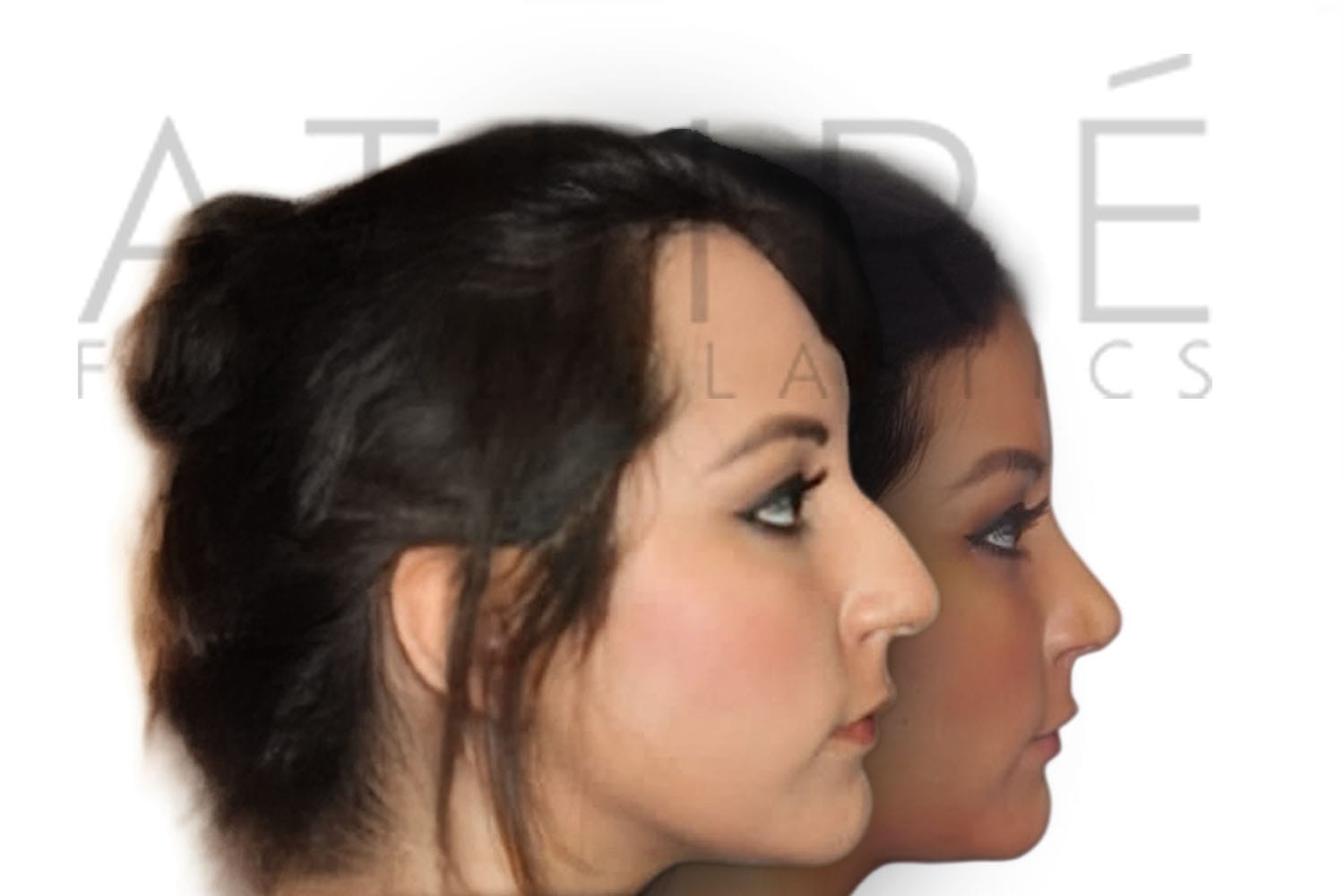
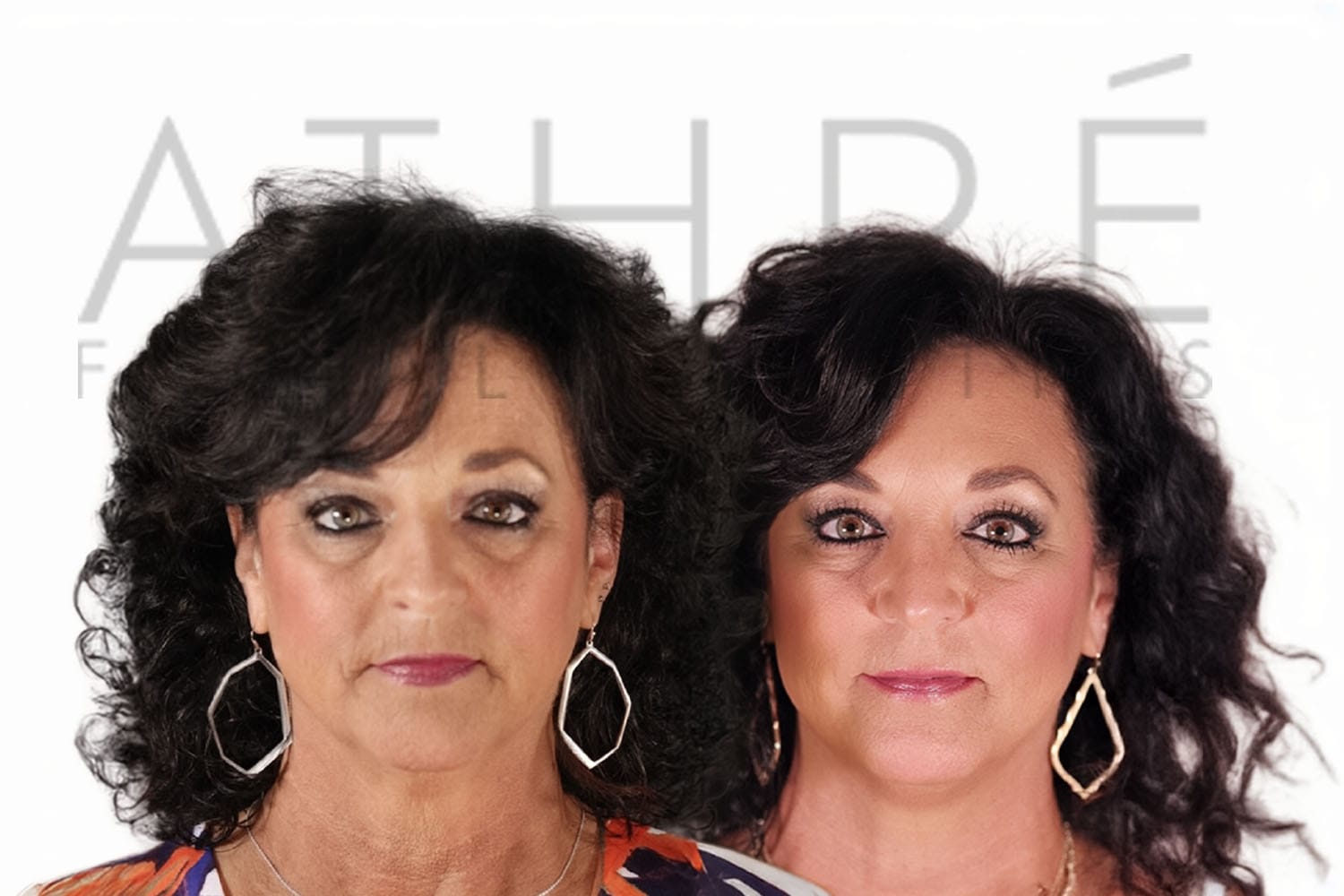
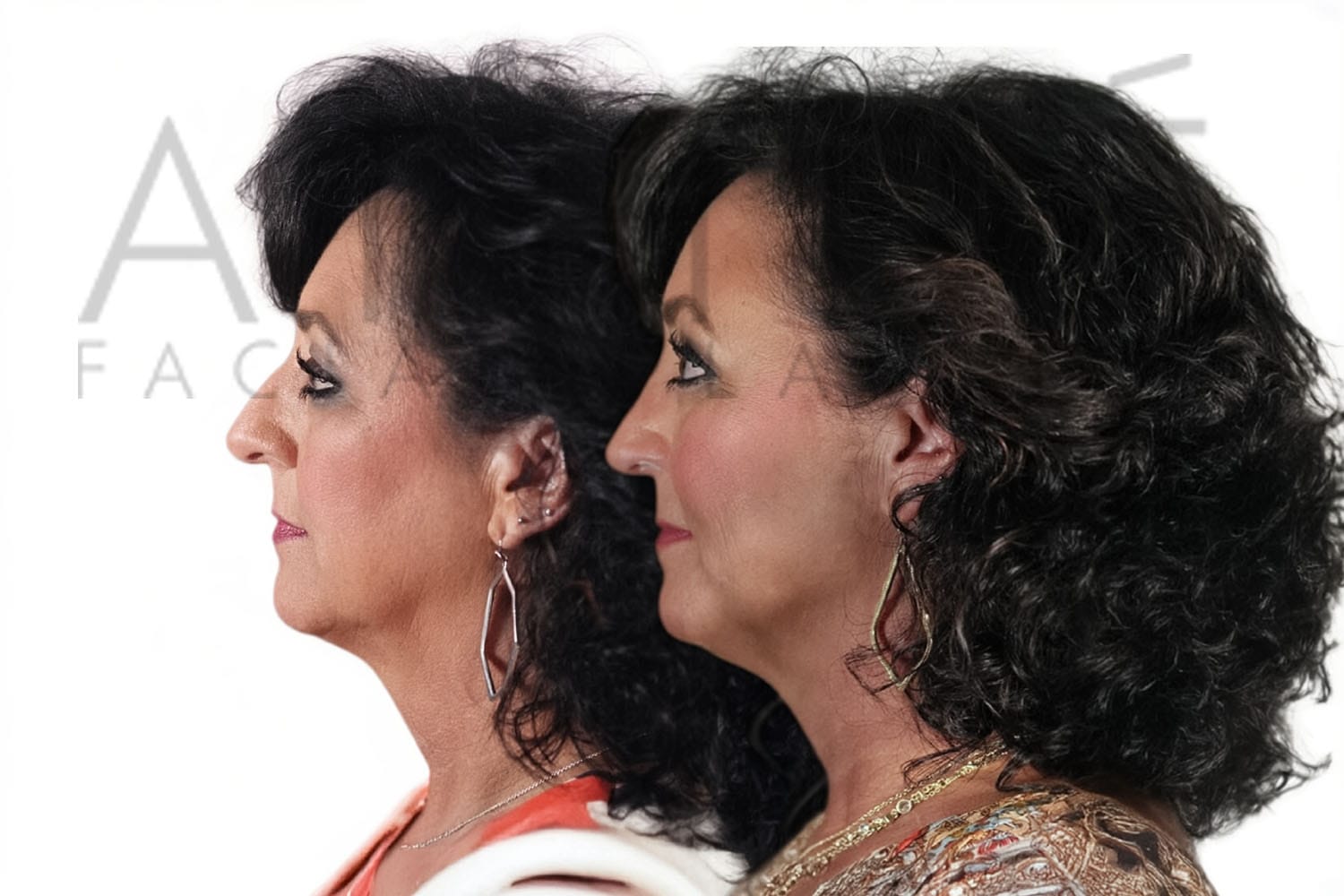
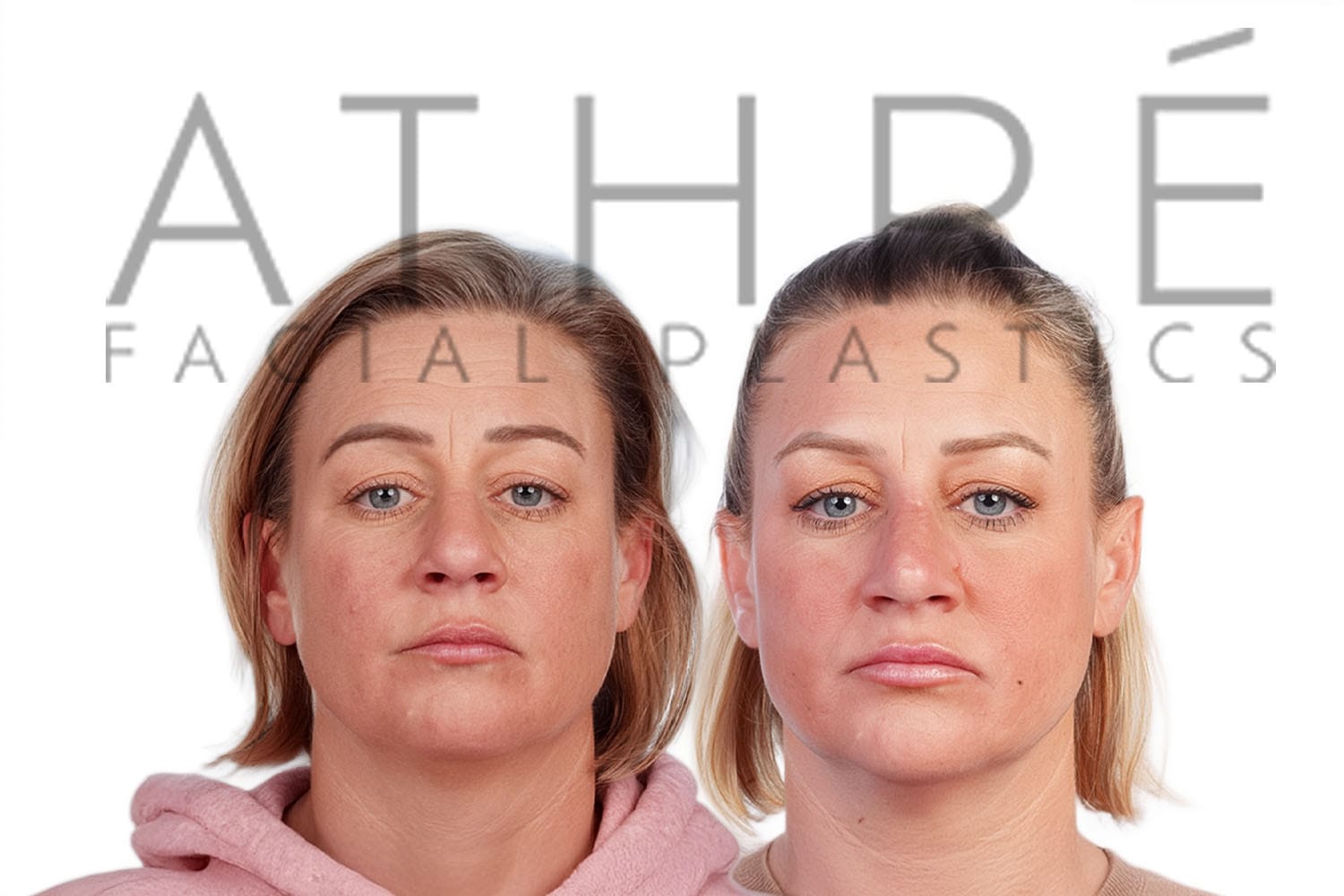
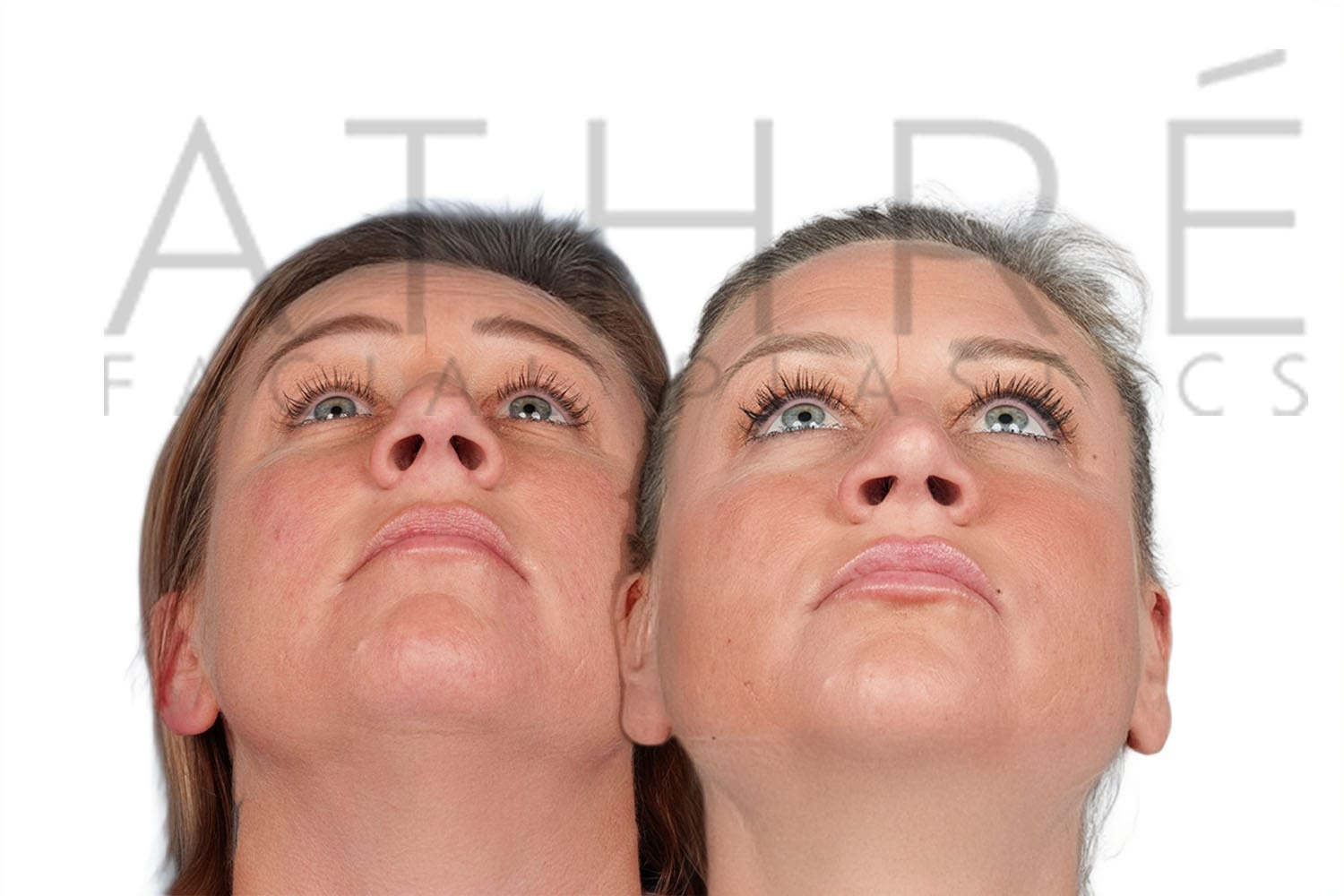
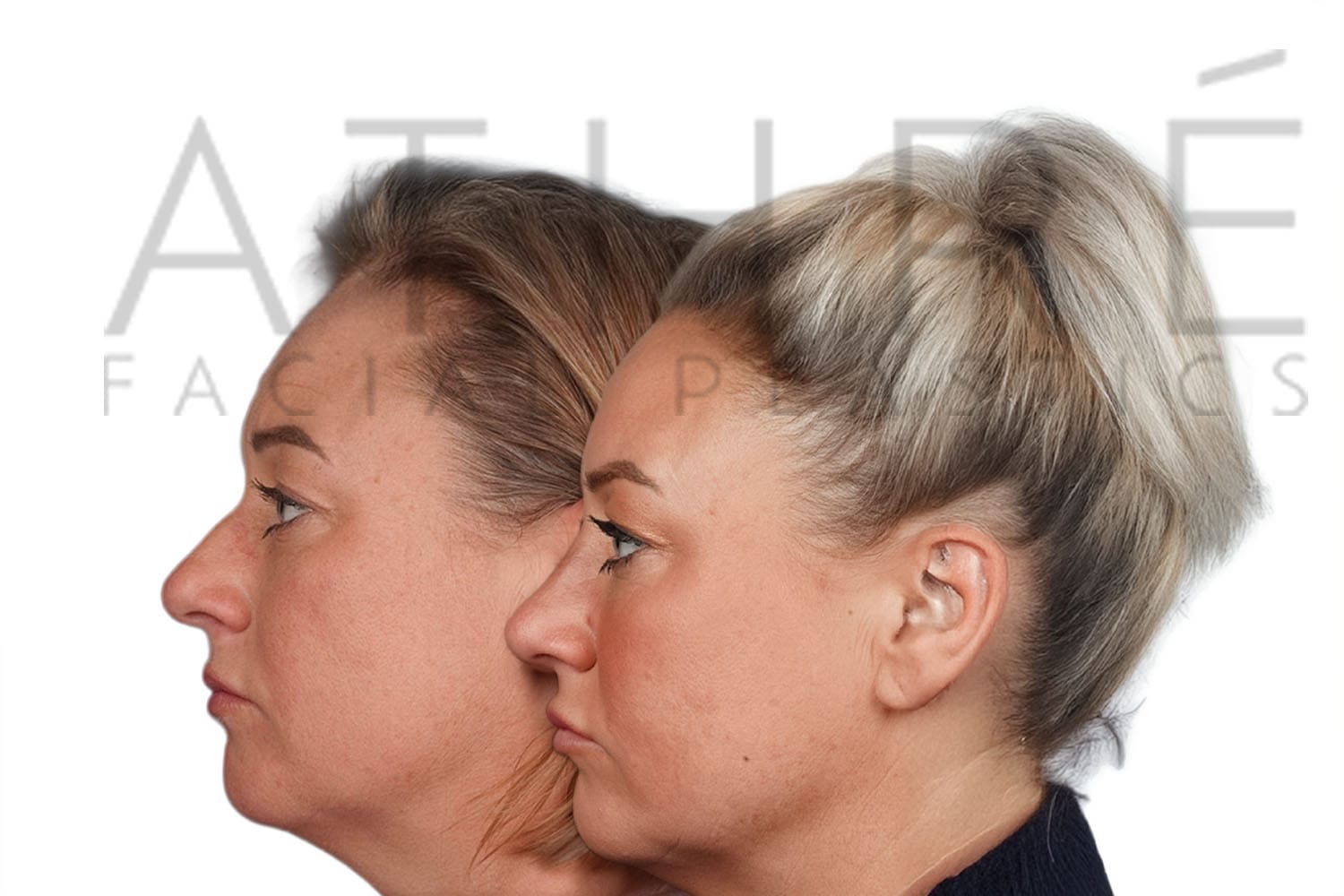
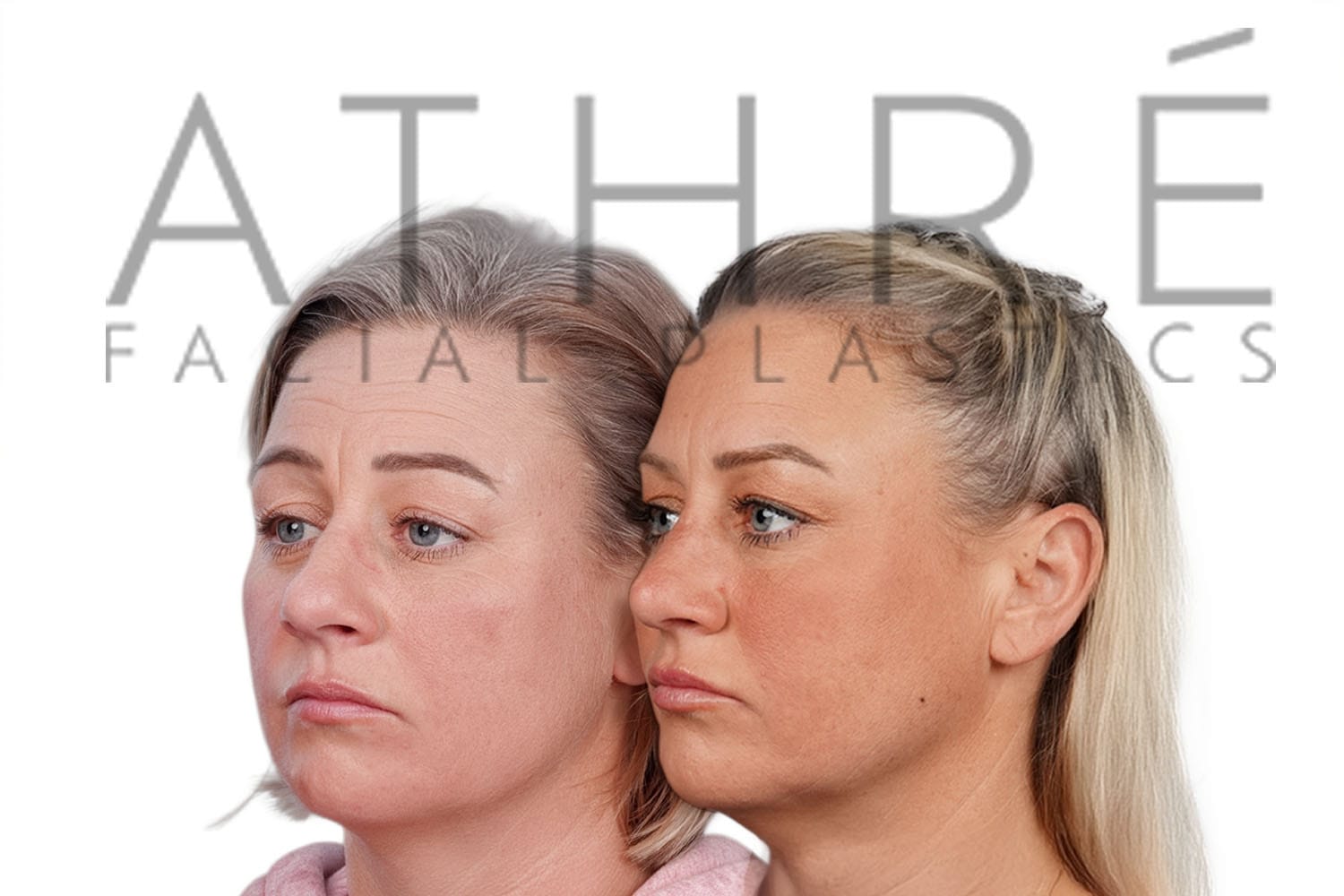
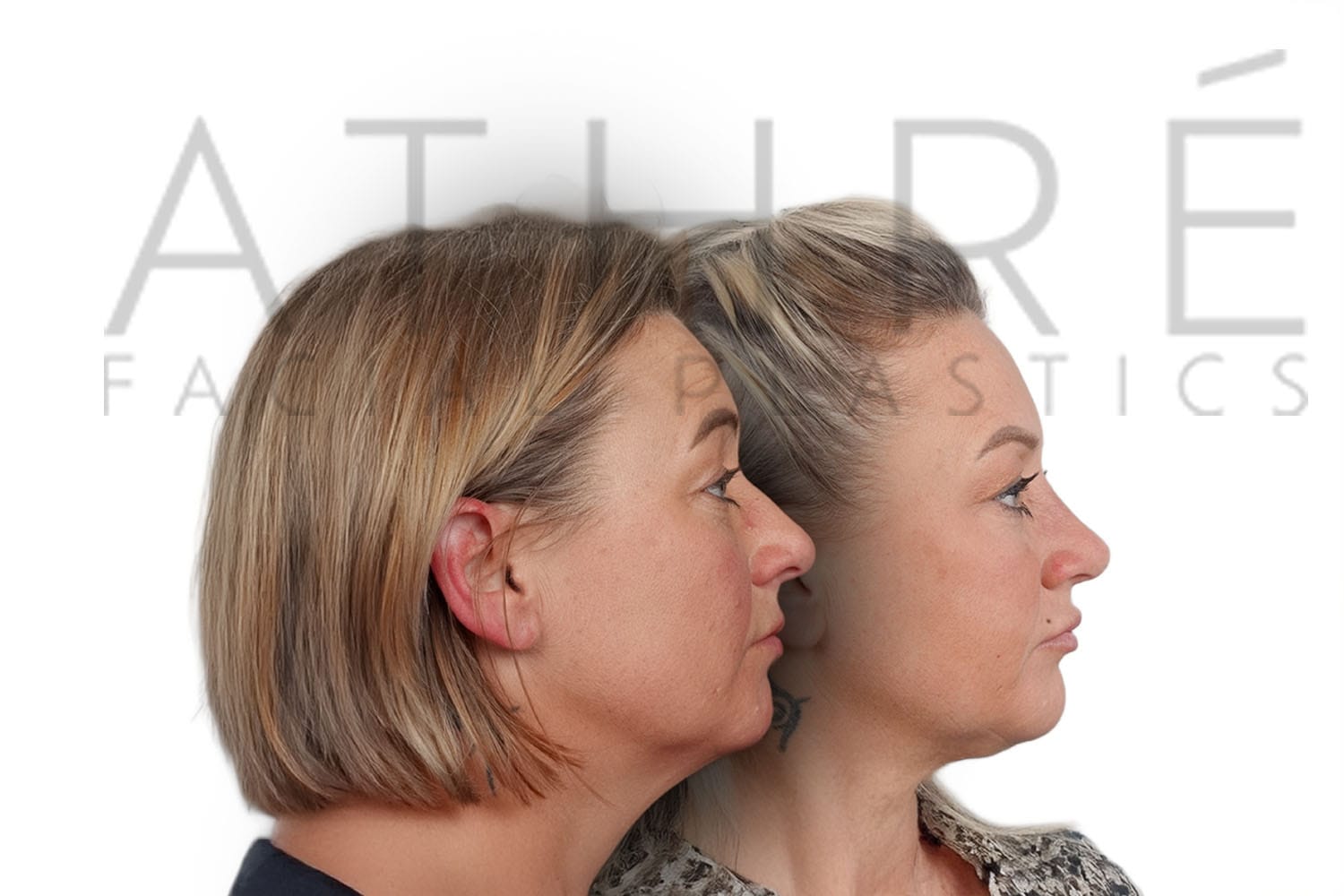
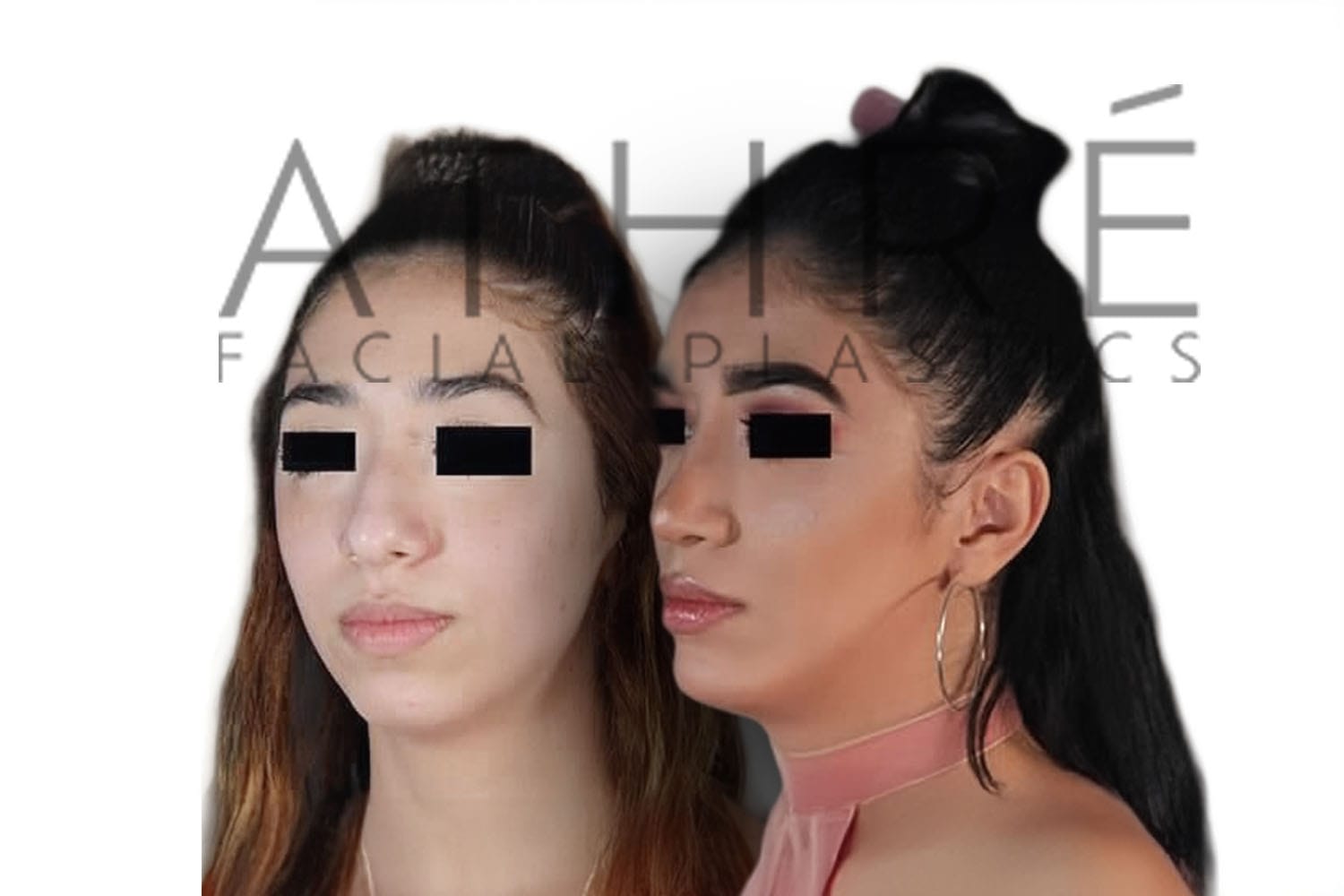
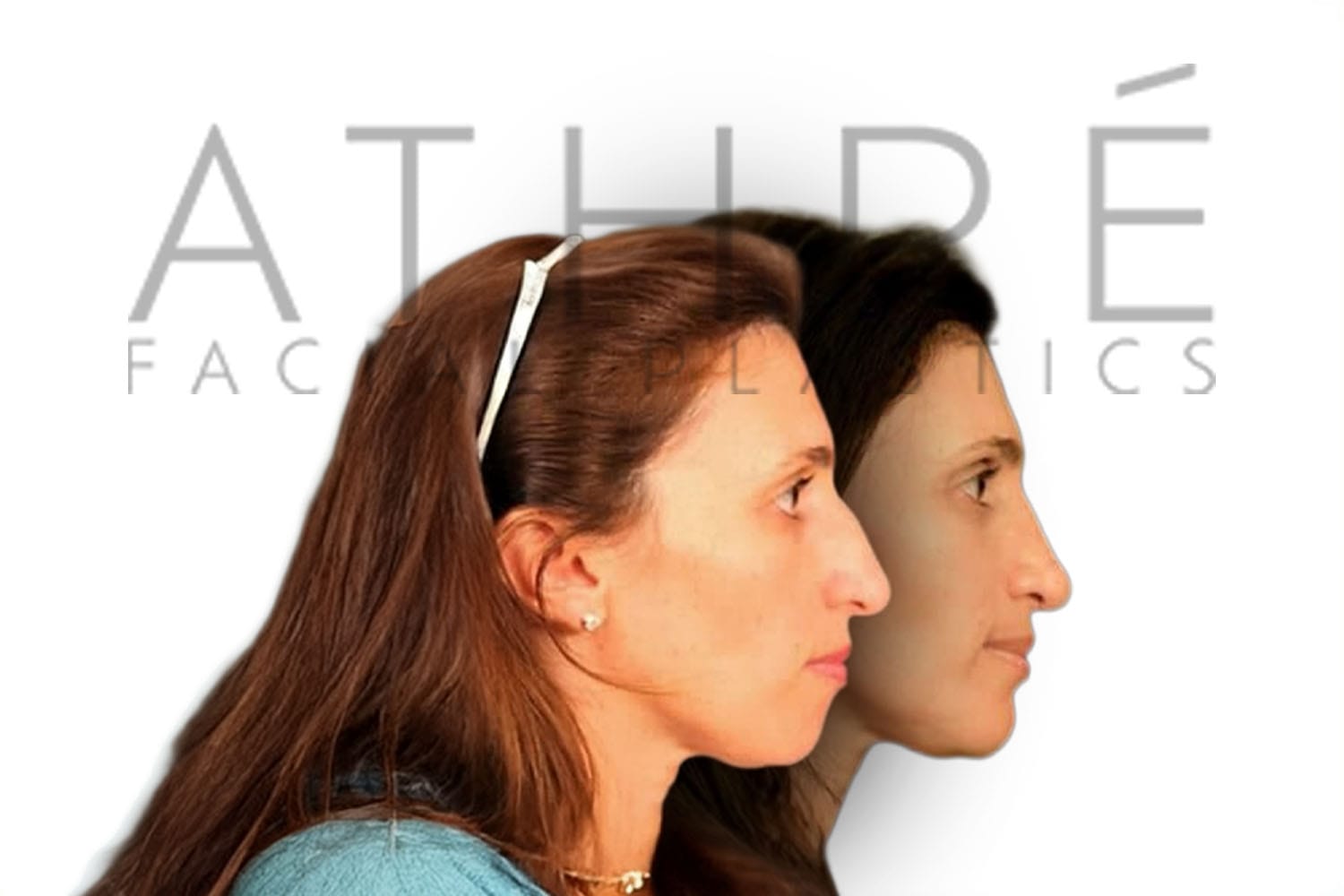
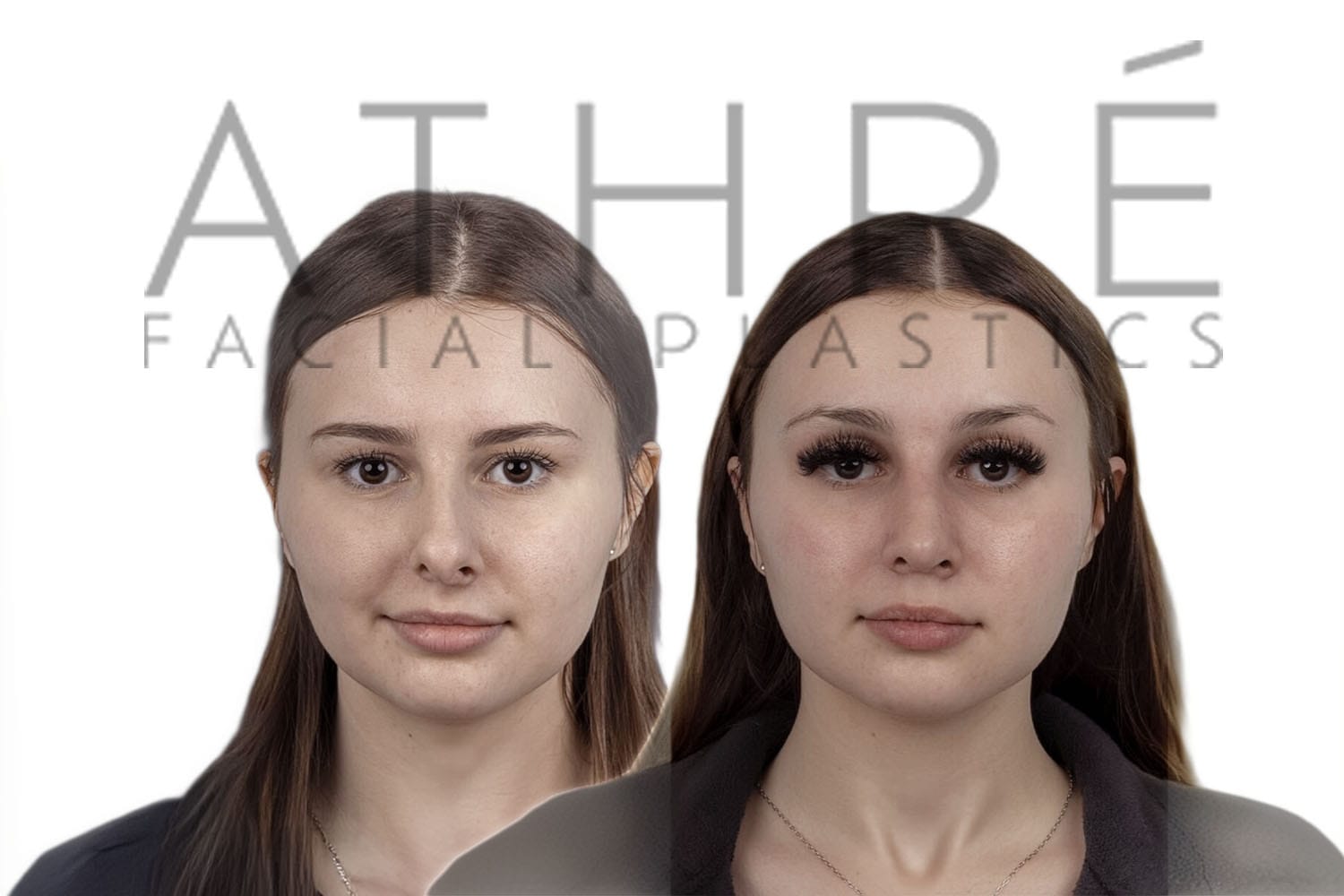
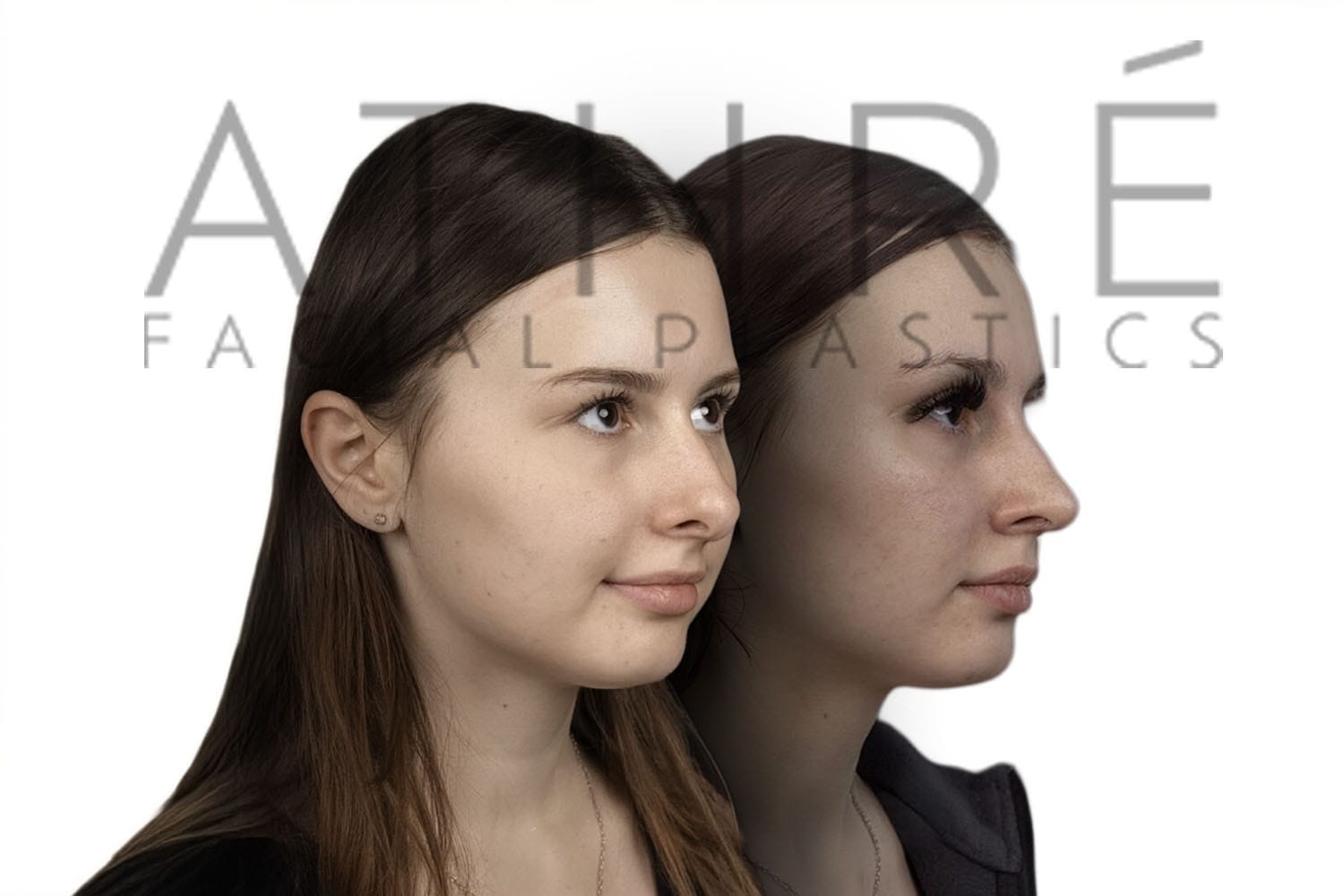
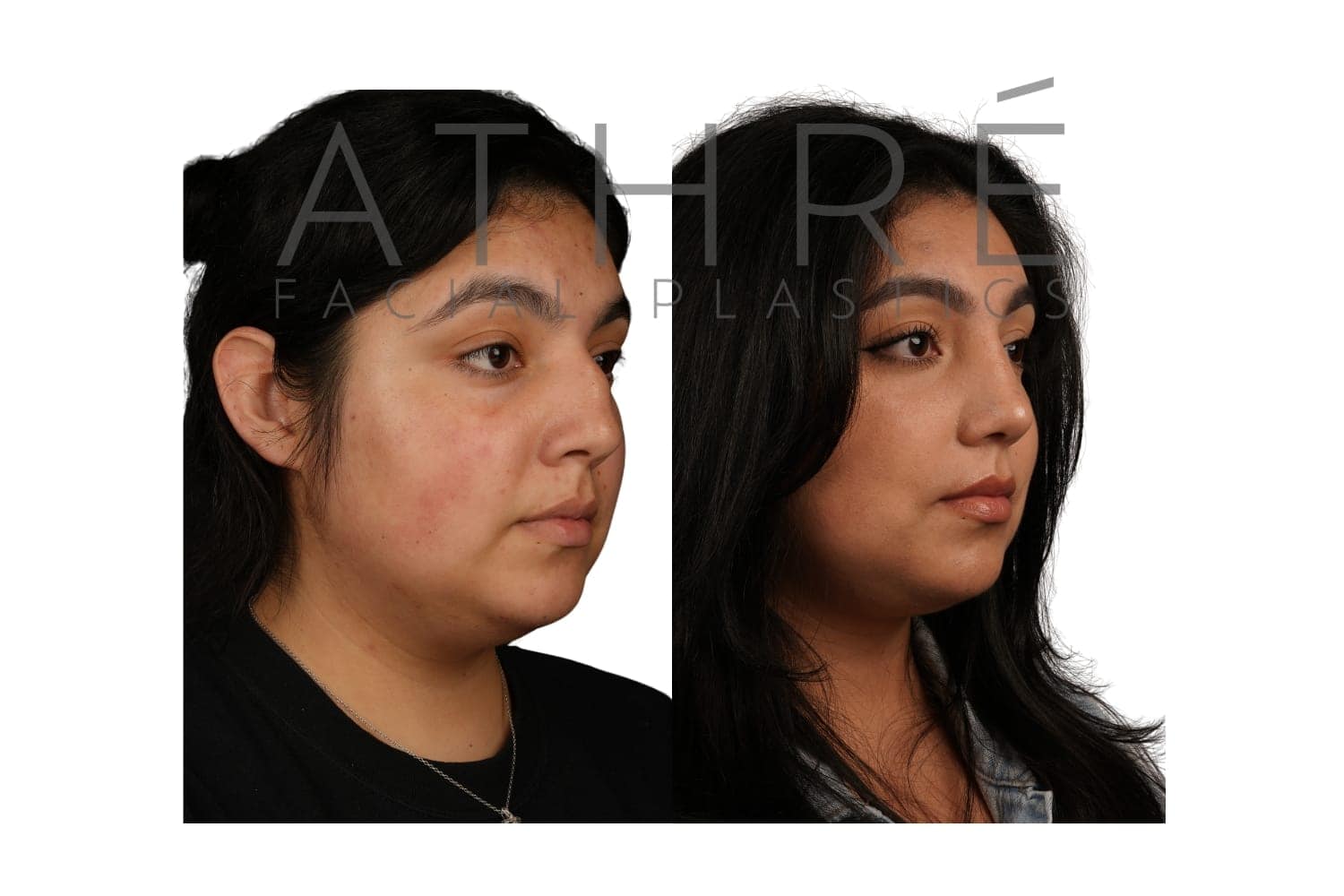
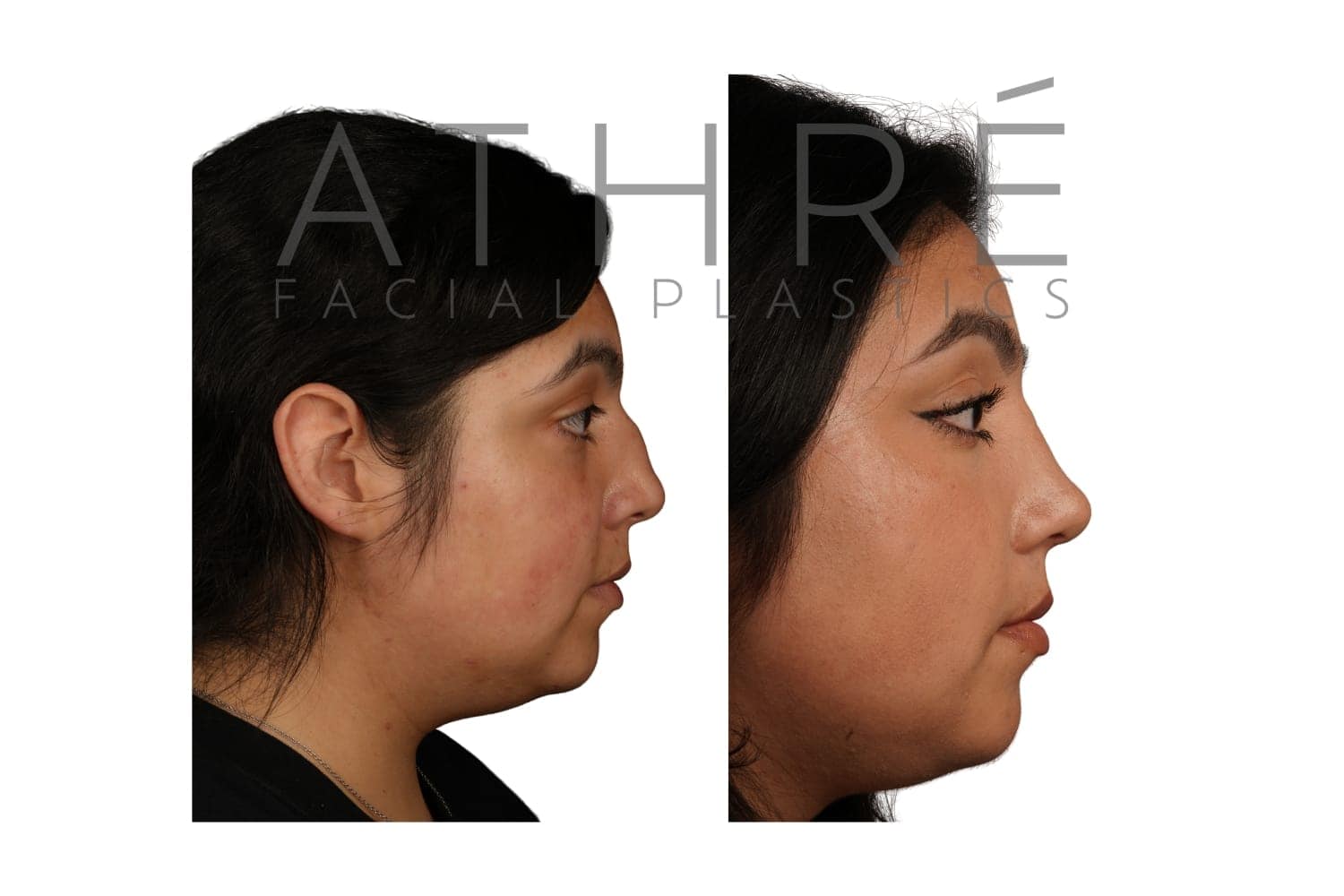
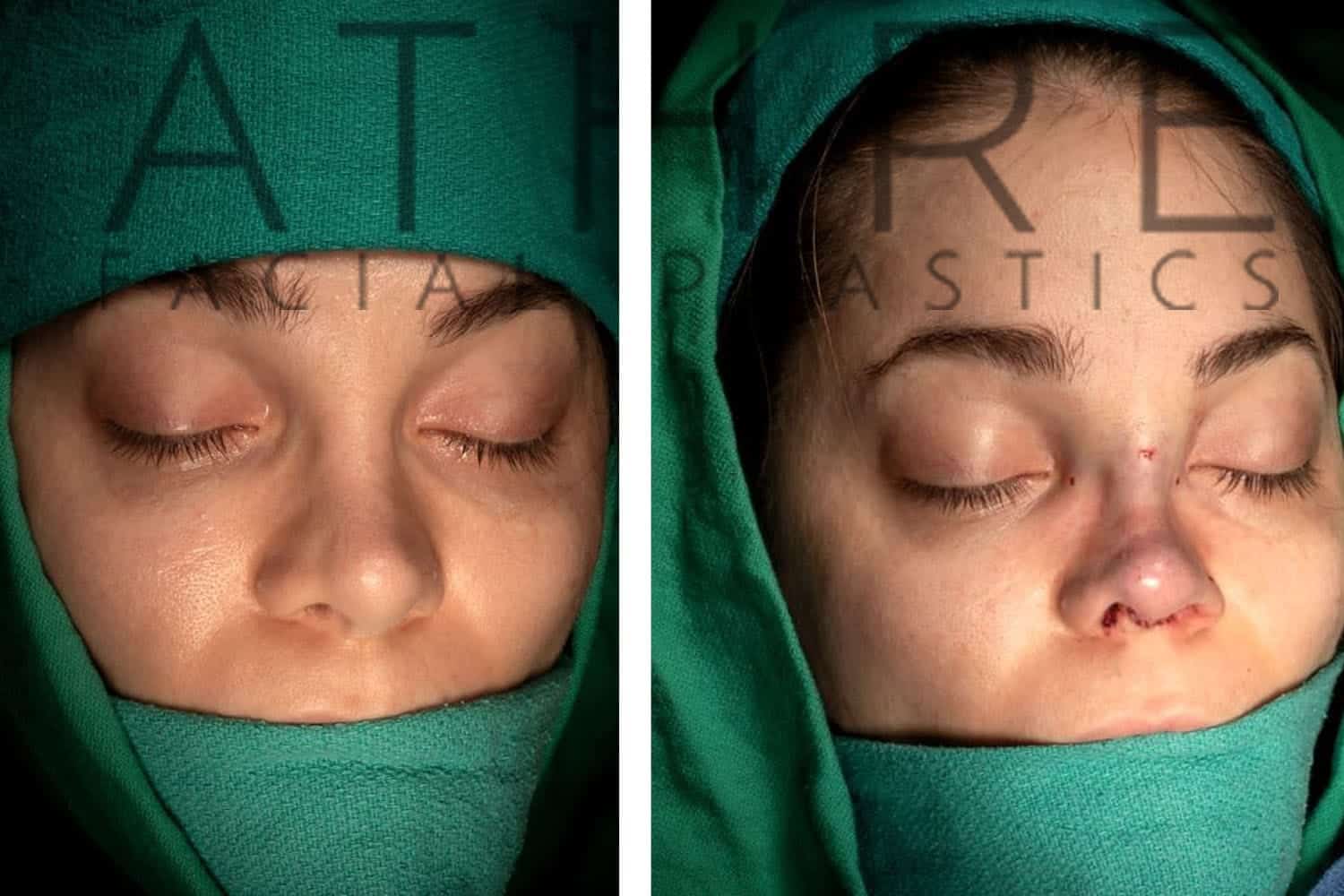
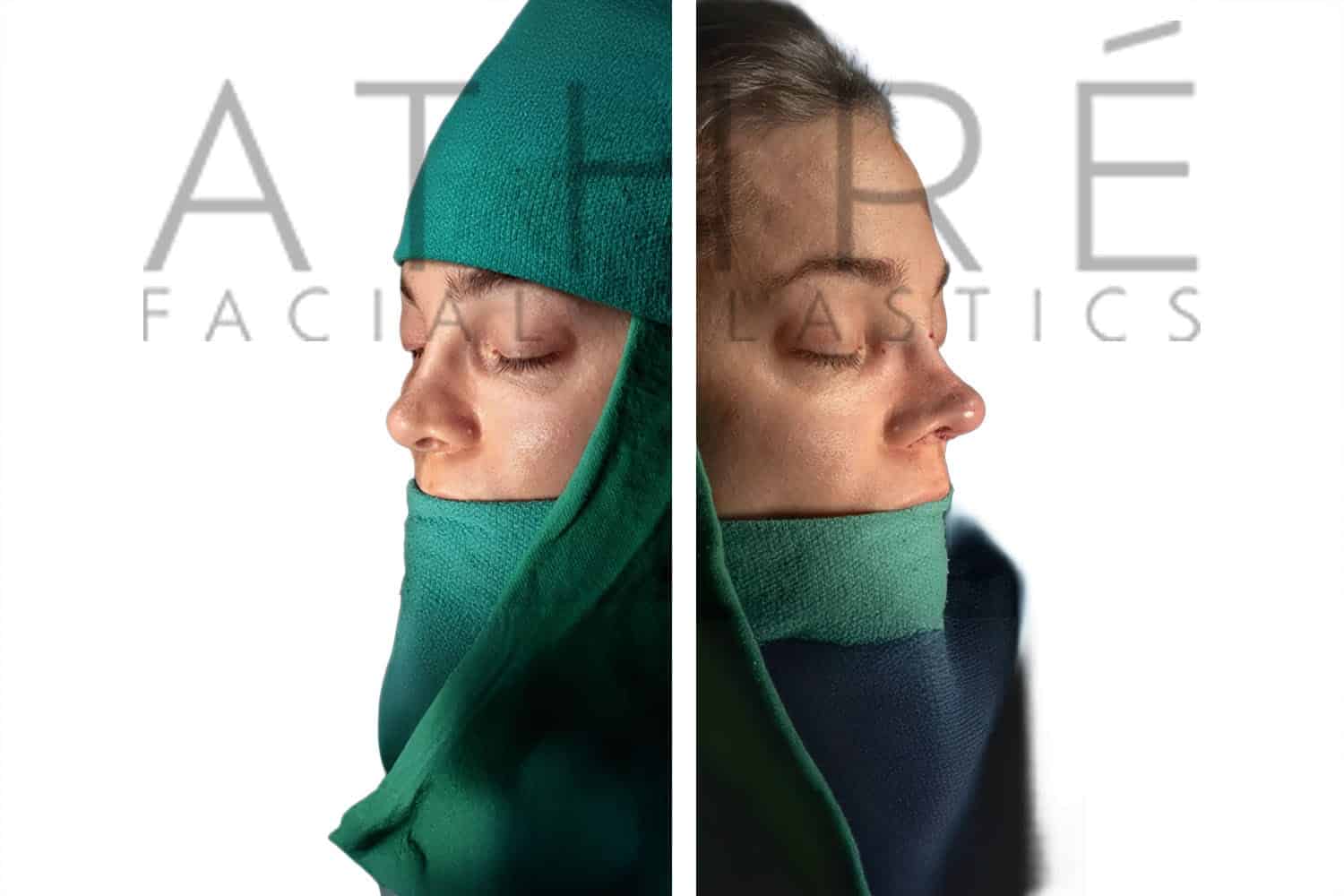
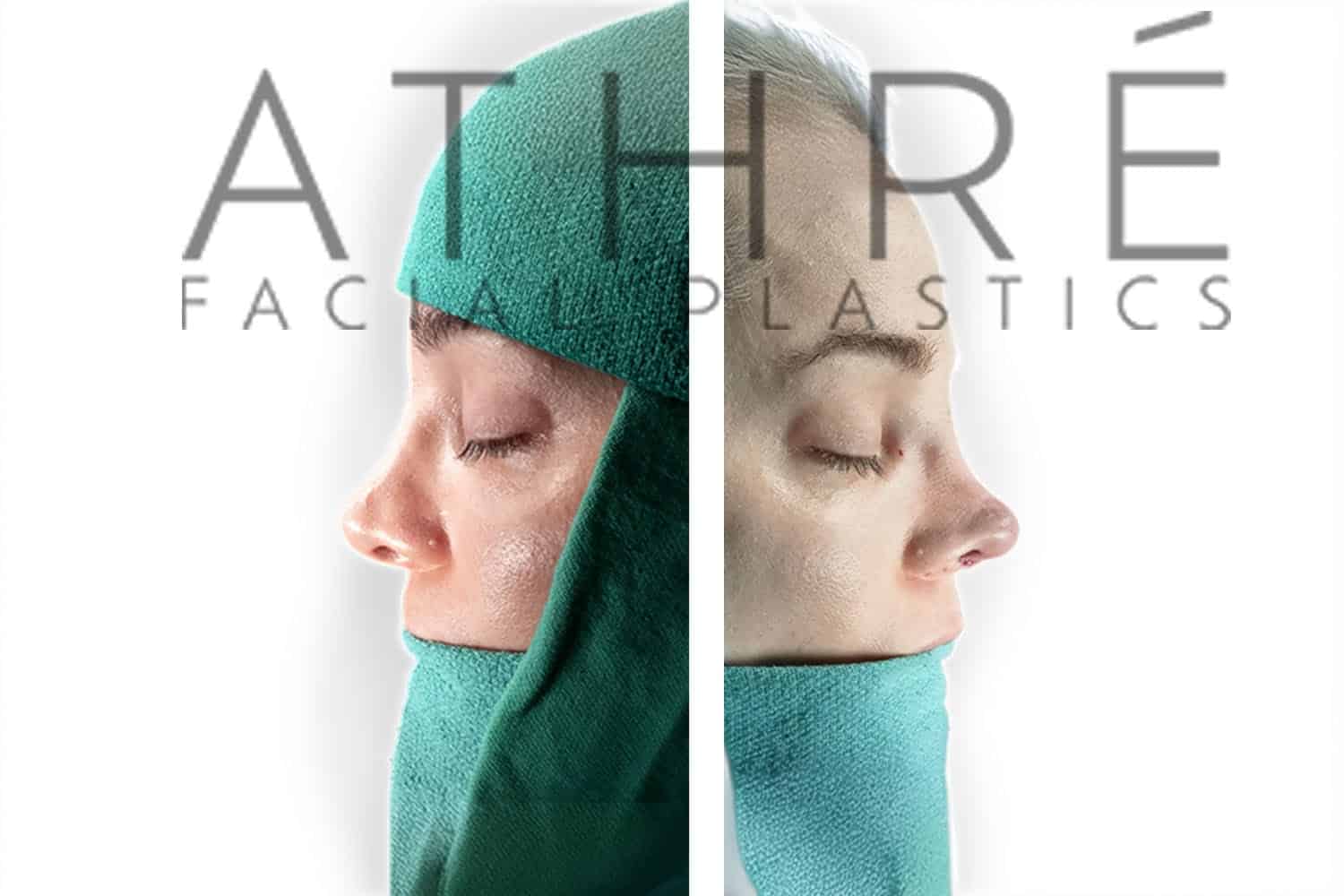
Look at more than one view. From the front, pay attention to width, symmetry and how the tip relates to the rest of the nose. The profile can show changes in projection and the contour of the bridge. Three-quarter views often reveal how those changes come together in a way that neither the front nor profile can show by itself.
Then look at the entire face.
A large change is not necessarily a better result. The nose should remain in proportion with the patient's other features and the result should make sense for that individual's anatomy.
It is also useful to look across several patients rather than searching for one result you would like to copy. Rhinoplasty before and after photographs are most valuable when they show how the operation changes from one patient to another.
FREQUENTLY ASKED
Rhinoplasty Before and After FAQs
Understand nasal proportions, surgical techniques, healing, and what to look for when comparing rhinoplasty results.
What should I look for in rhinoplasty before and after photos?
I encourage patients to look at the nose from several angles rather than focusing on a single profile photograph. From the front, look at width, symmetry and nasal tip definition. The profile shows the bridge, tip projection and rotation. Three-quarter views help demonstrate how everything comes together. A published review of rhinoplasty photography explains why standardized views are important when evaluating surgical changes. What I'm looking for isn't simply a smaller or straighter nose. I want to see whether the nose looks more balanced within the patient's face.
Why is consistent photography important when comparing rhinoplasty results?
The nose can look surprisingly different depending on the camera angle, lighting, distance and position of the head. Even a slight change in head rotation can affect how the bridge or tip appears. Before and after photographs are most useful when those conditions remain consistent. A clinical review of rhinoplasty photography and documentation emphasizes standardized photographic techniques for surgical planning and outcome evaluation. I want patients to compare the actual anatomy rather than changes created by the photographs themselves.
Why do changes in nasal tip position make such a difference?
The nasal tip has a significant influence on how the entire nose looks. Projection describes how far the tip extends from the face, while rotation describes its upward or downward position. A small adjustment can change the apparent length of the nose and its relationship with the upper lip. Several patients in this gallery underwent tip refinement, deprojection or subtle tip rotation rather than simply having the bridge reduced. A study using FACE-Q rhinoplasty outcome measures found that the nasal tip was an important area of patient satisfaction and dissatisfaction. I evaluate tip position in relation to the patient's entire facial profile.
What is dorsal preservation rhinoplasty, and why is it used in these cases?
Dorsal preservation rhinoplasty is an approach that aims to maintain more of the nose's natural bridge anatomy while changing its contour. Instead of removing and reconstructing the bridge in the traditional way, selected preservation techniques reposition or reshape the existing structure. I use this approach when the patient's anatomy makes it appropriate. A 2025 systematic review comparing preservation and traditional dorsal reduction found favorable outcomes with both techniques, with different advantages and limitations. Preservation isn't automatically better for every nose. The technique needs to follow the anatomy and the result we're trying to achieve.
Does ultrasonic rhinoplasty produce a different-looking result?
Ultrasonic rhinoplasty refers to the use of piezoelectric instruments when working with nasal bone. It allows controlled bone cutting and reshaping, but it doesn't determine how the finished nose should look. The result still depends on surgical planning, anatomy and the techniques used to shape and support the nose. A 2026 systematic review of randomized trials comparing ultrasonic and conventional techniques found reductions in certain early postoperative swelling, bruising and pain measurements with ultrasonic techniques. Those findings concern recovery, not a guarantee of a particular appearance. I use technology to help accomplish the surgical plan, not as a substitute for planning.
How long after rhinoplasty should before and after photographs be taken?
Rhinoplasty healing happens in stages. The initial swelling improves relatively quickly, but the nasal tip and surrounding tissues can continue to change for many months. A three-dimensional study measuring rhinoplasty swelling over one year found that approximately 95% of measured postoperative edema had resolved by six months and 97.5% by one year in the patients studied. That doesn't mean every nose heals on exactly that schedule, particularly when skin thickness or revision surgery complicates recovery. I encourage patients to consider the timing of the photographs rather than treating an early result as the final result.
Can rhinoplasty before and after photographs show whether breathing improved?
Not reliably. Photographs can show changes in nasal shape, but they cannot tell you how well air moves through the nose. A nose can look straighter without necessarily having better internal airflow. I evaluate breathing separately, including the septum, nasal valves and other structures that may contribute to obstruction. A clinical review of nasal obstruction outcome measurements explains why patient-reported breathing symptoms and functional assessments are important. Cosmetic improvement and breathing function should both be considered, but one cannot be assumed from the other.
How should I evaluate ethnic rhinoplasty before and after results?
I don't believe rhinoplasty should make every patient's nose conform to the same ideal. Nasal anatomy varies considerably, and patients have different preferences about which features they want to preserve or change. When reviewing ethnic rhinoplasty results, look at whether the nose appears natural within the face rather than whether it resembles someone else's nose. A clinical review of ethnically sensitive rhinoplasty emphasizes understanding the patient's goals, anatomical characteristics and cultural preferences. The goal is to make thoughtful changes while respecting the features that are important to the patient.
Why are revision rhinoplasty results different from primary rhinoplasty results?
In primary rhinoplasty, I'm working with a nose that has not previously undergone cosmetic nasal surgery. Revision rhinoplasty is different because the original cartilage, bone and supporting tissues may have been changed. Scar tissue and altered structural support can make the correction more complicated. A study comparing primary and revision rhinoplasty patients identified differences in nasal anatomy and patient satisfaction between the two groups. Both types of surgery can produce meaningful improvement, but I don't evaluate a revision result using exactly the same expectations as a primary rhinoplasty.
Can another patient's rhinoplasty result predict what my nose will look like?
No. I can use before and after photographs to explain what I've accomplished in other patients, but I can't promise that the same changes will produce the same appearance in your nose. Skin thickness, cartilage strength, facial proportions, previous trauma and individual healing all affect the result. Even computer imaging is a planning and communication tool rather than a guarantee. A prospective study comparing rhinoplasty simulations with postoperative photographs found that predicted images were not consistently identical to actual results. I want patients to understand what is realistically achievable with their own anatomy rather than choose someone else's nose from a gallery.