Facelift Before & After Results
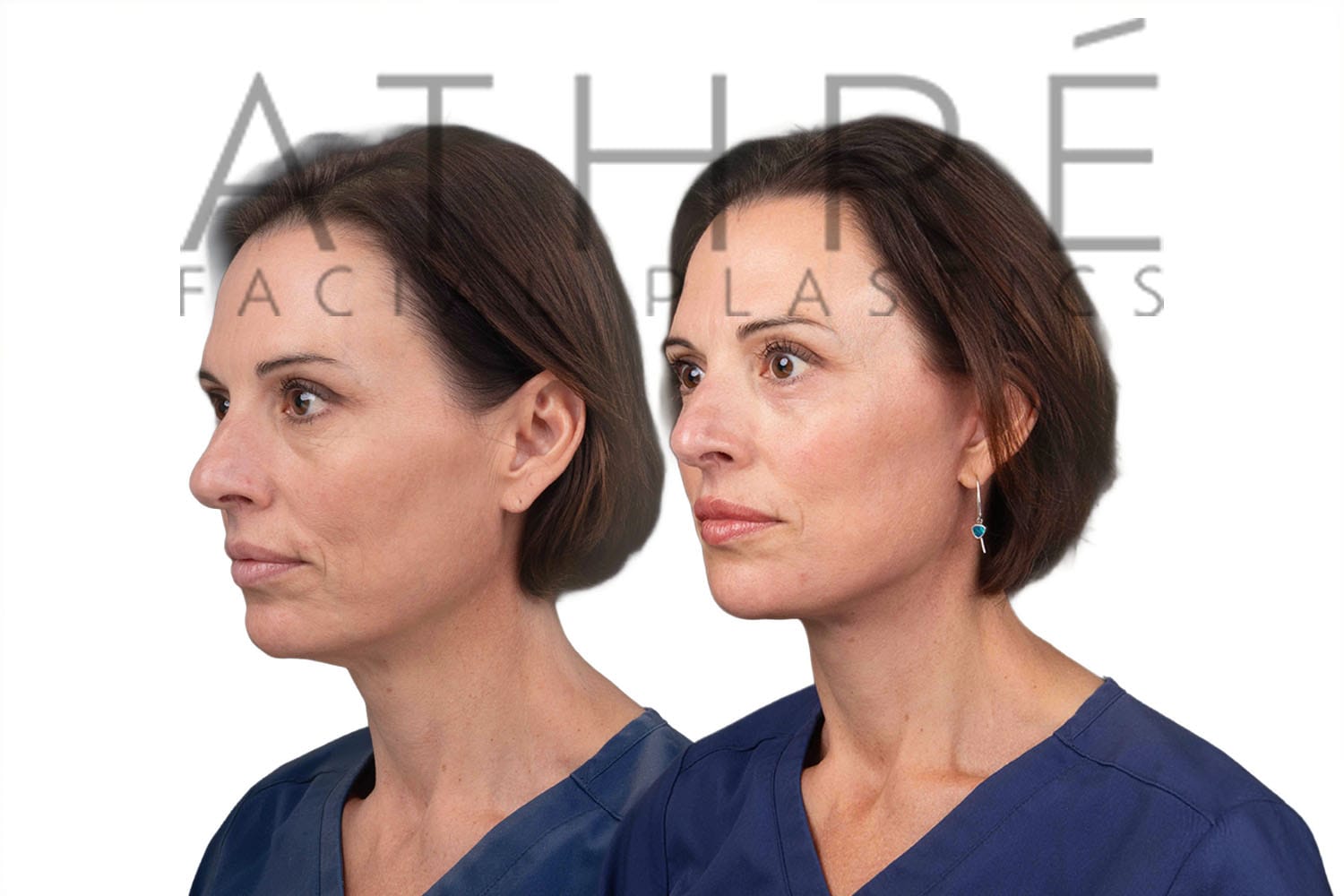
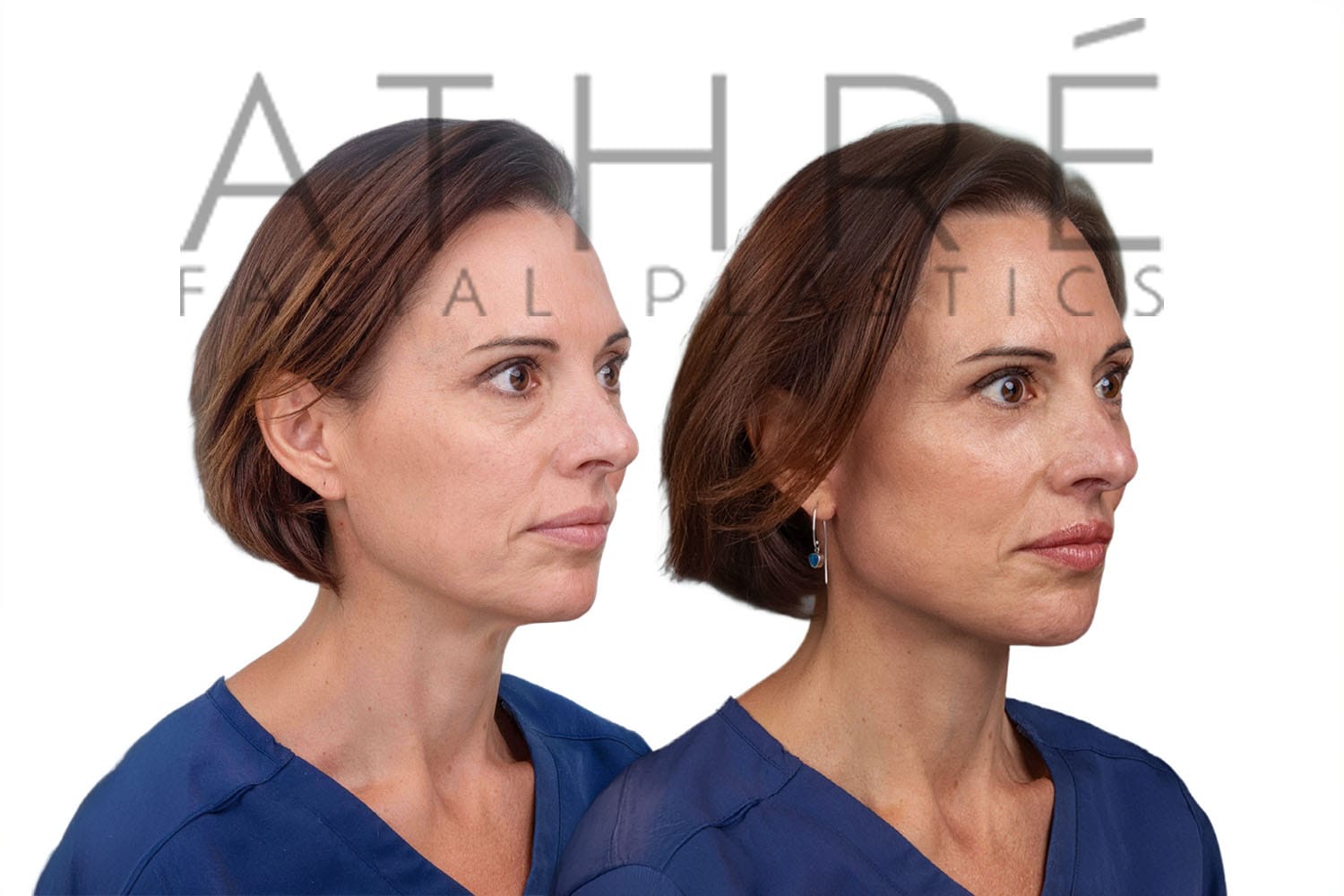
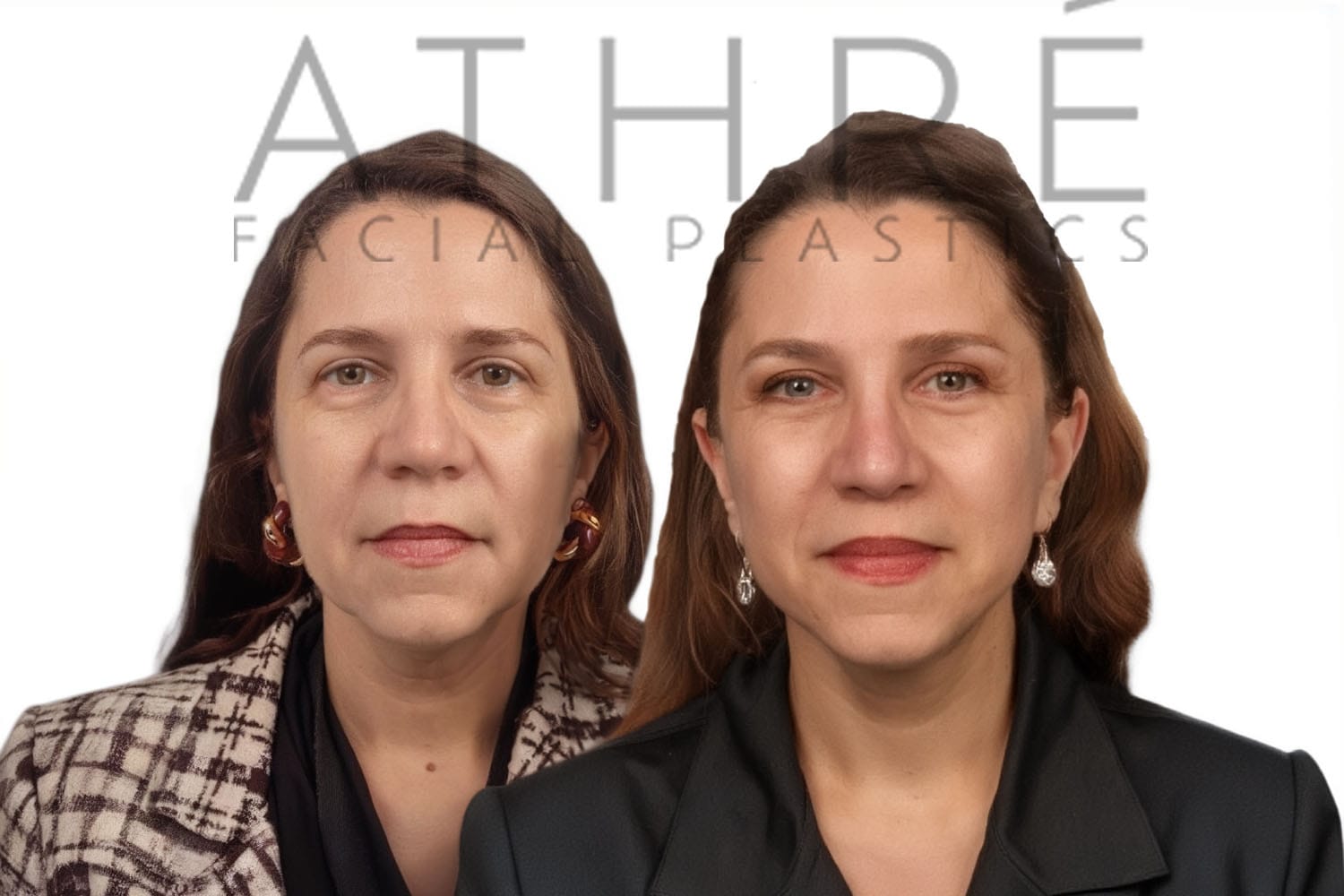
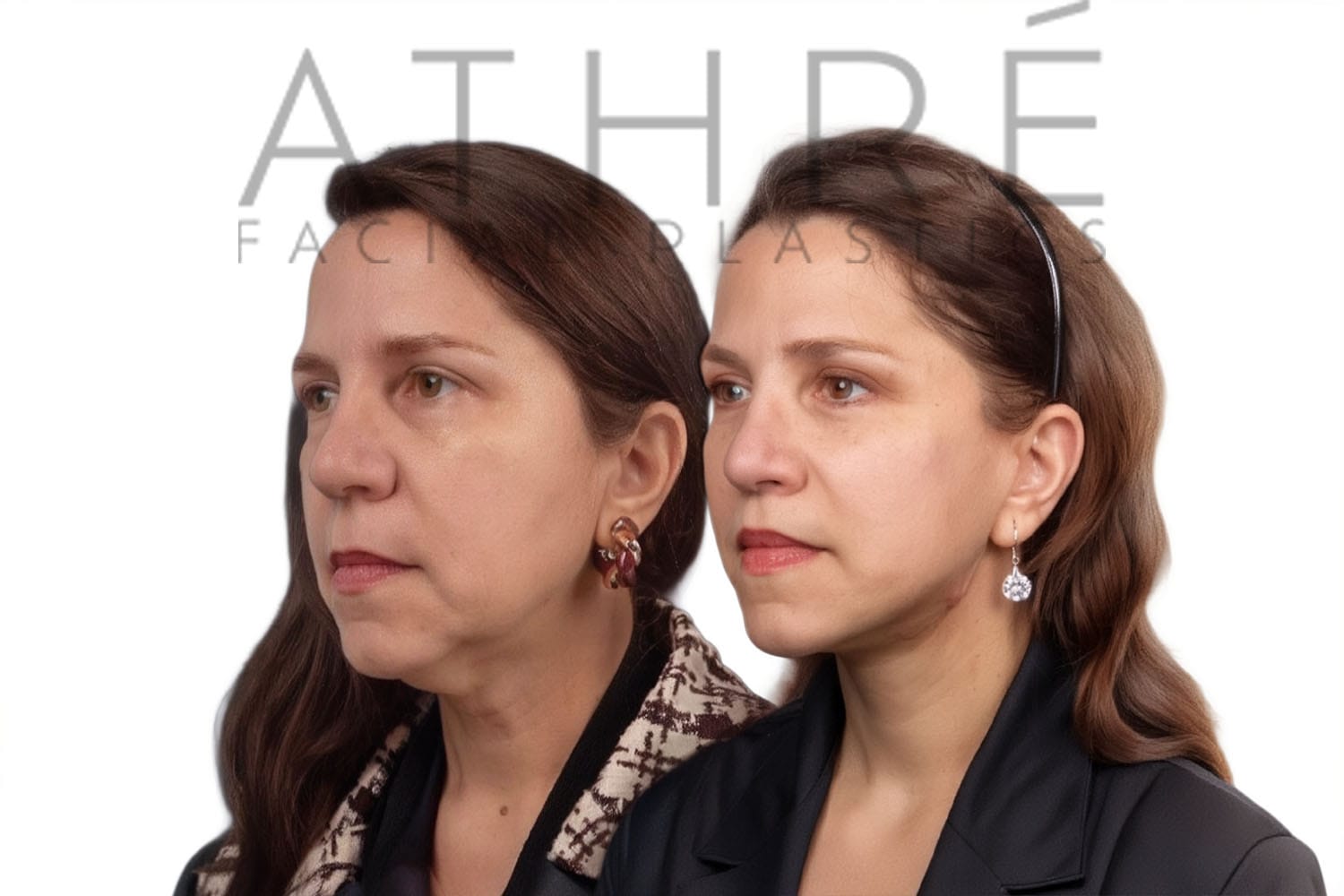
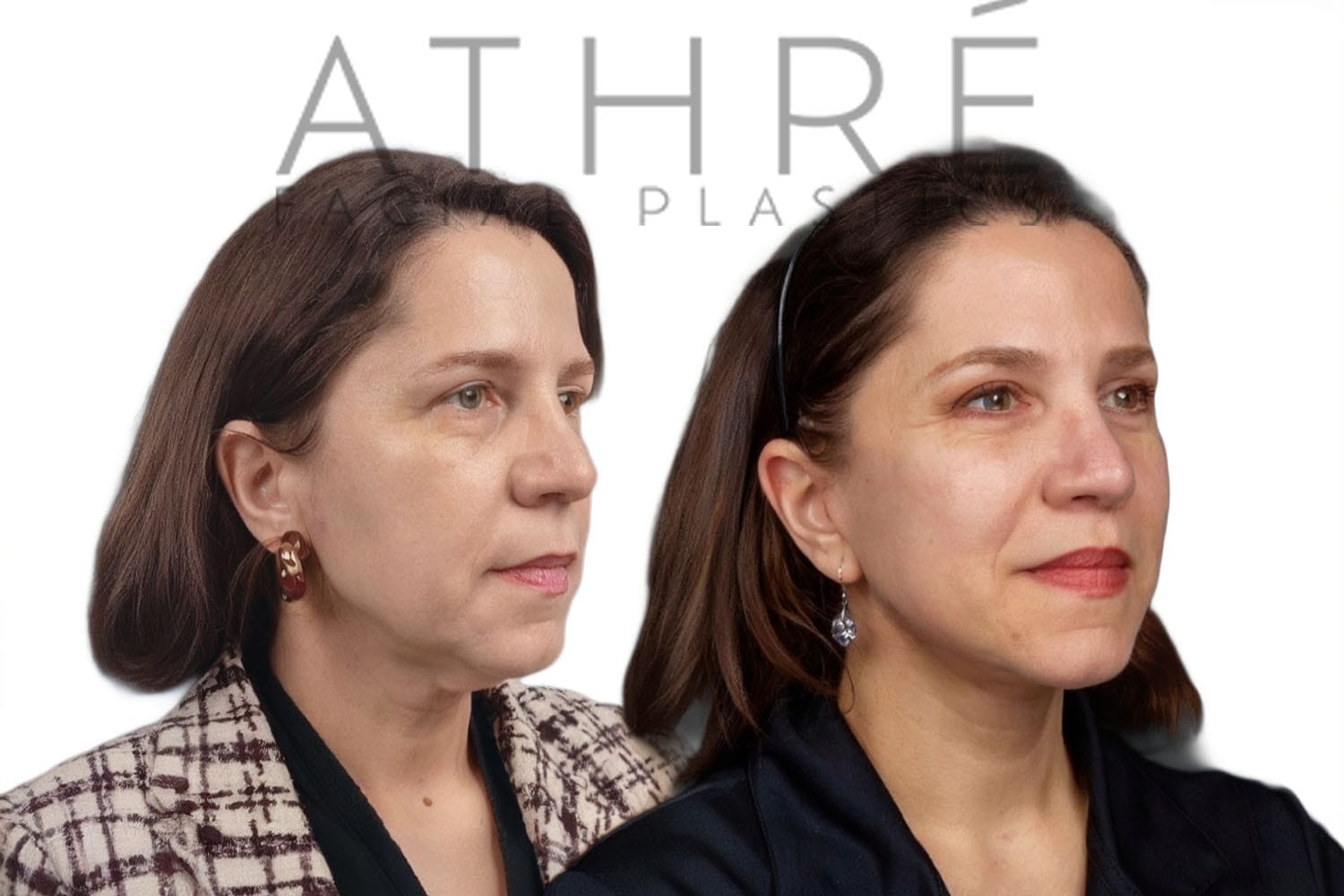
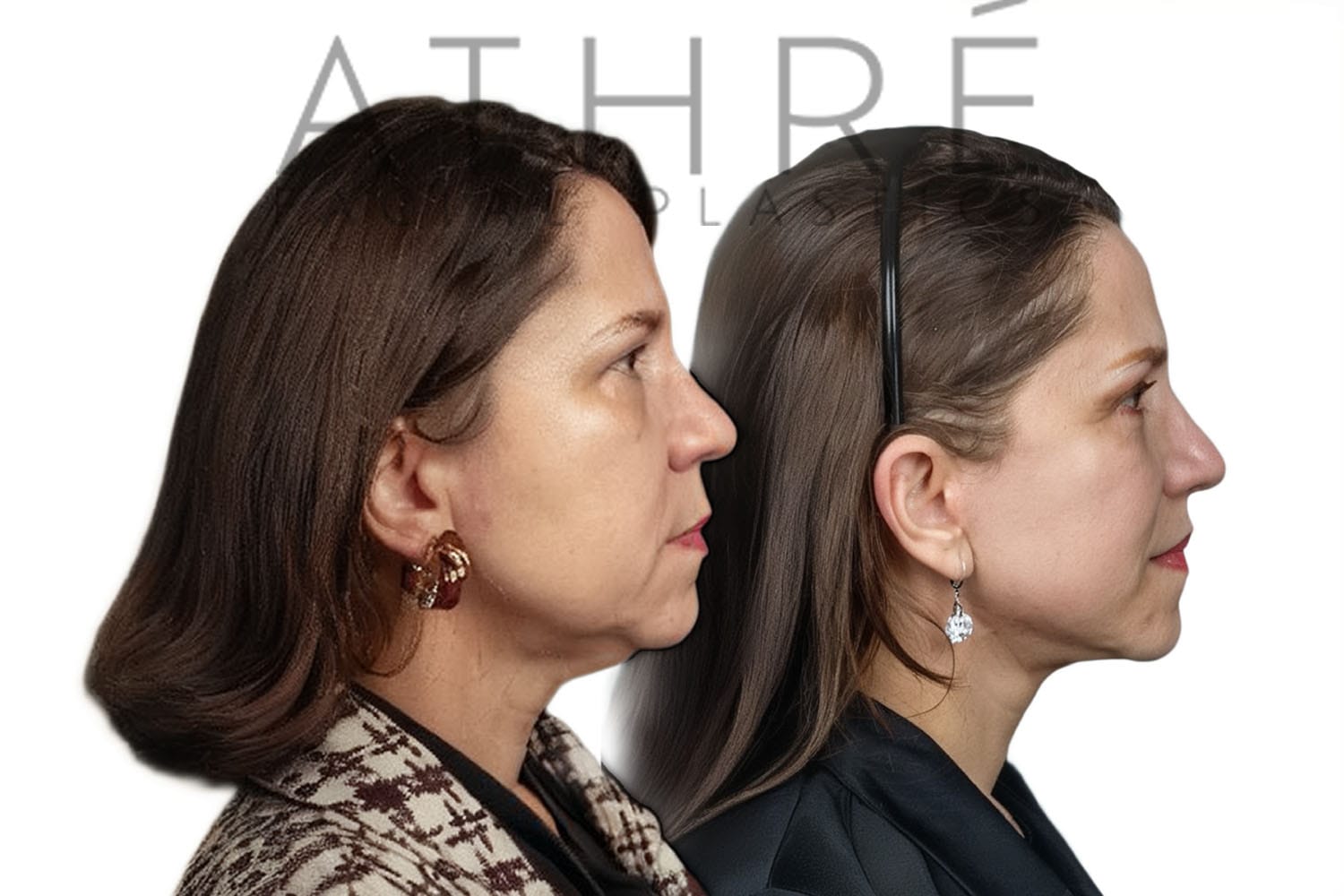
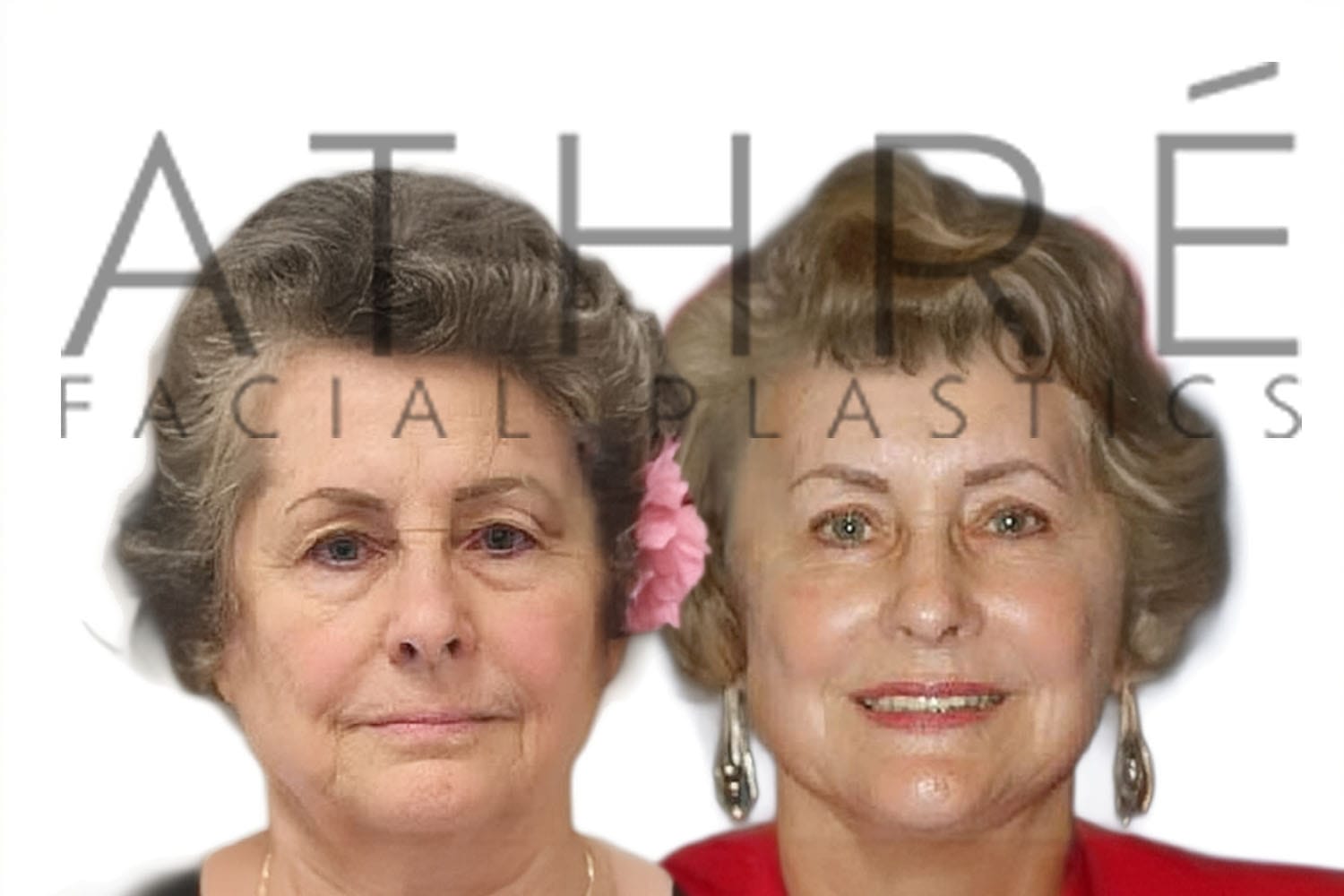
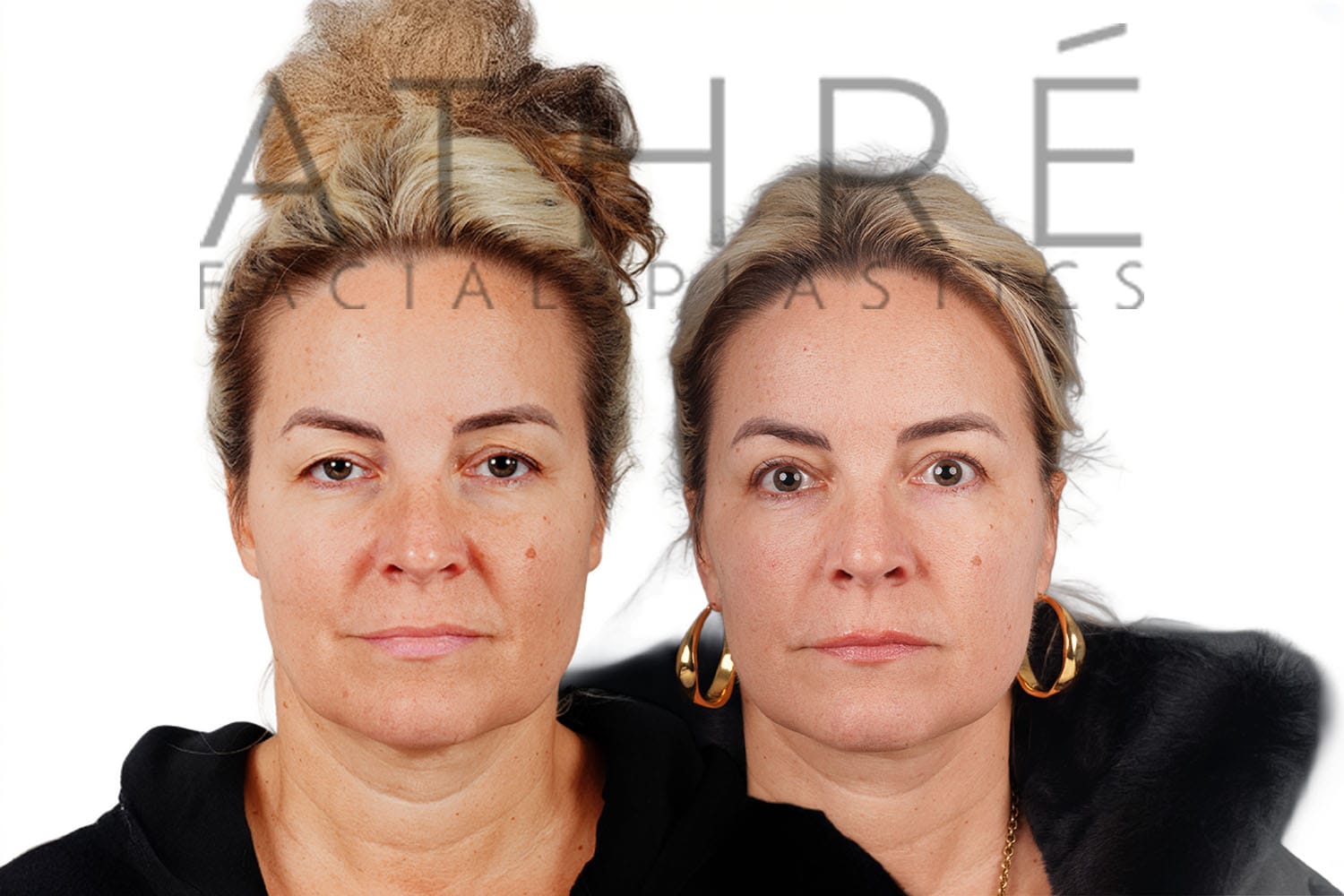
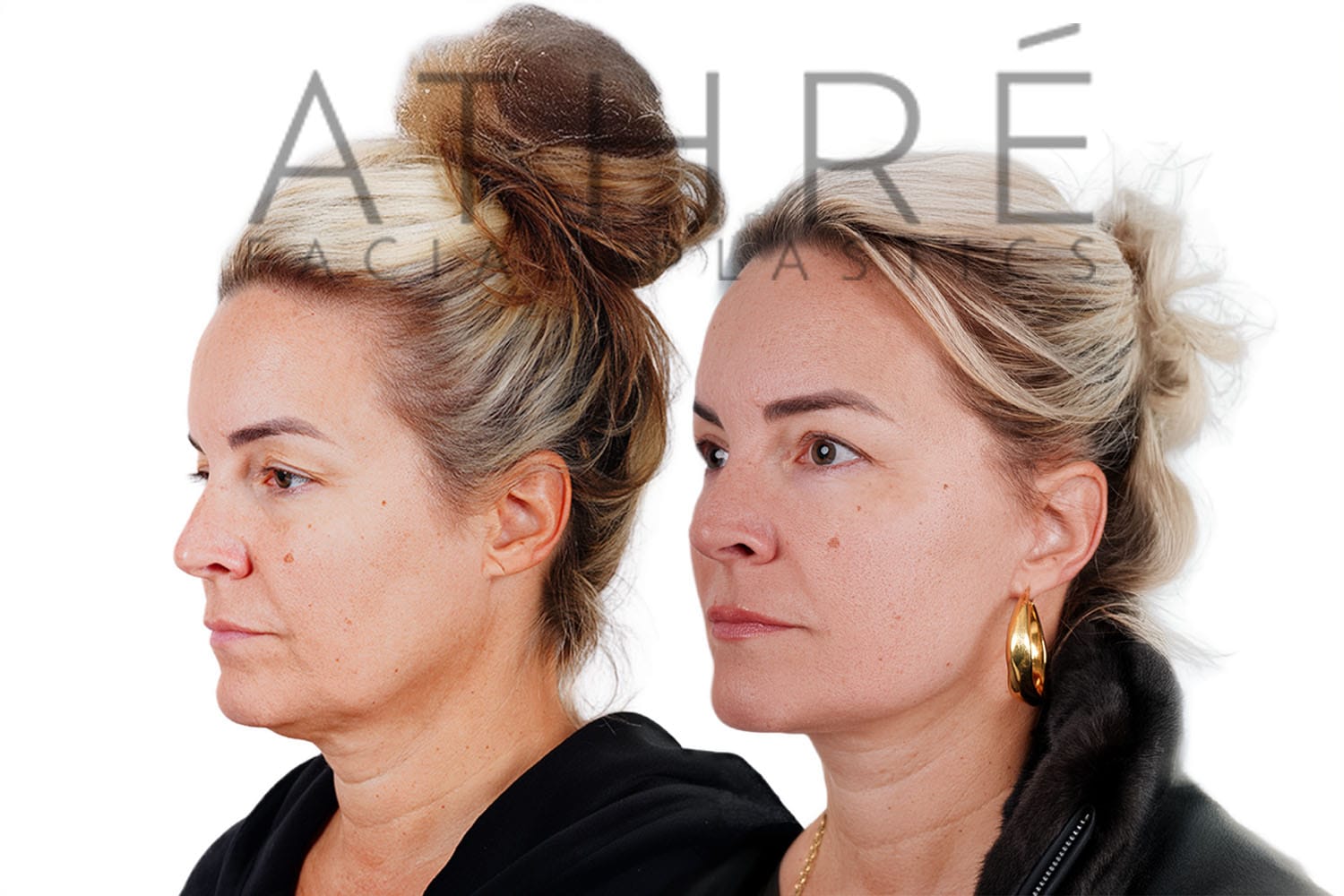
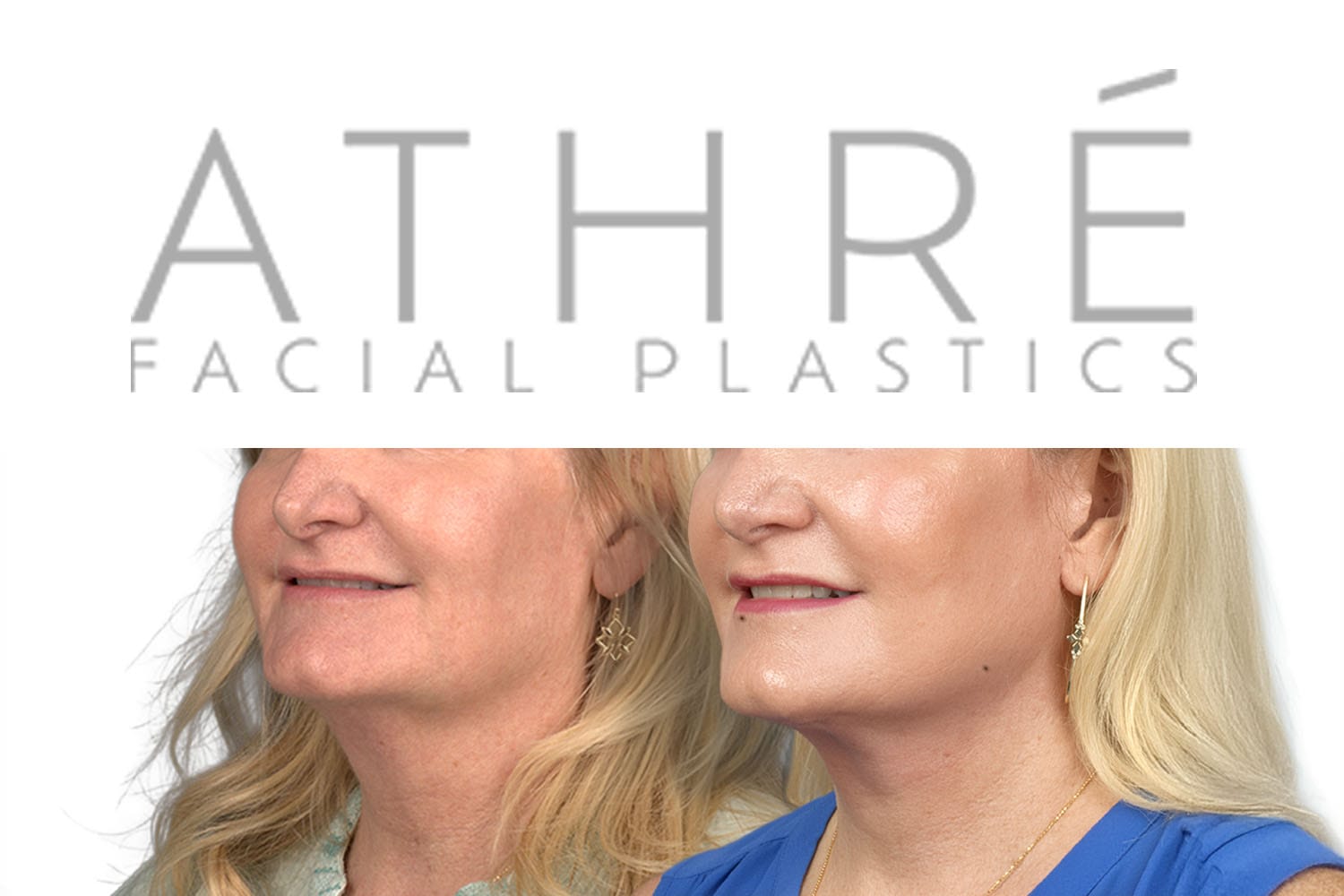
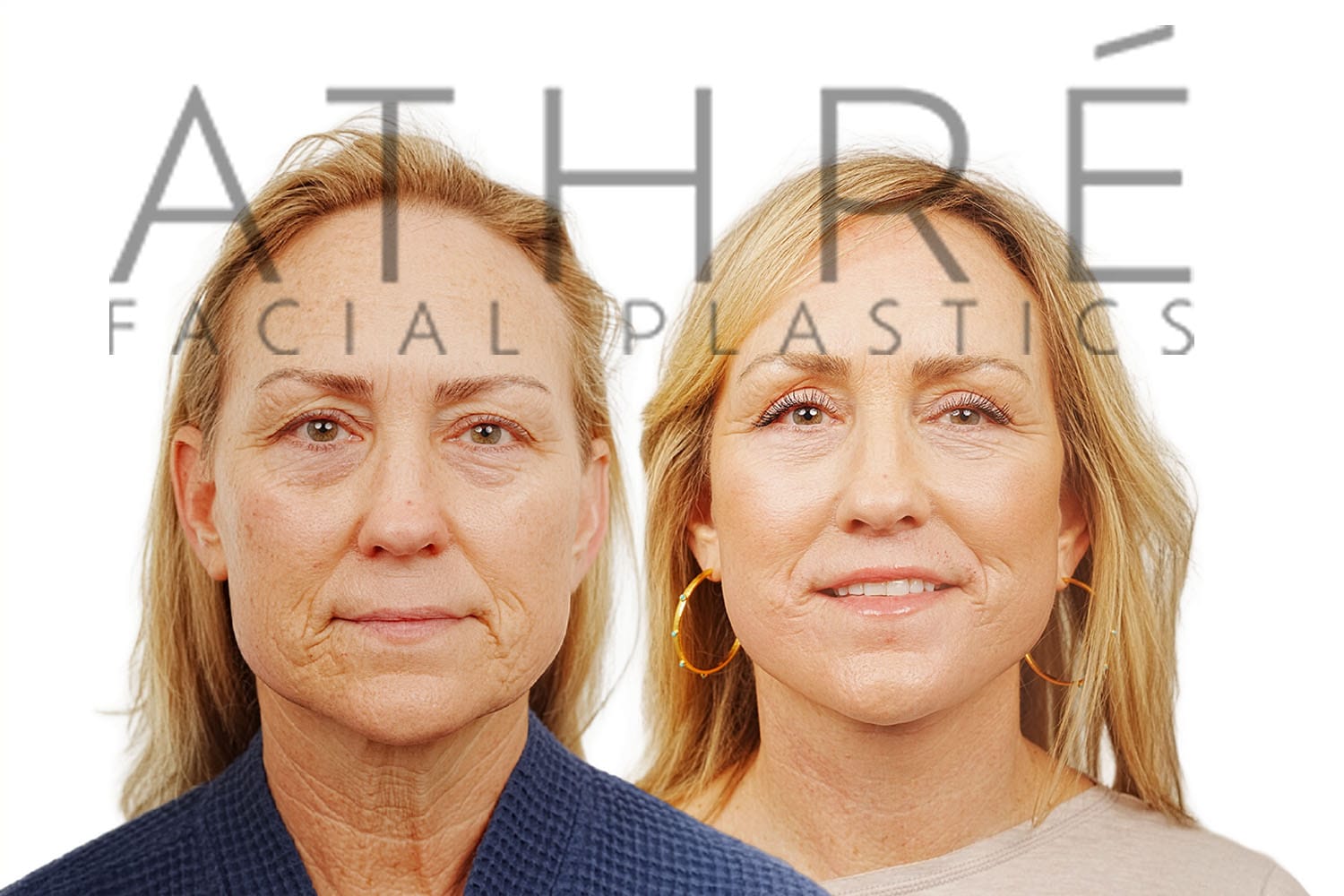
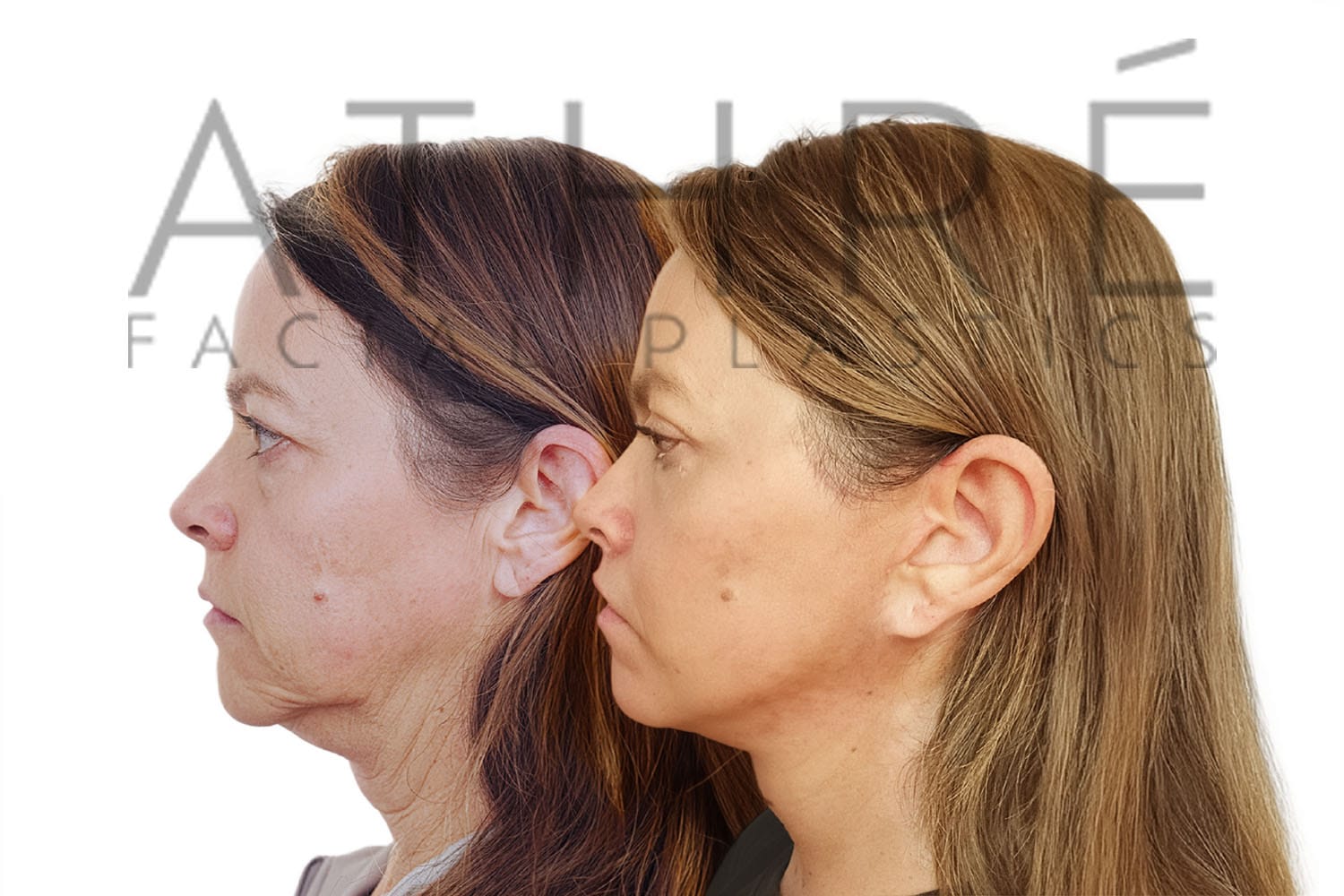
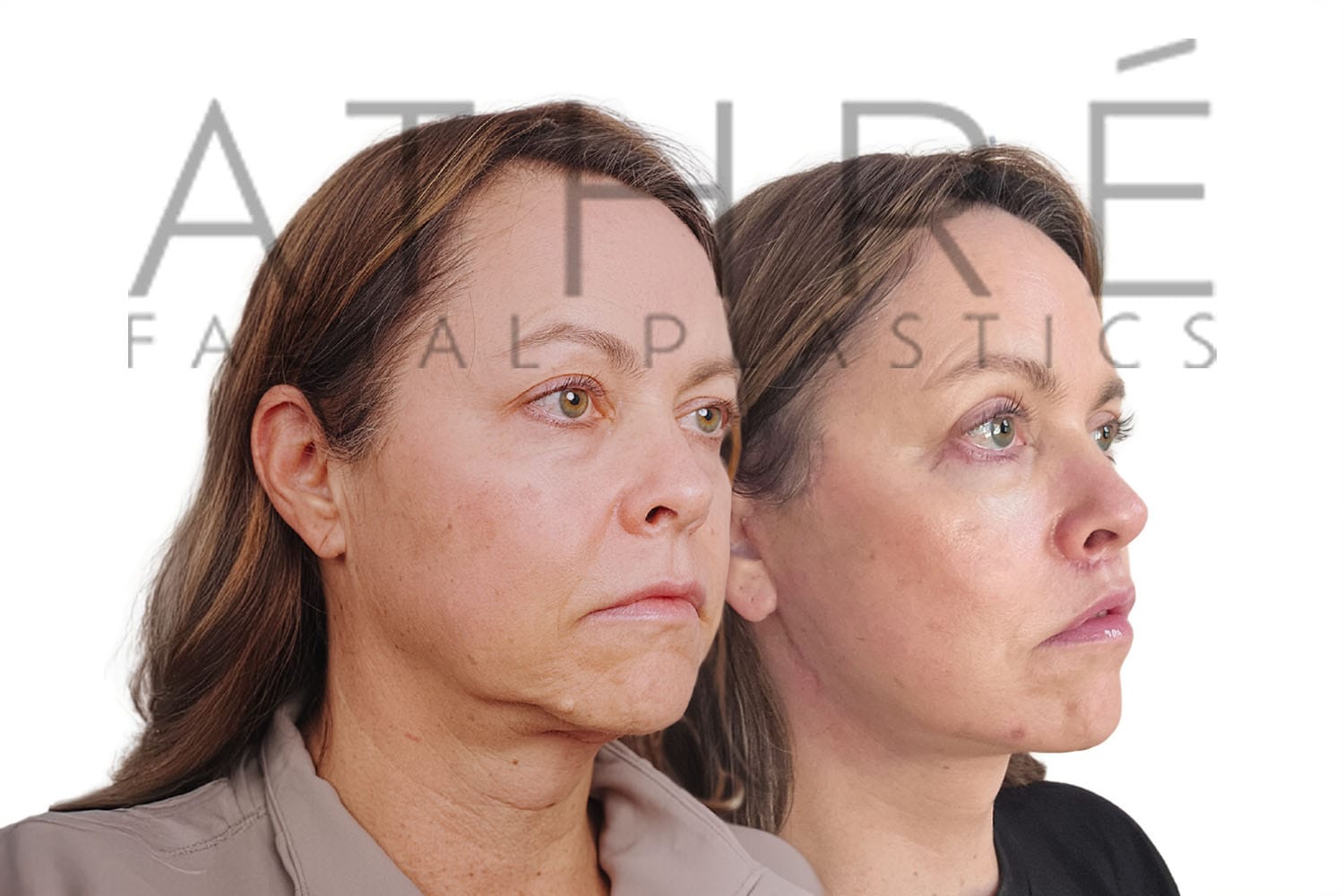
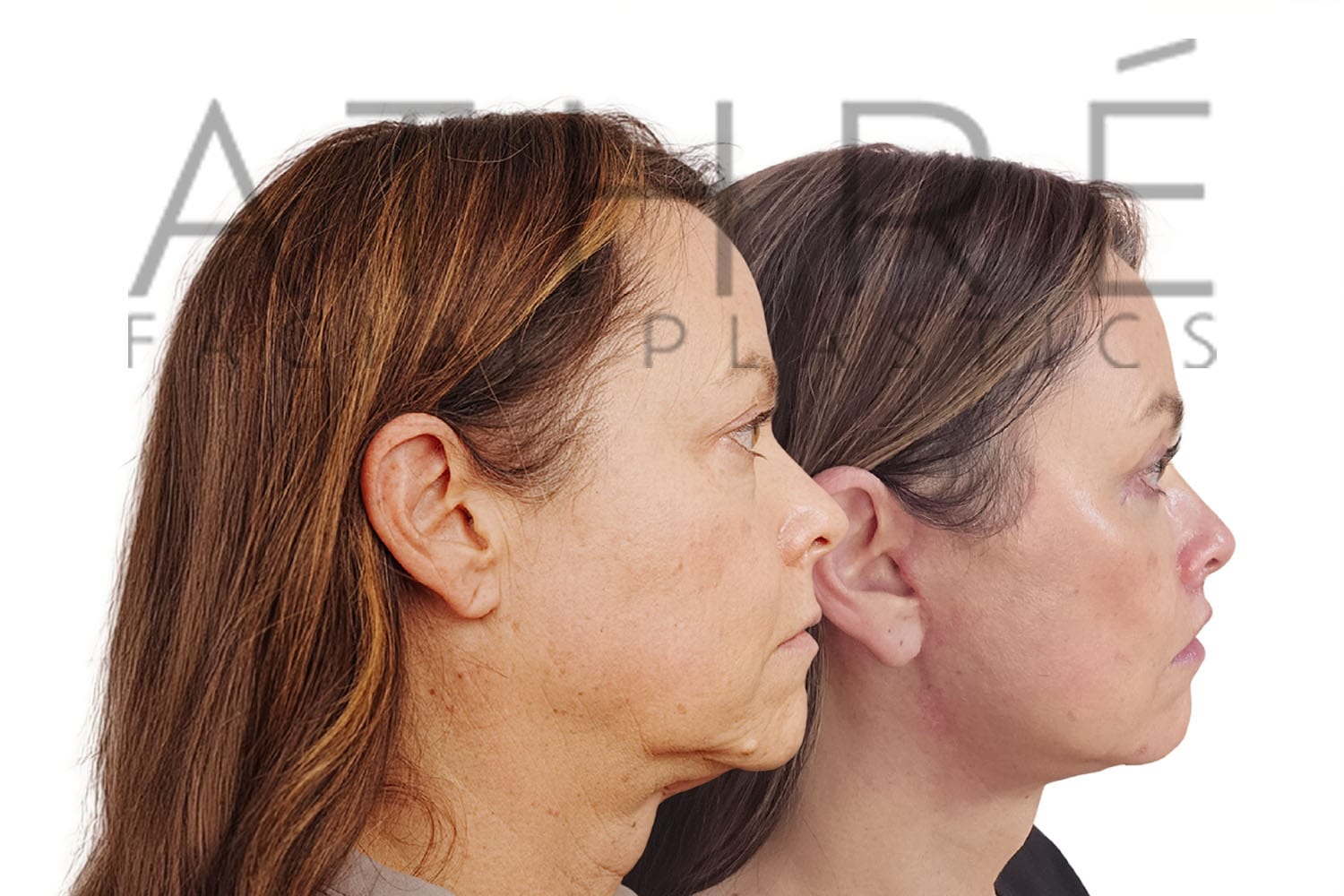
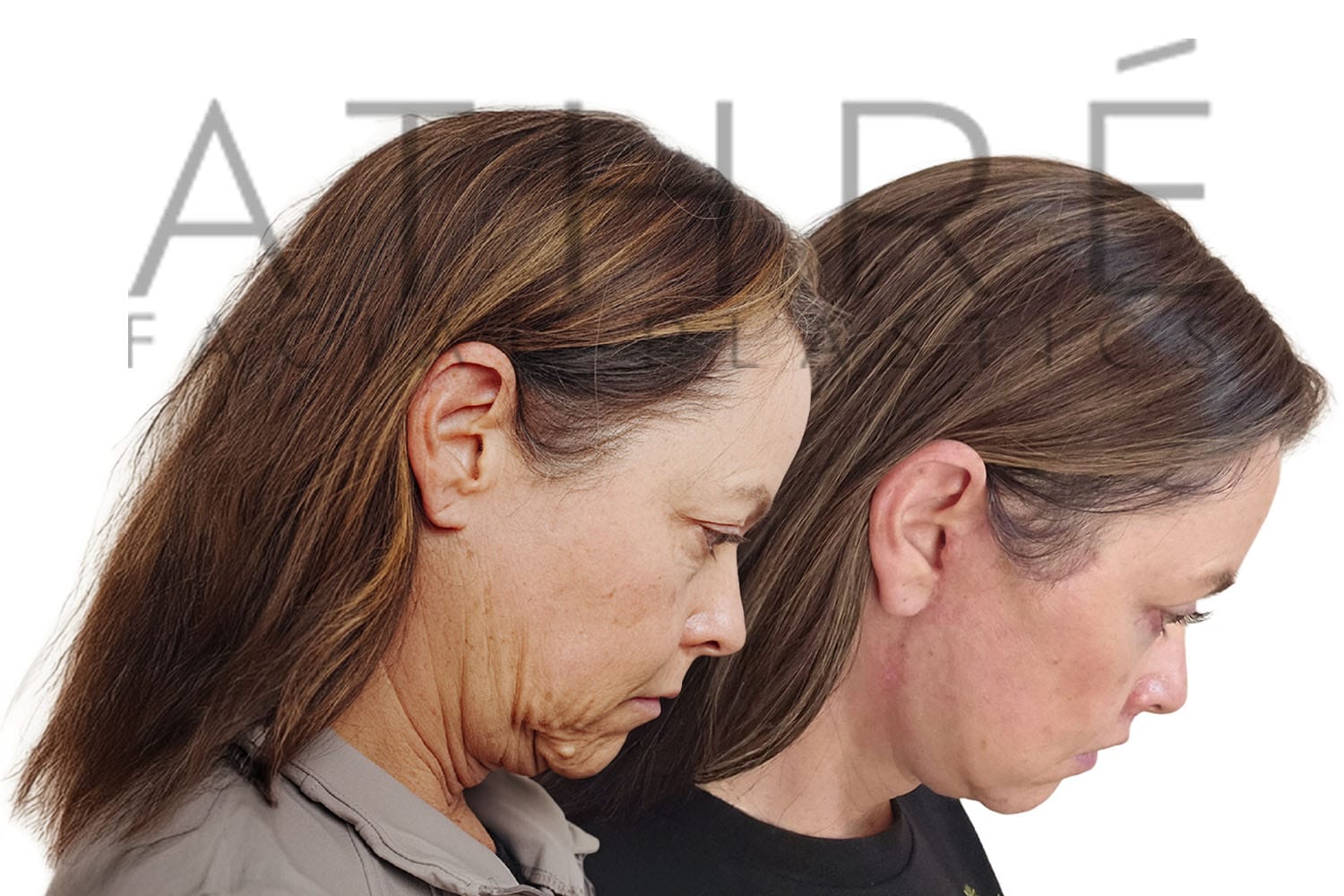
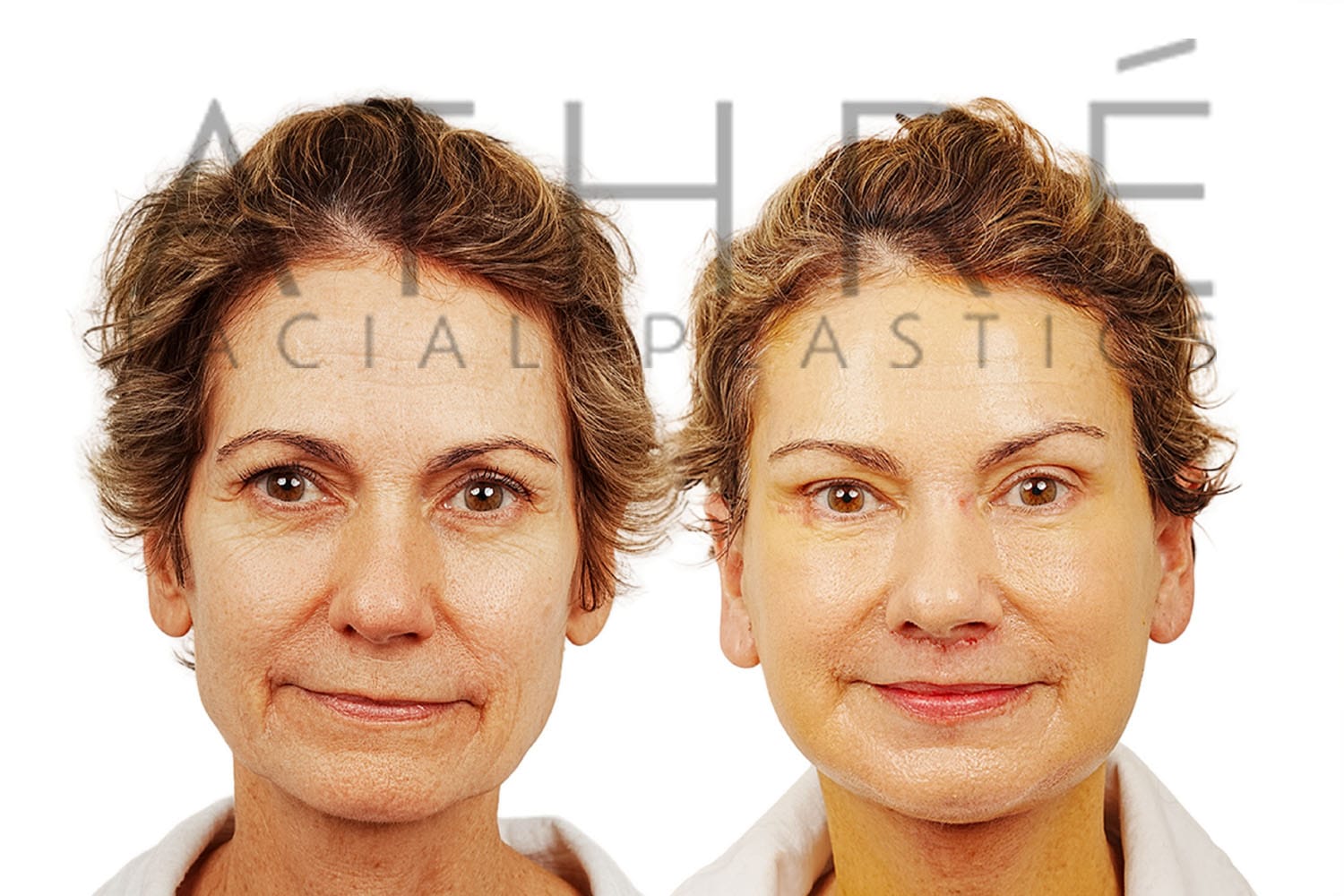
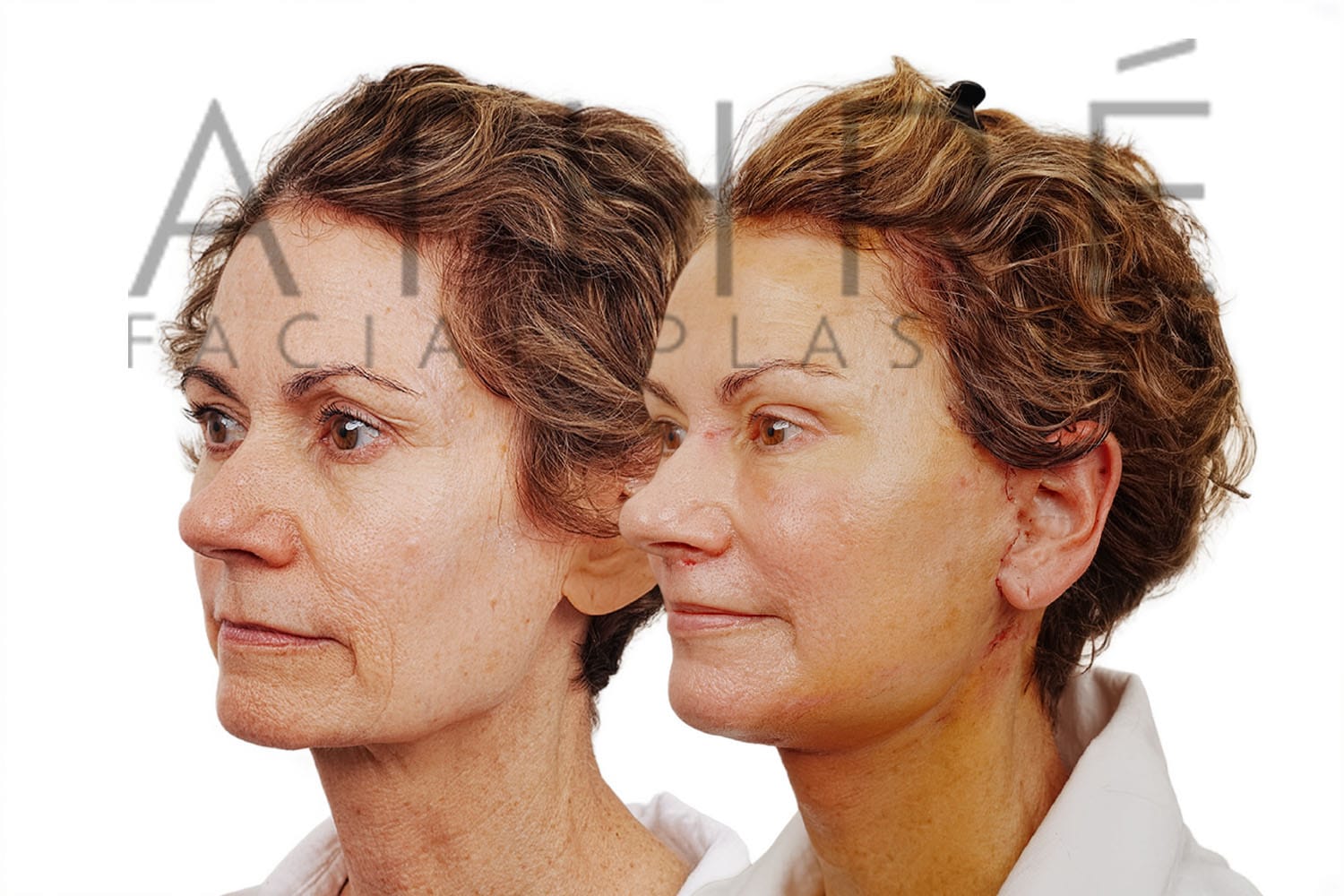
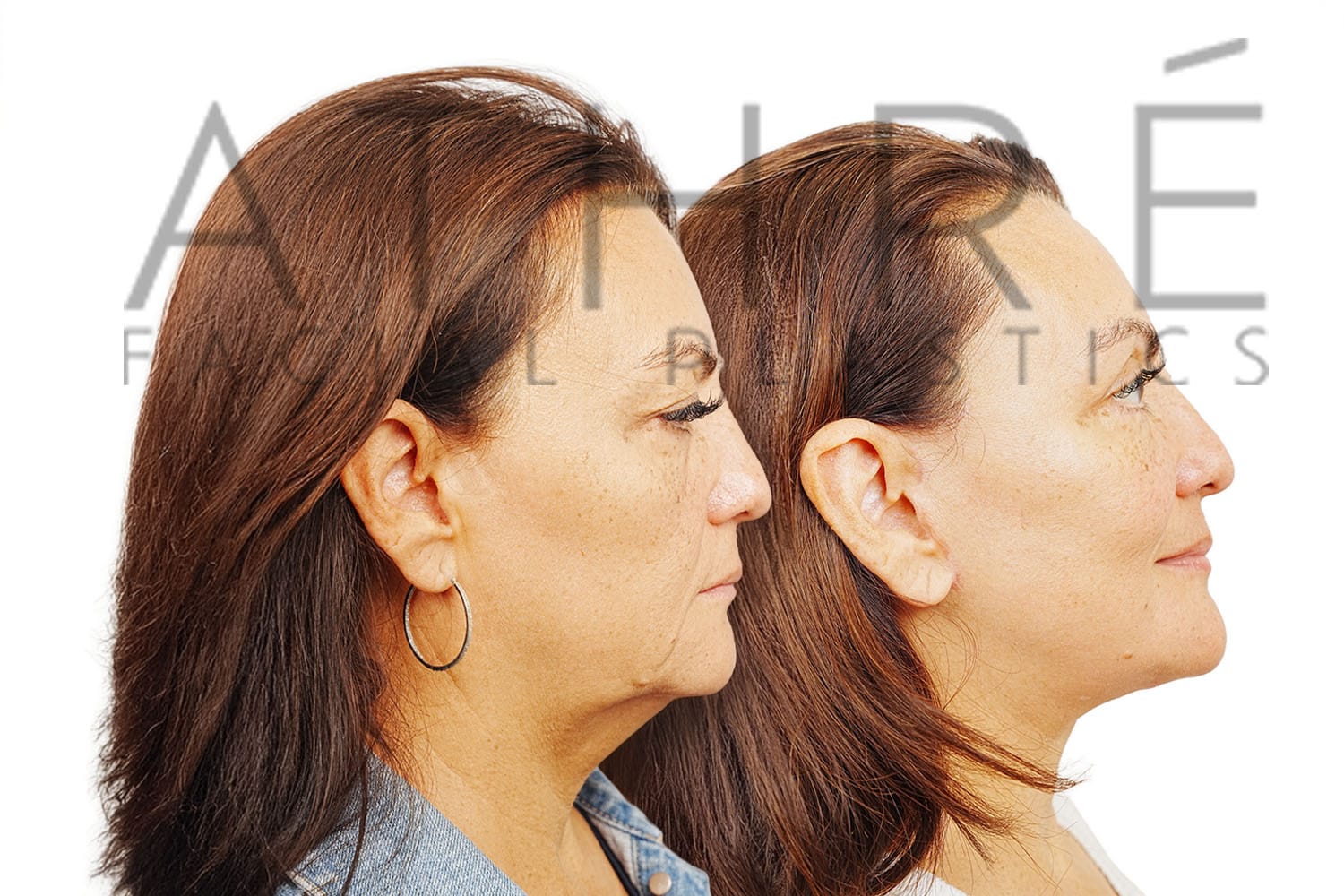
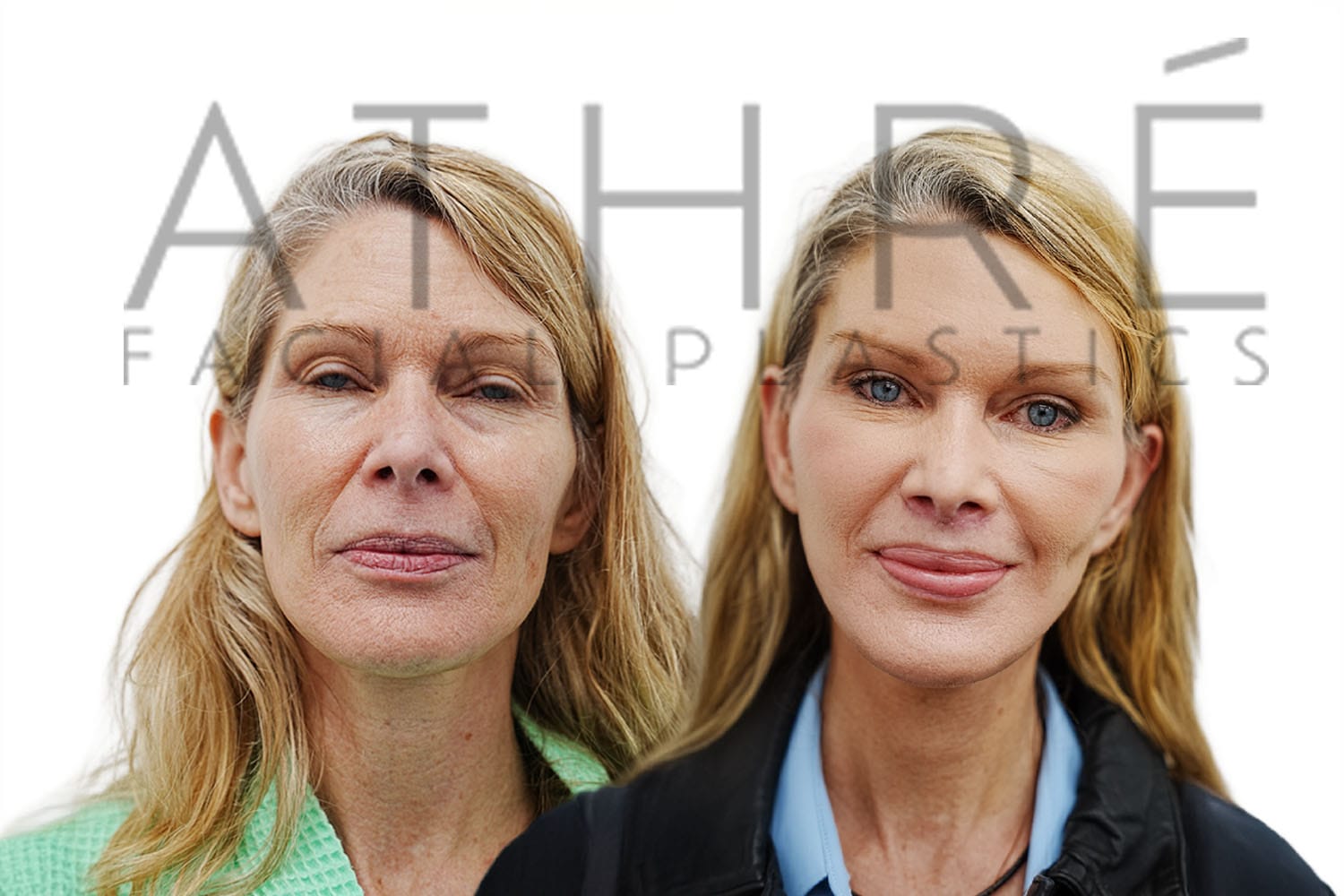
When people look at facelift before and after photos, they often focus on how much younger someone looks.
I look at something different.
Does the Result Still Look Like the Same Person?
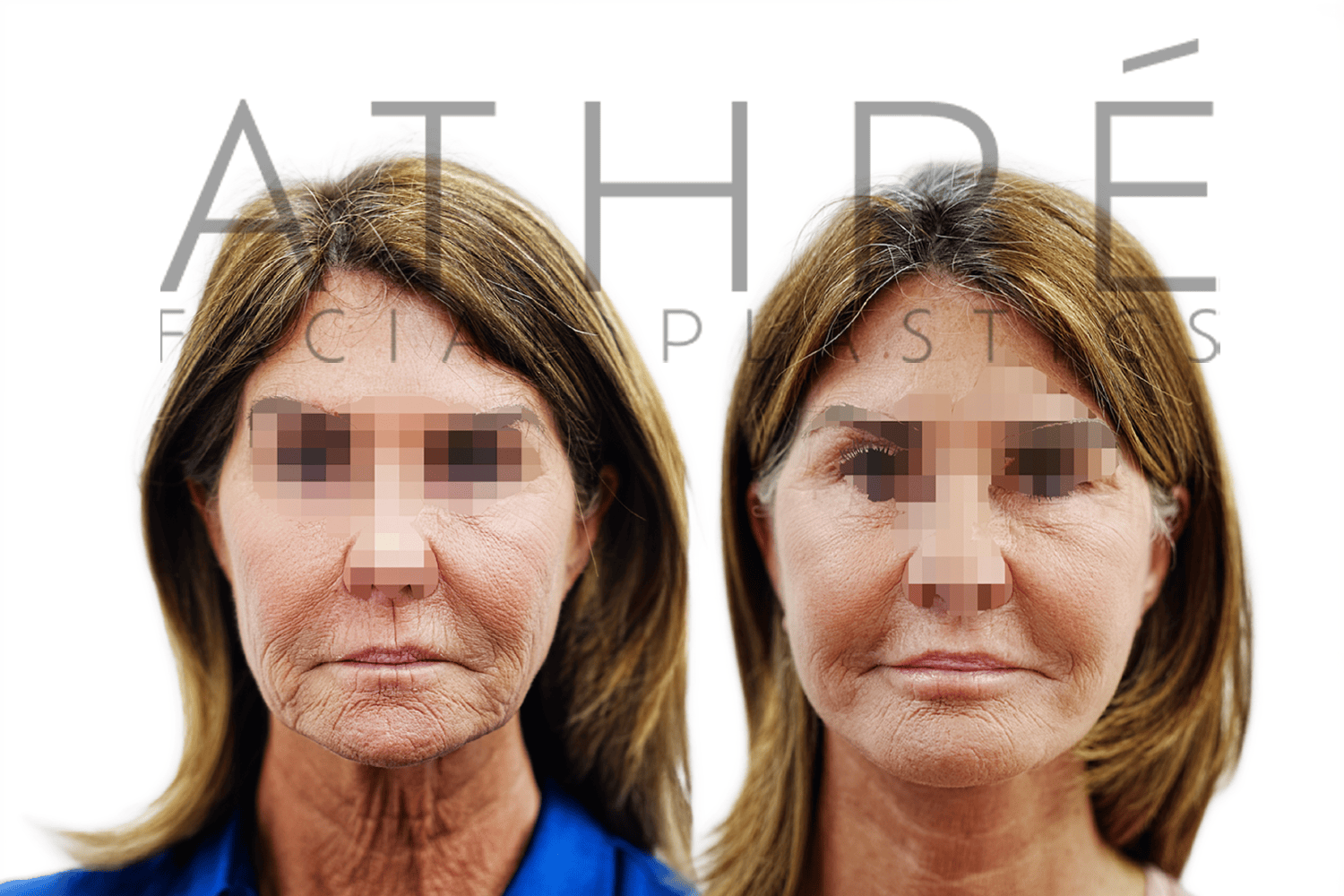
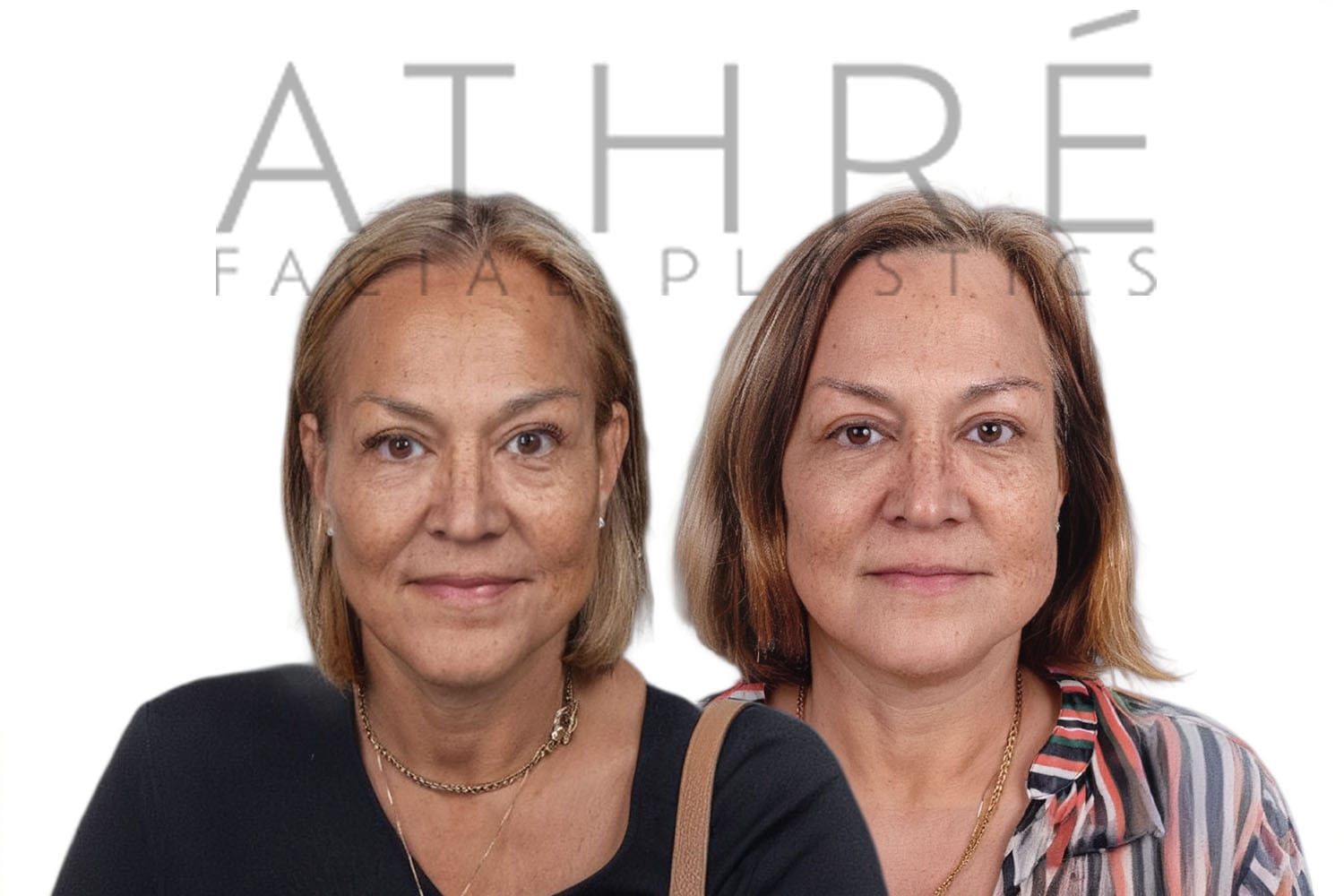
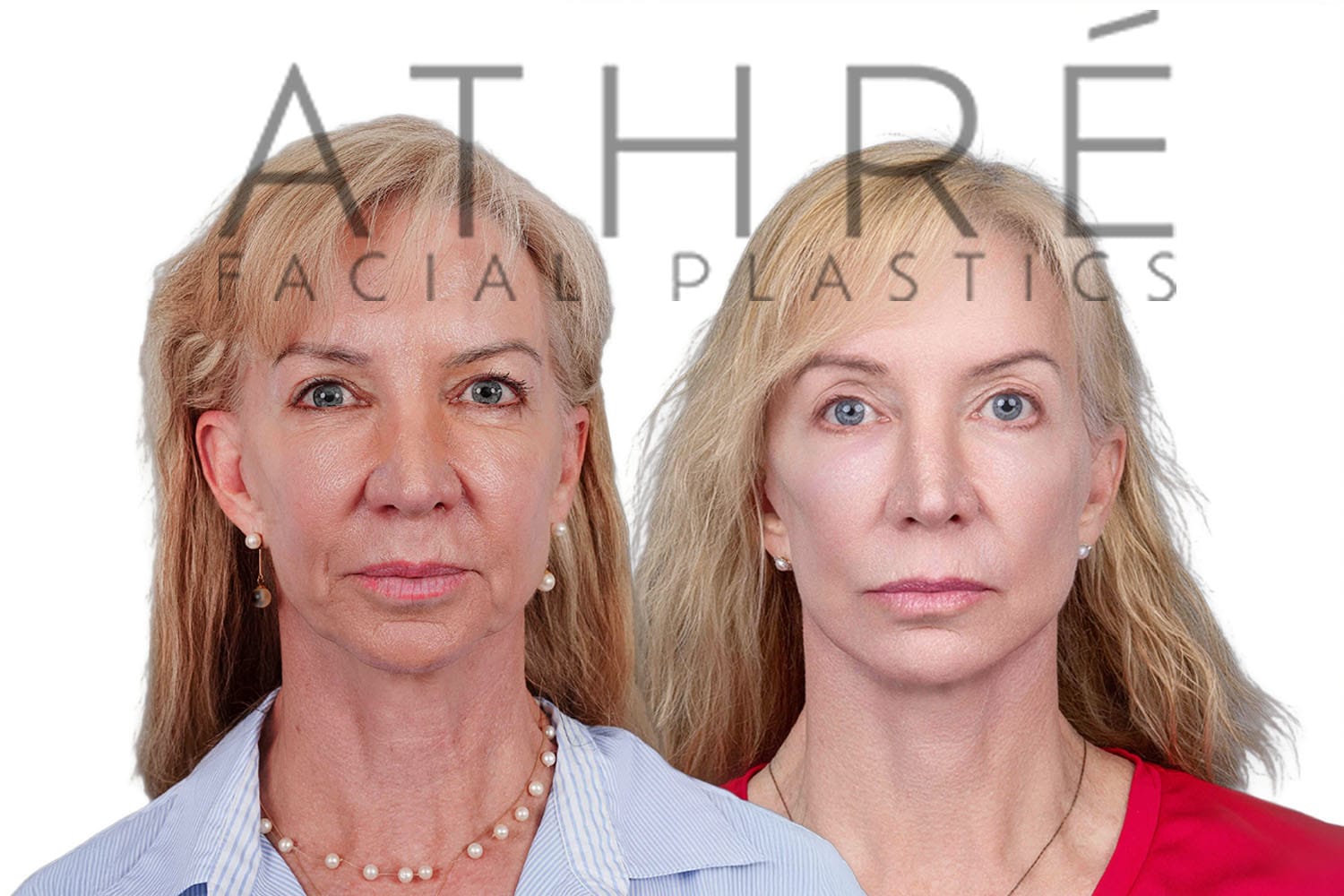
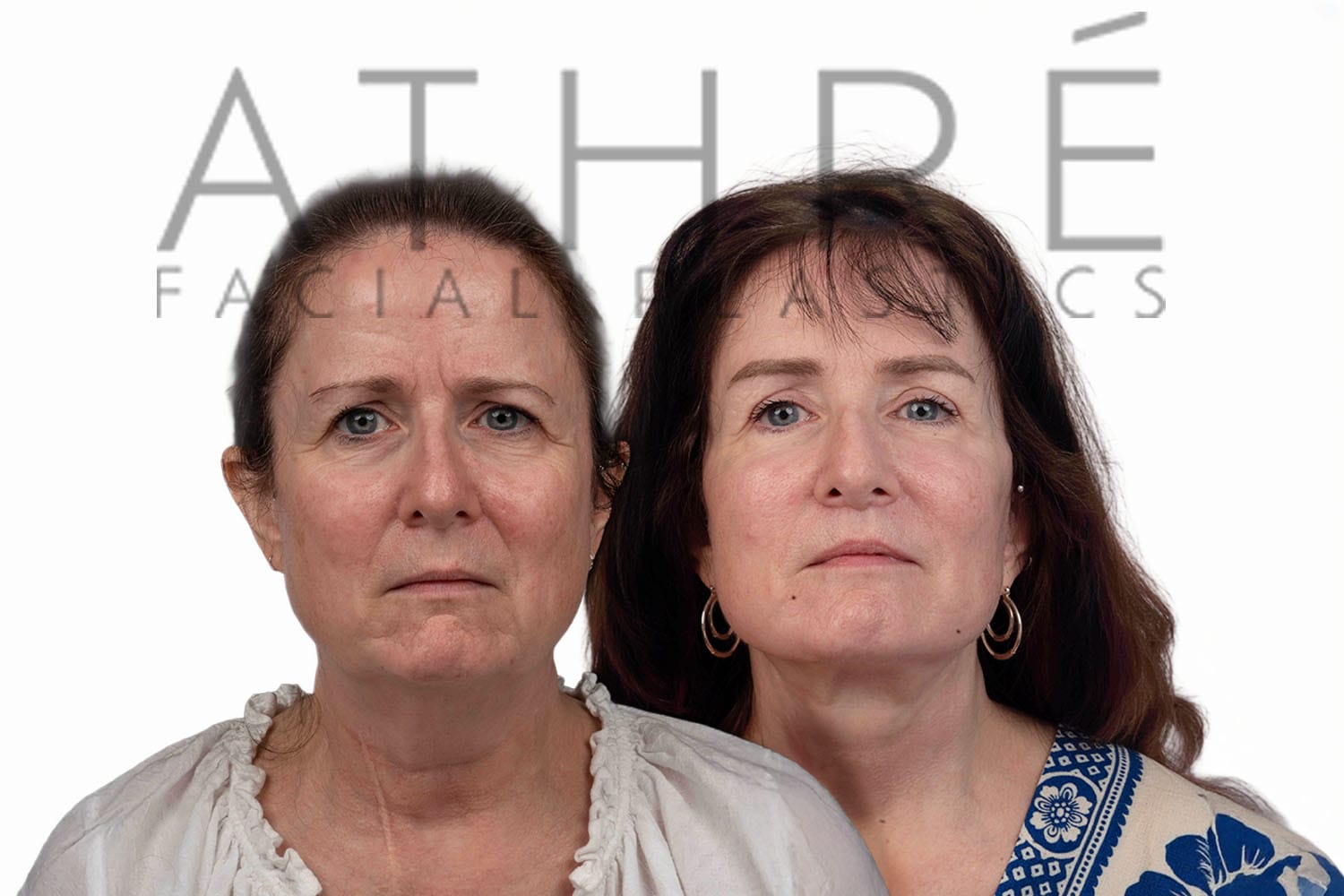
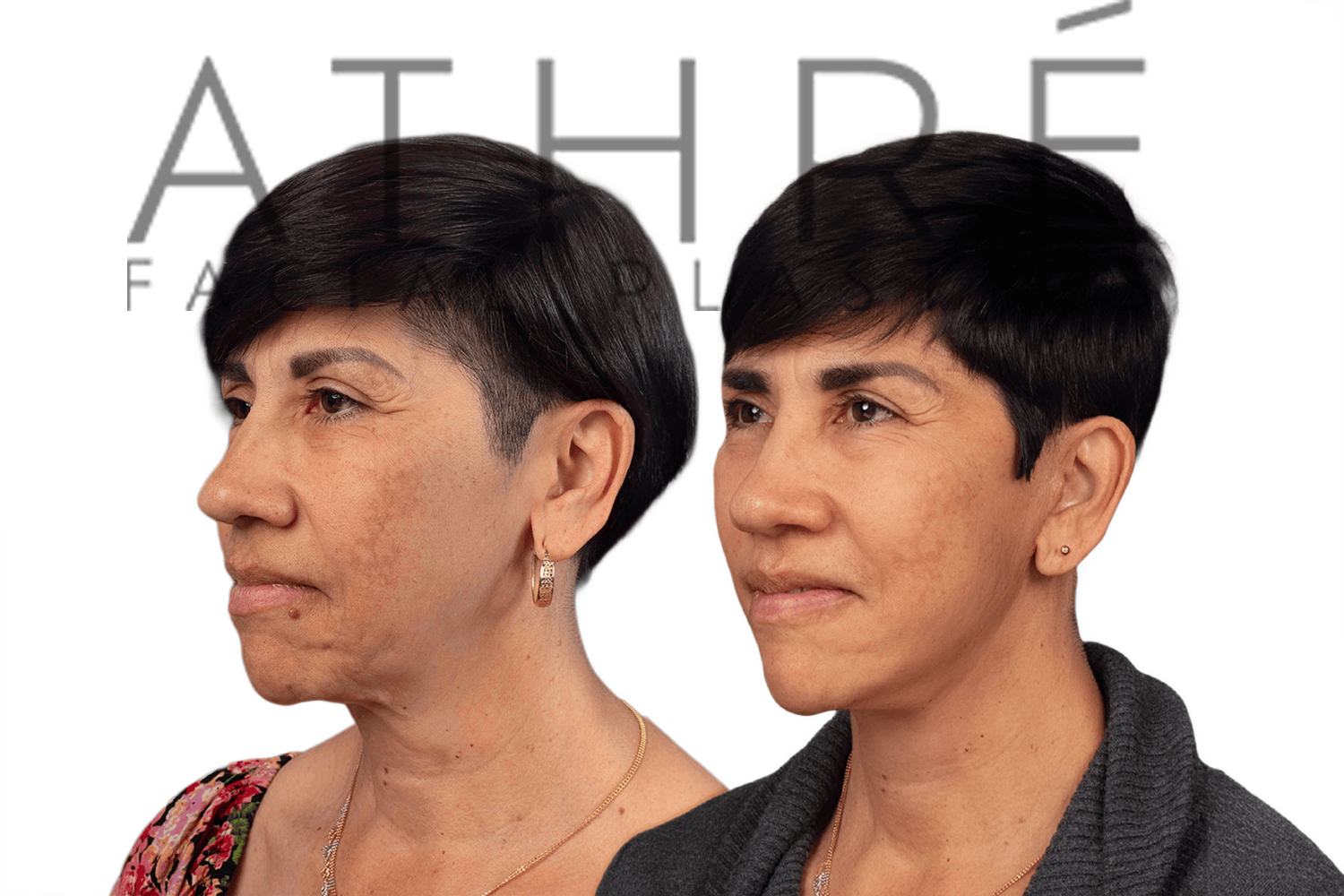
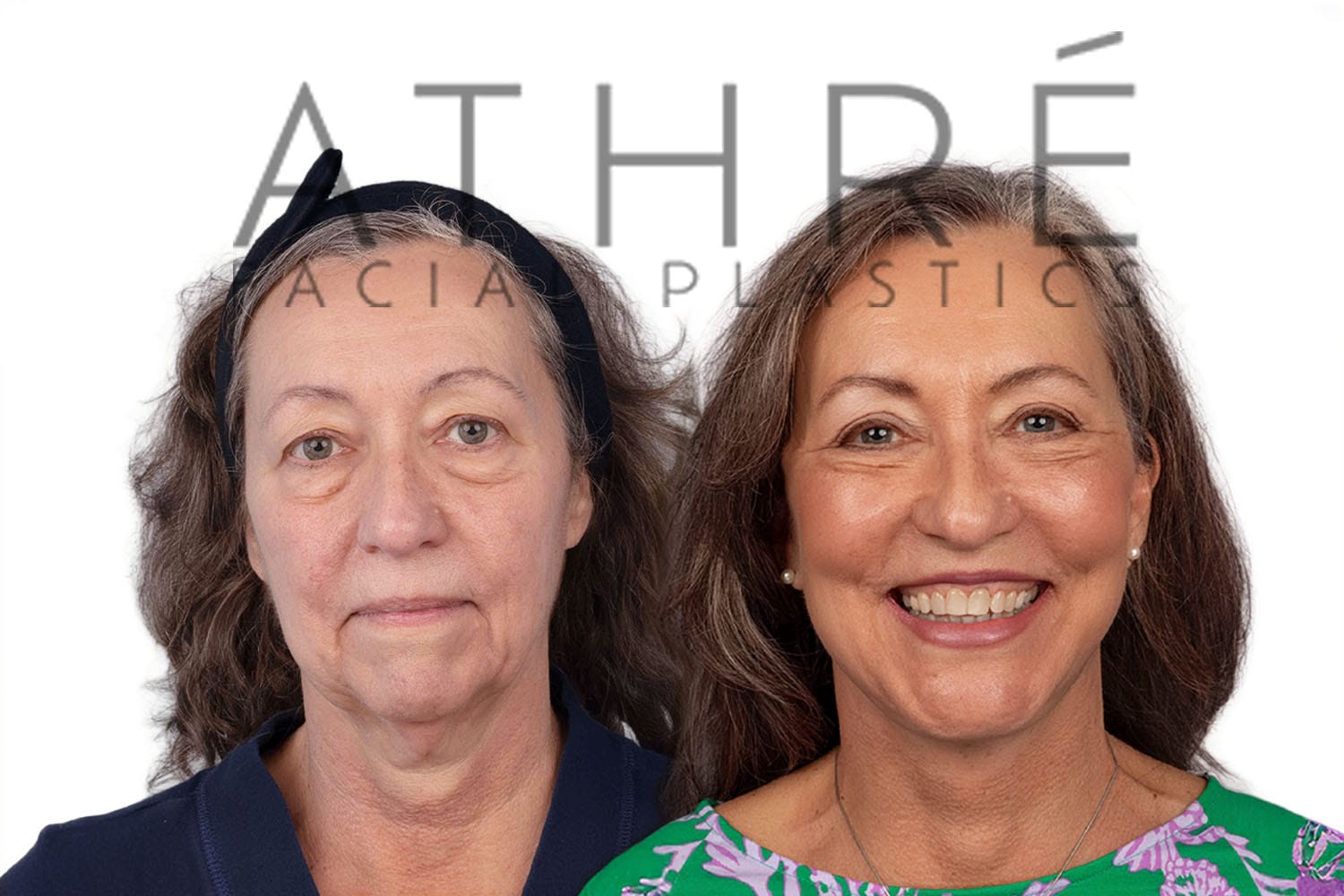
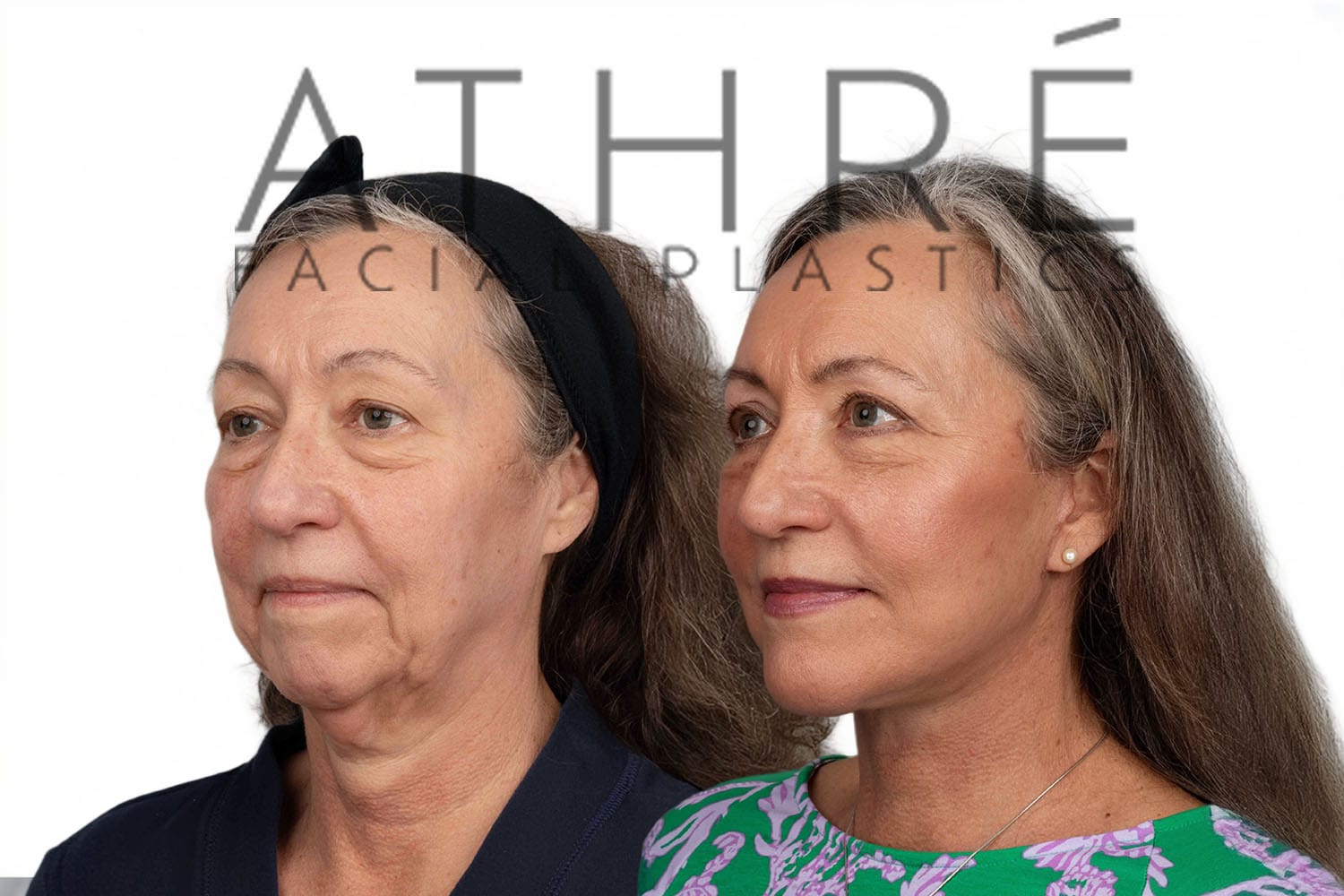
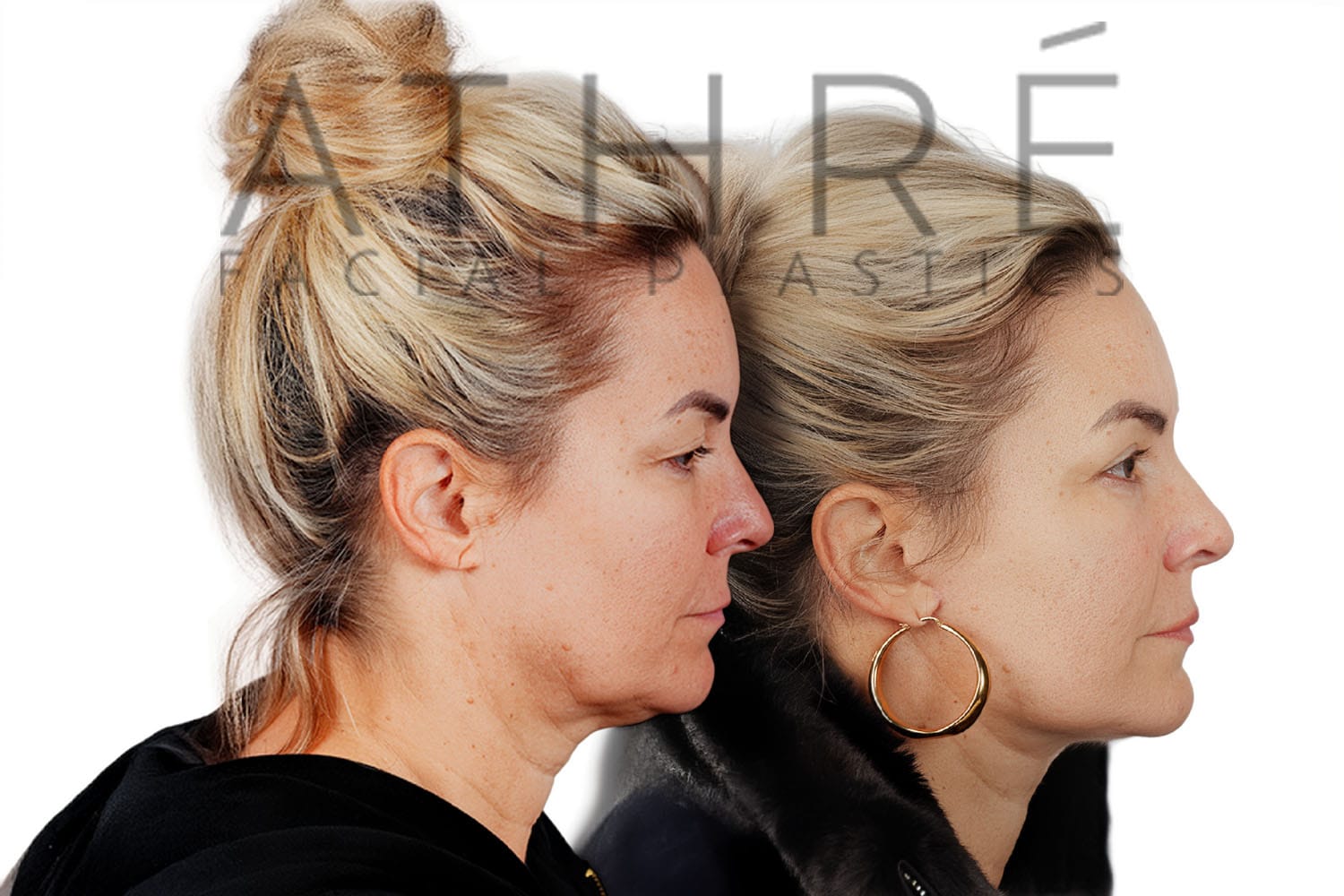
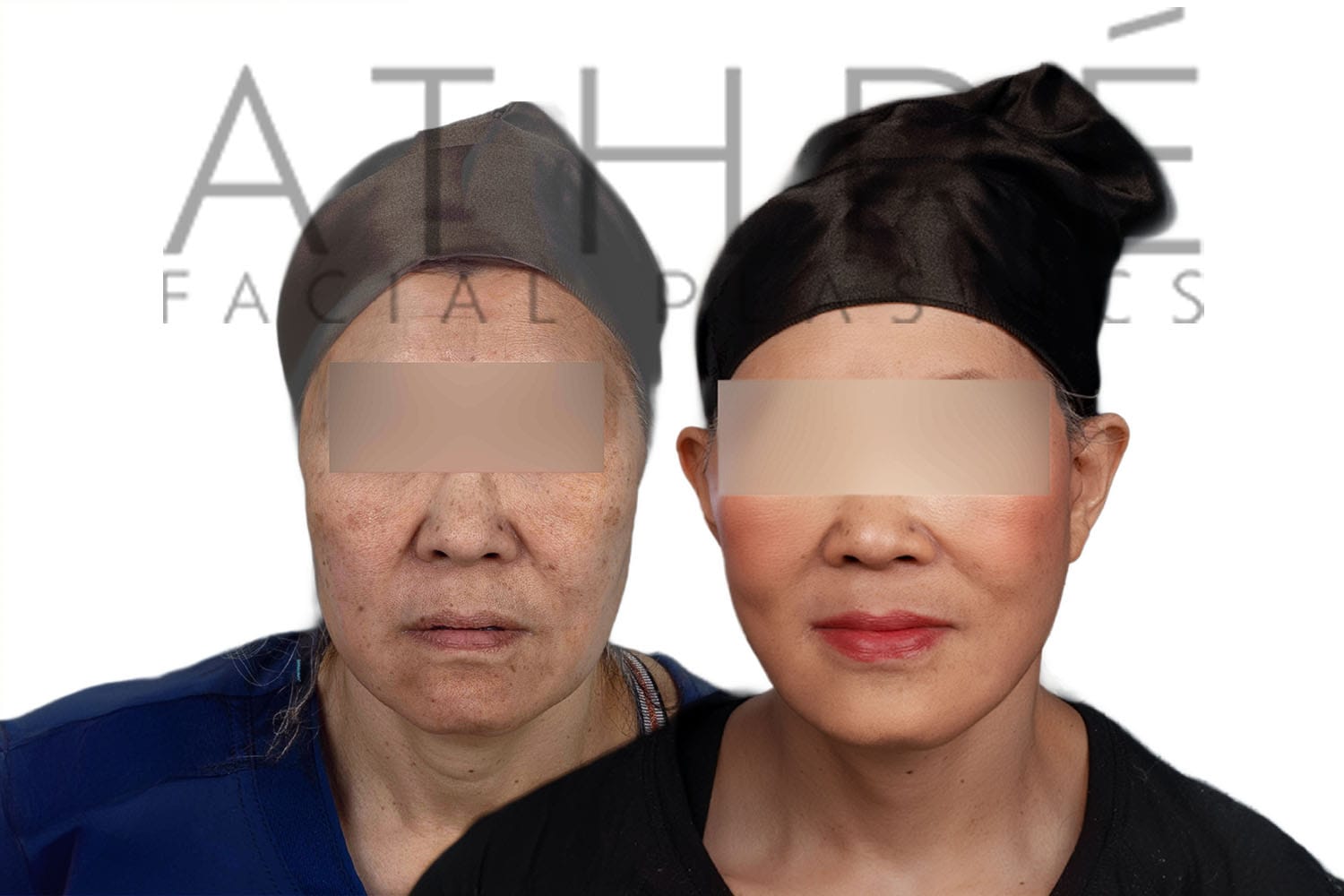
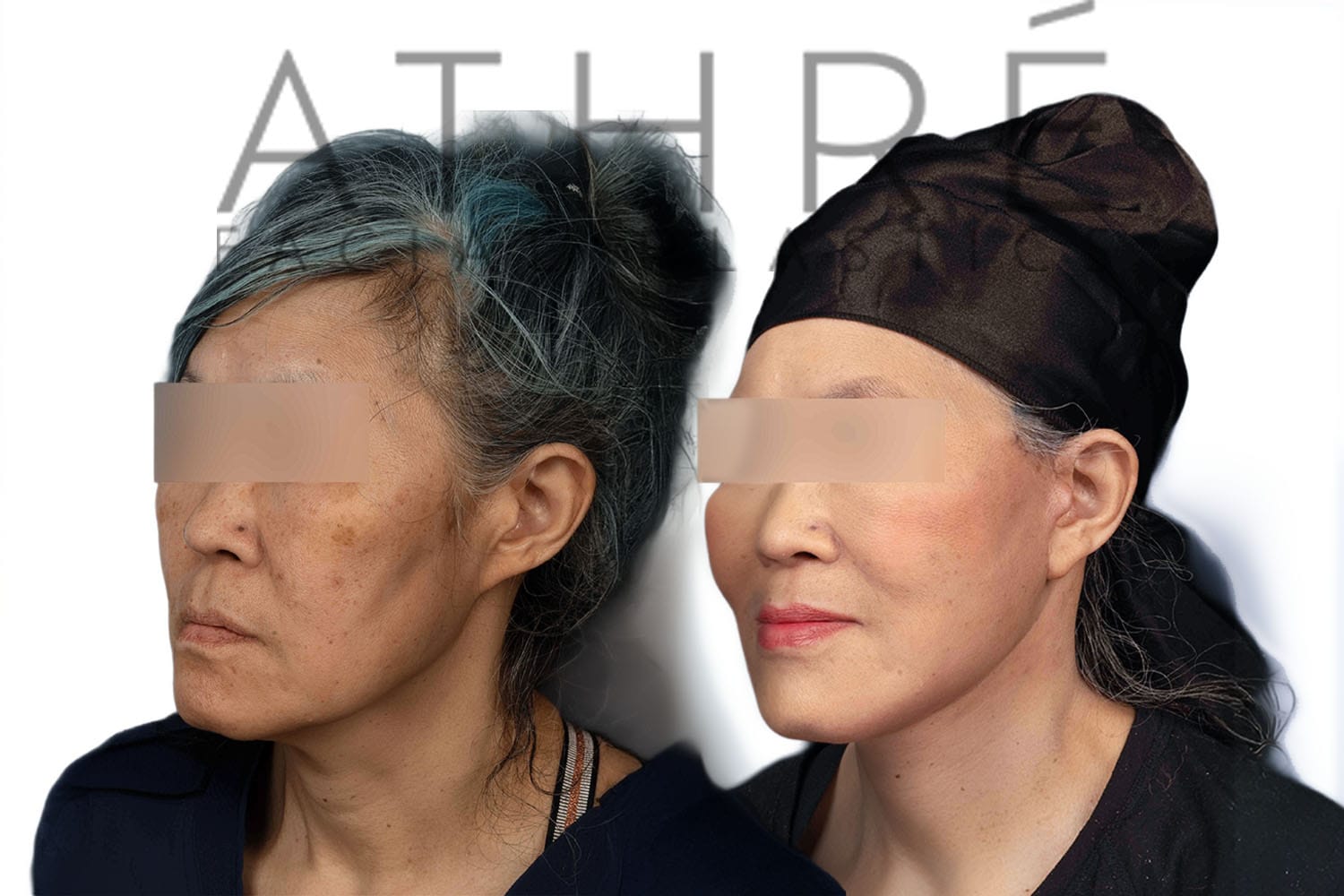
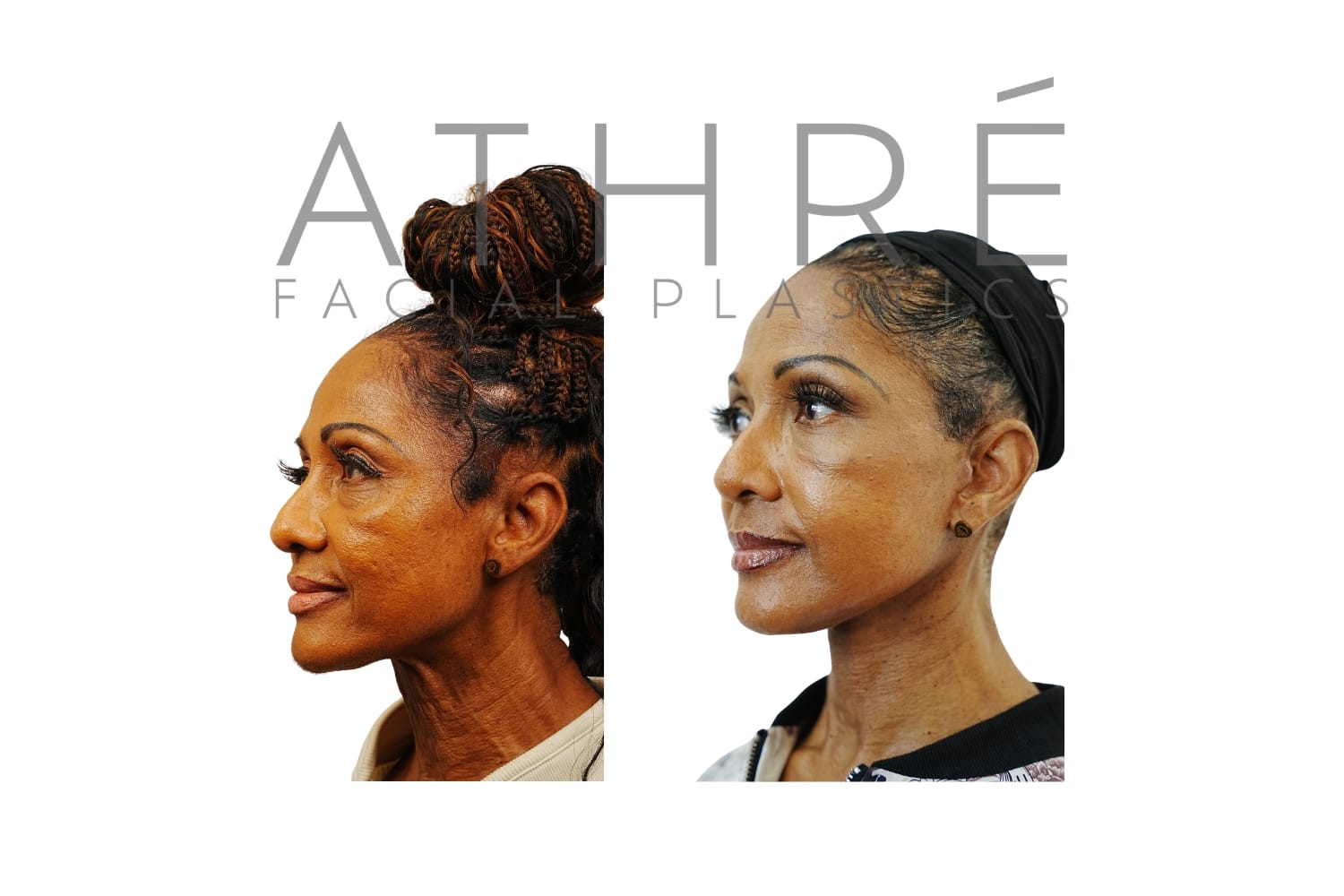
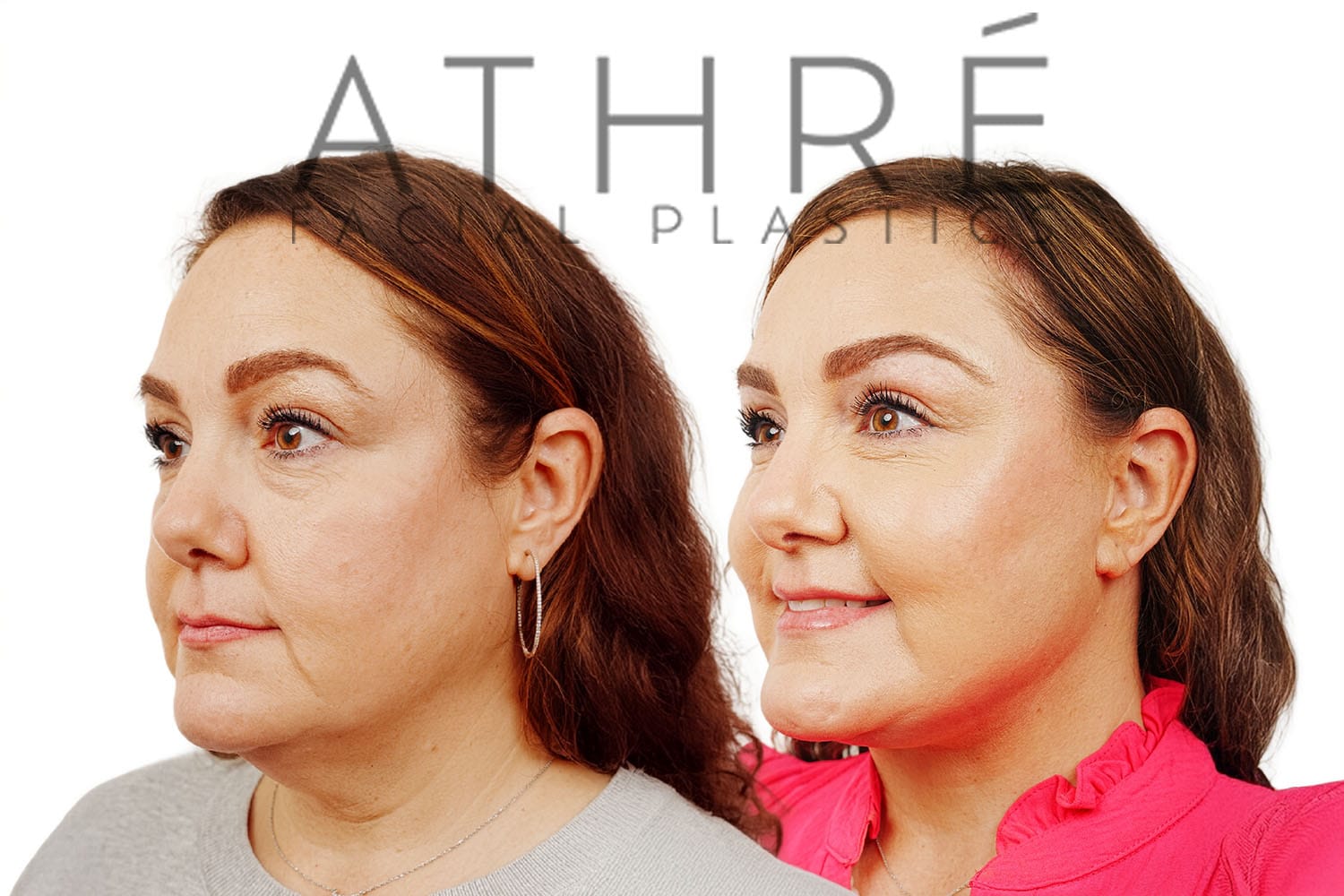
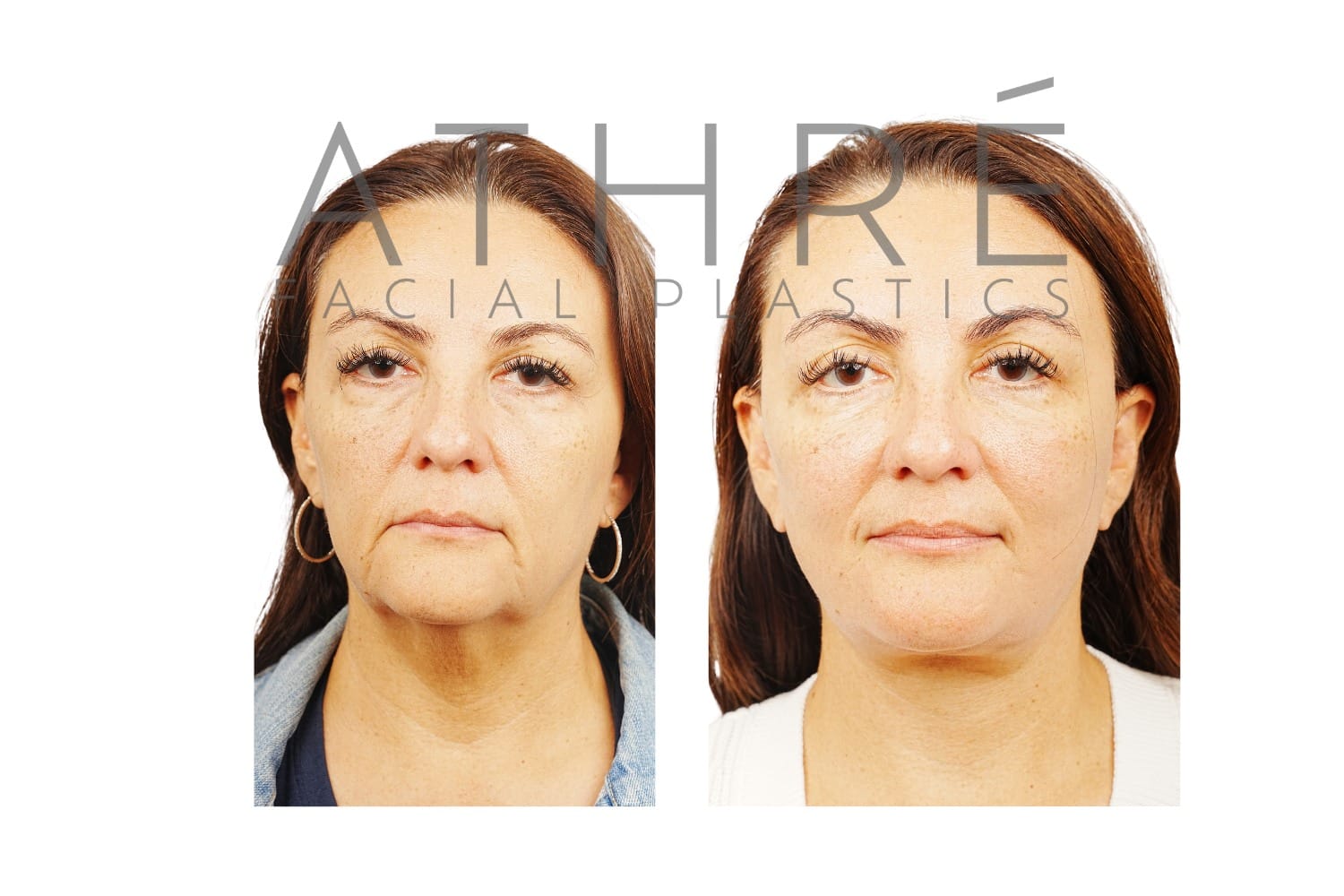
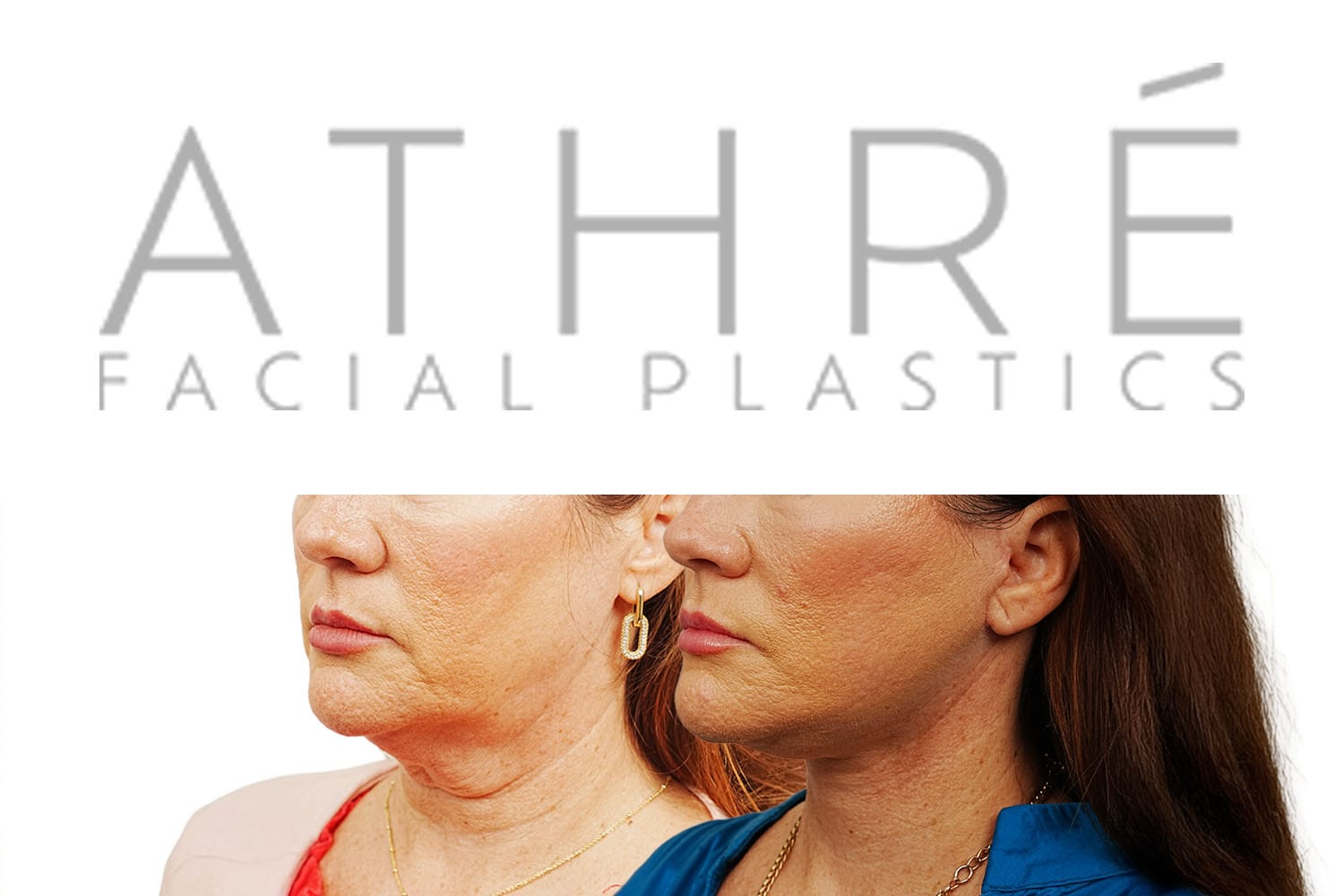
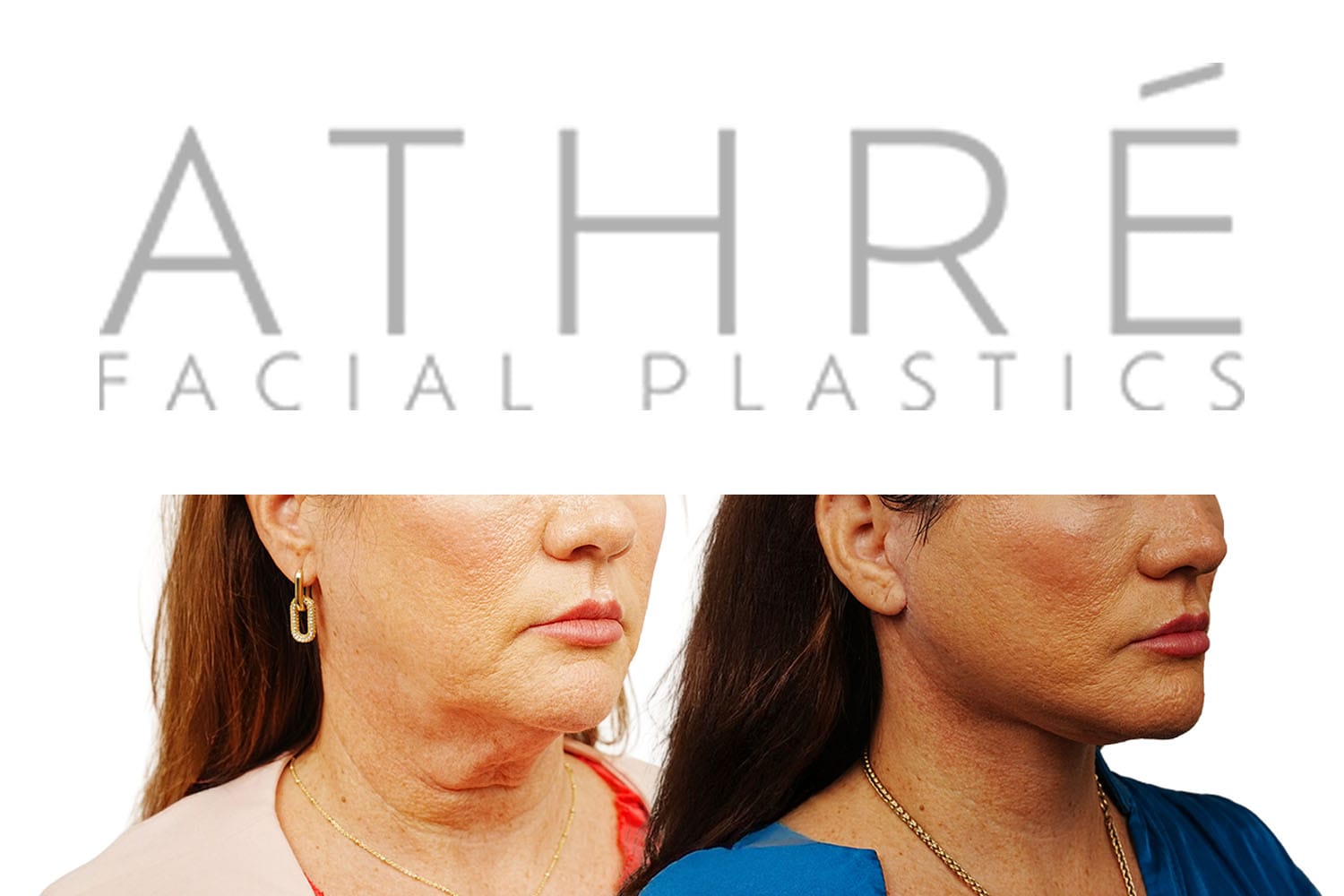
A successful facelift should restore the features that aging has gradually changed without changing the character of the face. The jawline should look more defined. The neck should look cleaner. The cheeks should sit in a more natural position. Most importantly, the face should still look familiar.
The best facelift results don't announce that surgery was performed. They simply allow the face to look more rested, balanced and like itself again.
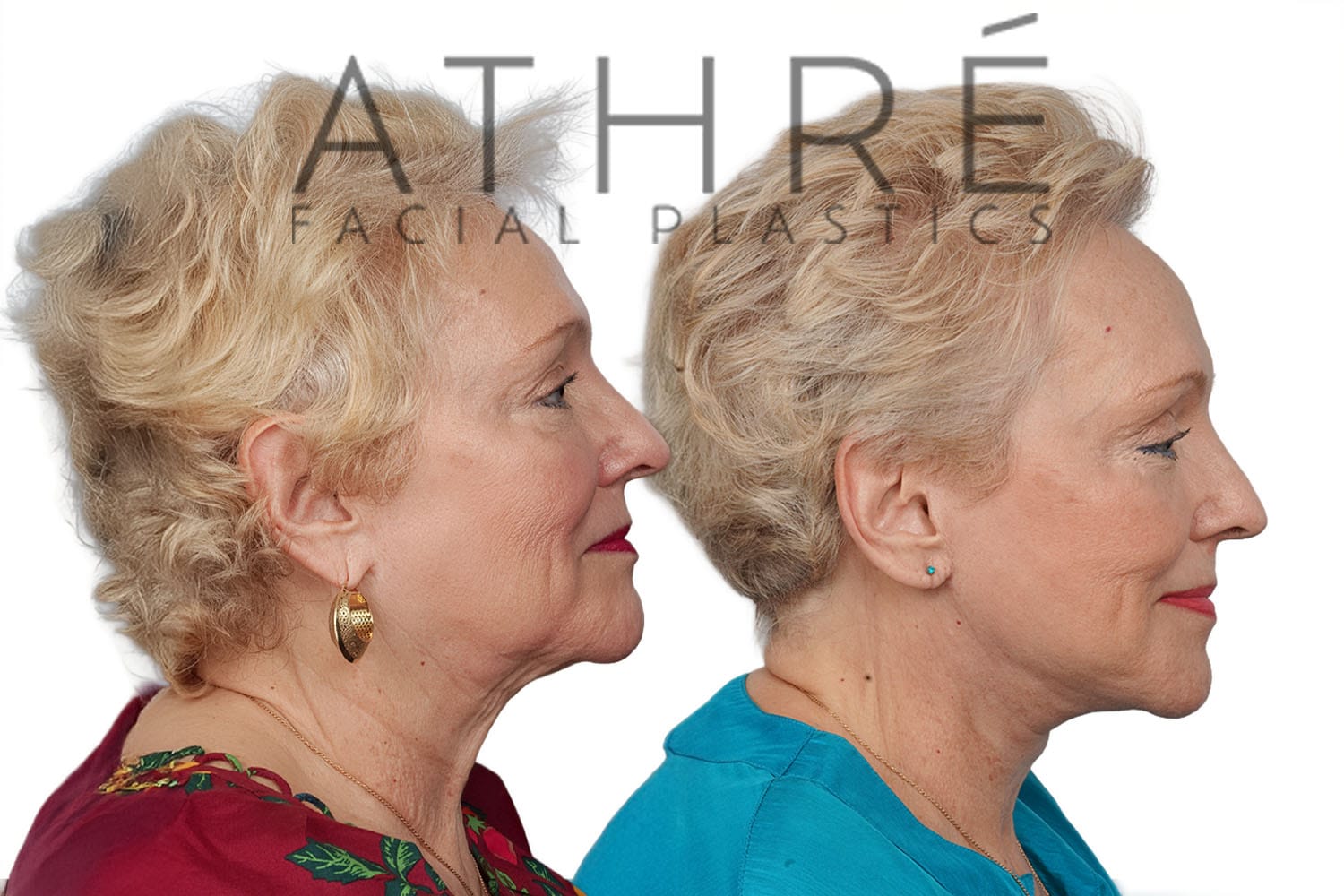
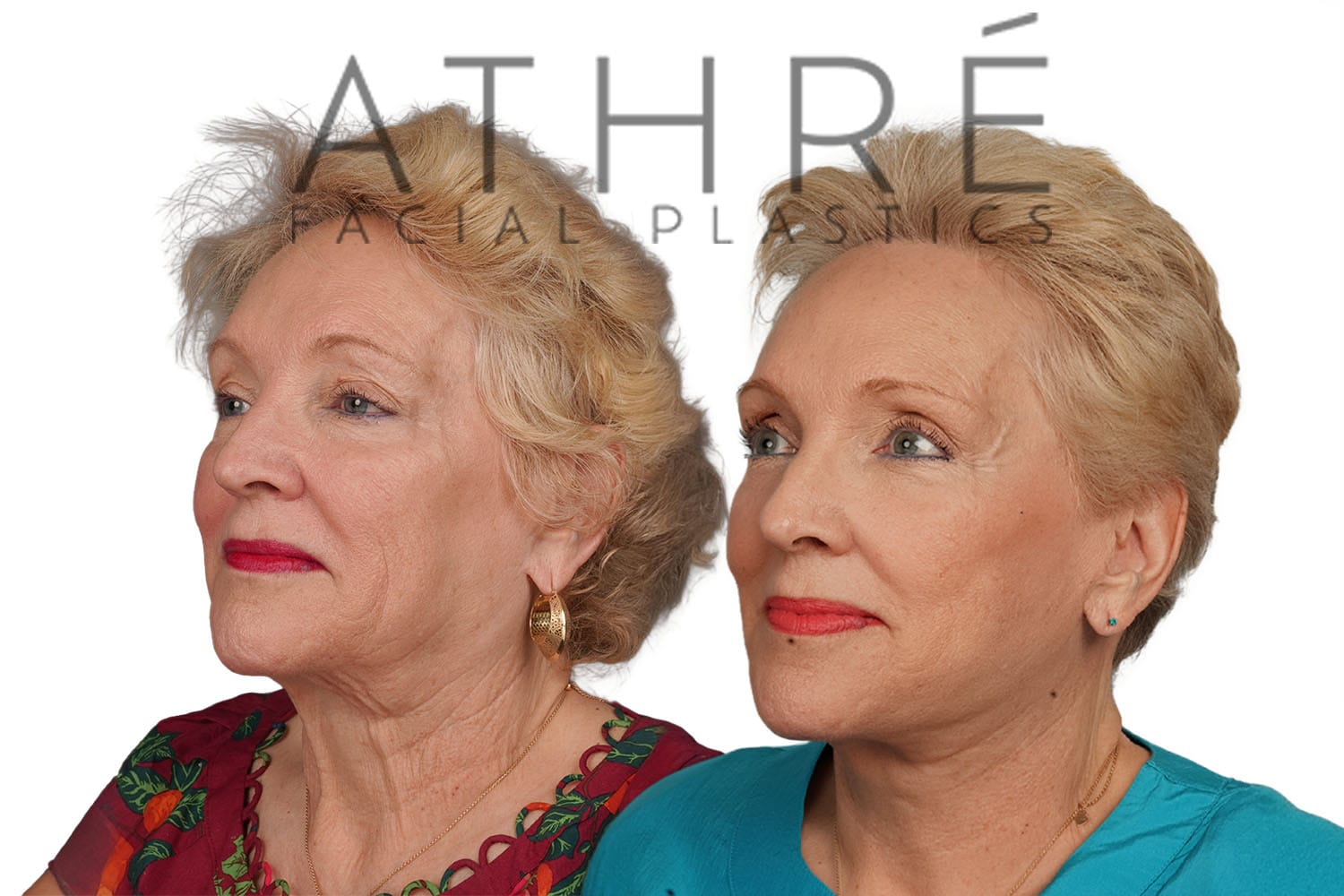
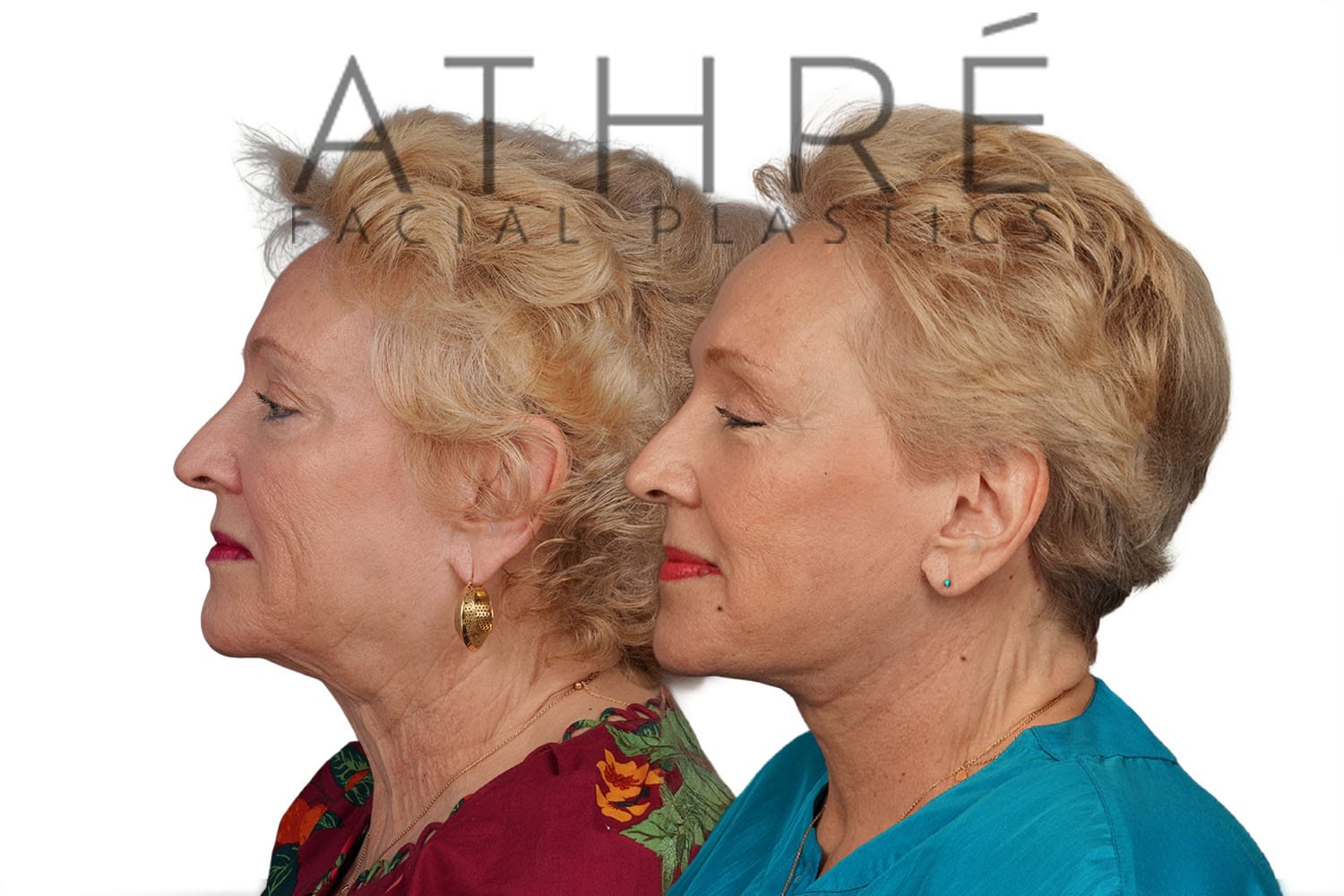
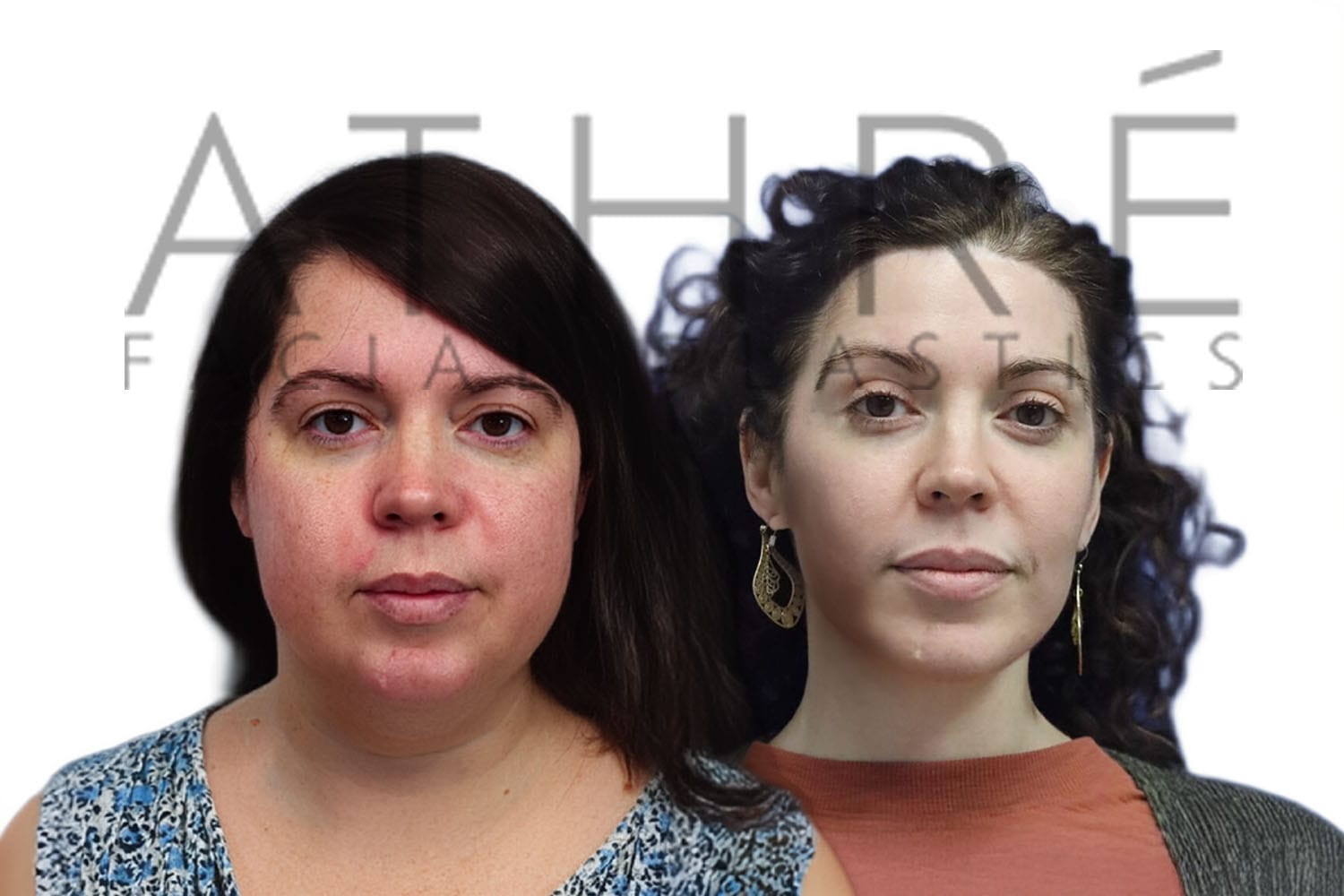

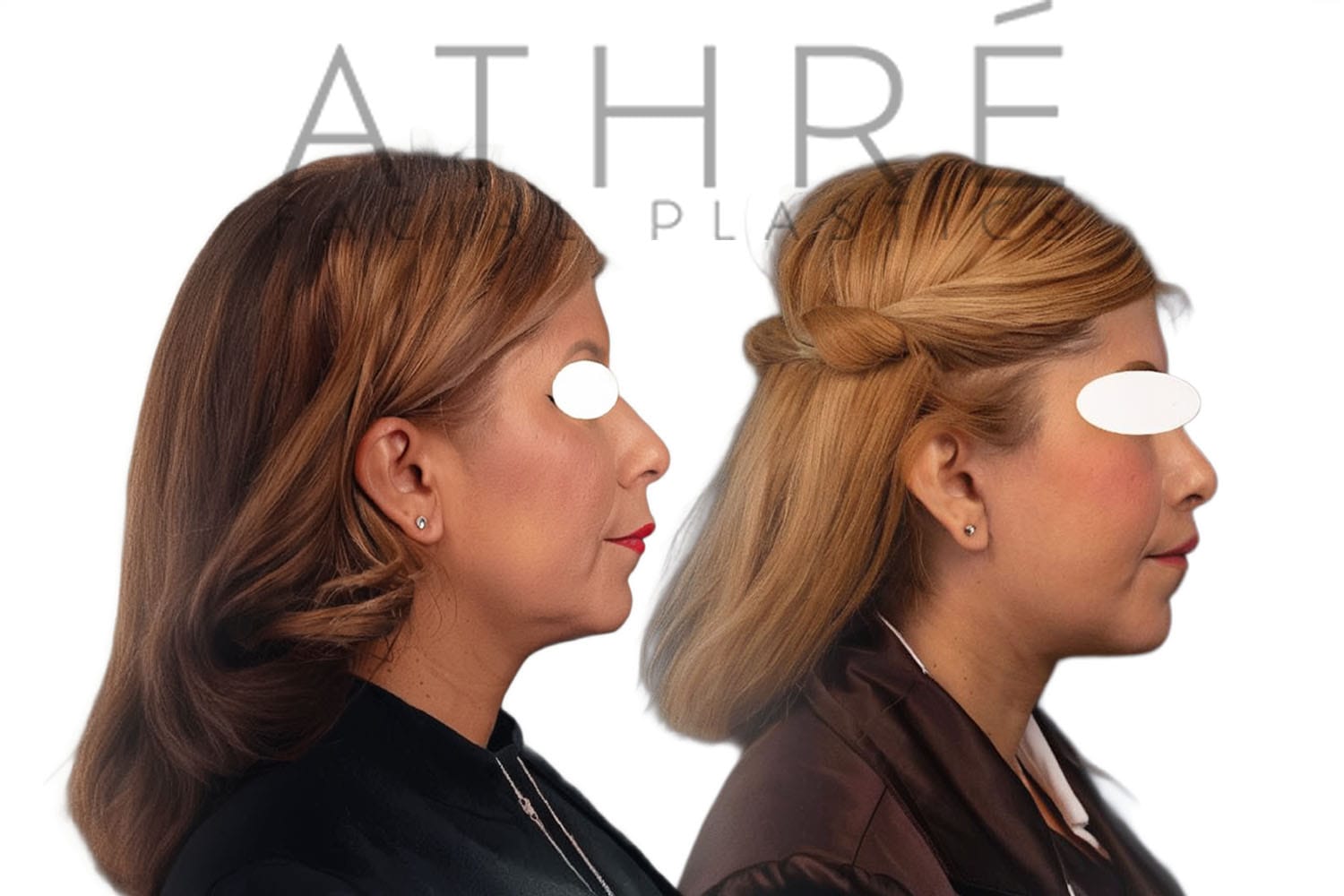
Every Face Ages Differently
There is no standard pattern of facial aging, which means there shouldn't be a standard facelift.
Some patients come to me because they've lost the definition they once had along the jawline. Others are bothered primarily by their neck. Sometimes the cheeks have descended or the face has lost volume with age. What matters is understanding what has actually changed in that particular face.
That is why I don't start with a predetermined operation. I start with the patient.
A deep plane facelift may be appropriate when aging involves descent of the deeper facial tissues, particularly when significant changes affect the cheeks, jawline and lower face. When the neck is also involved, I may combine that surgery with a deep neck lift to address the underlying structures responsible for the loss of definition.
But not every patient needs that extent of surgery. When the changes are concentrated higher in the cheeks and the lower face and neck remain relatively youthful, a more focused operation may be appropriate. For selected patients, I may consider an endoscopic deep plane approach or a midface lift that addresses the areas requiring correction without automatically treating the entire face and neck.
My 4D Facelift™ takes a more comprehensive approach when the patient's anatomy calls for it. Lifting the tissues may solve only part of the problem. Facial volume may also need to be restored through fat transfer, while changes in skin texture or pigmentation may benefit from appropriate resurfacing. The combination is individualized rather than identical for every patient.
The purpose isn't to do more. It's to do what the face actually needs.
What to Look for in Facelift Before and After Photos
When evaluating facelift results, don't look only at tighter skin.
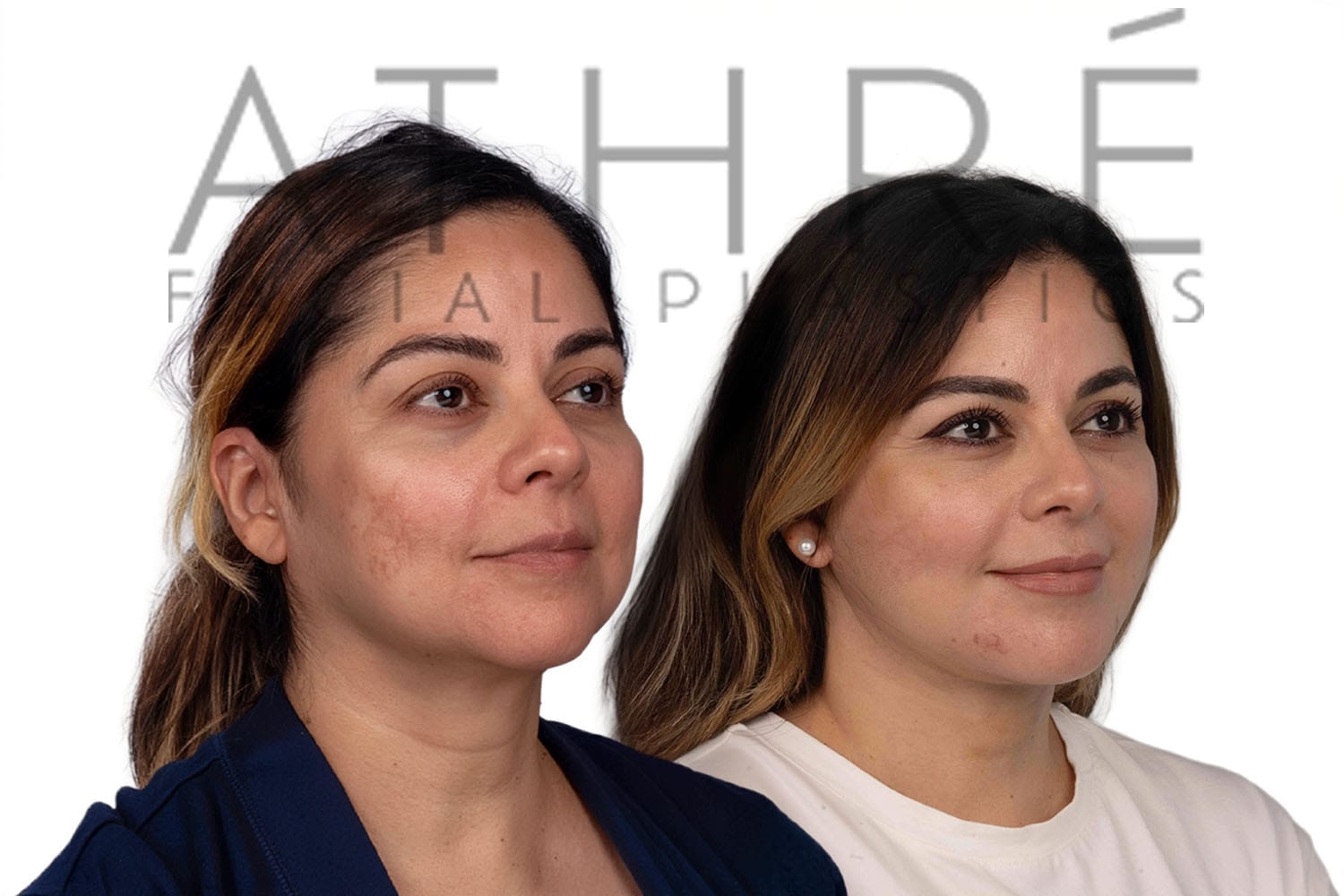
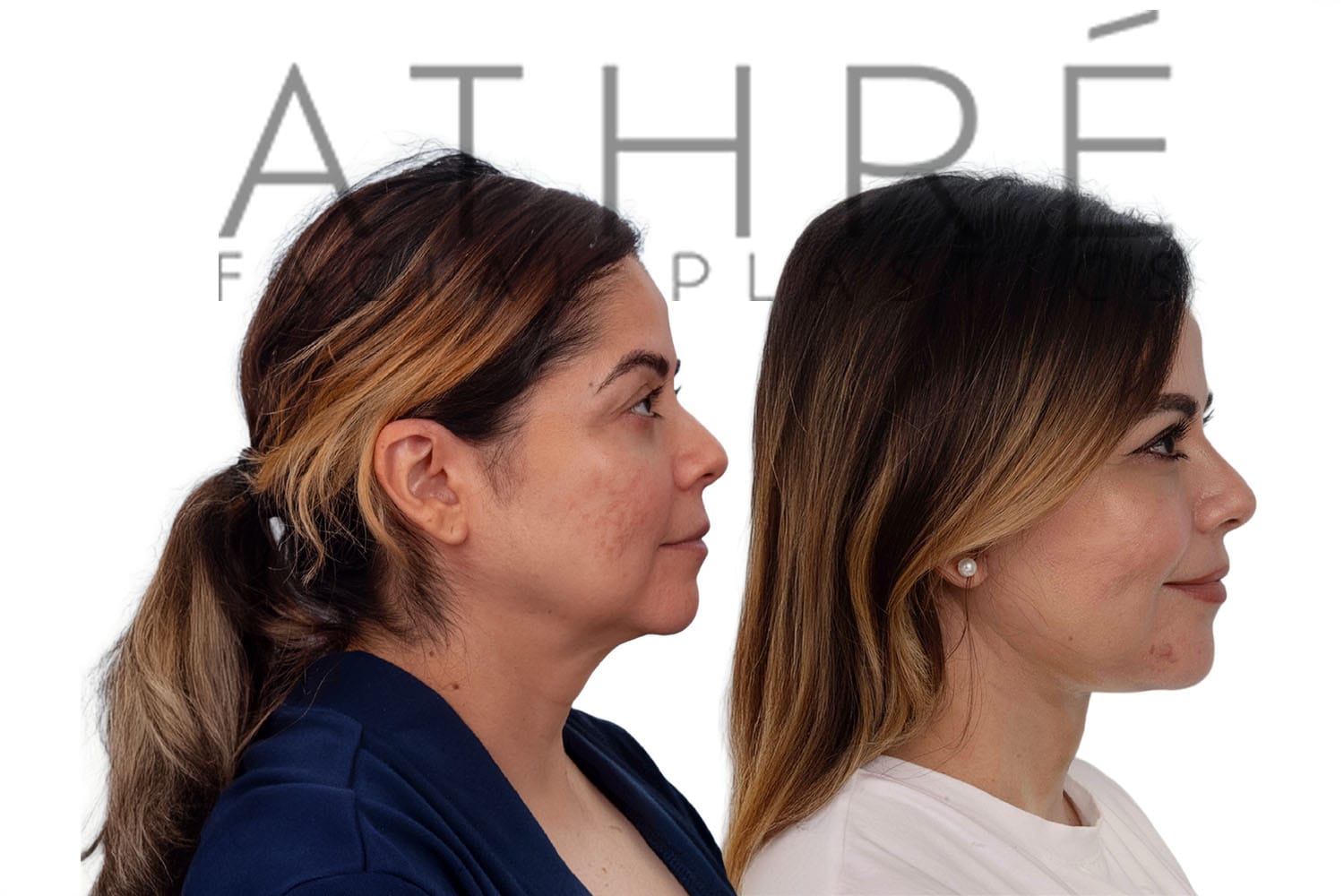
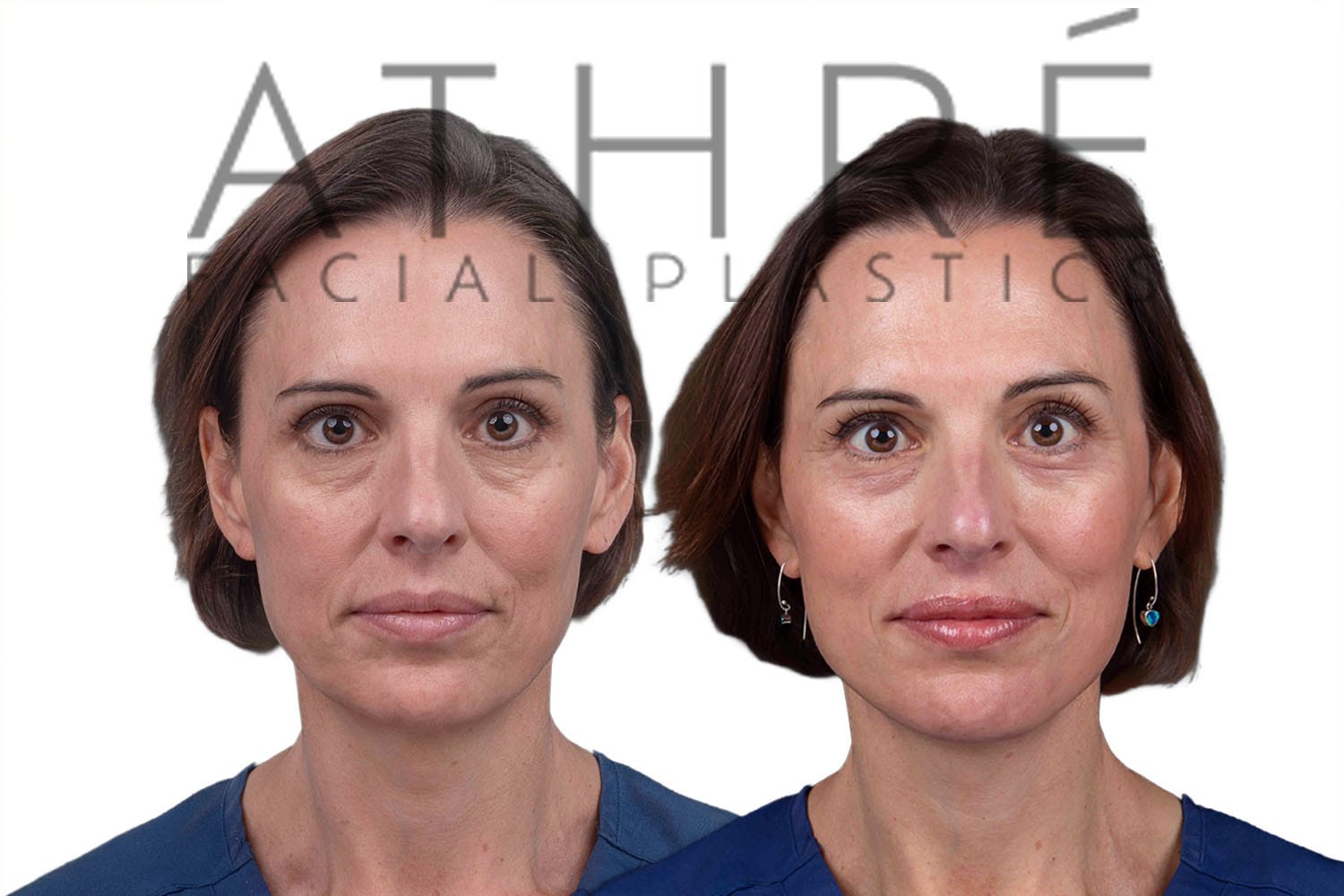
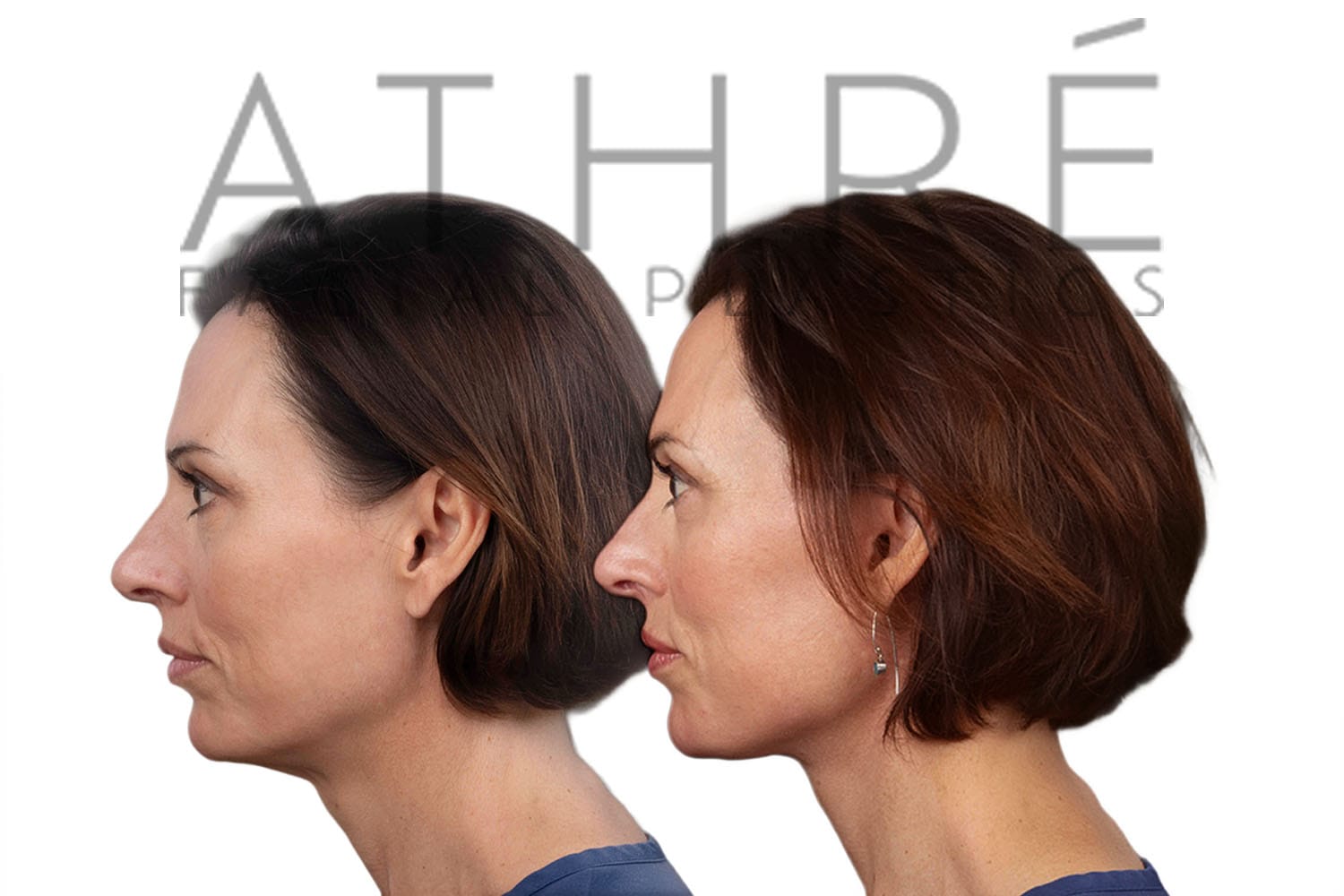
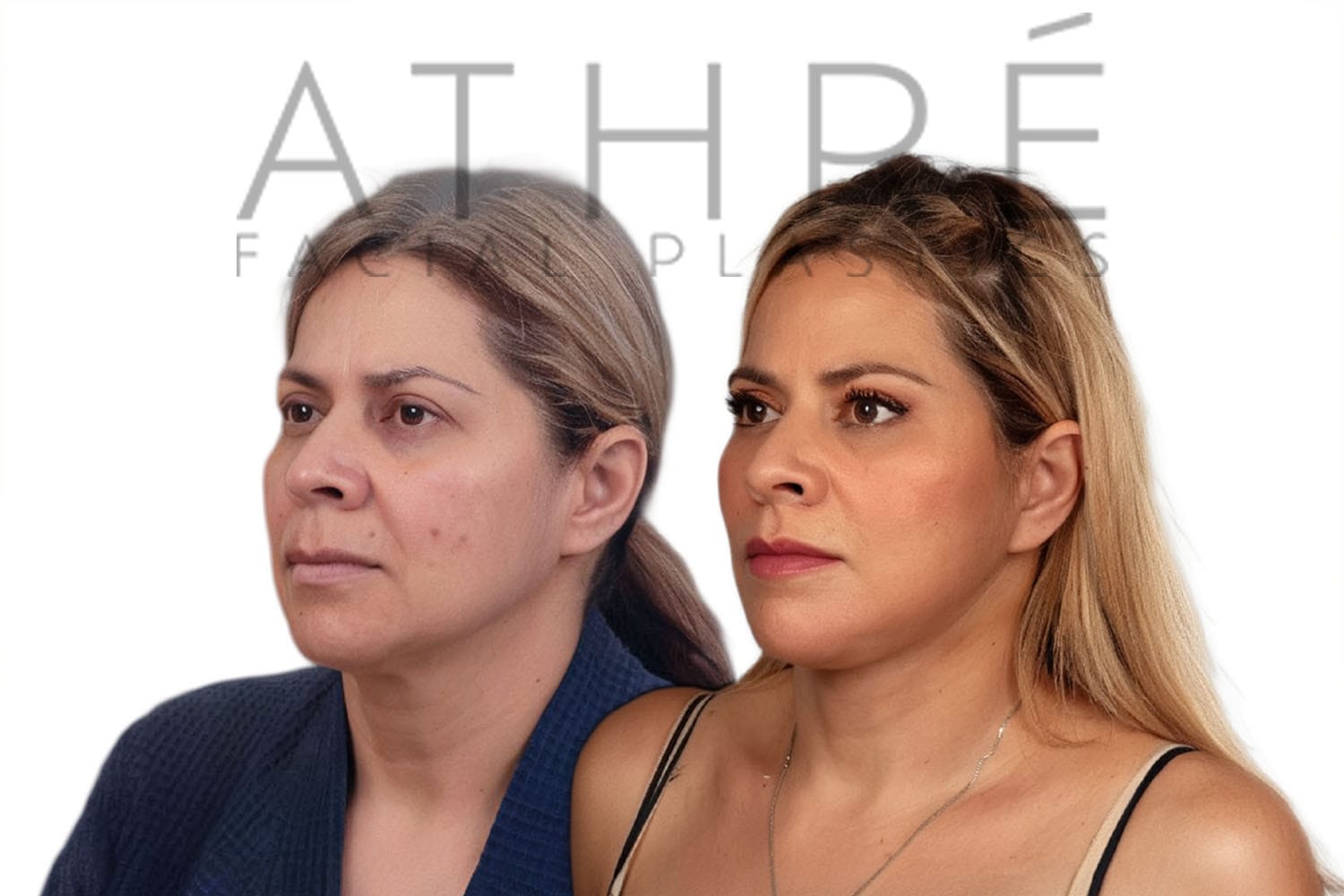
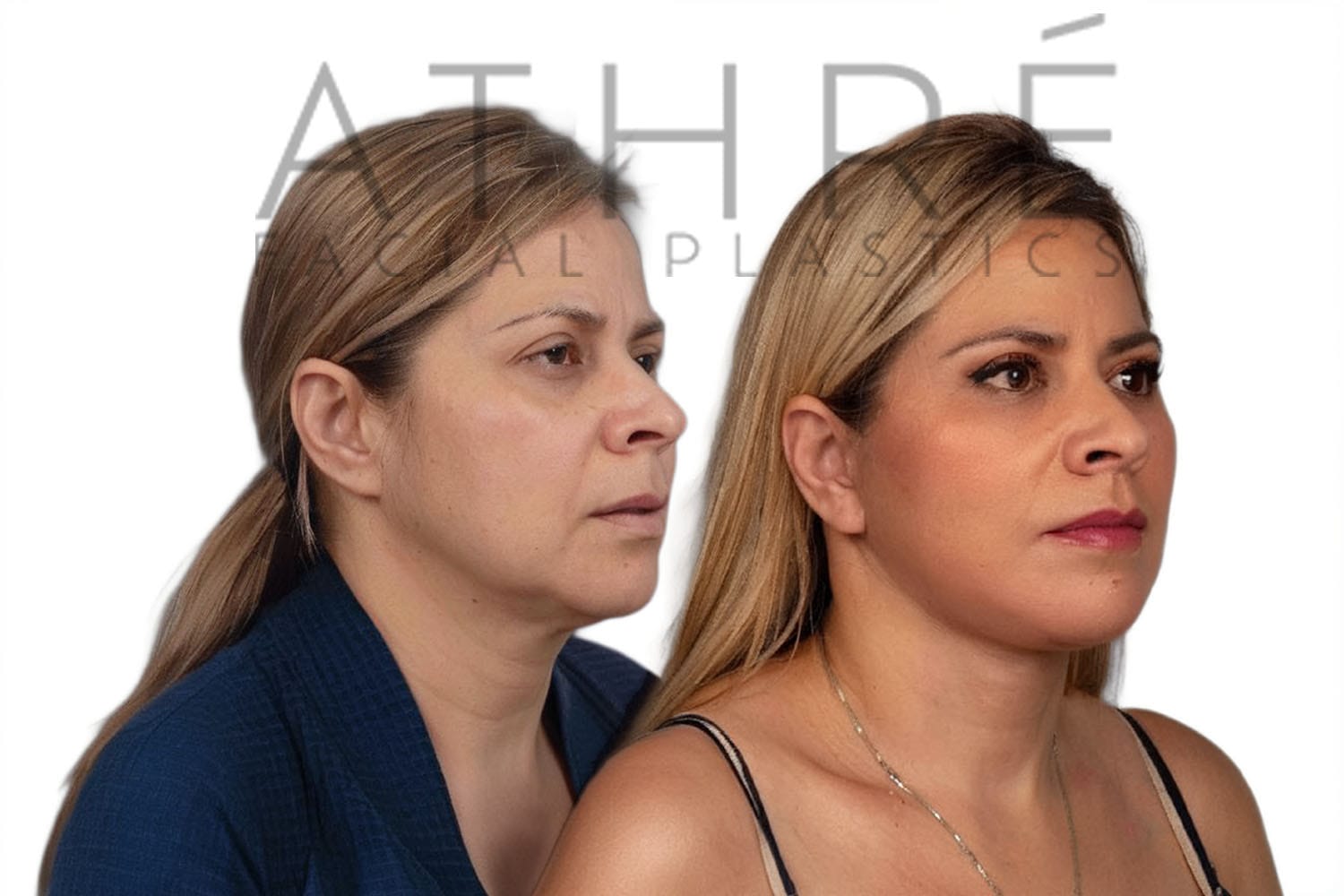
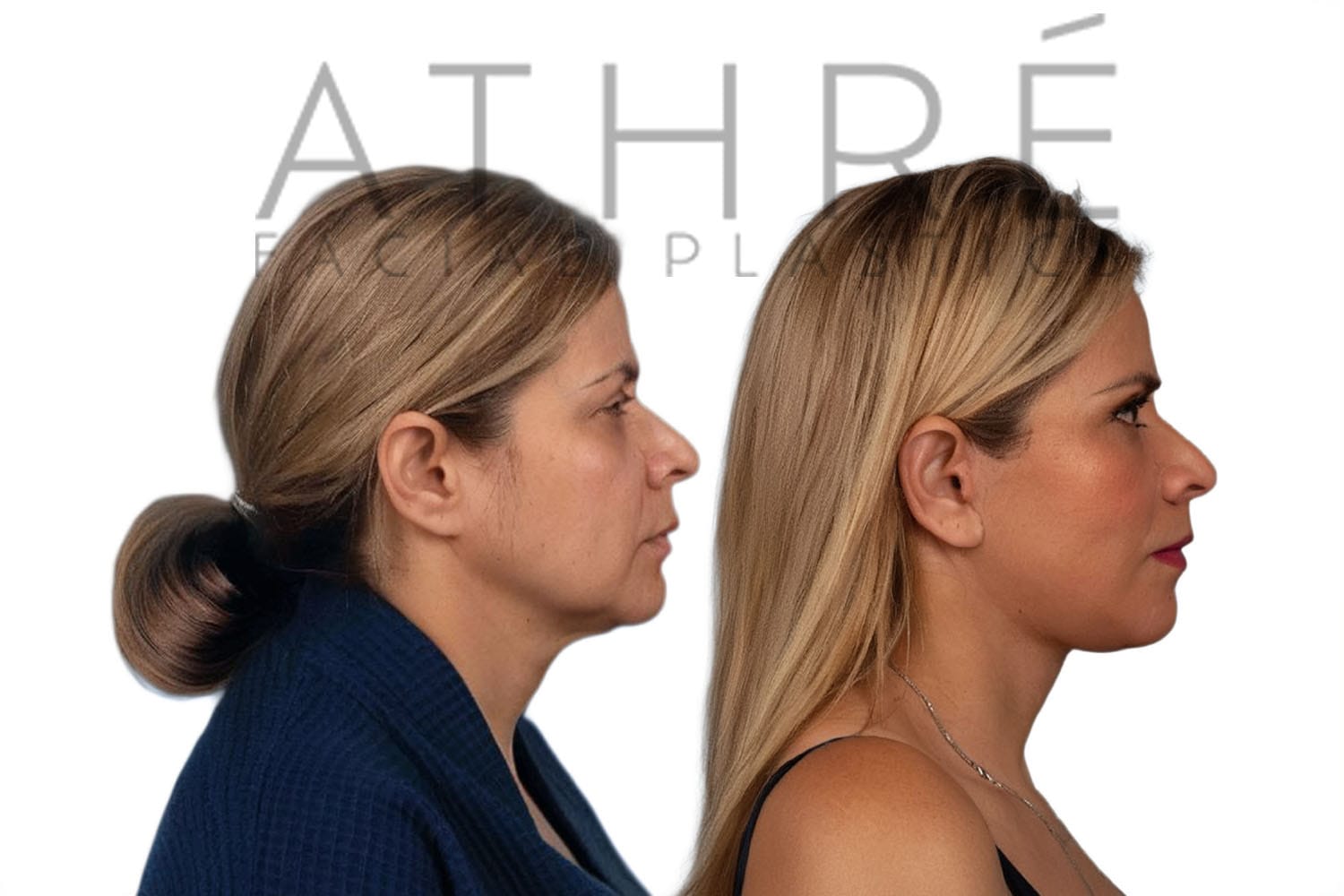
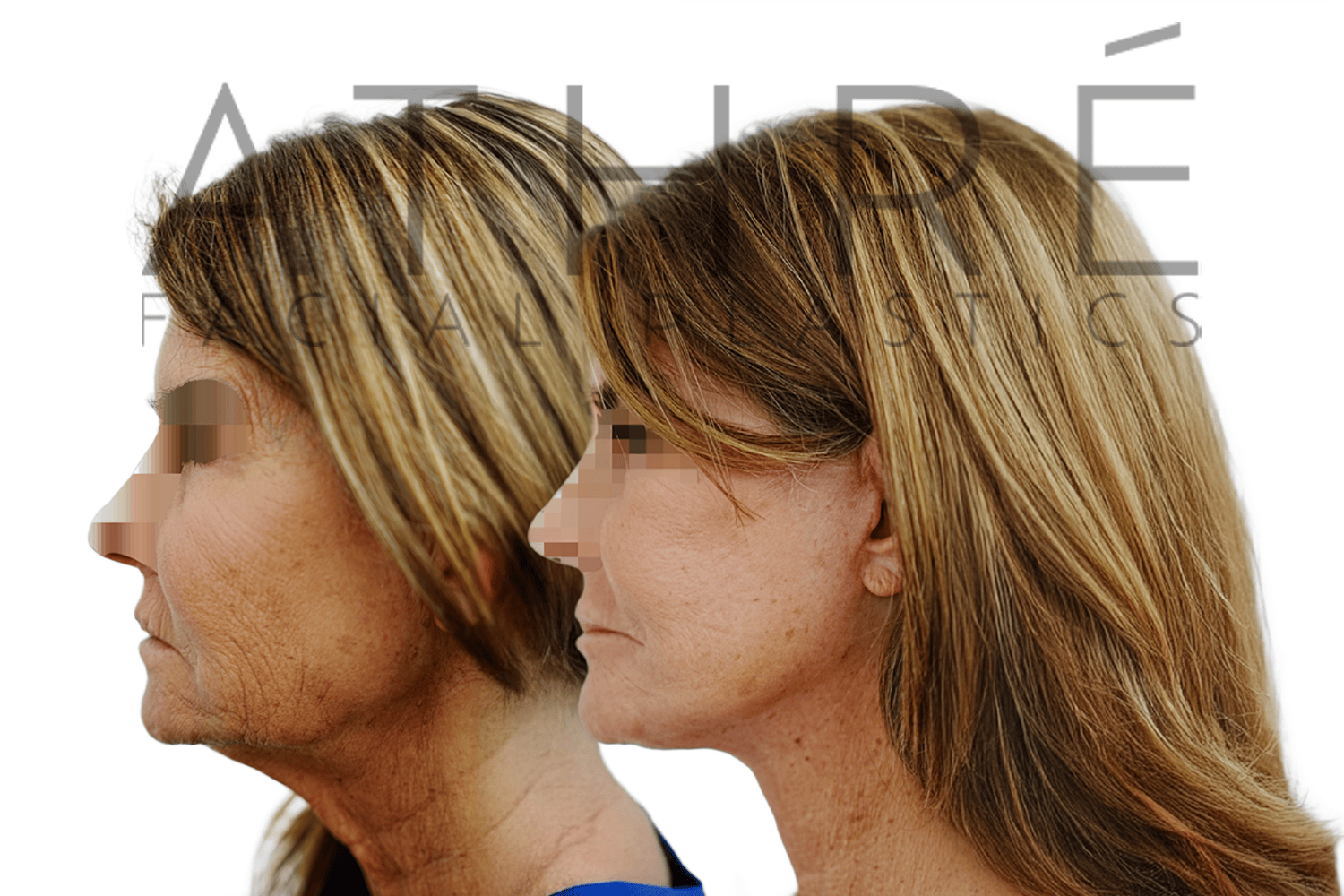
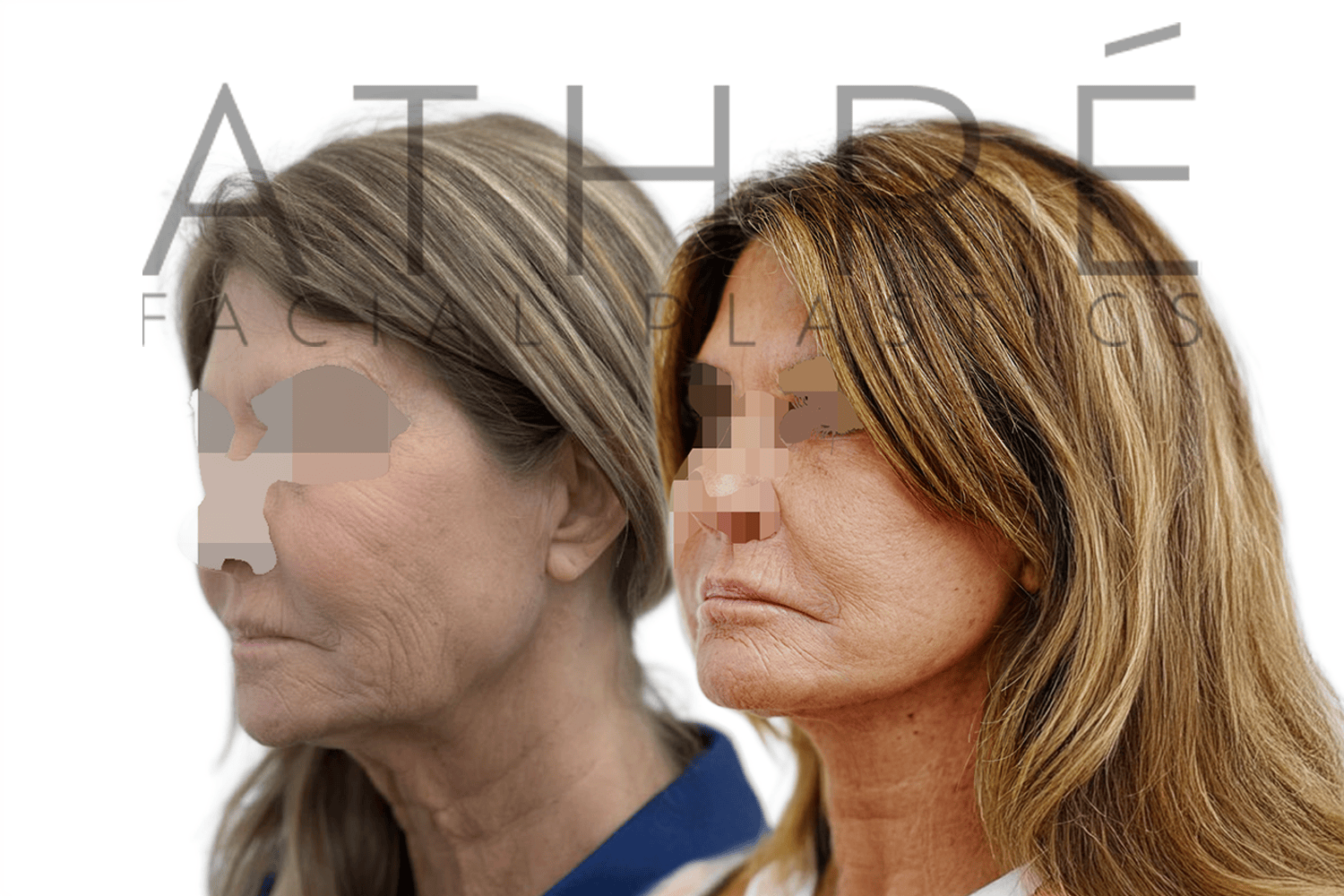
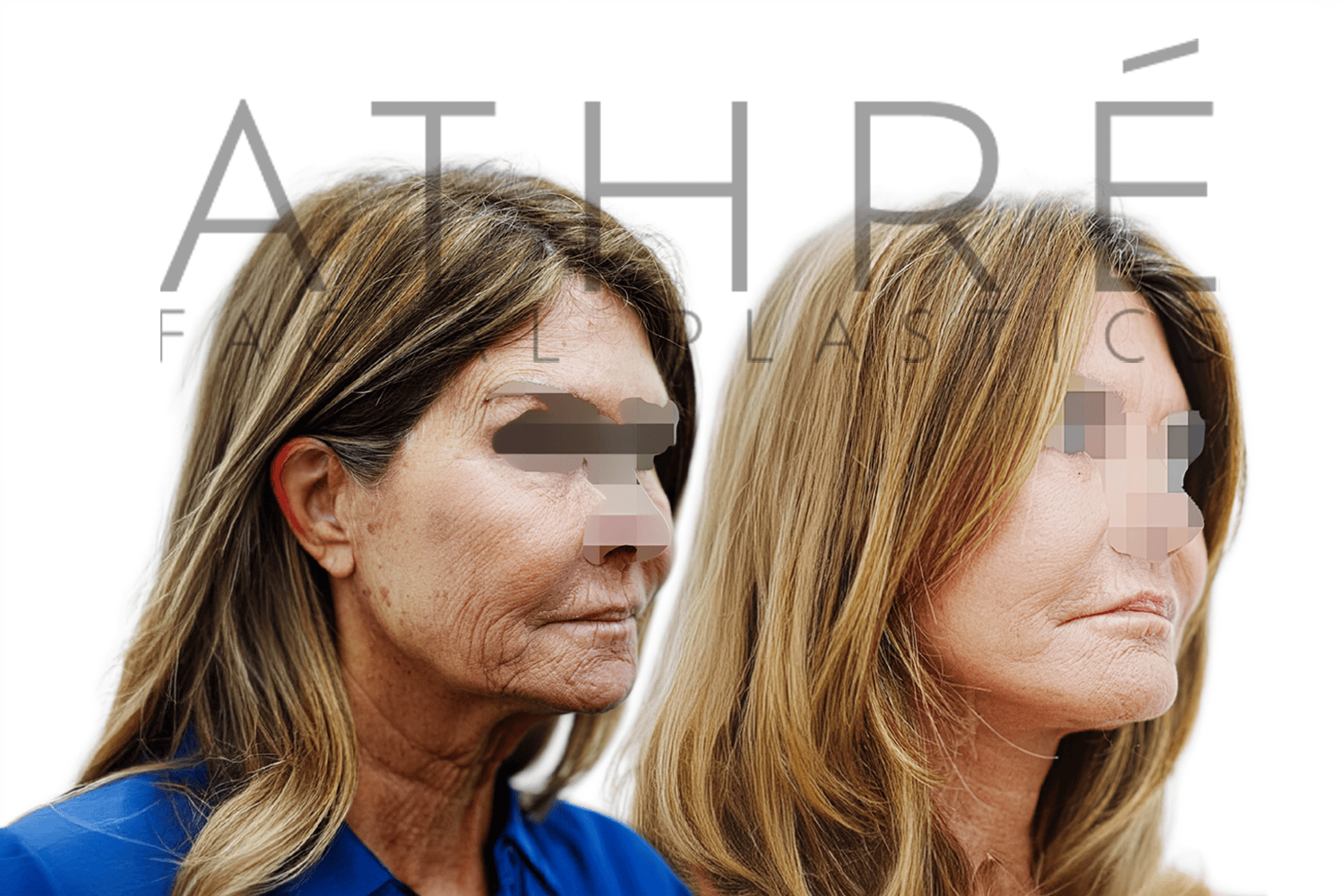
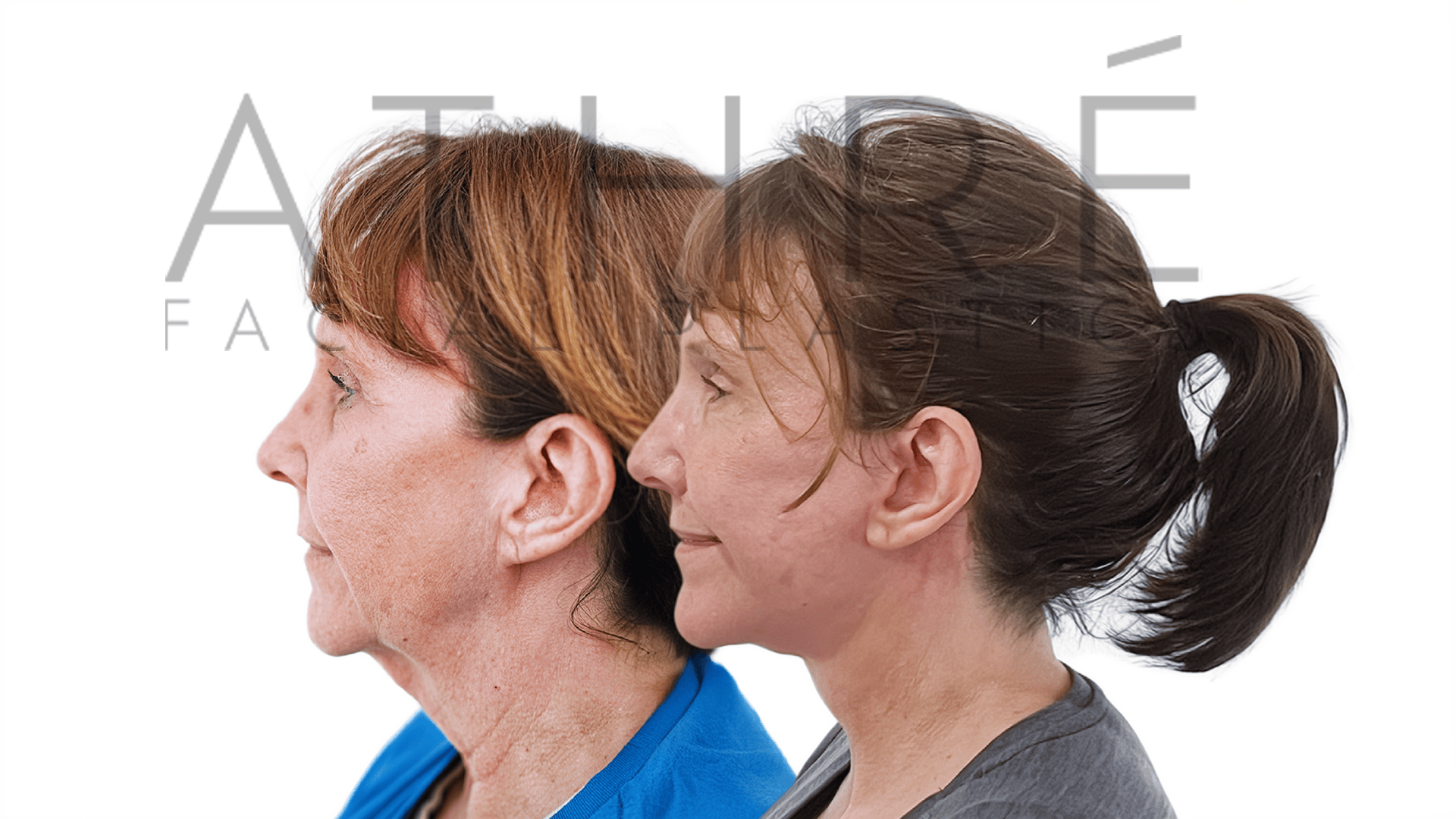
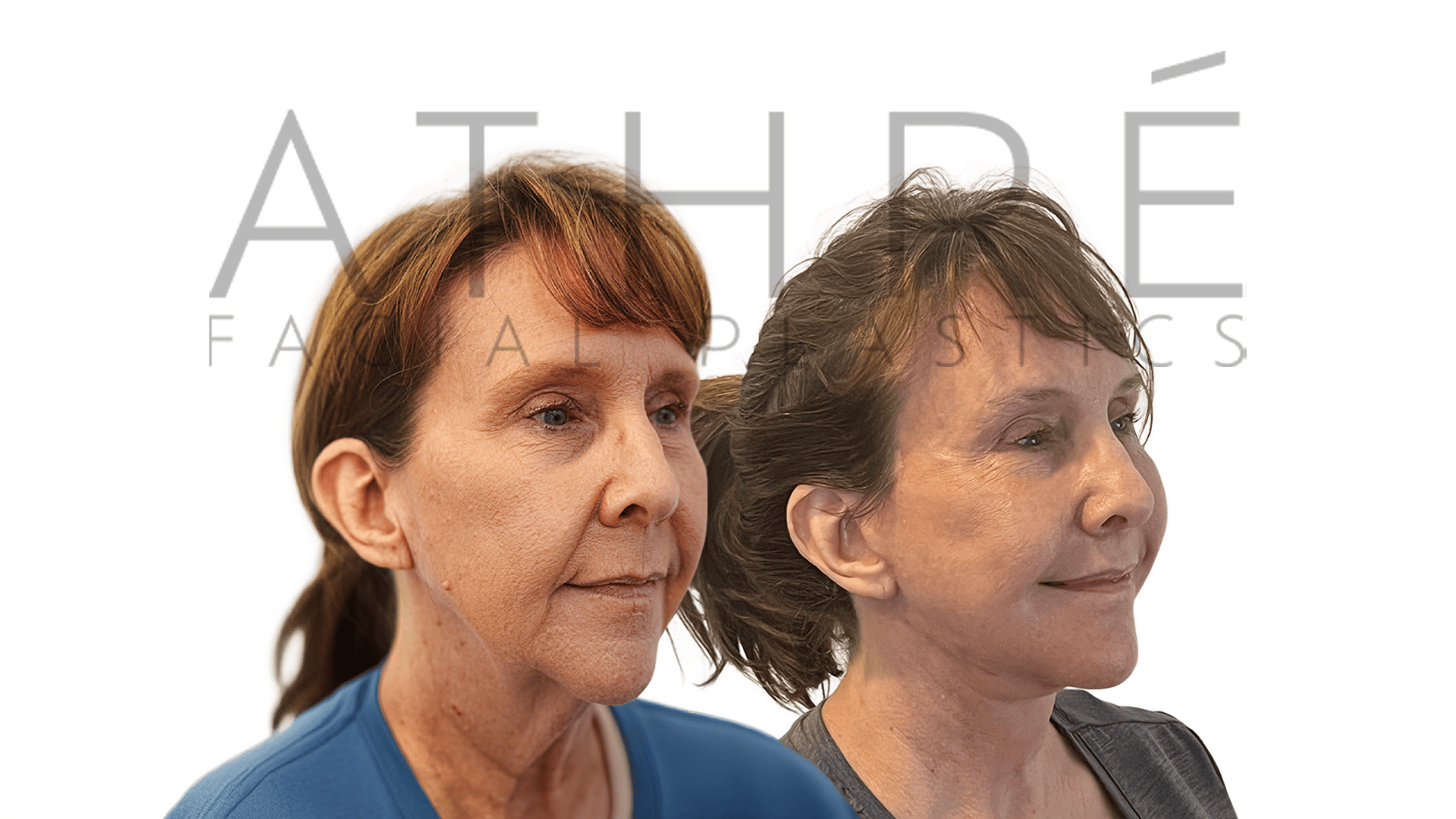
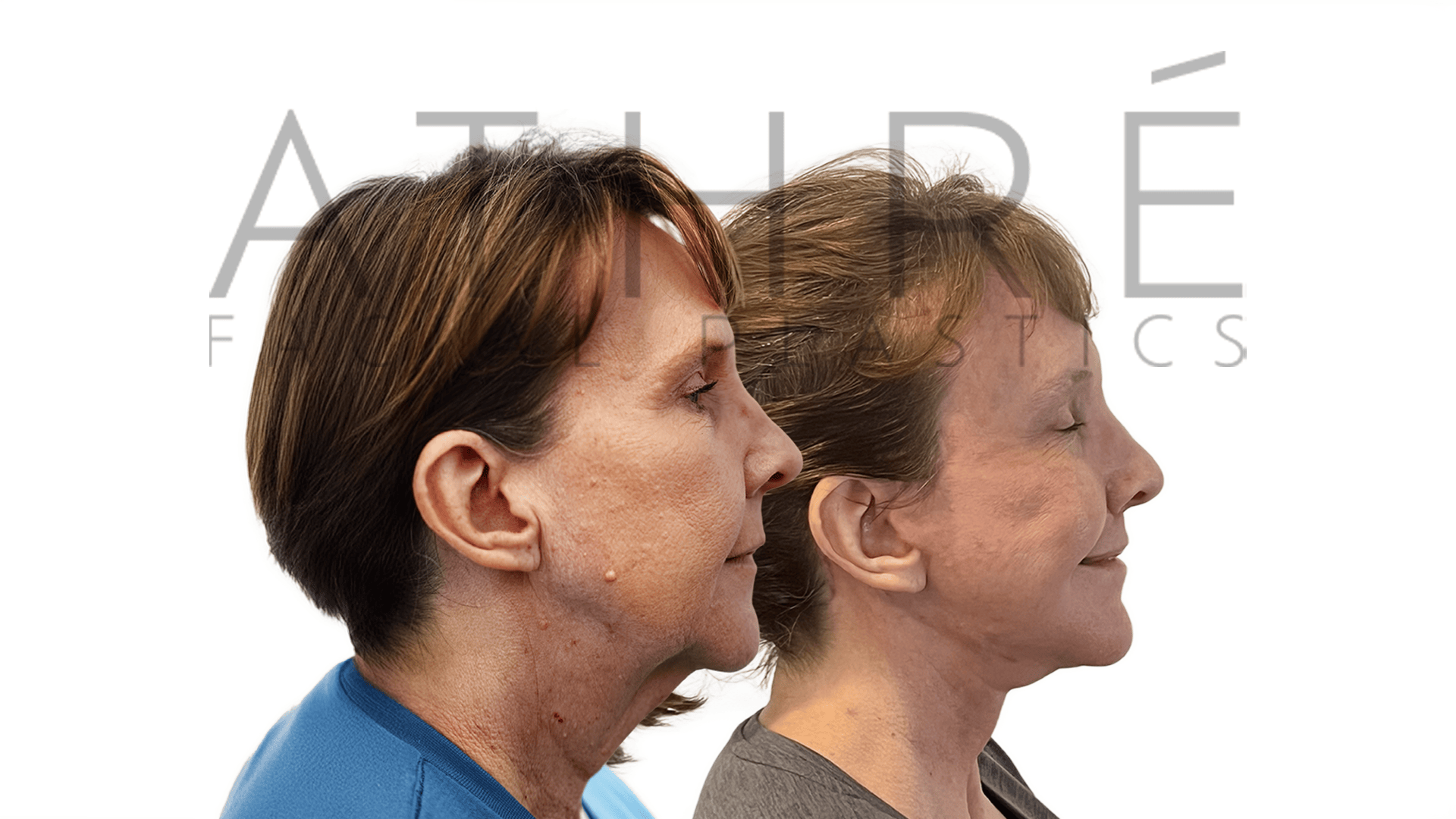
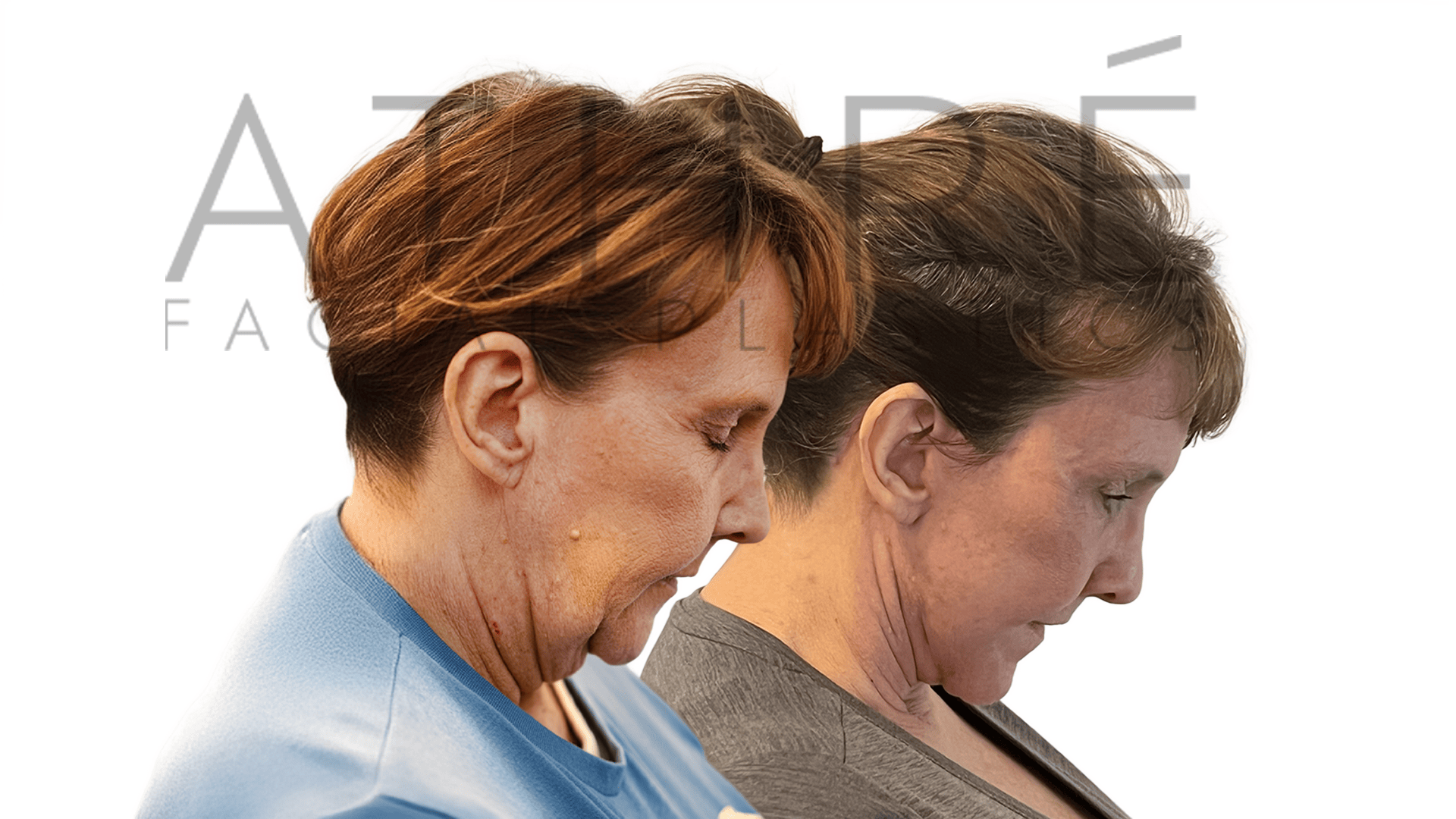
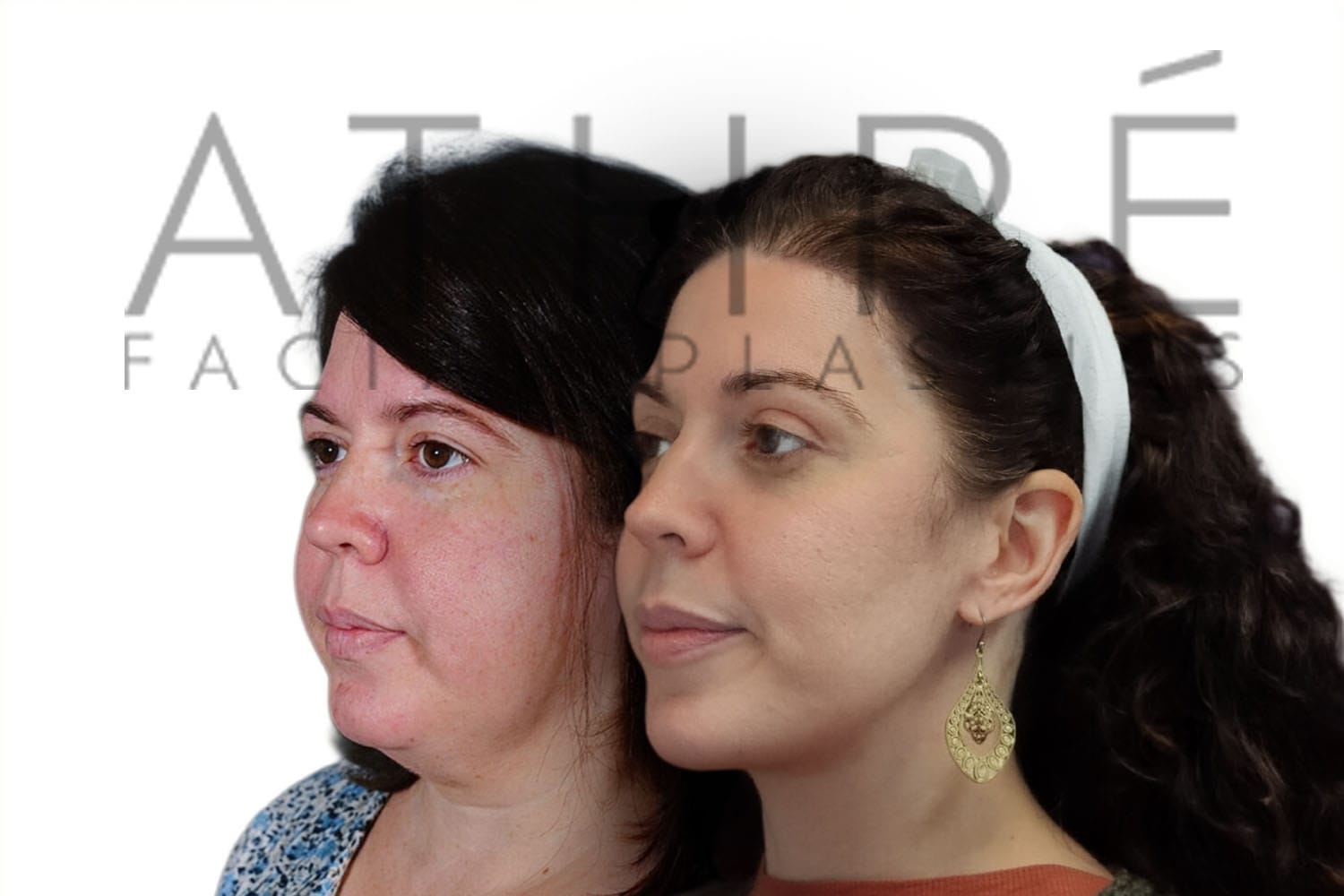
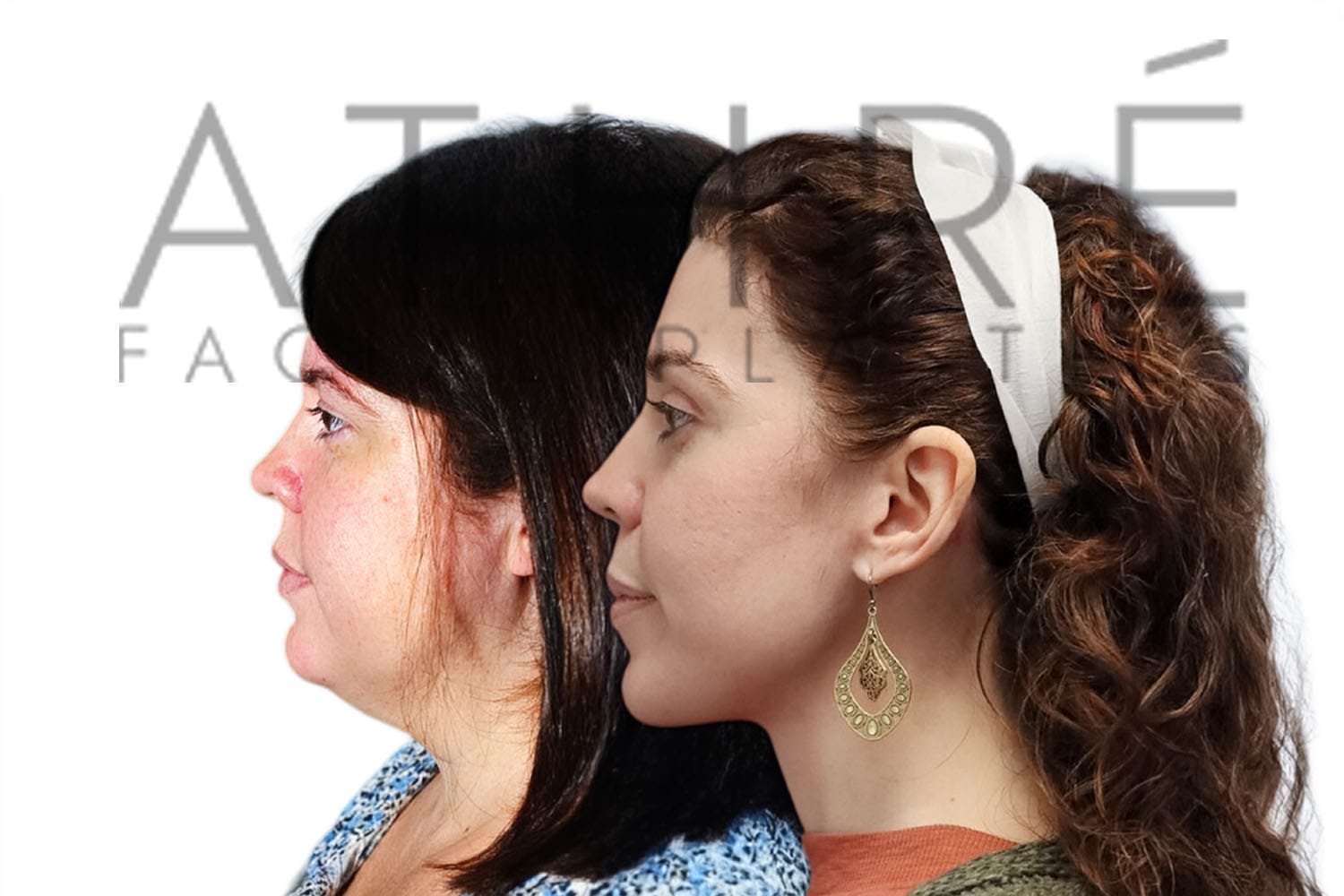
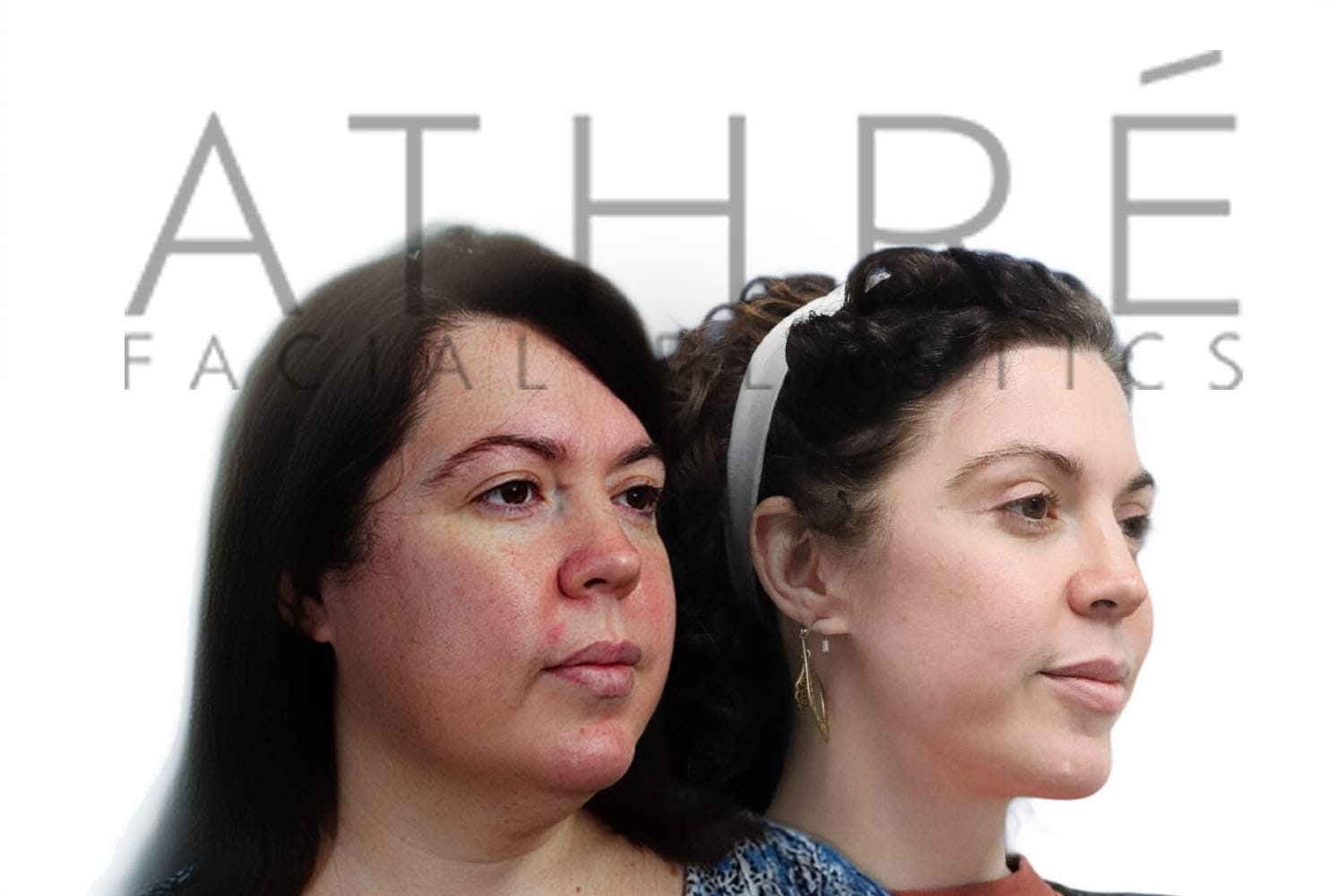
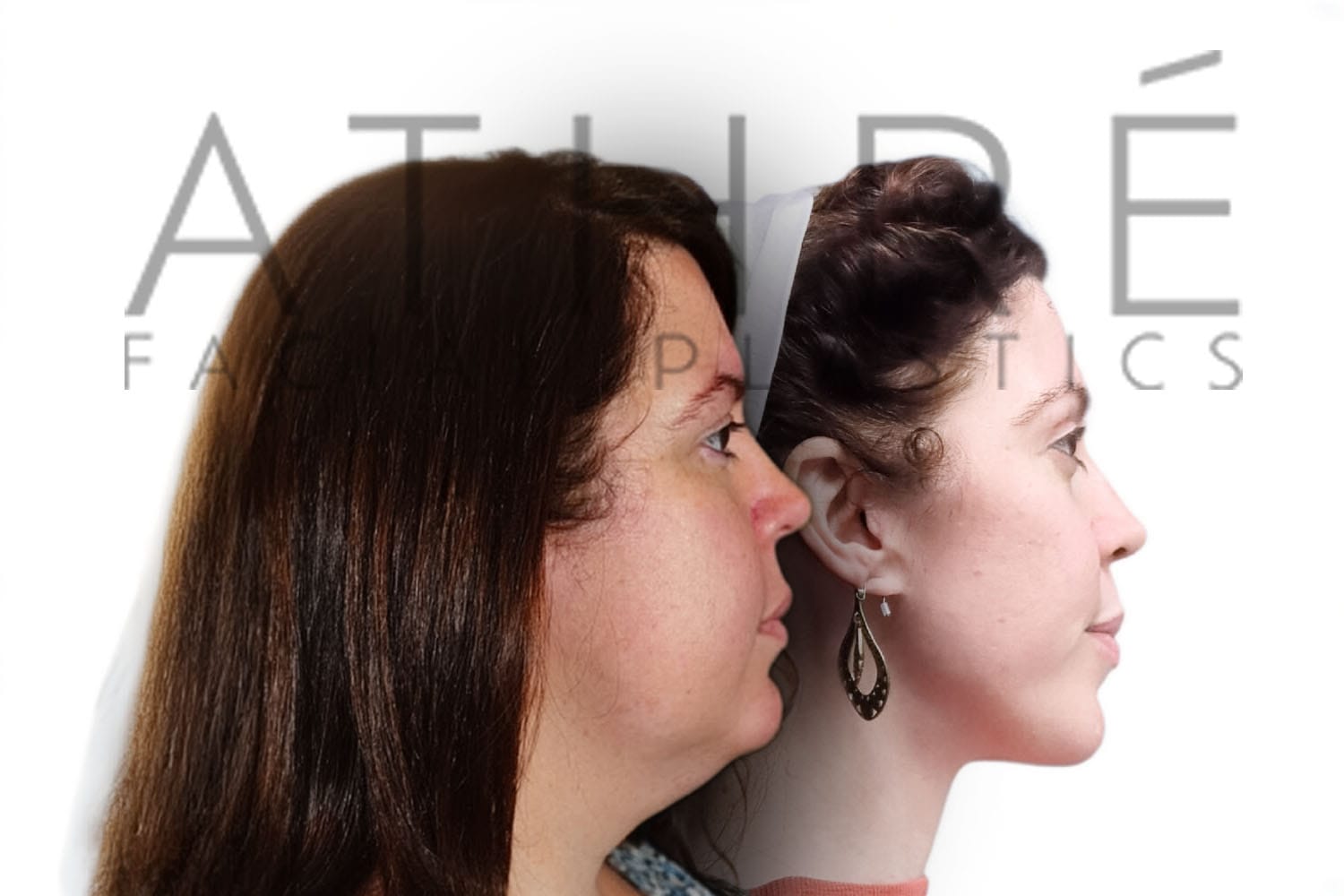
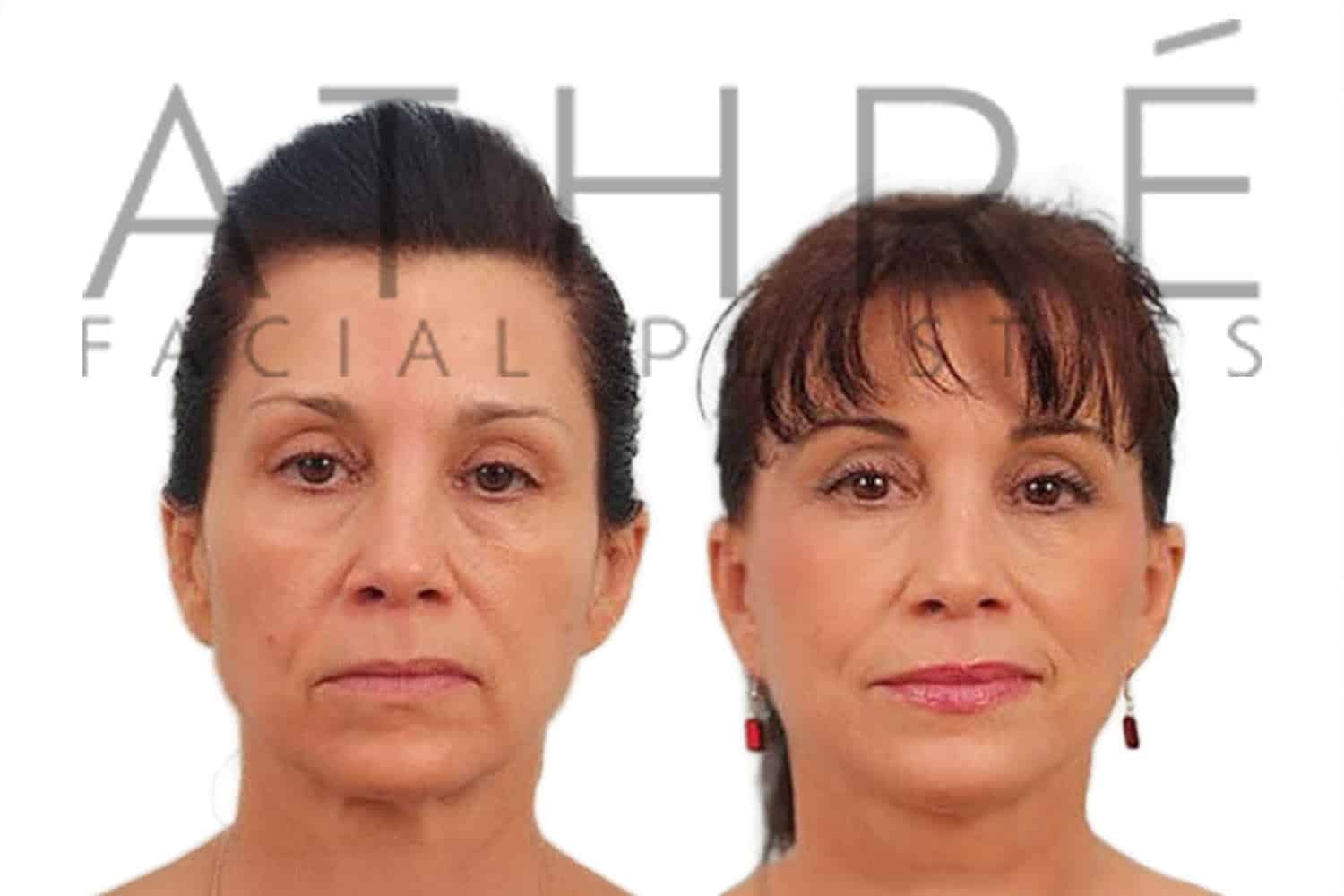
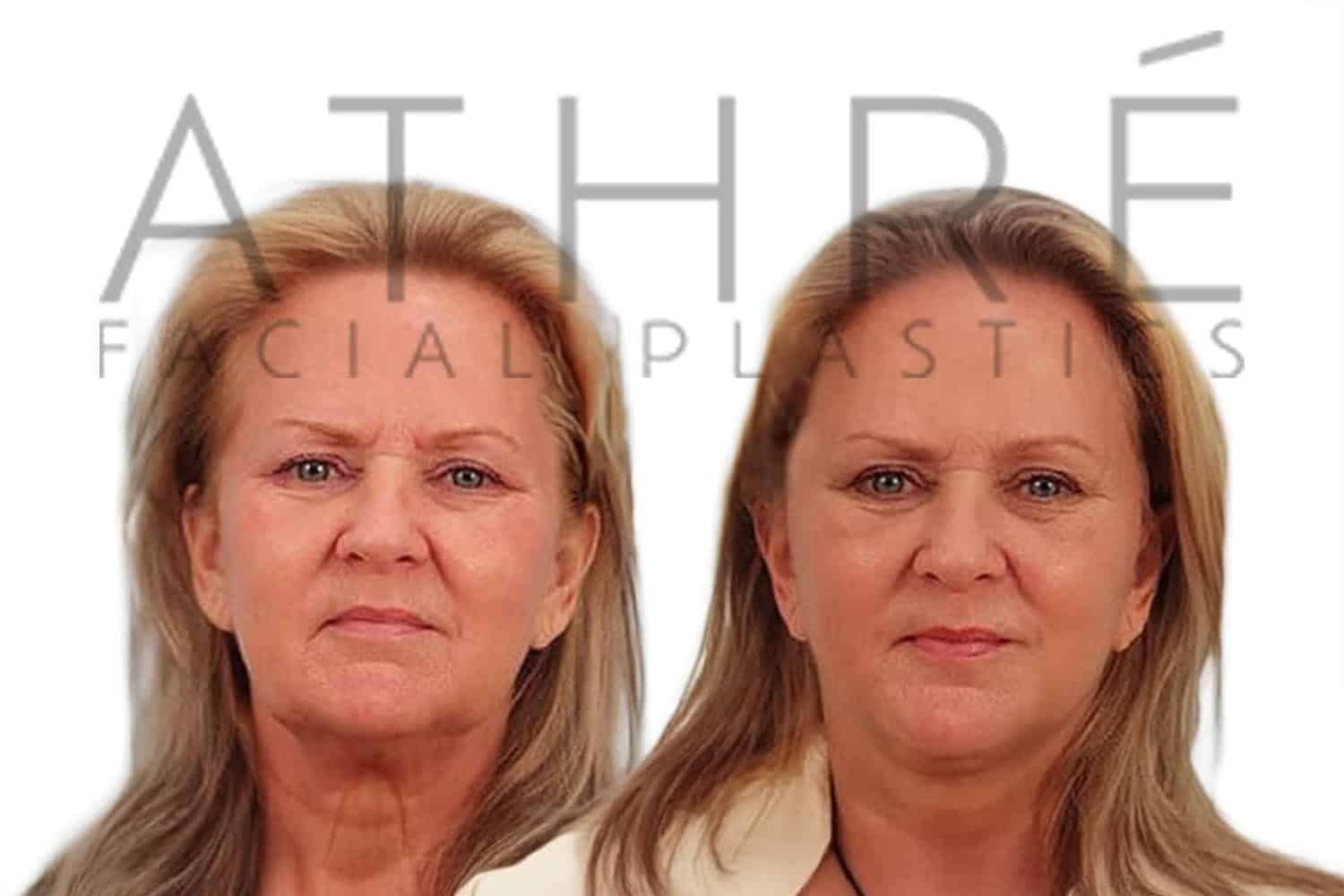
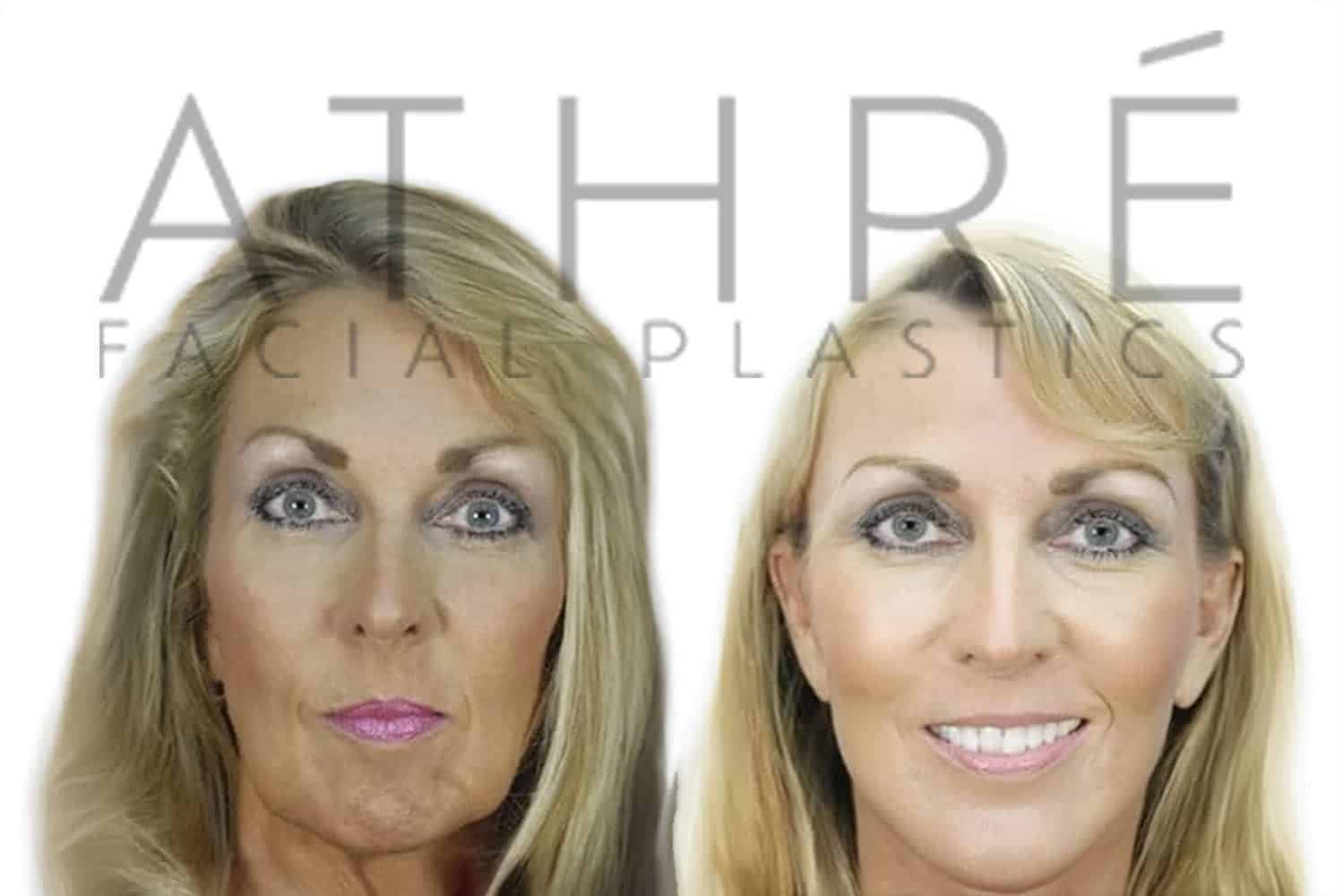
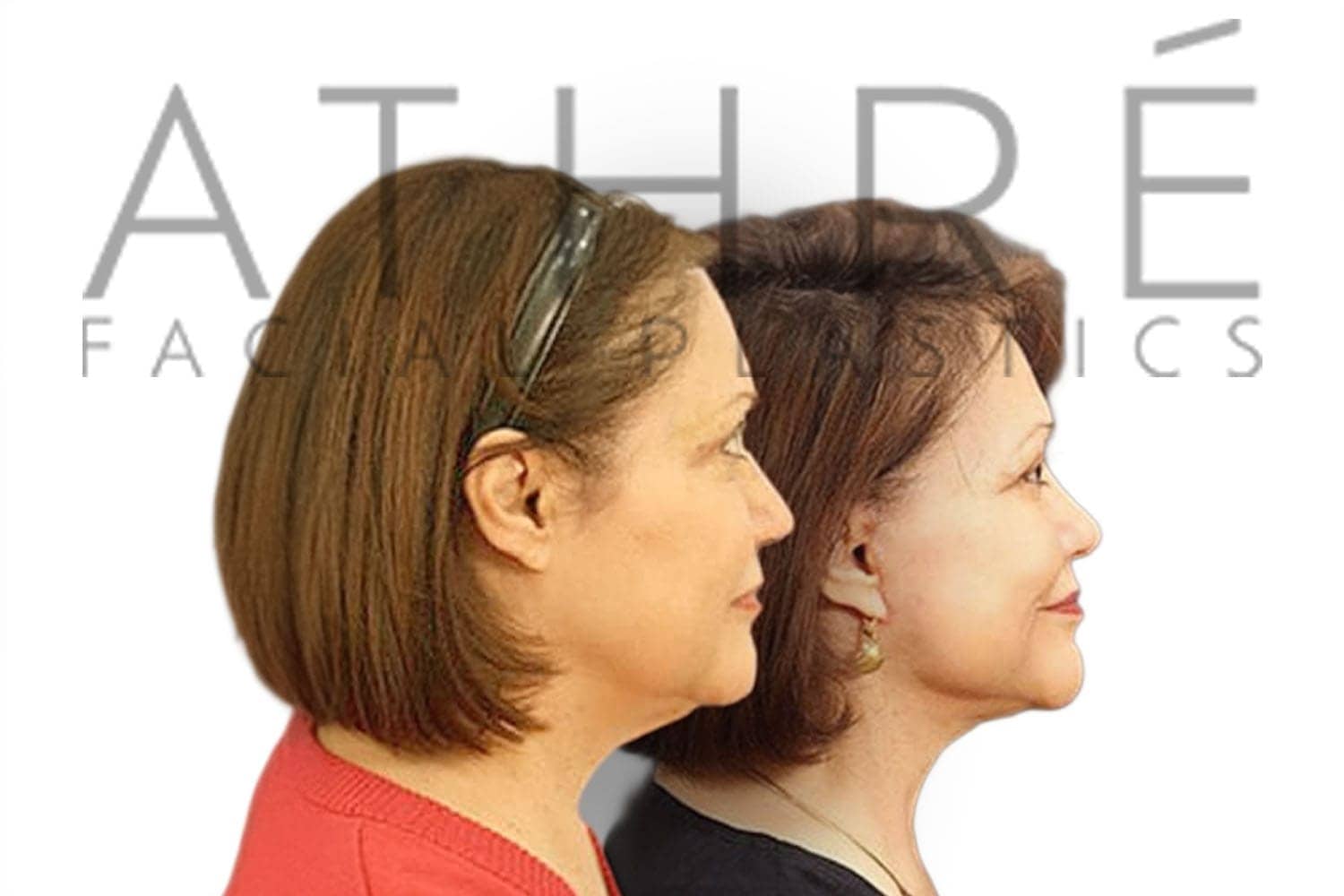
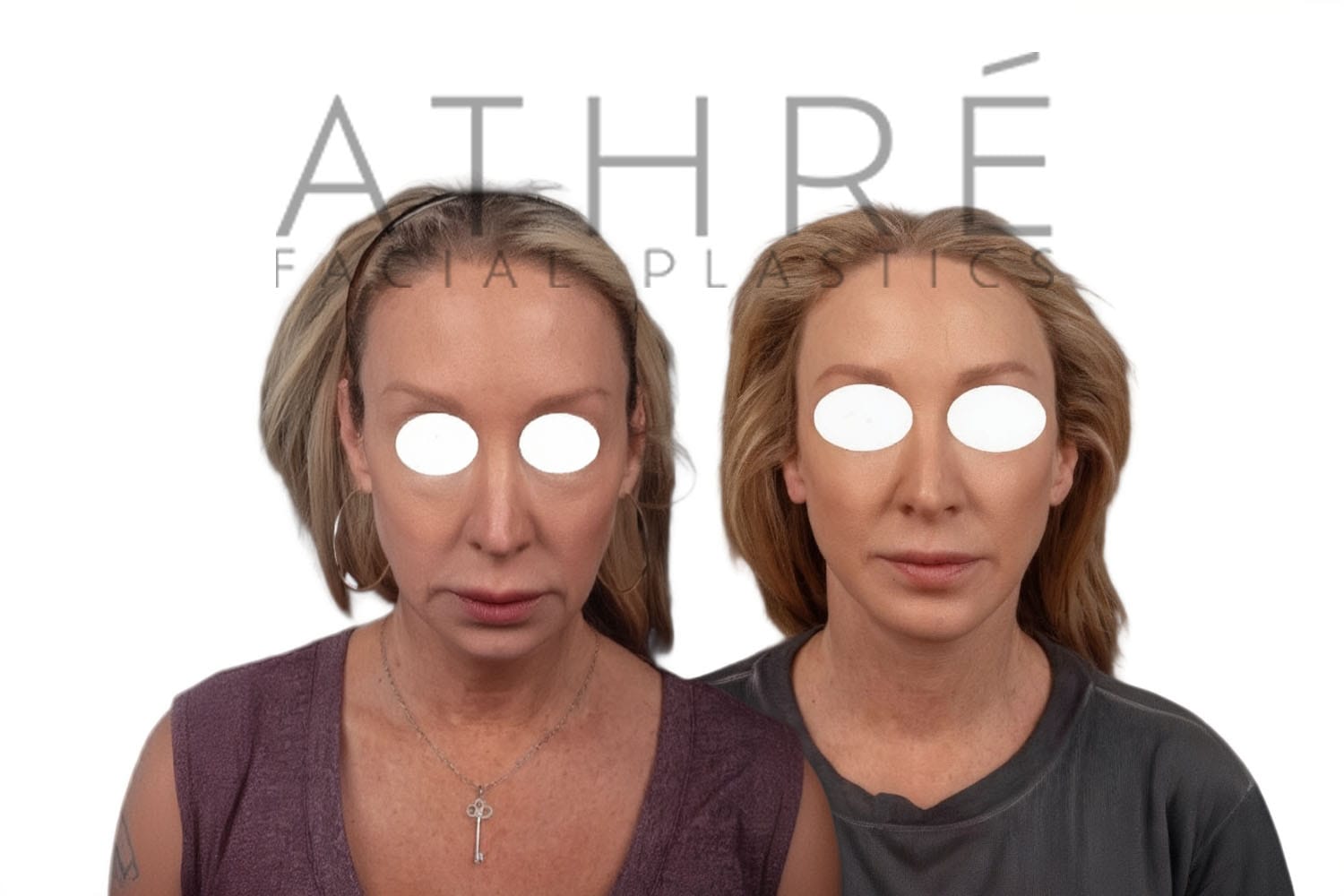
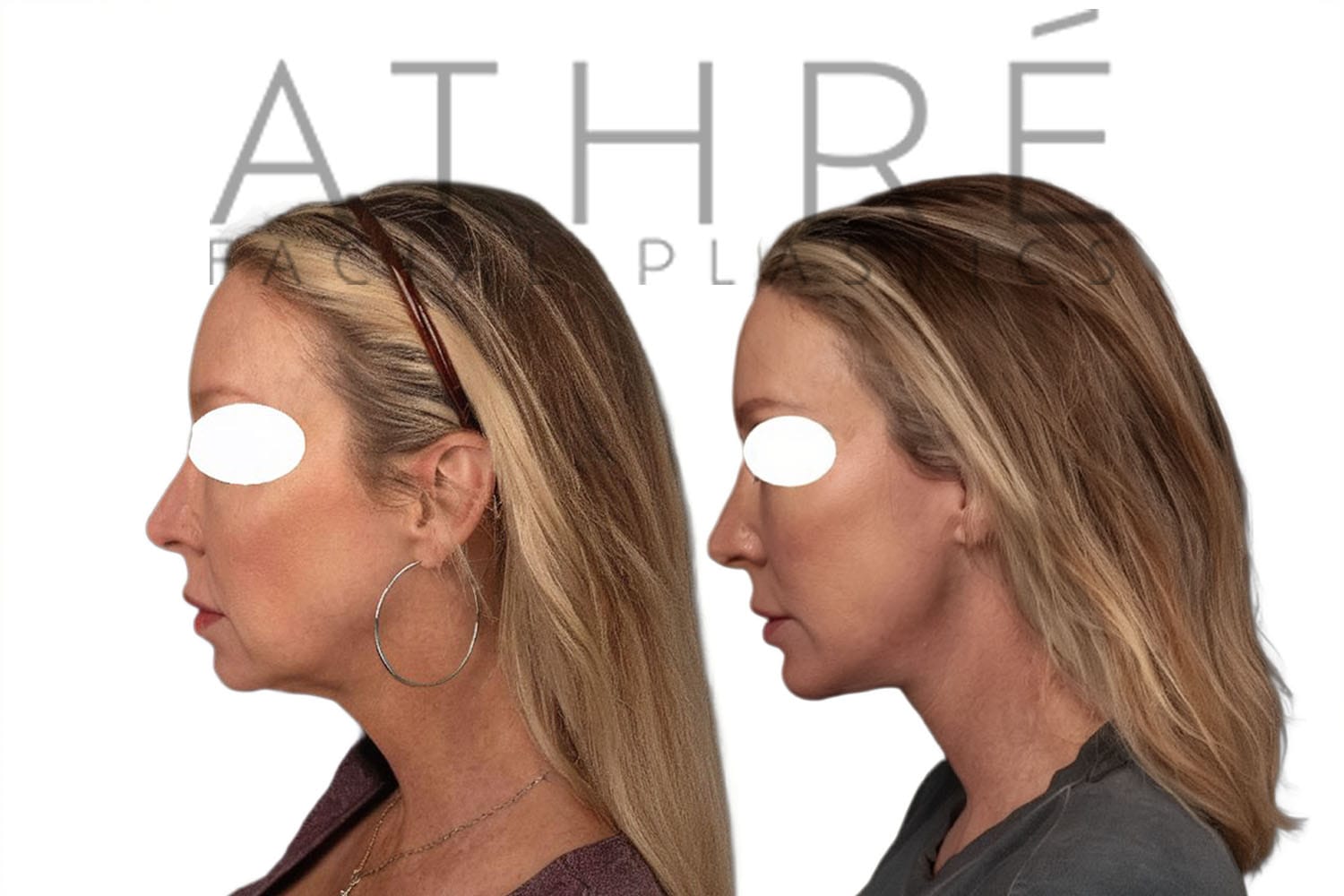
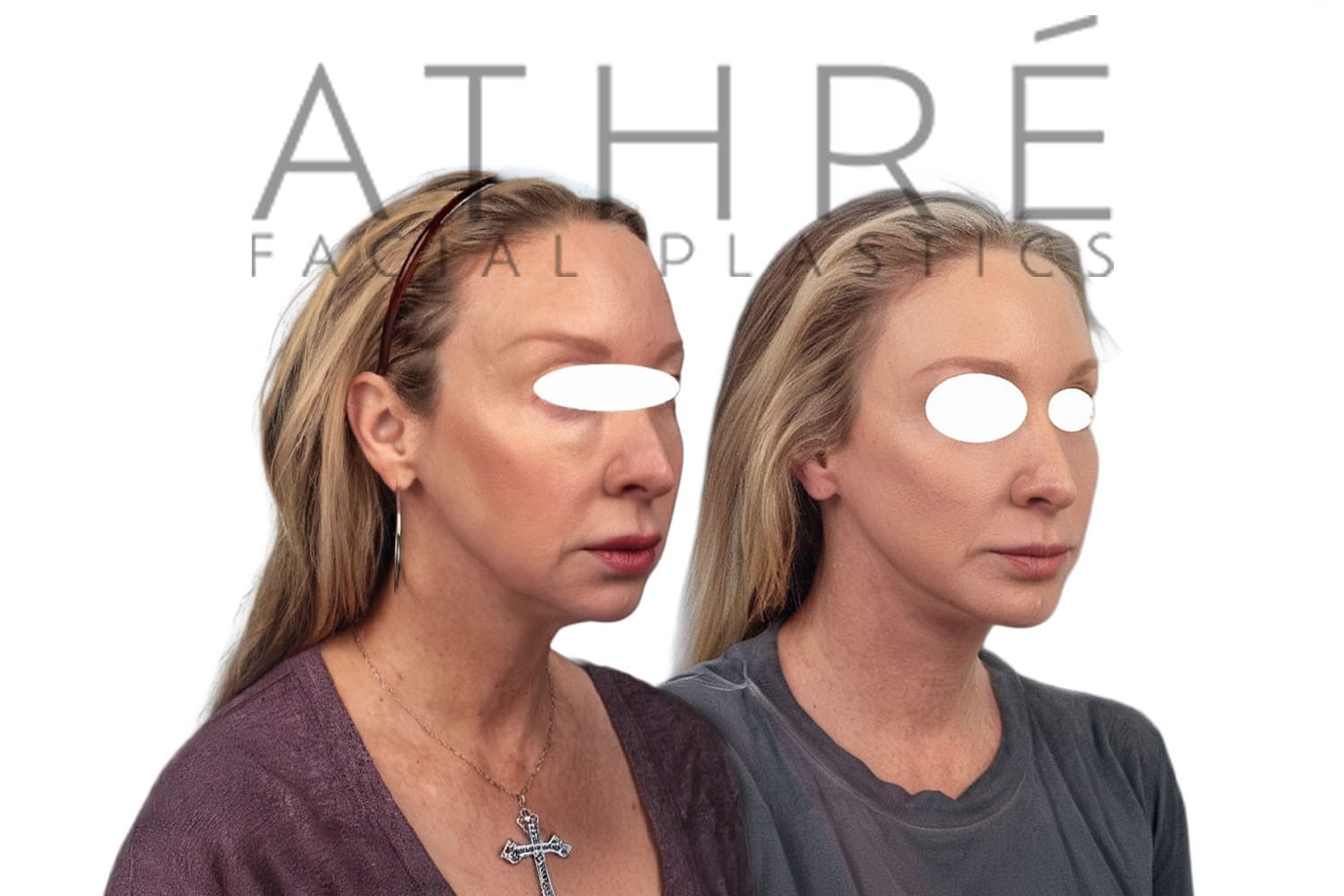
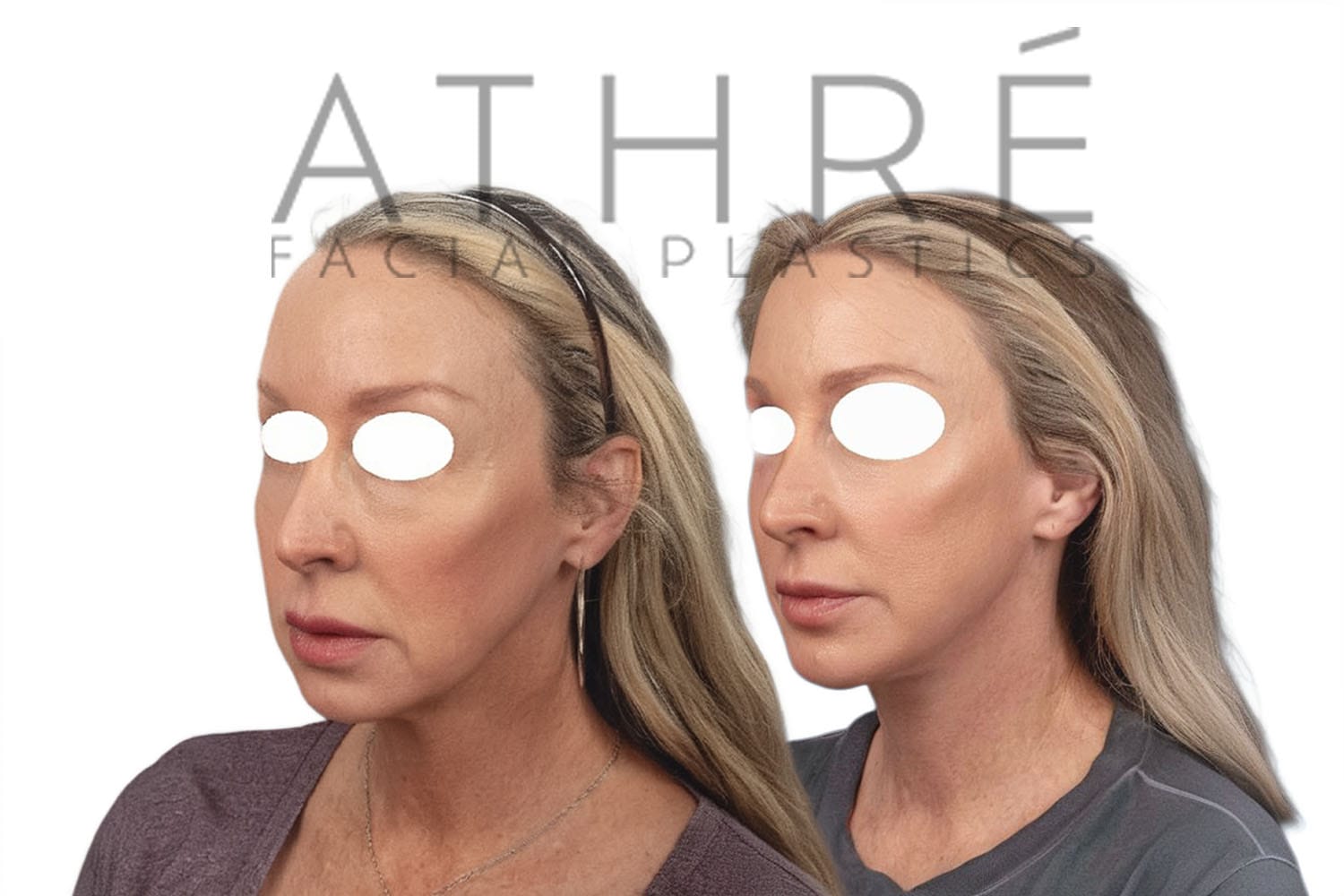
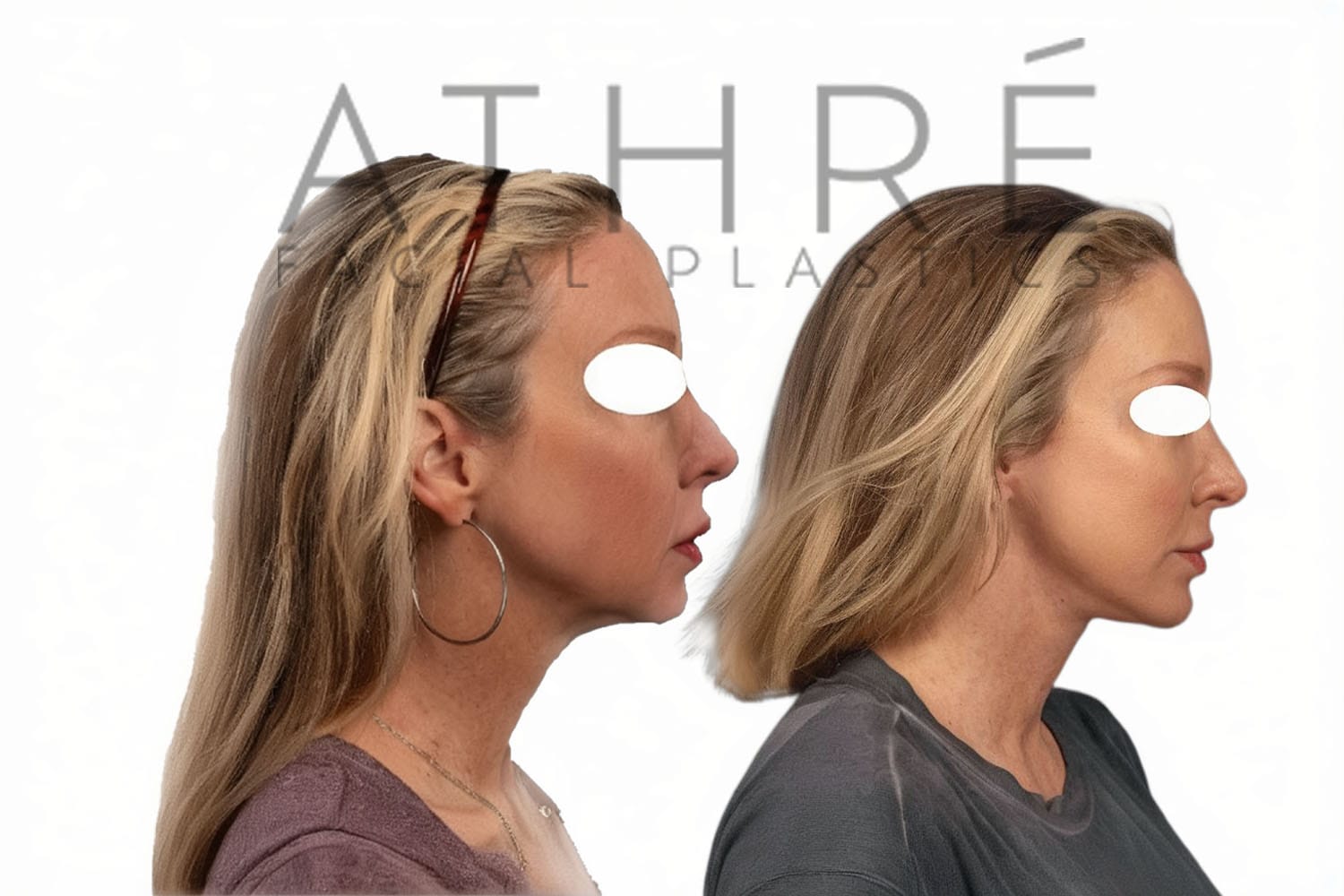
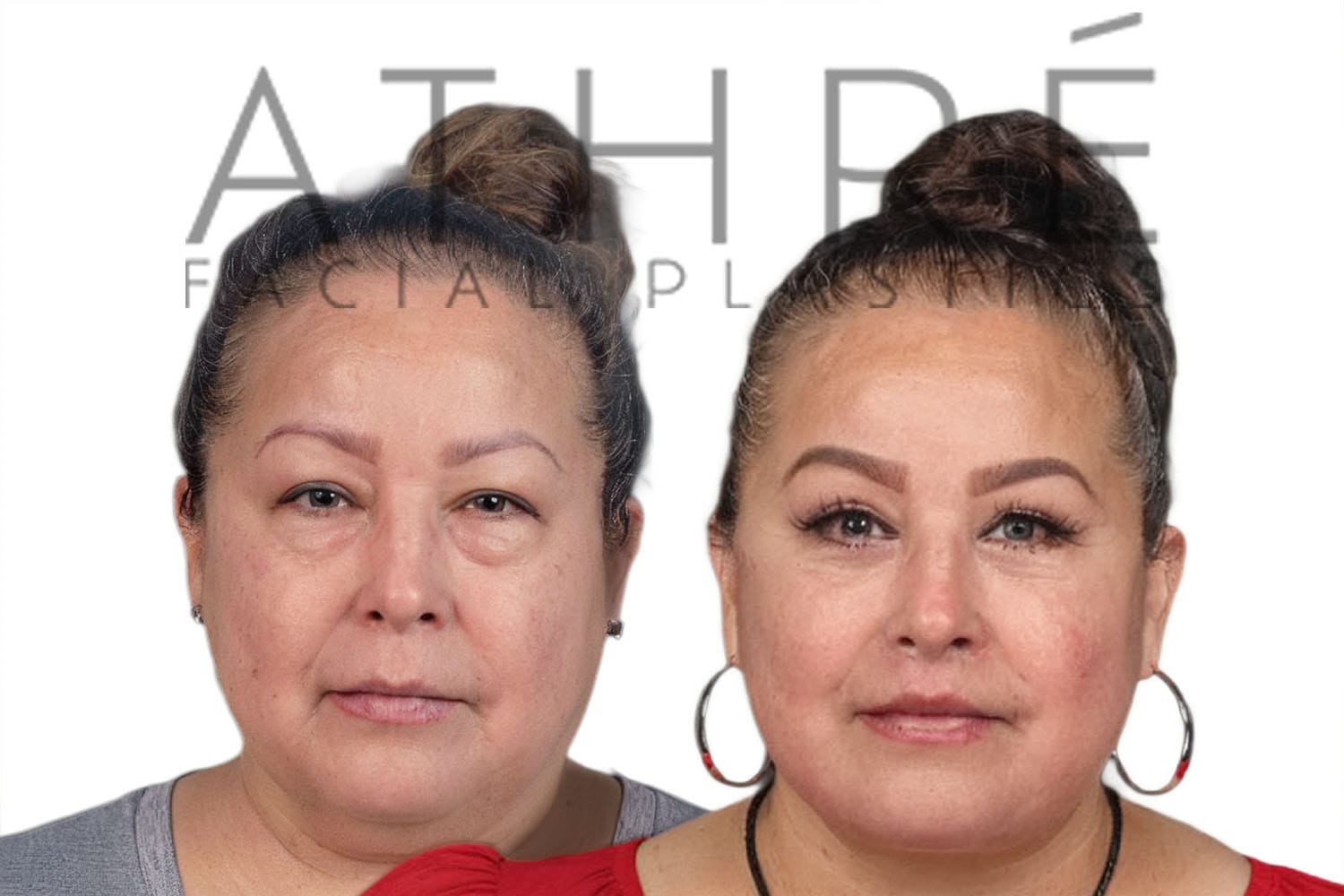
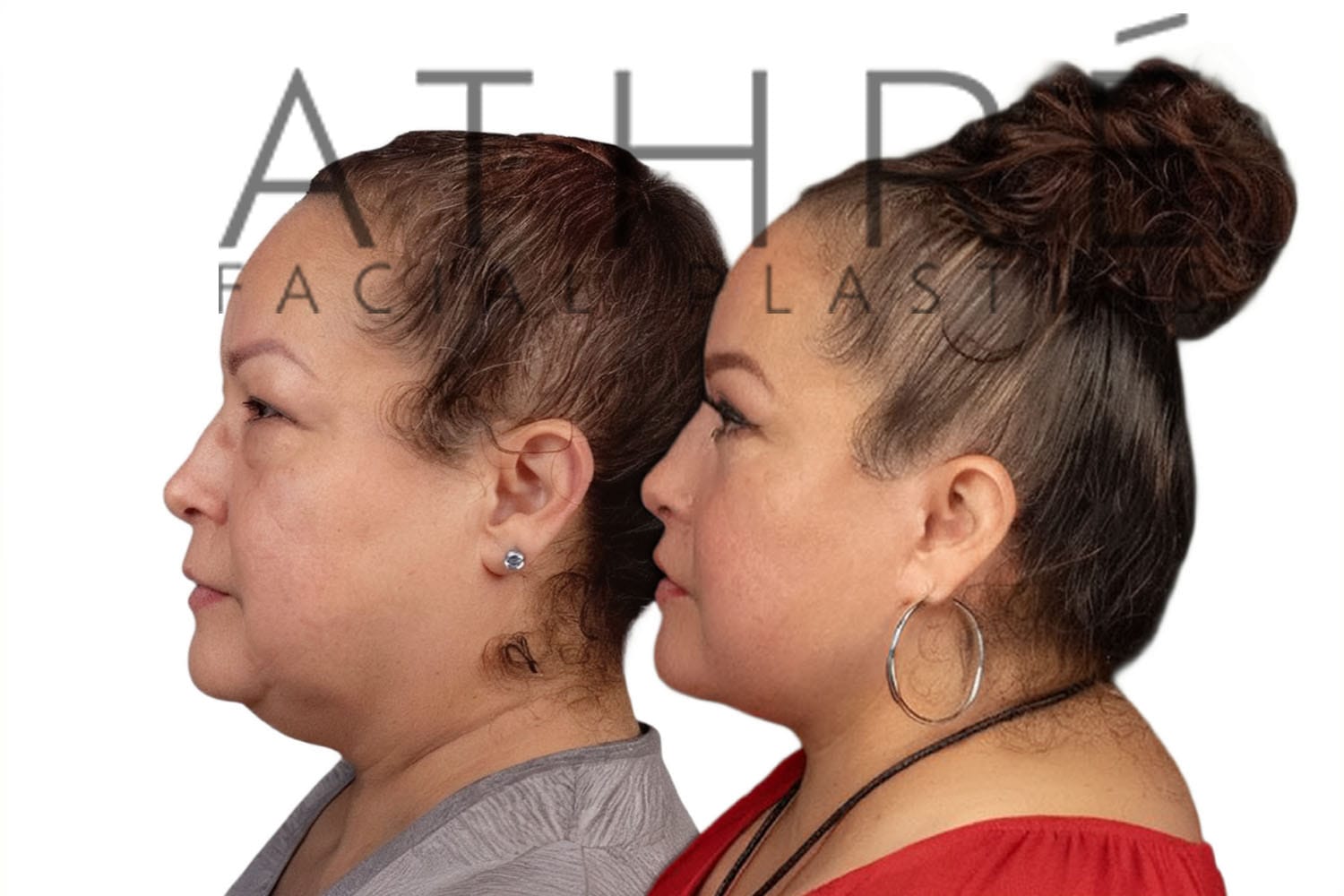
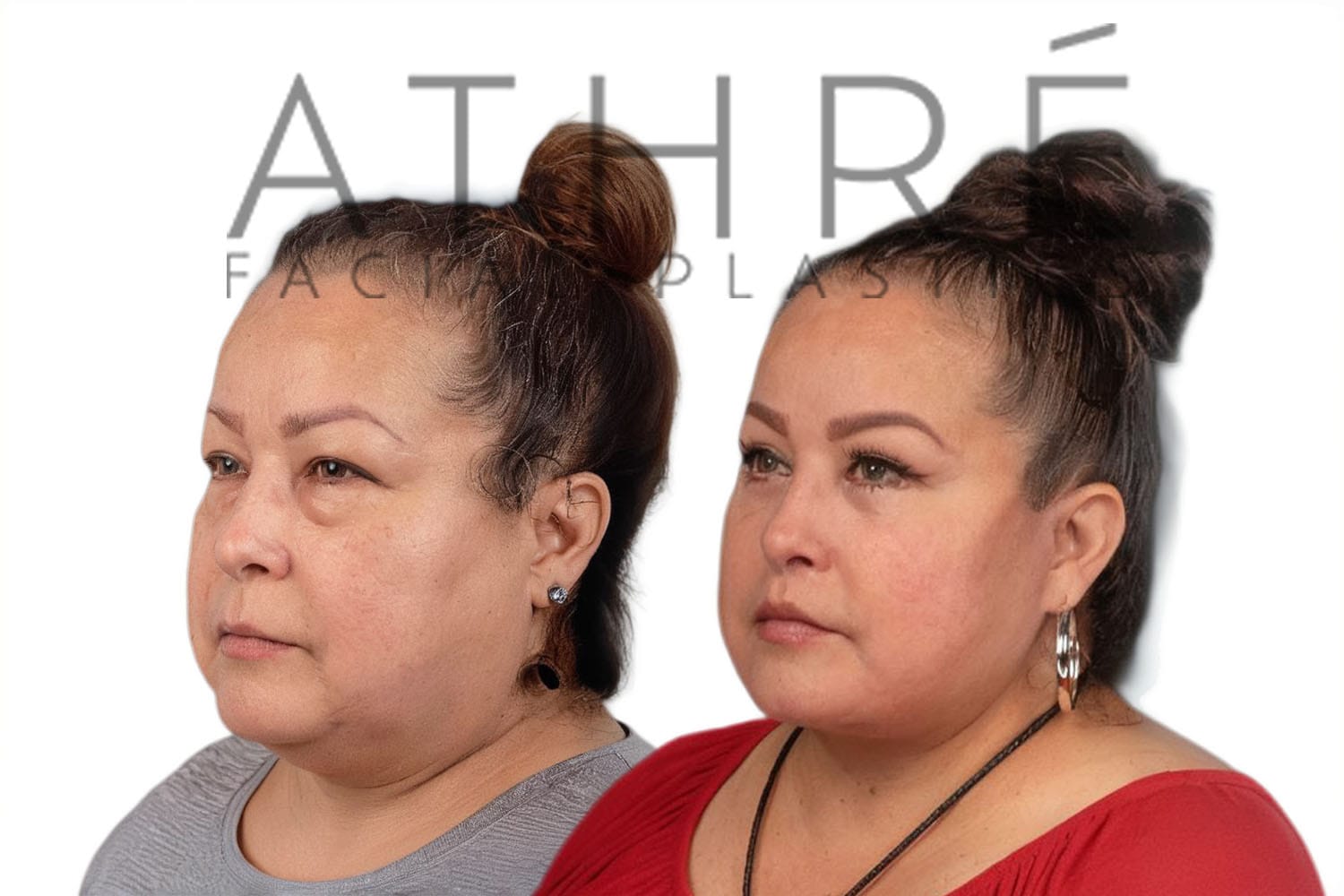
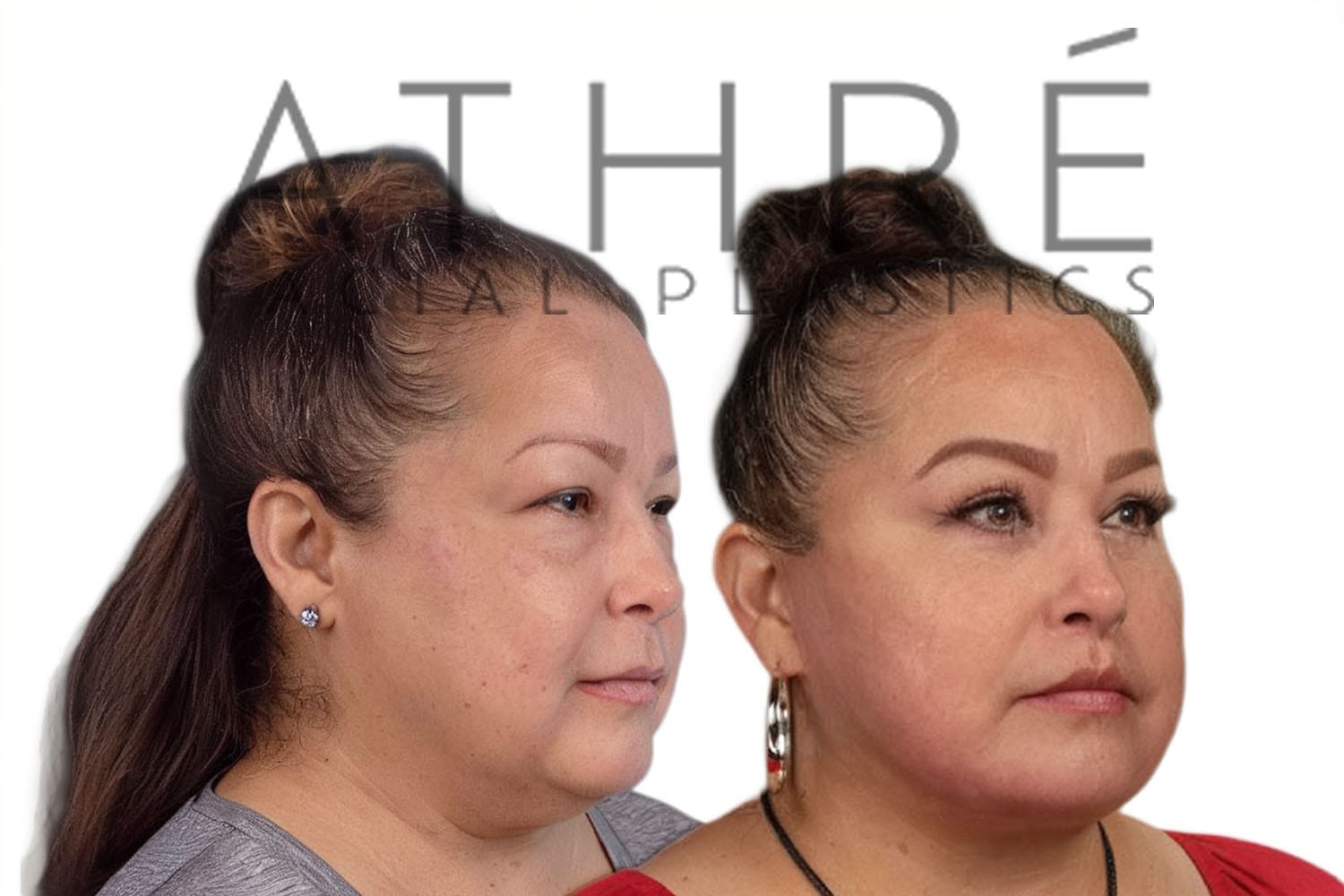
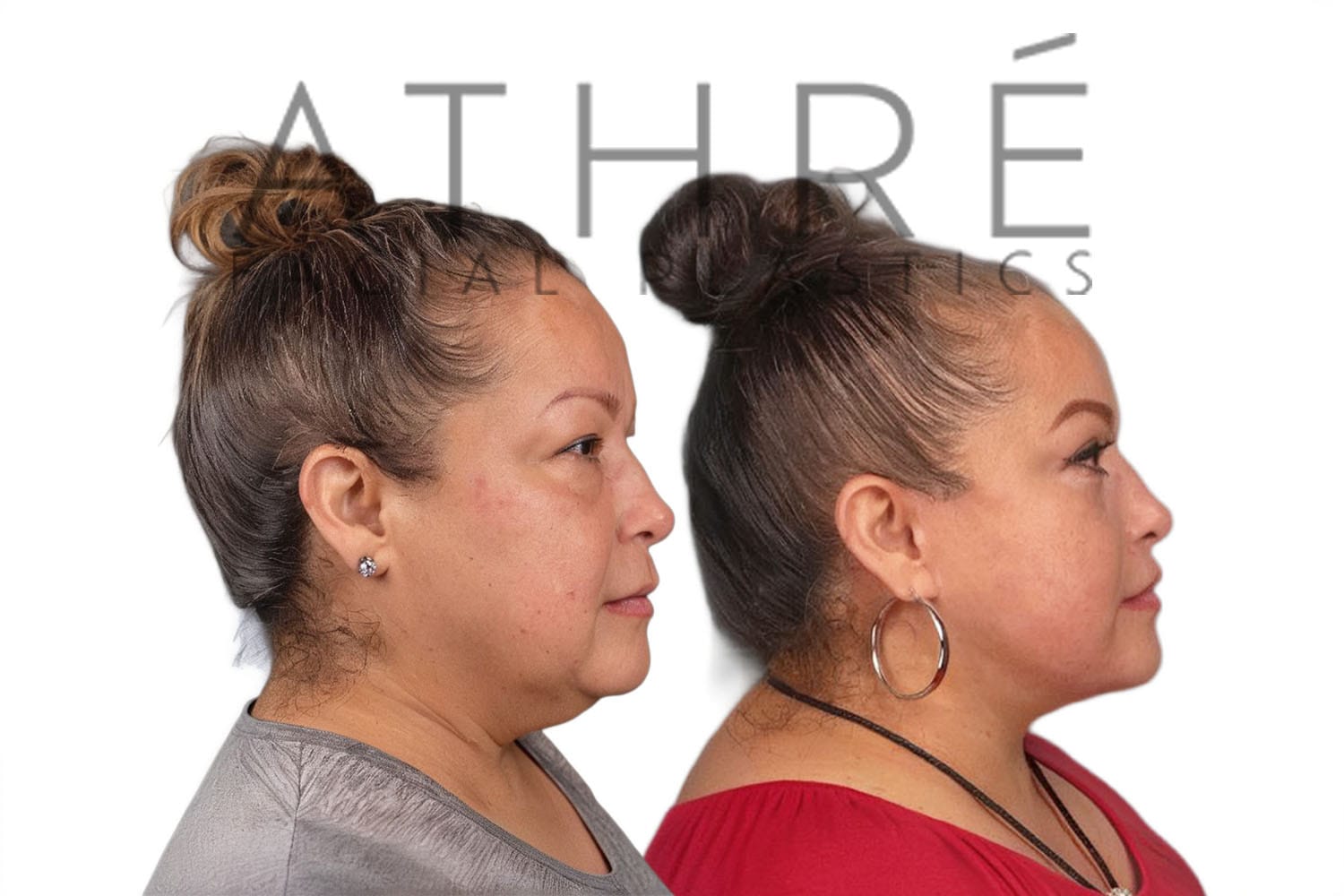
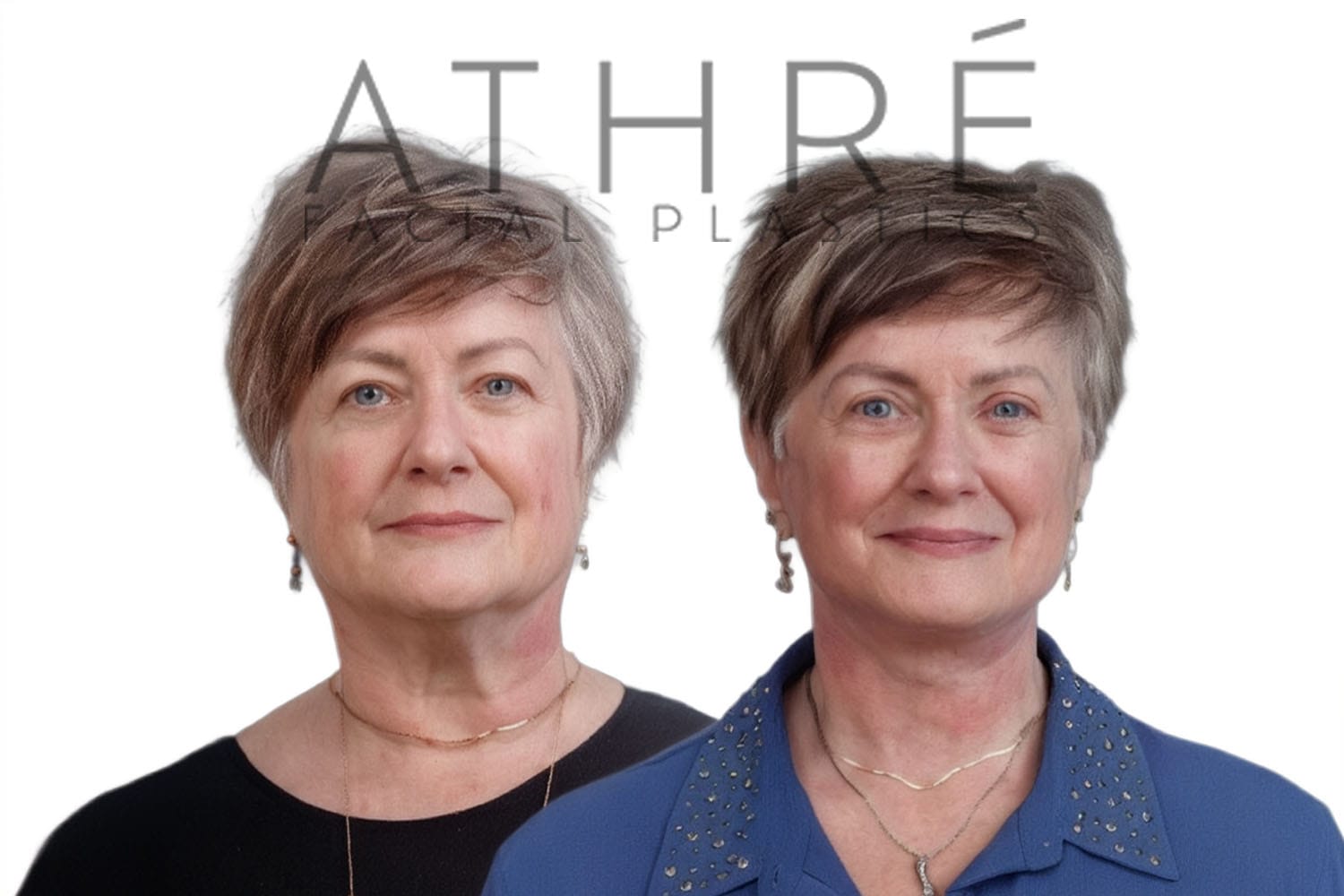
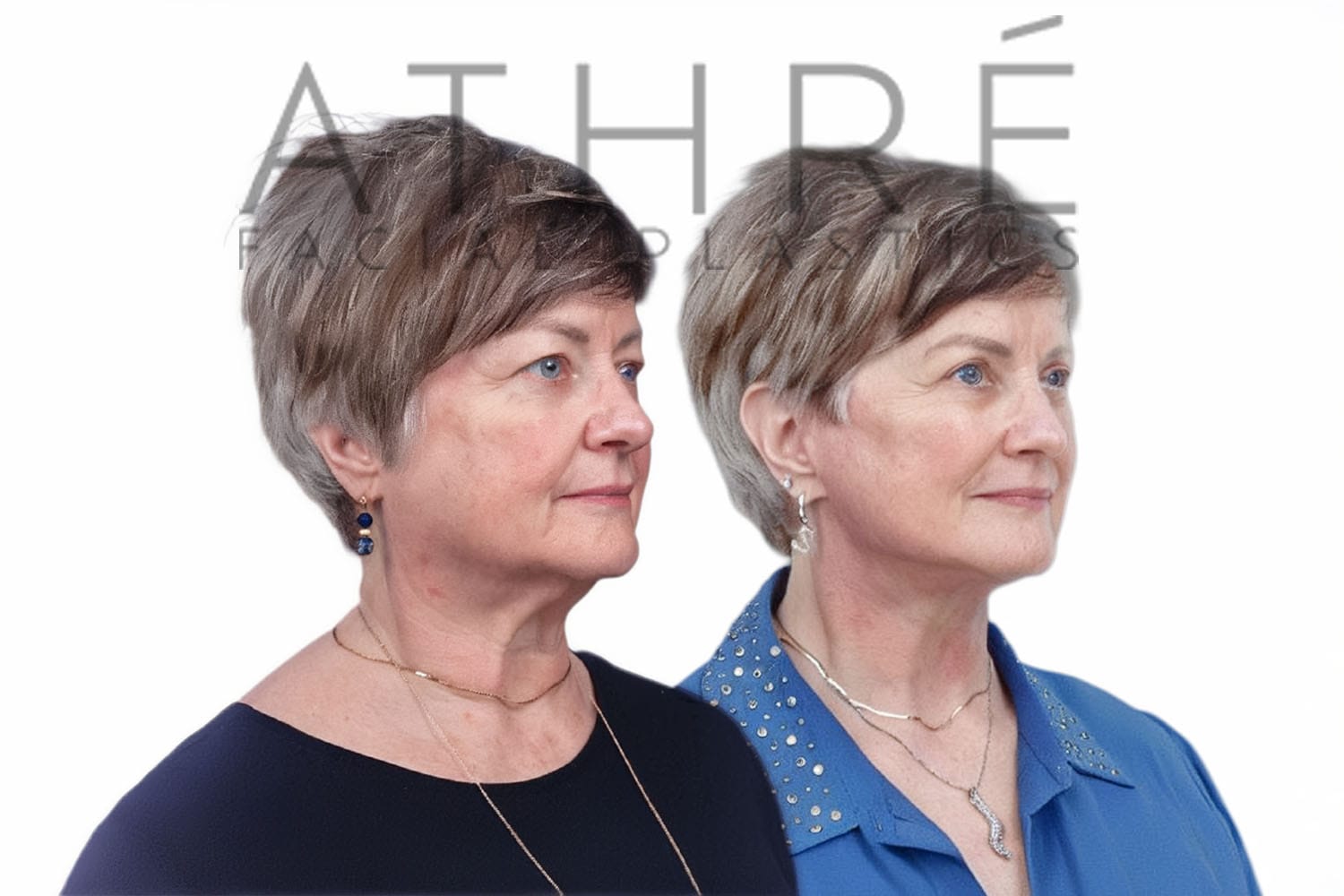
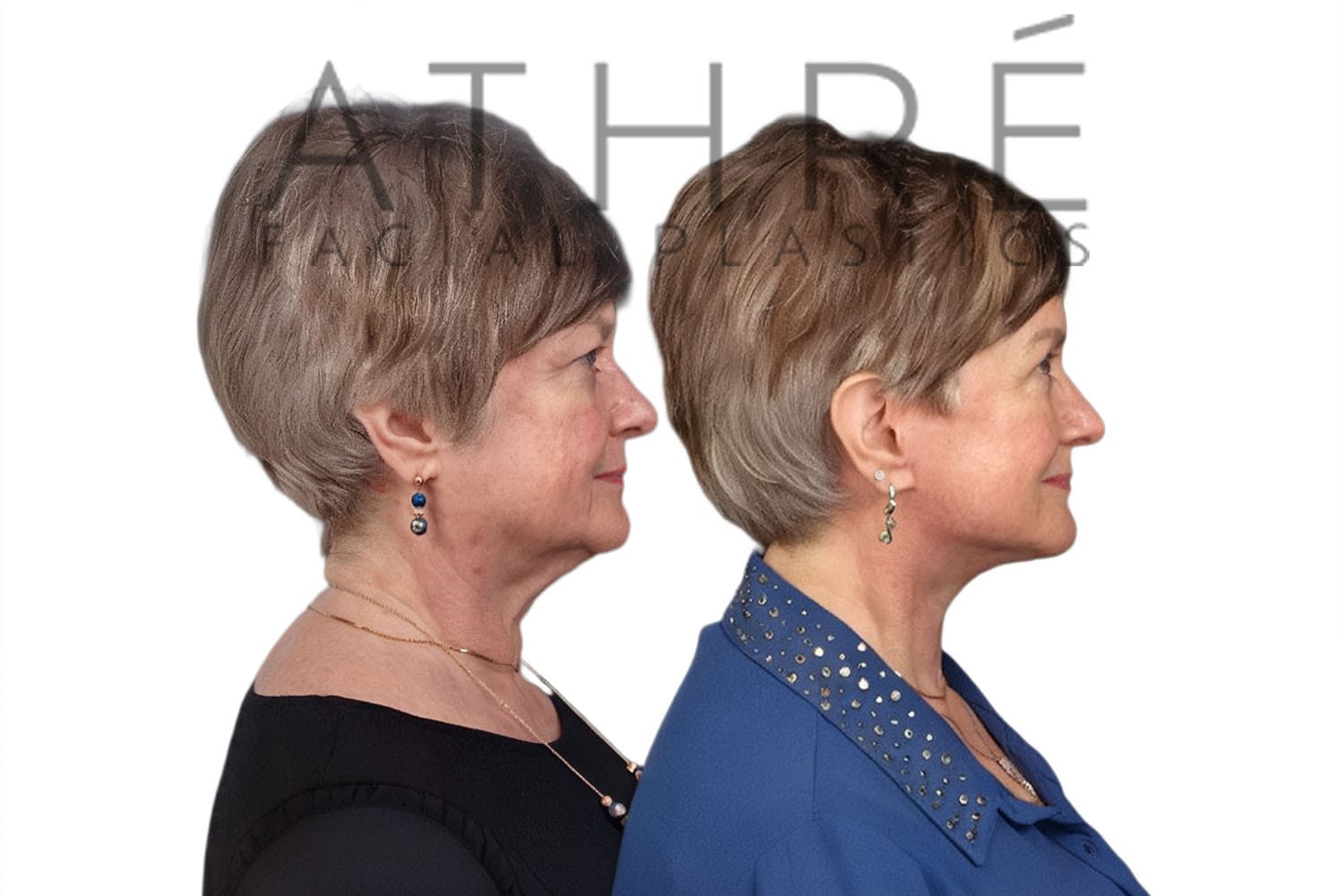
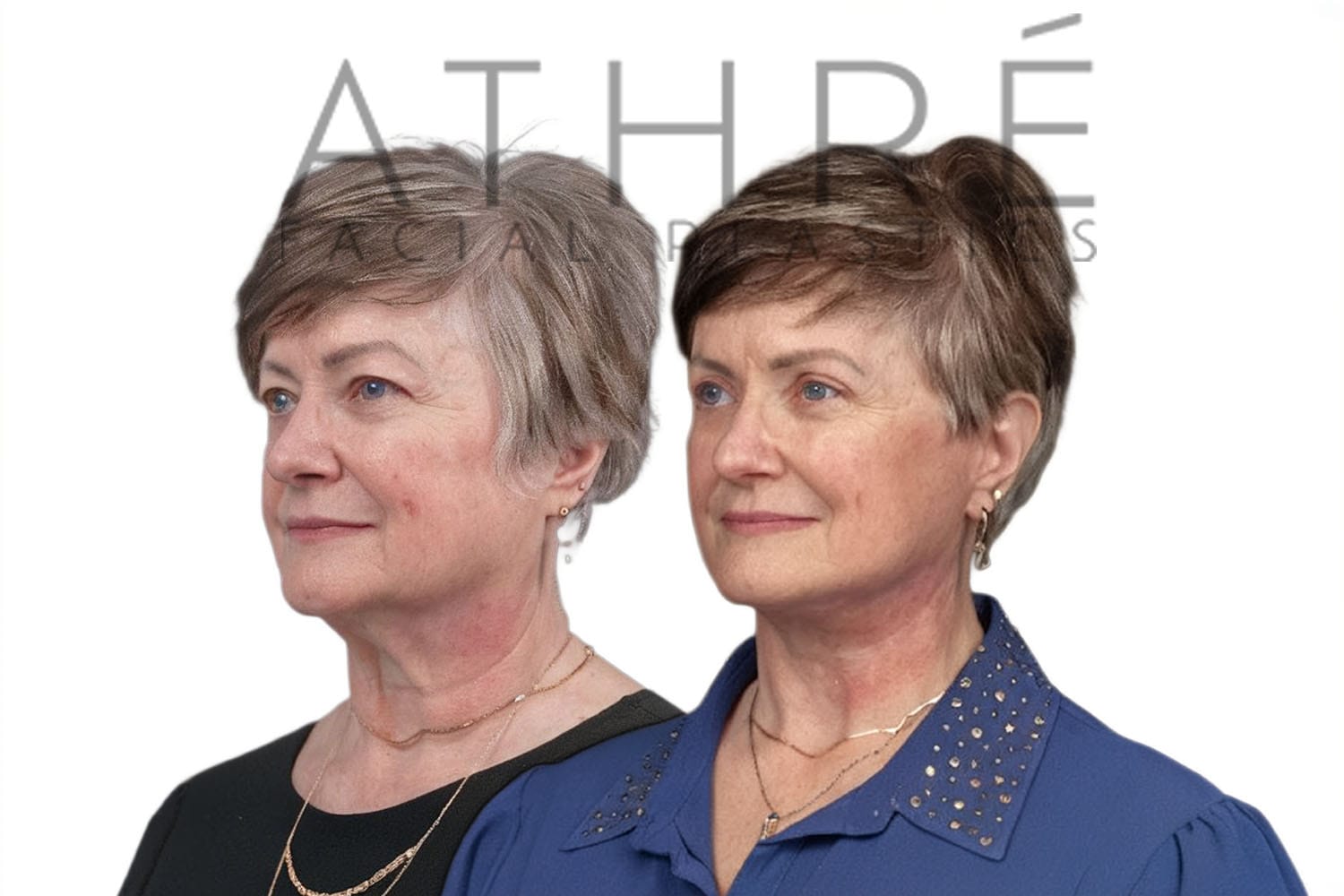
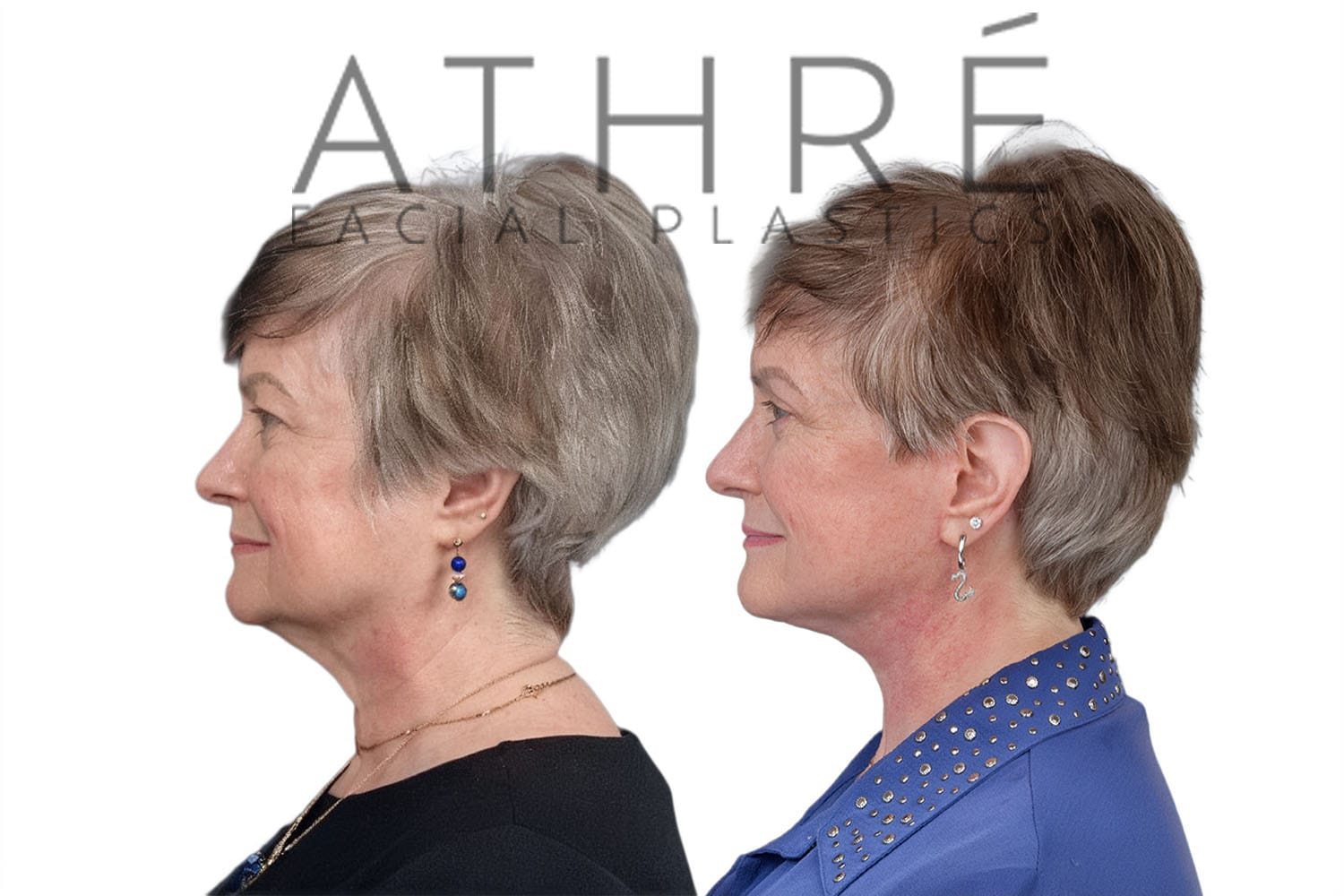
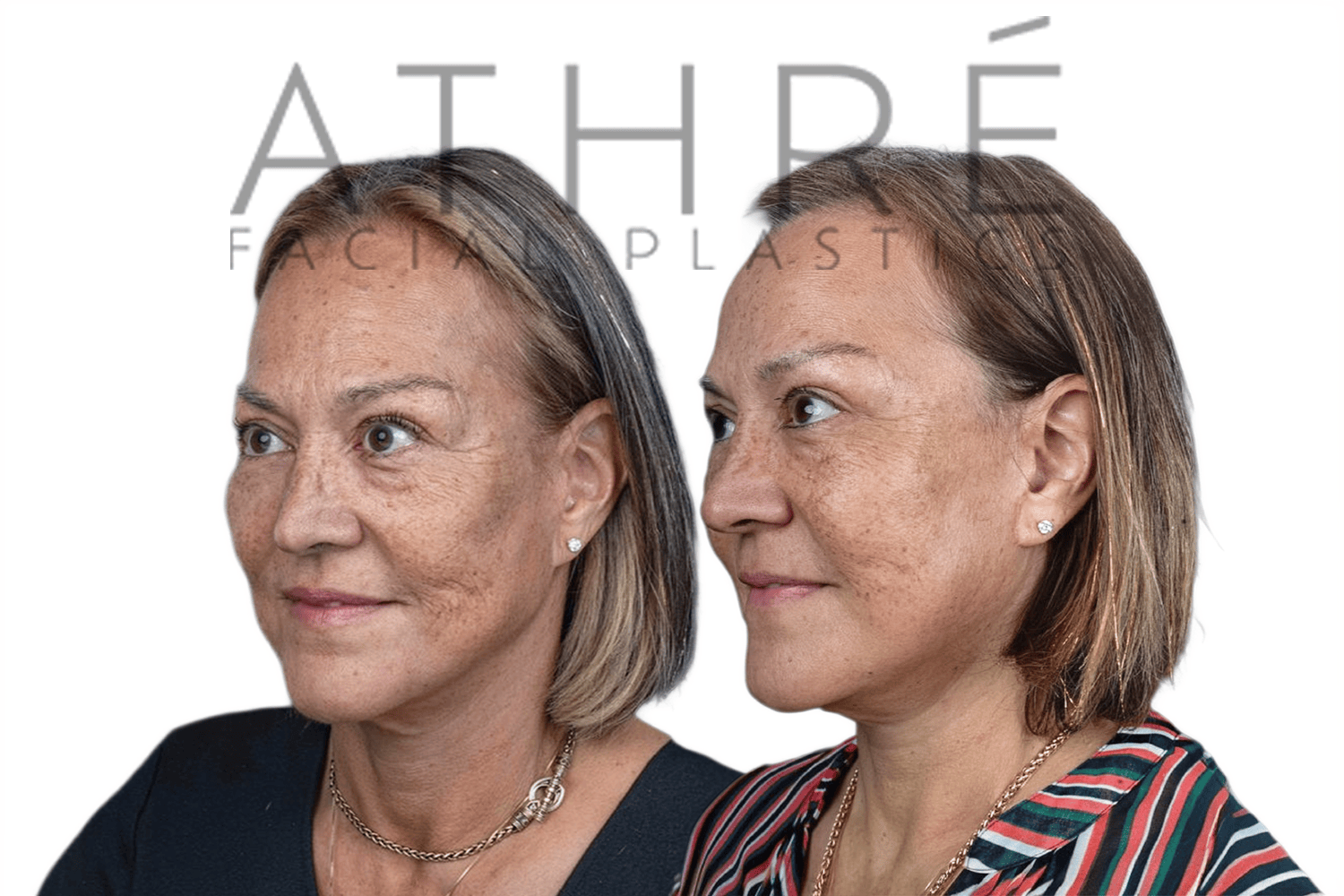
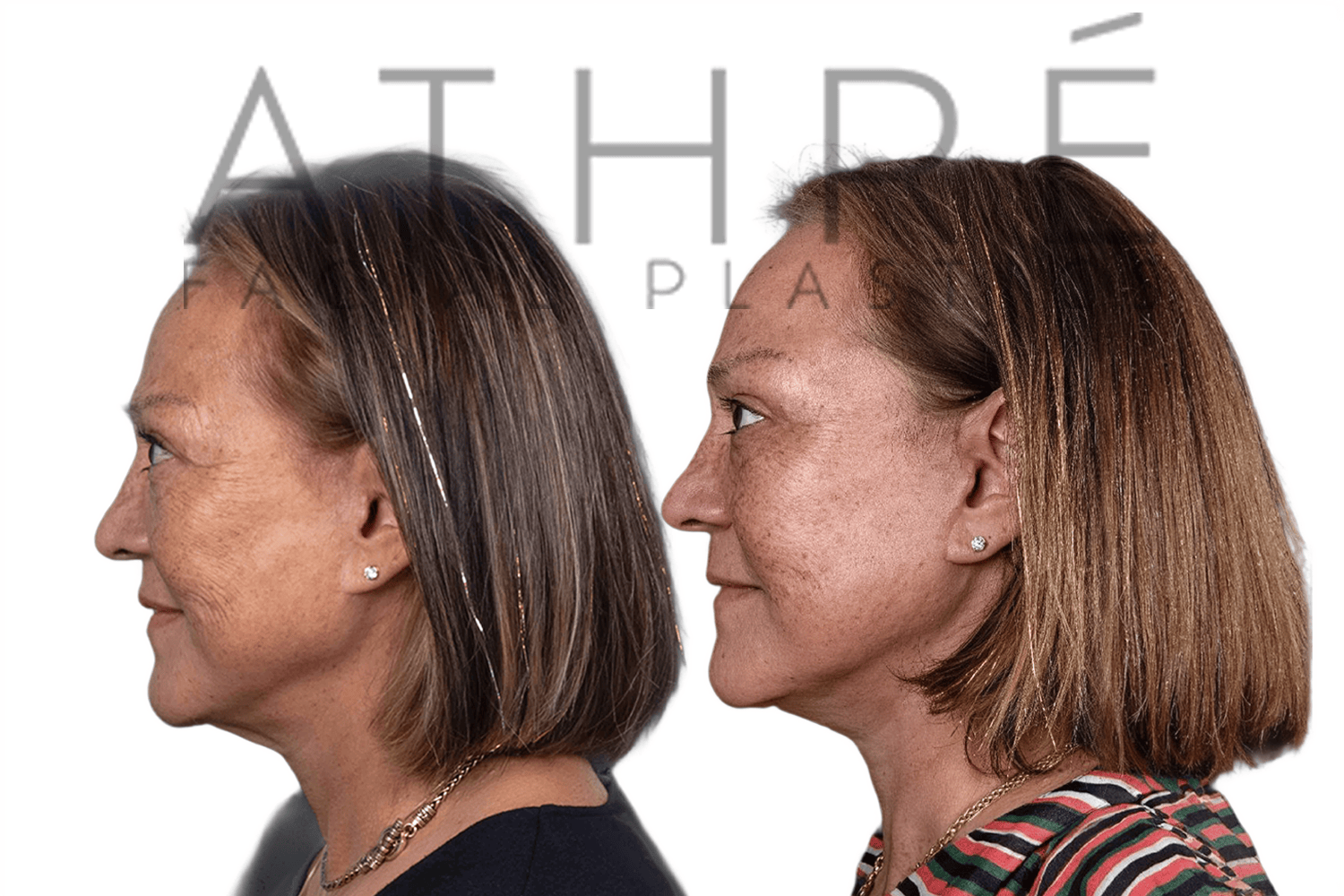
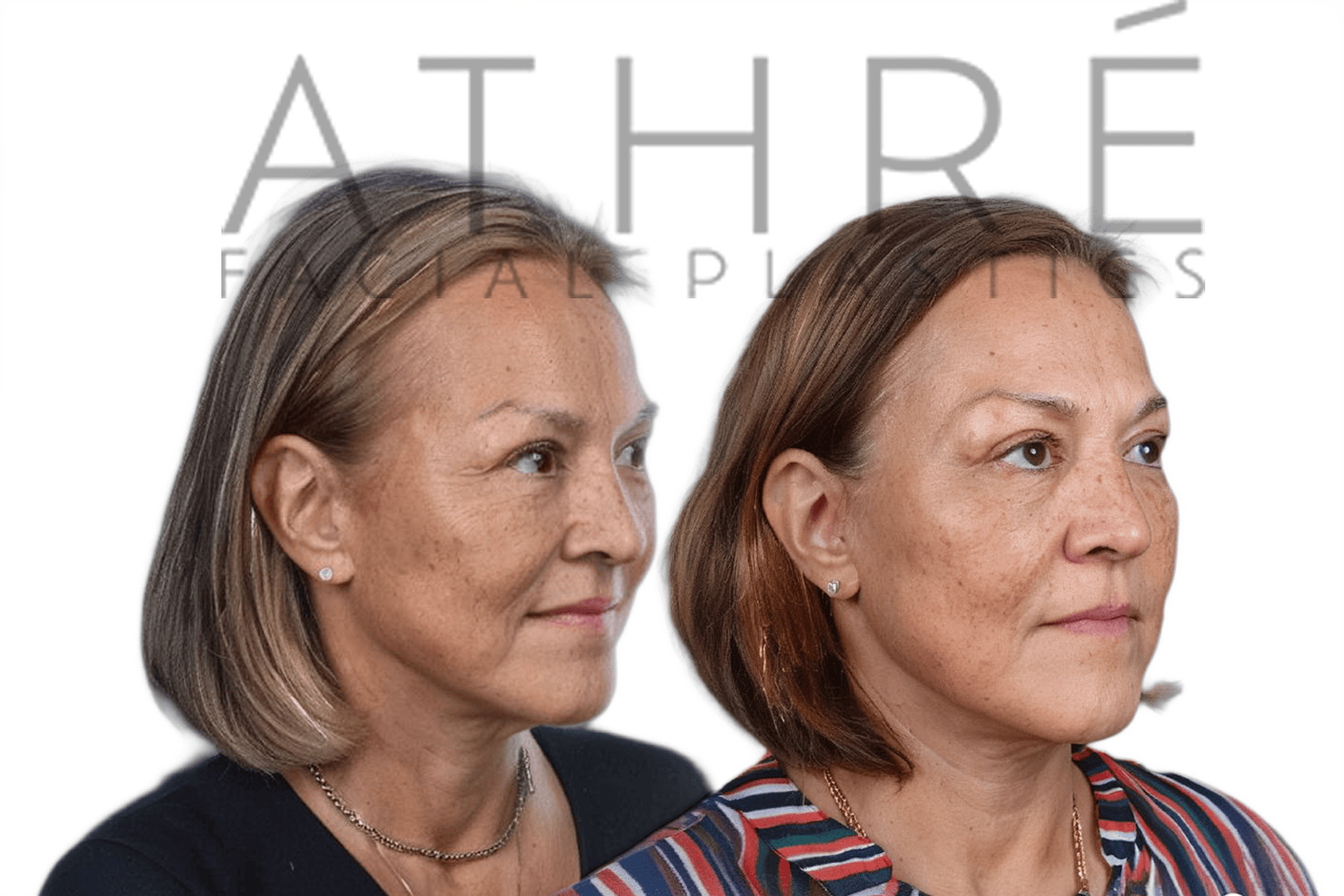
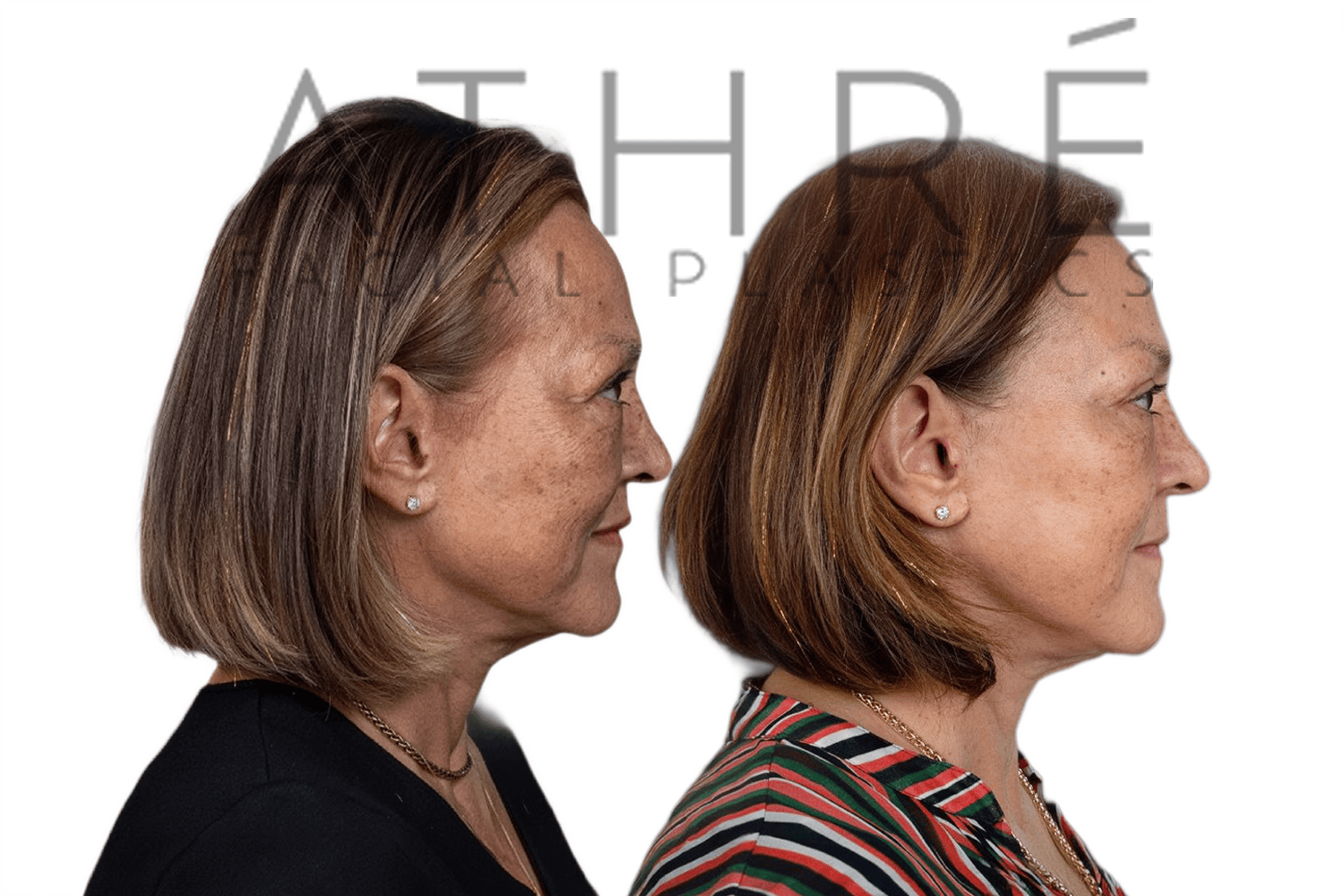
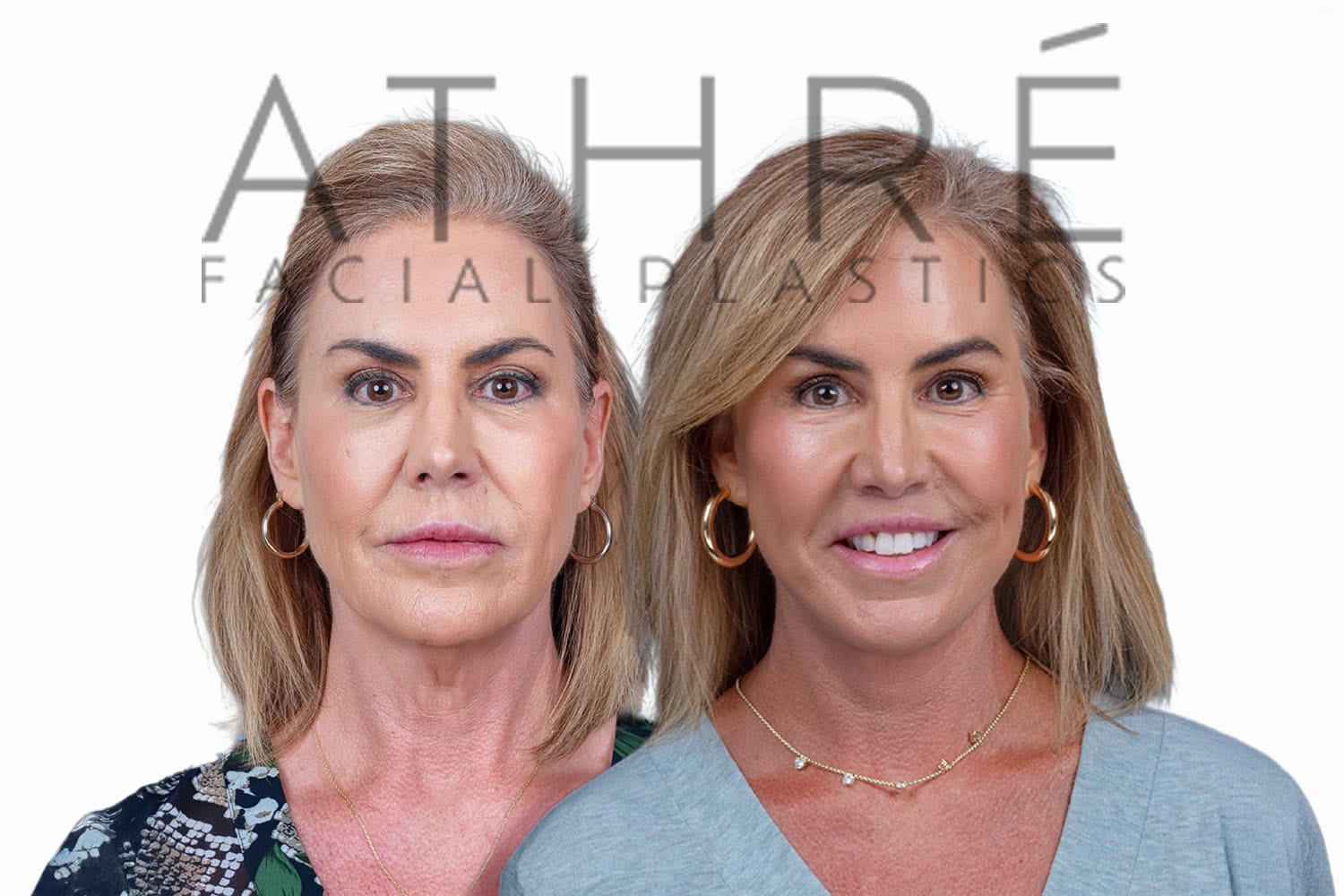
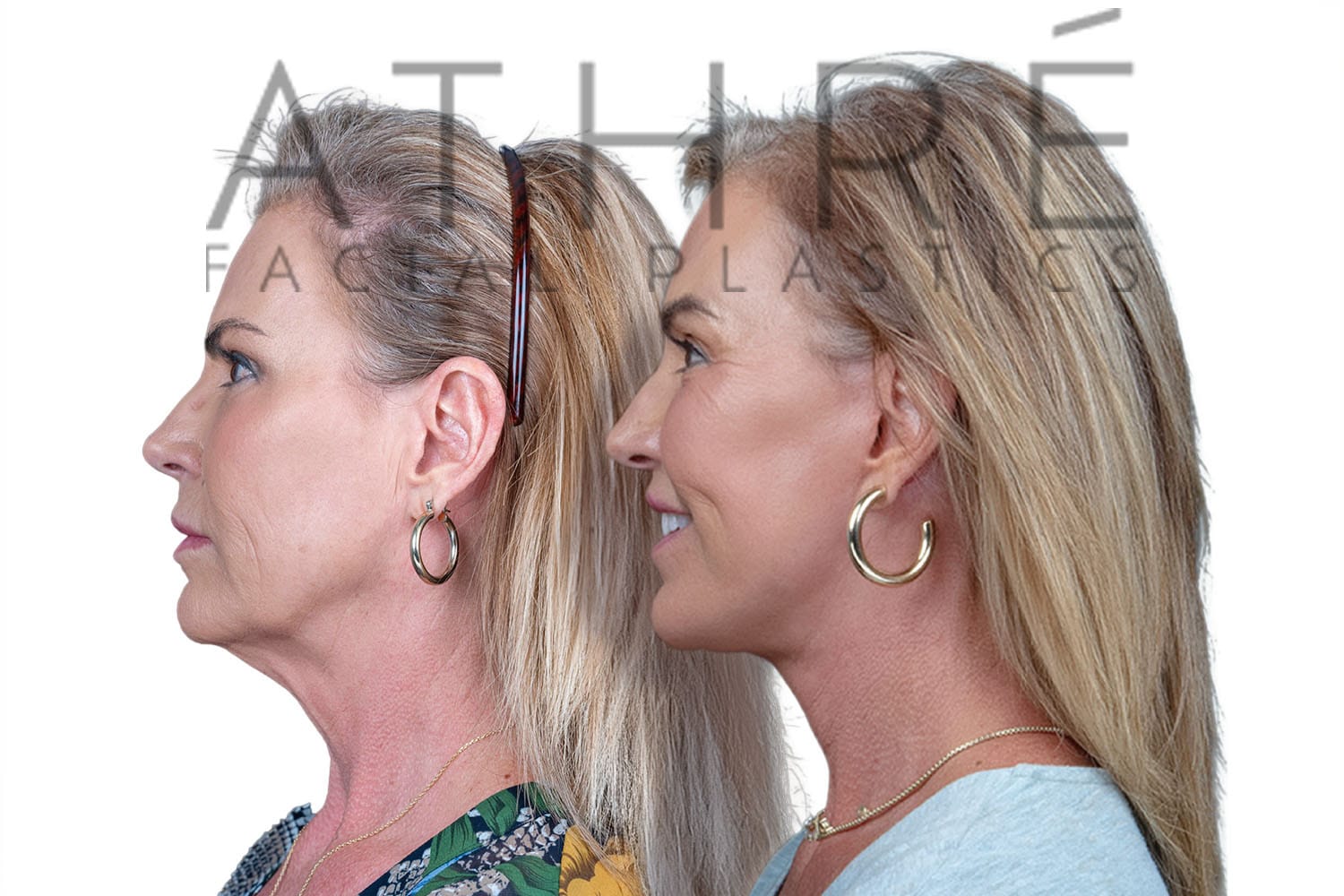
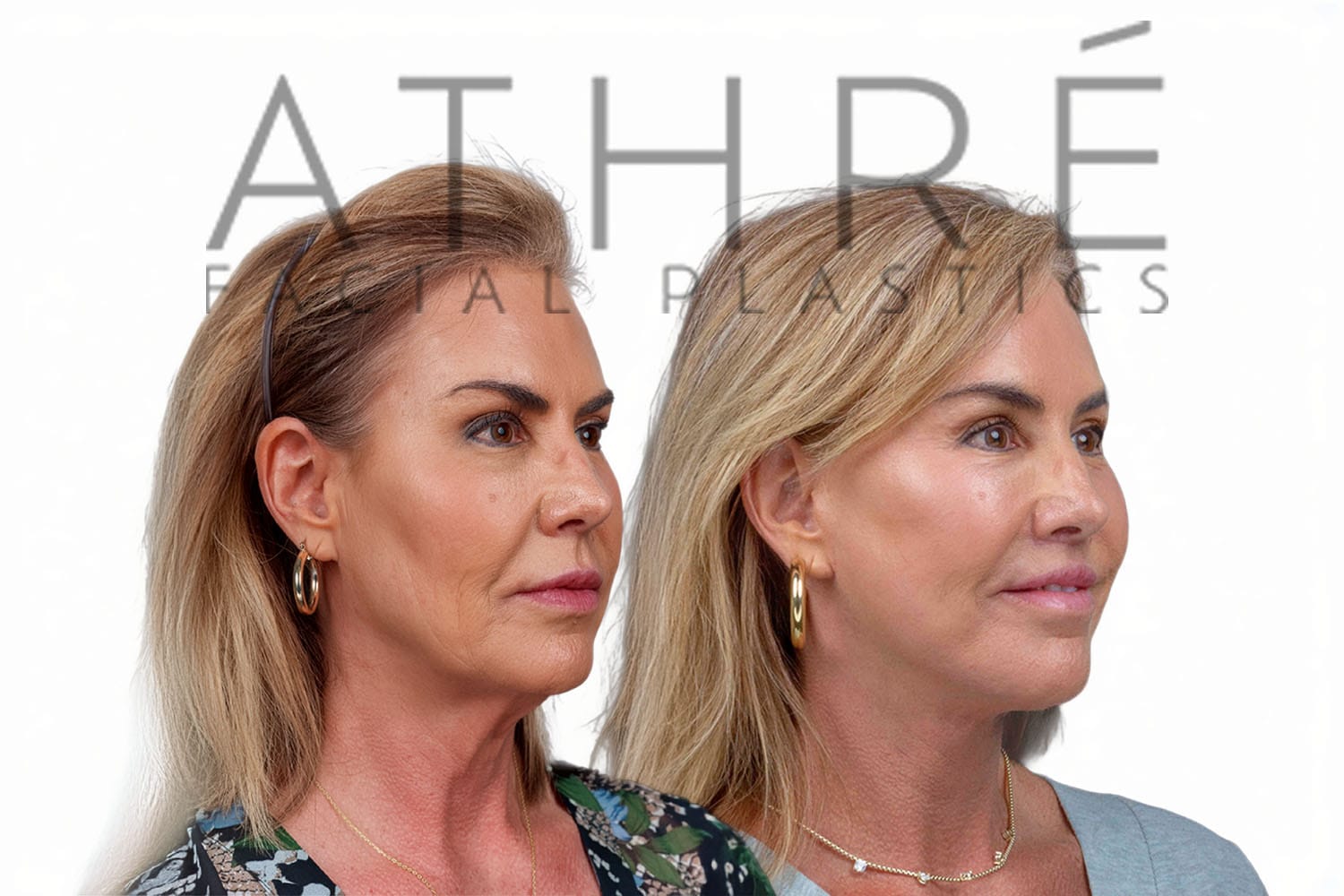
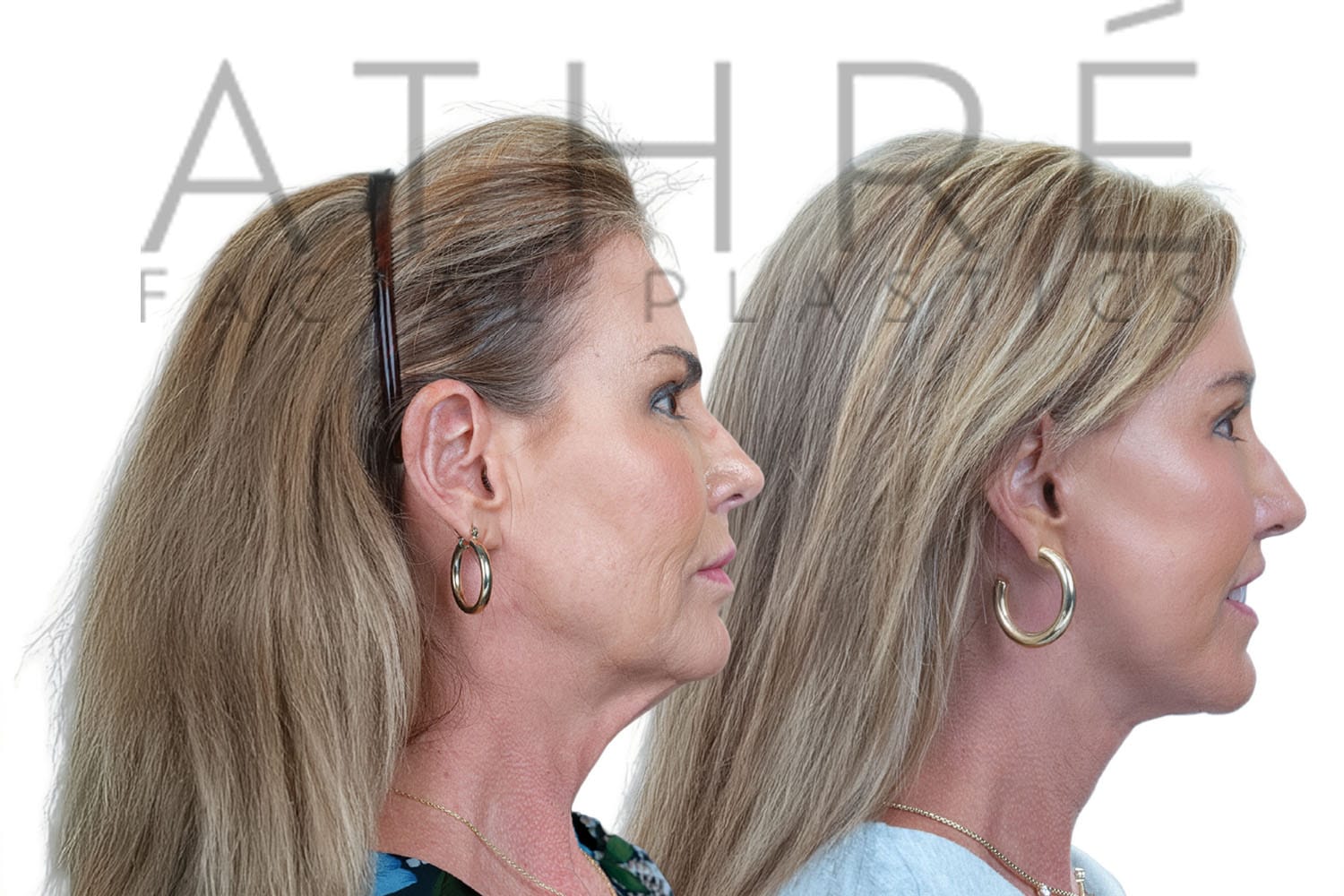
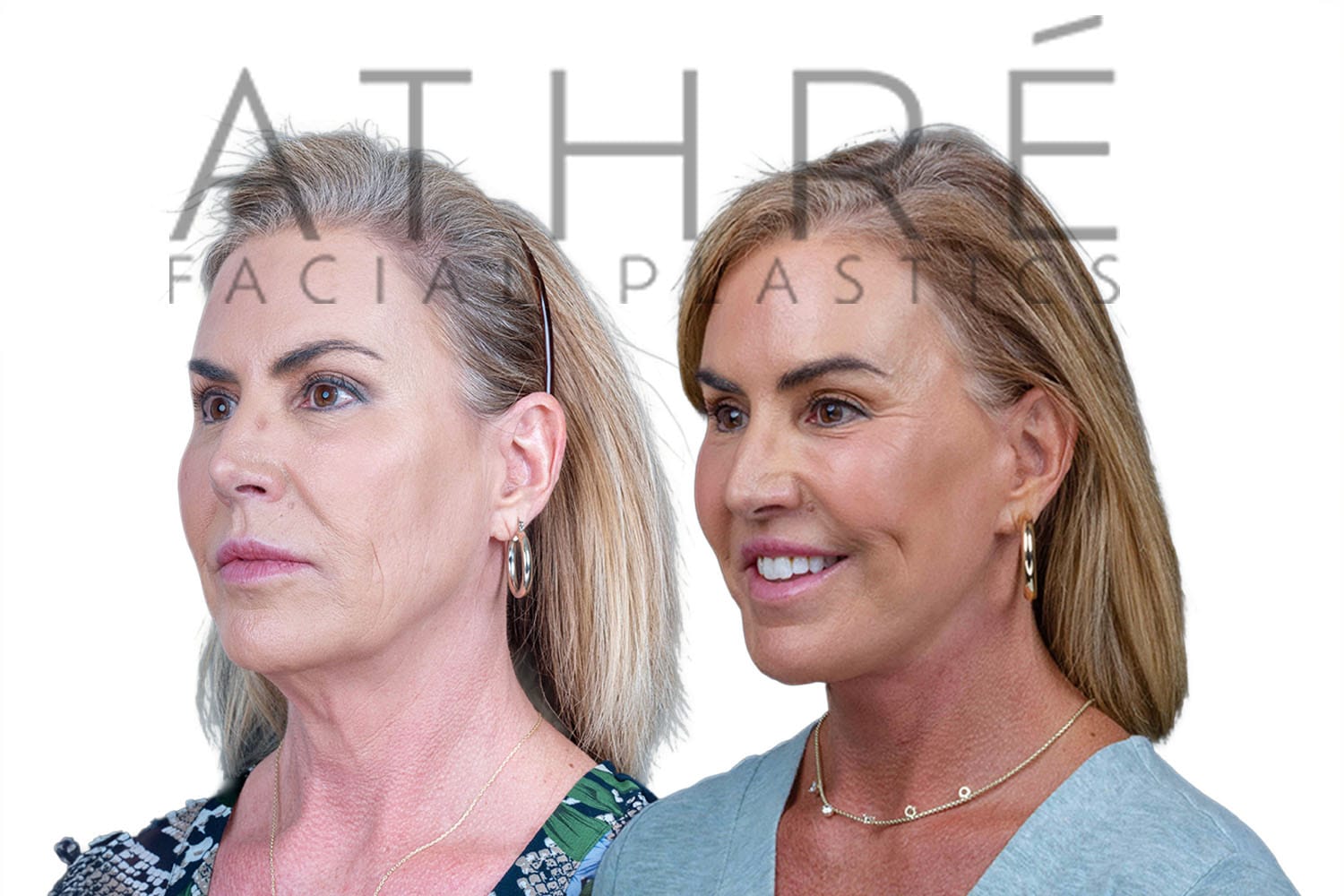
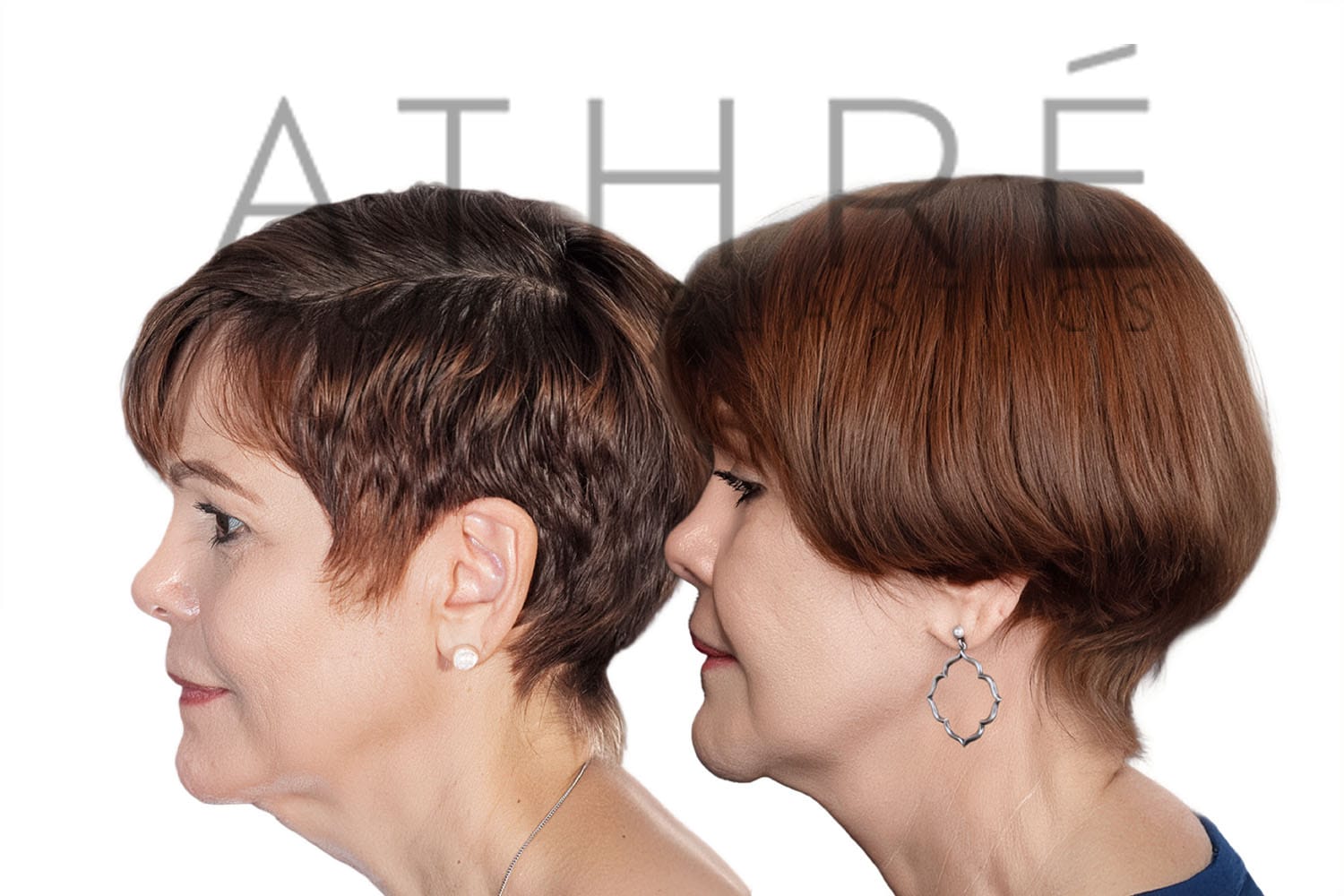
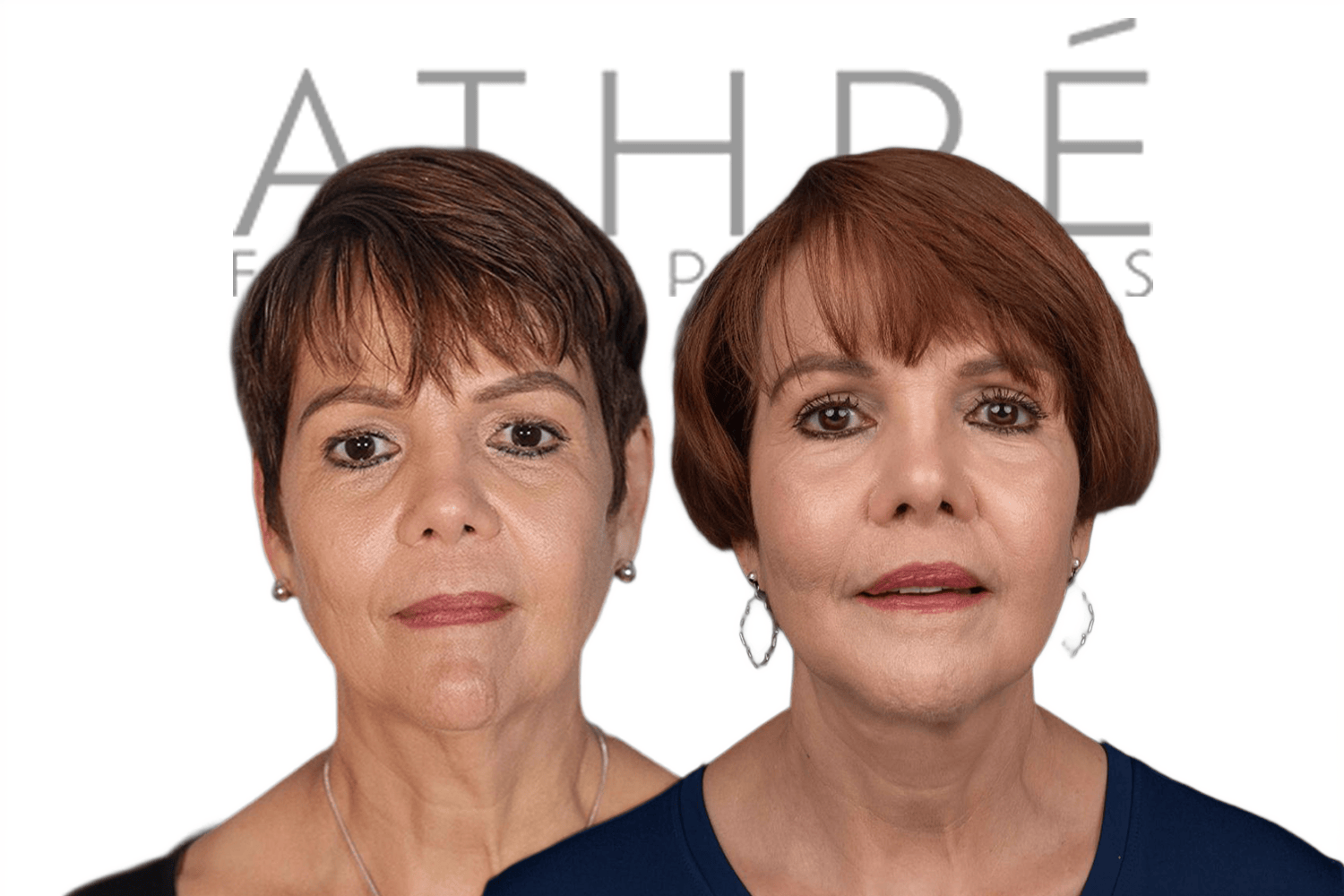
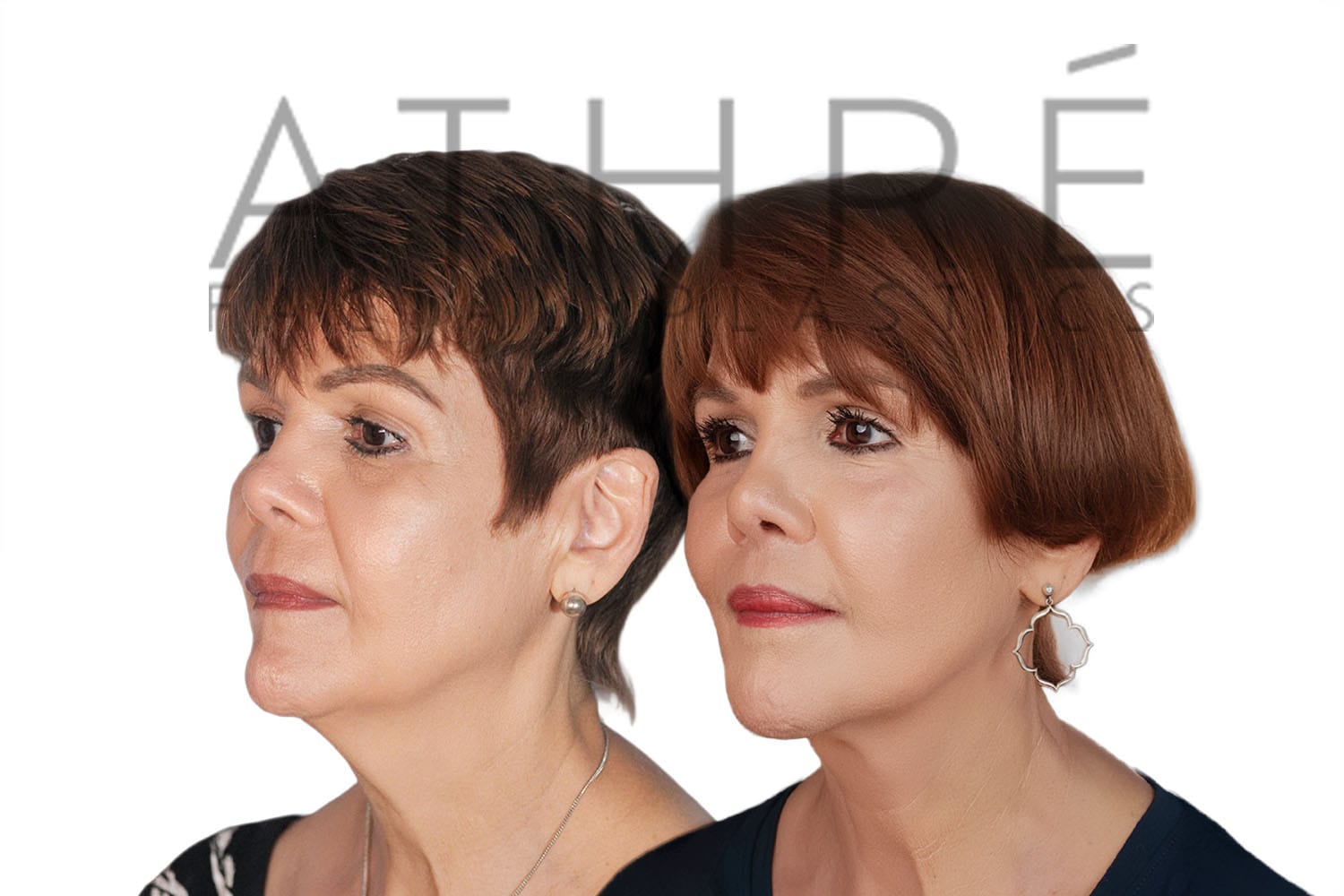
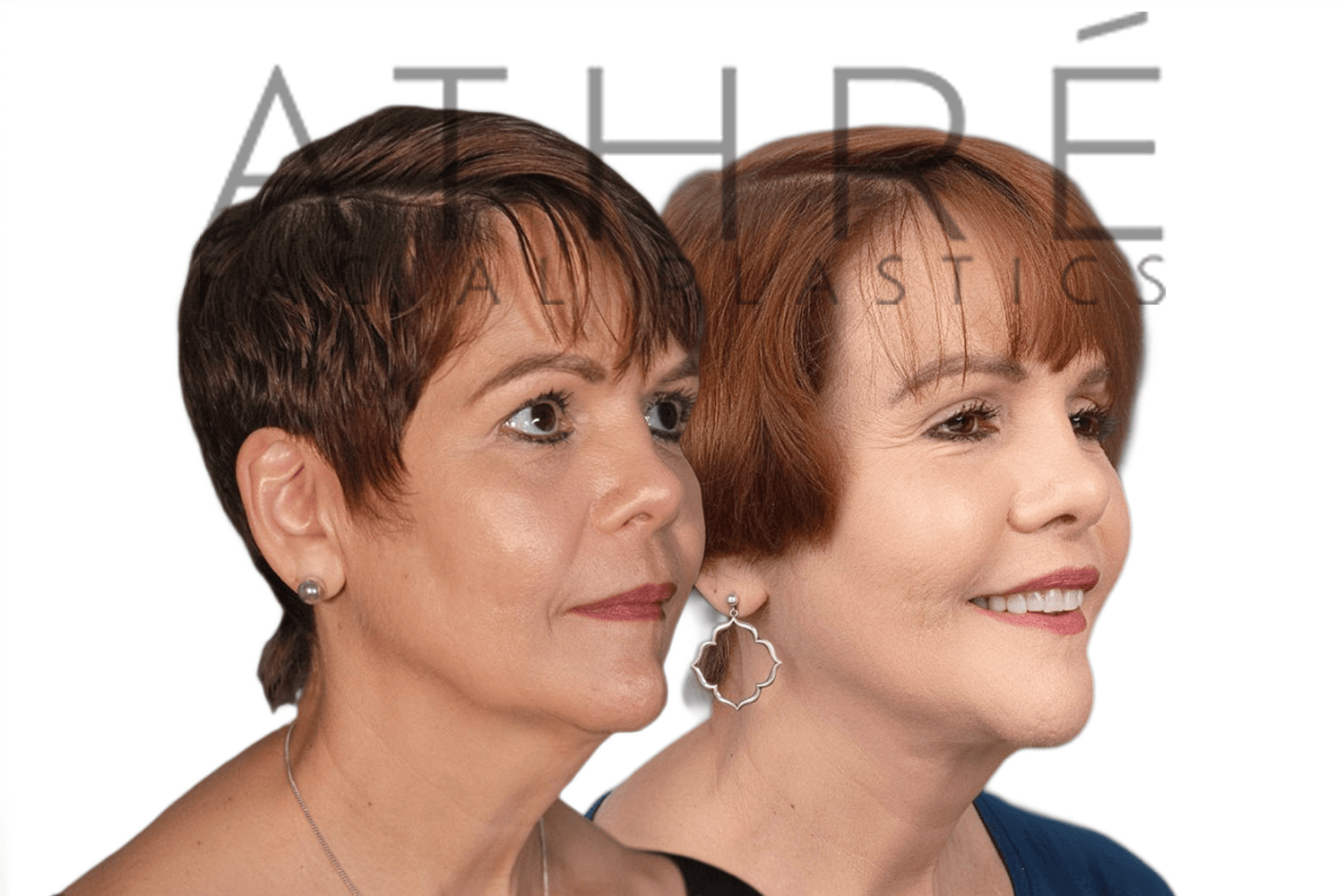
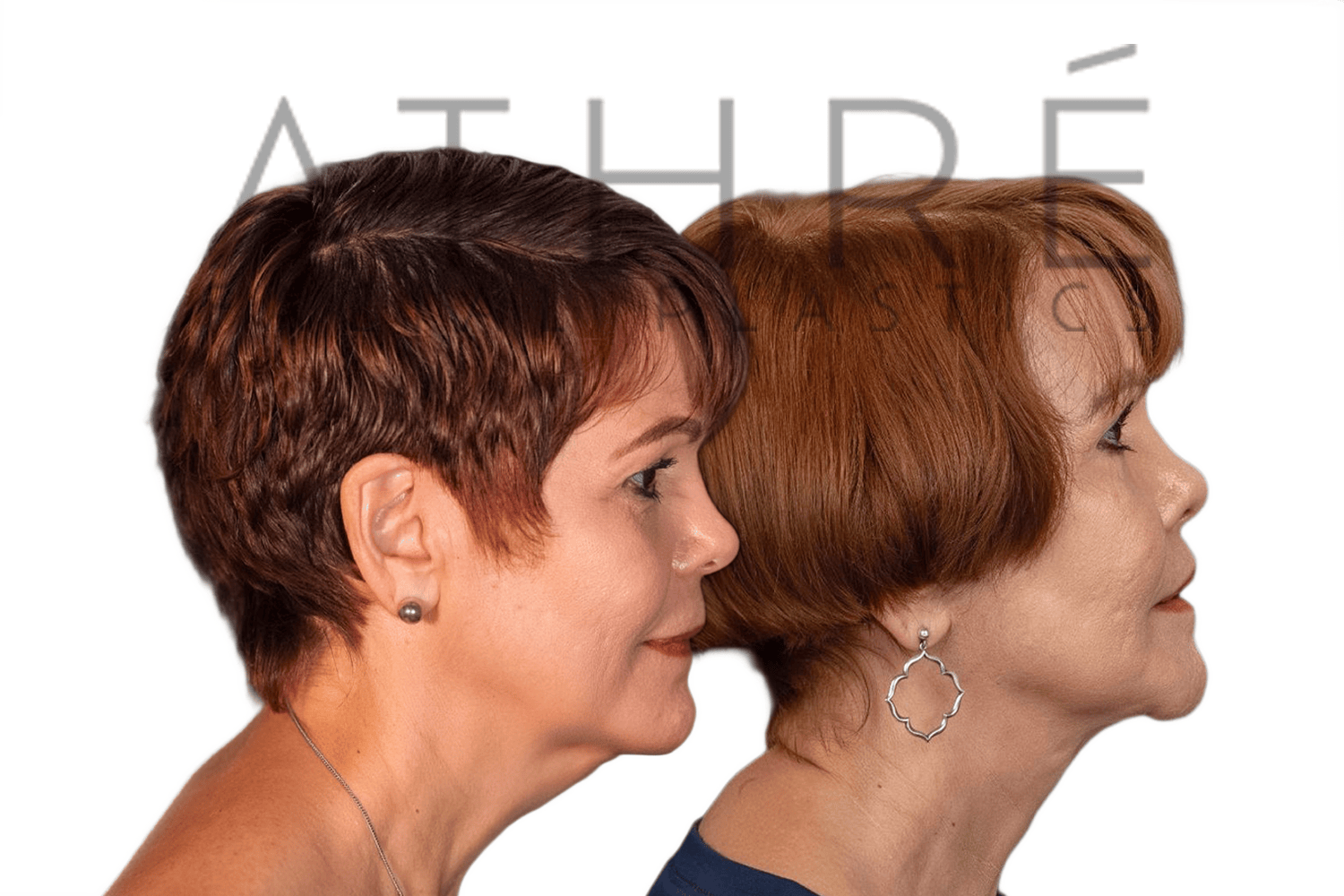
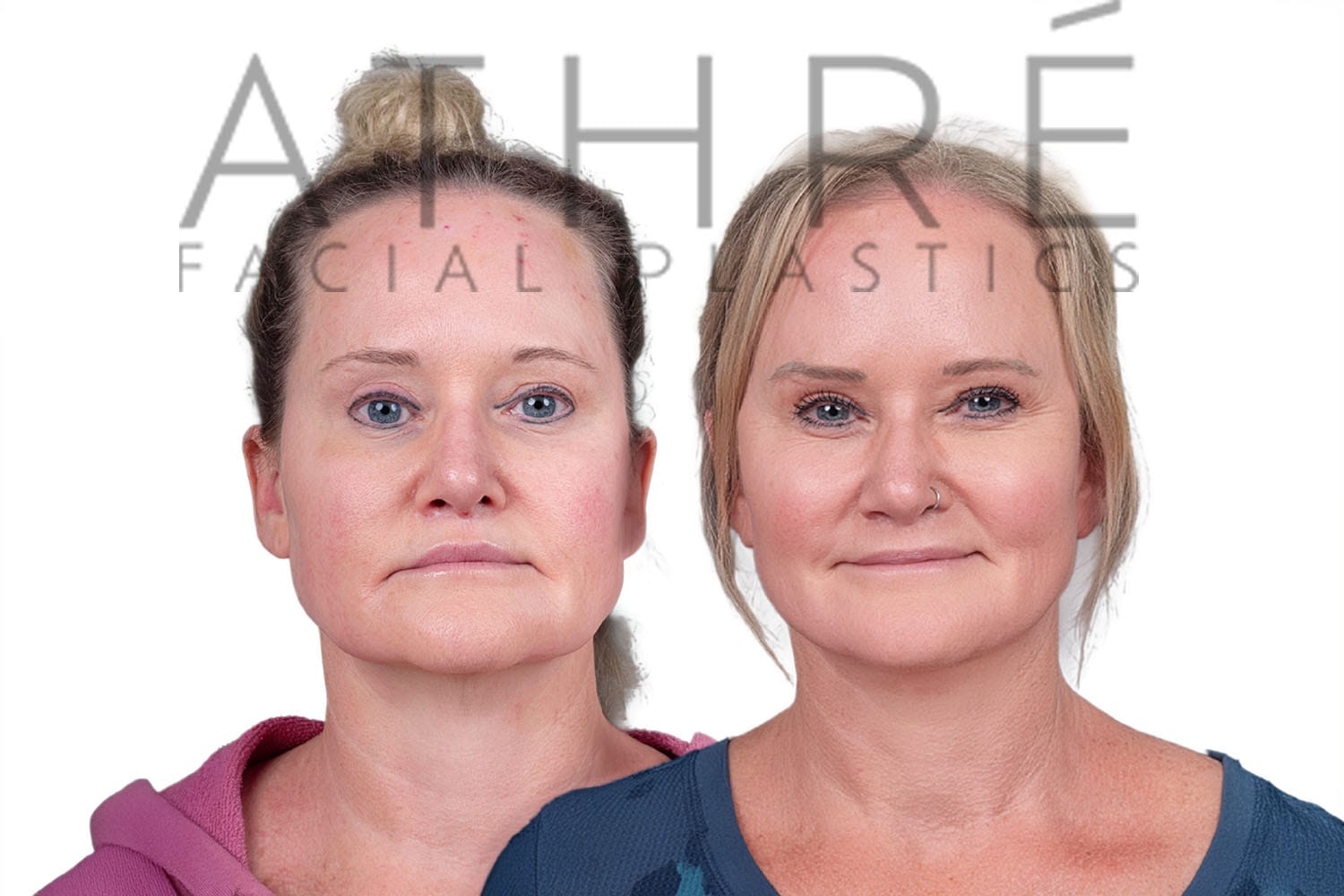
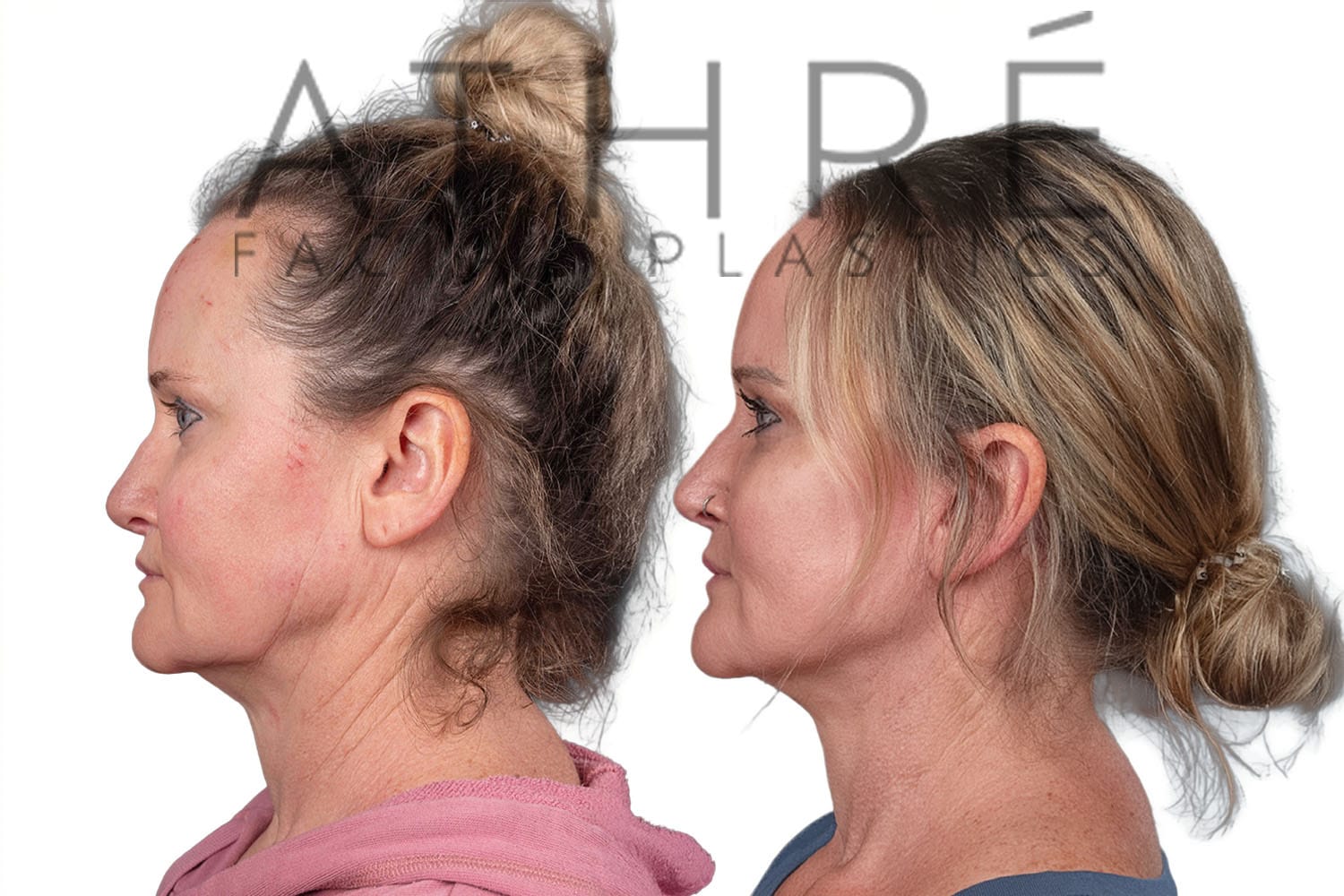
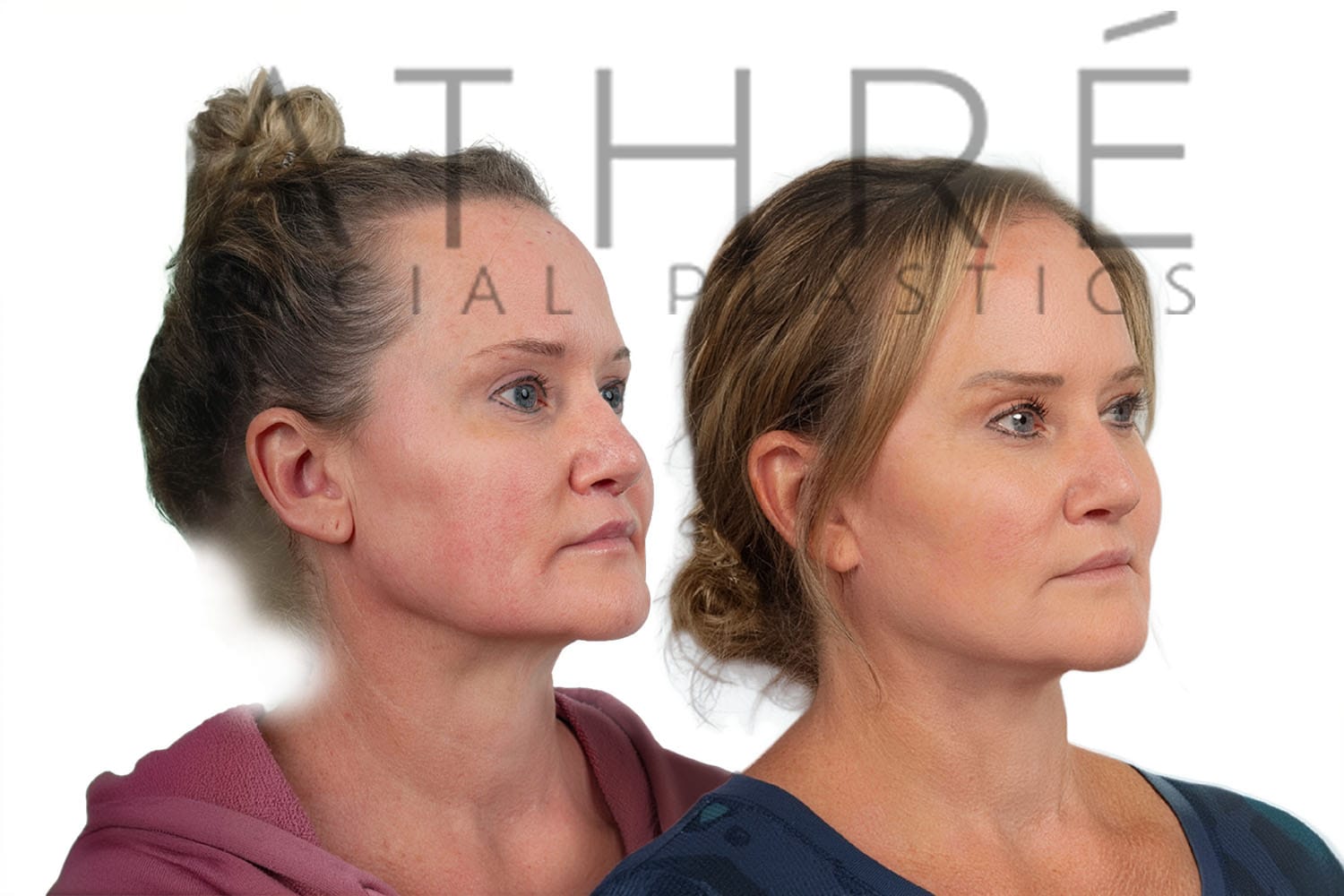
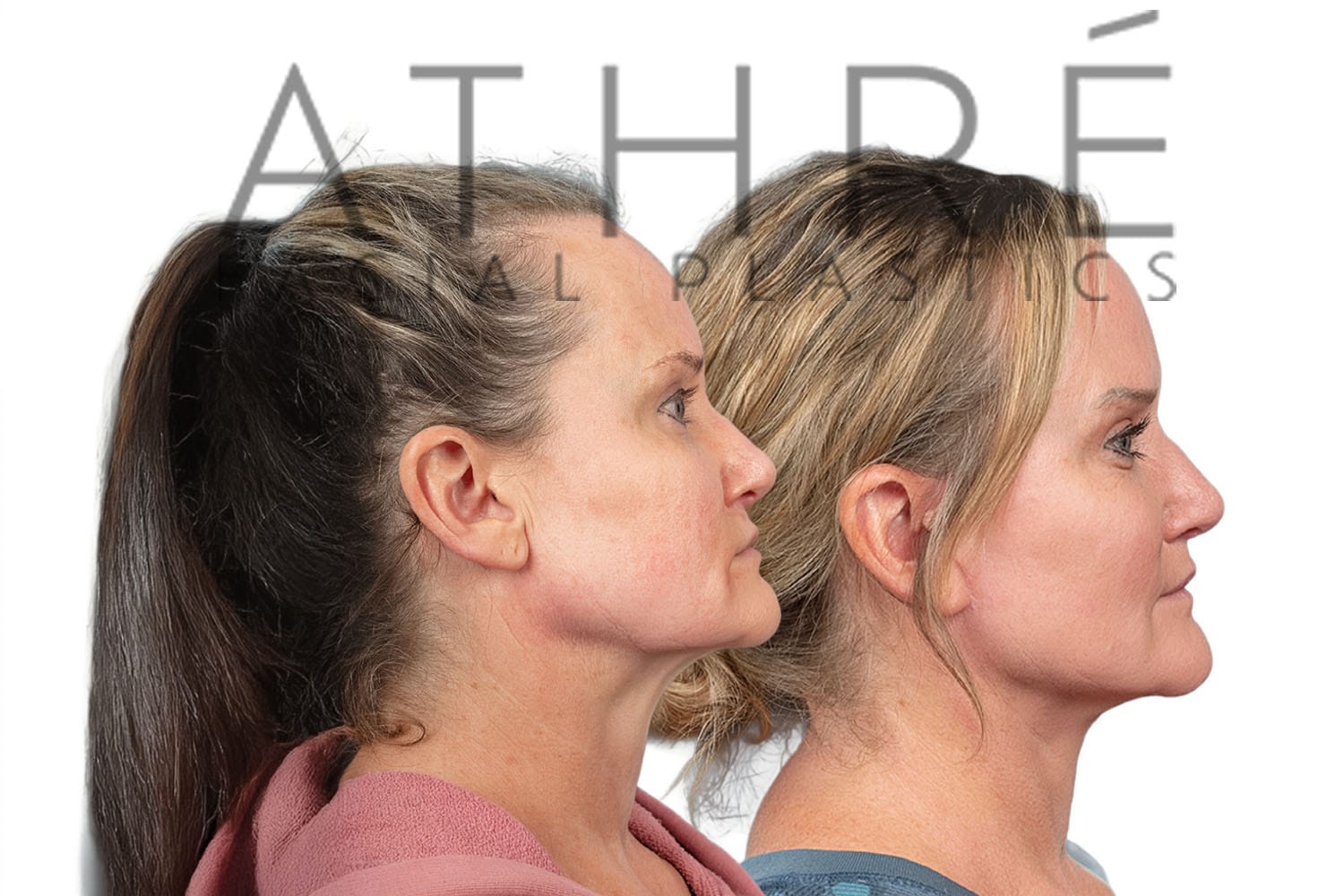
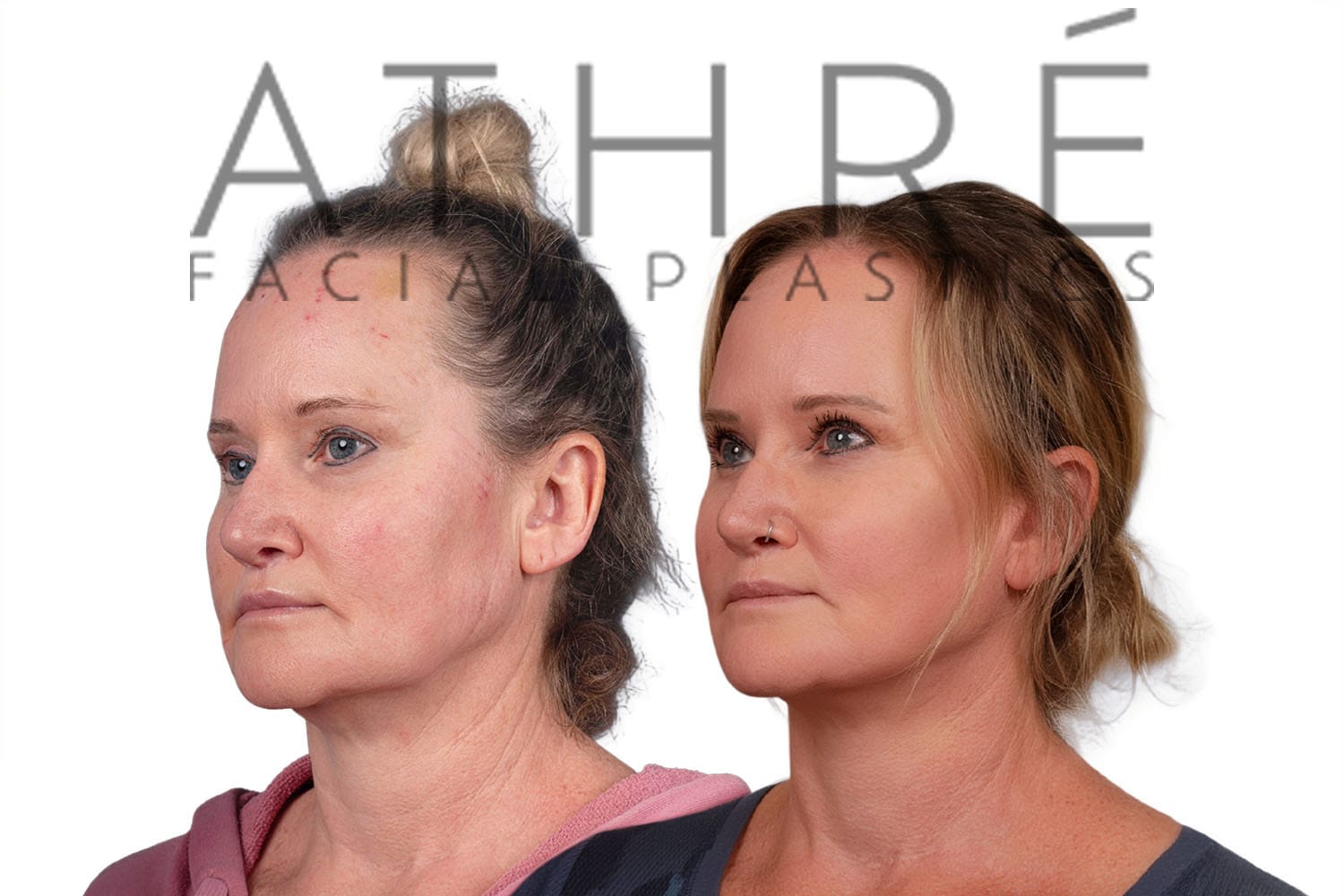
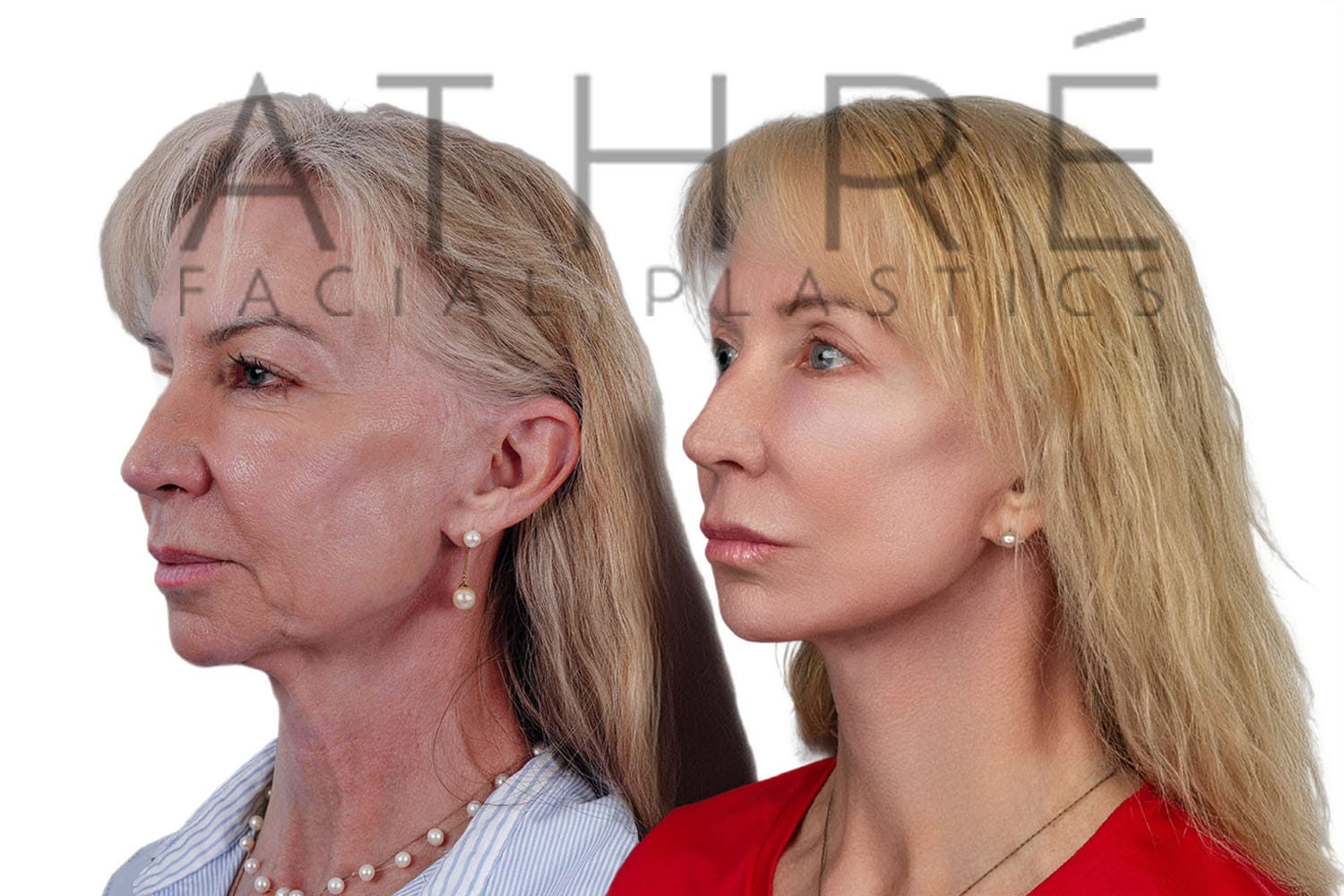
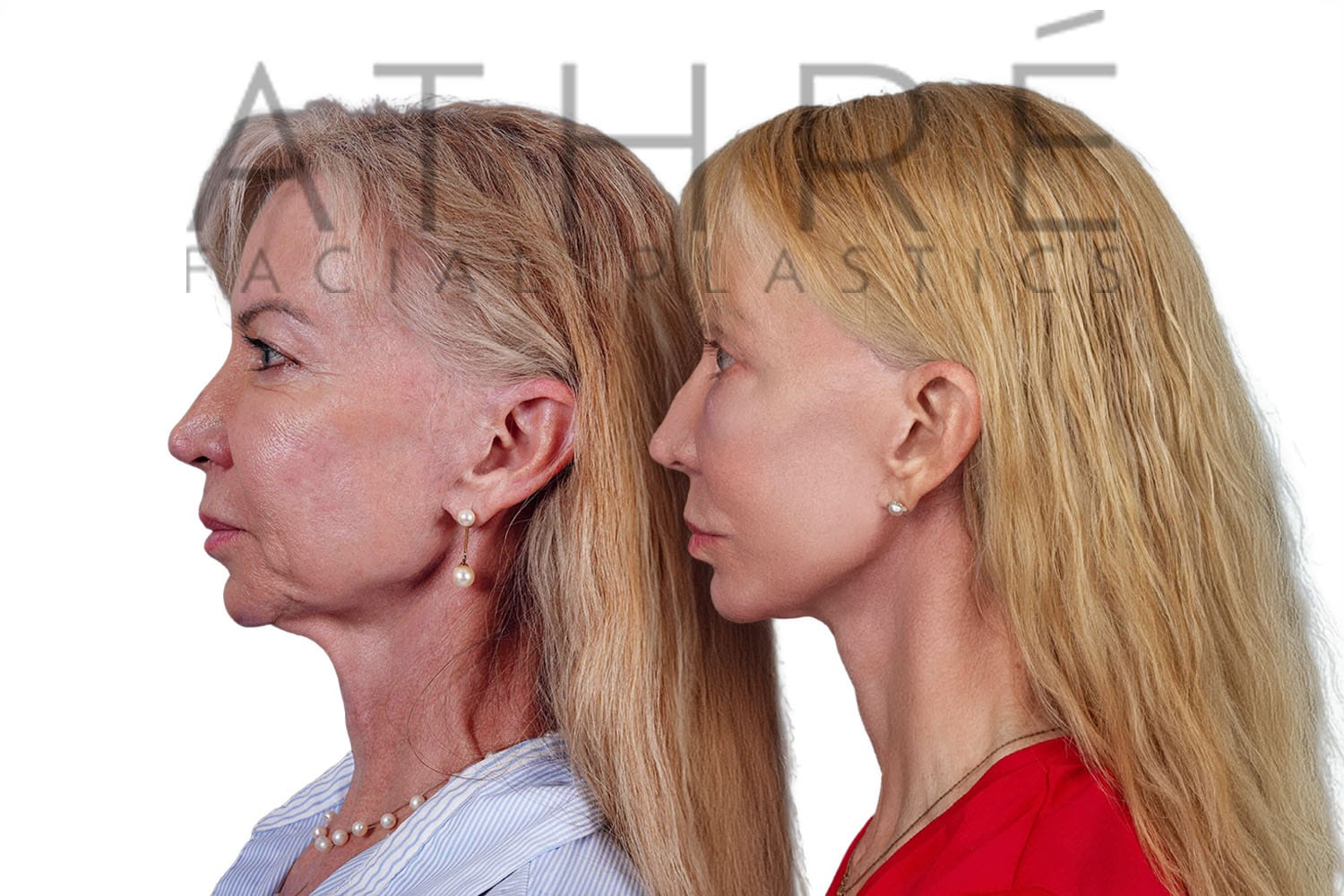
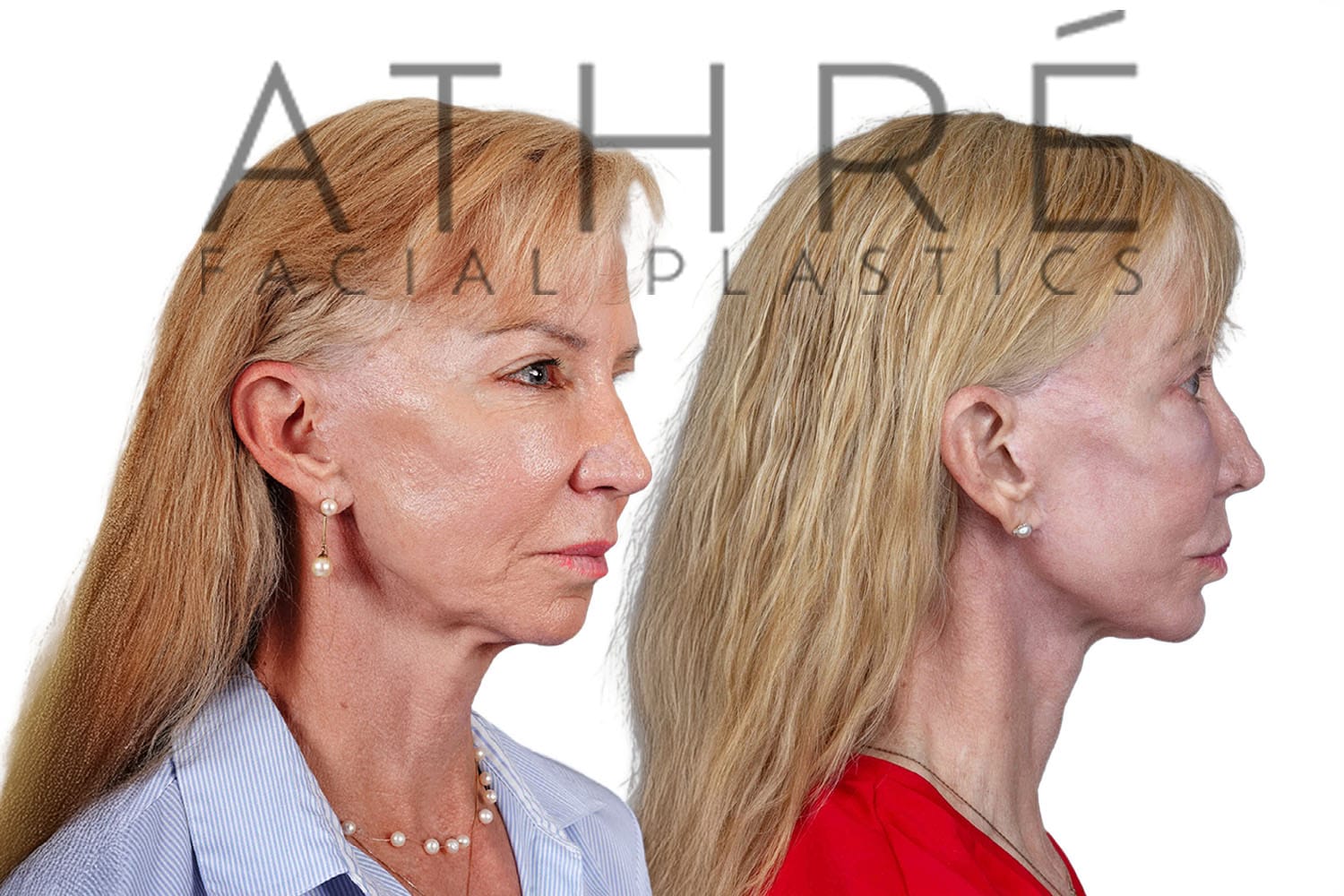
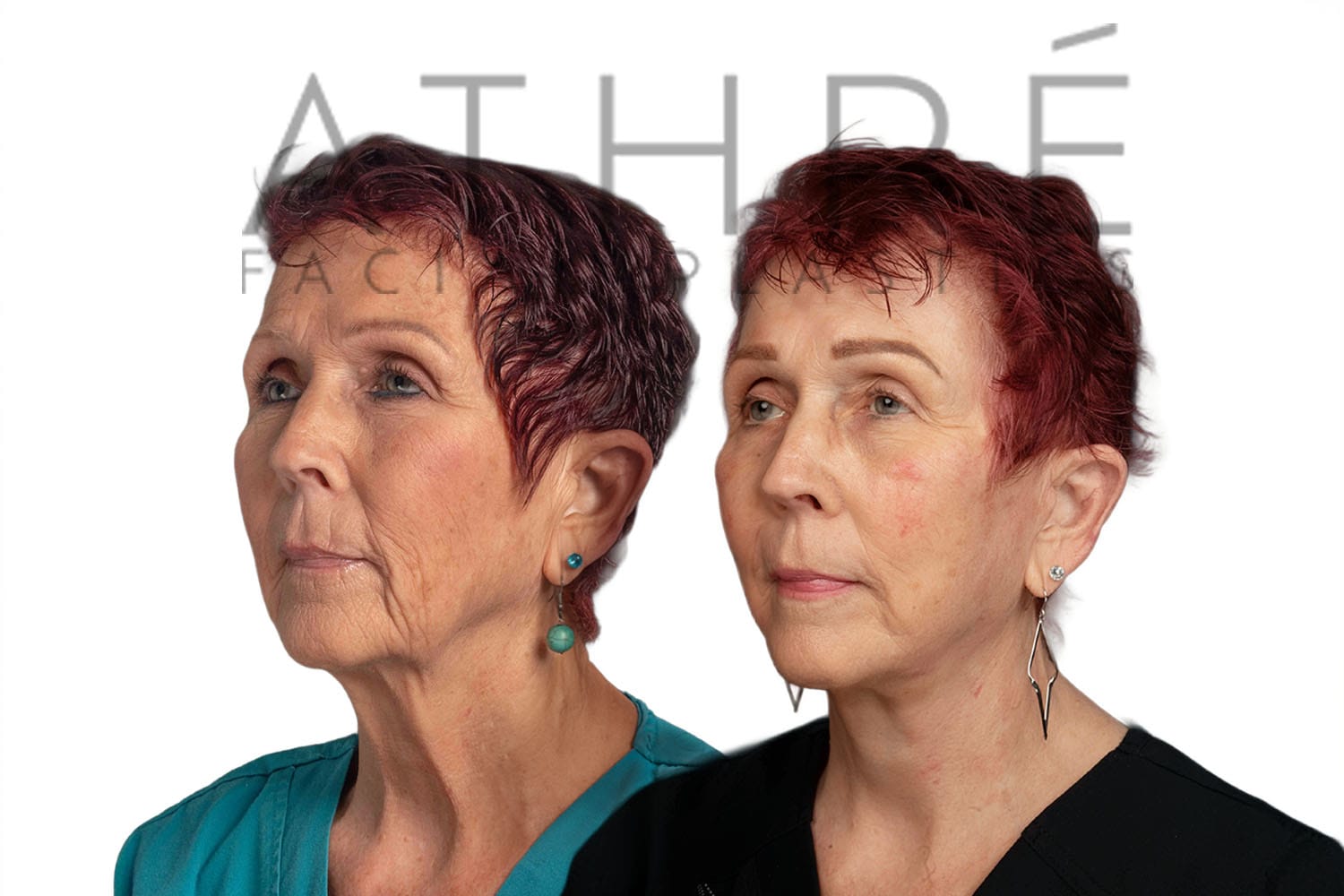
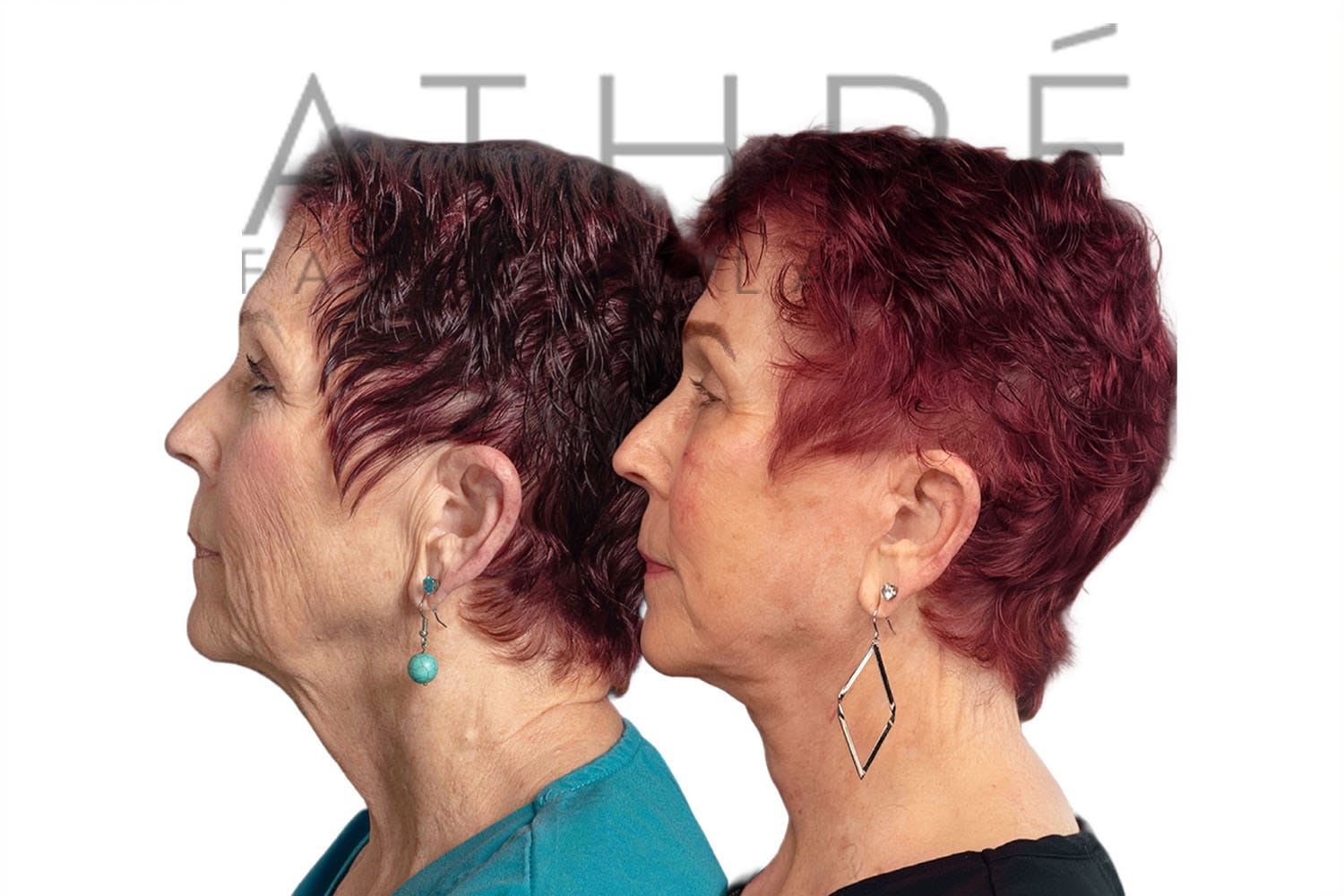
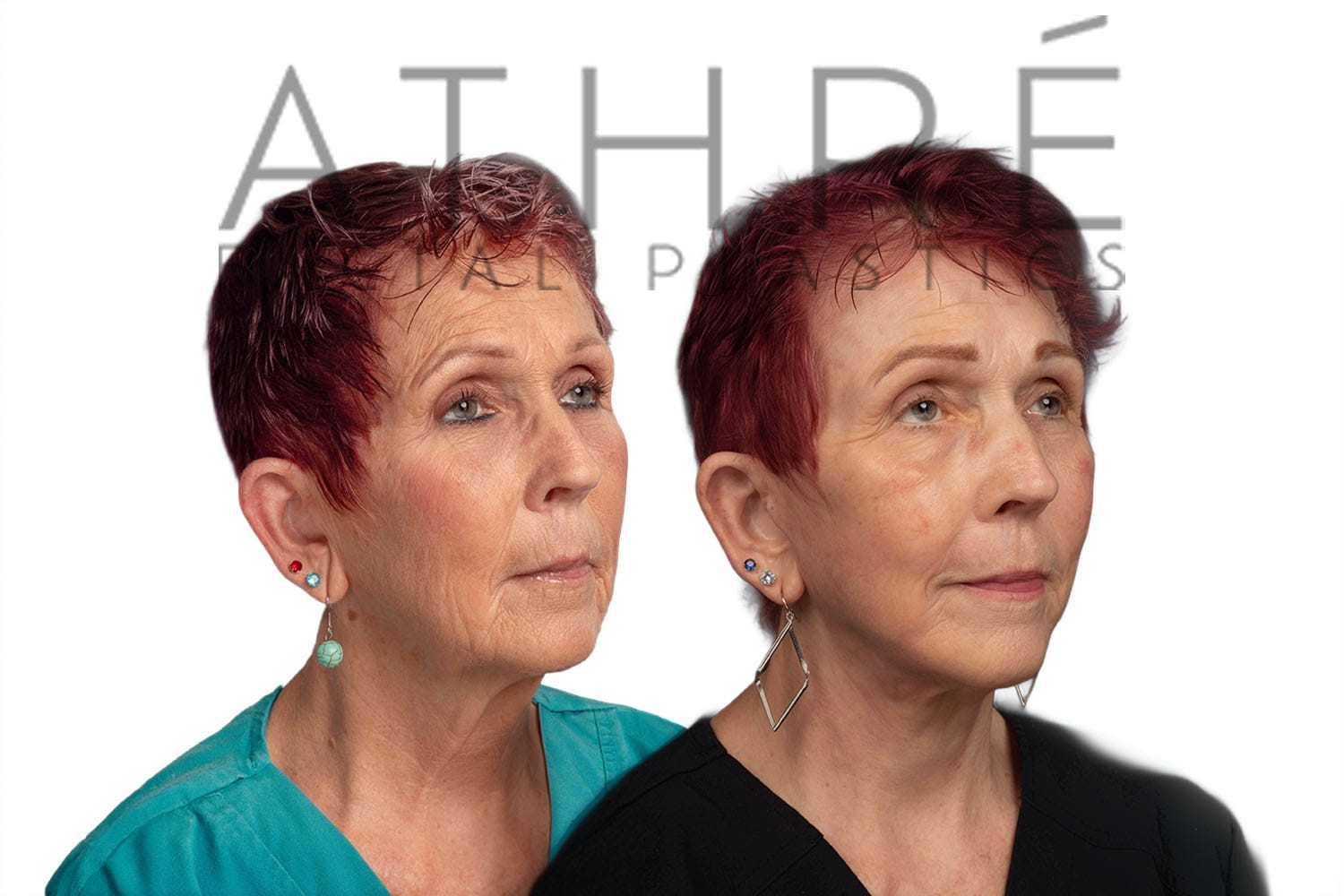
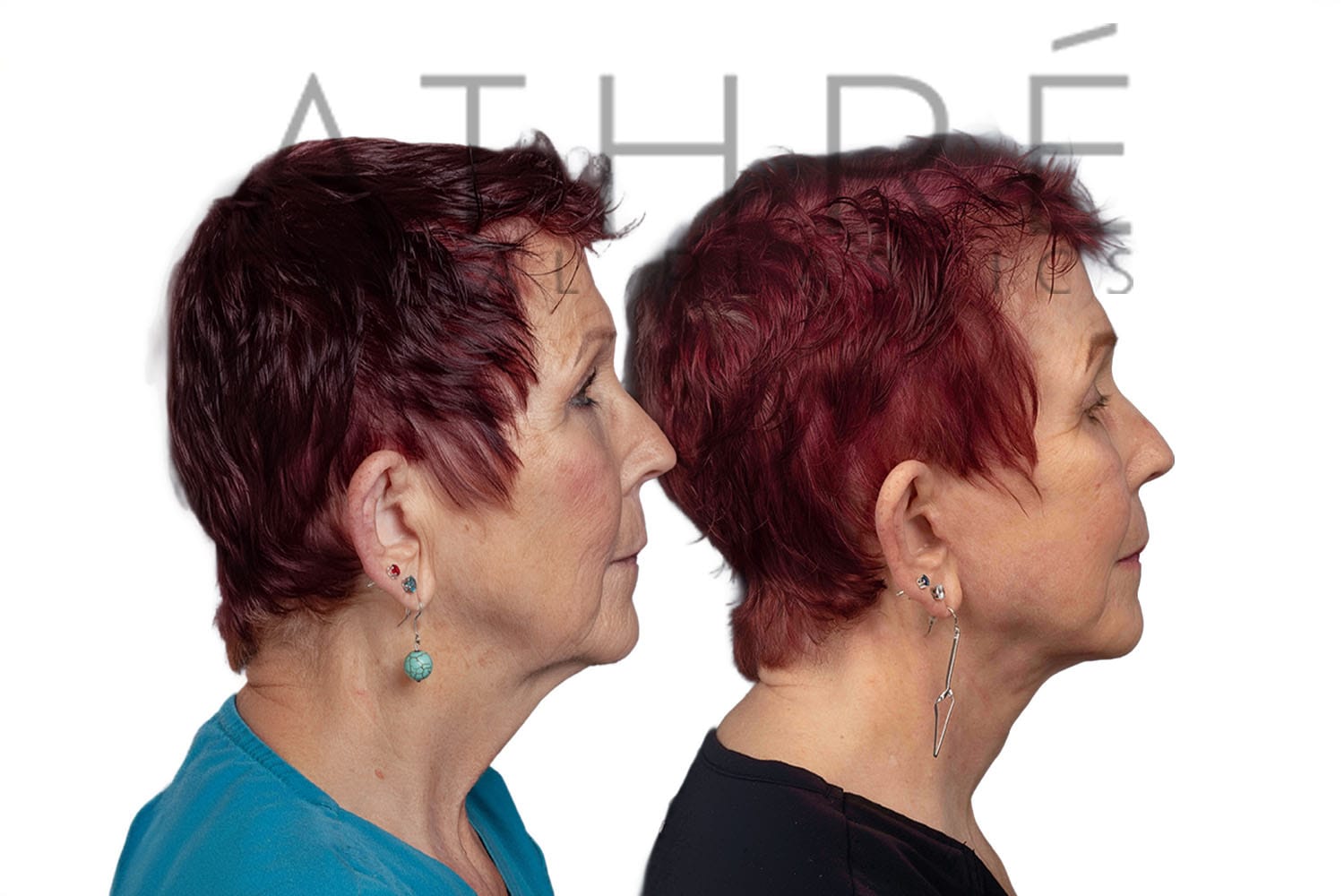
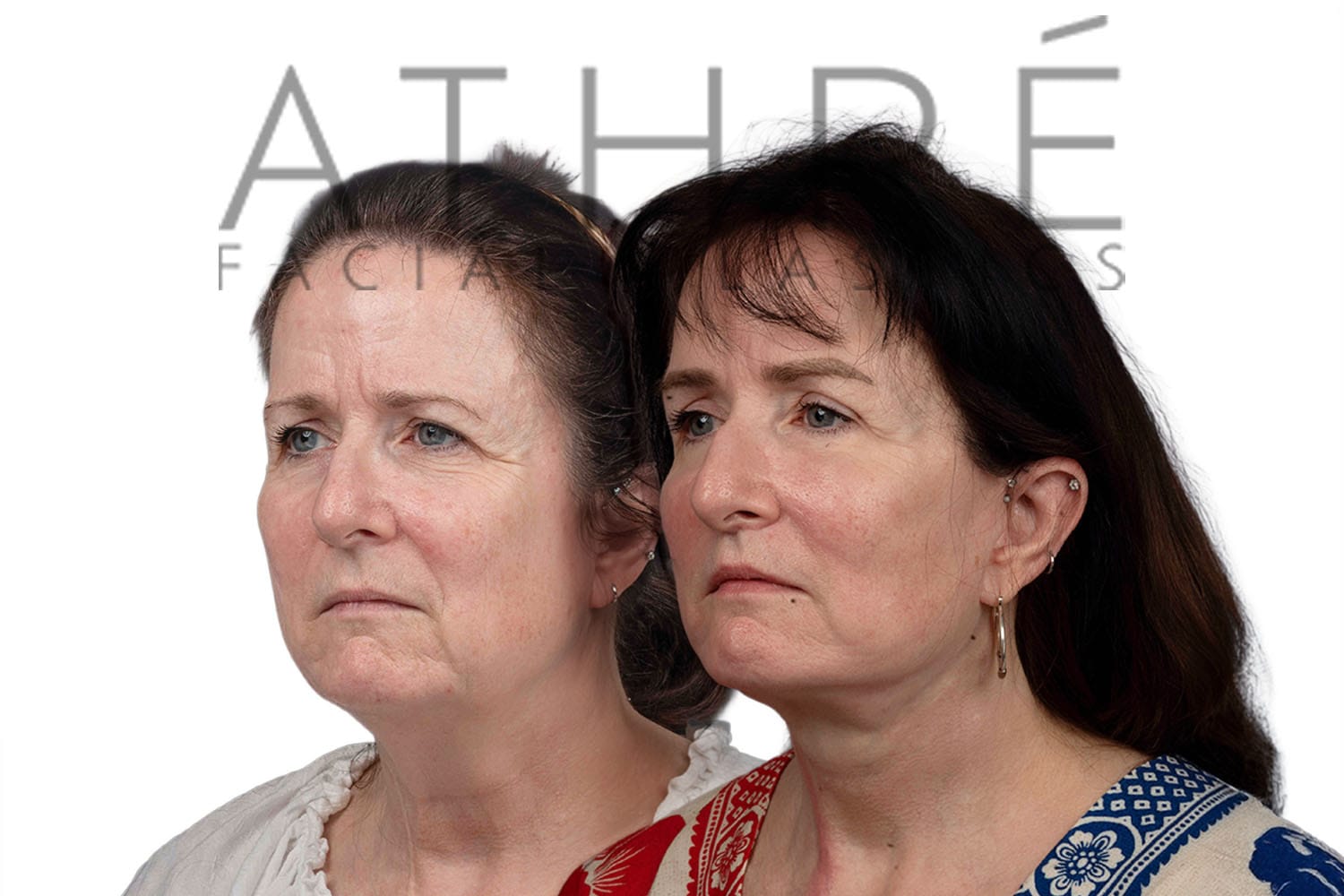
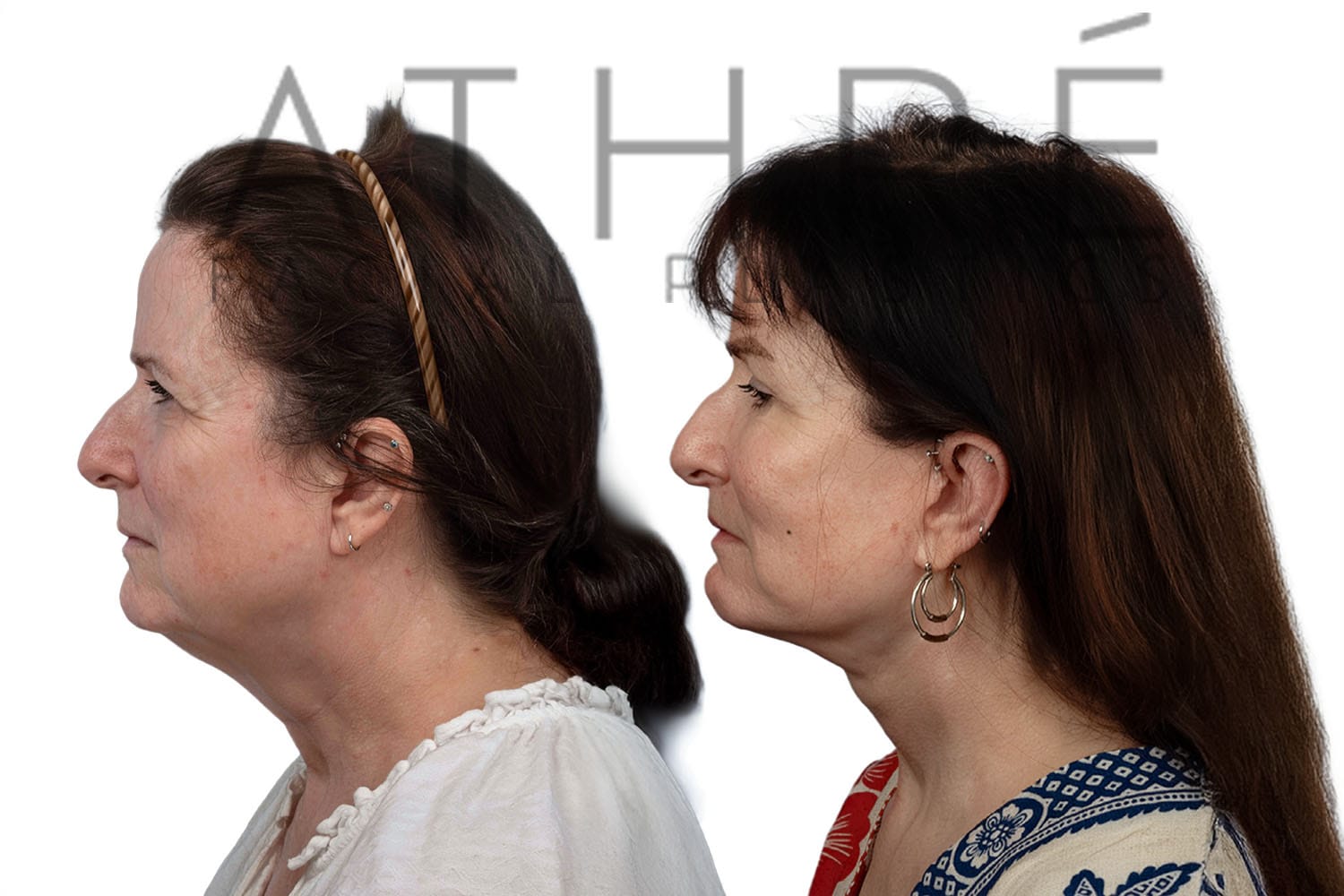
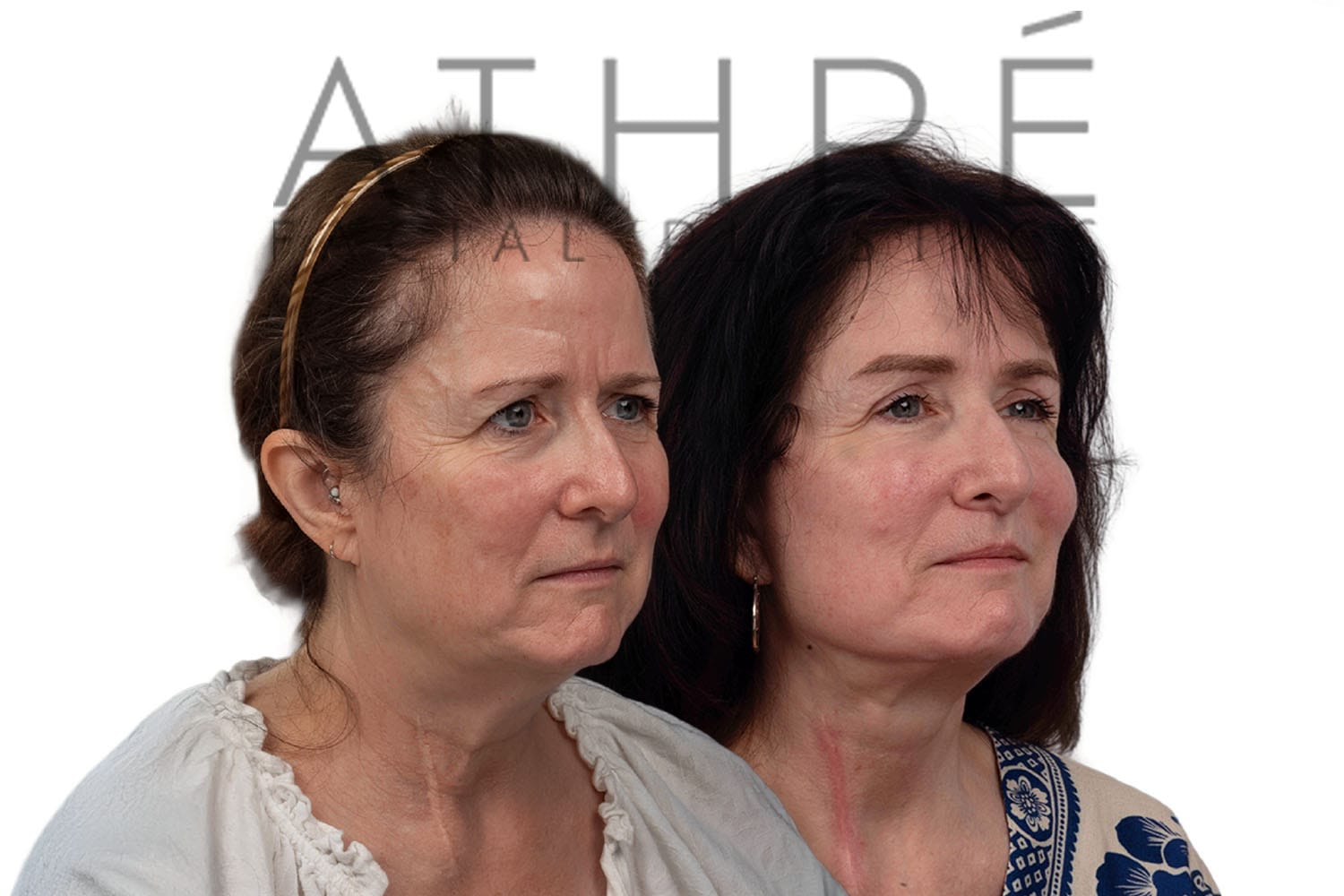
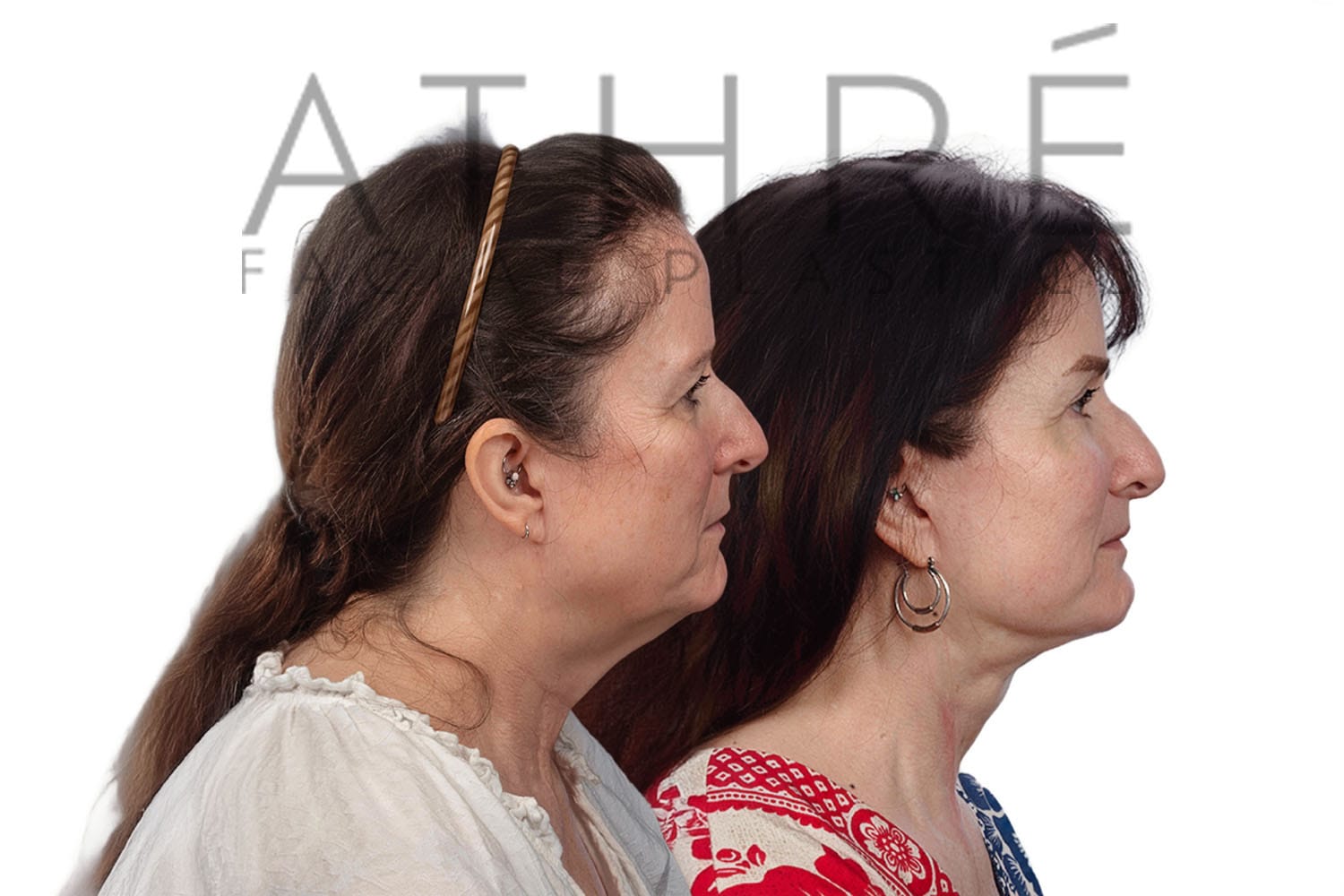
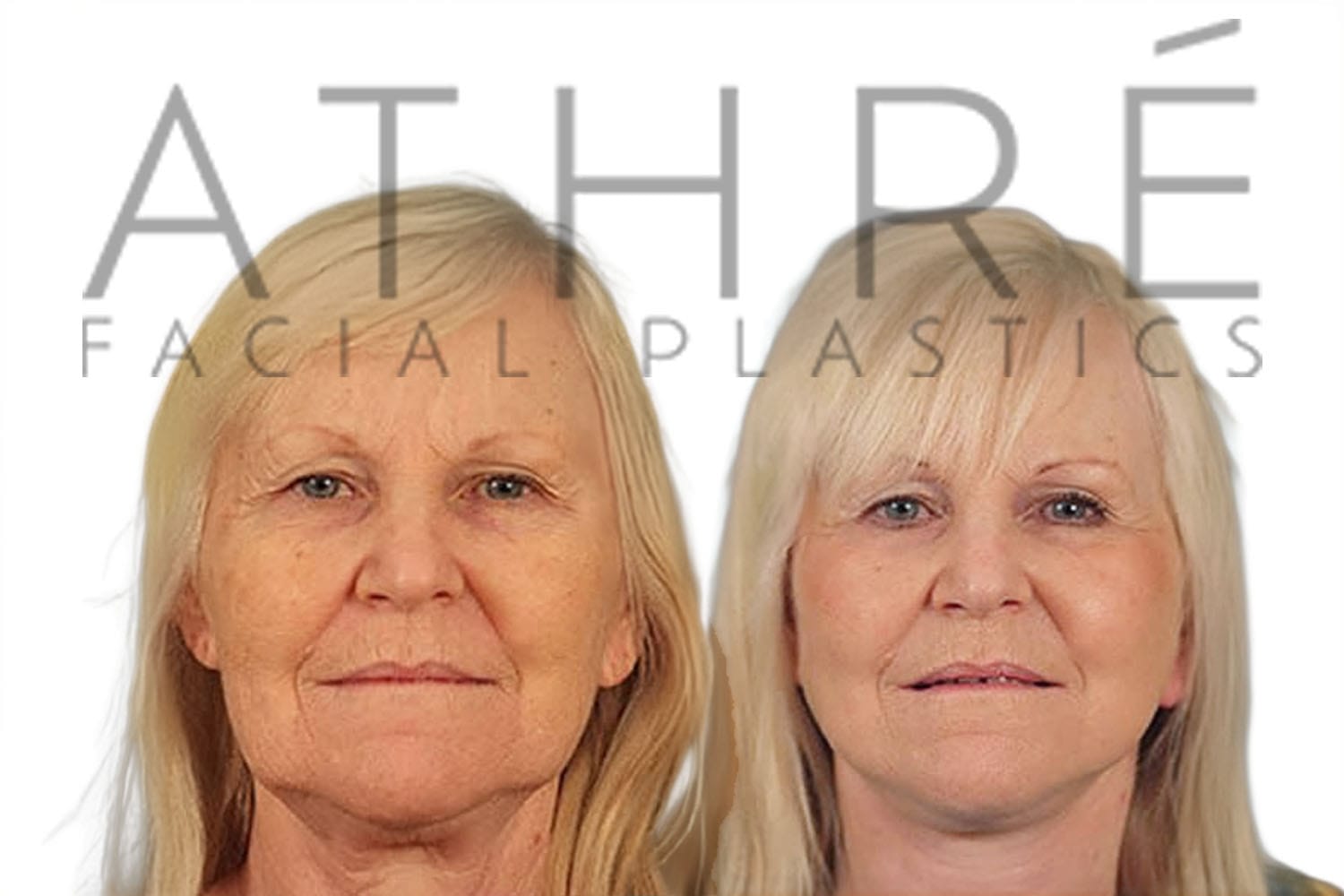
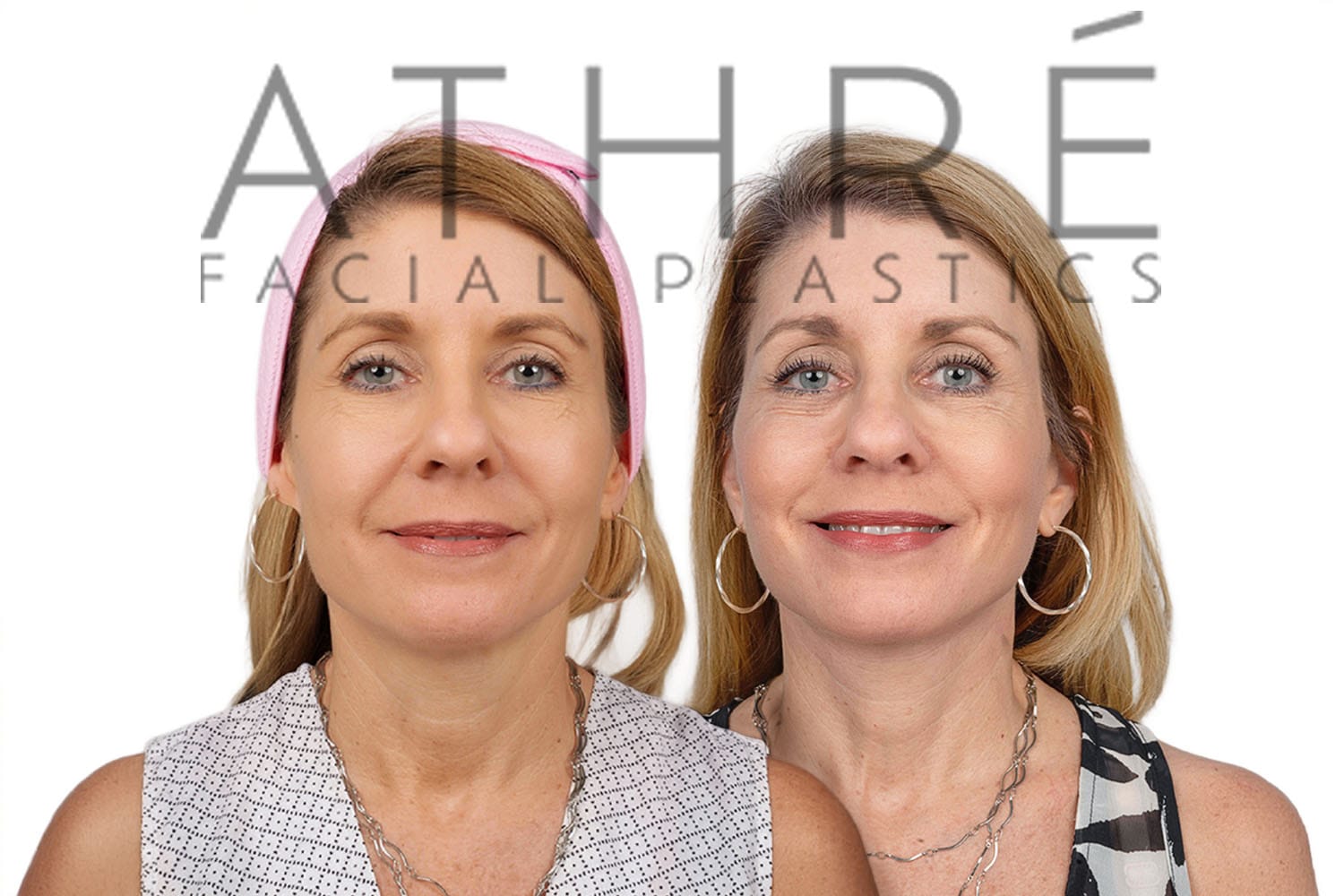
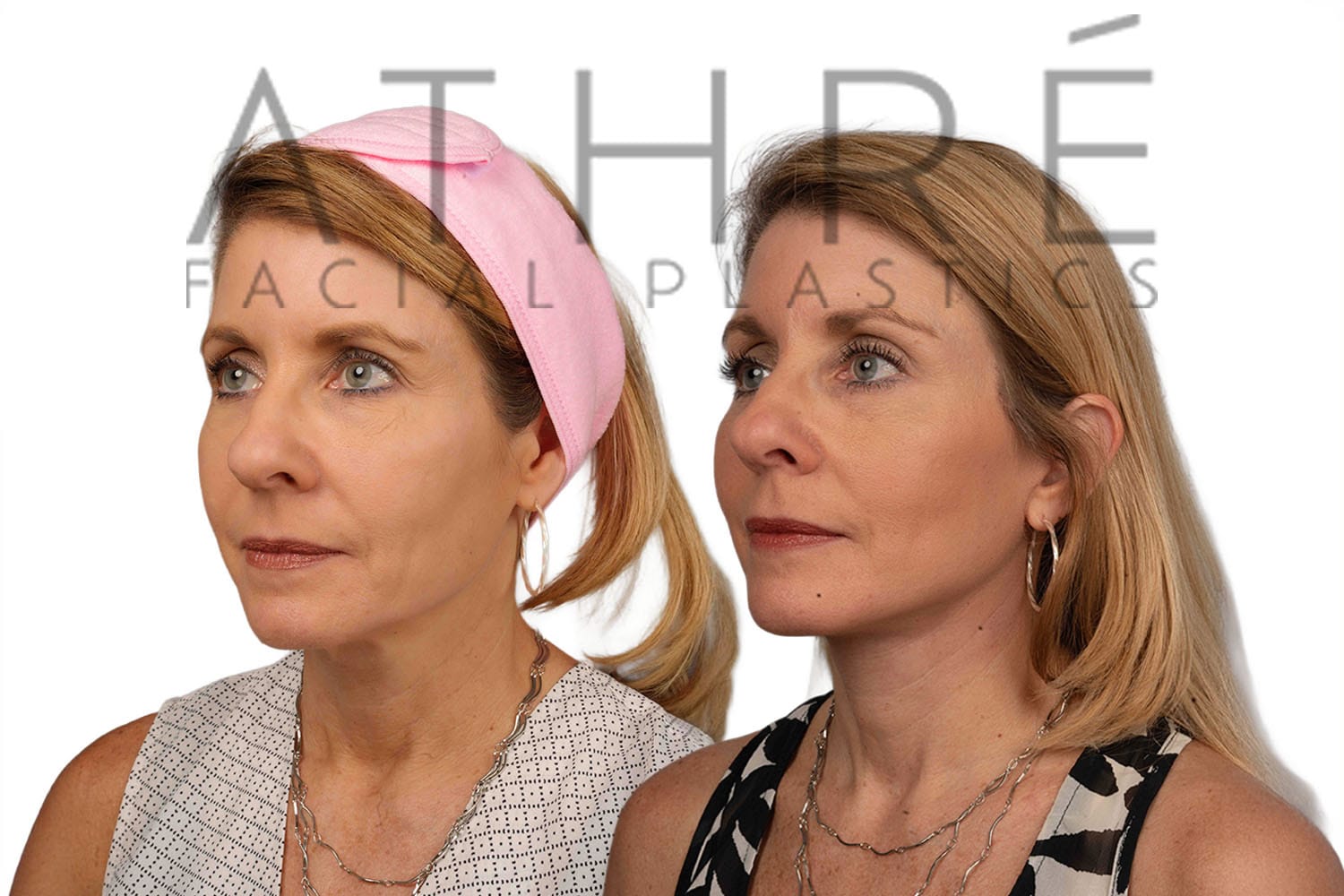
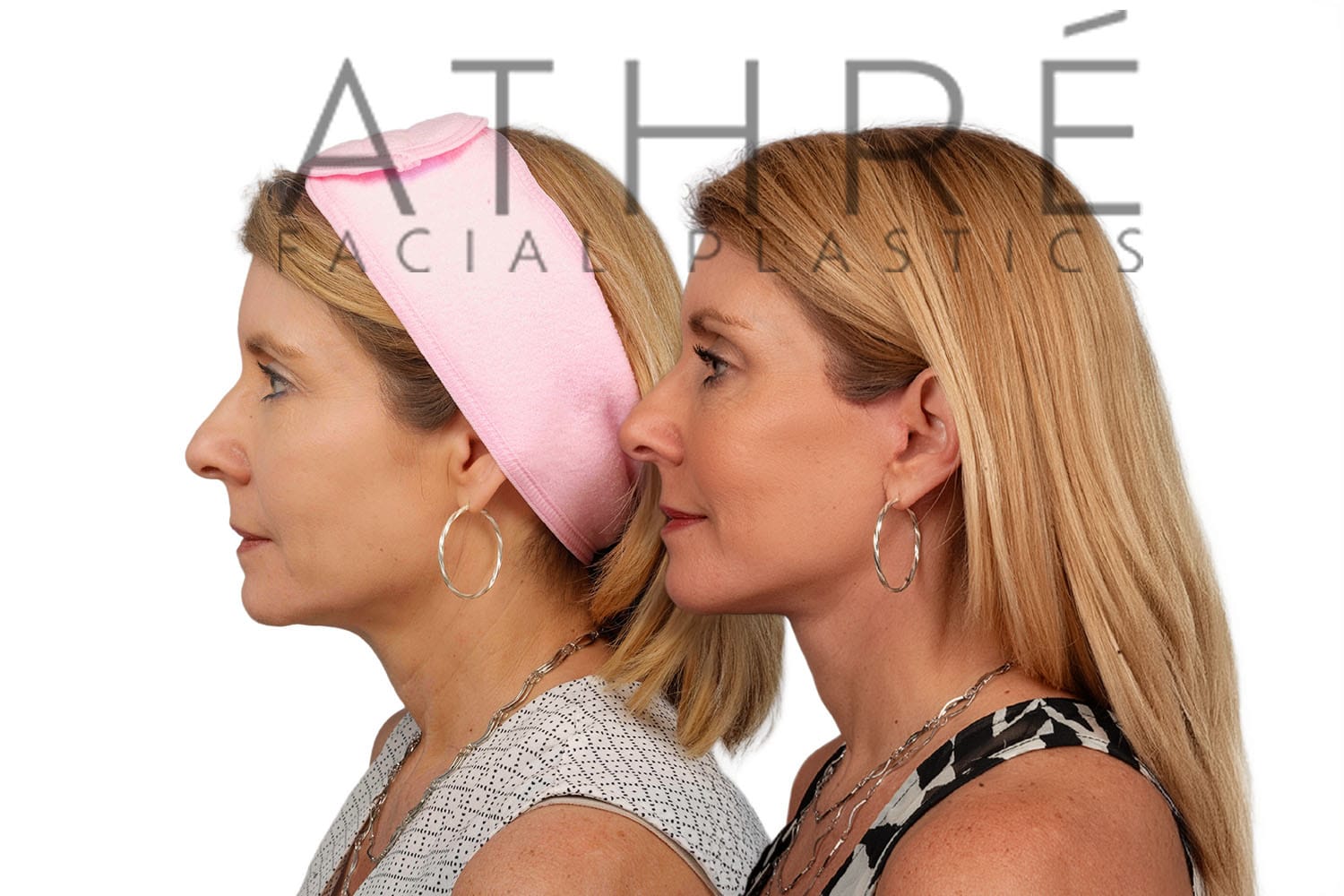
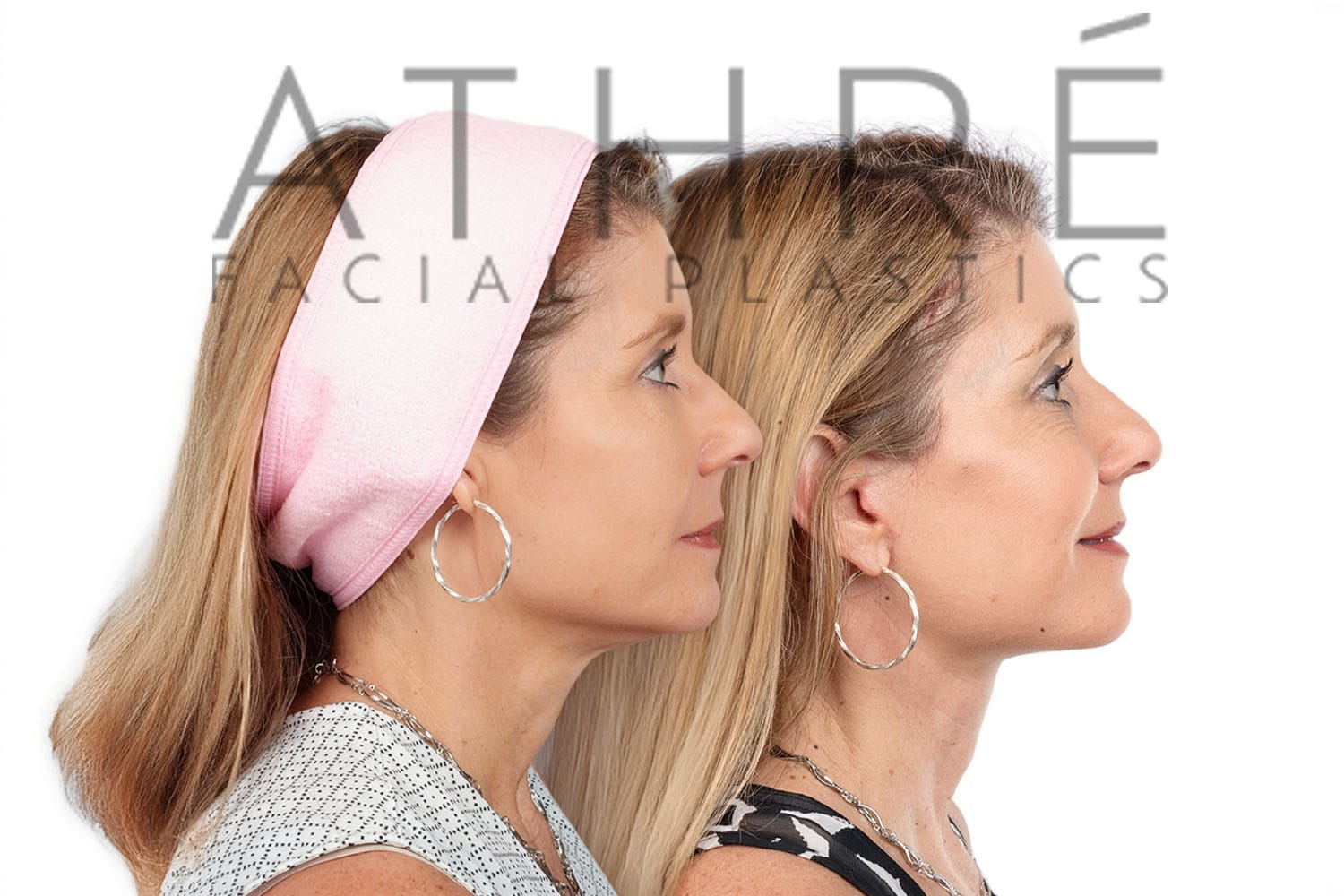
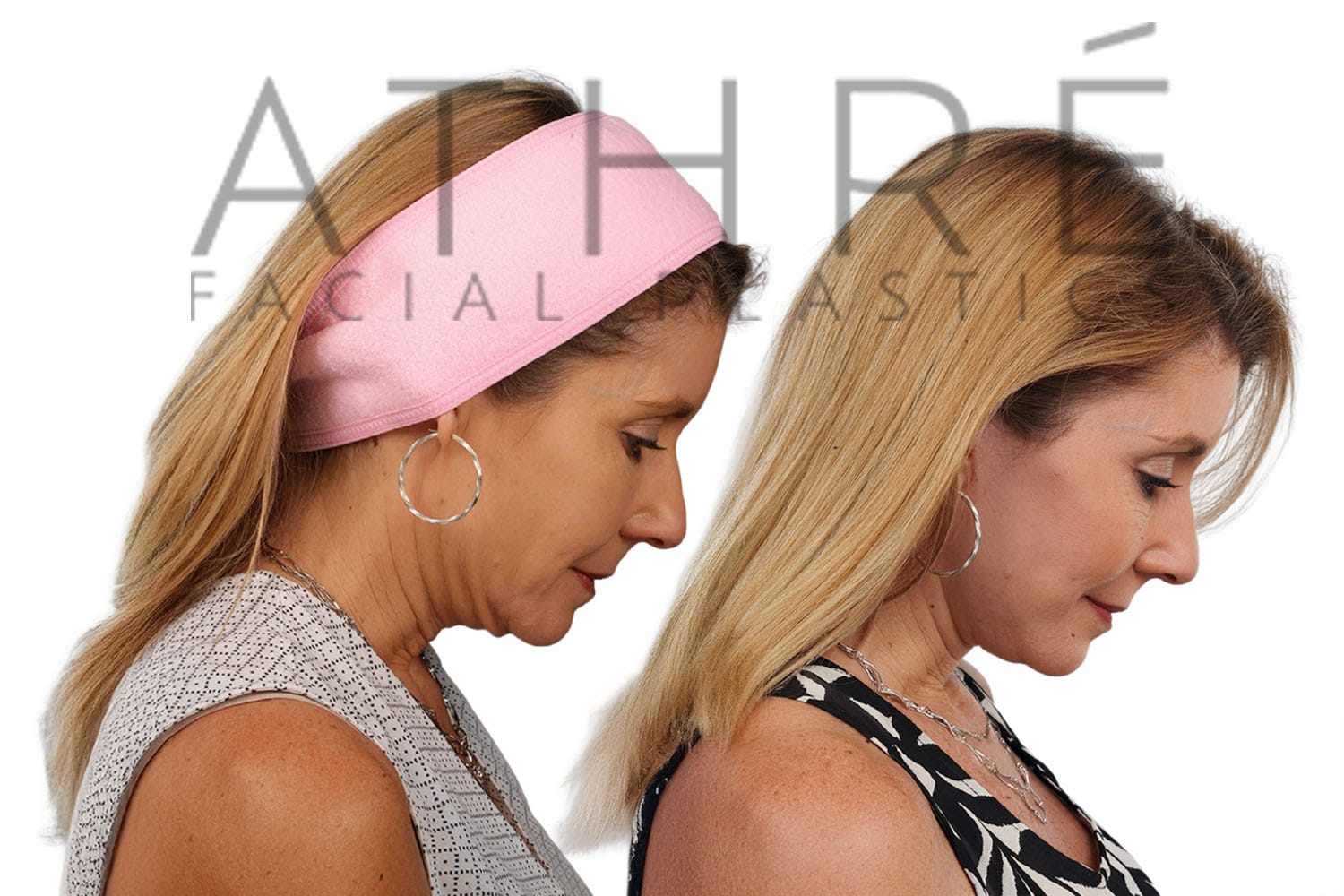
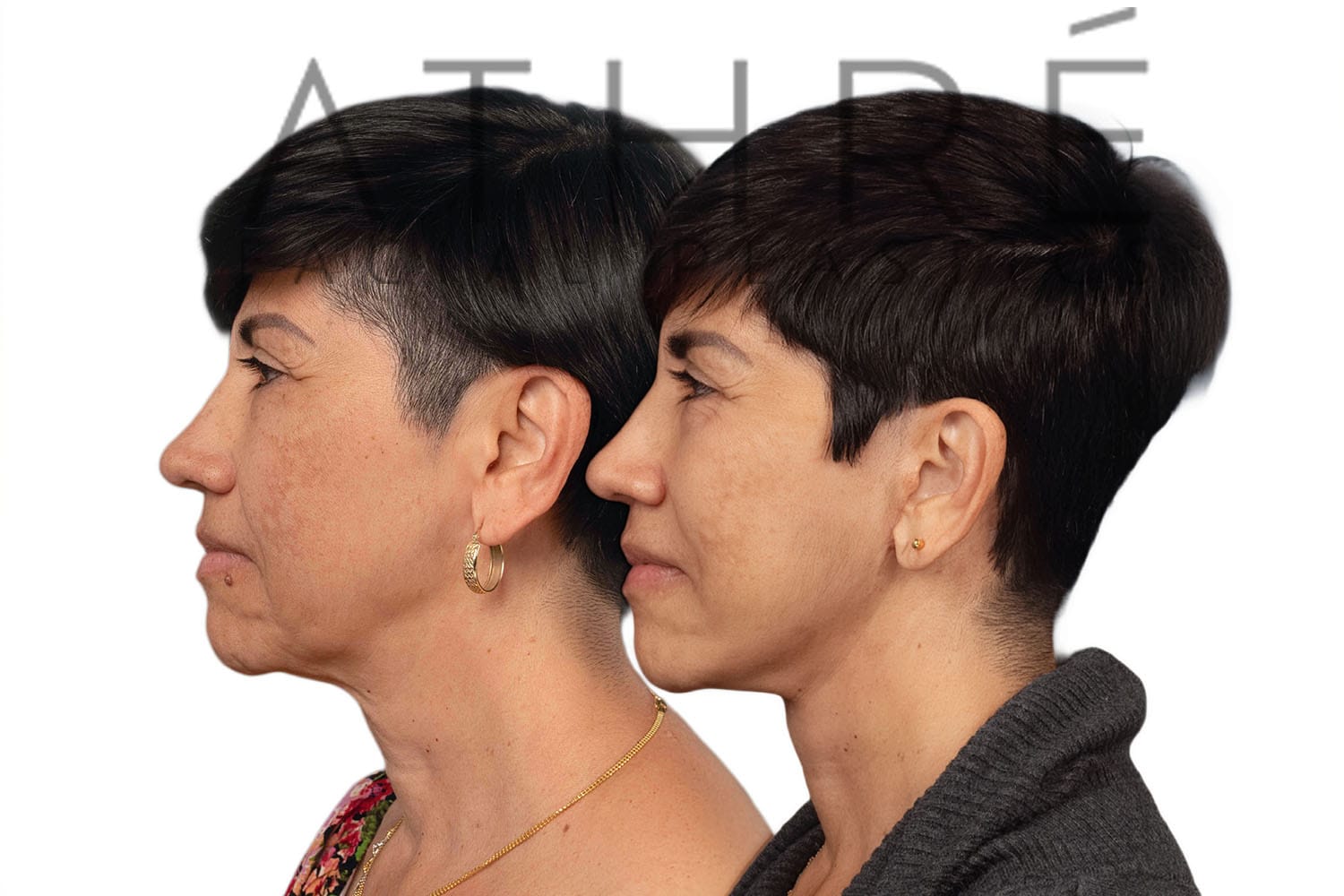
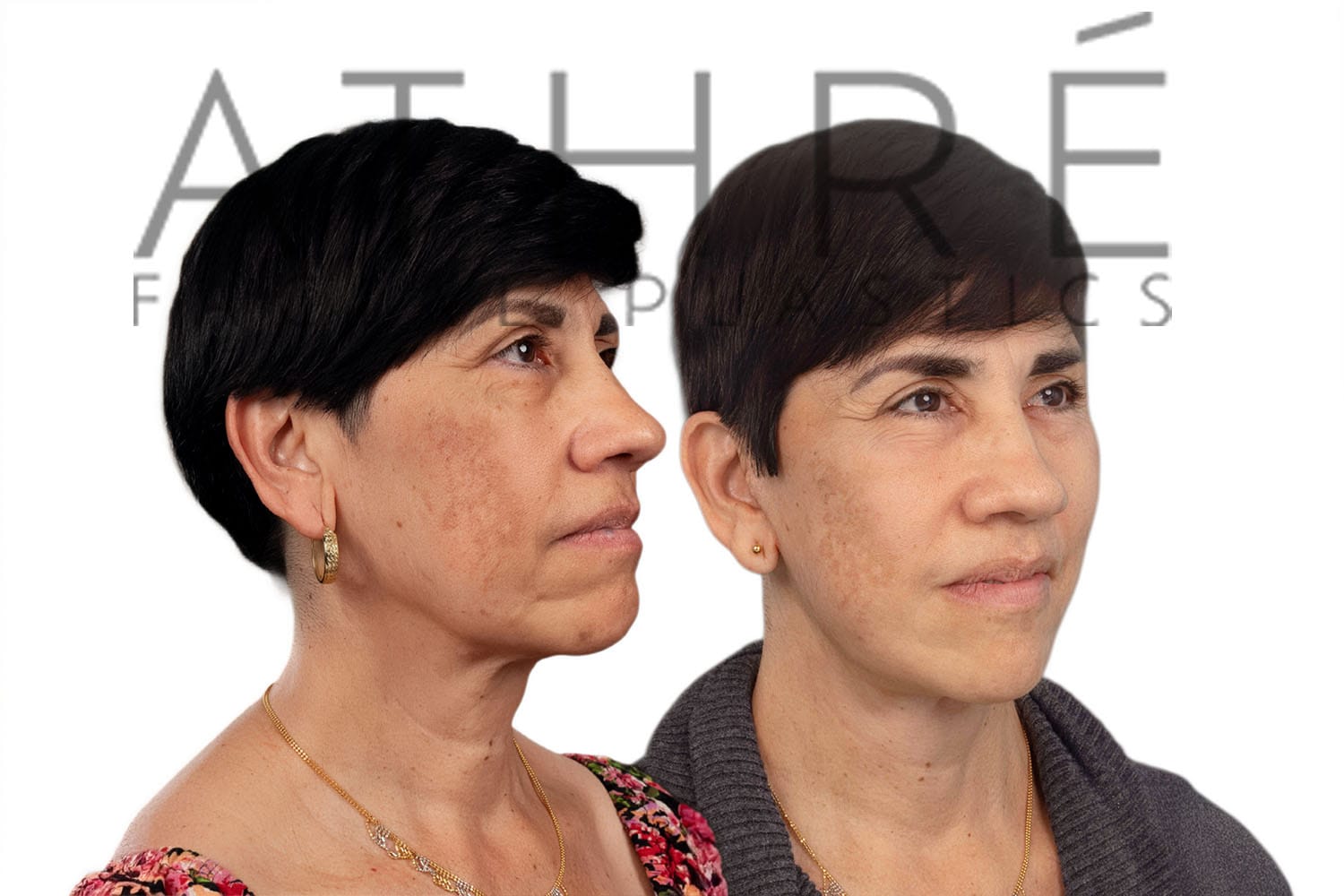
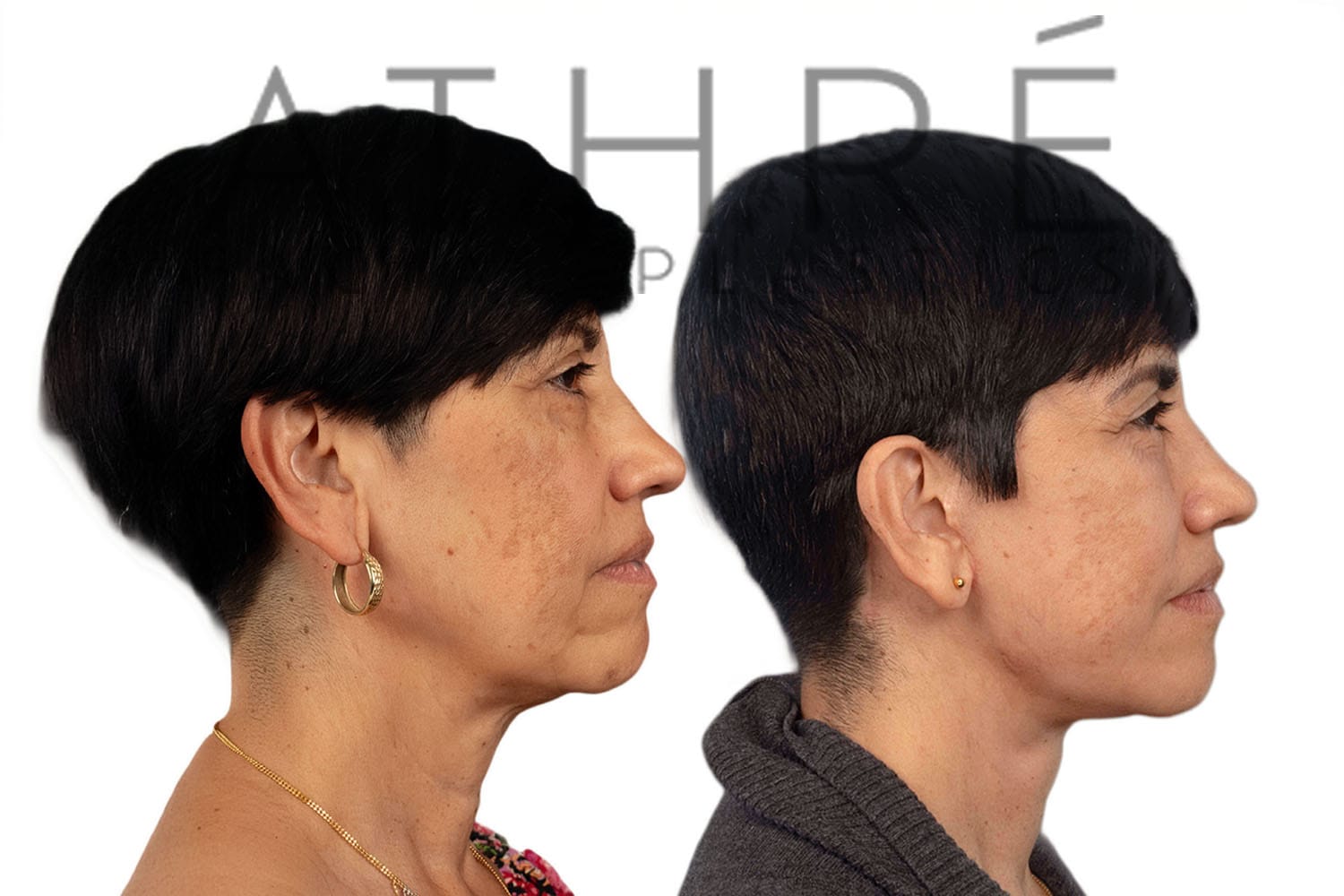
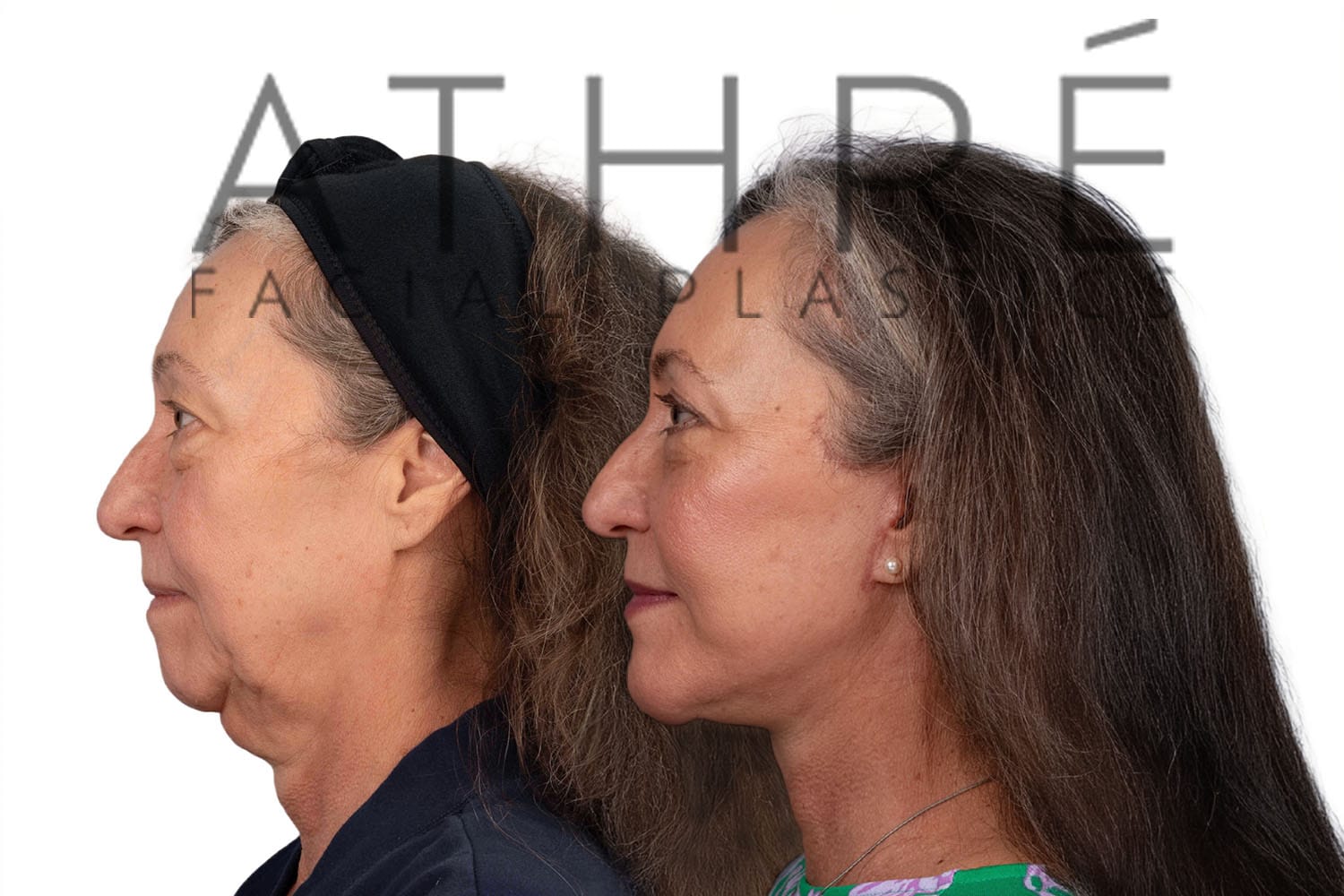
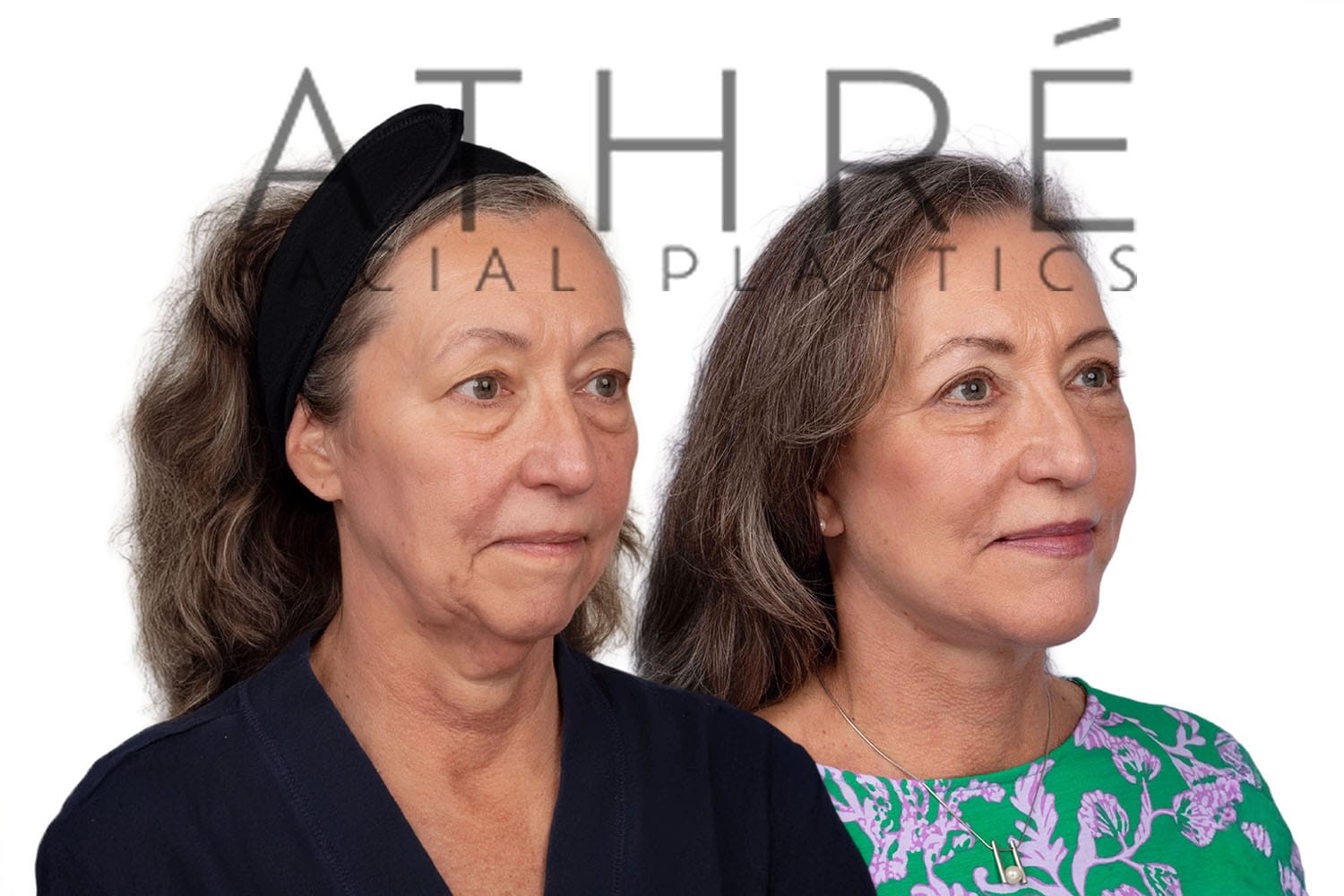
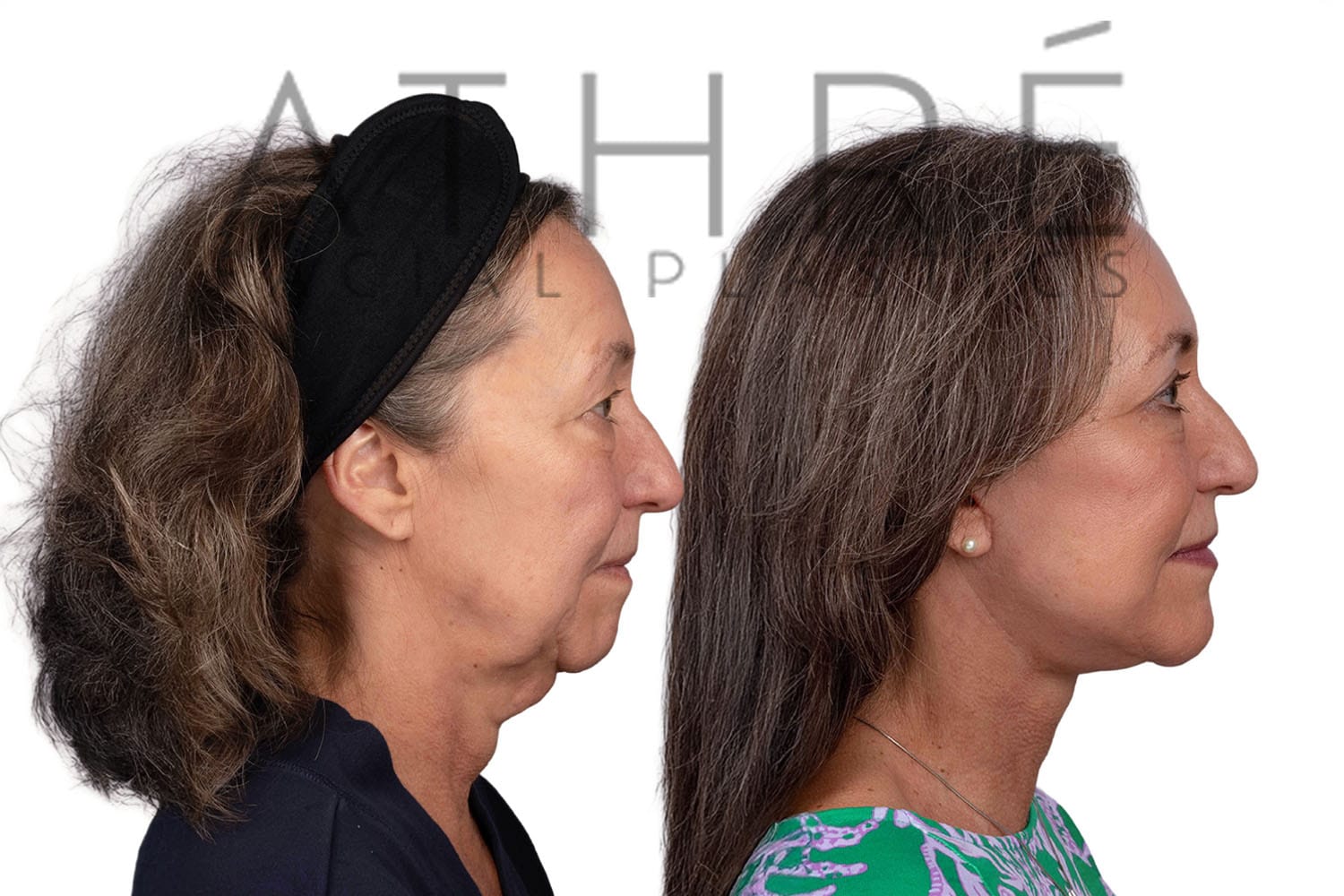
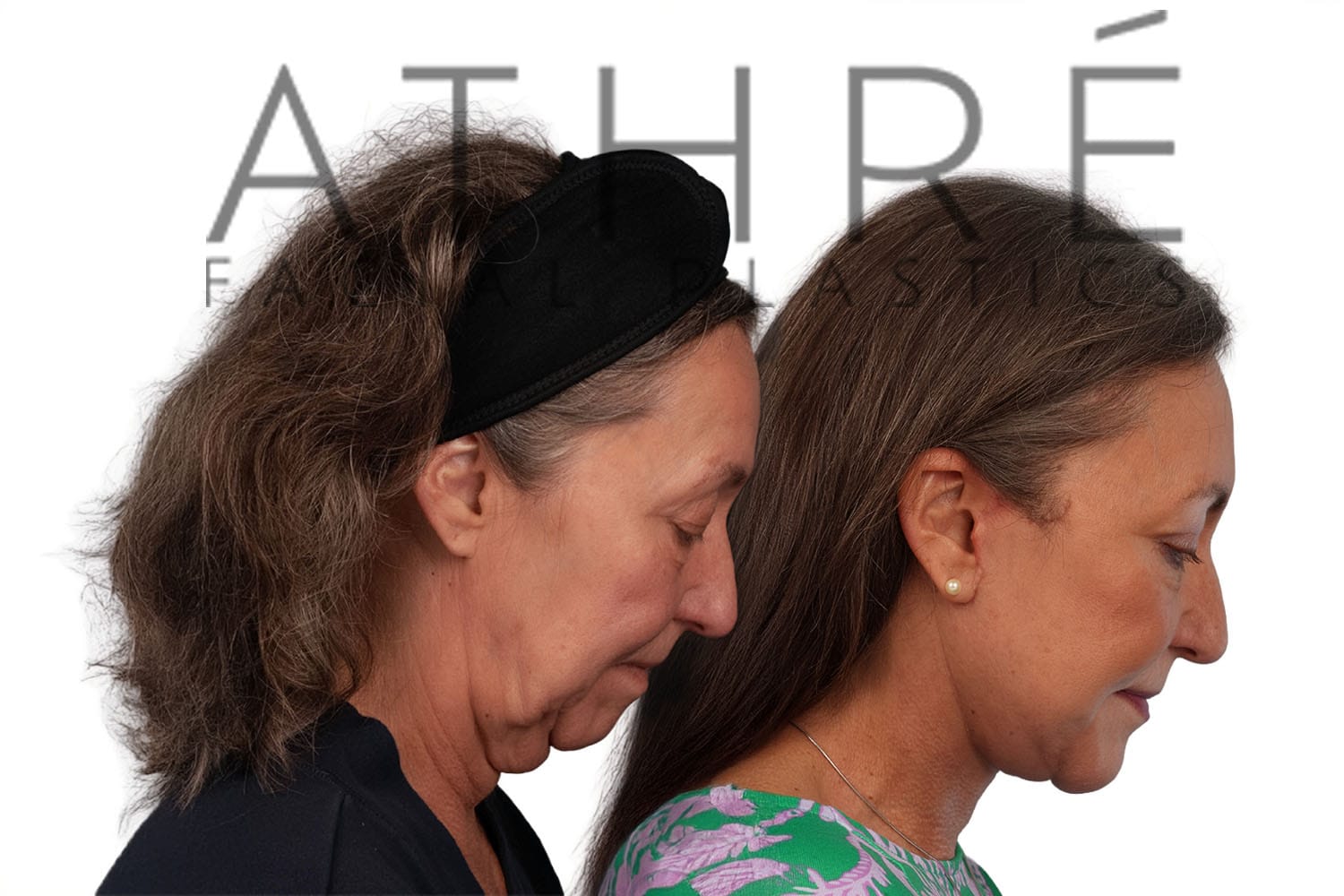
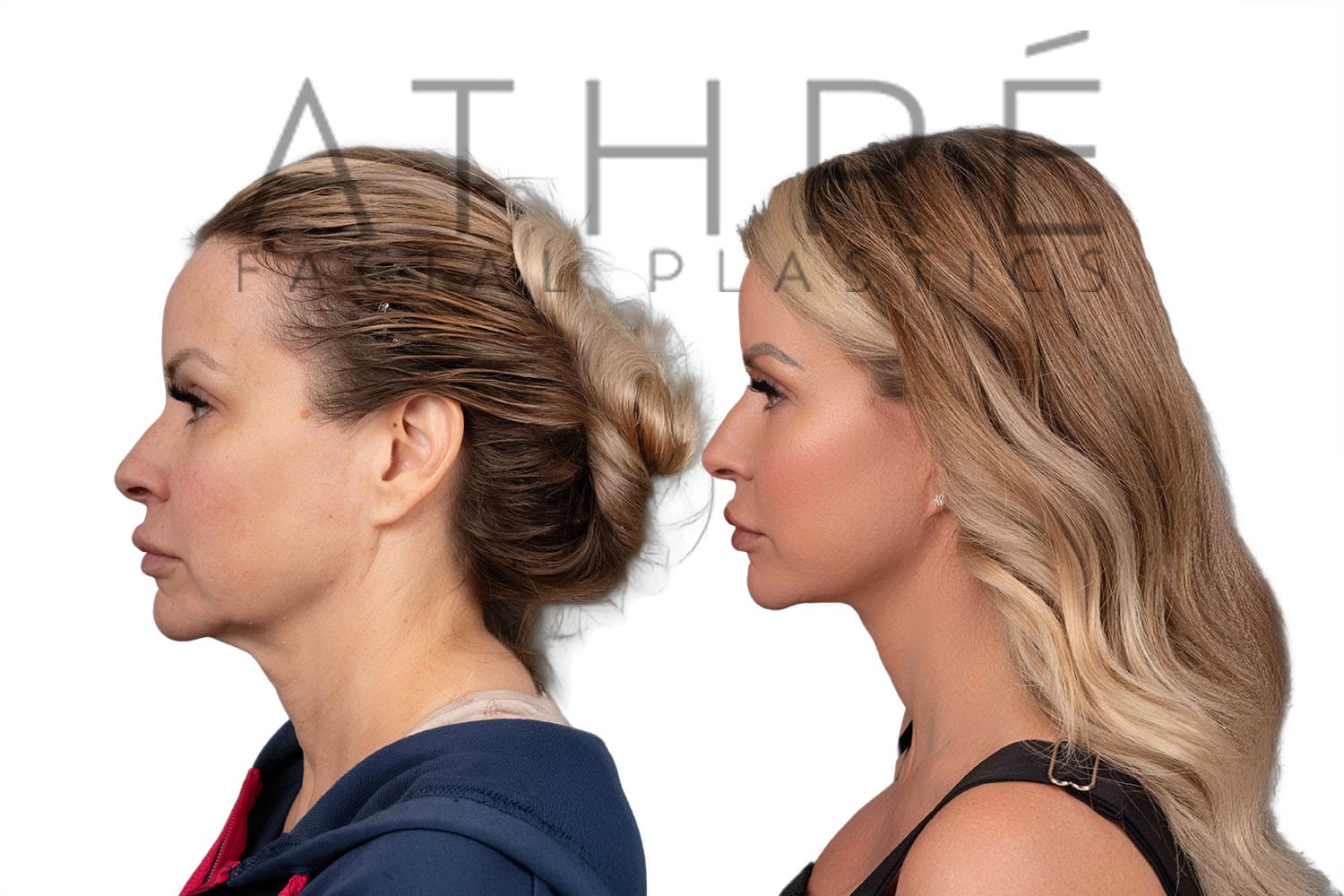
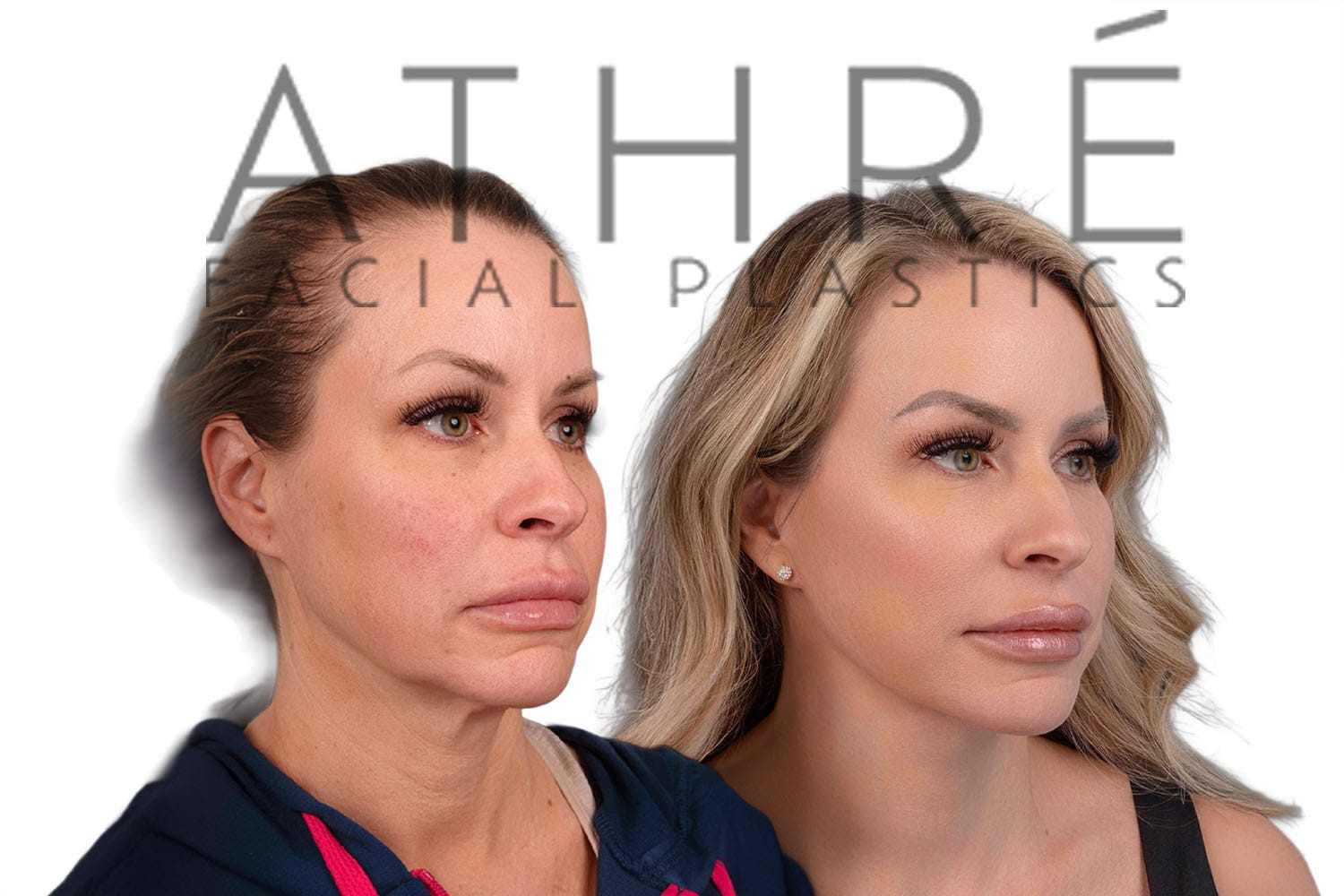
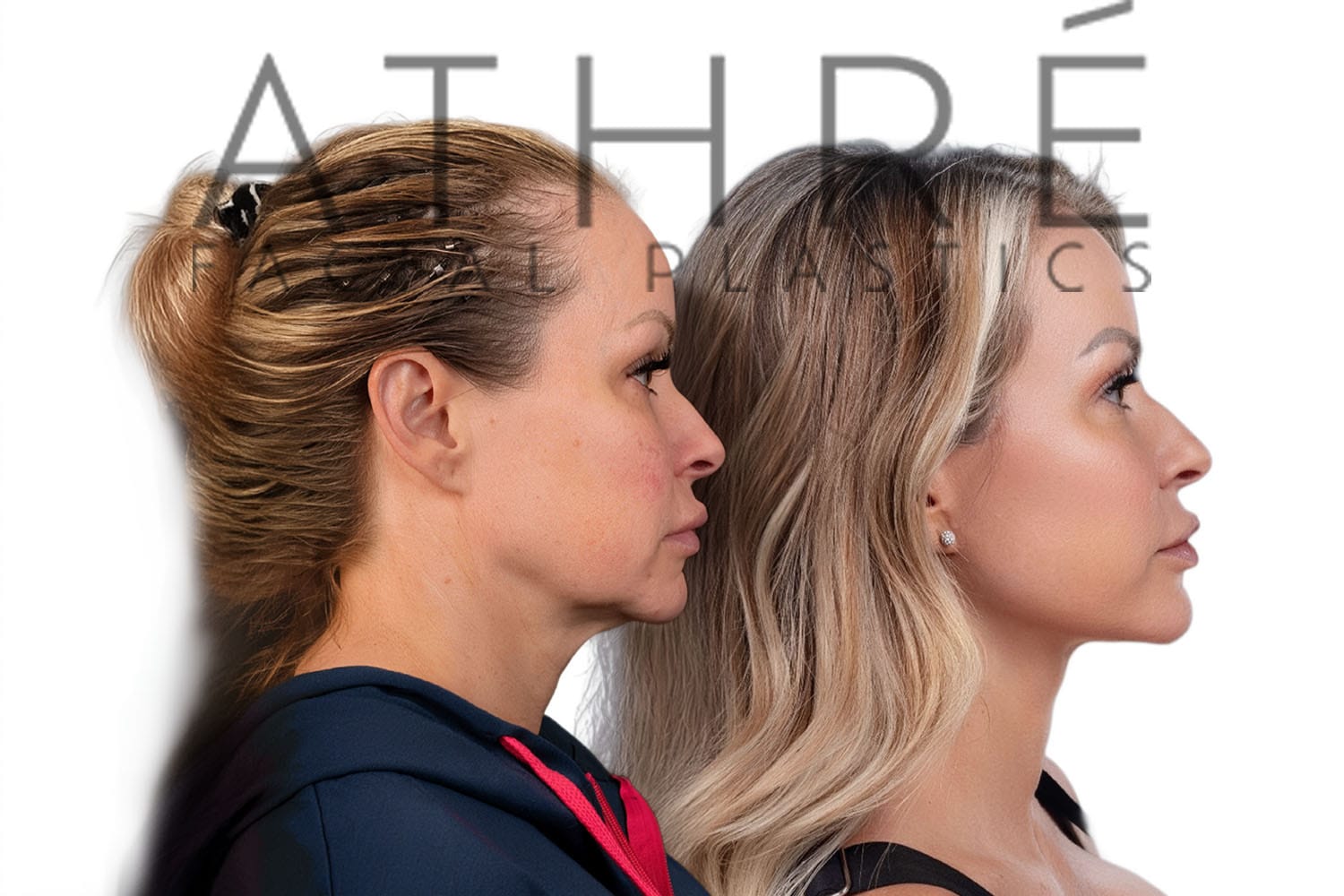
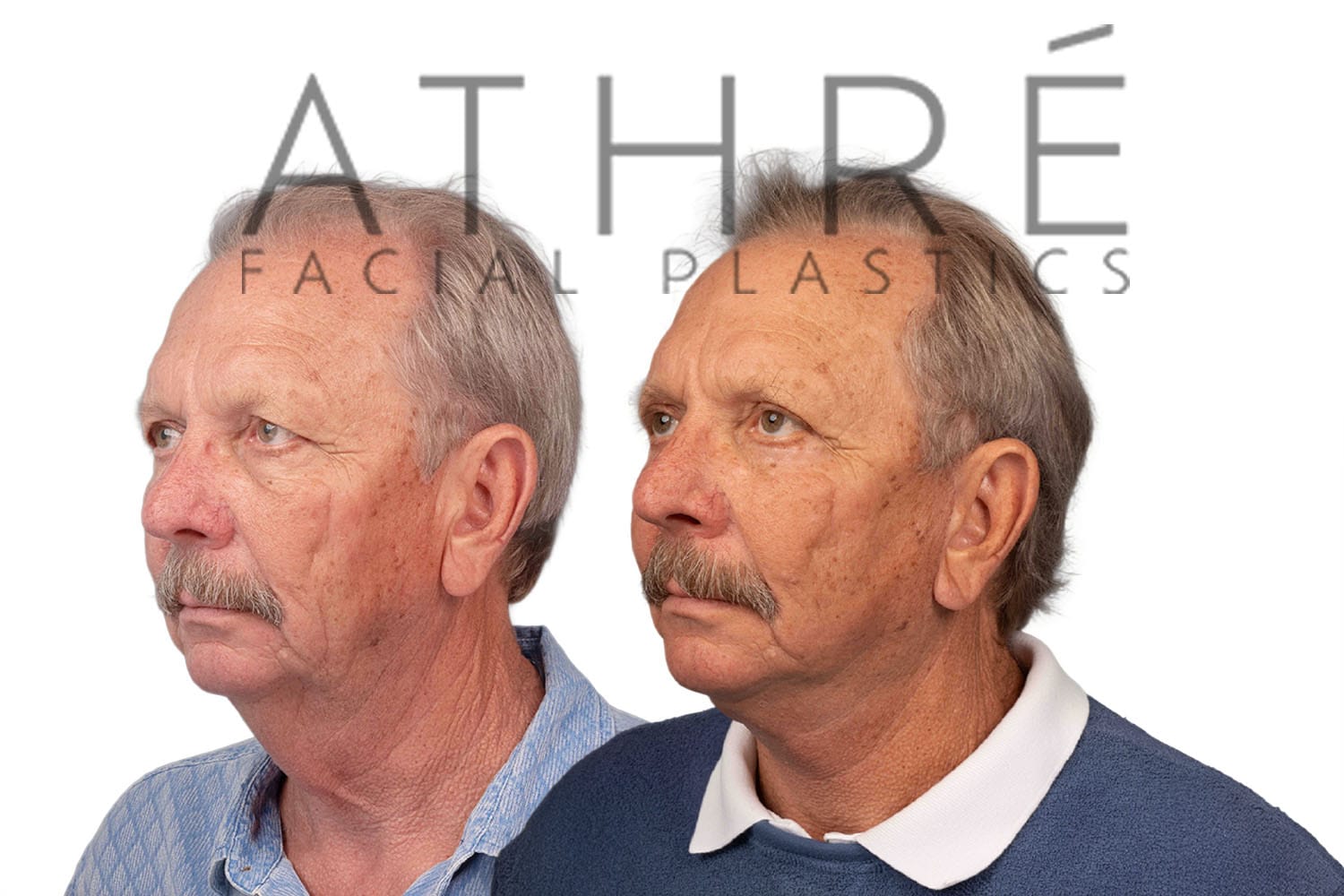
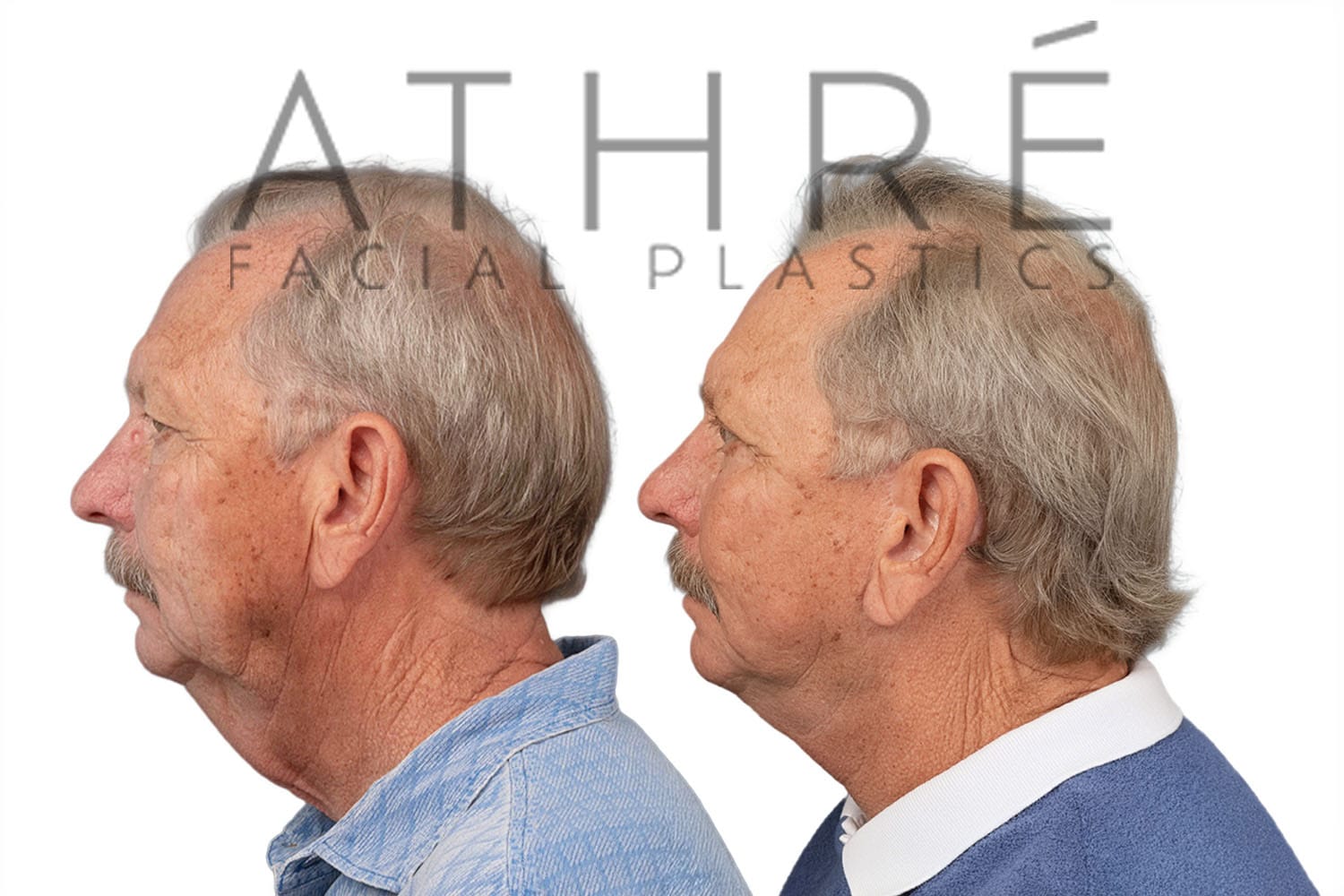
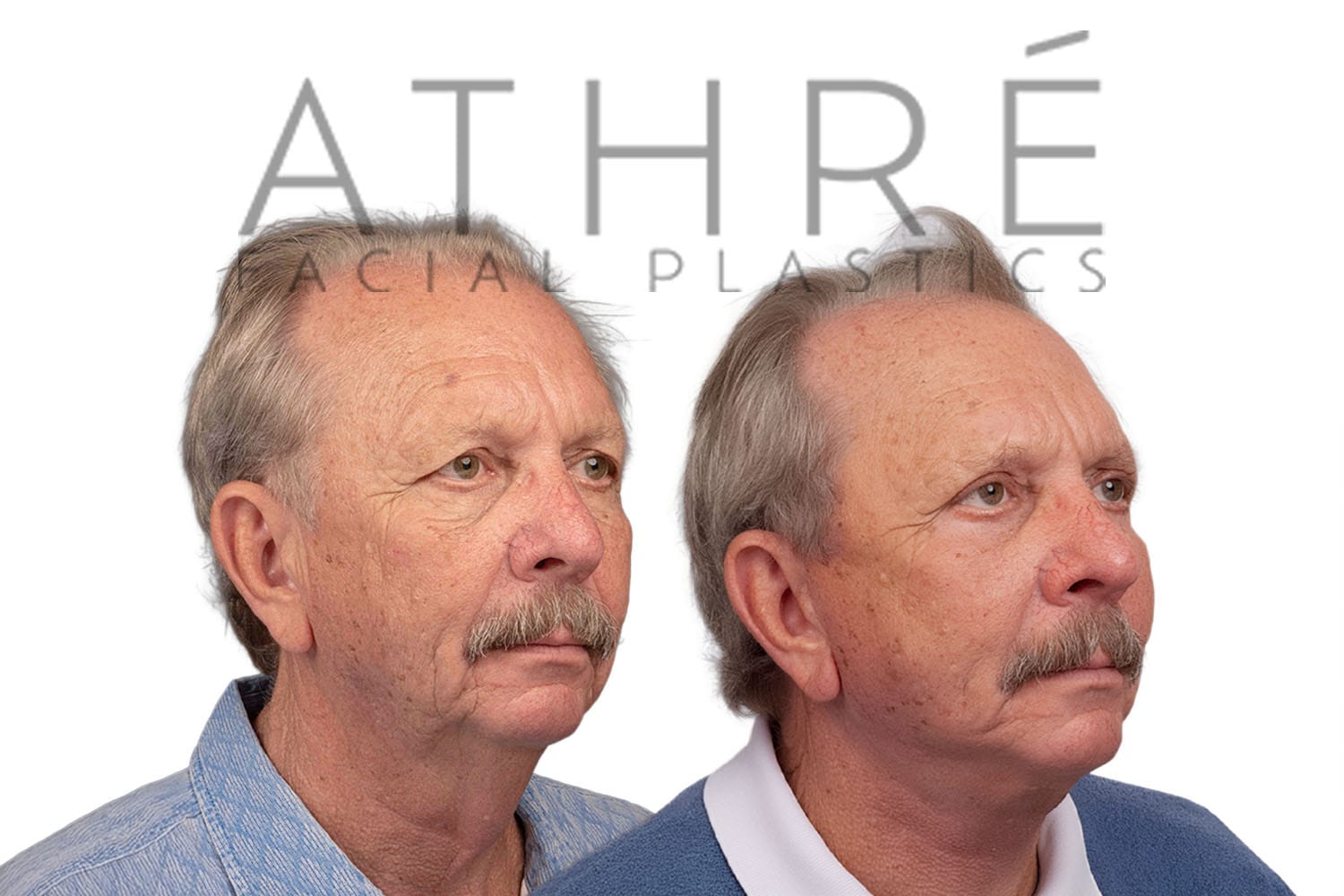
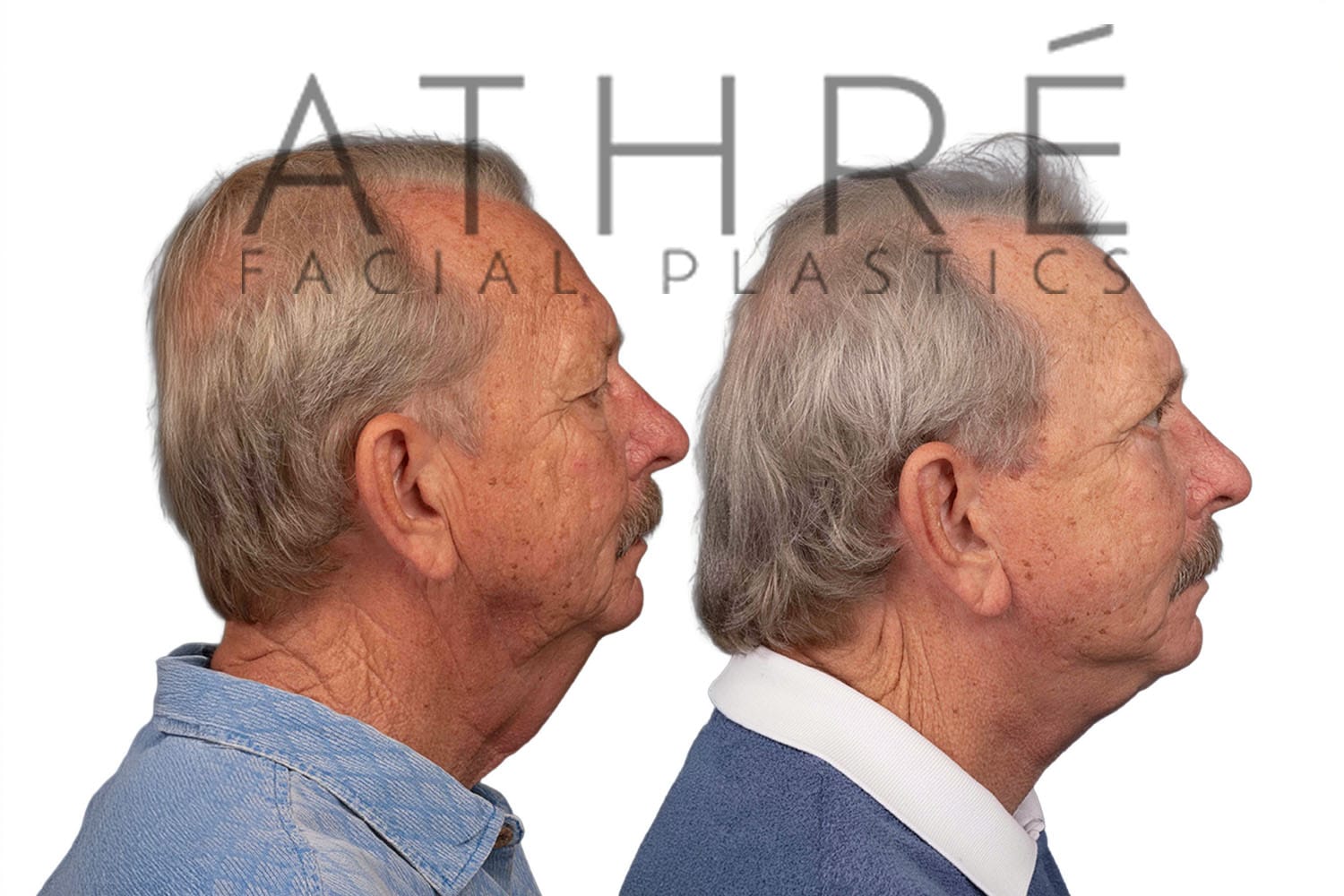
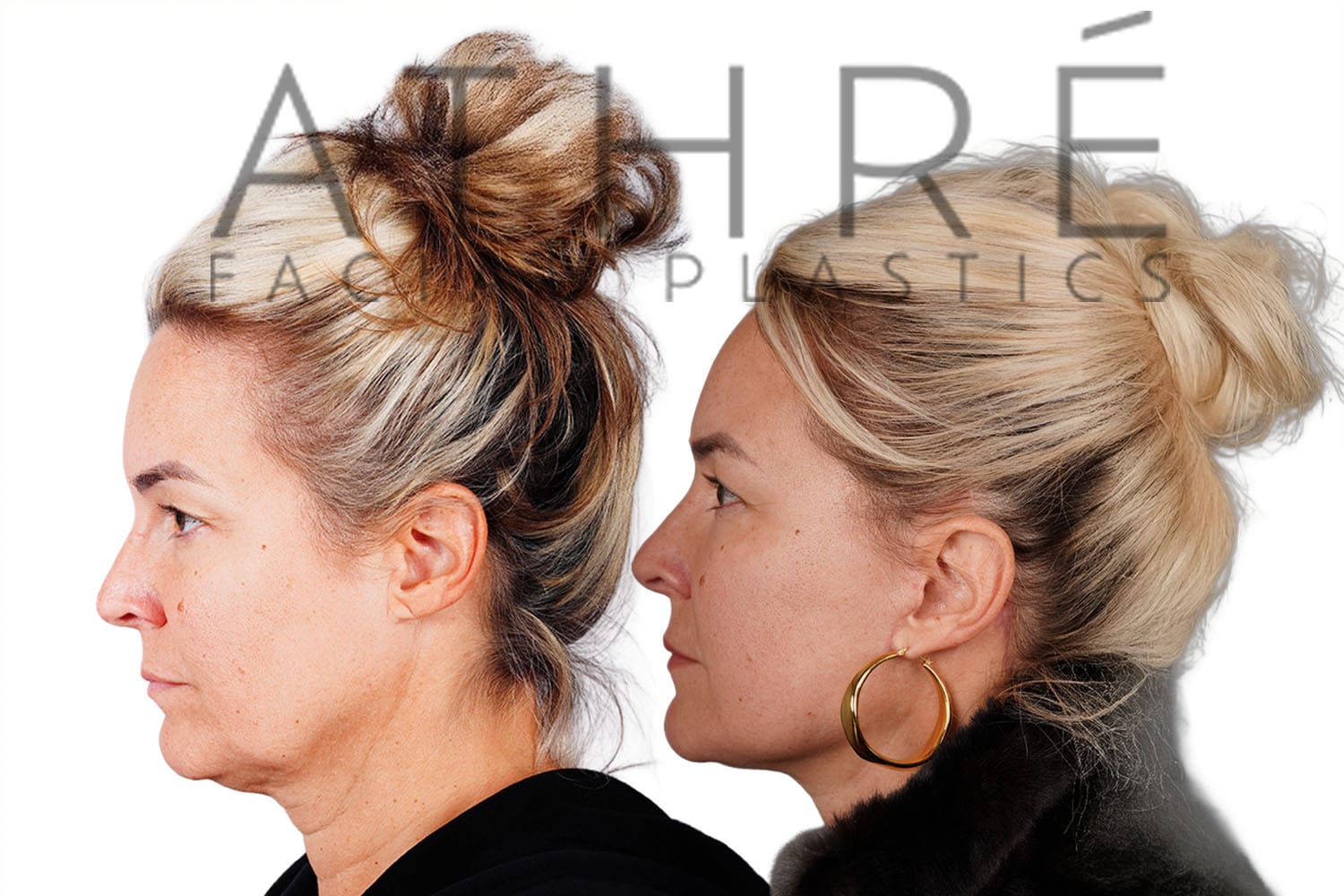
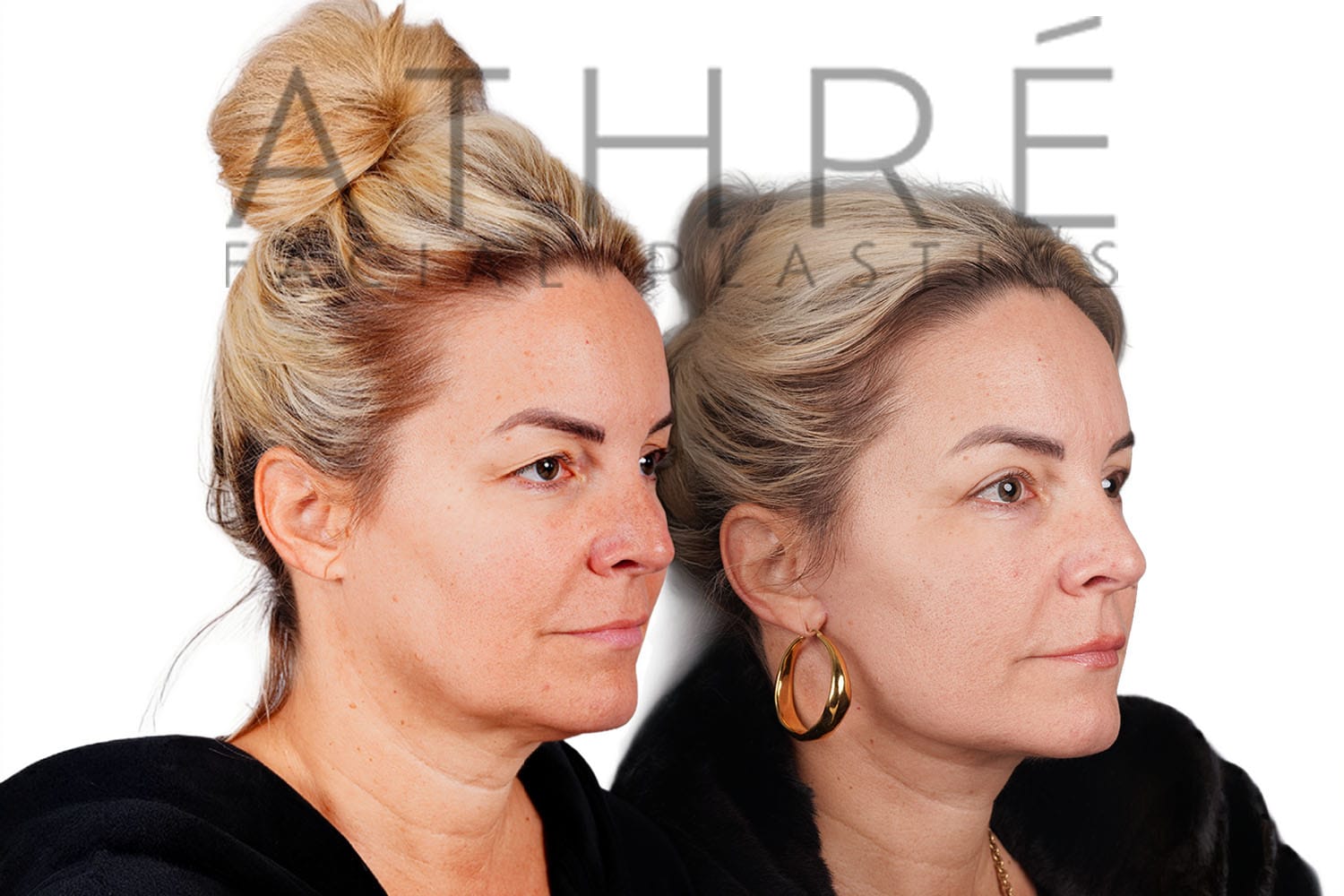
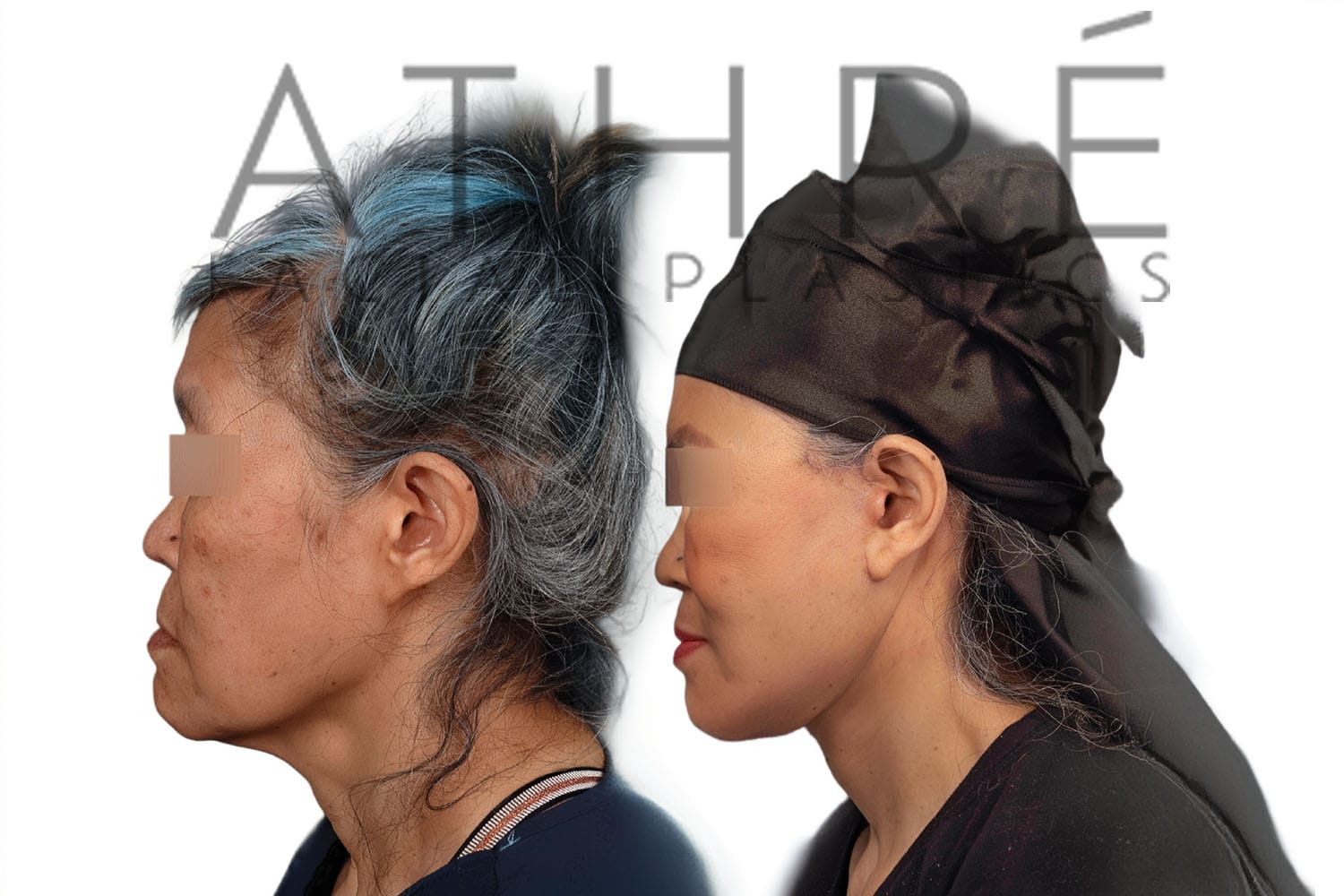
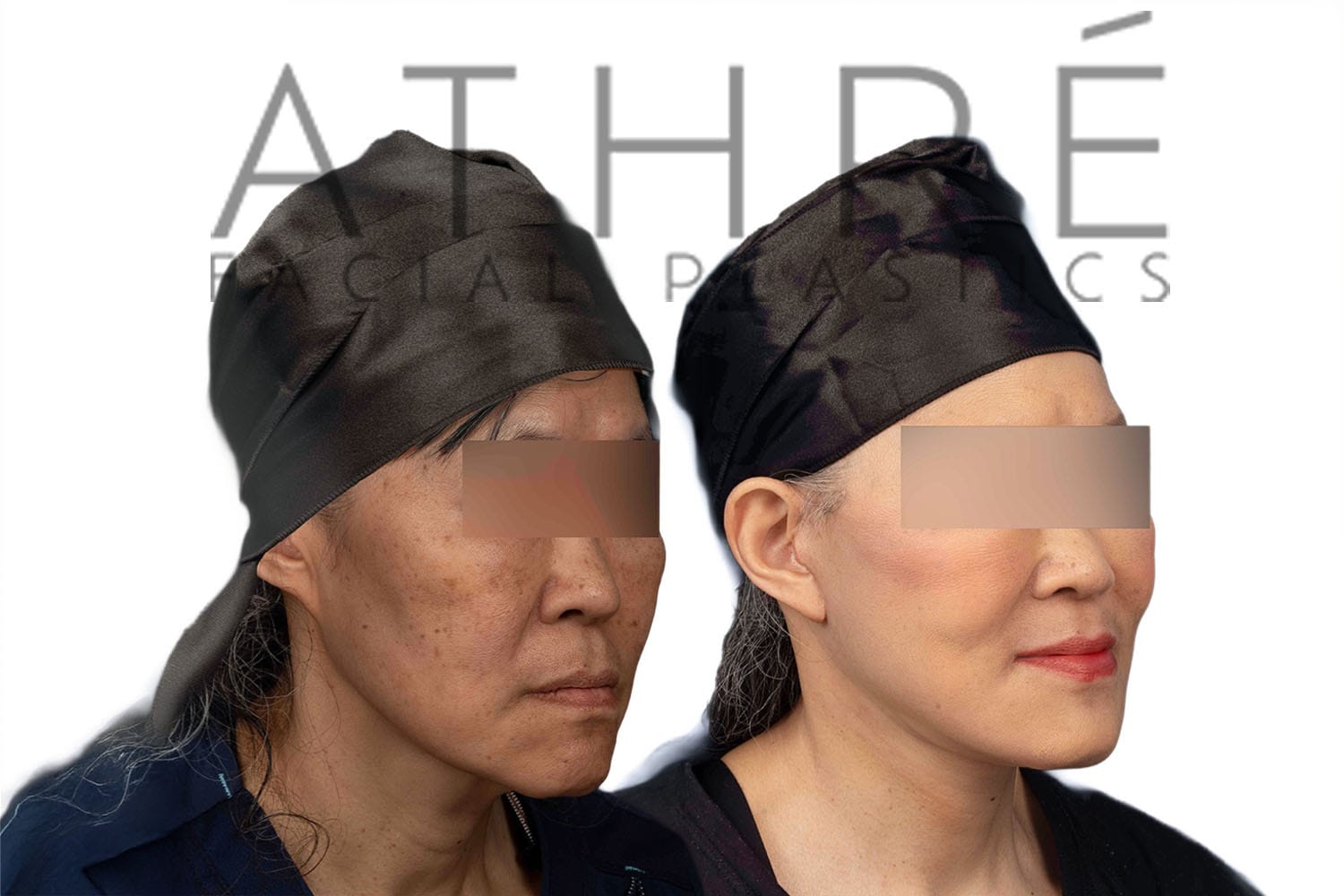
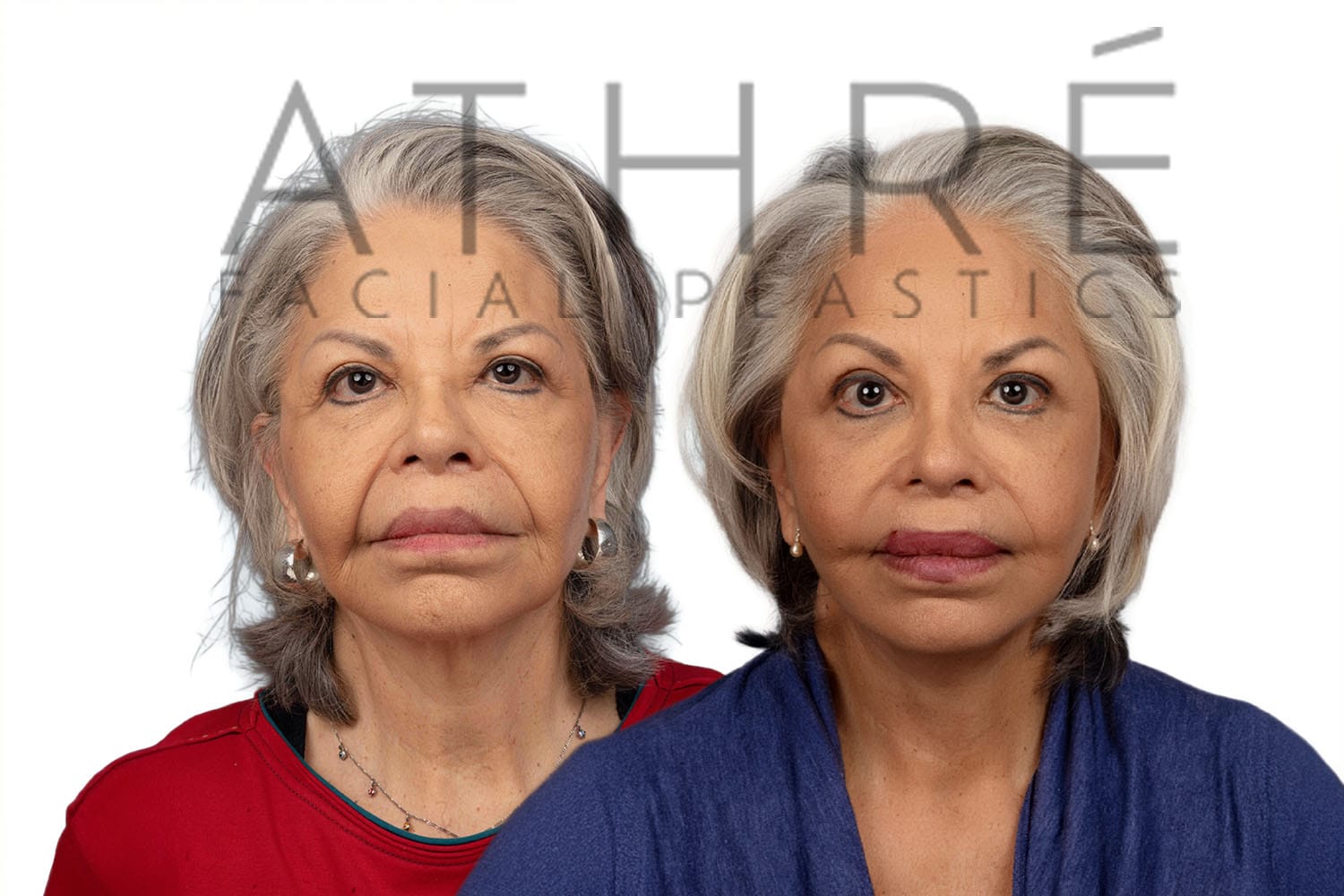
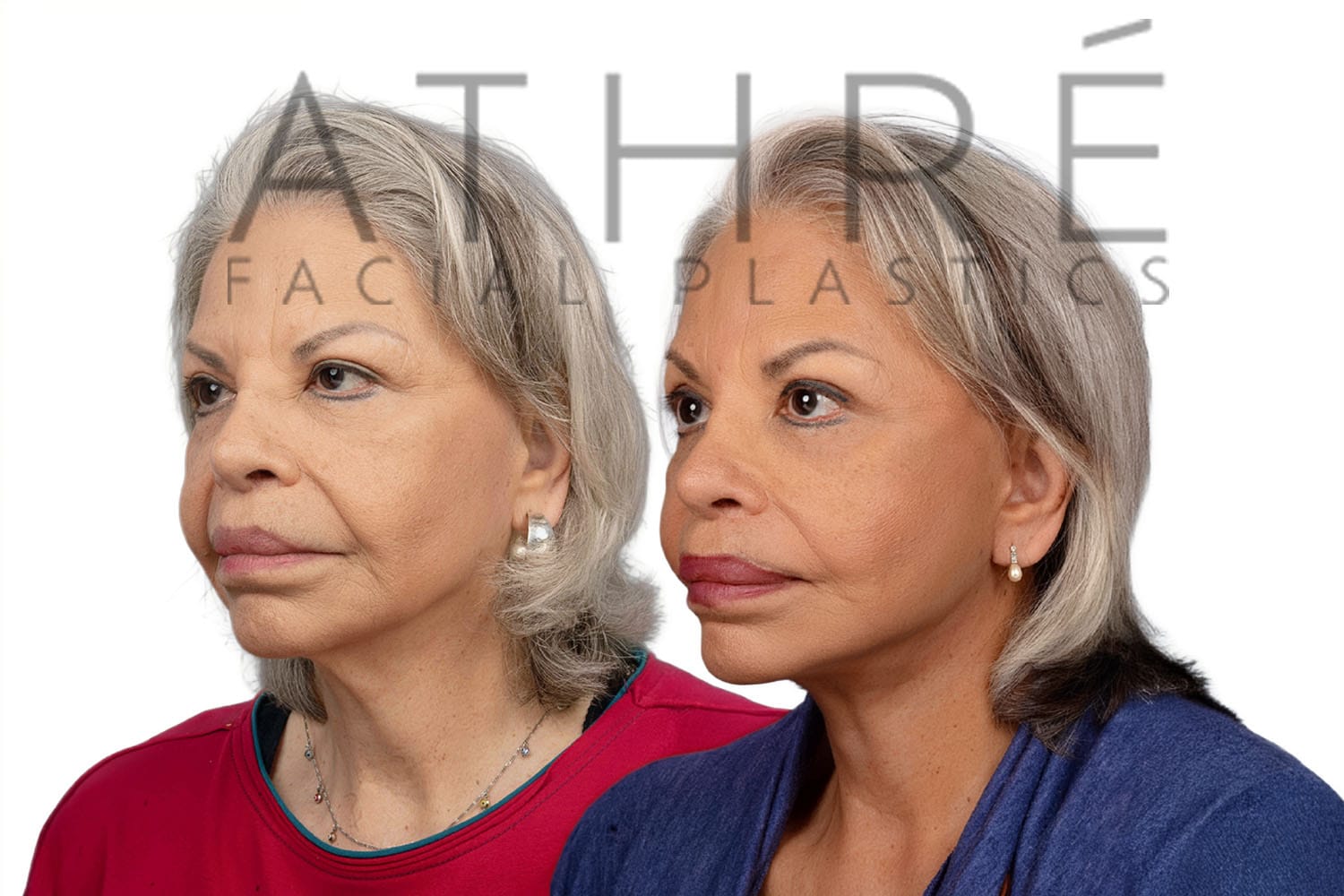
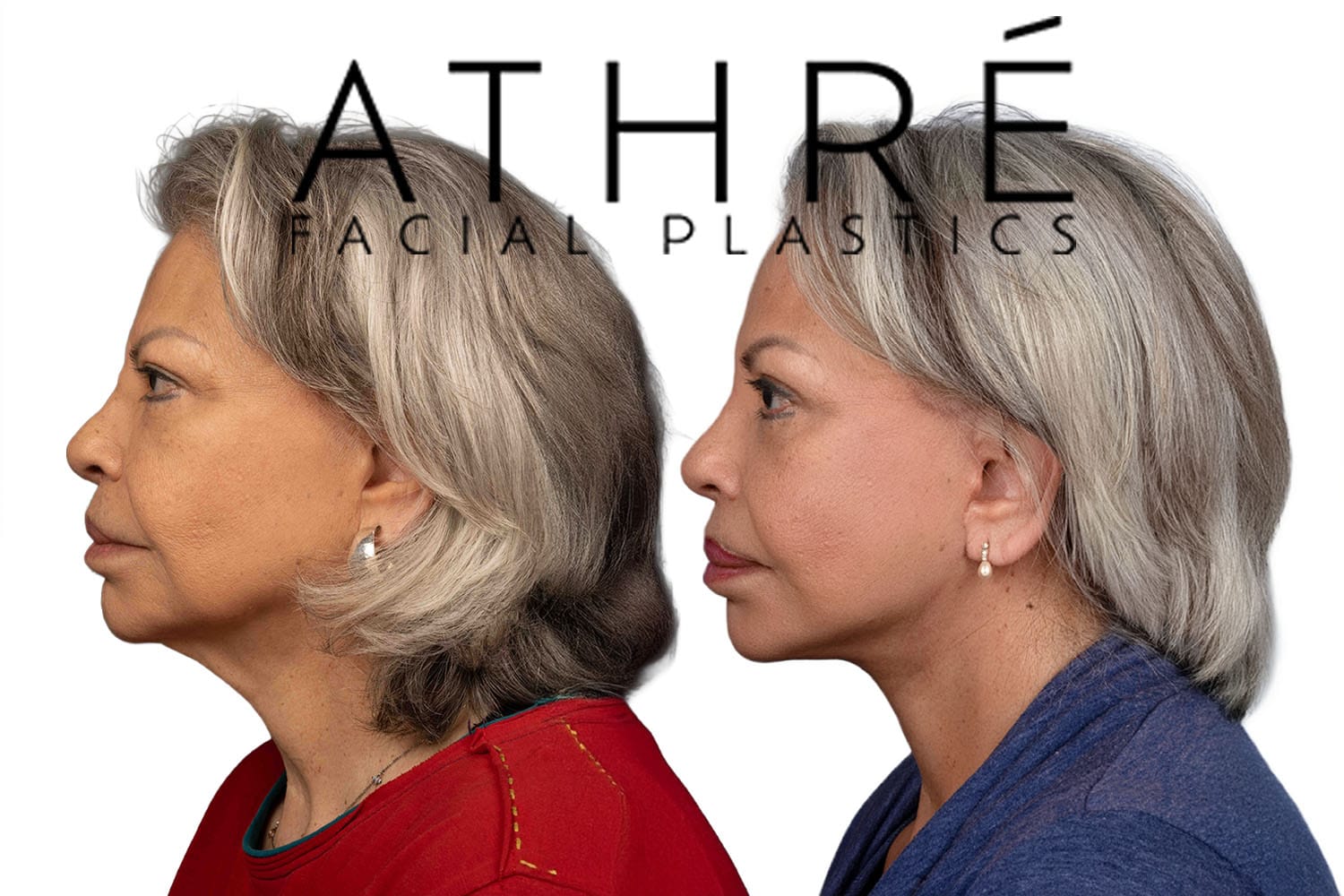
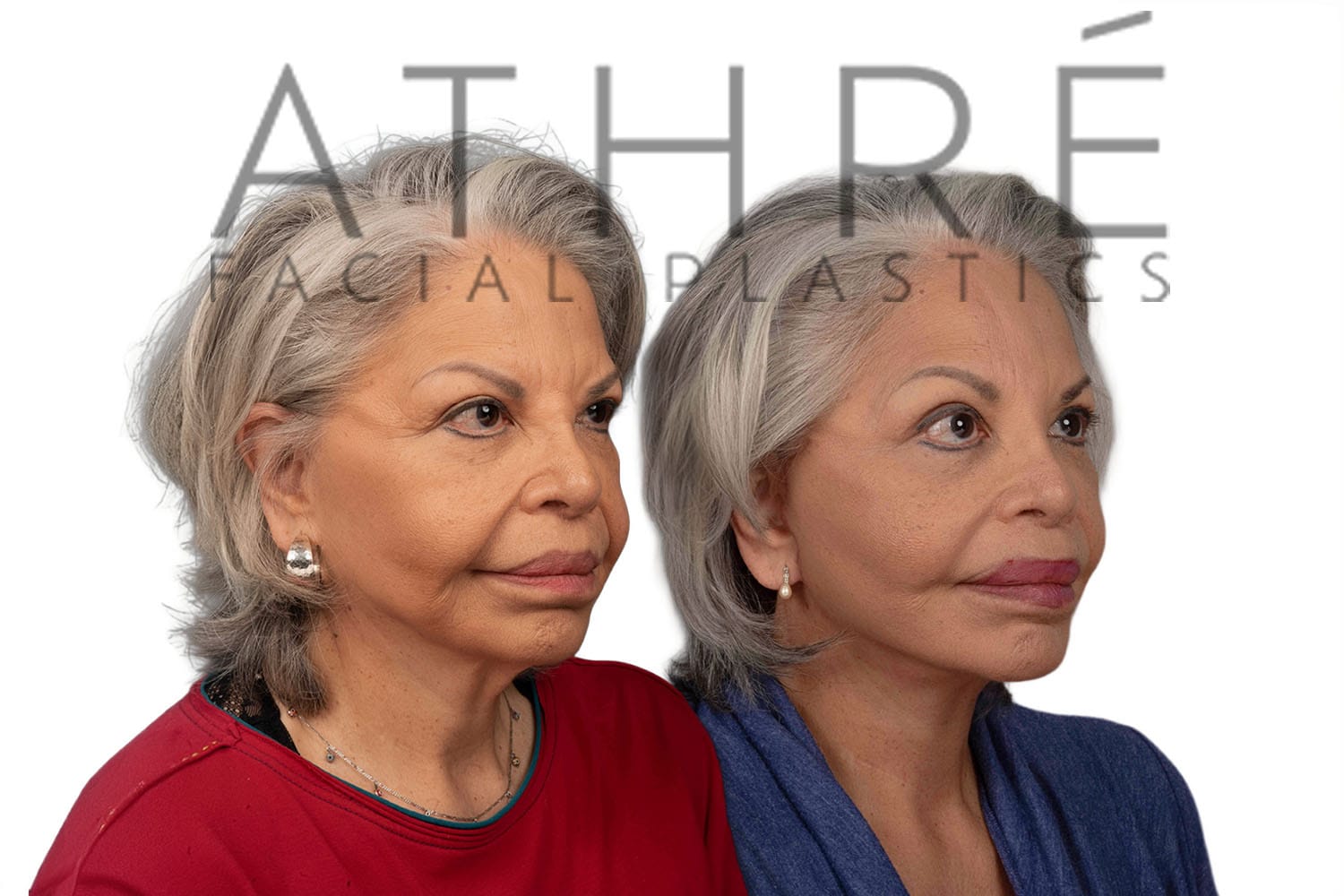
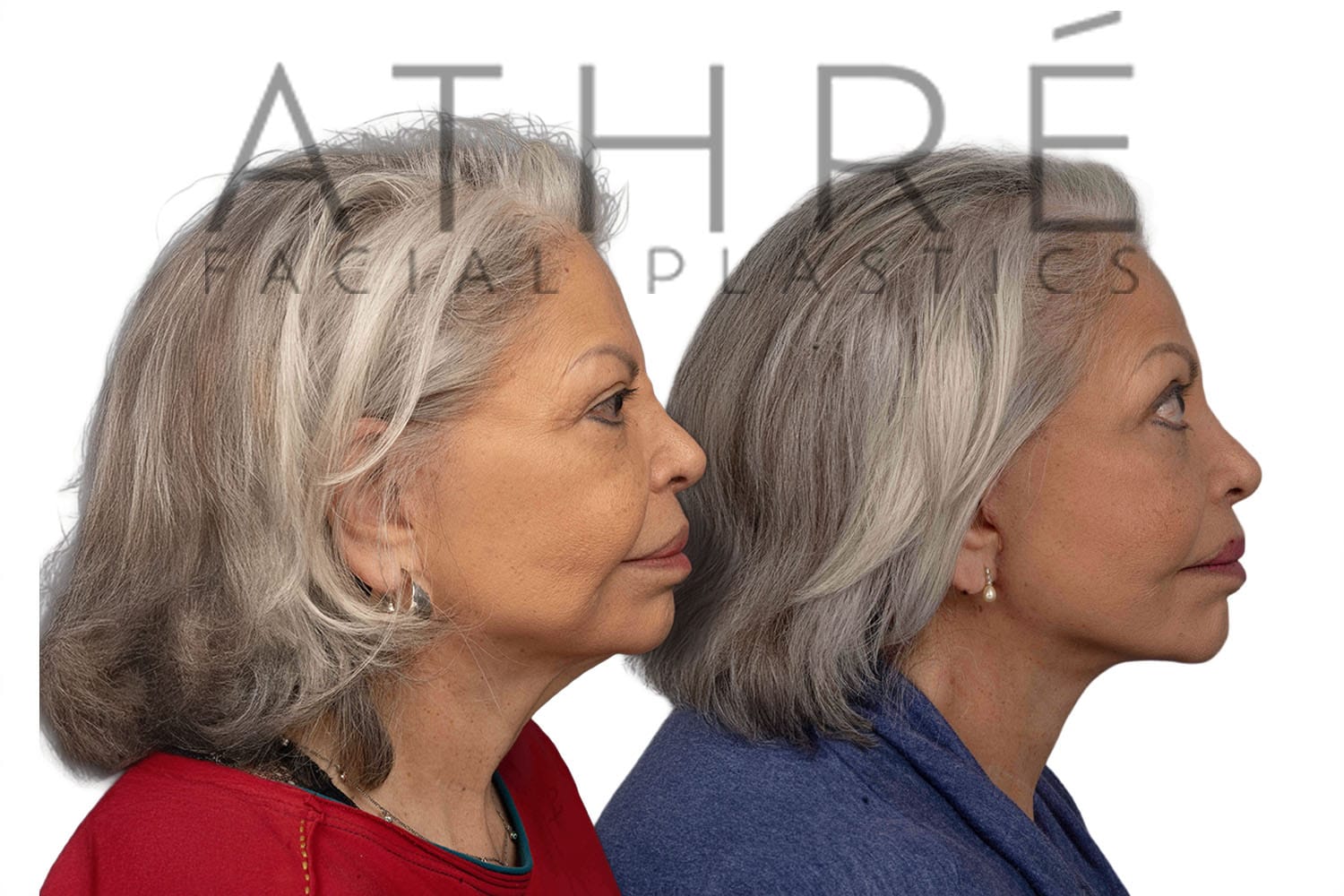
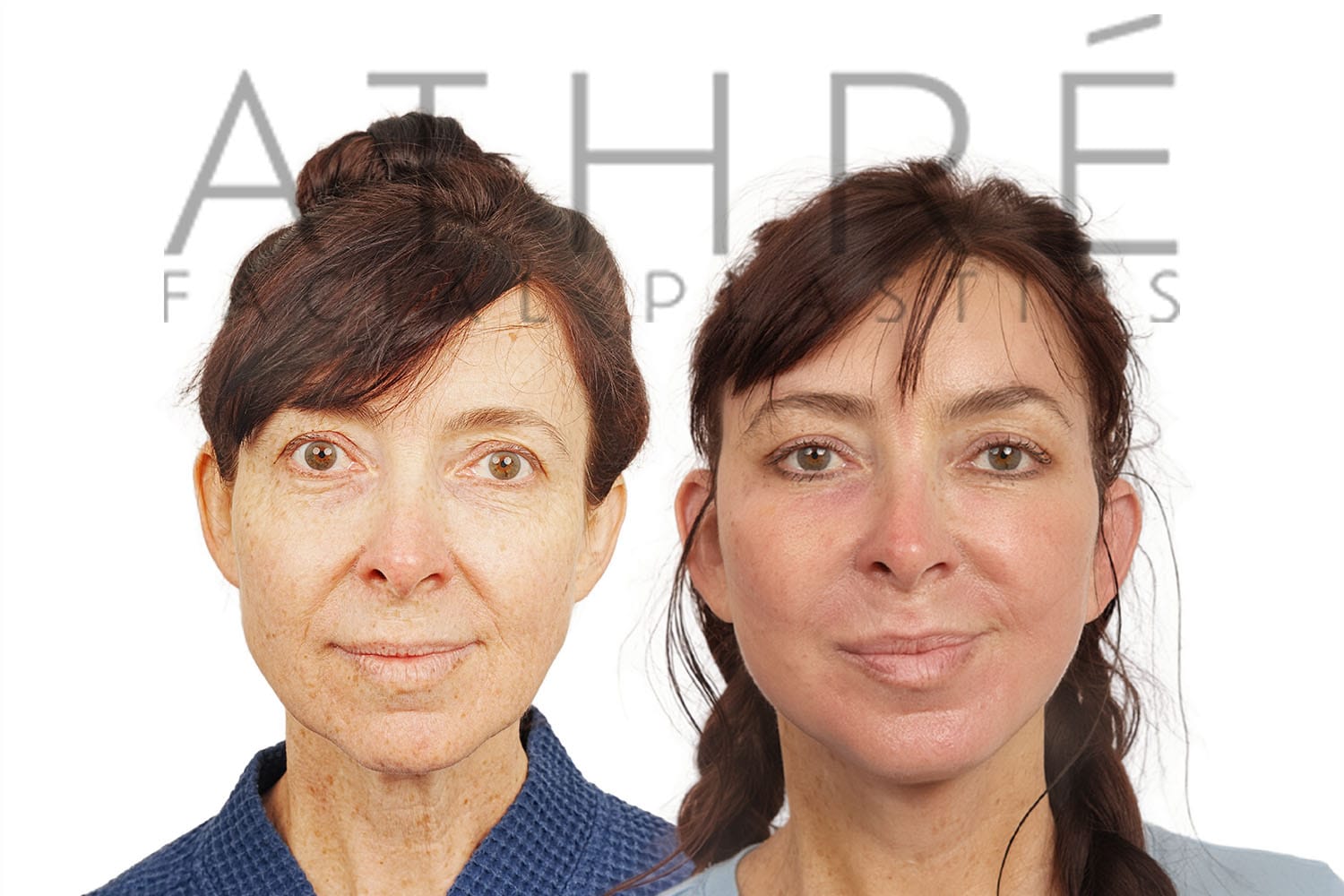
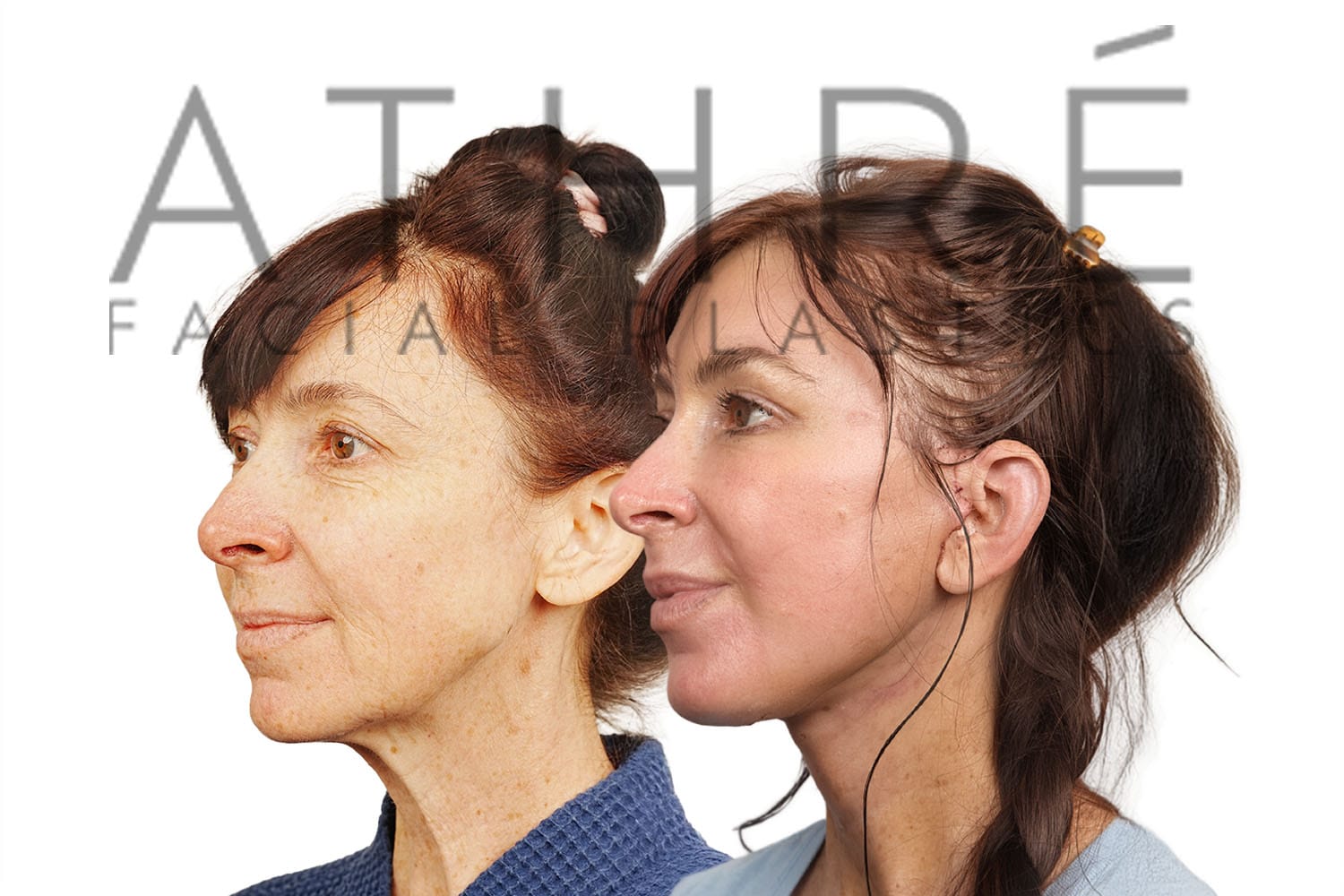
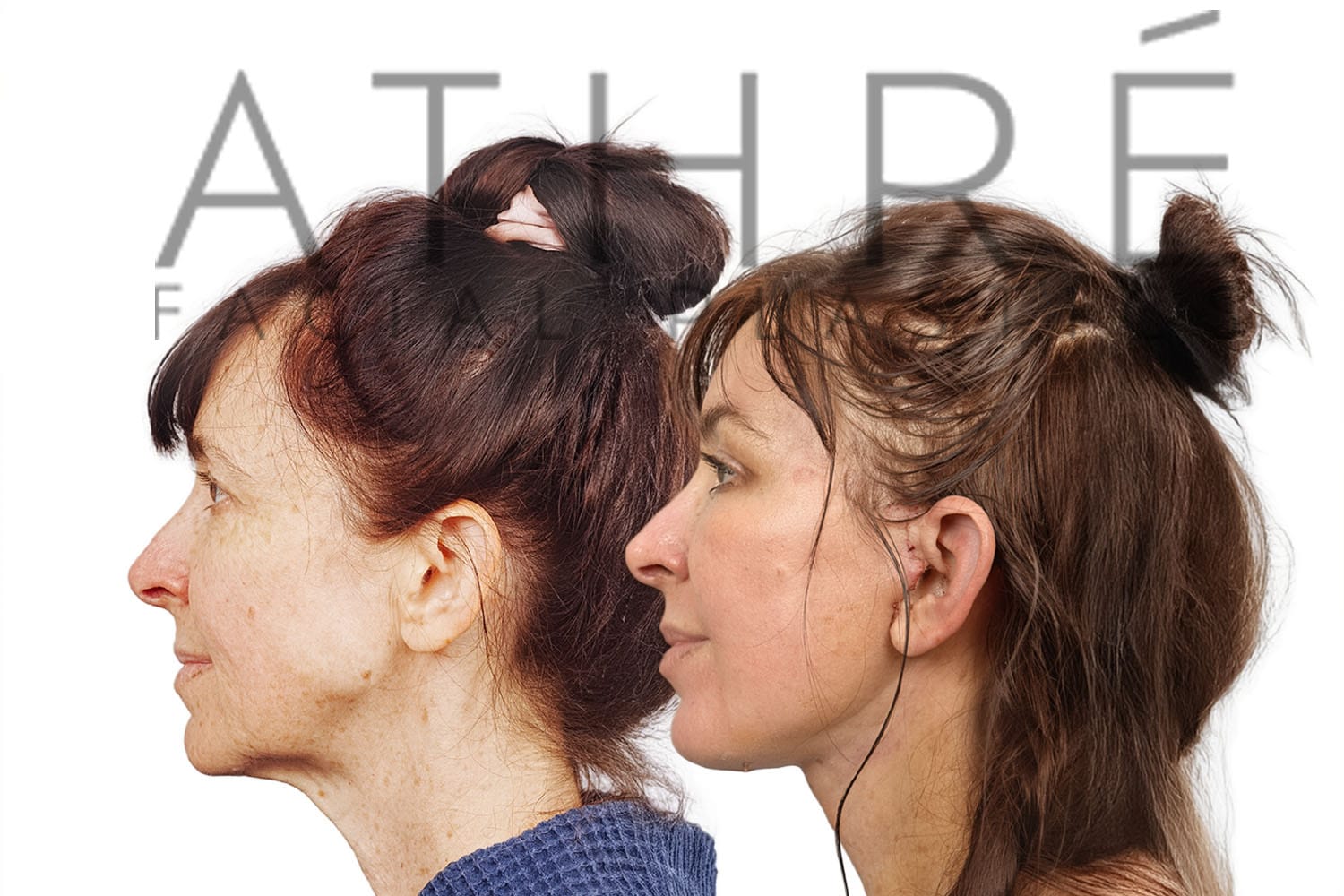
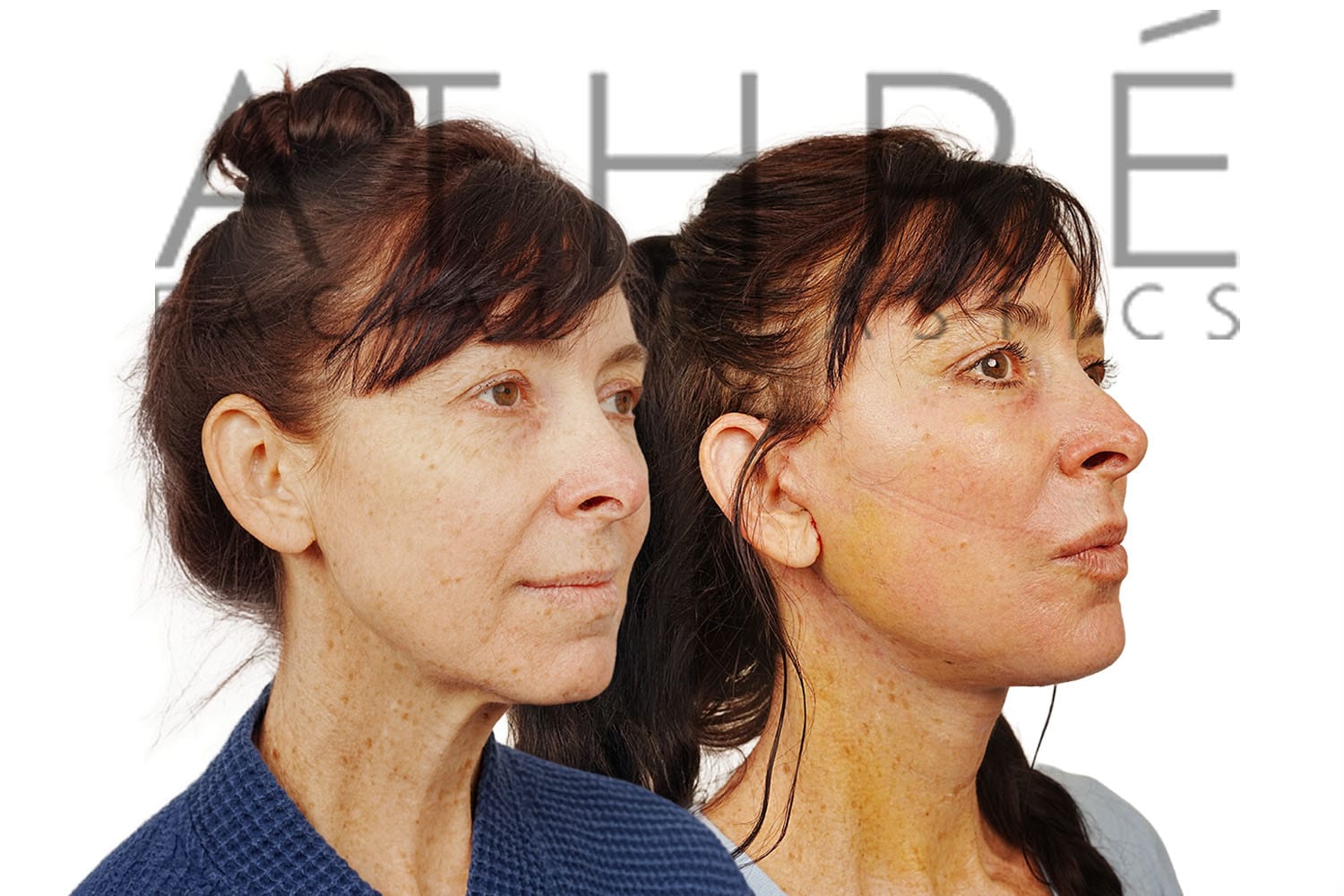
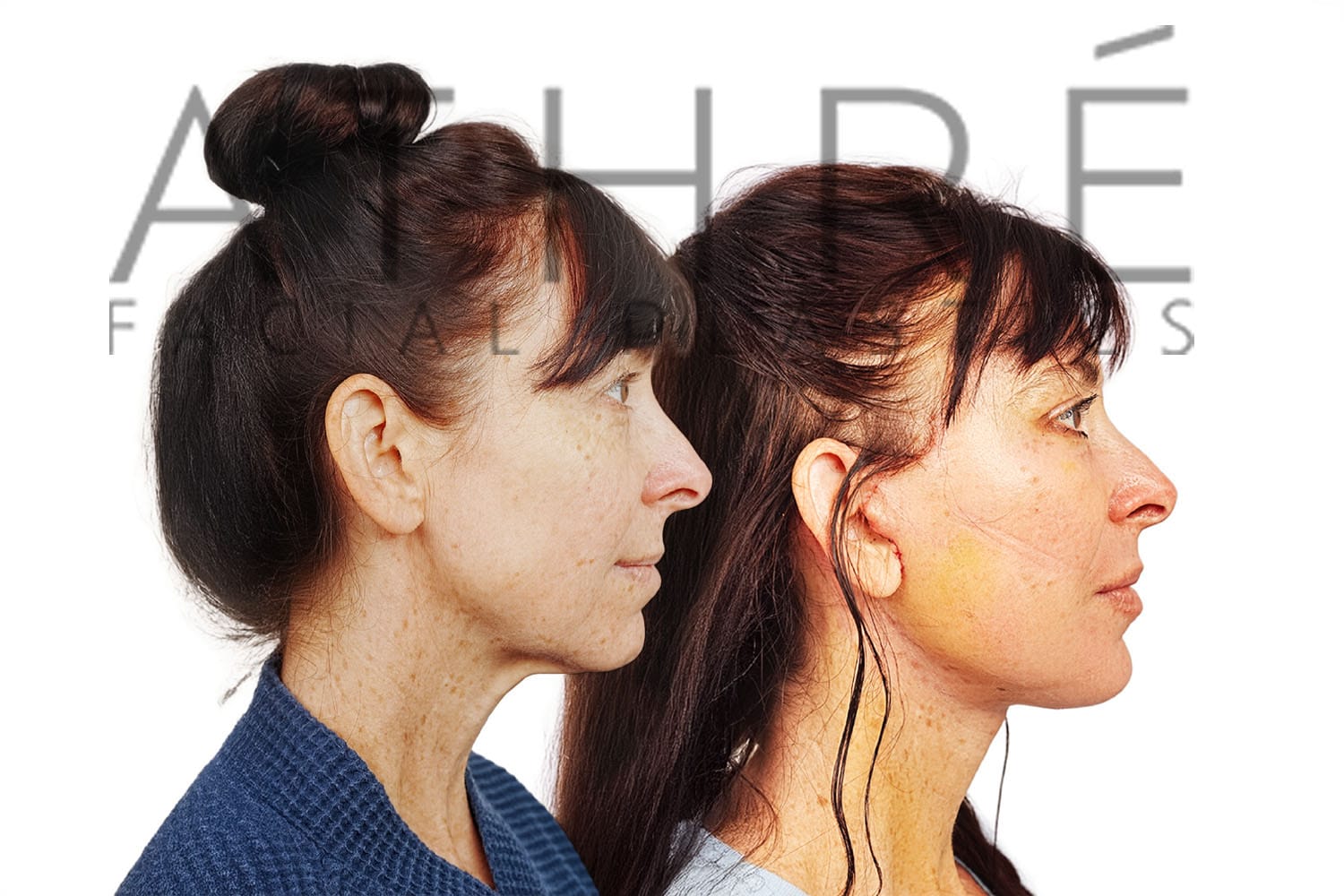
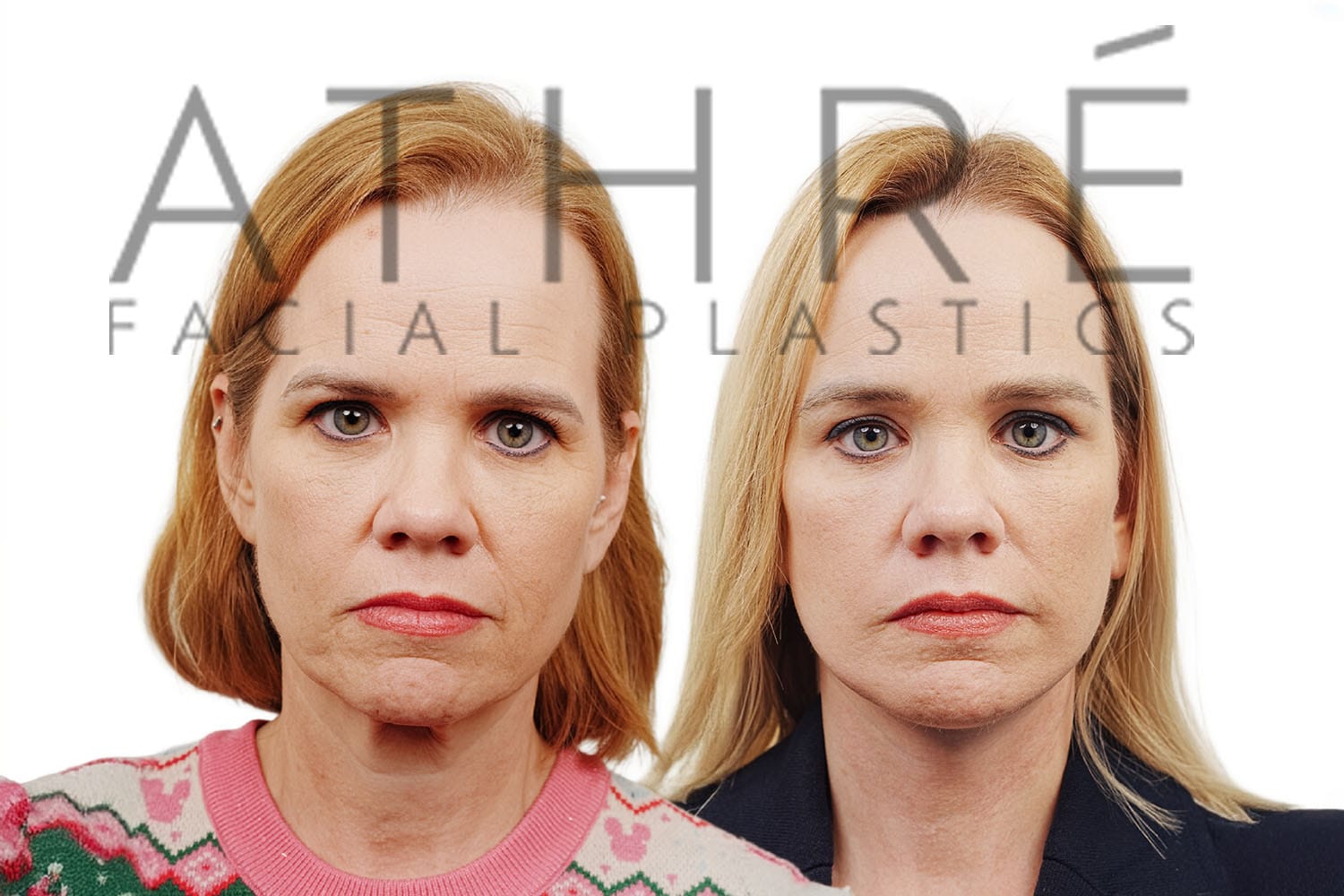
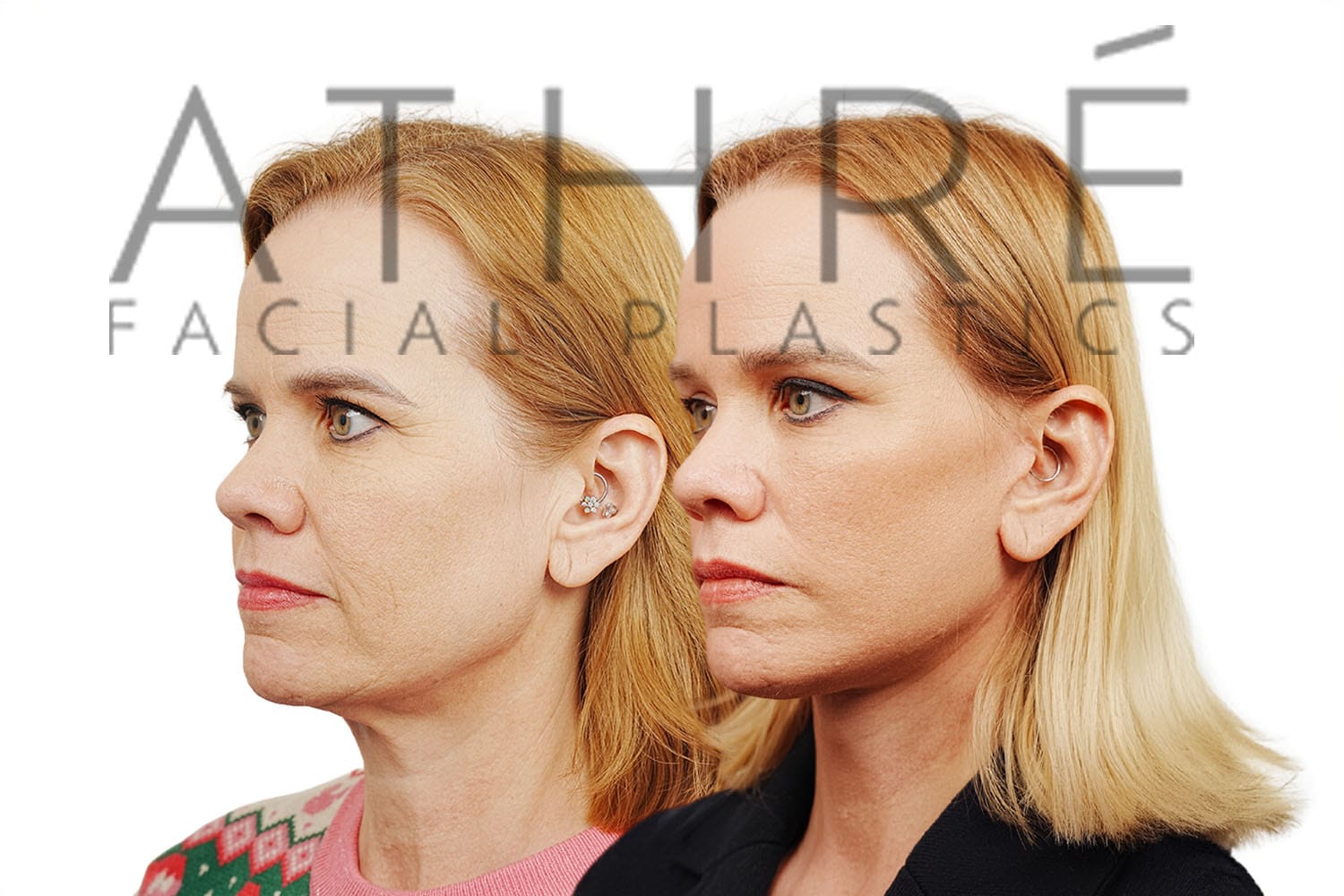
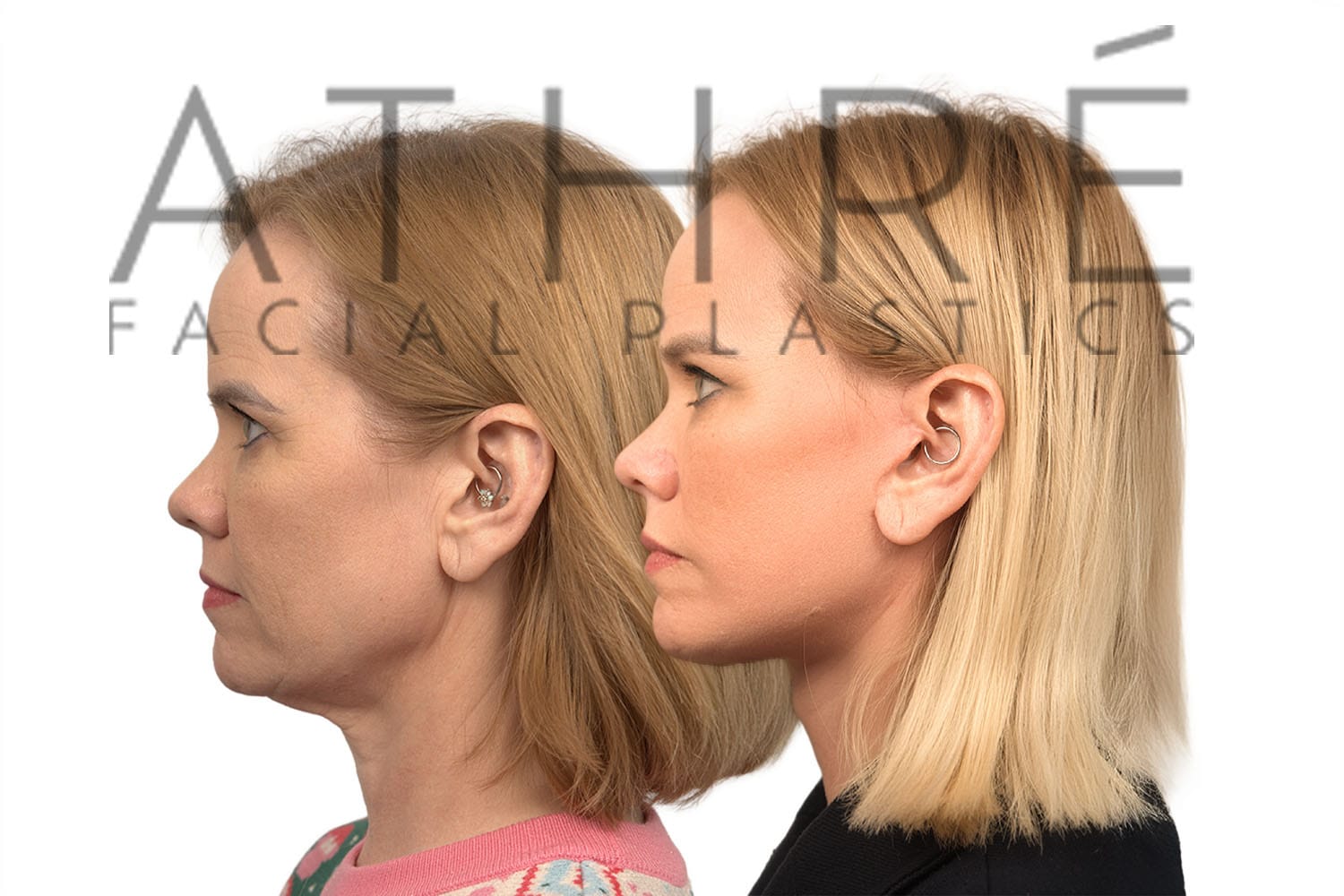
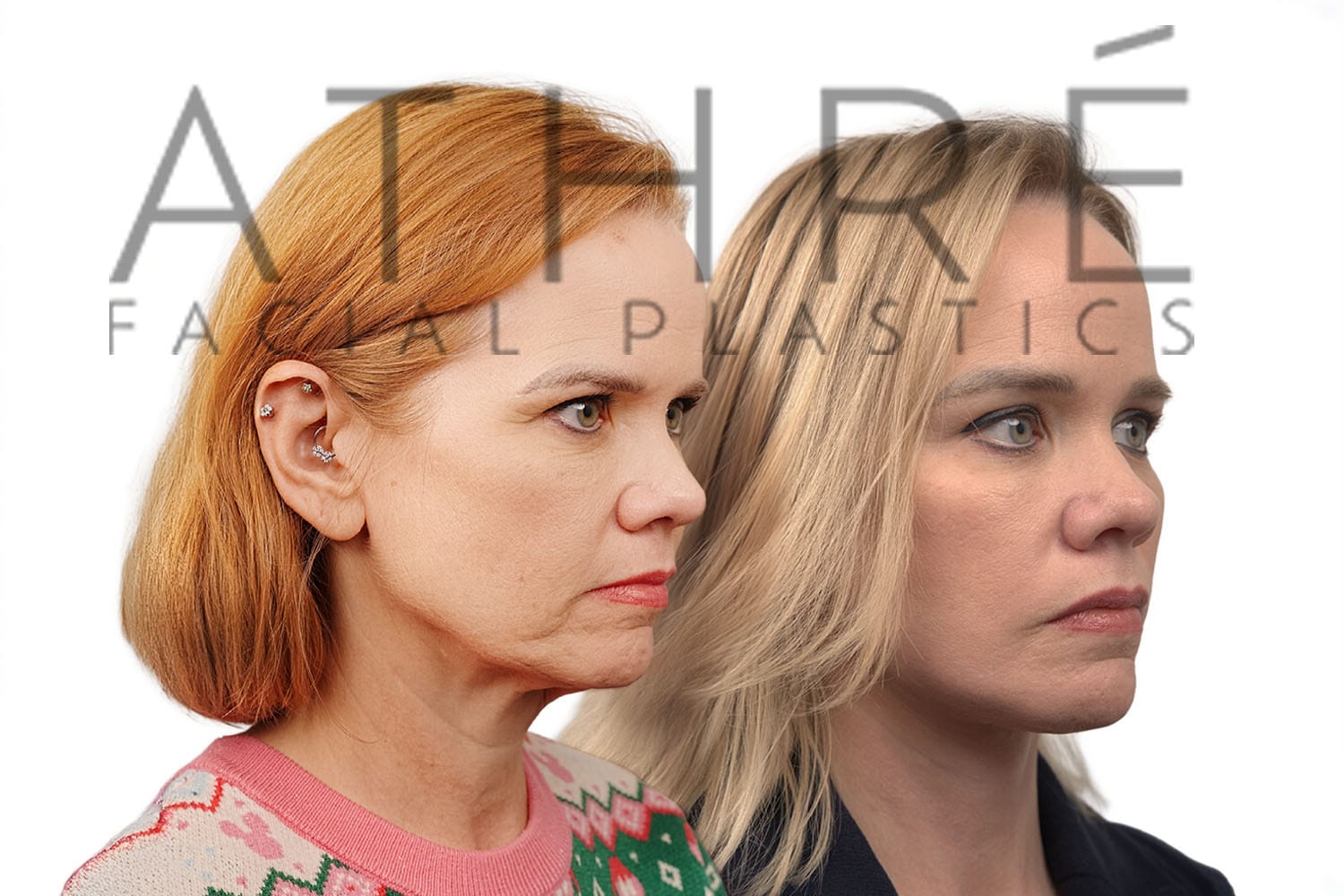
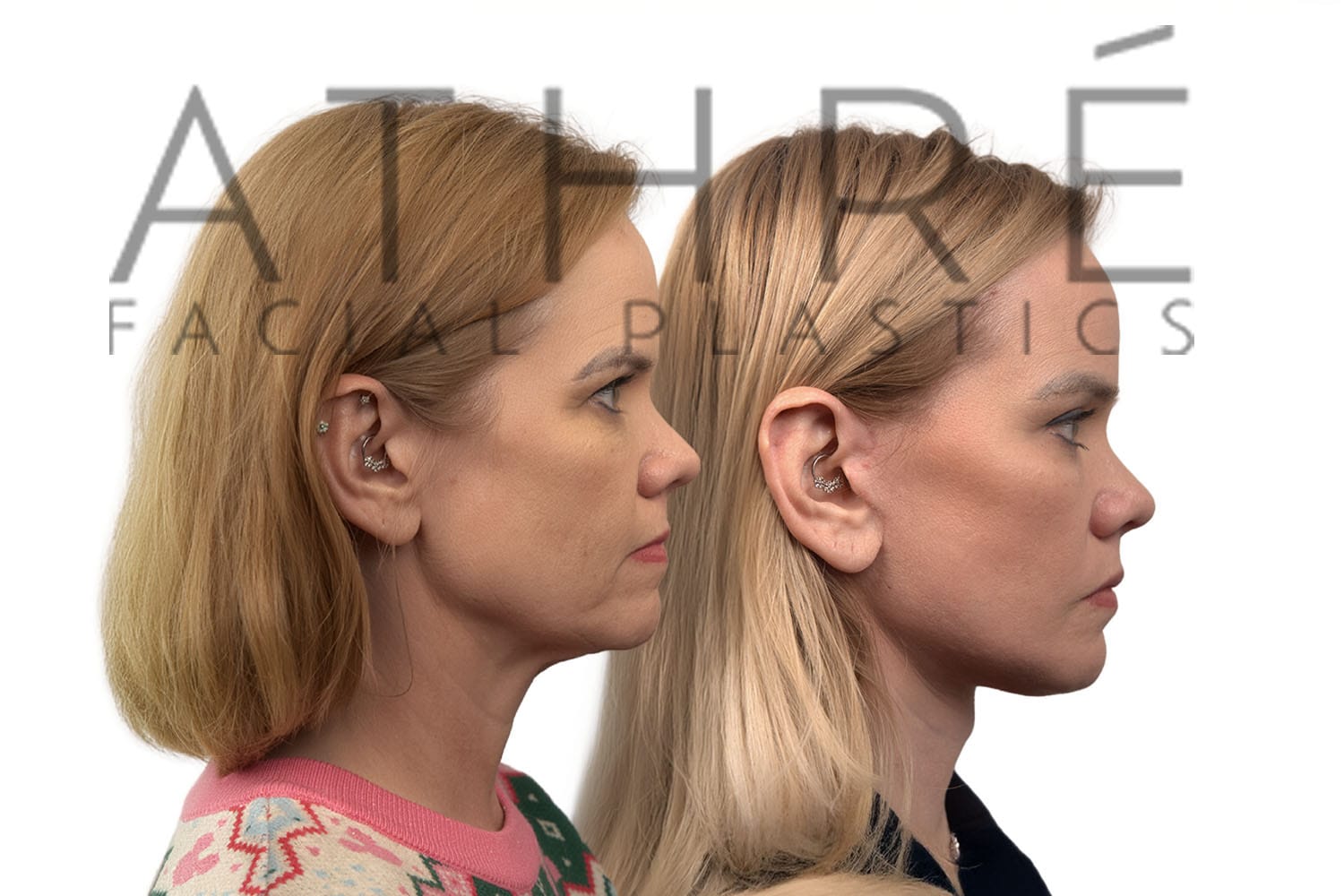
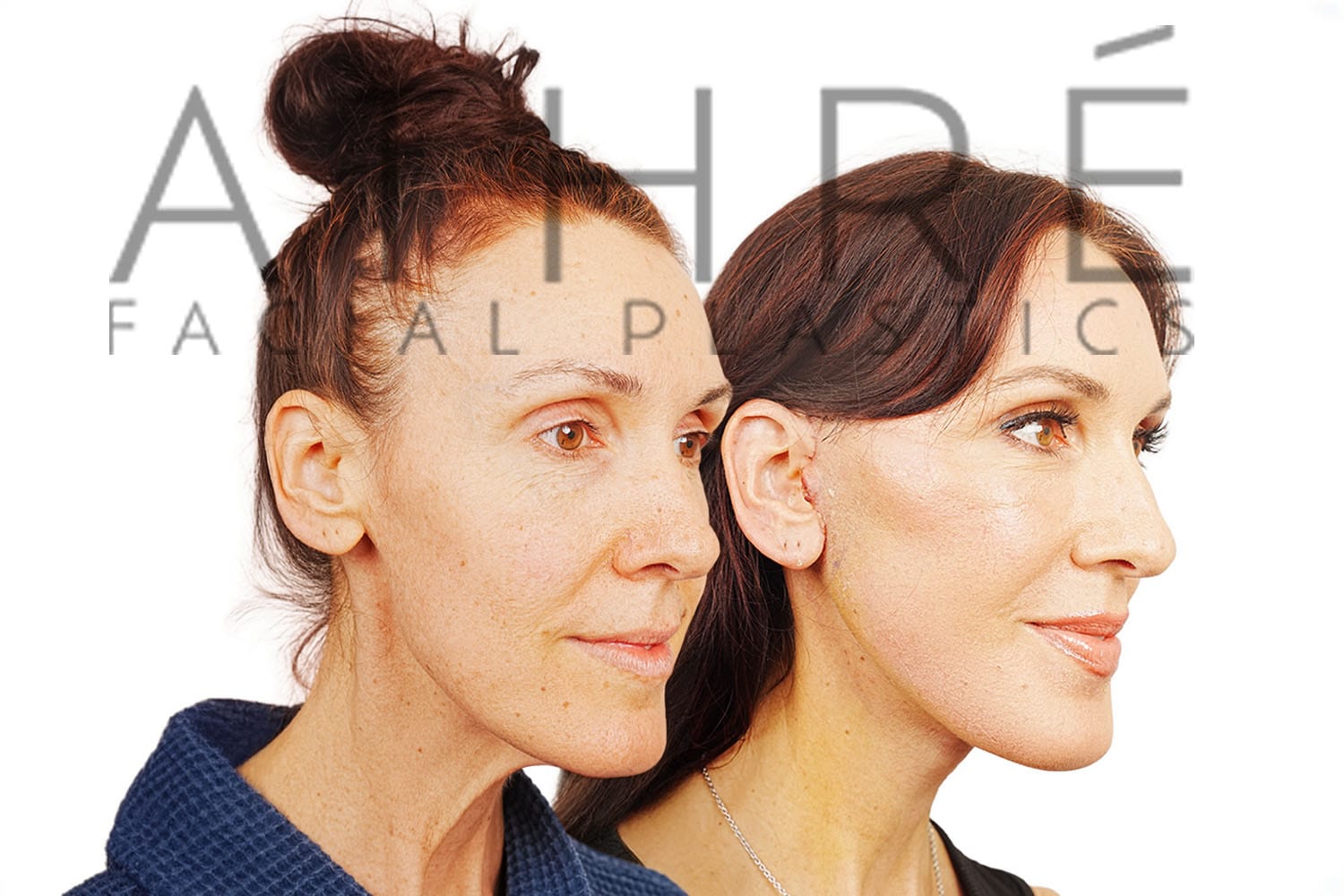
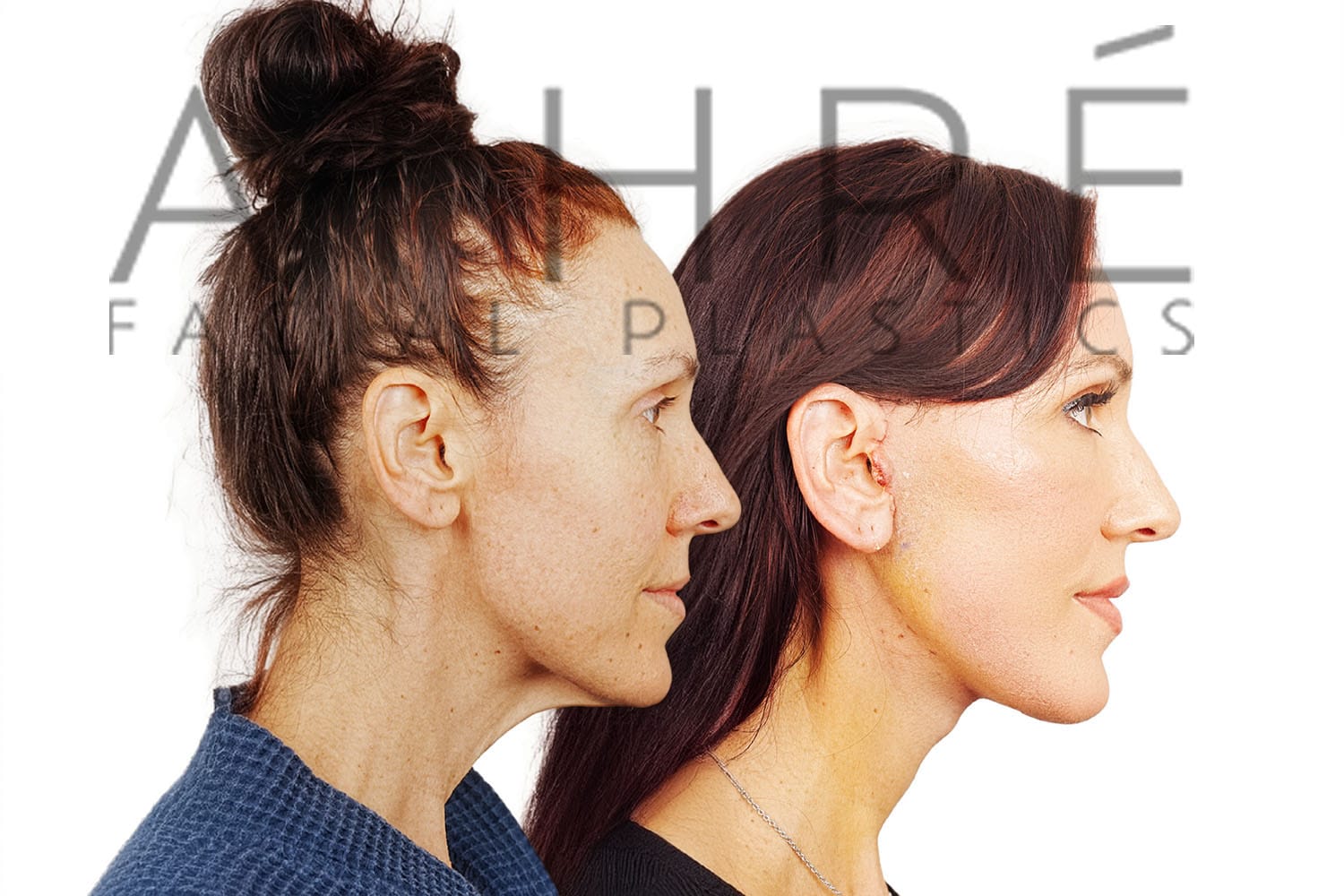
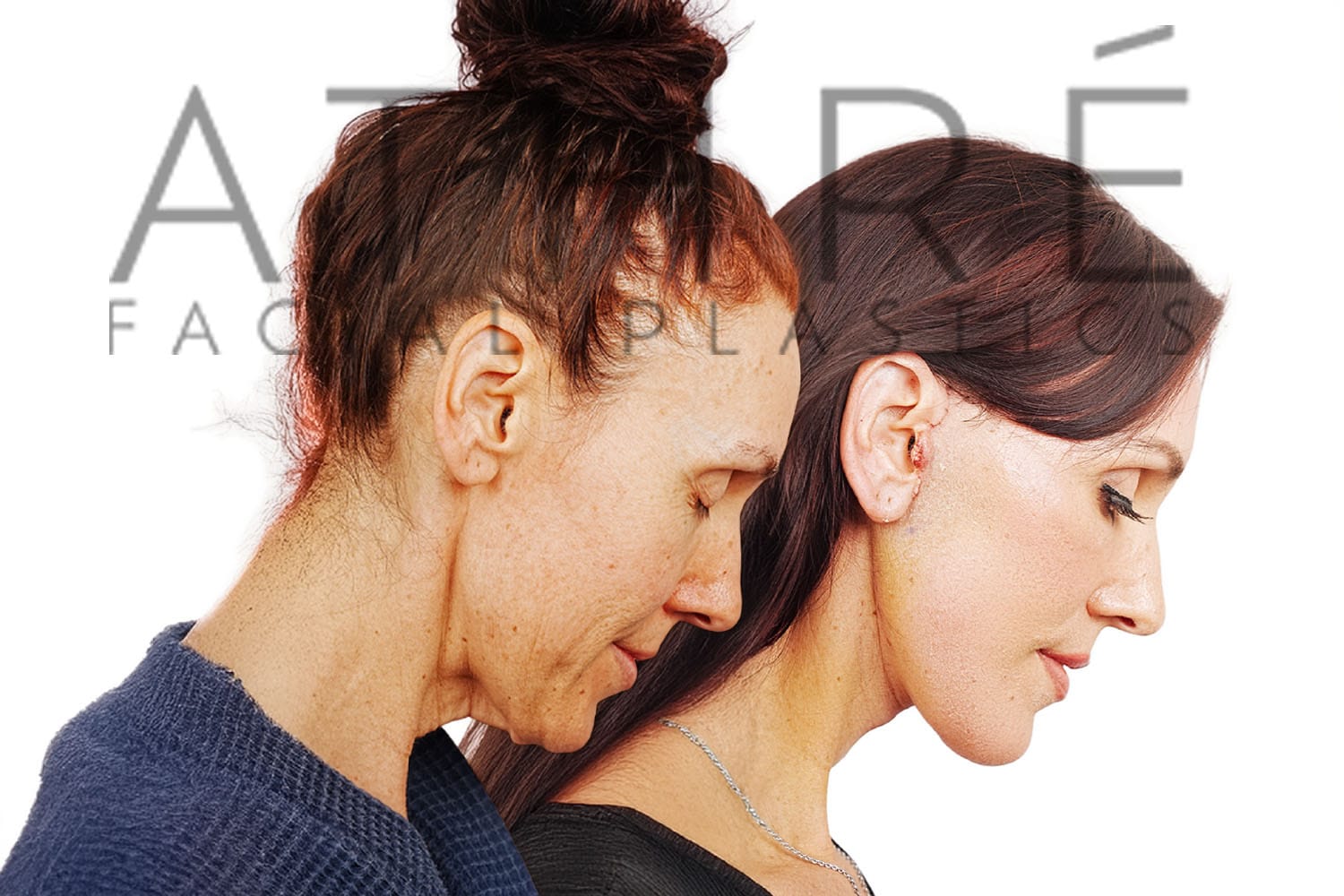
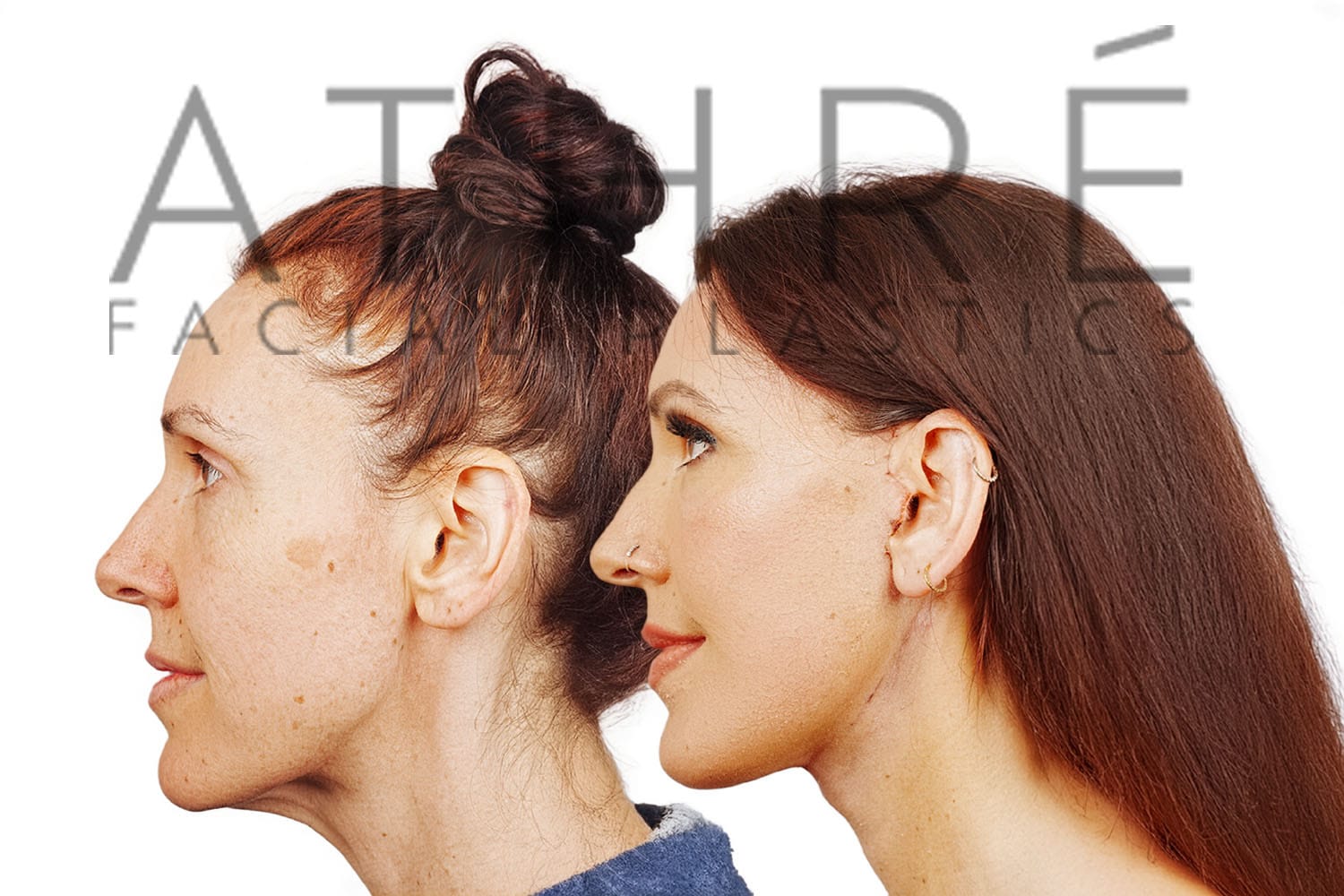
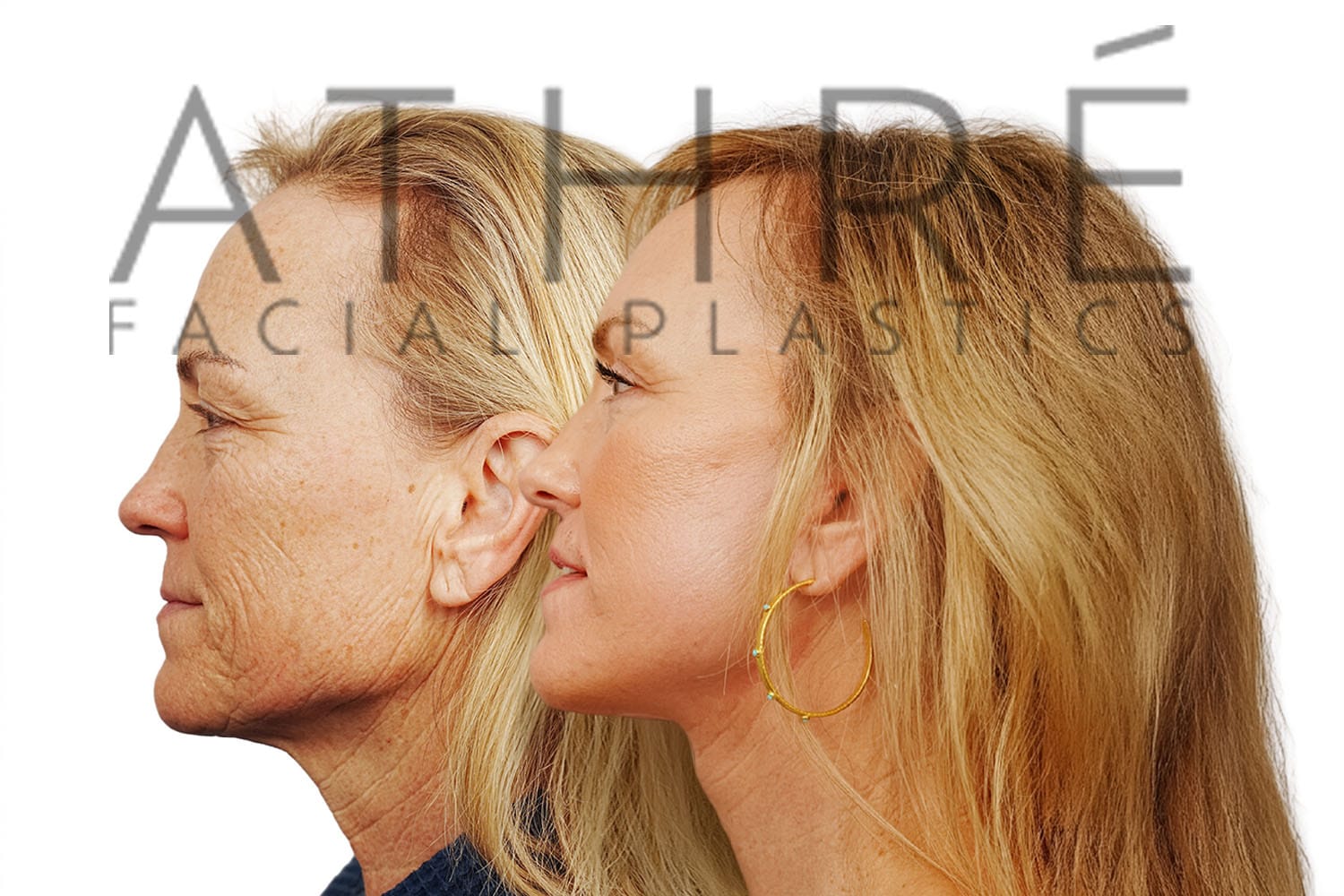
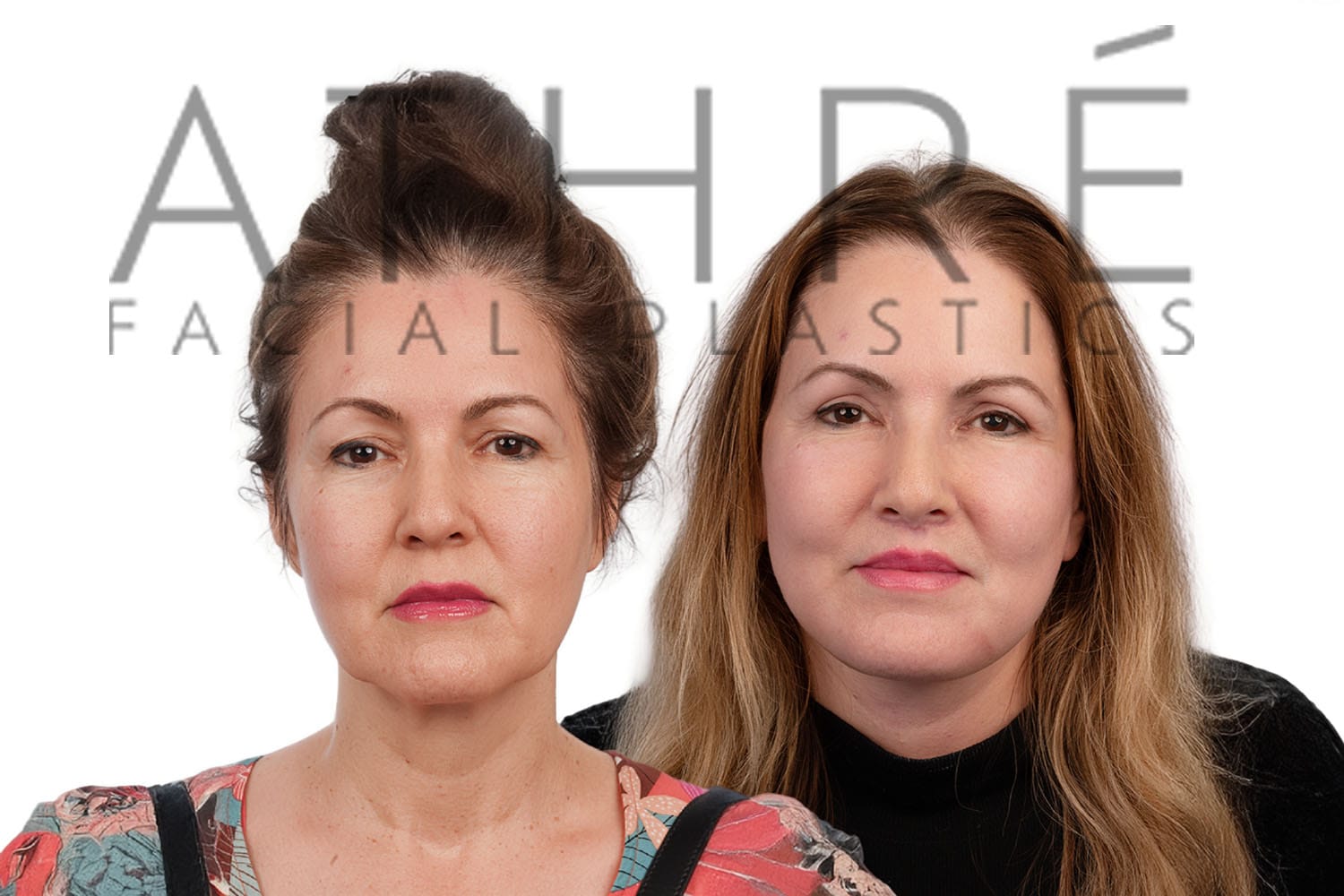
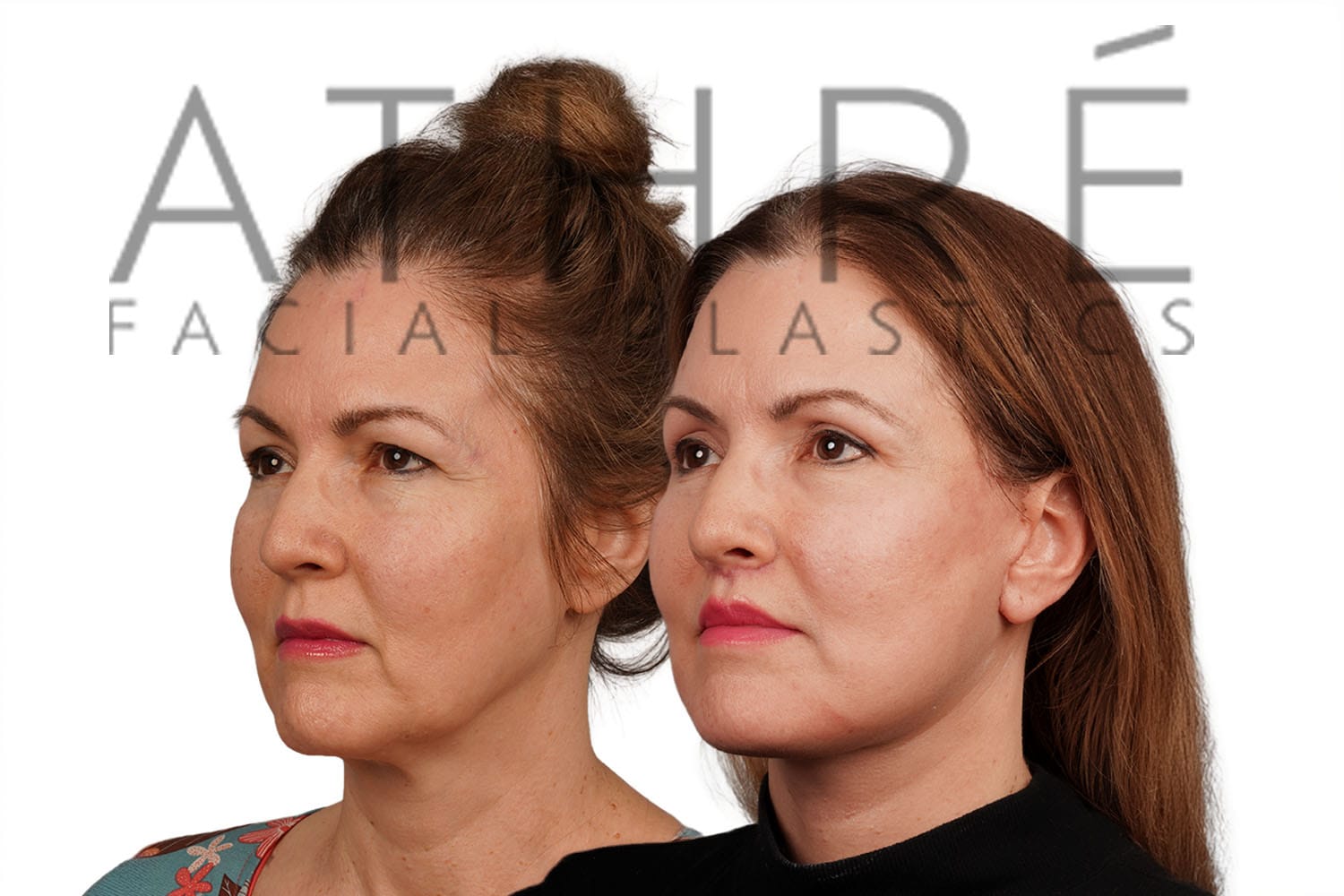
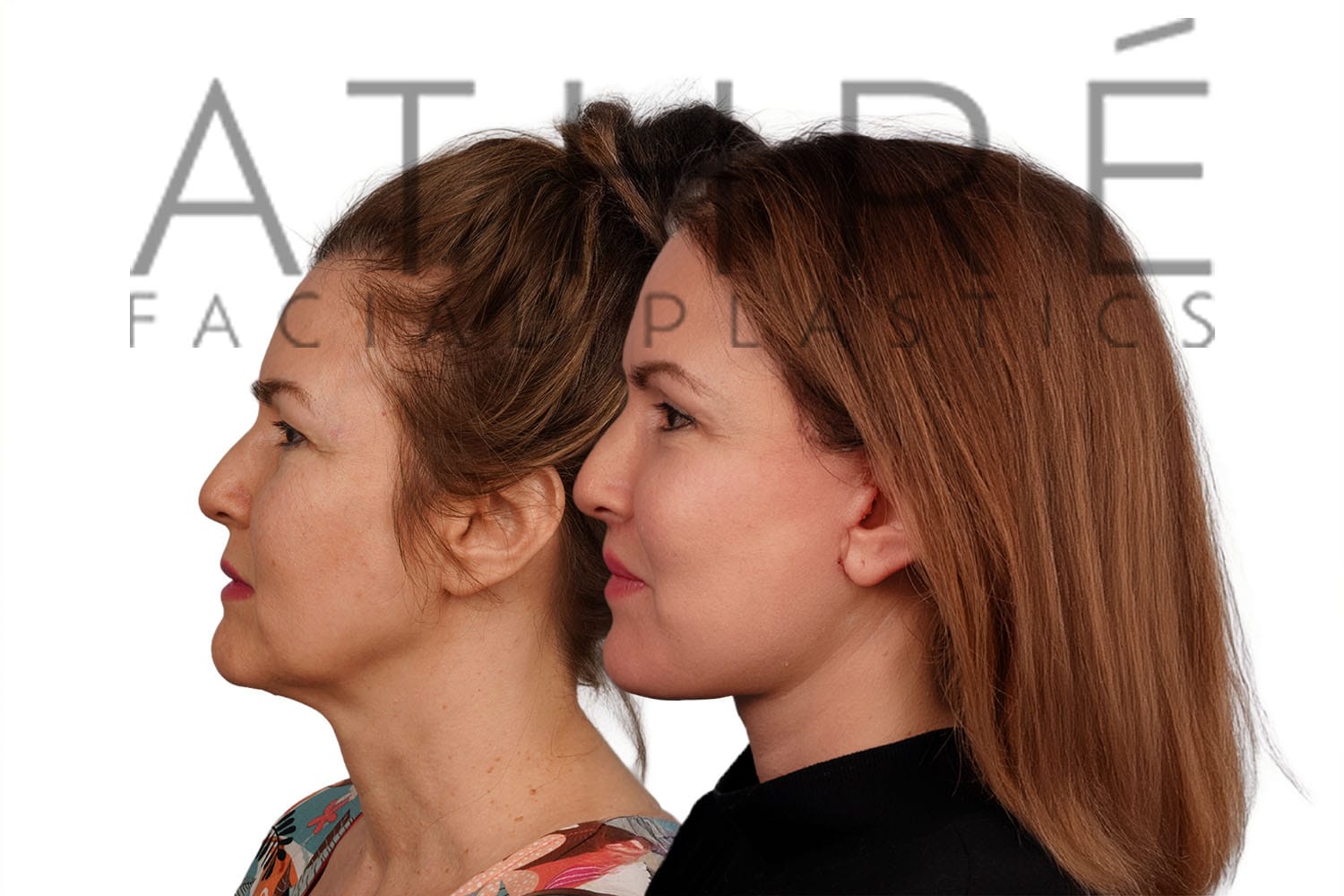
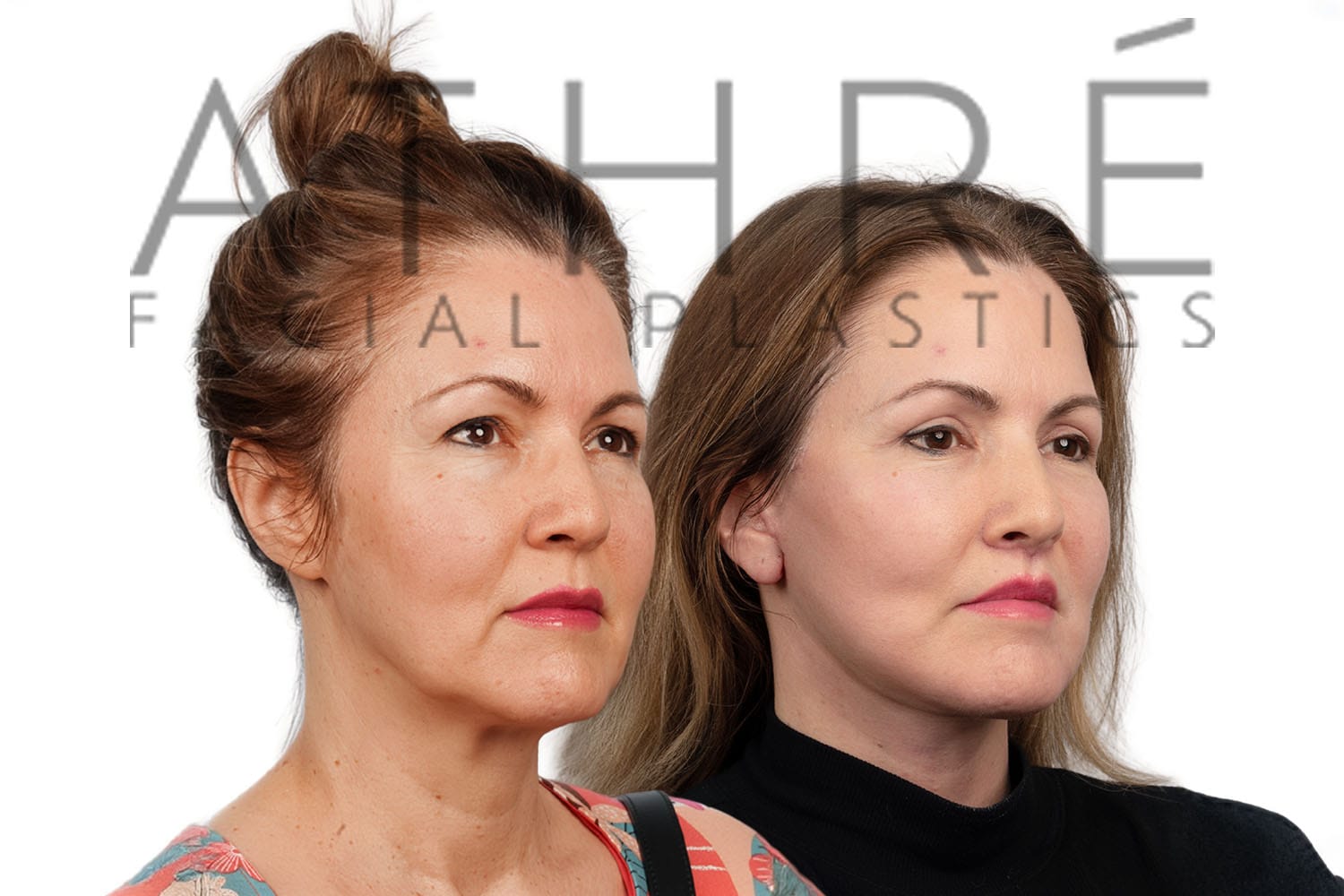
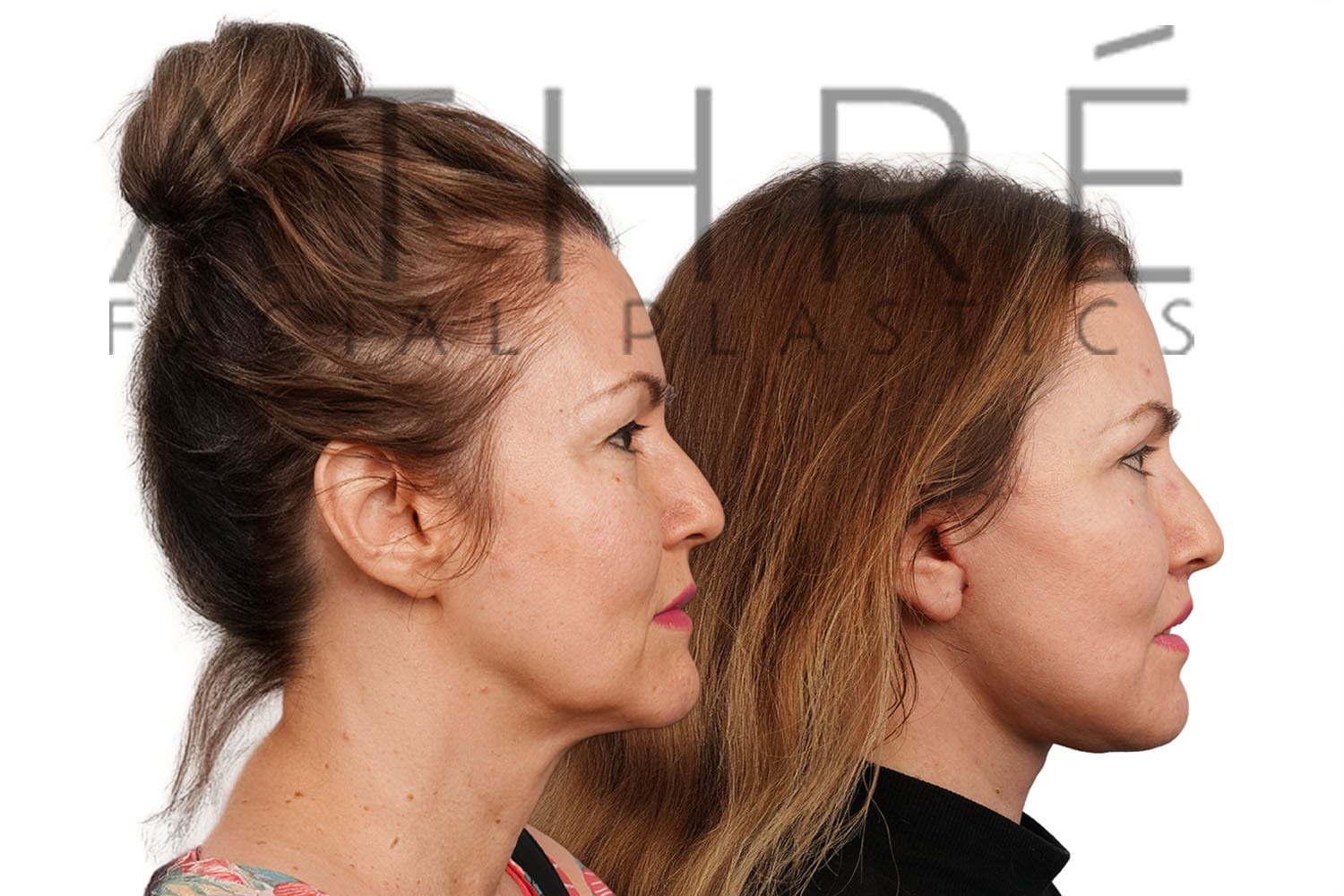
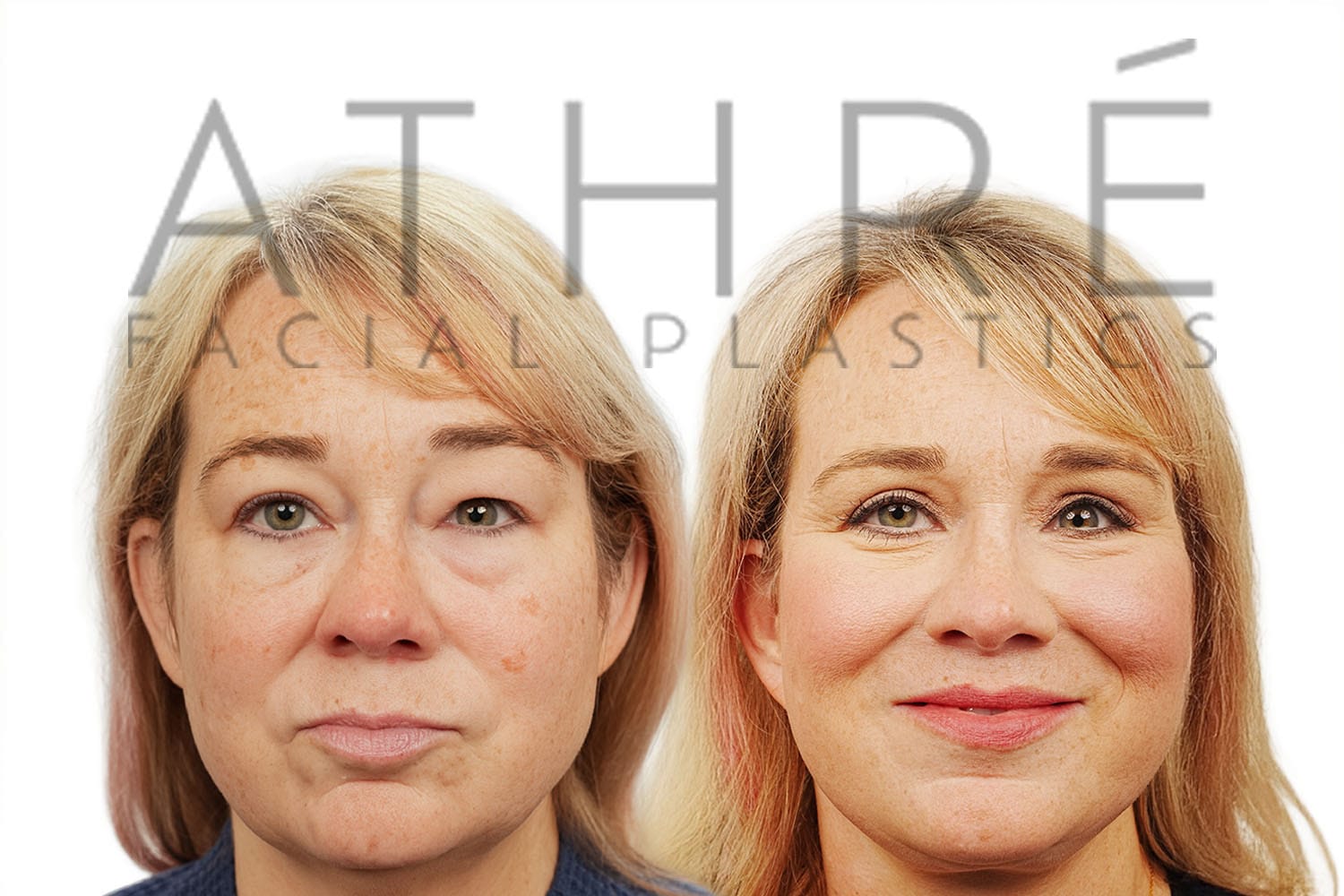
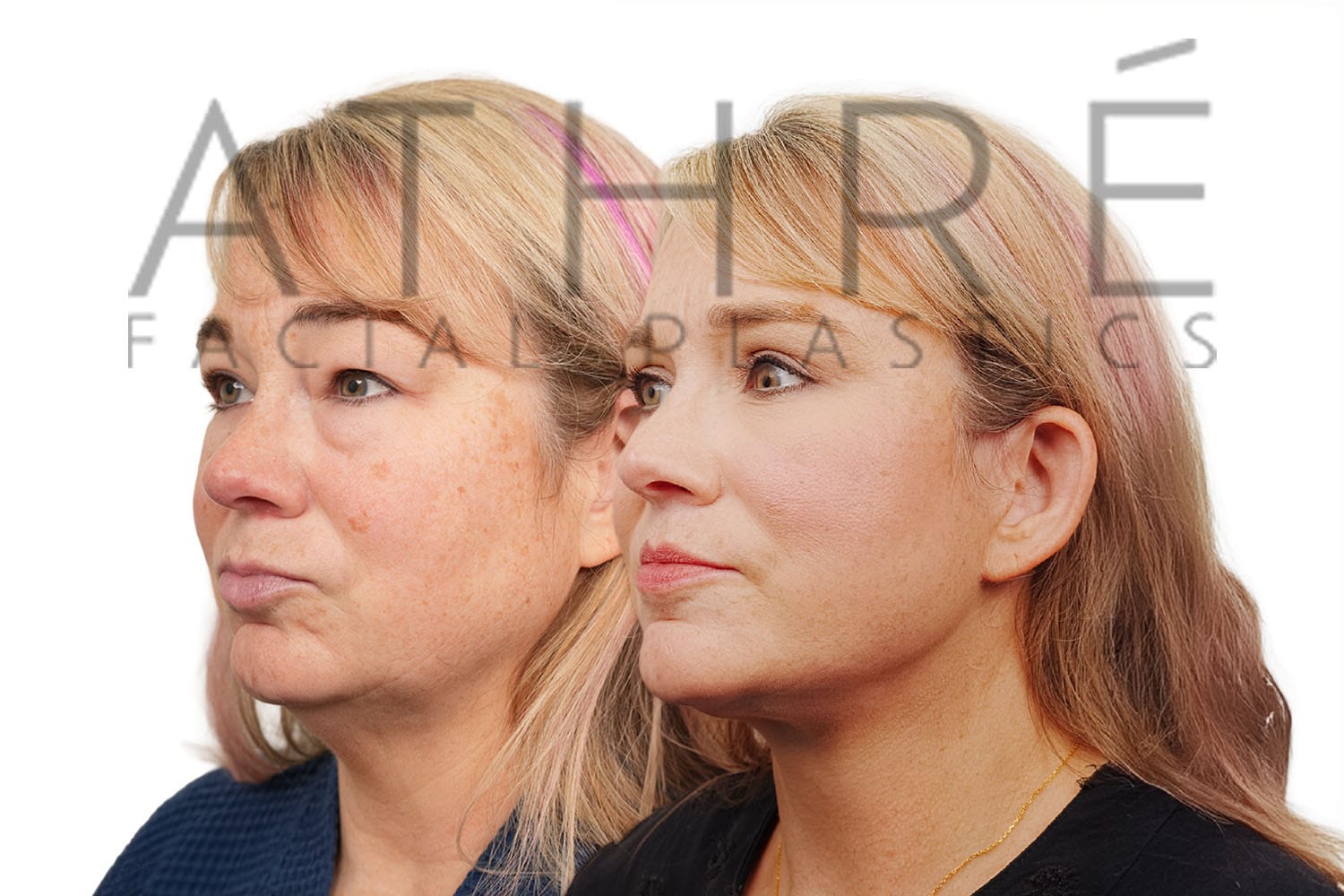
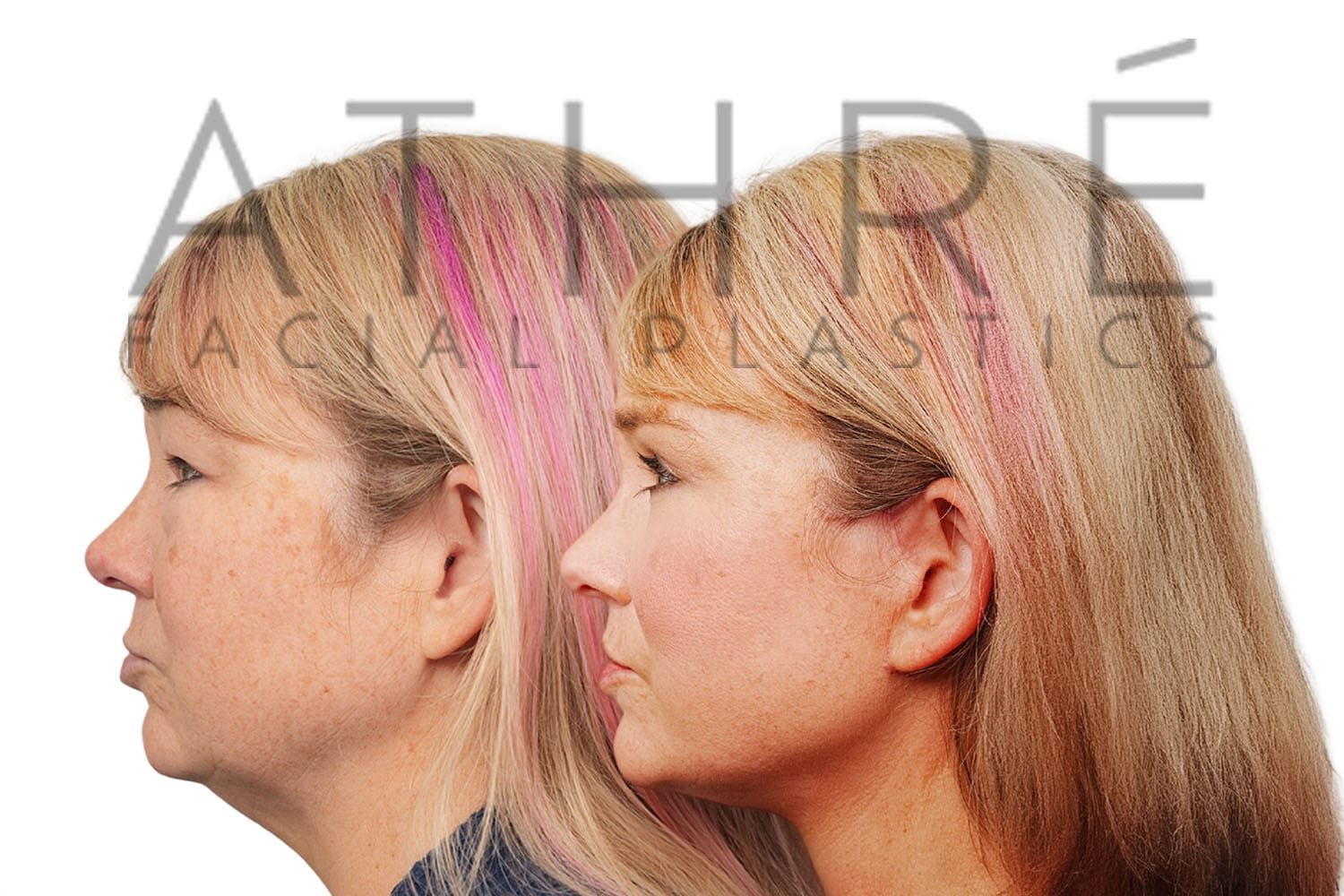
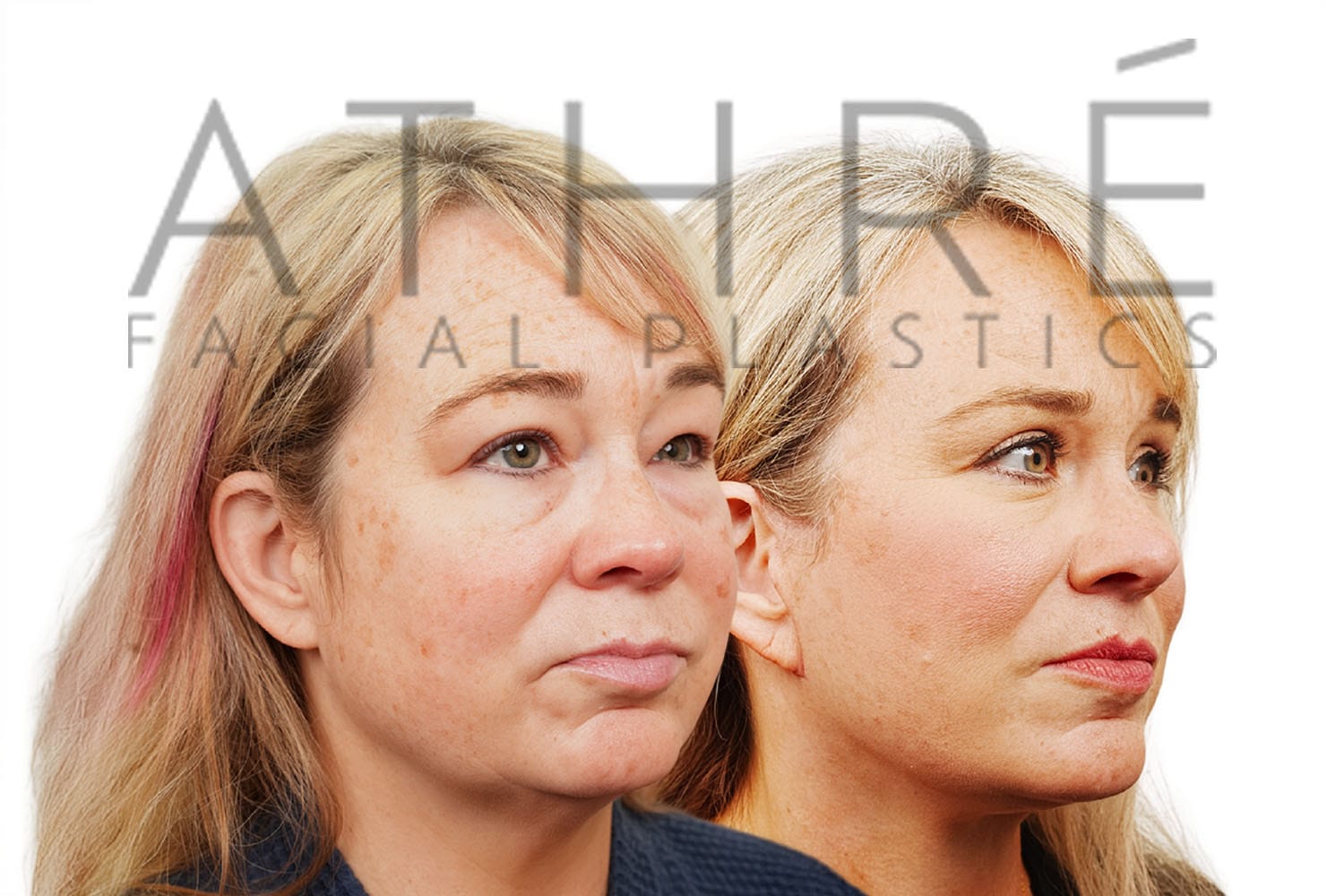
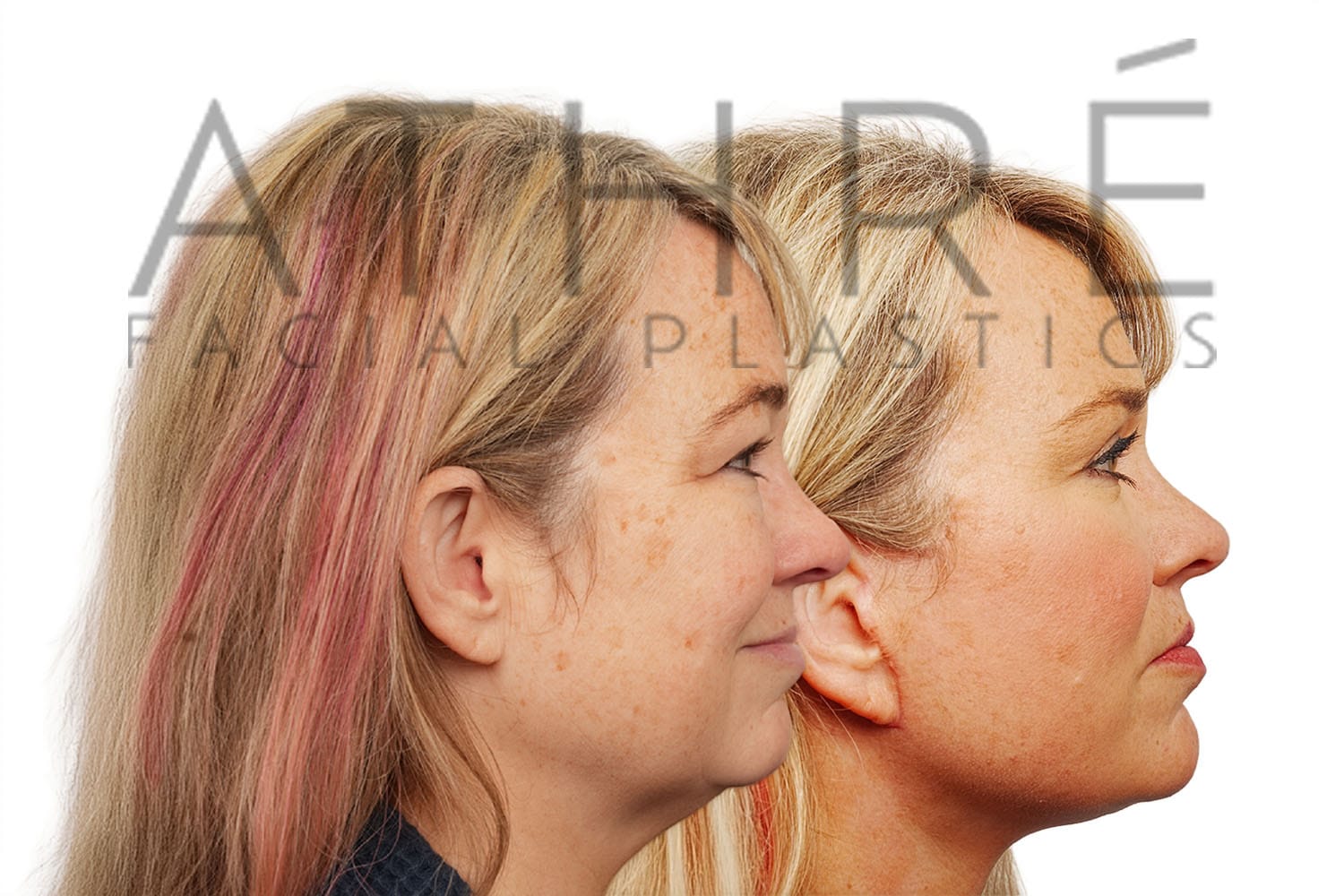
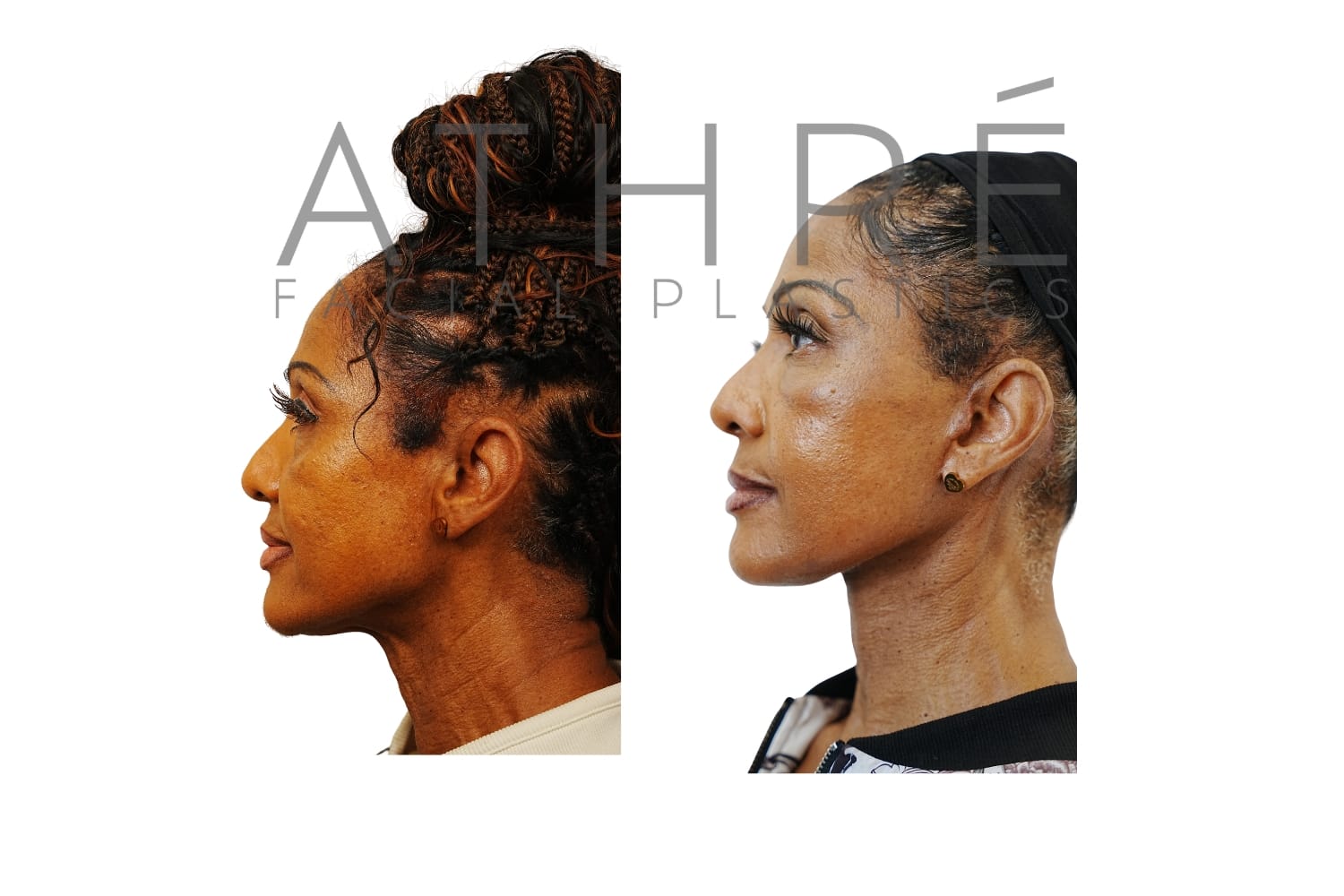
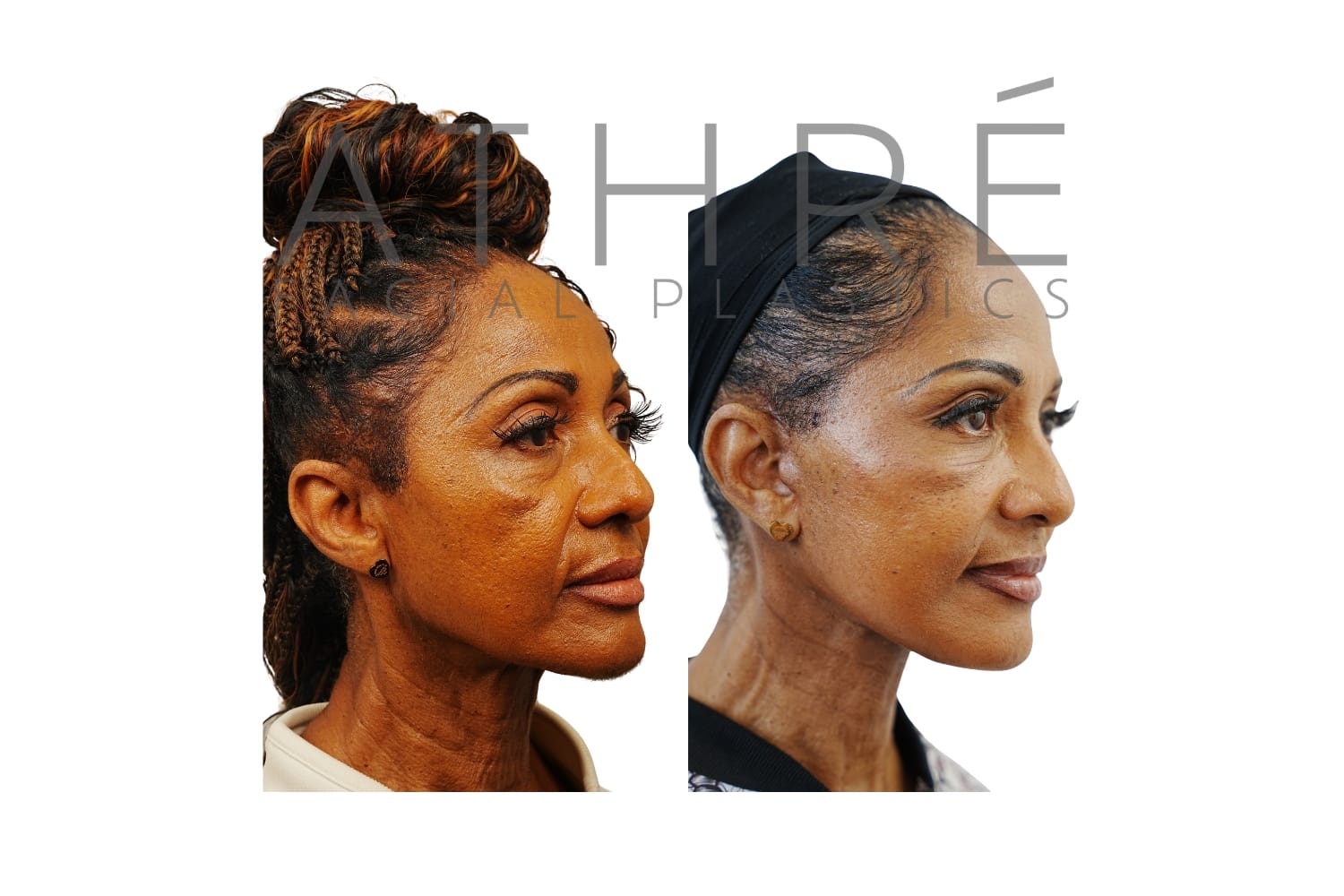
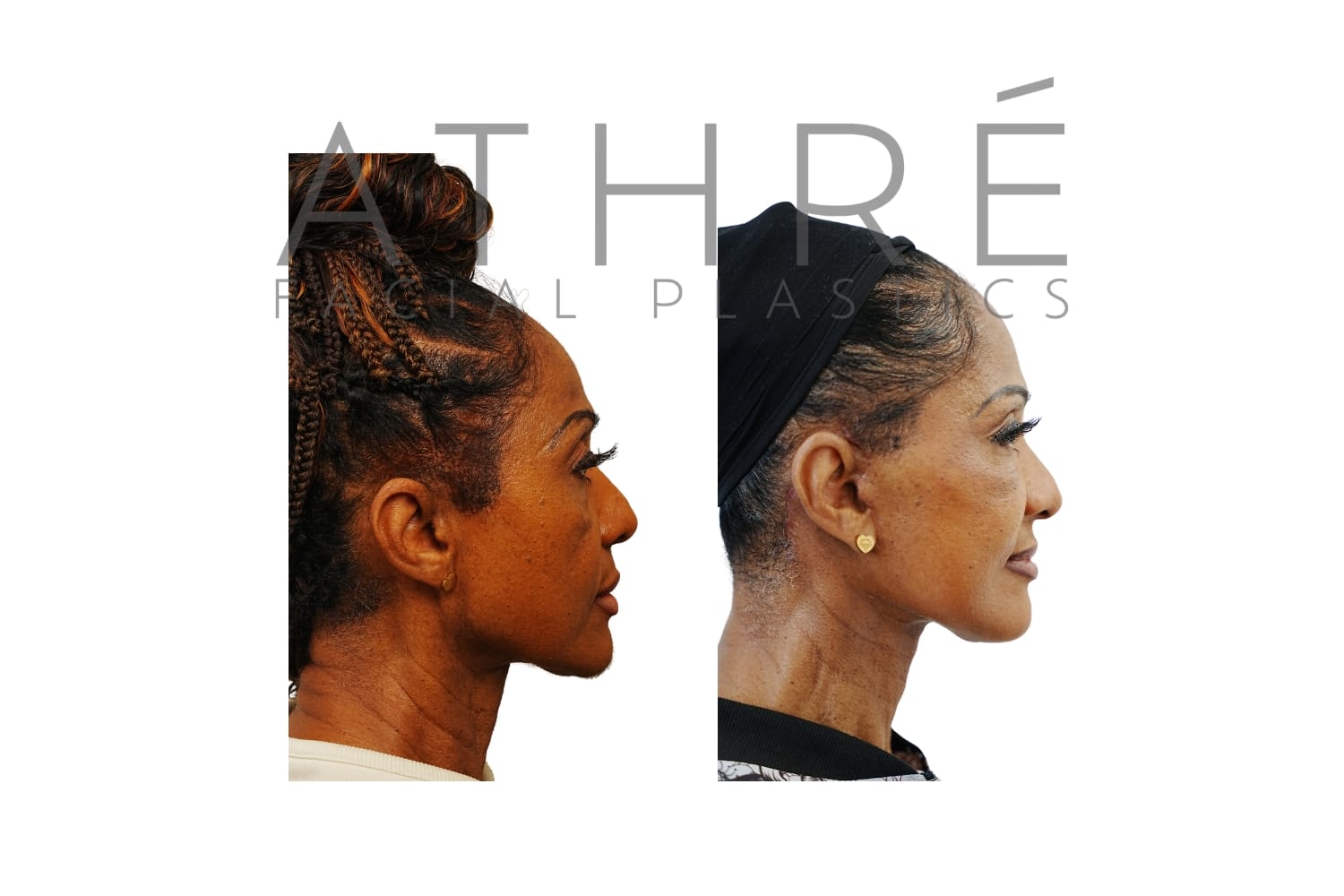
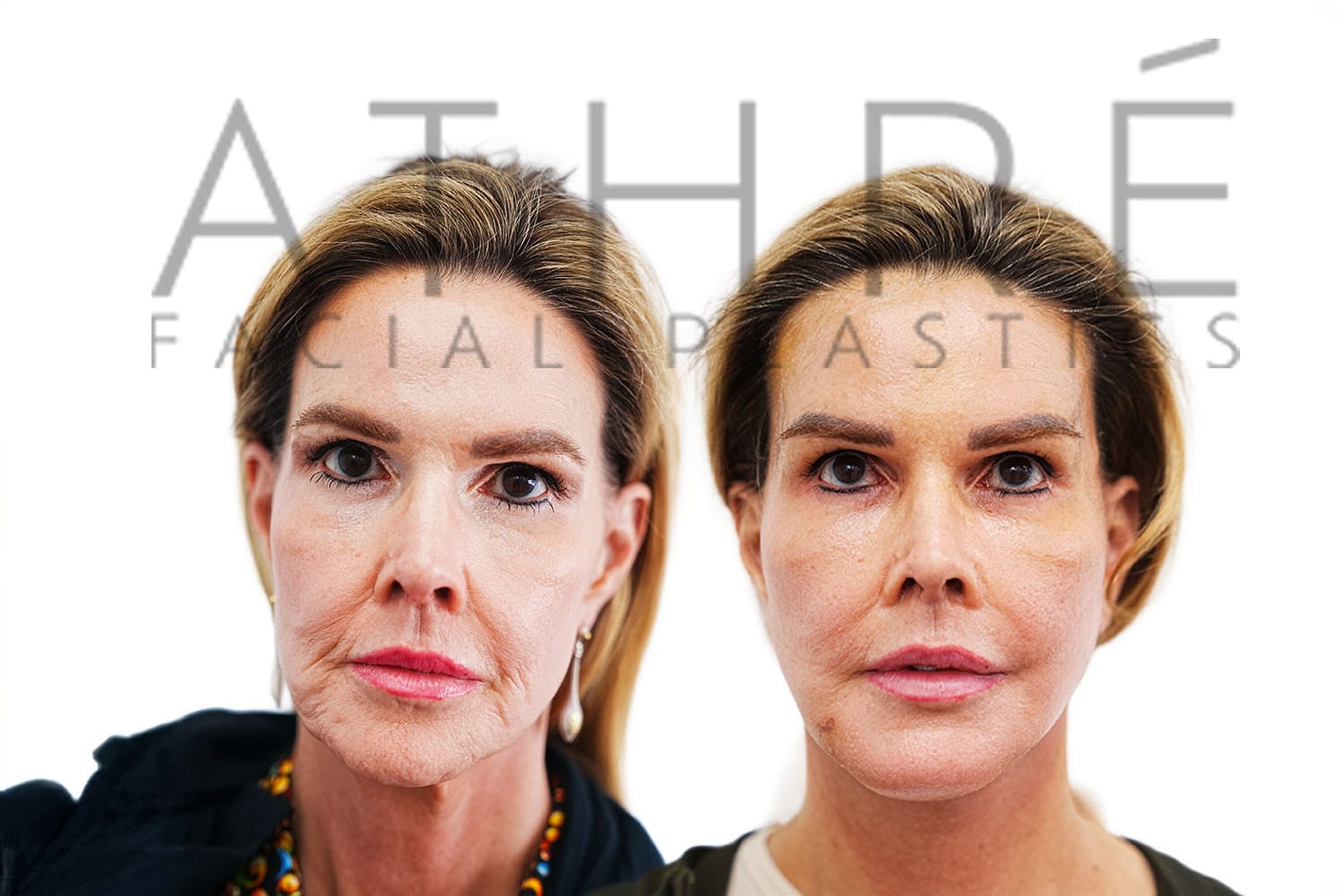
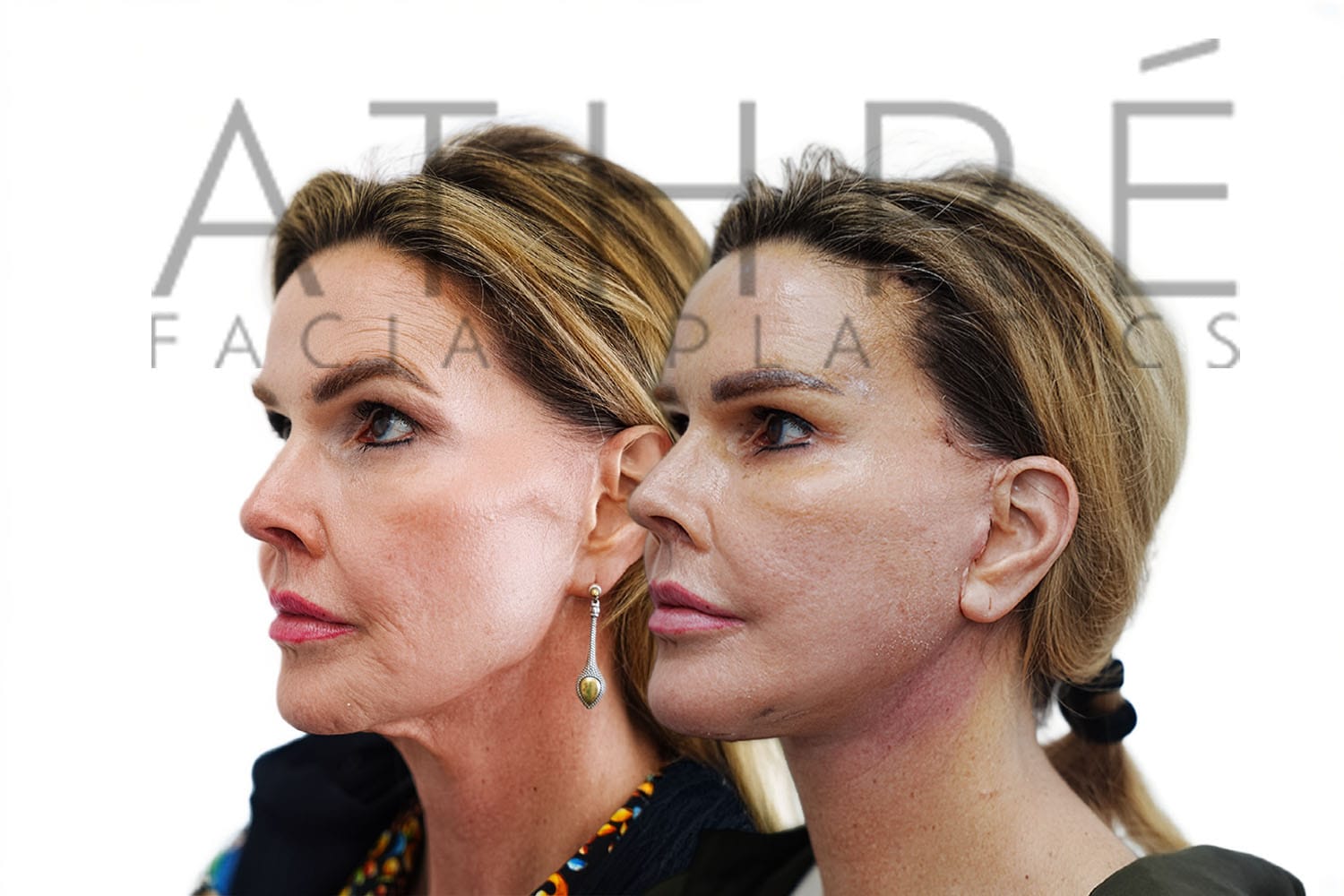
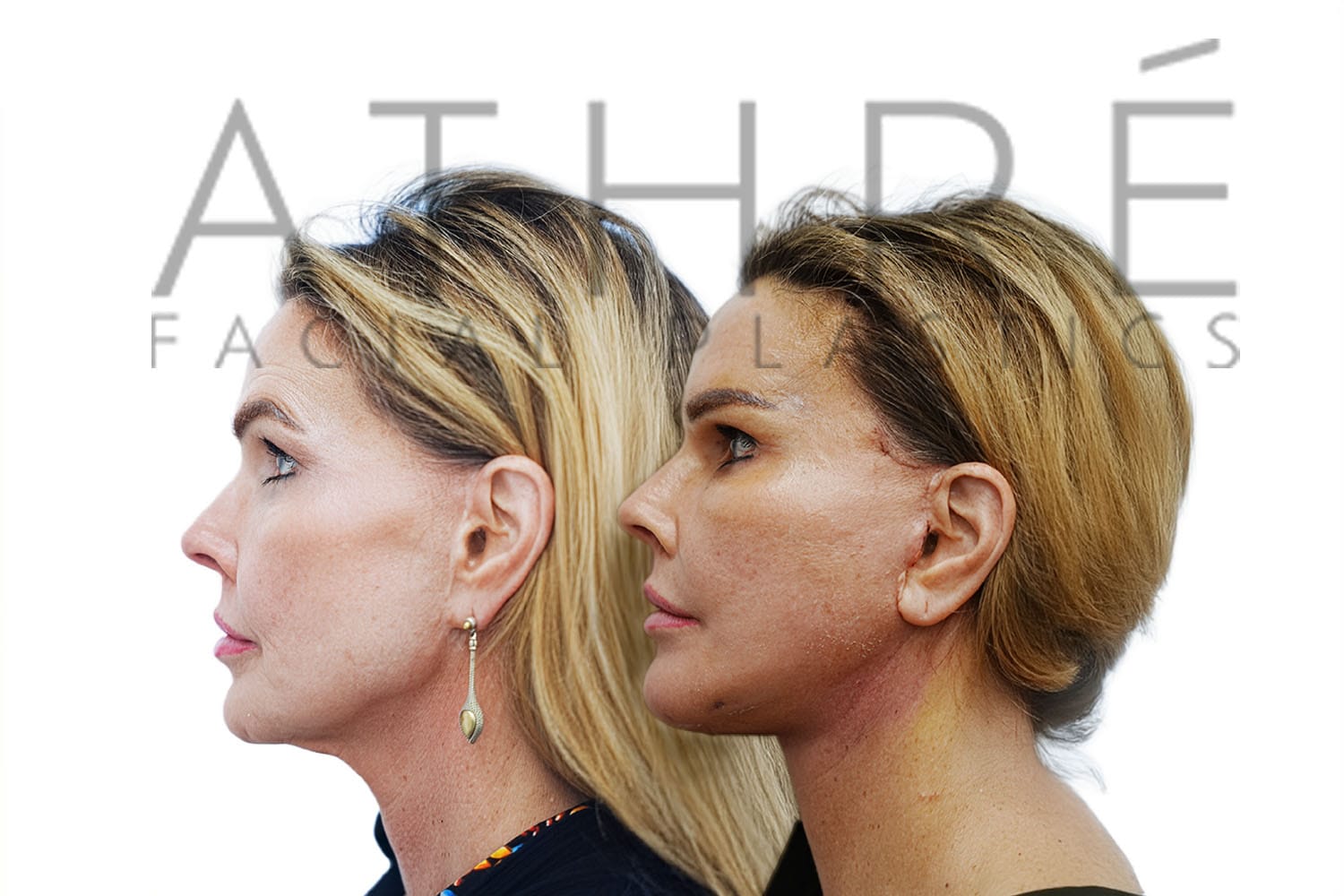
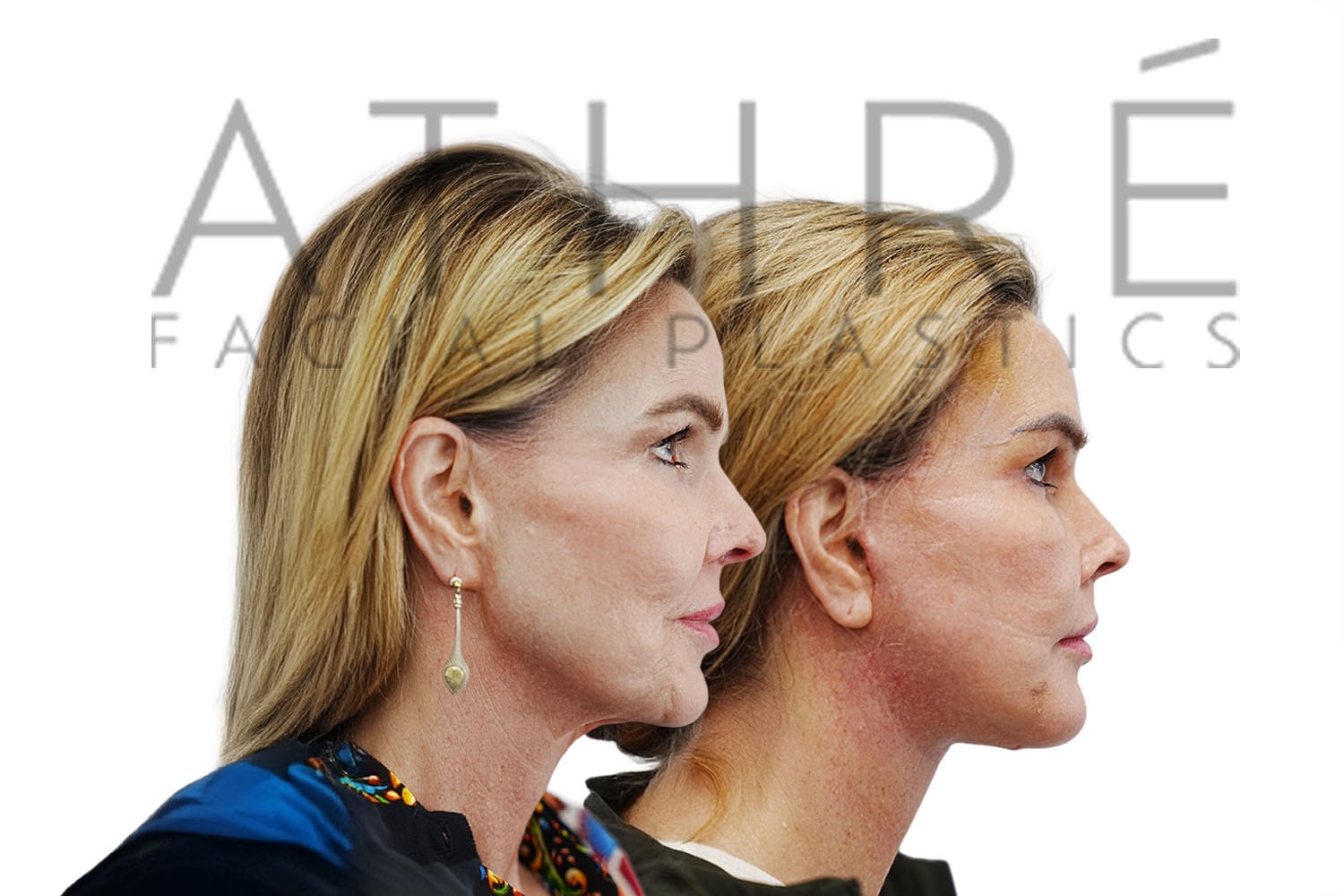
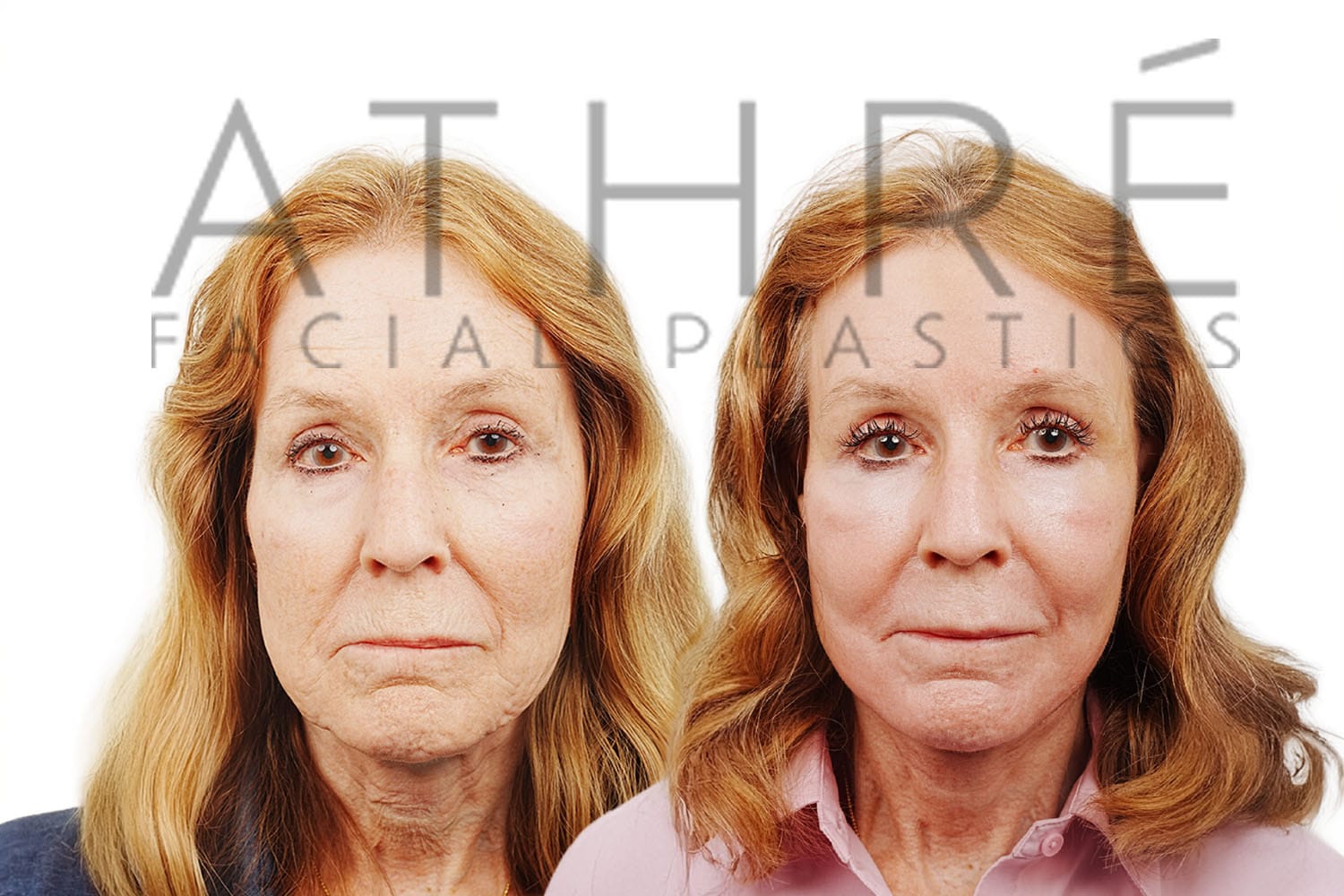
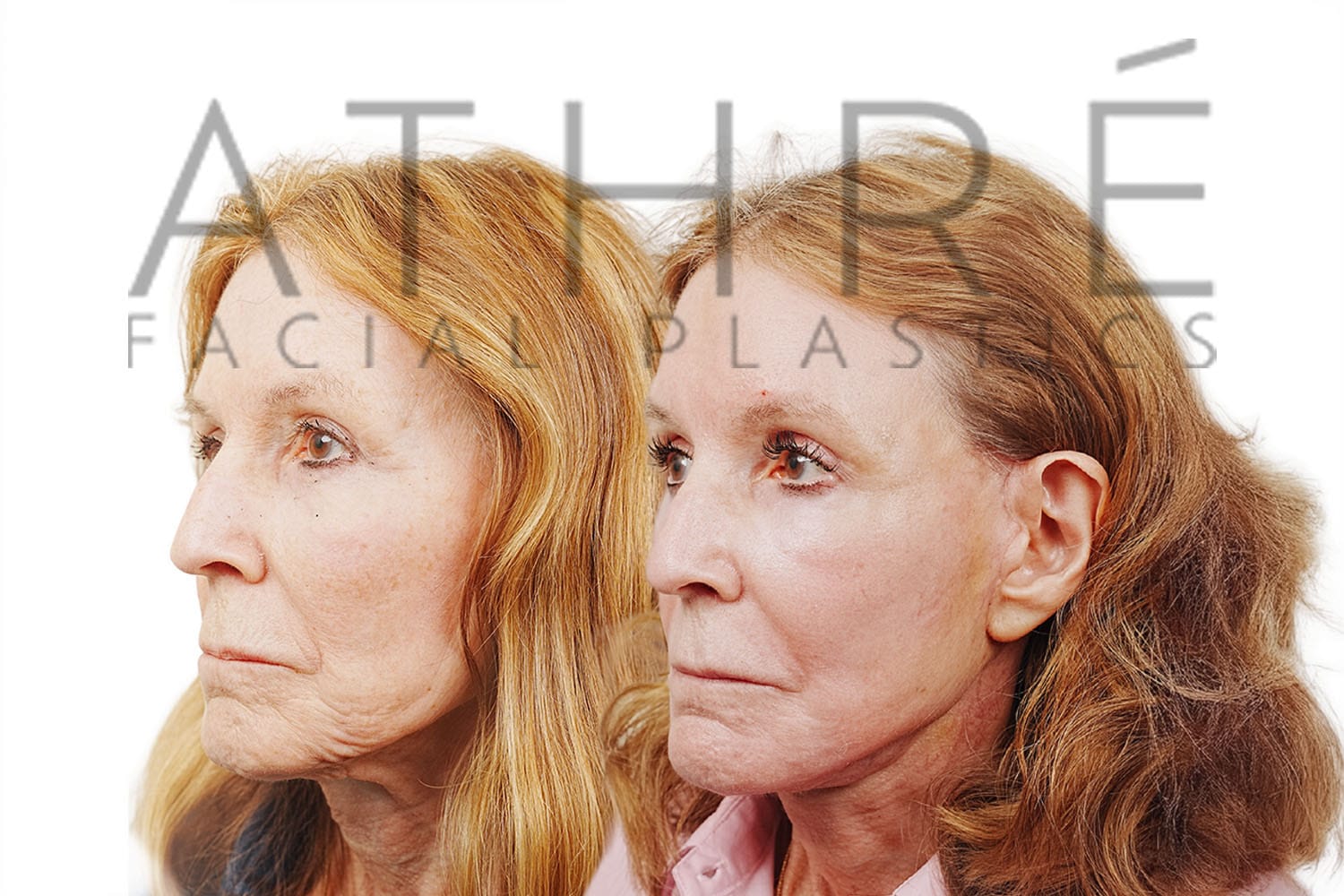
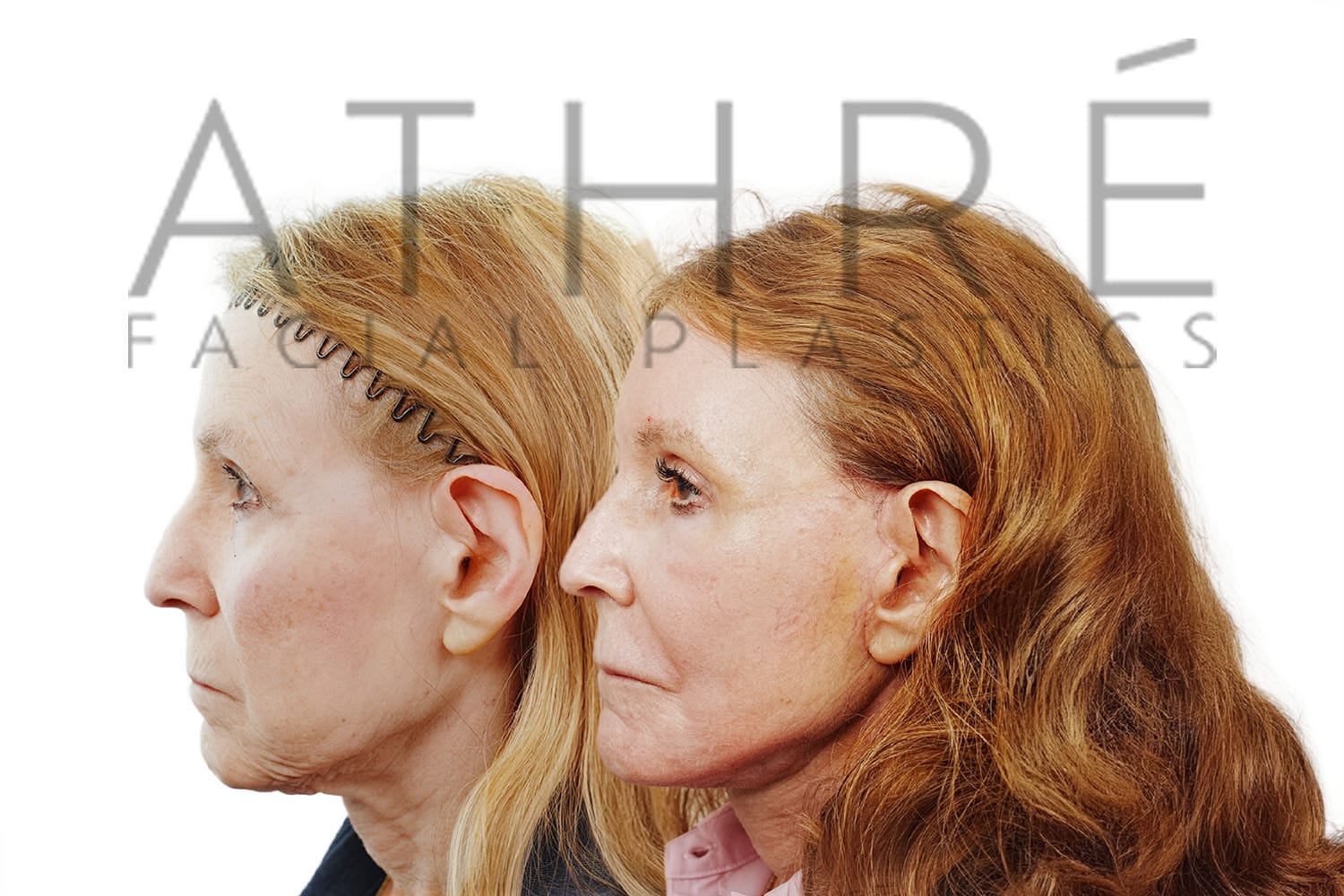
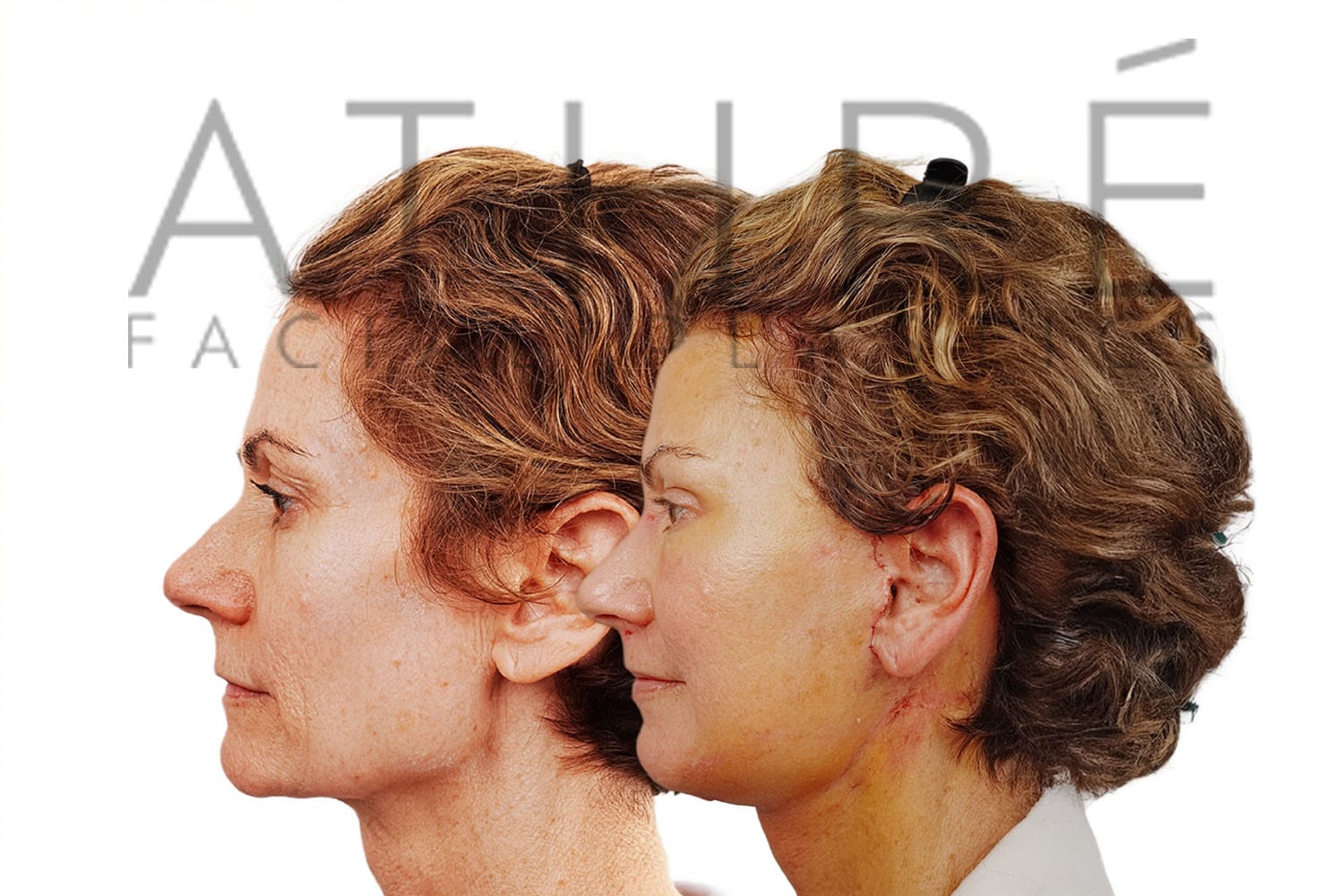
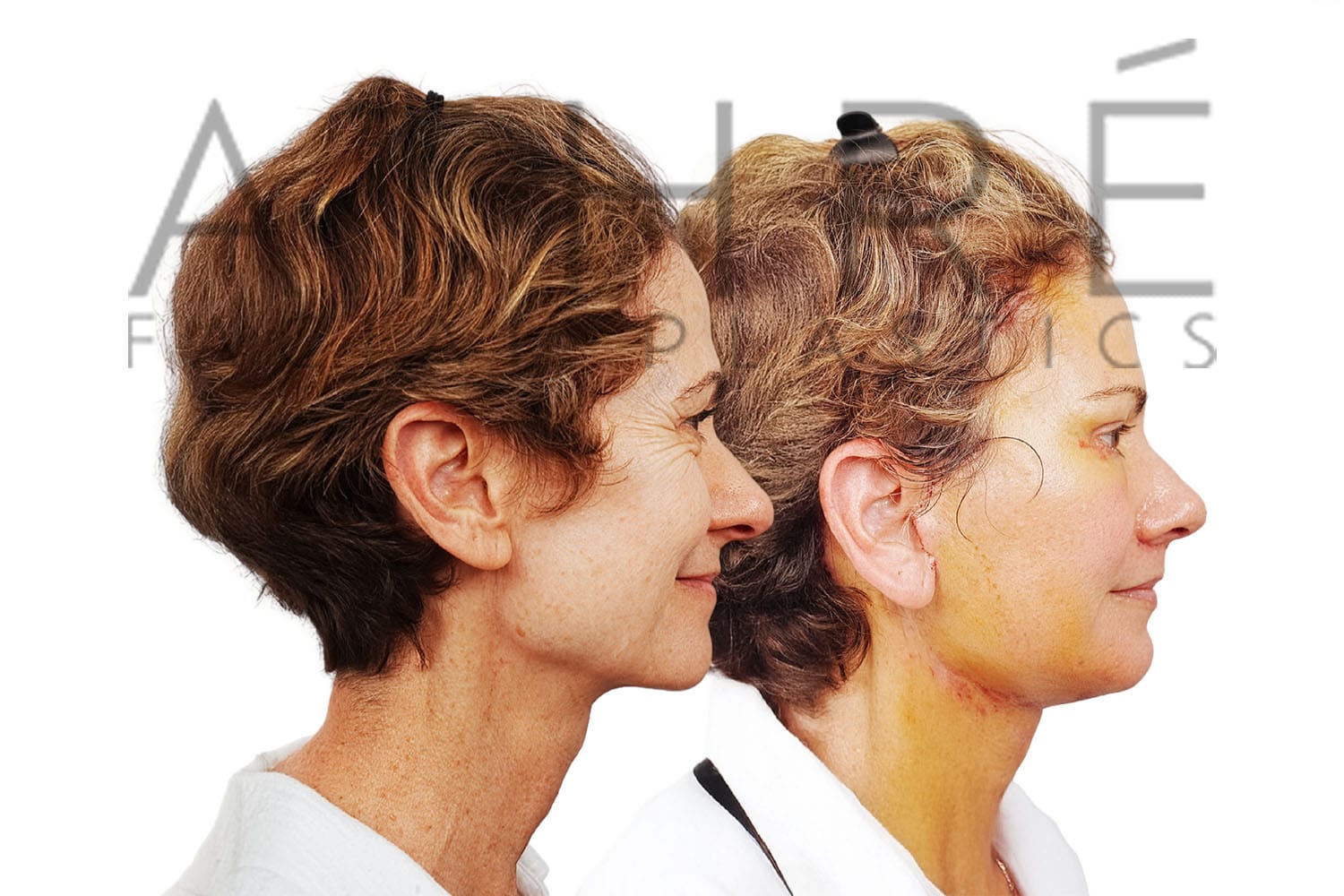
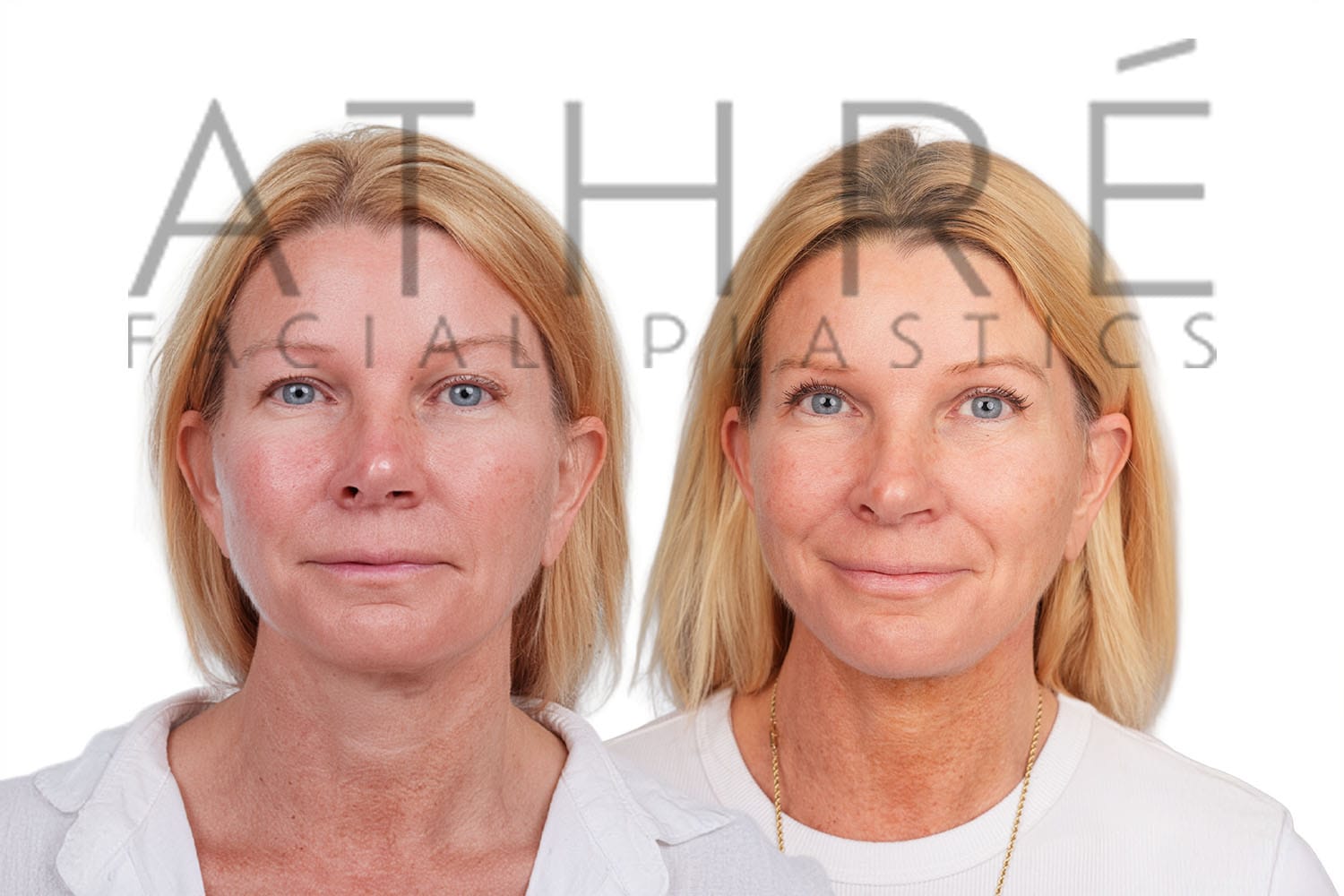
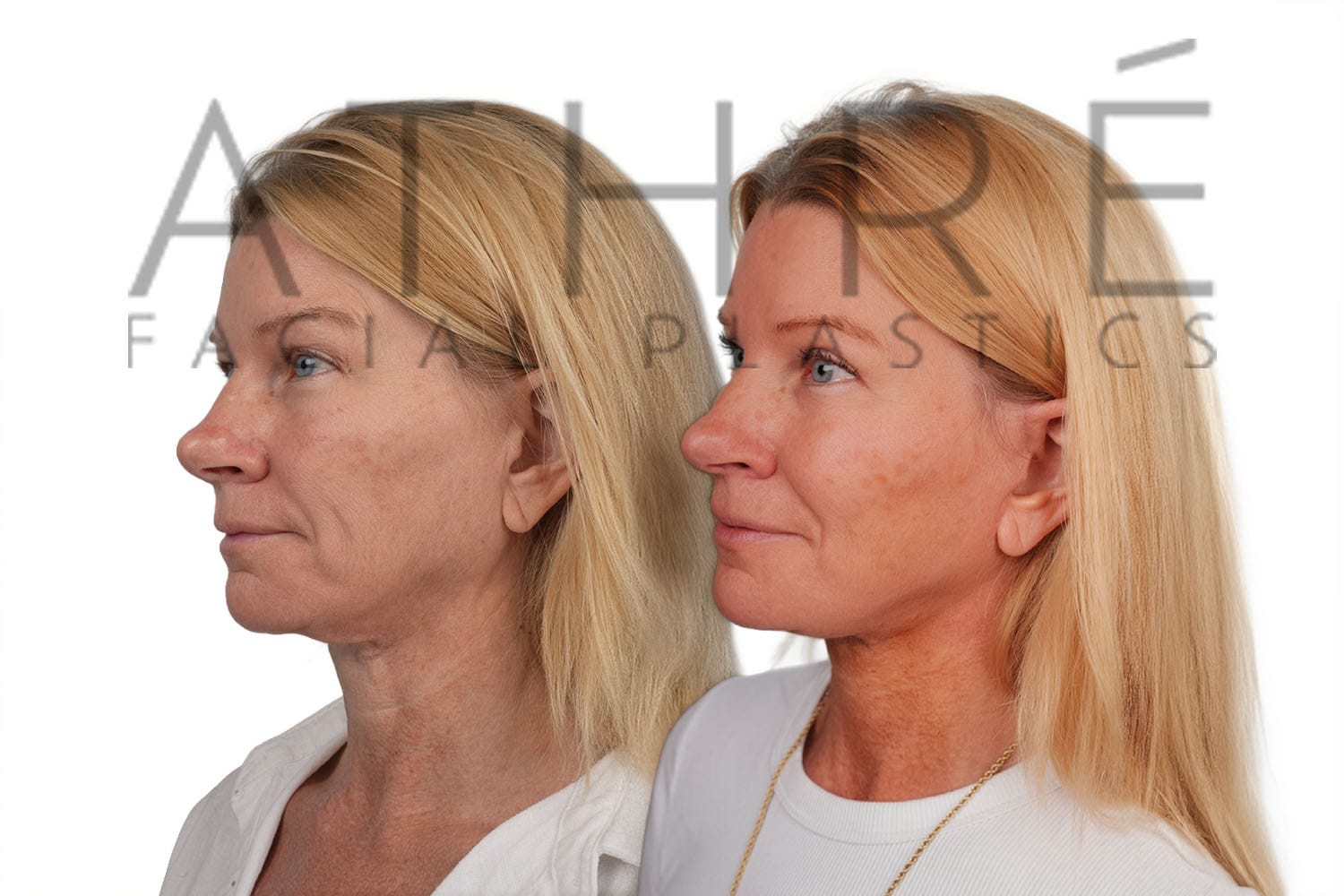
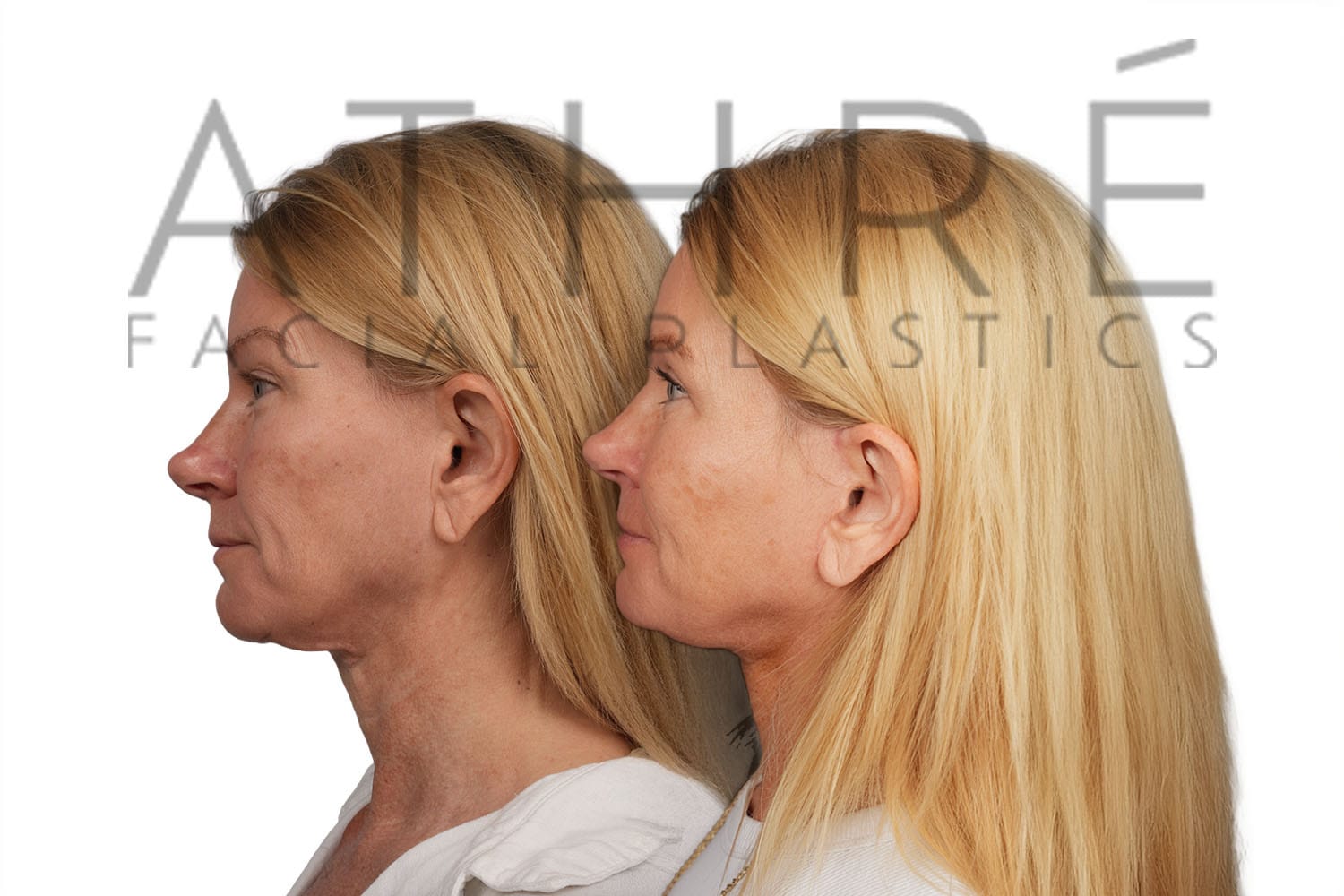
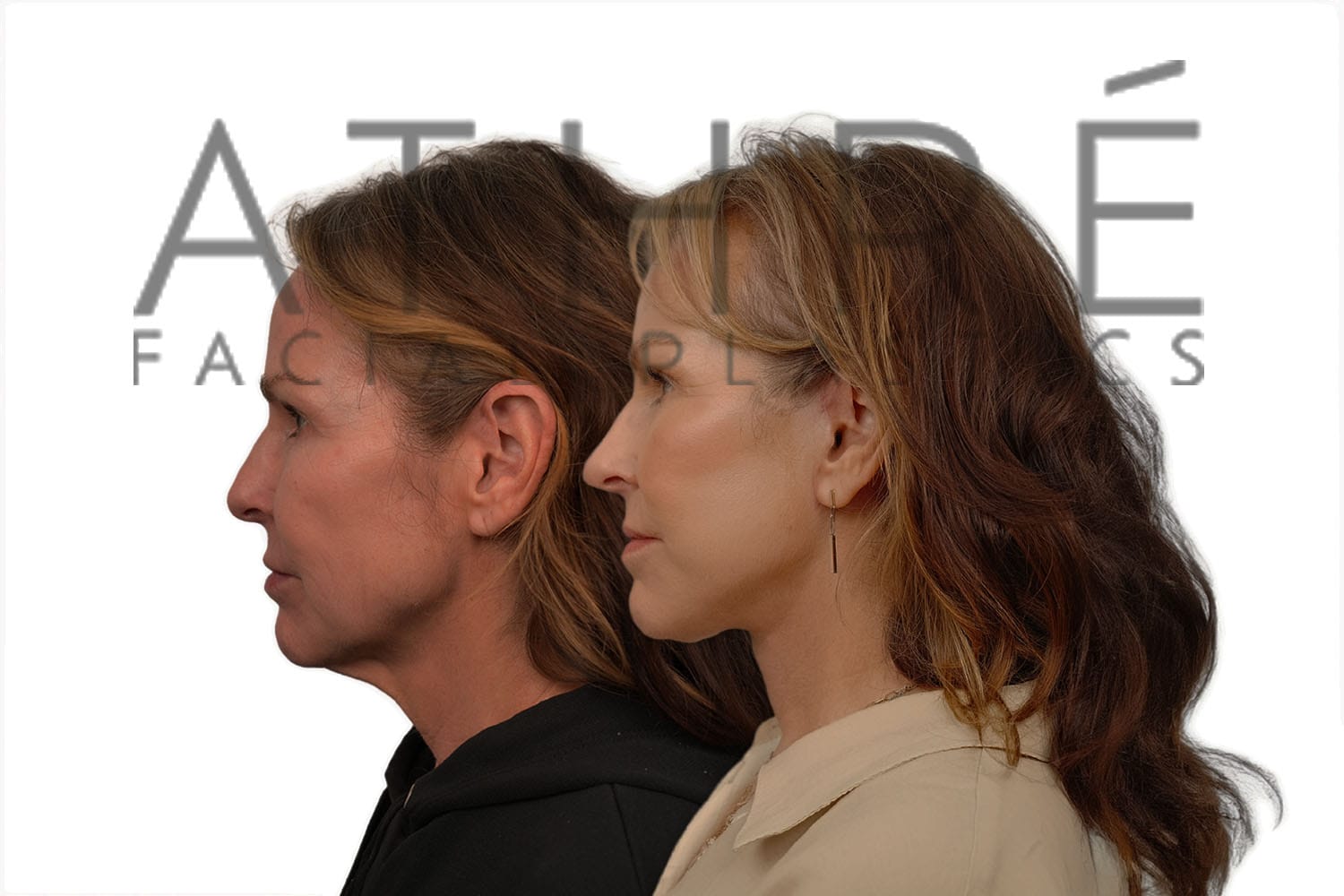
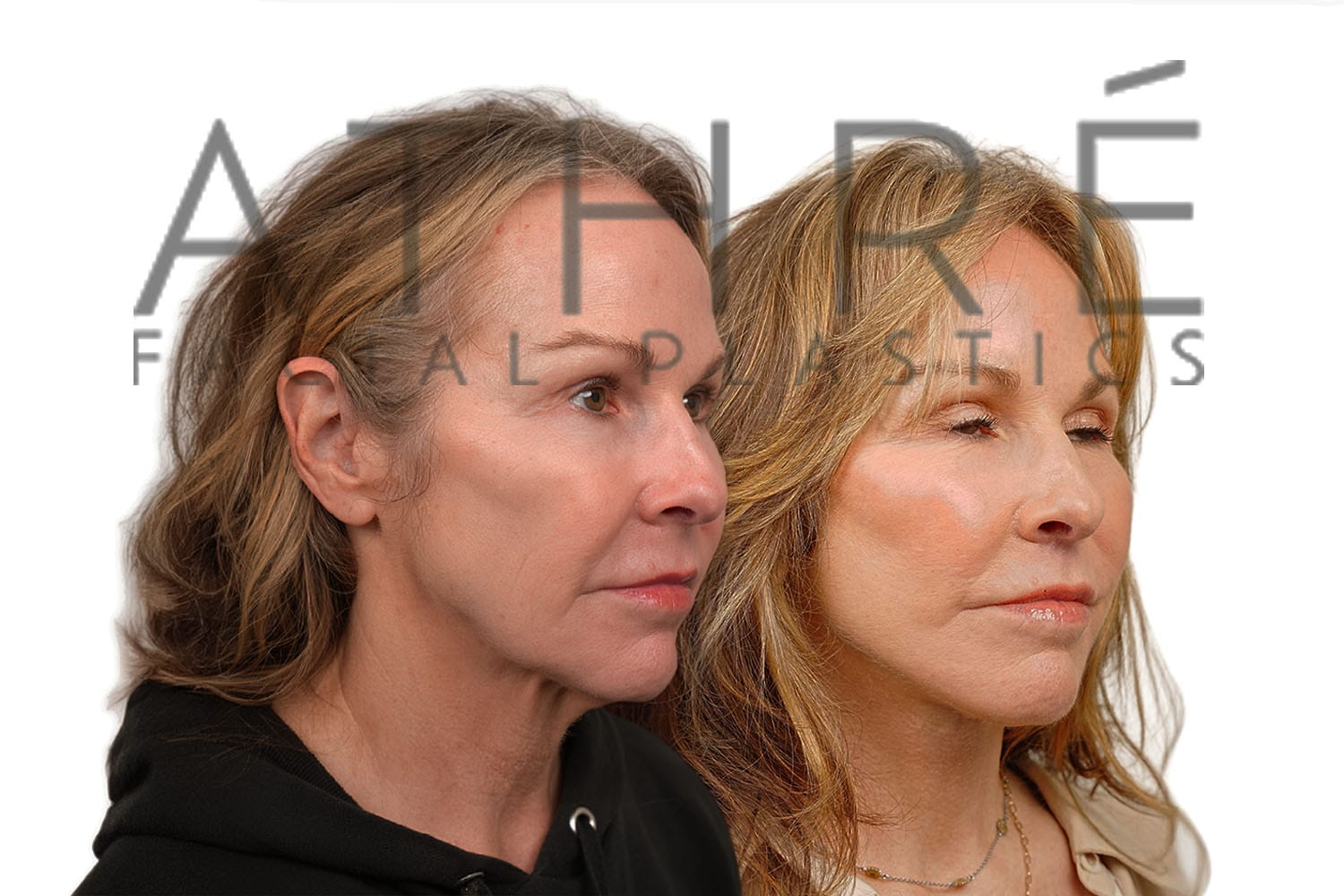
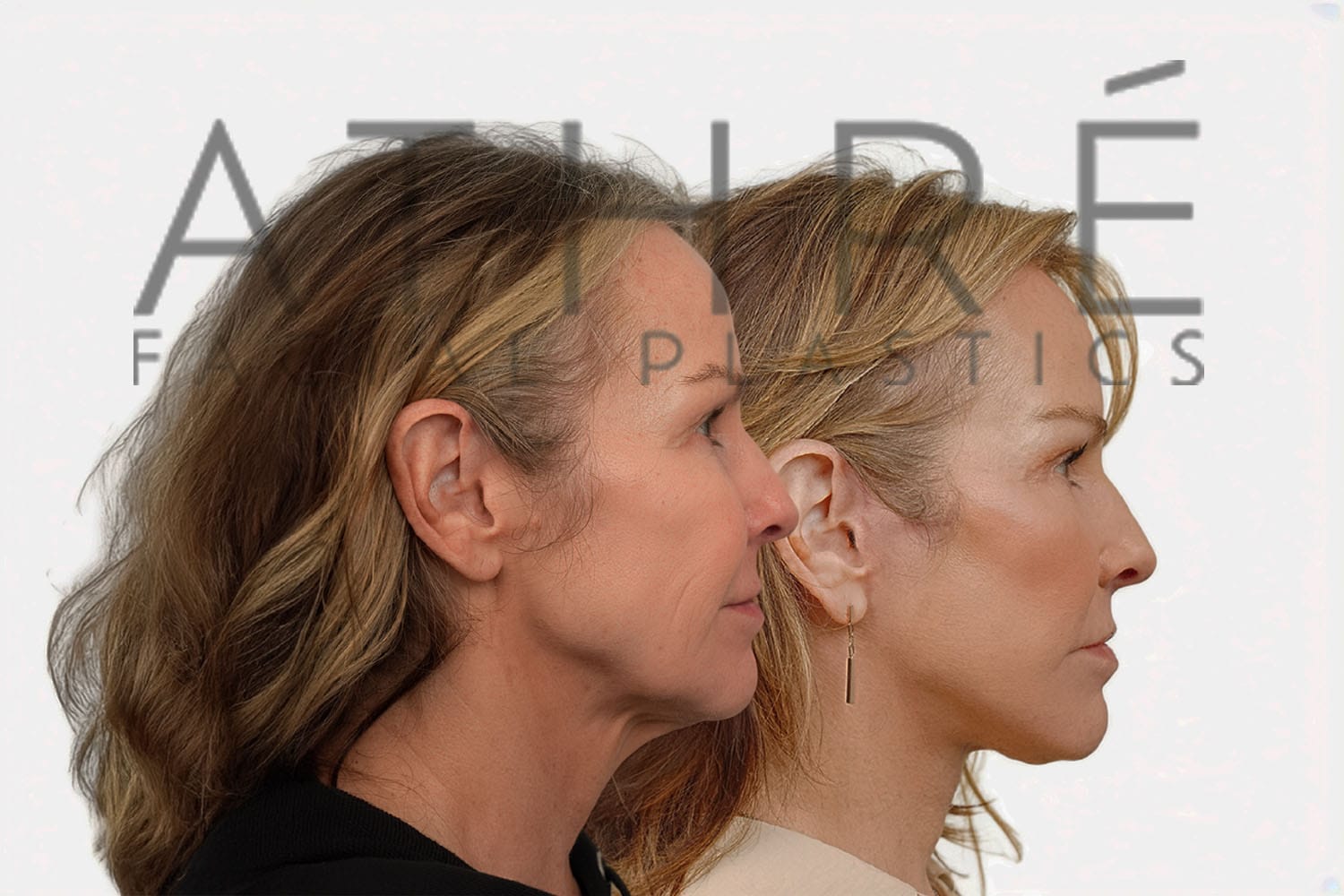
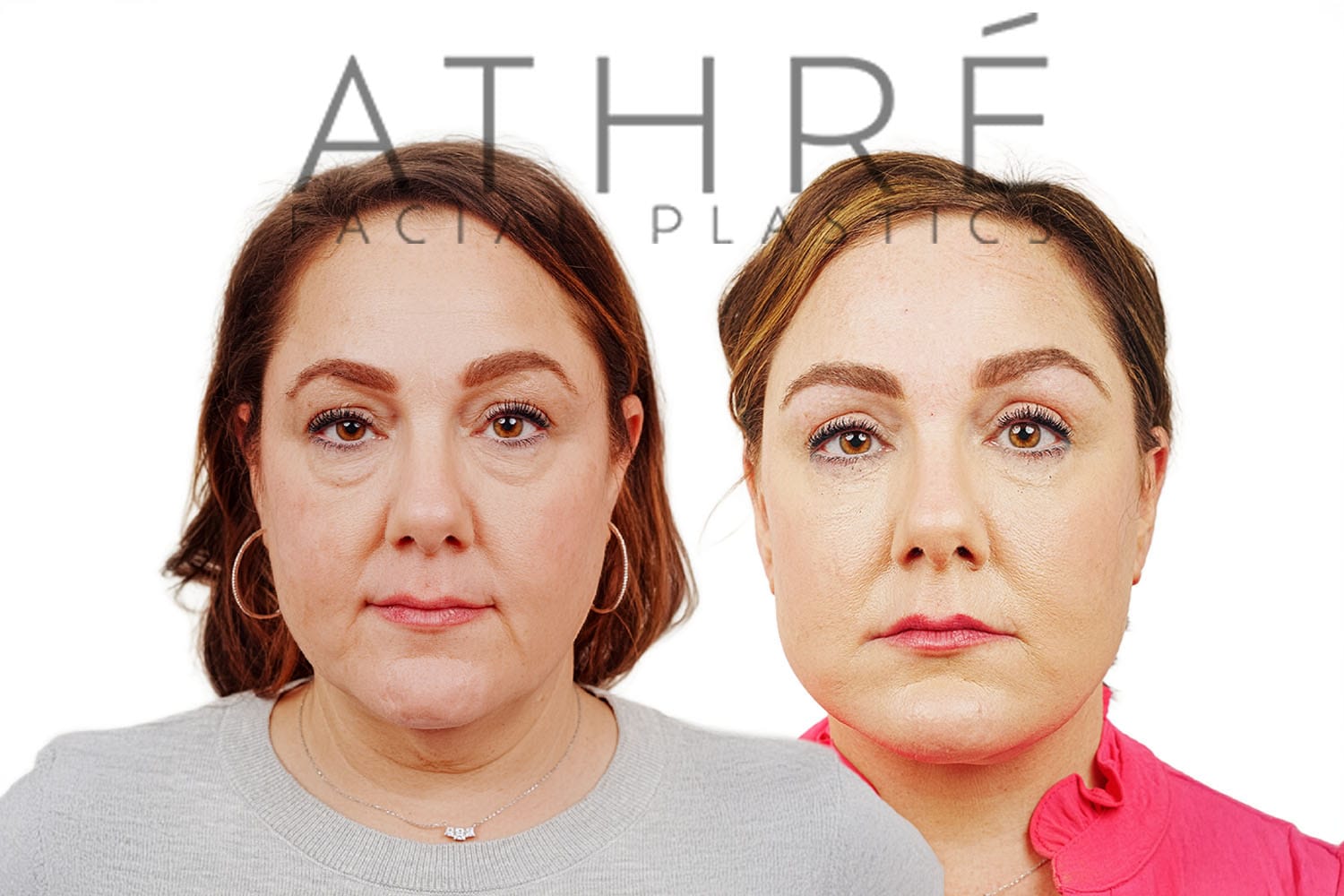
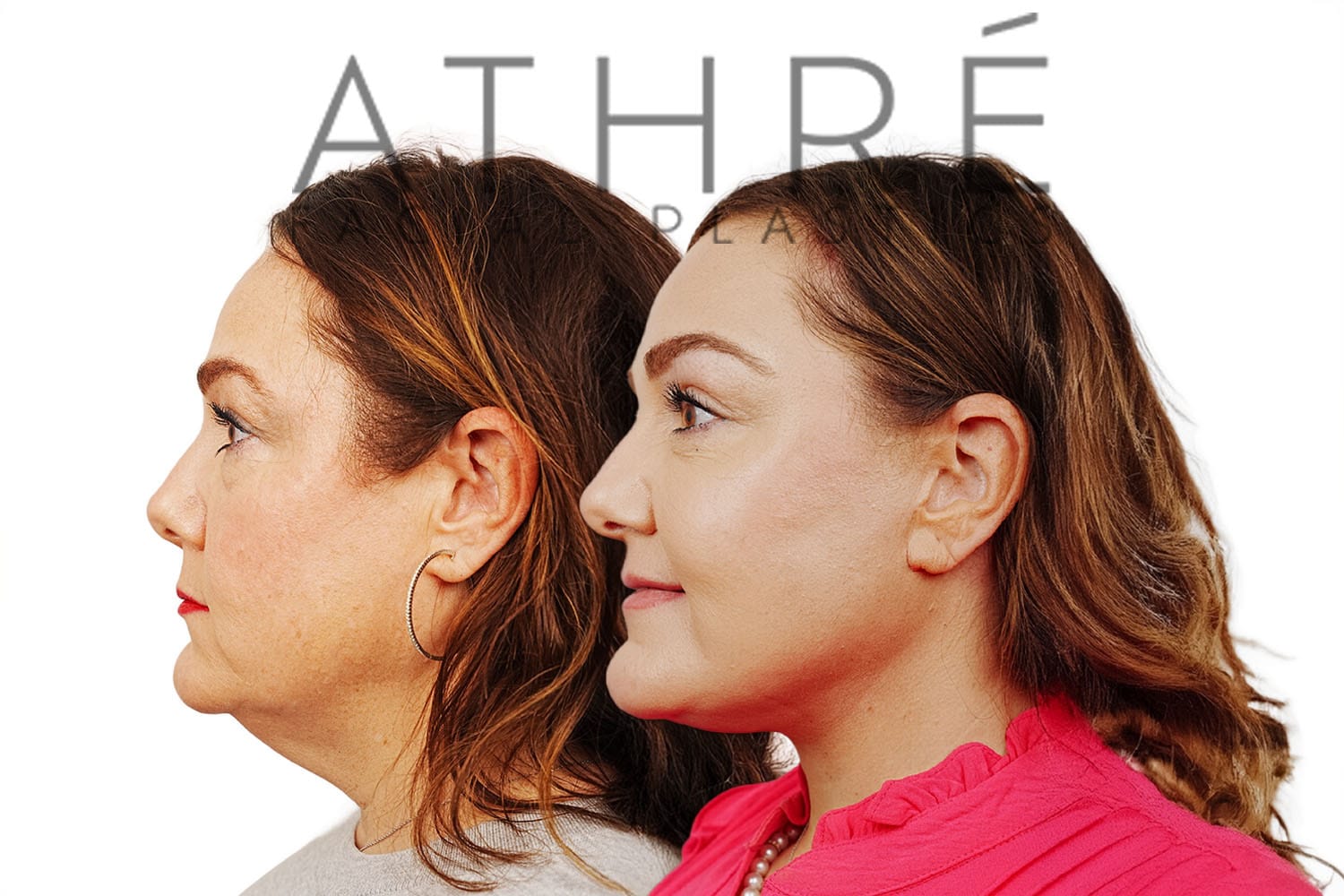
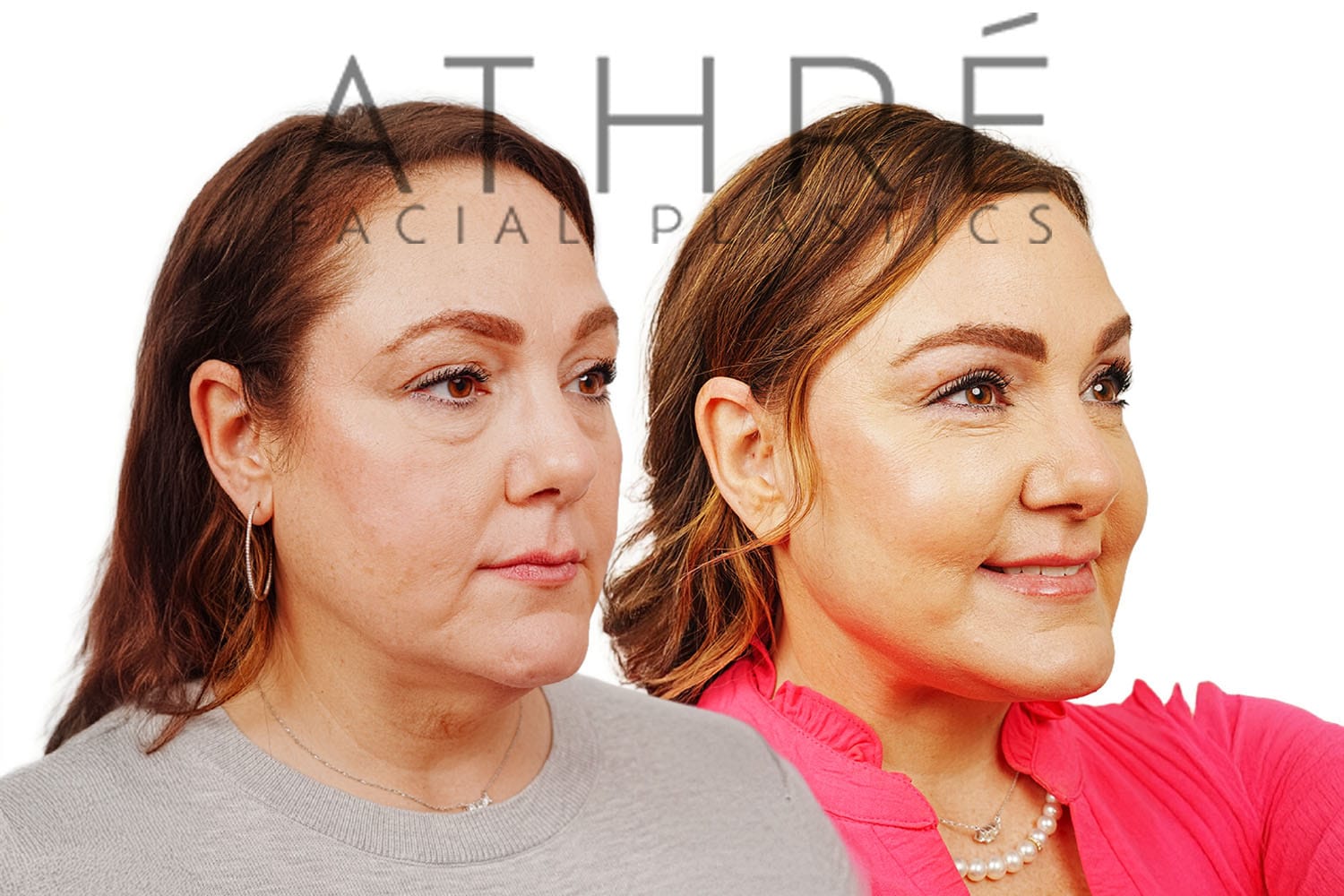
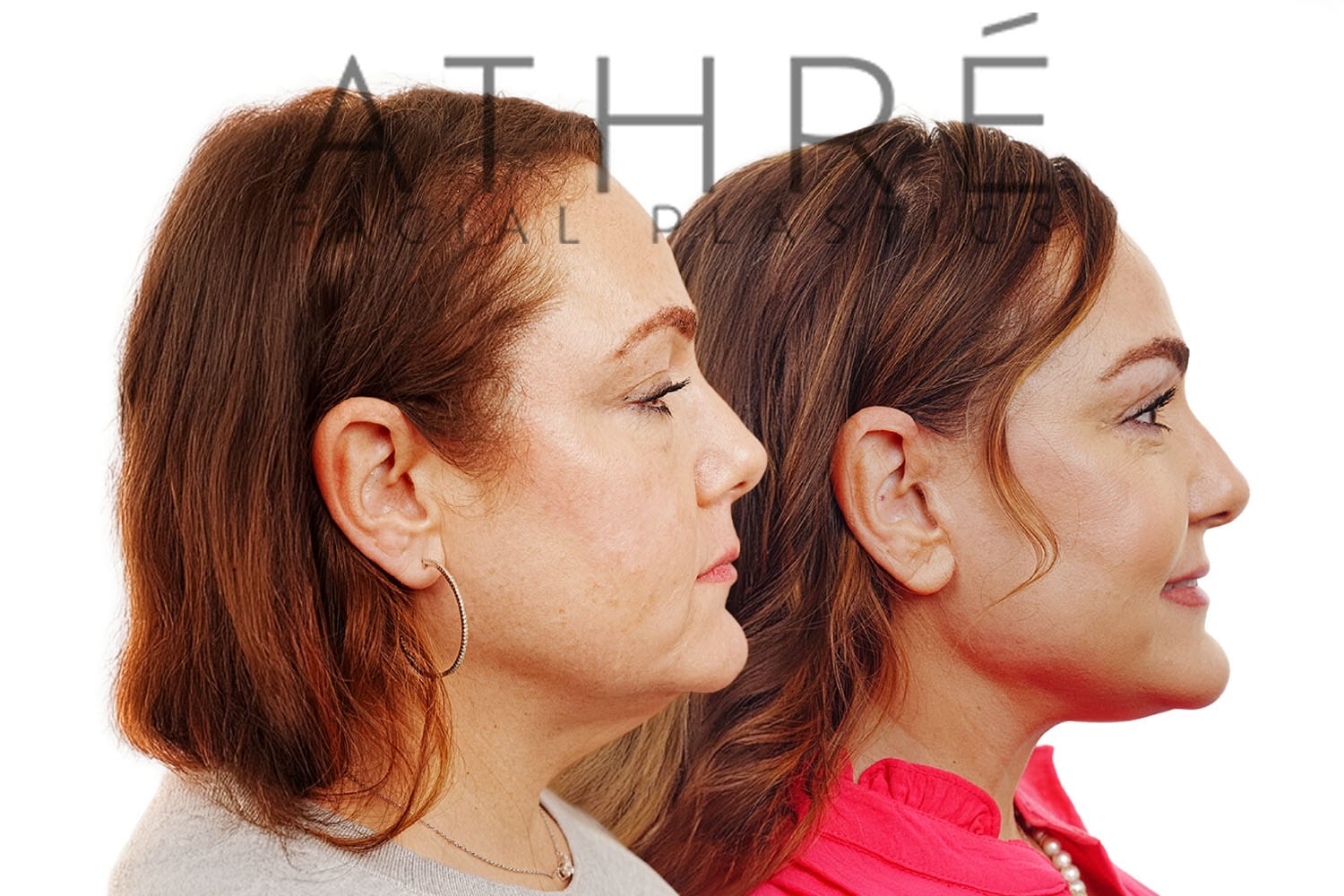
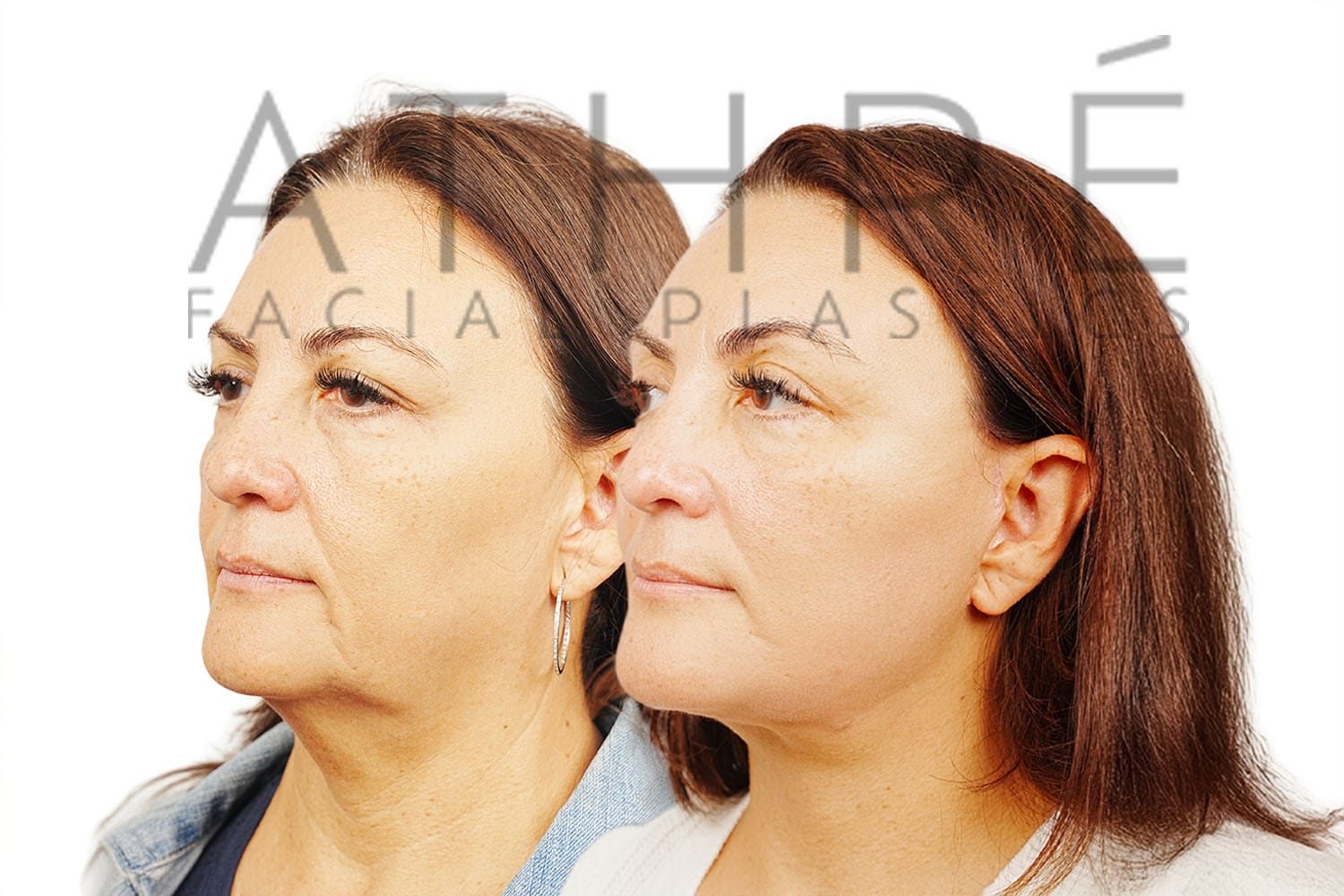
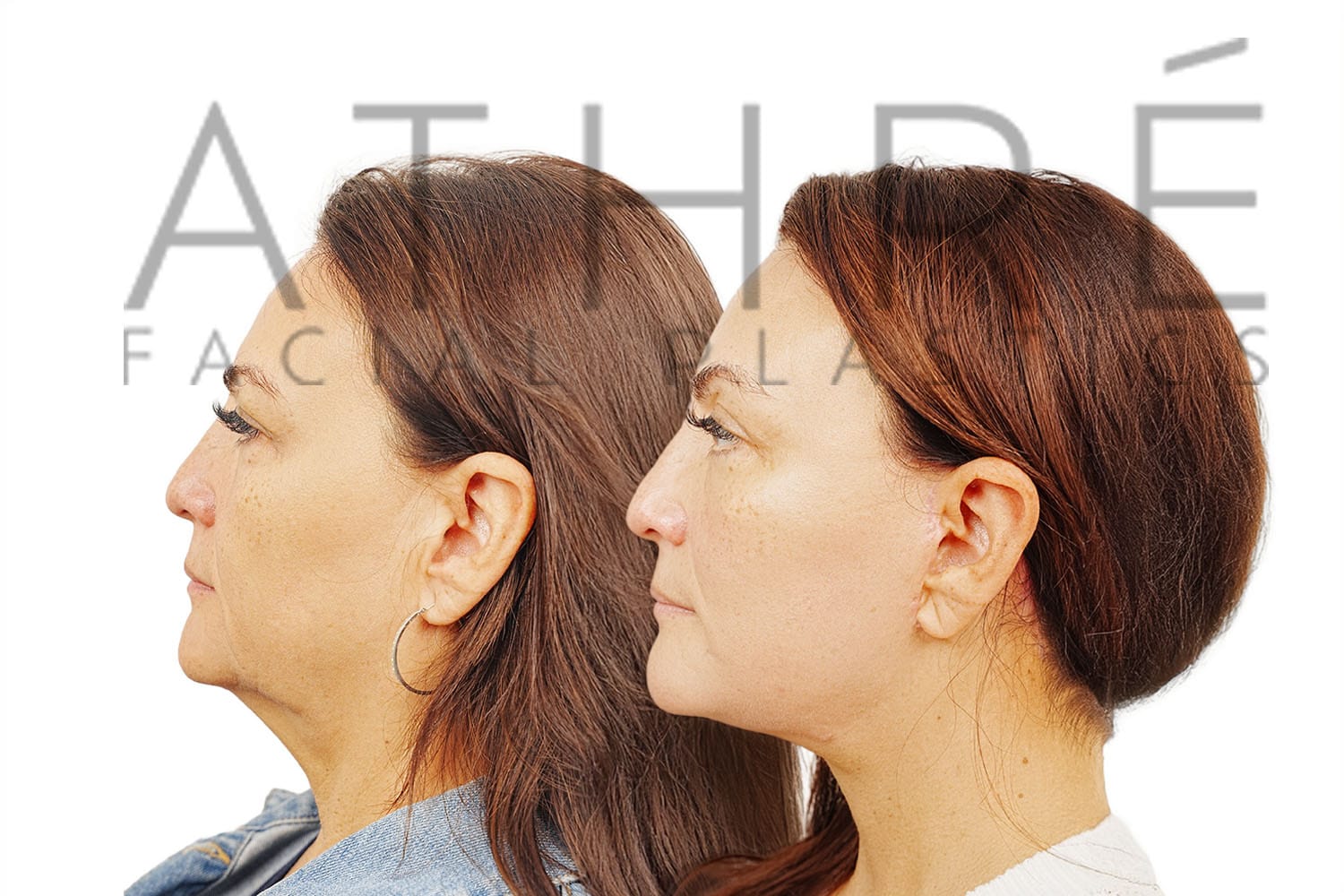
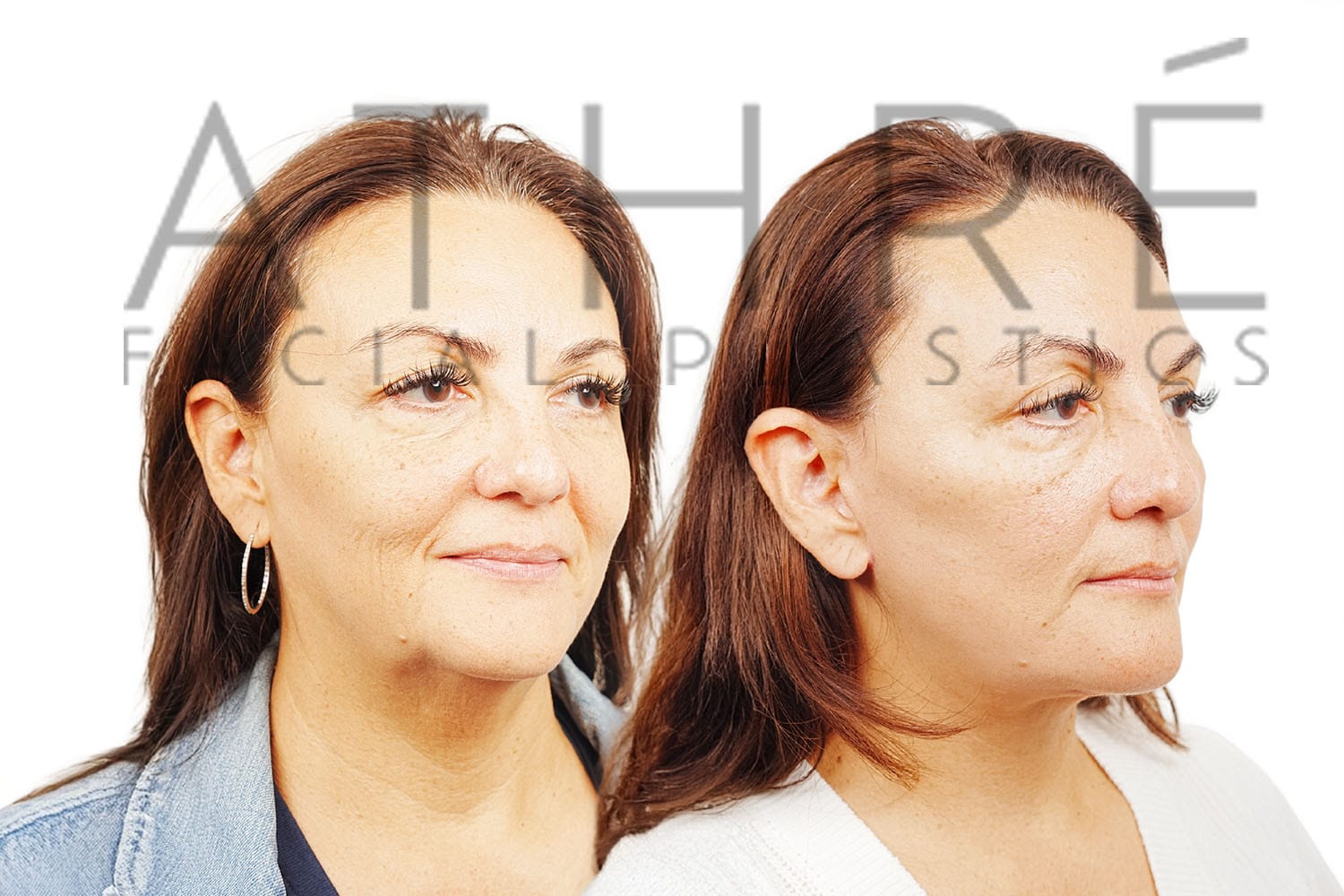
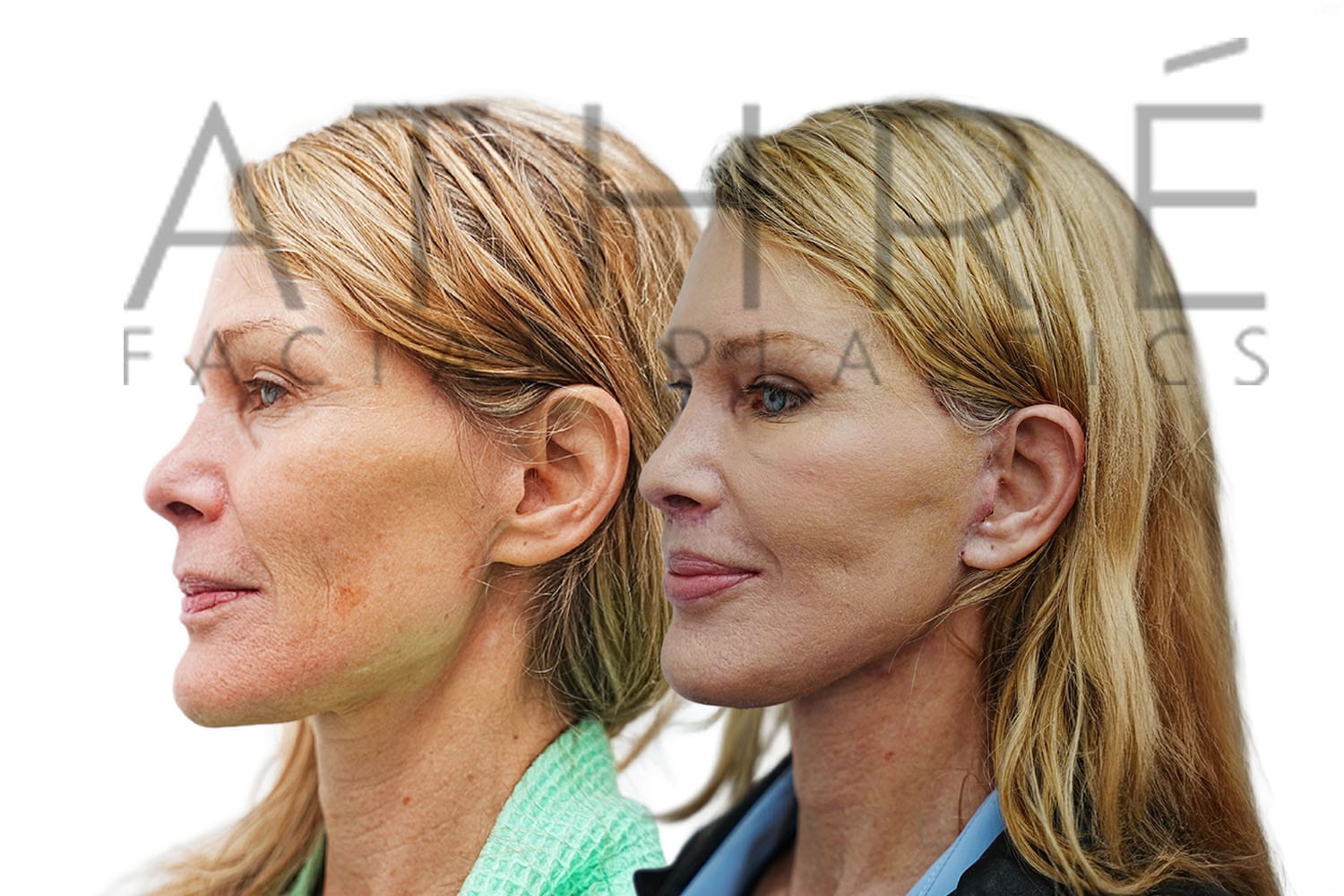
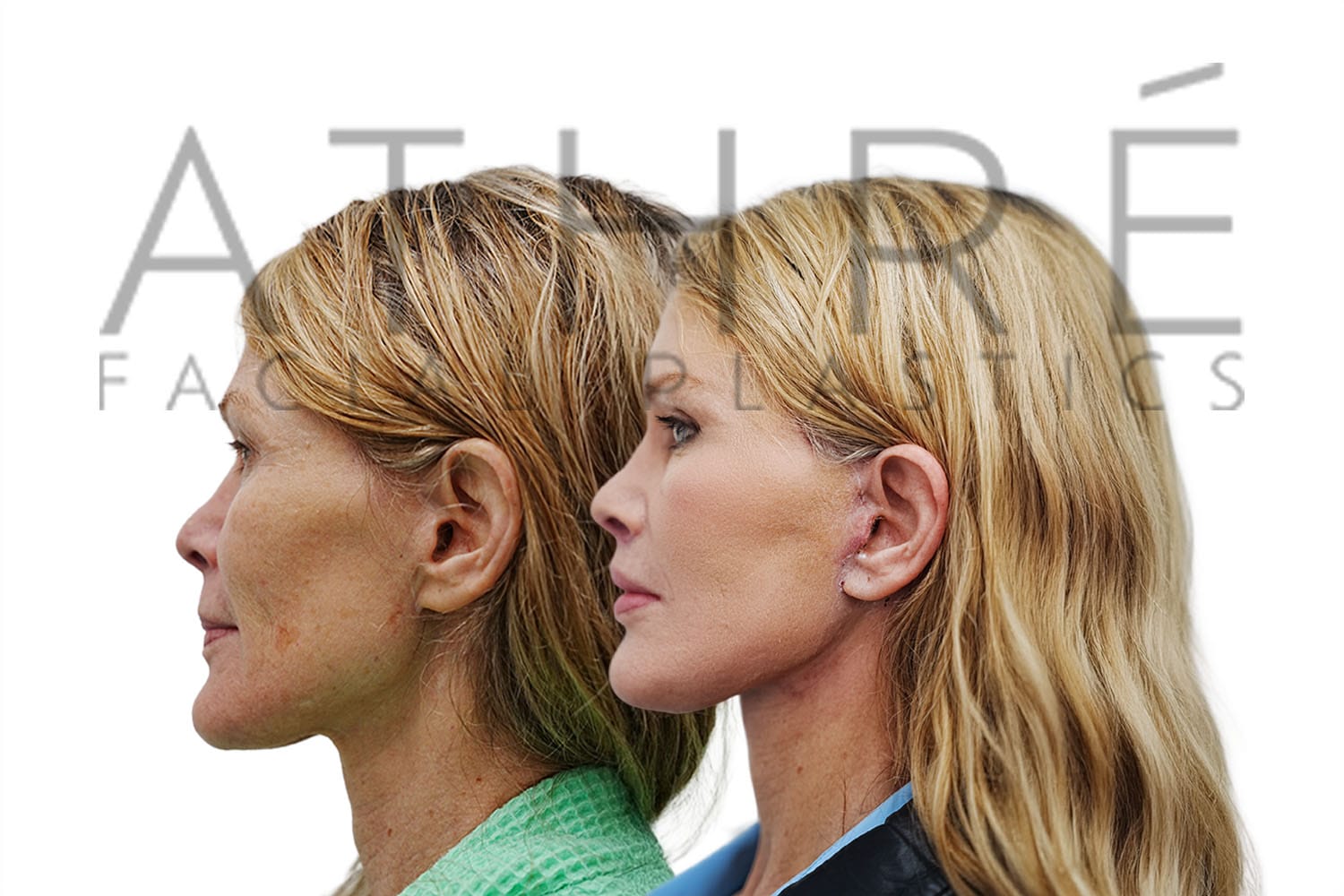
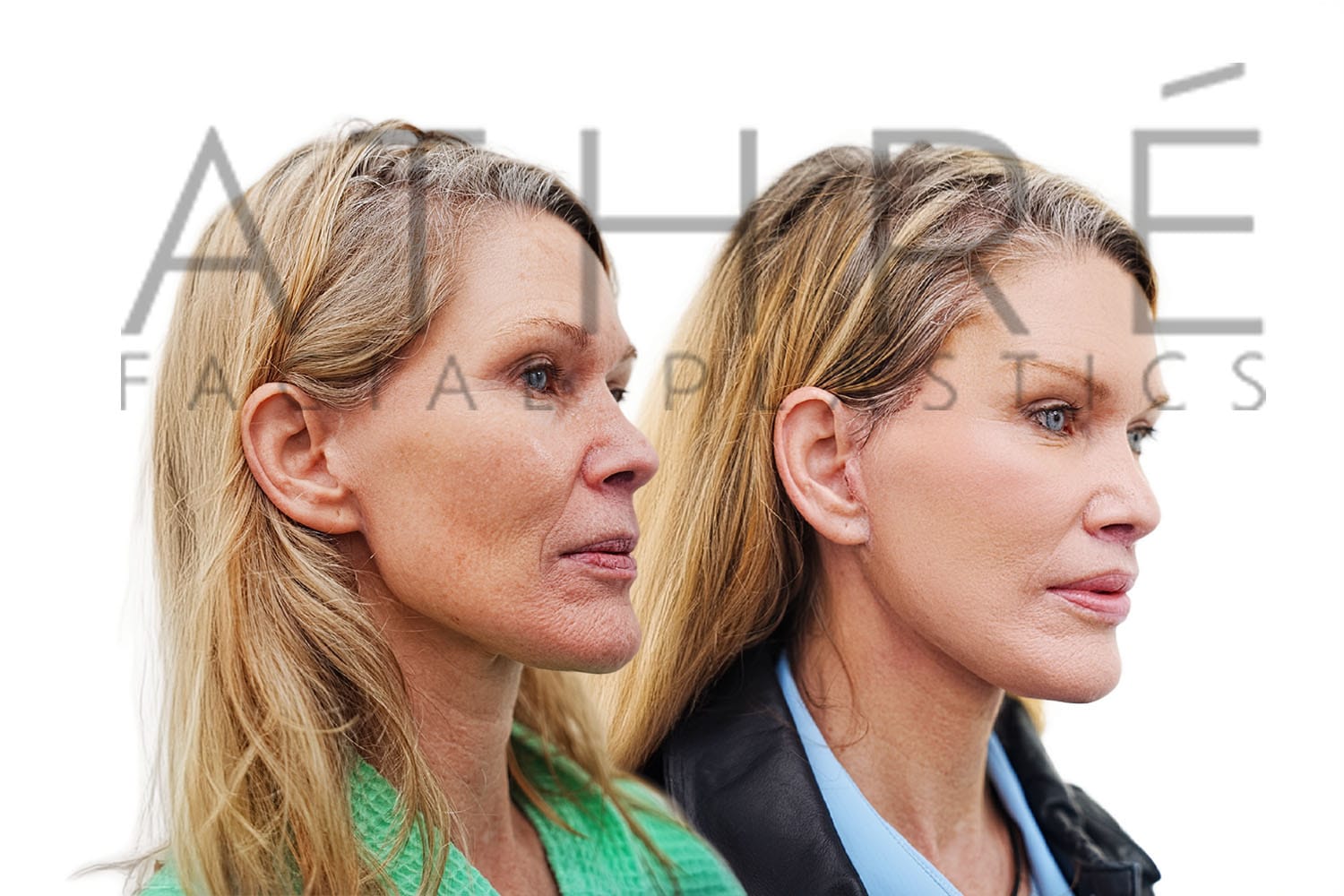
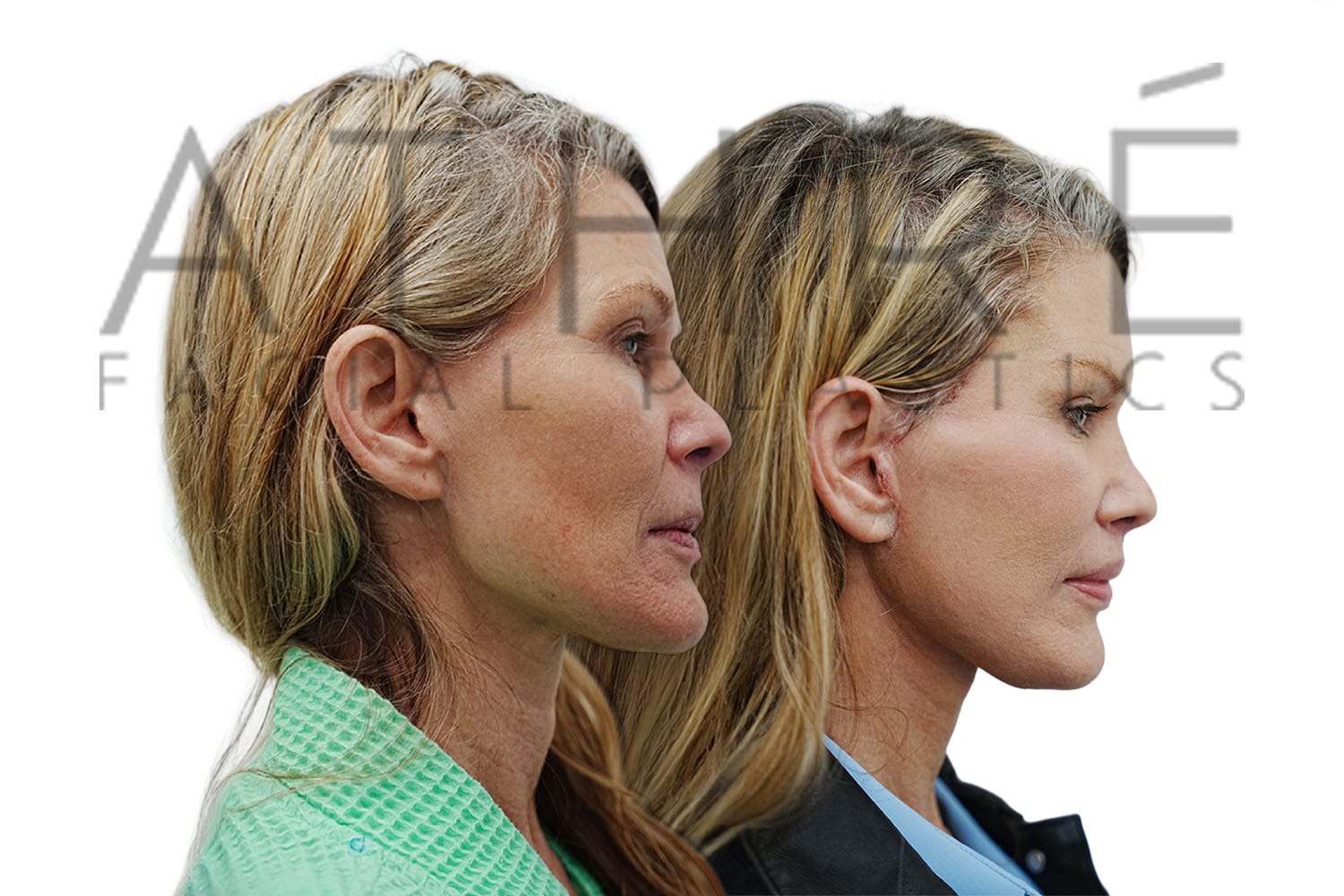
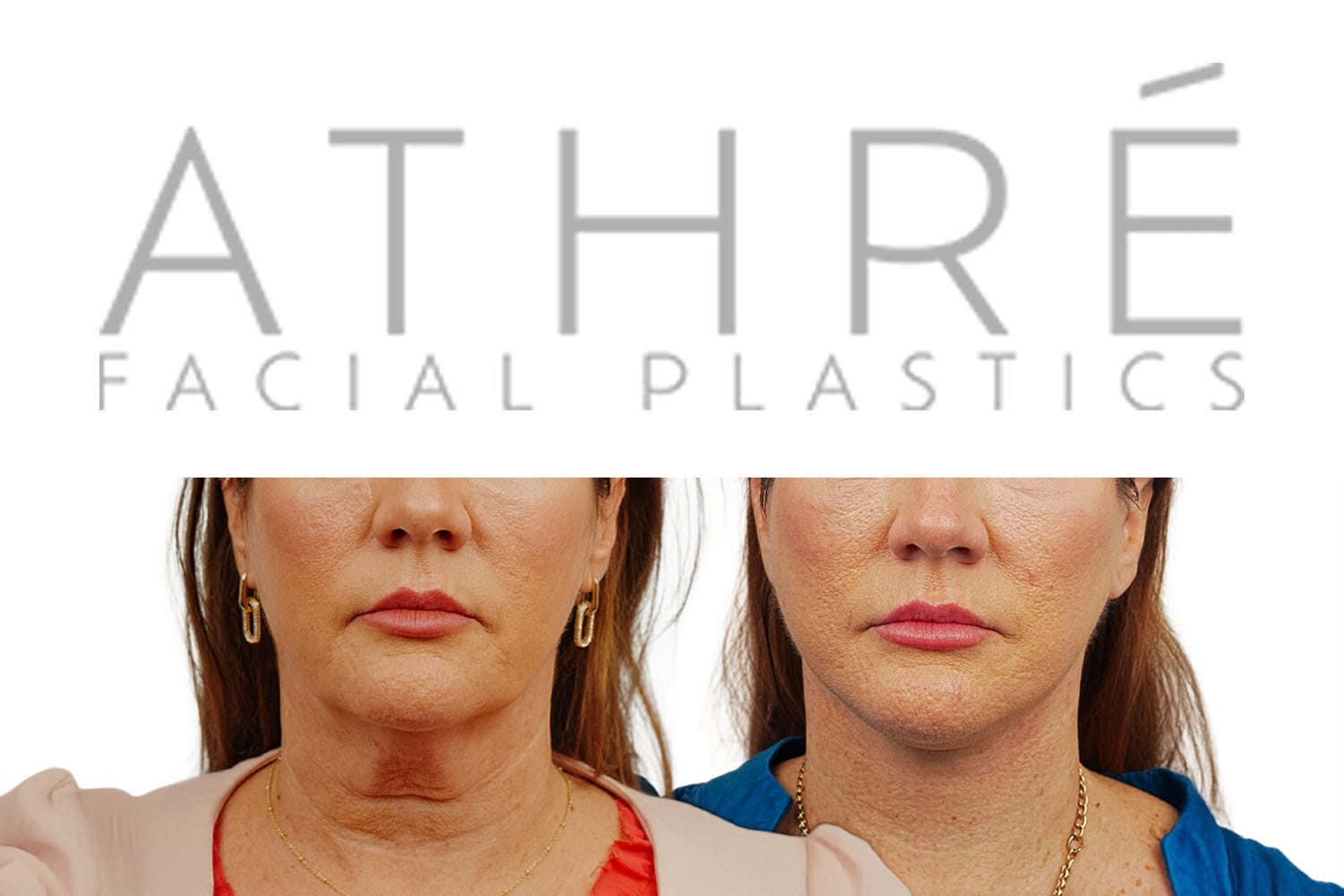
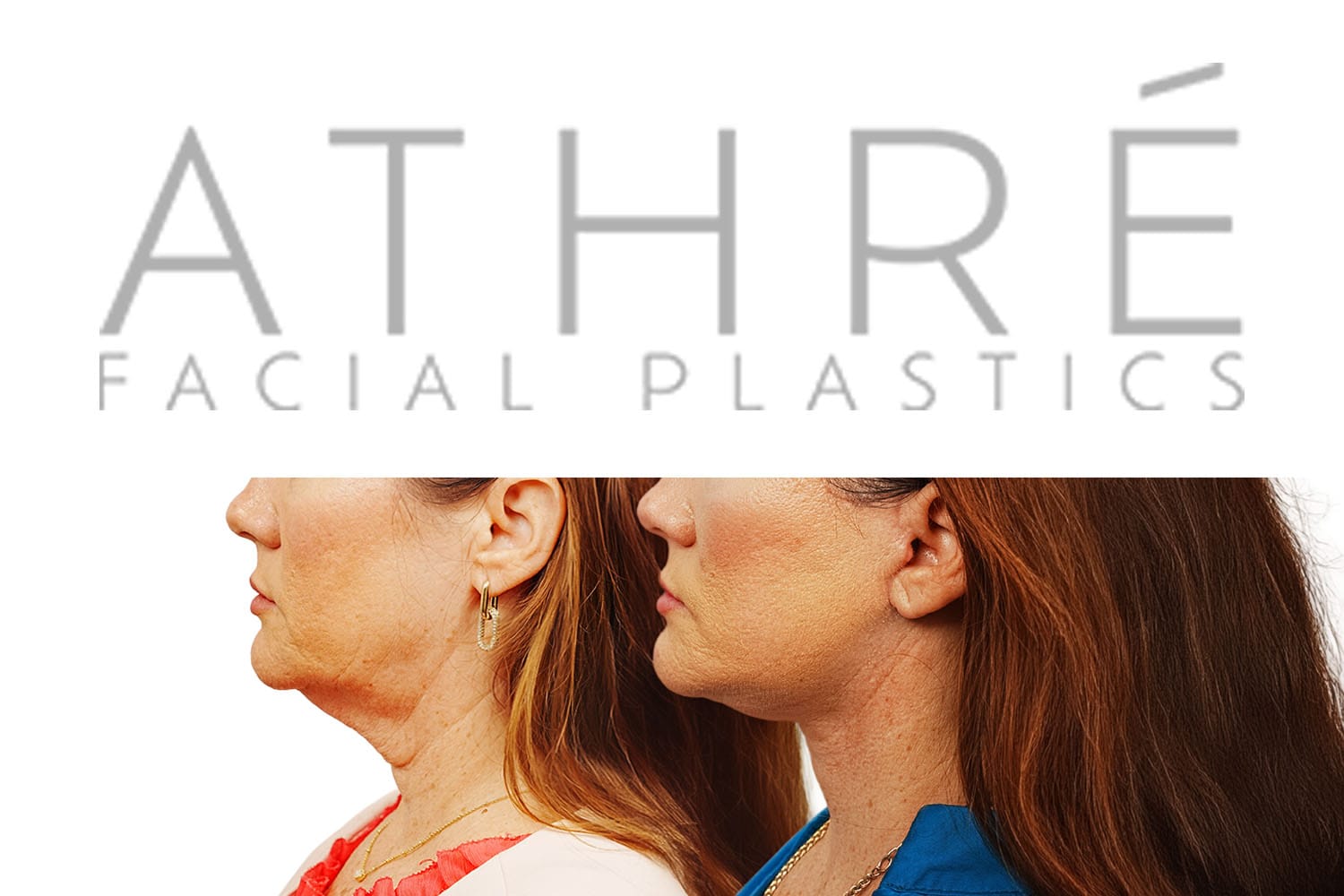
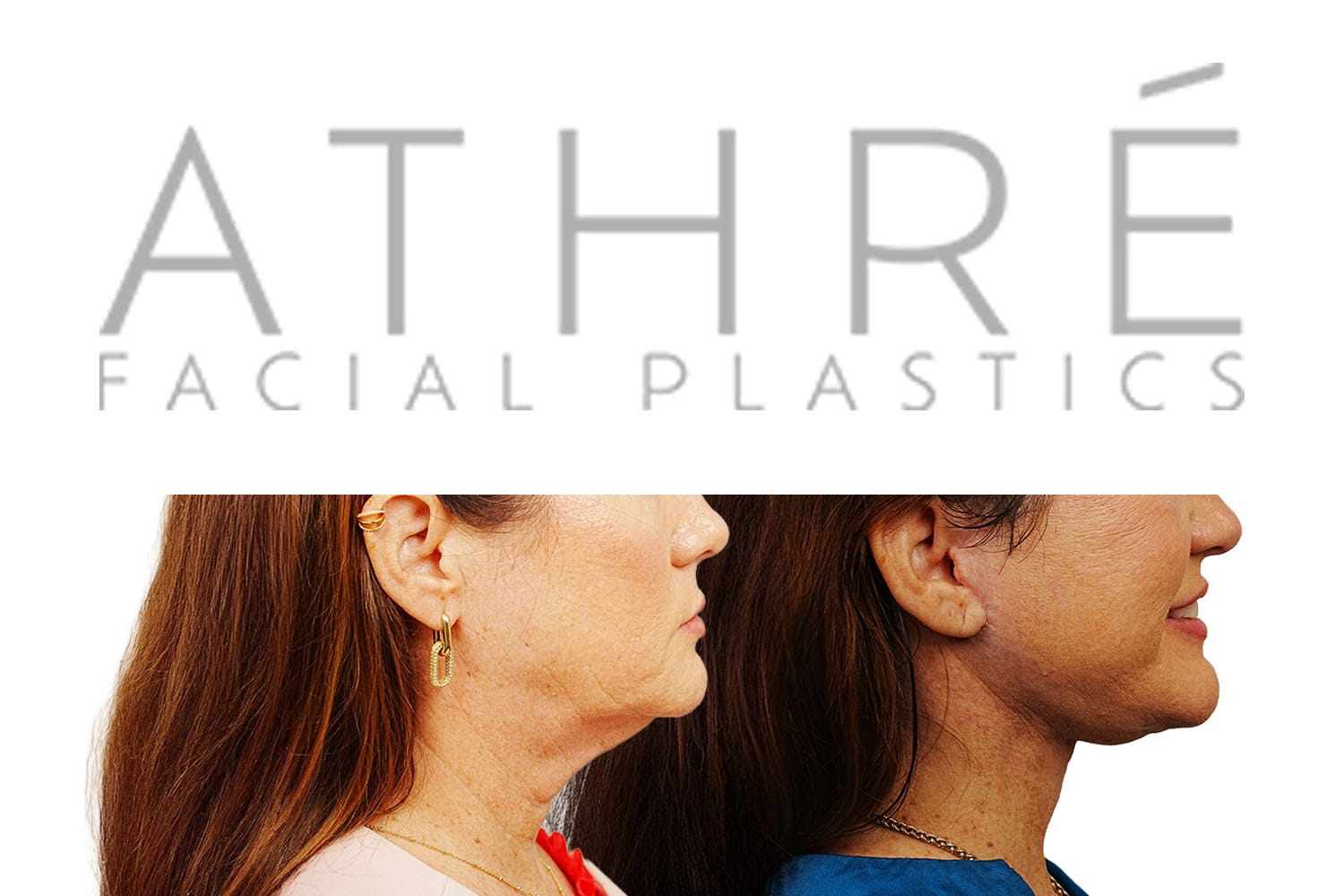
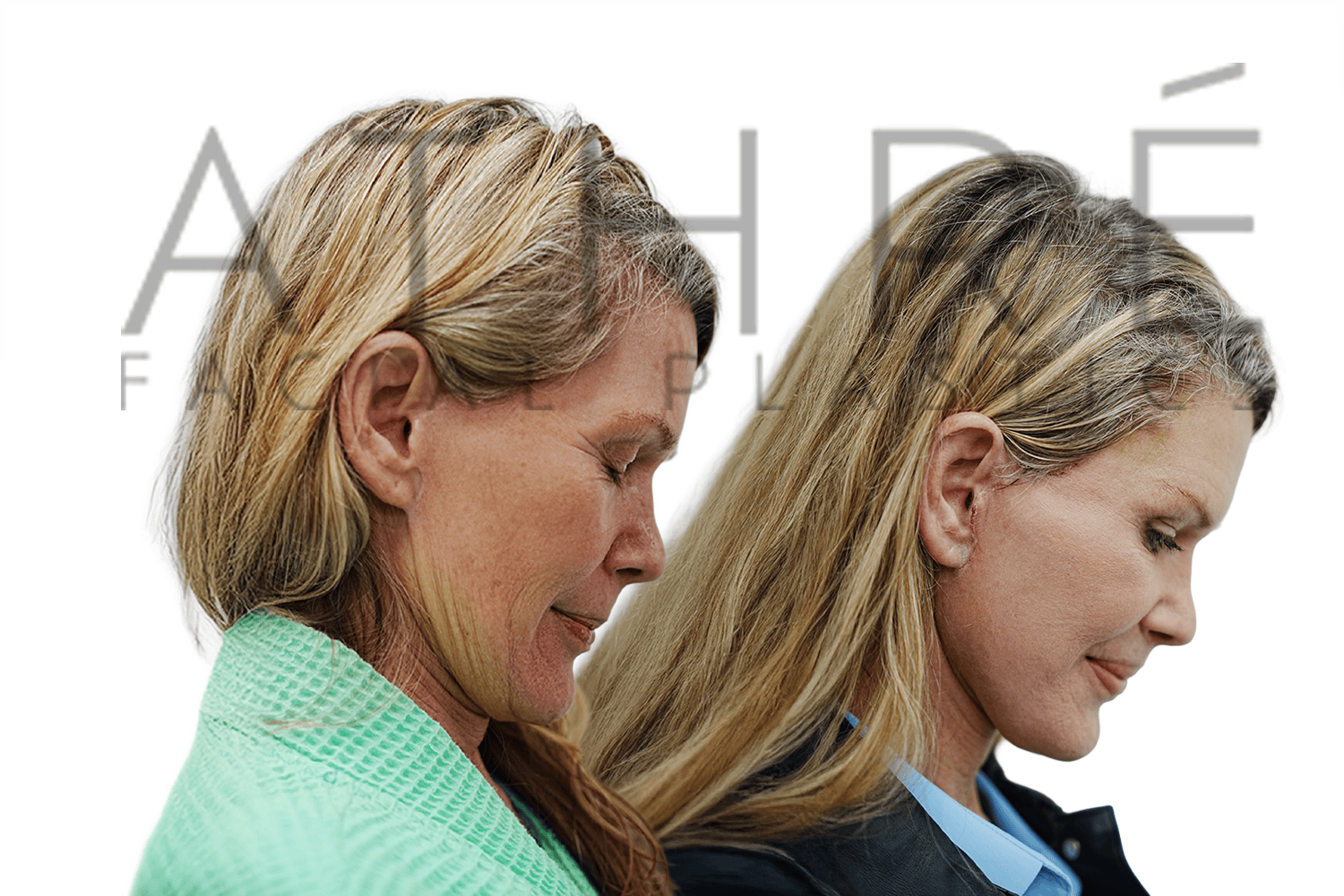
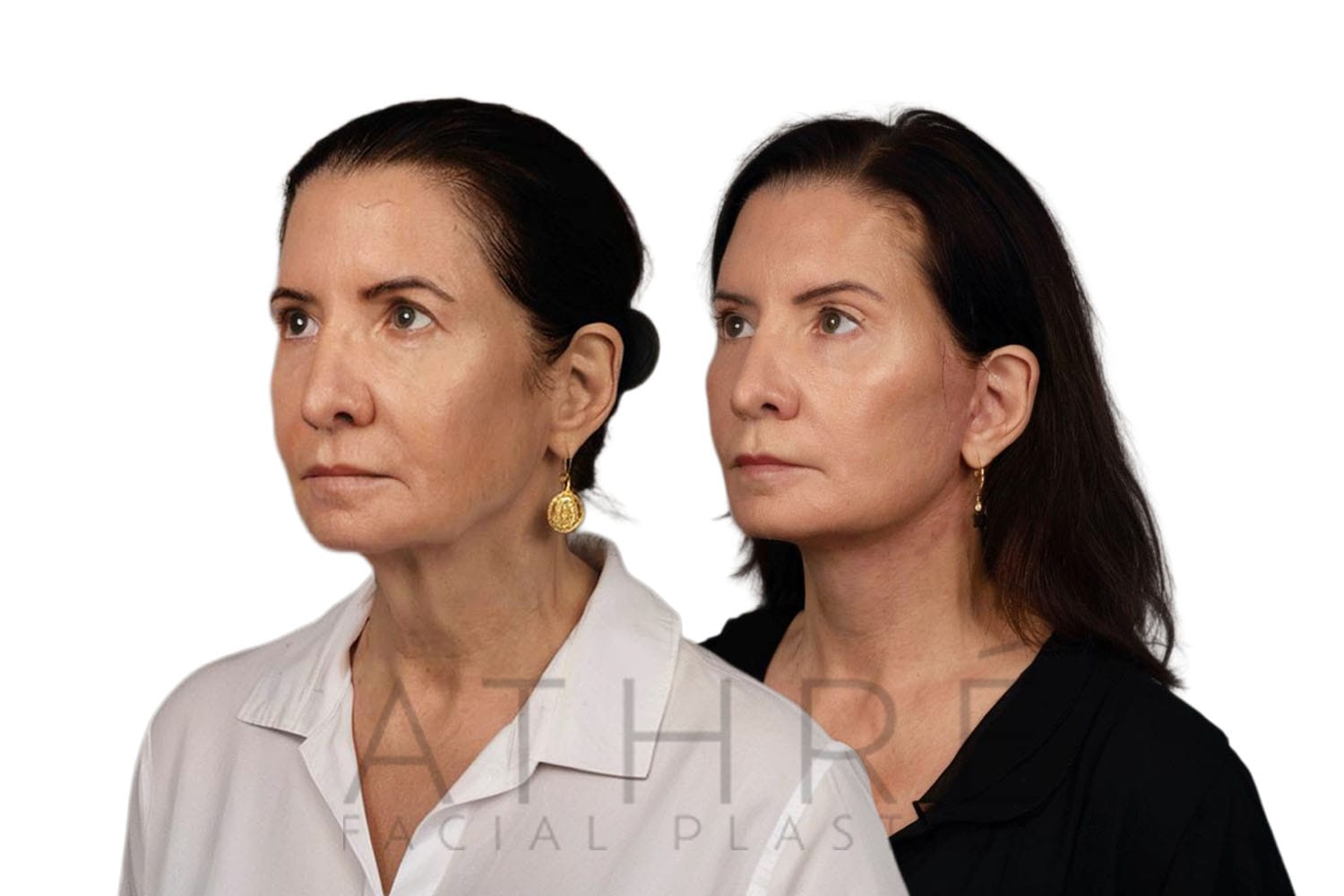
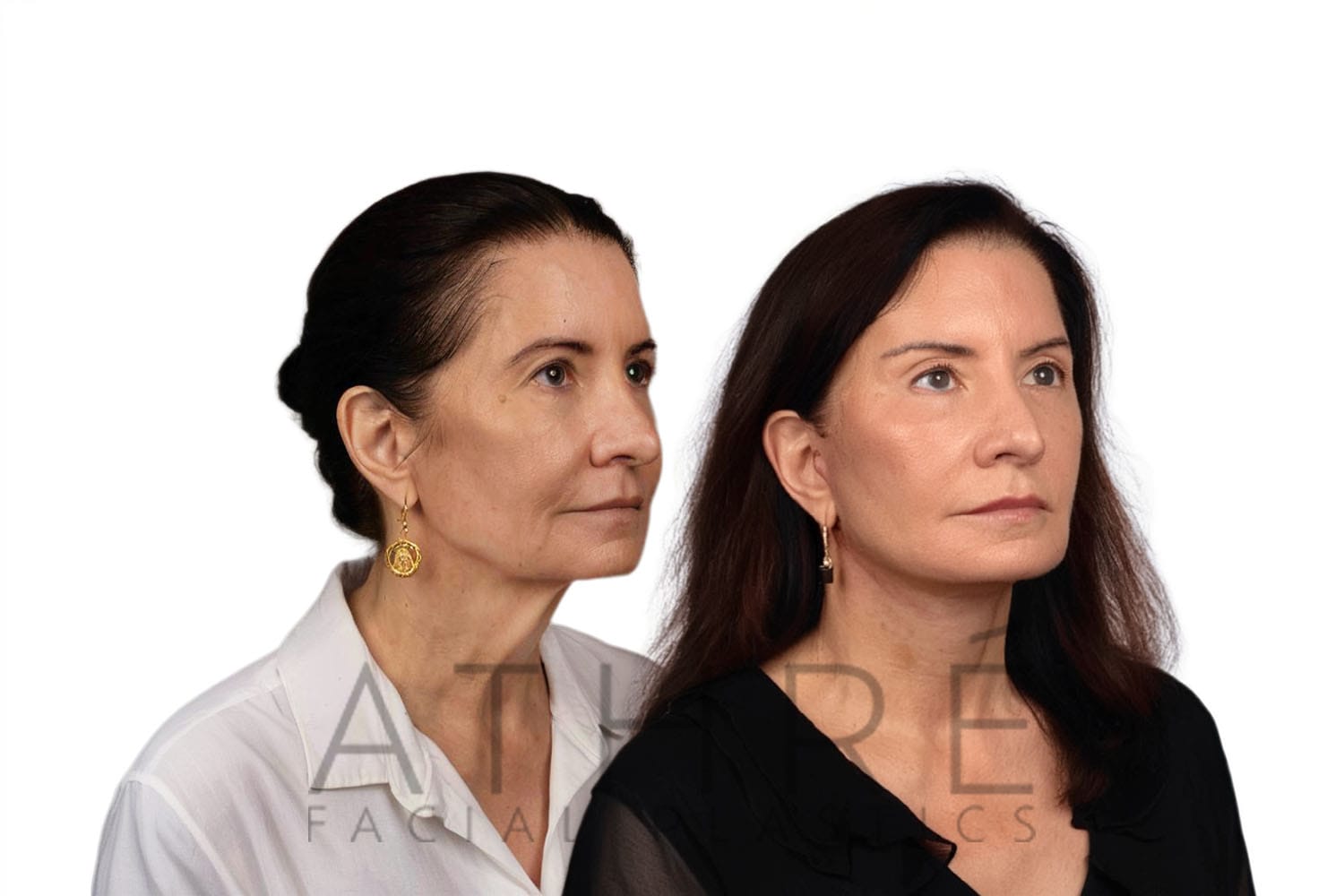
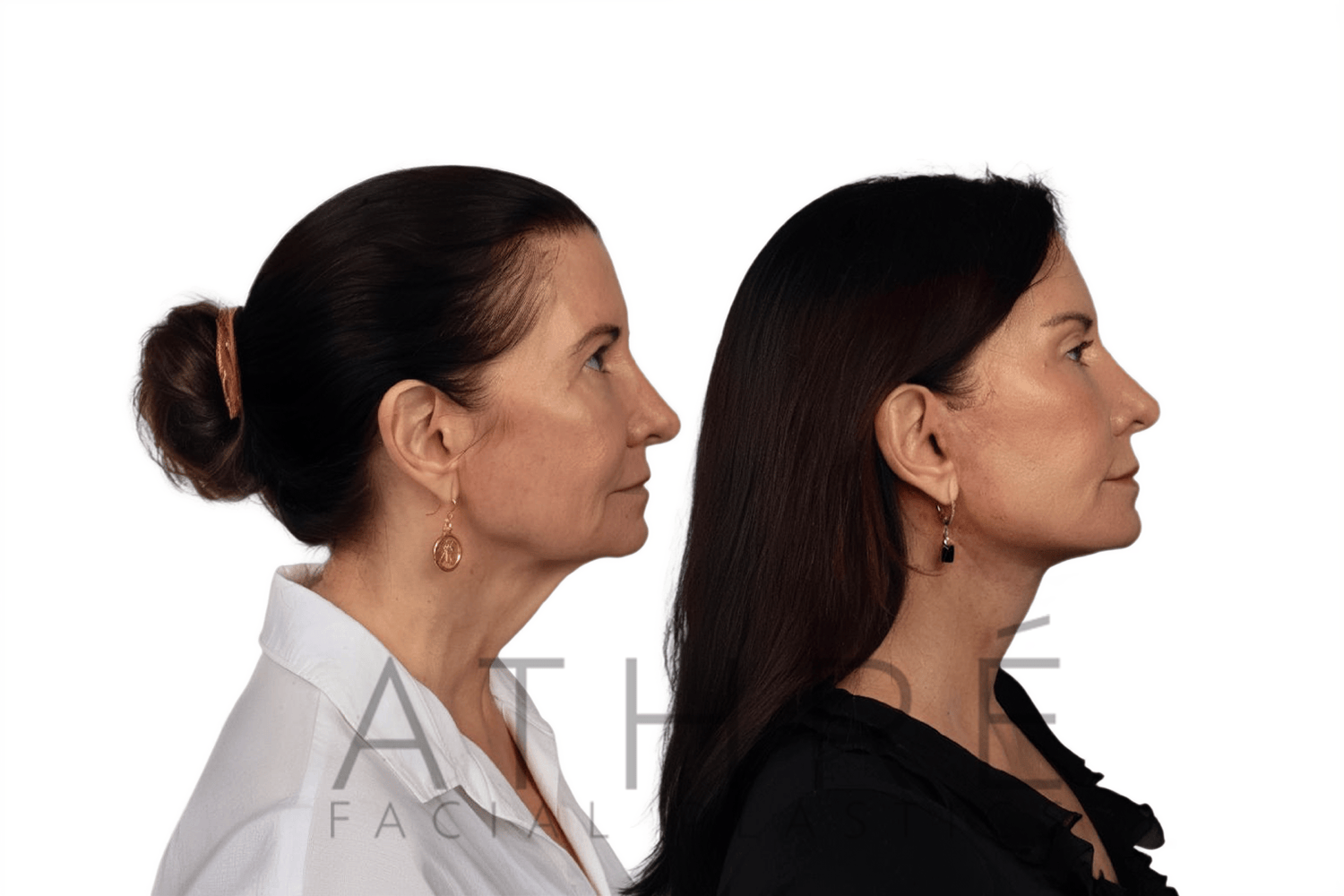
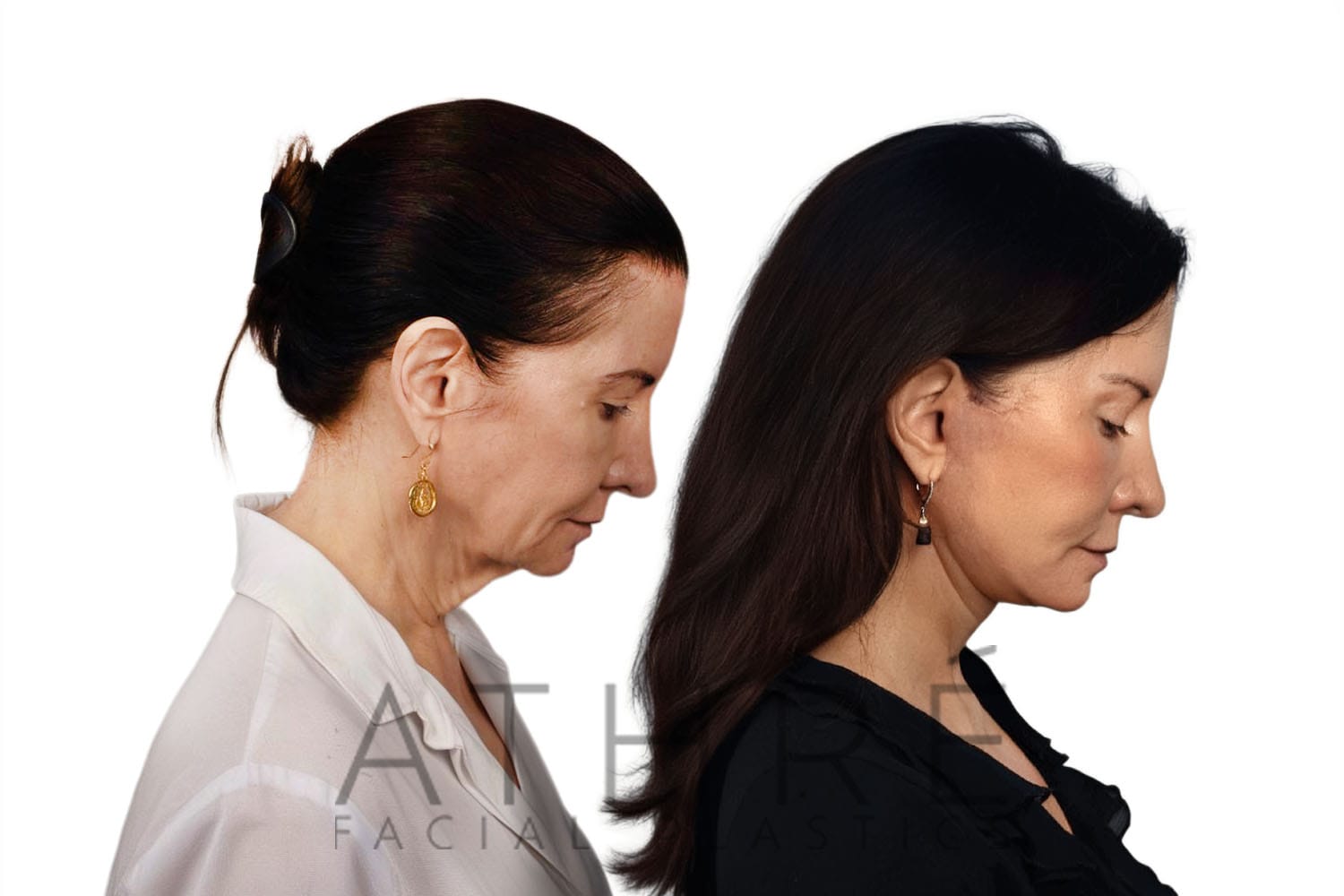
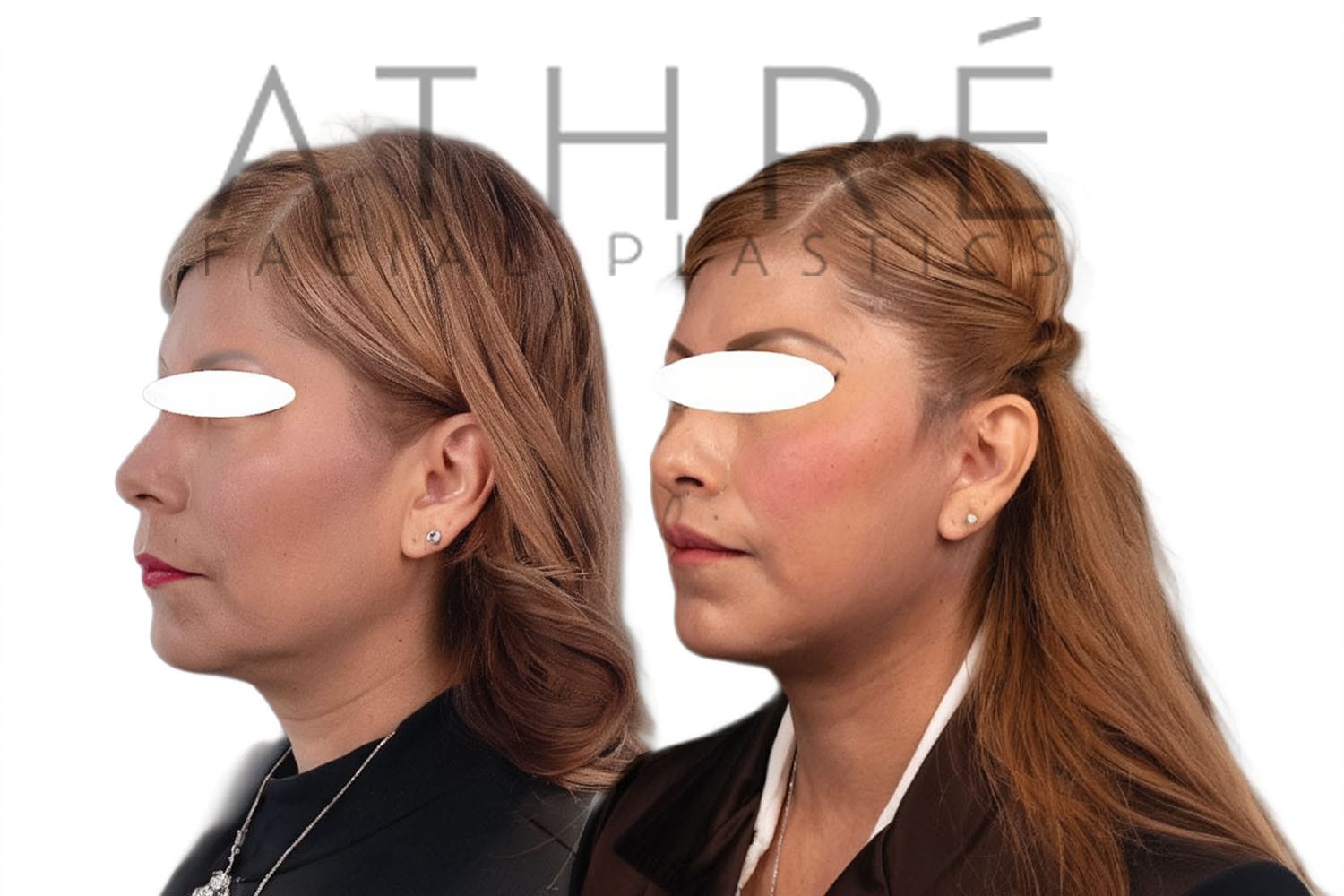
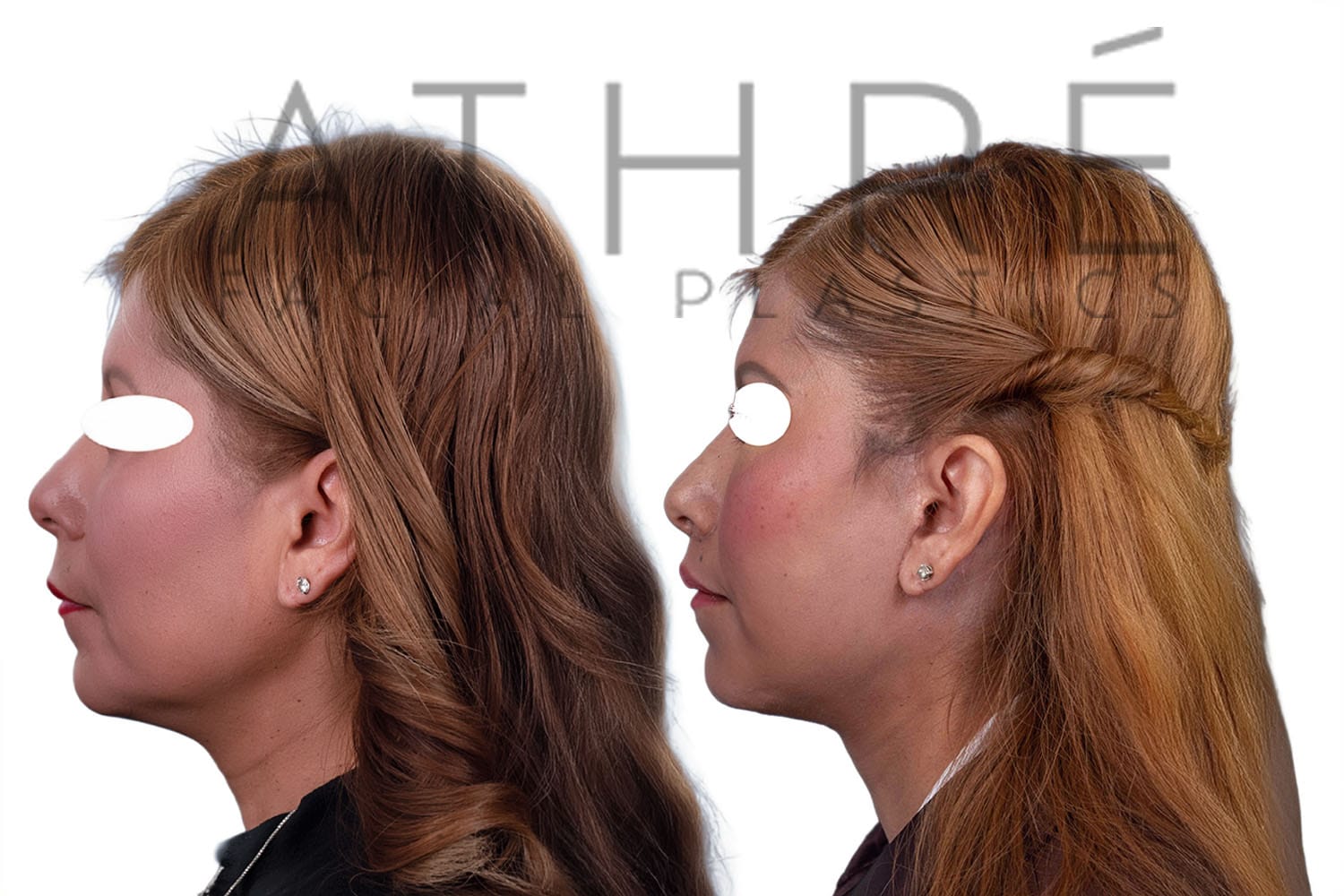
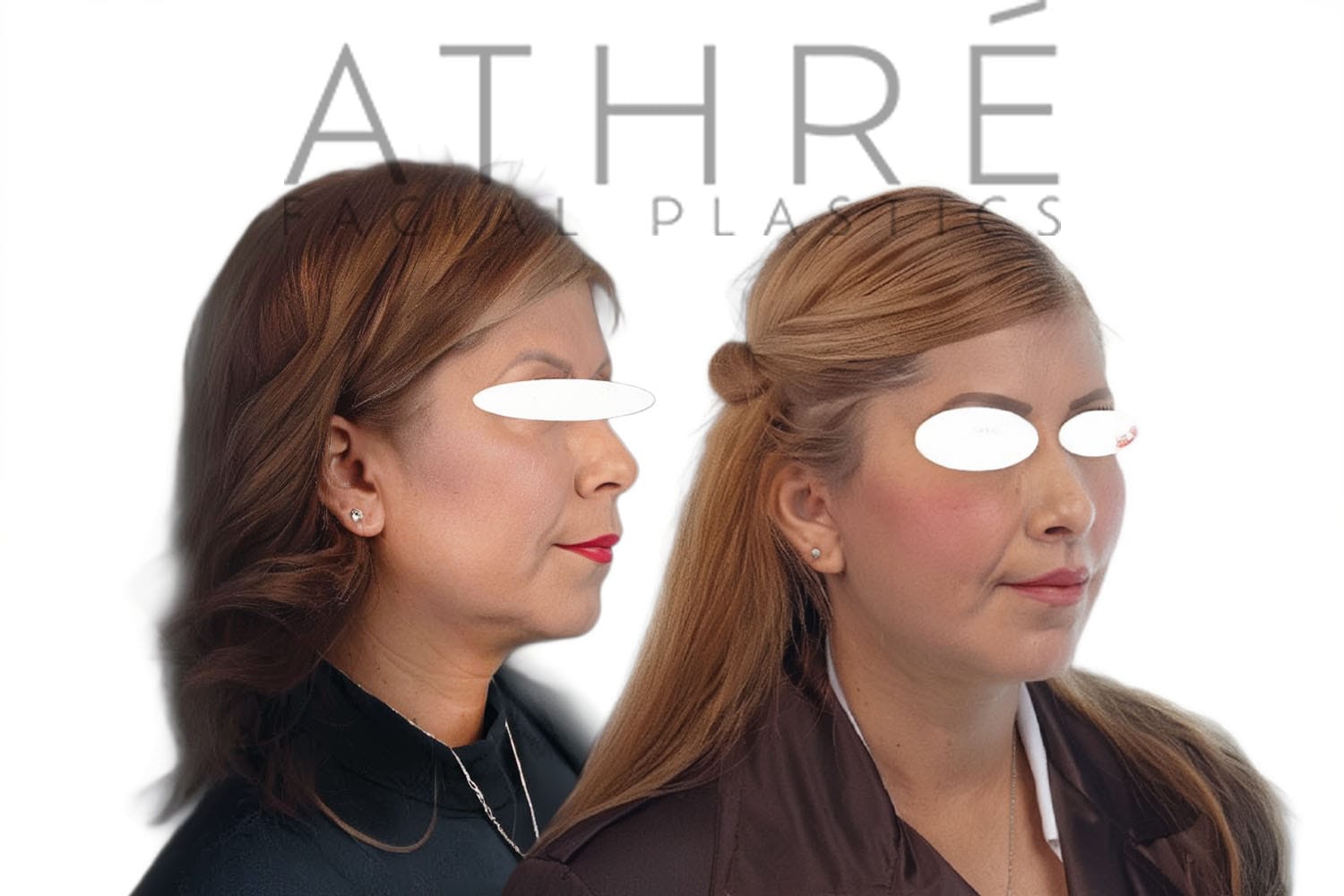
Look at the relationship between the face and neck. Look at the jawline and what has happened to its definition. Pay attention to the cheeks and whether they appear naturally restored or simply pulled. From the profile, look at how the jaw transitions into the neck and whether the result makes sense with the person's overall facial structure.
Then step back and look at the person as a whole.
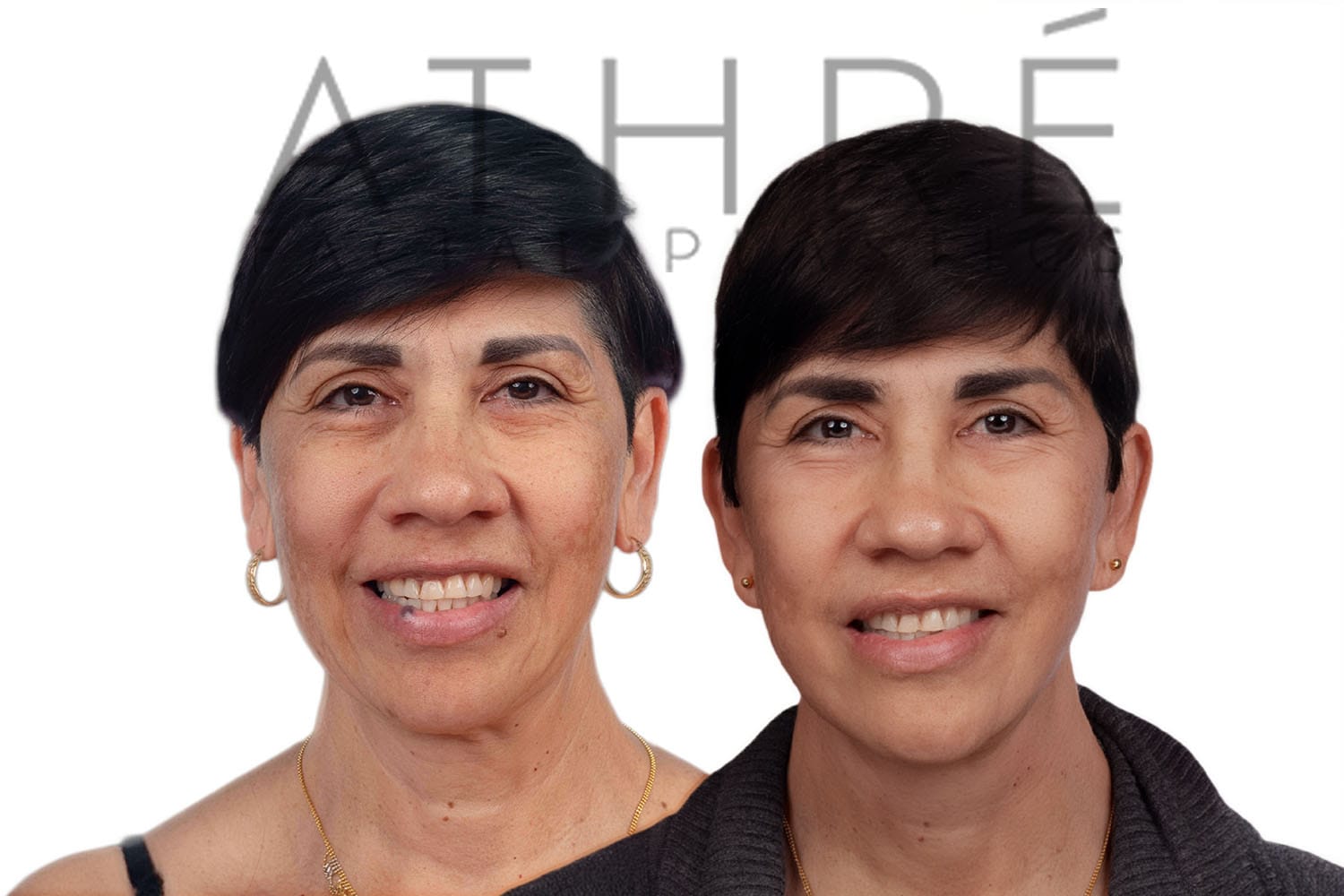
A dramatic change isn't necessarily a better result. In fact, some of the things I look for most closely are the things you shouldn't notice at all. The face shouldn't look excessively tight or operated on. The cheeks shouldn't appear unnaturally flattened, and the corners of the mouth shouldn't look as though they've been pulled in the same direction as the skin. I discuss this in more detail in my perspective on deep plane facelift surgery, including a patient's natural-looking result one year after her operation.
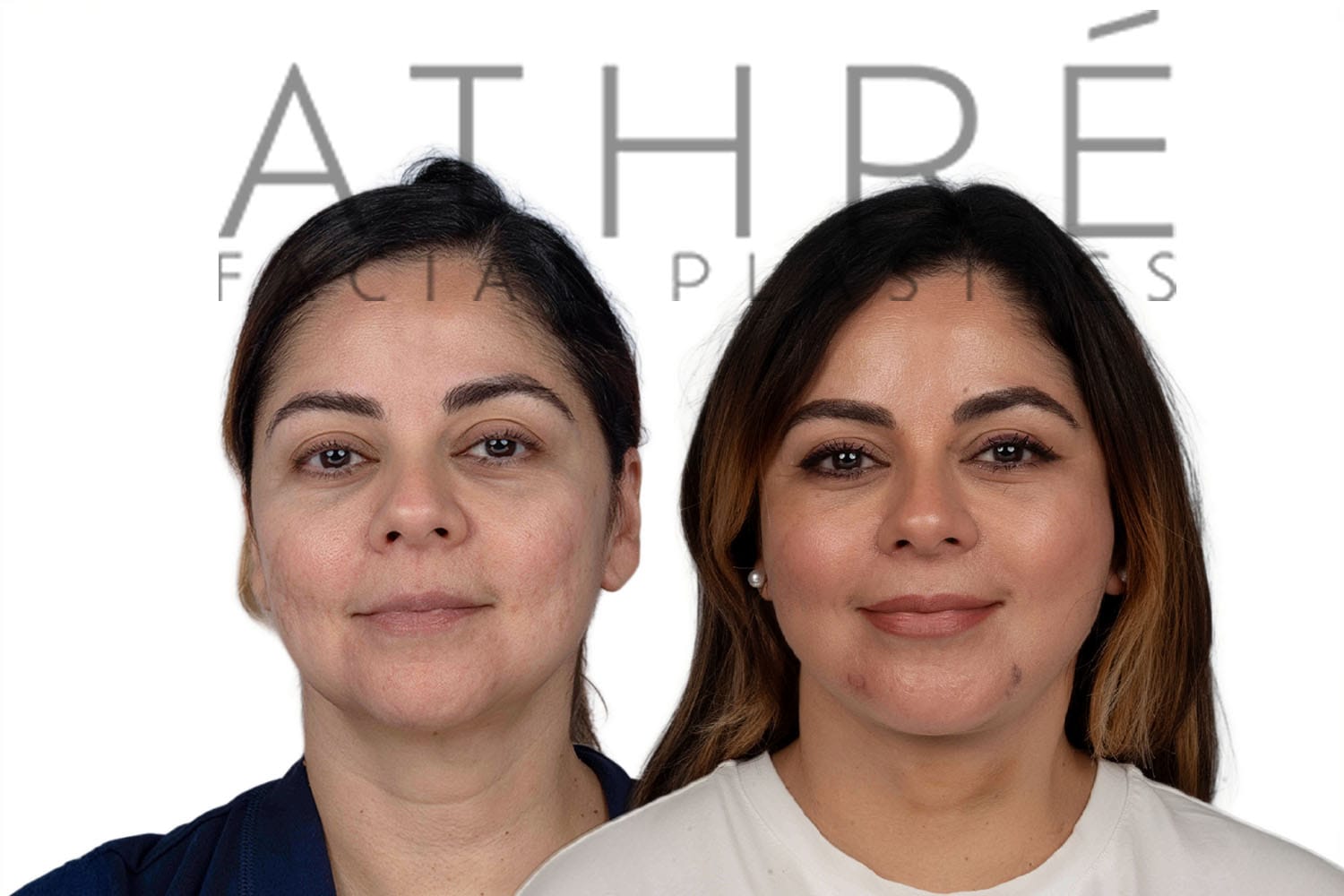
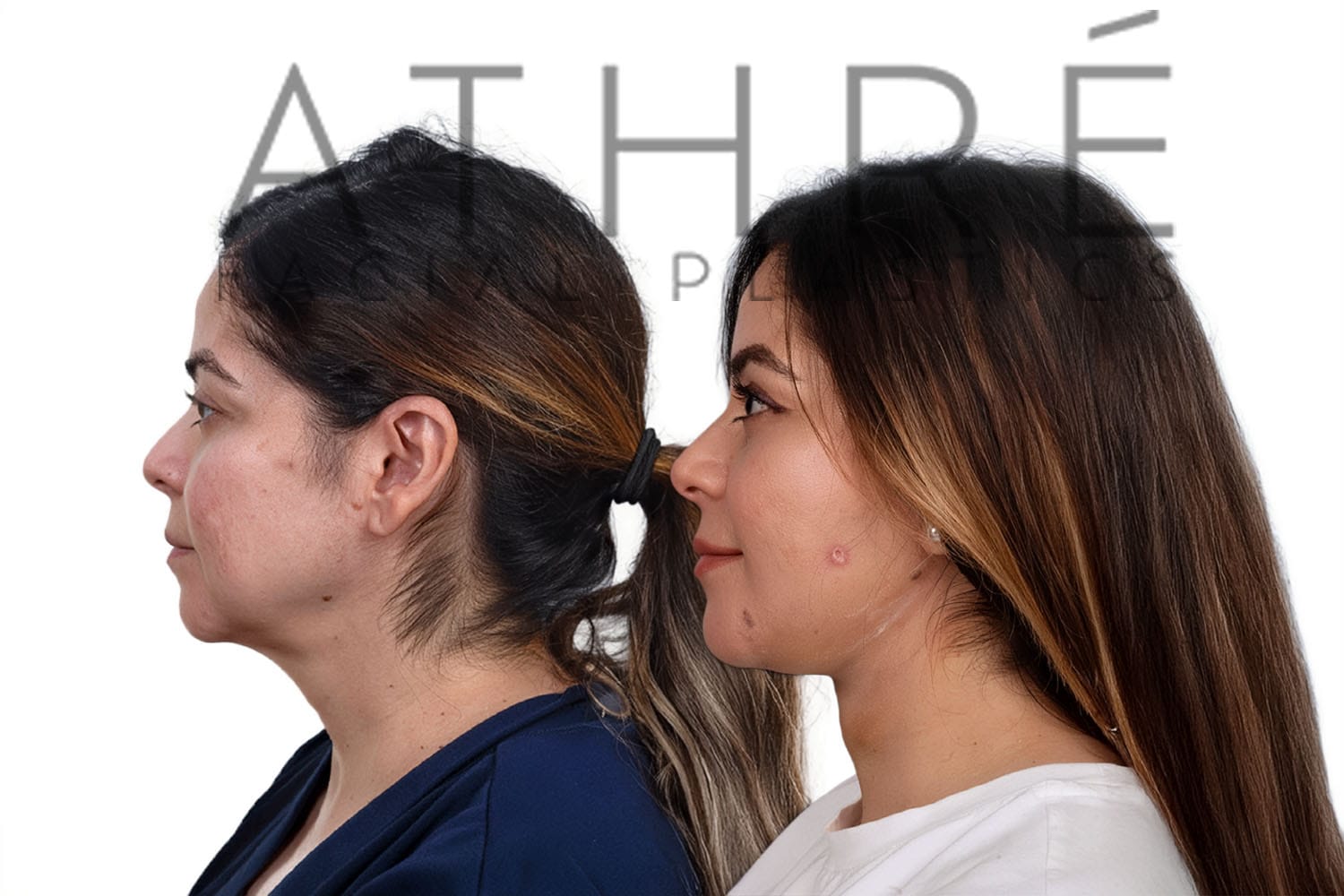
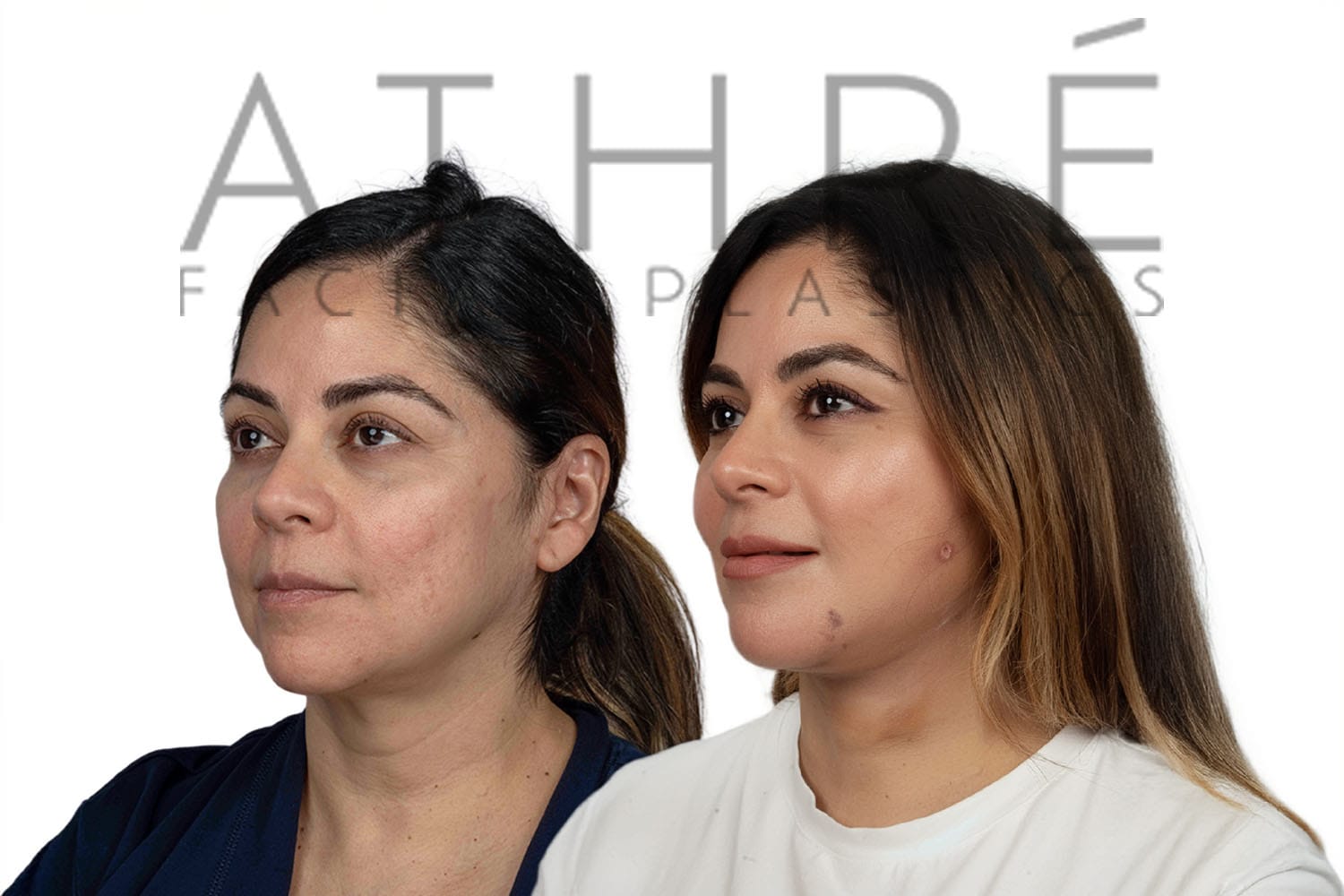
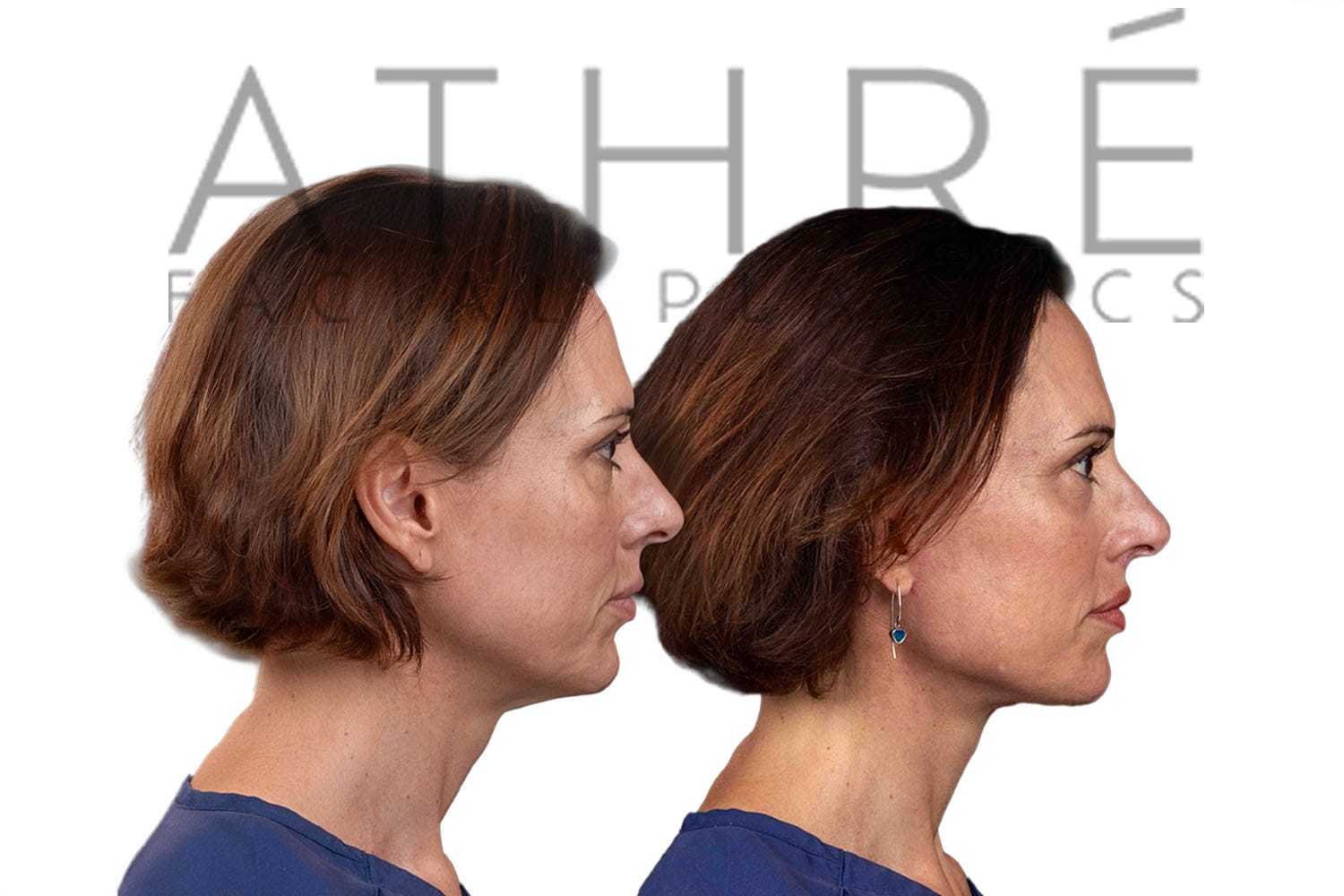
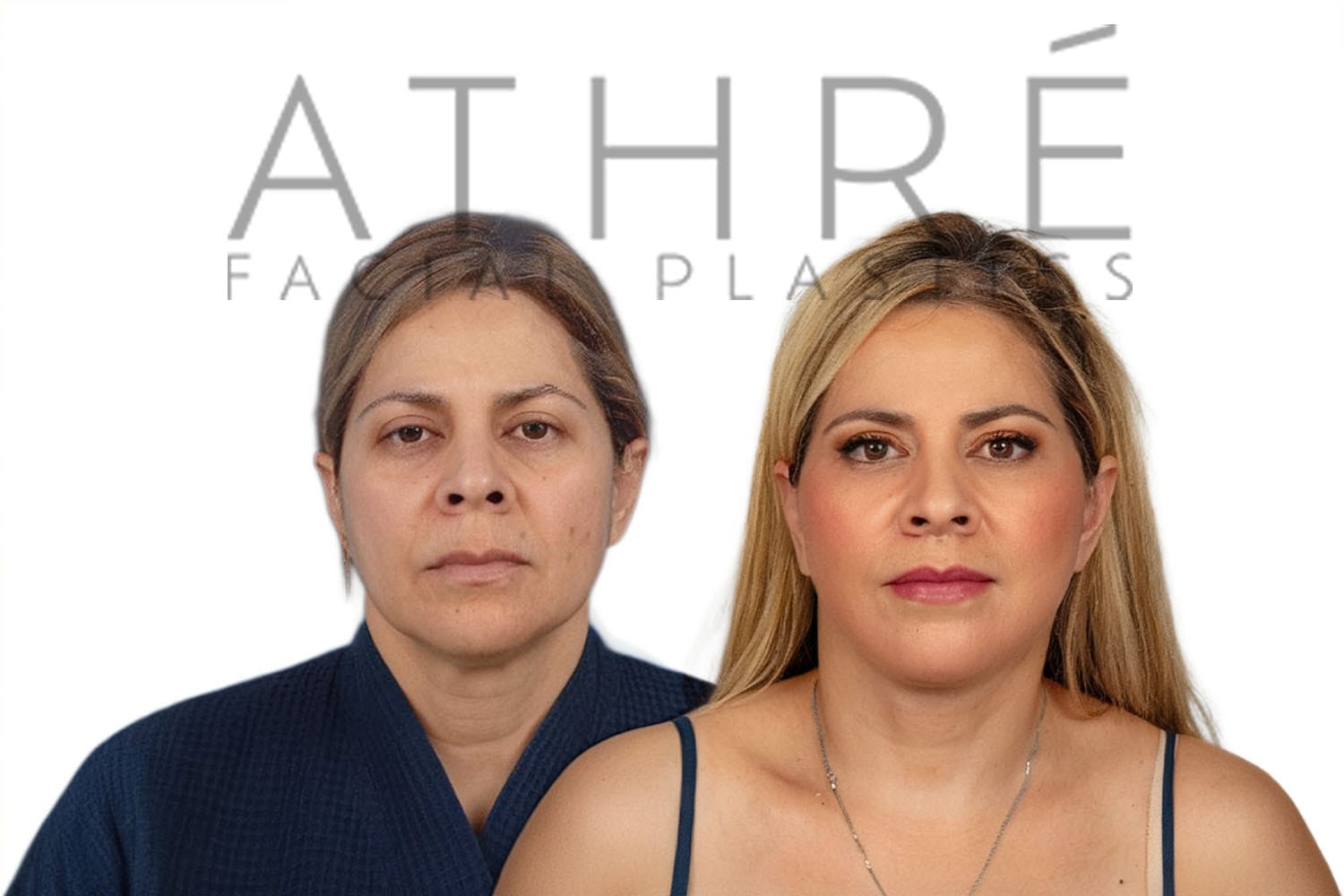
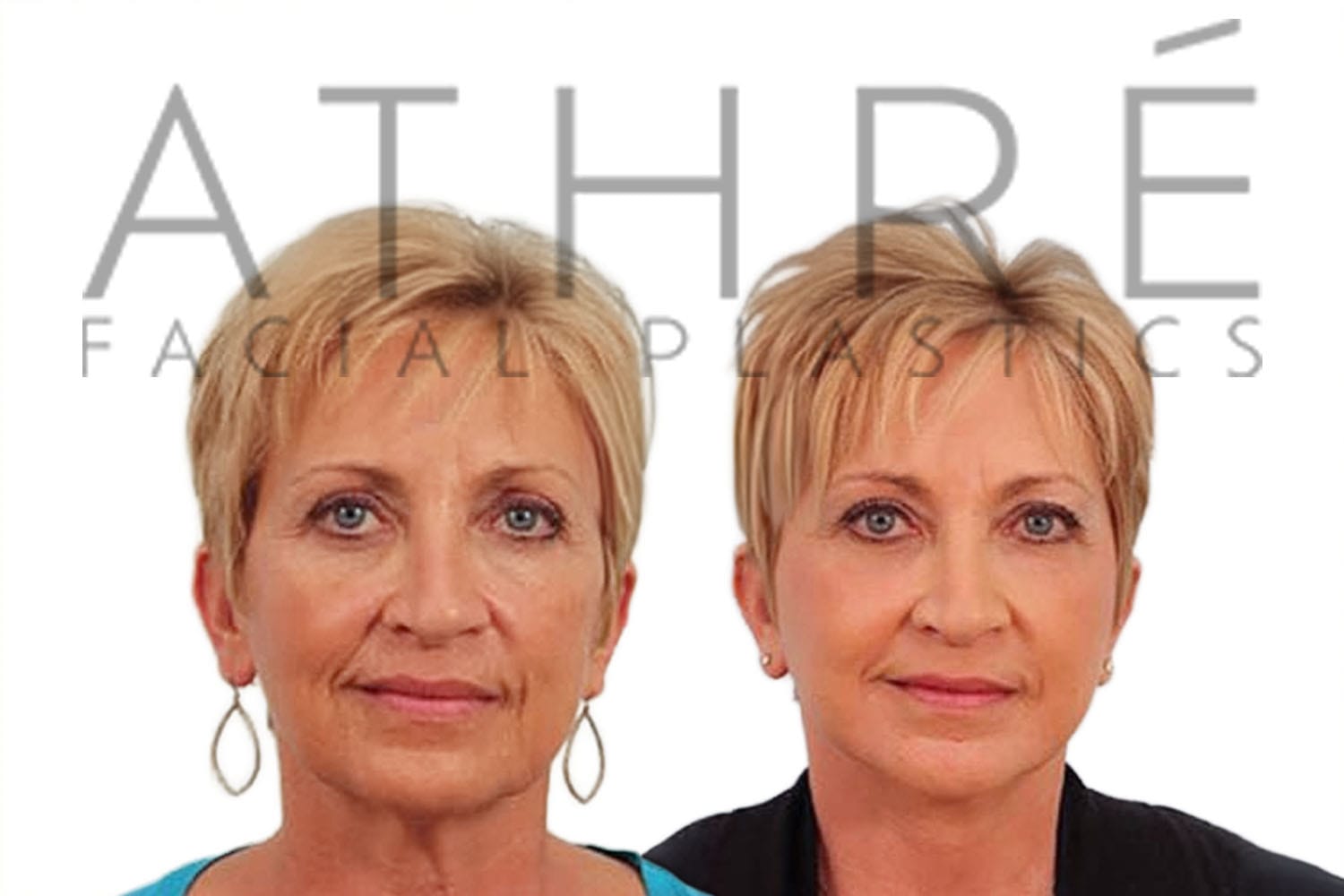
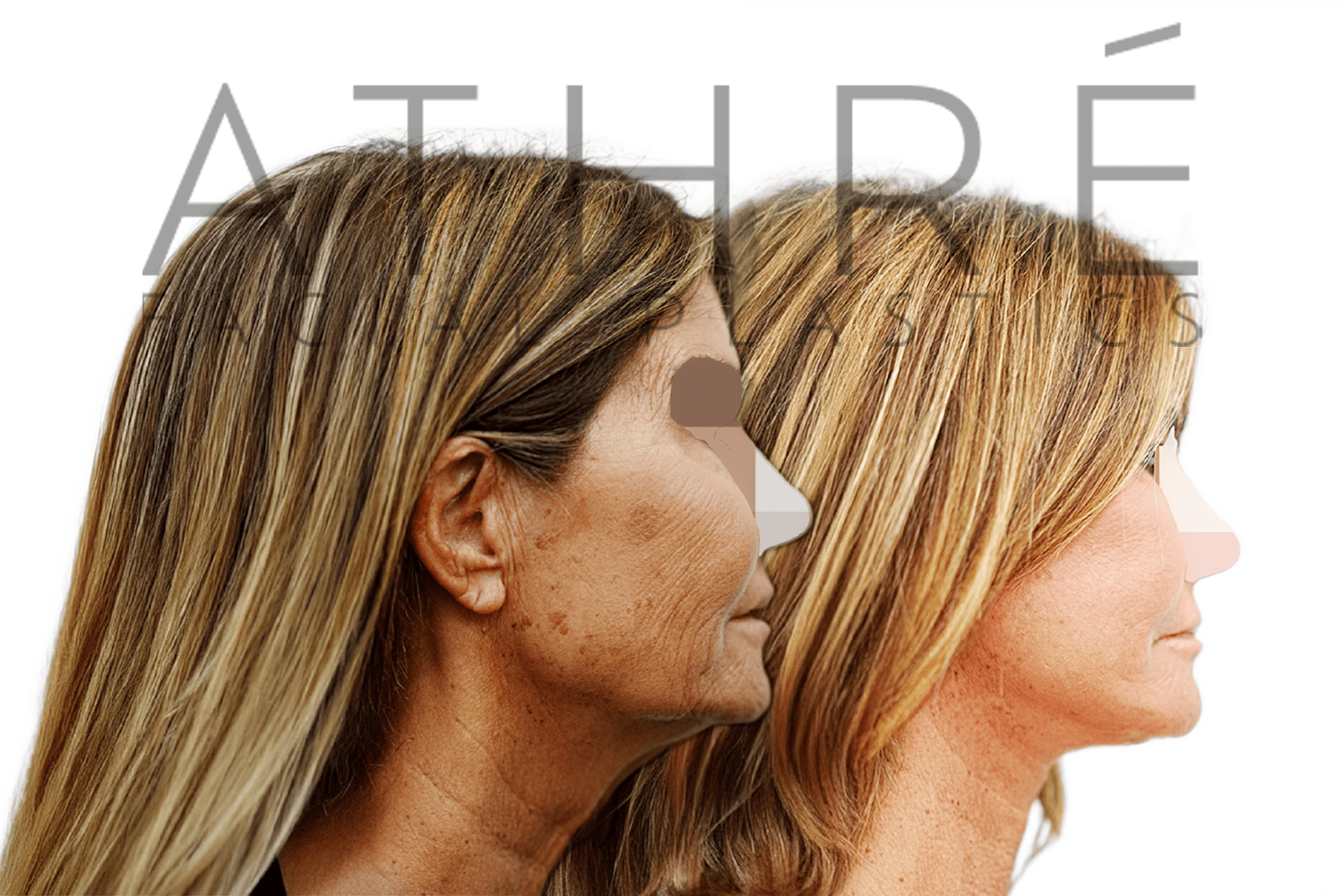
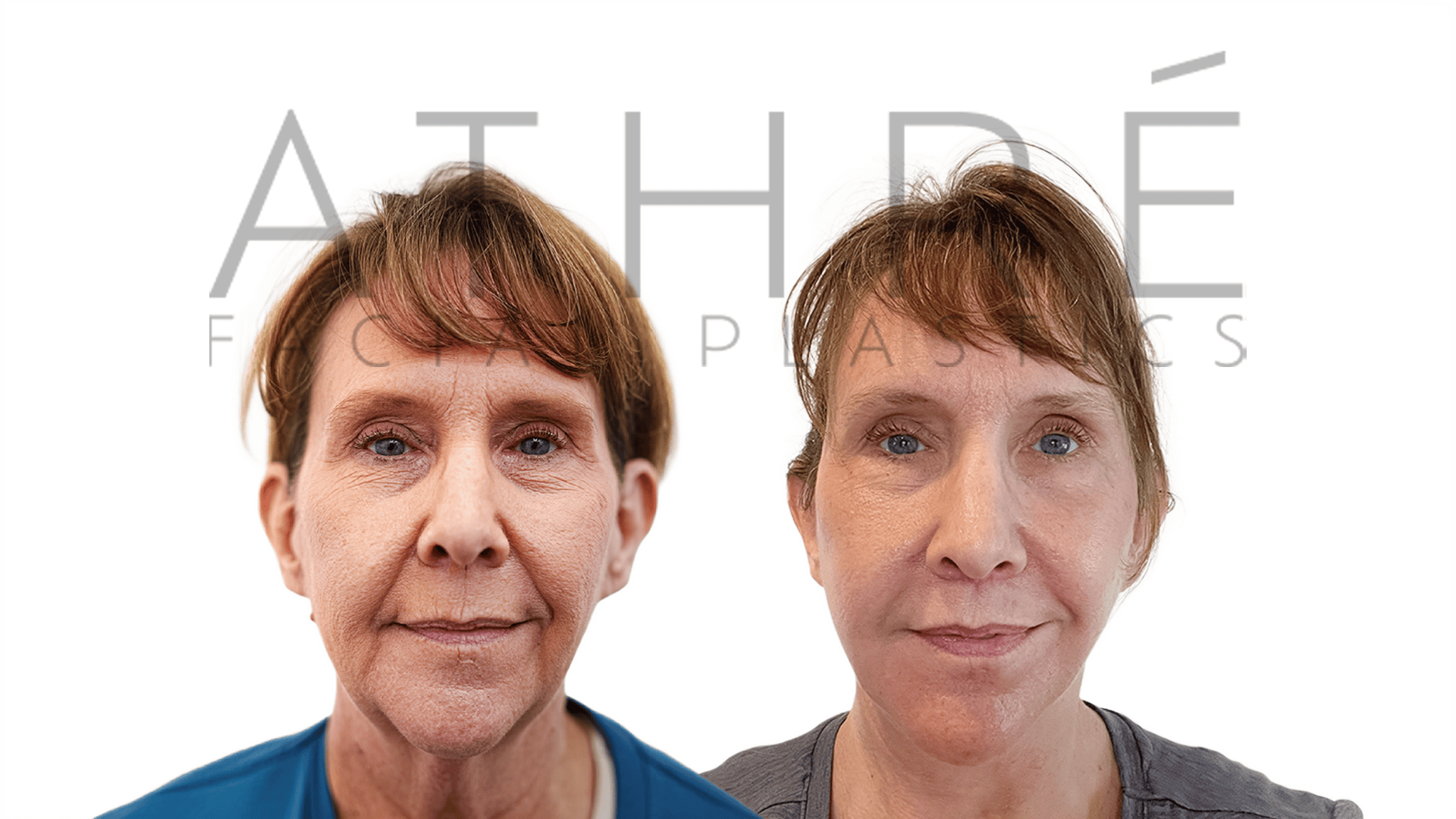
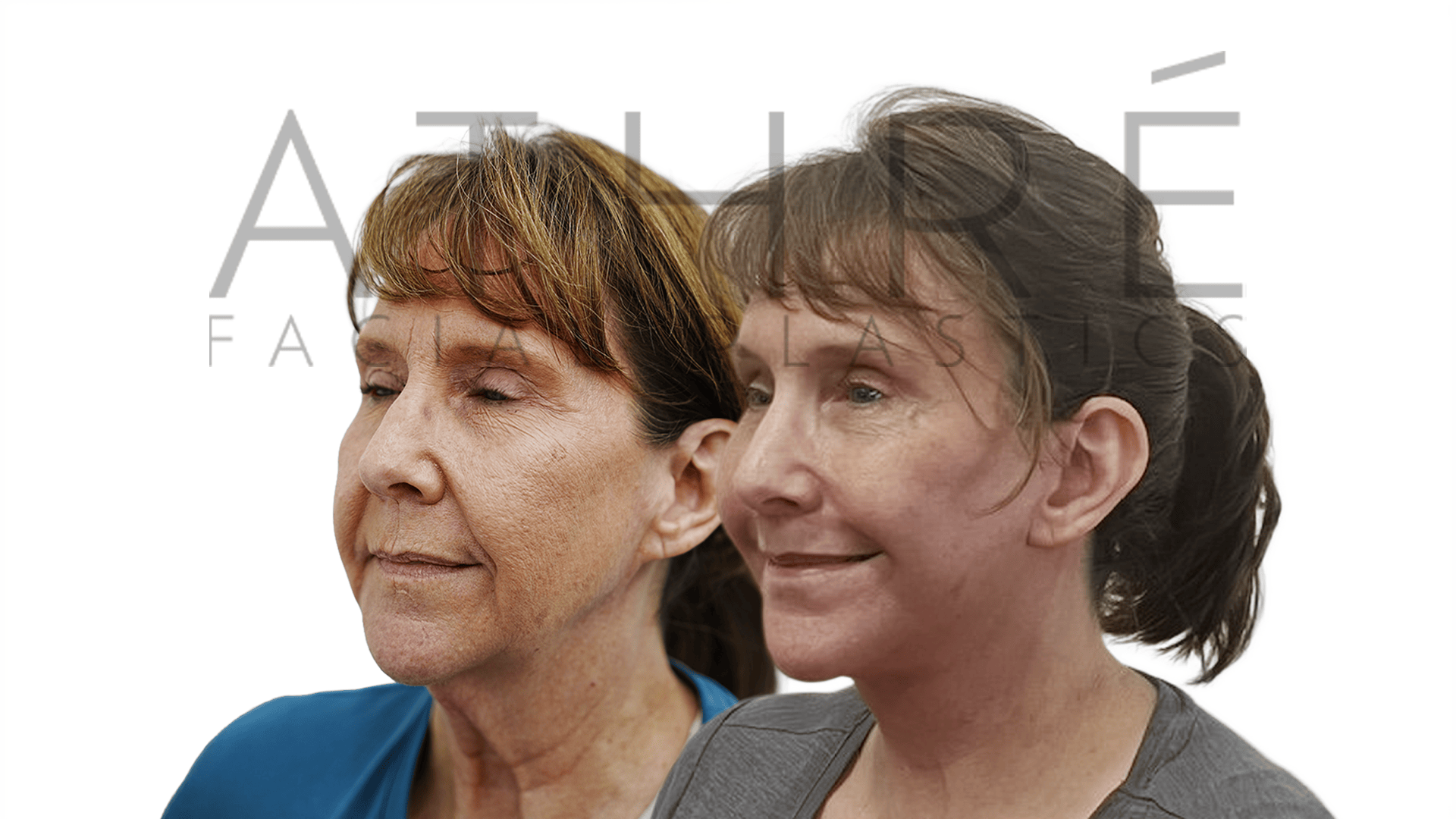
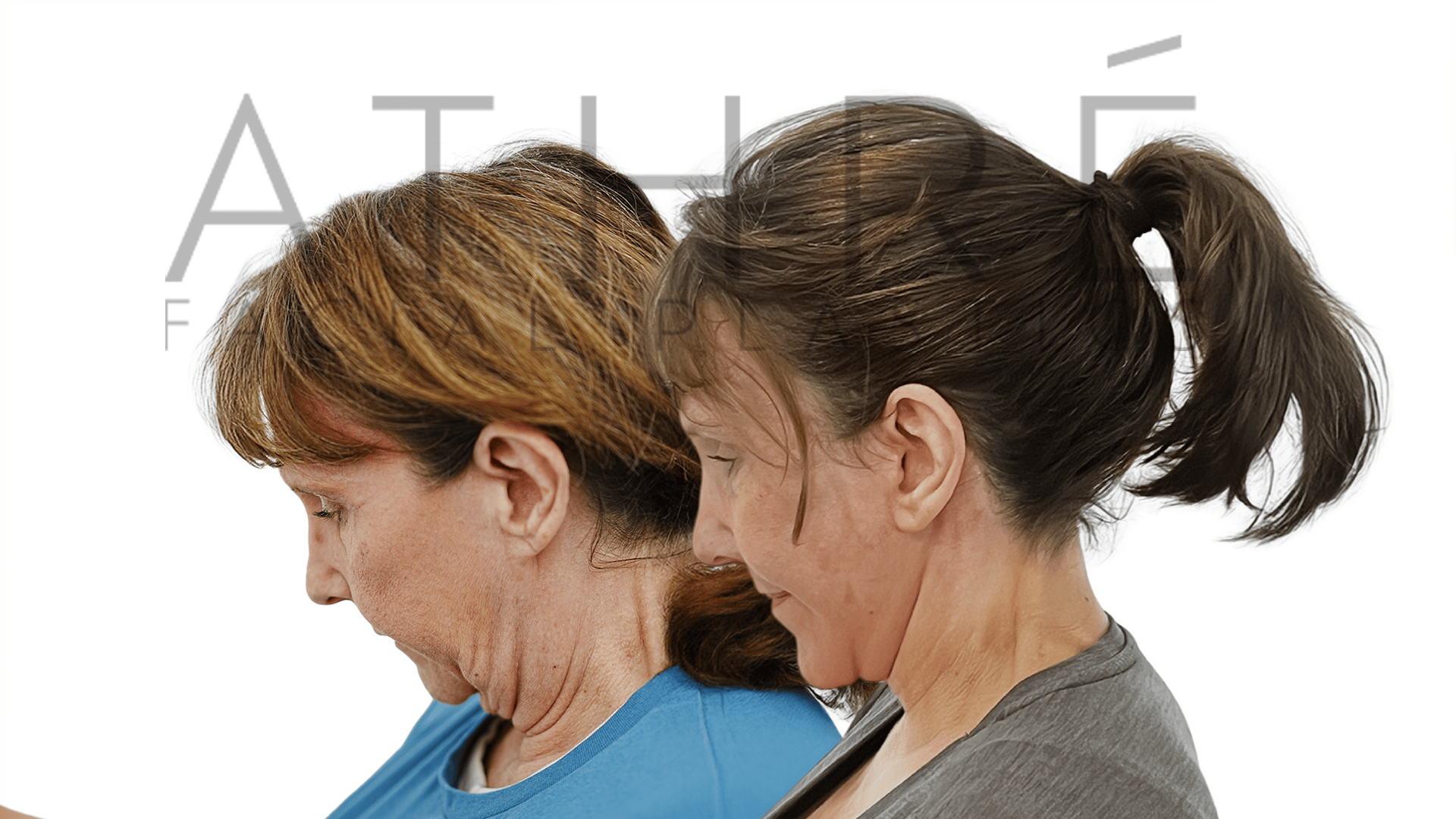
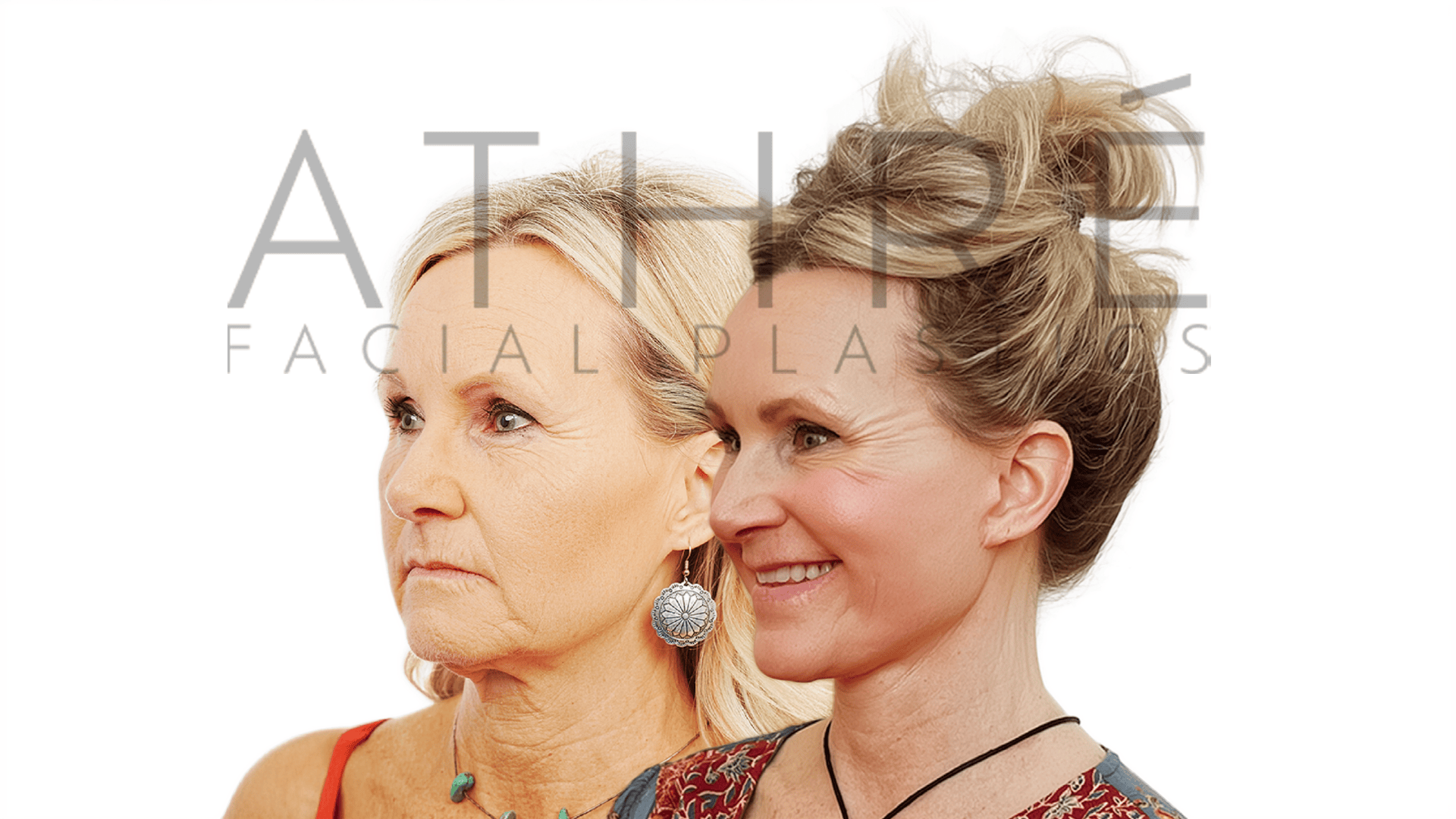
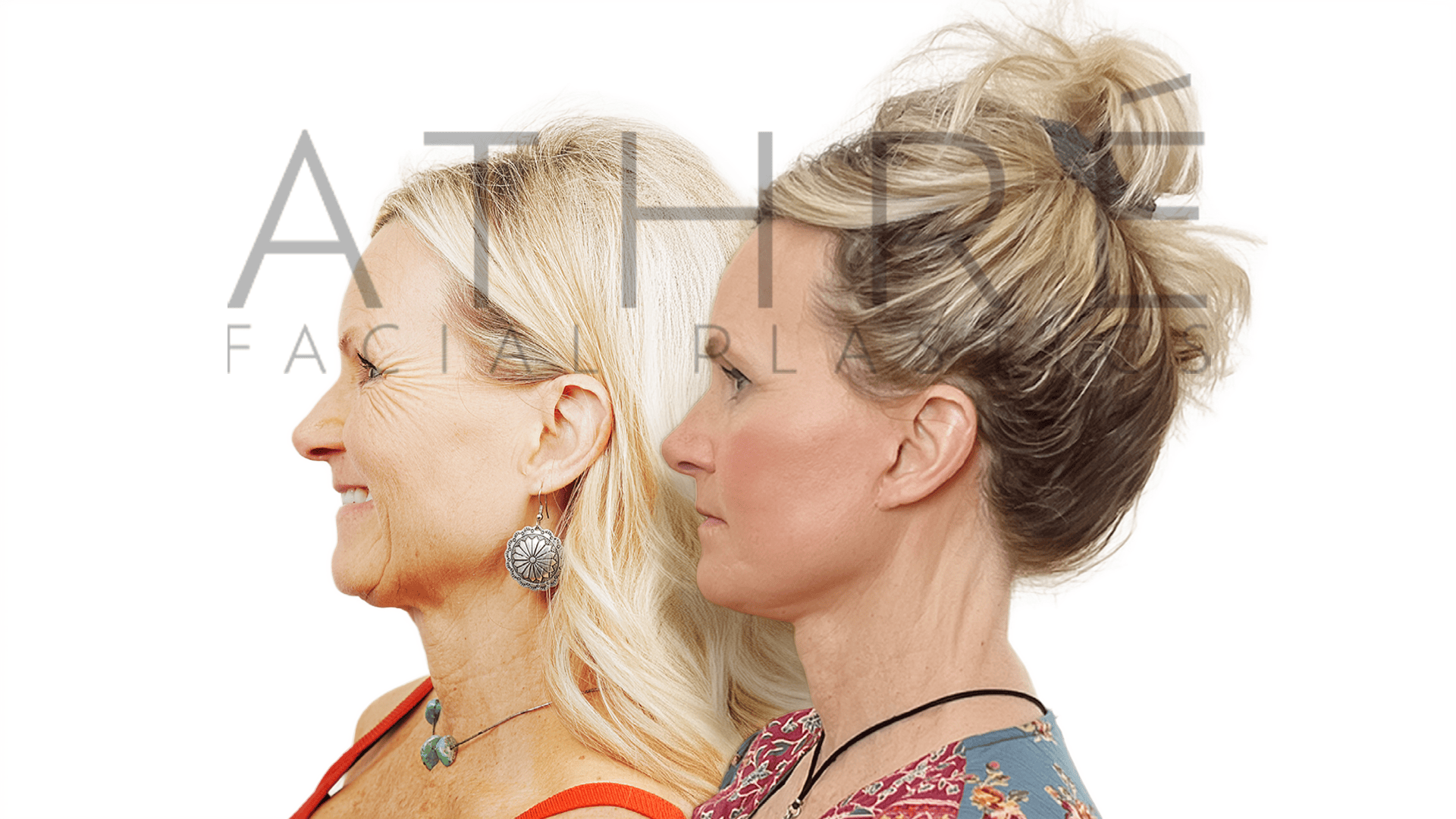
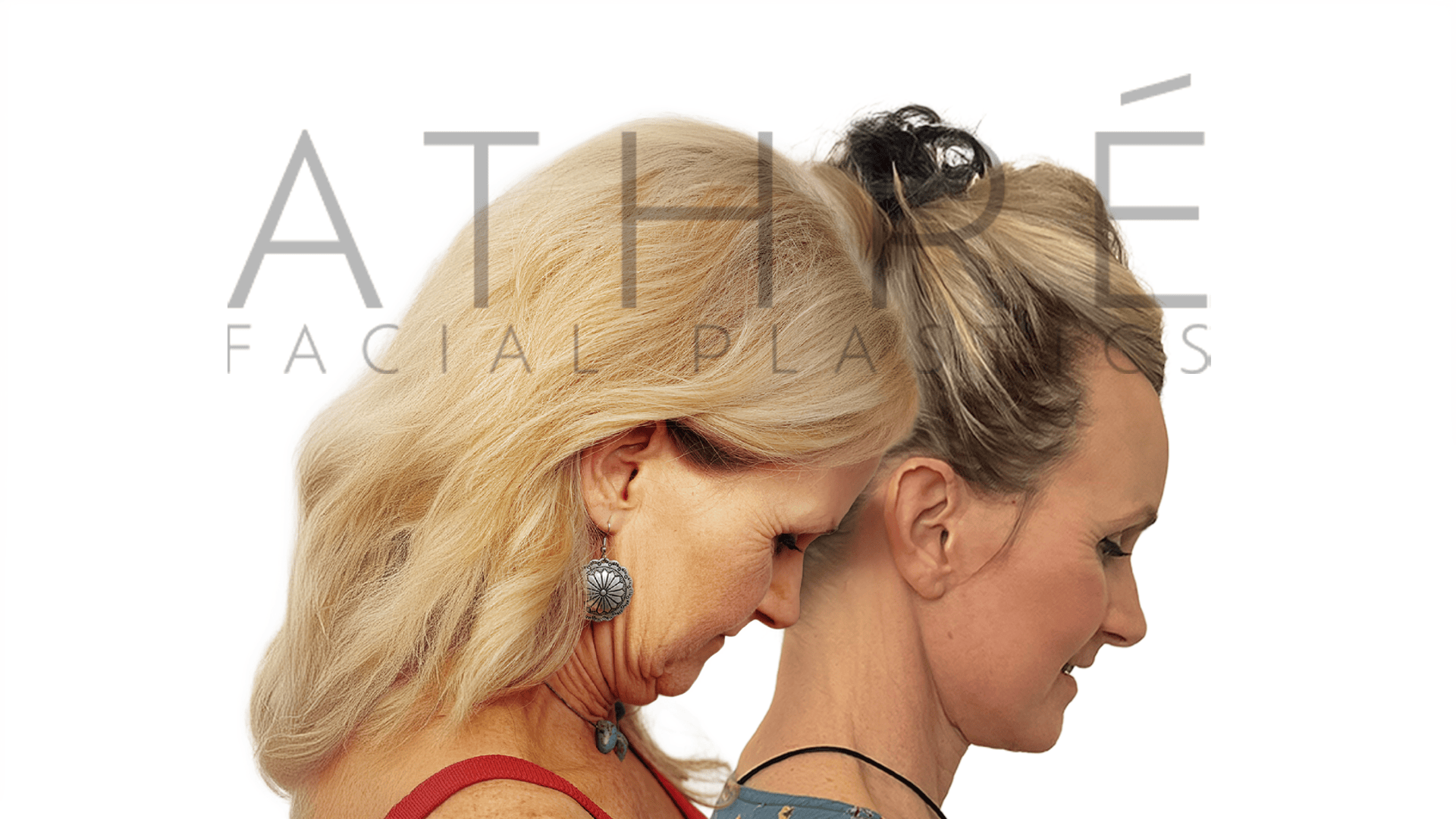
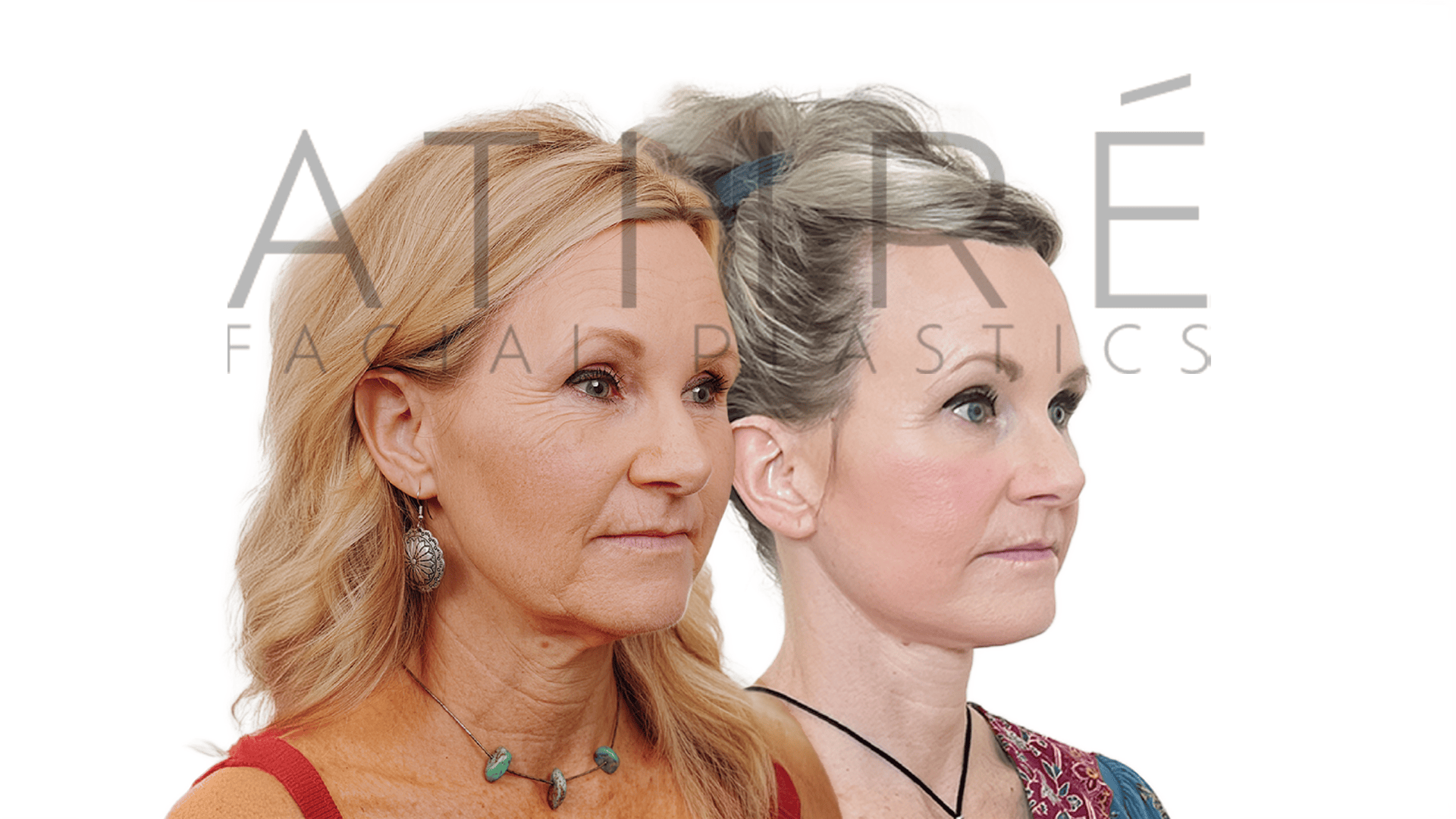
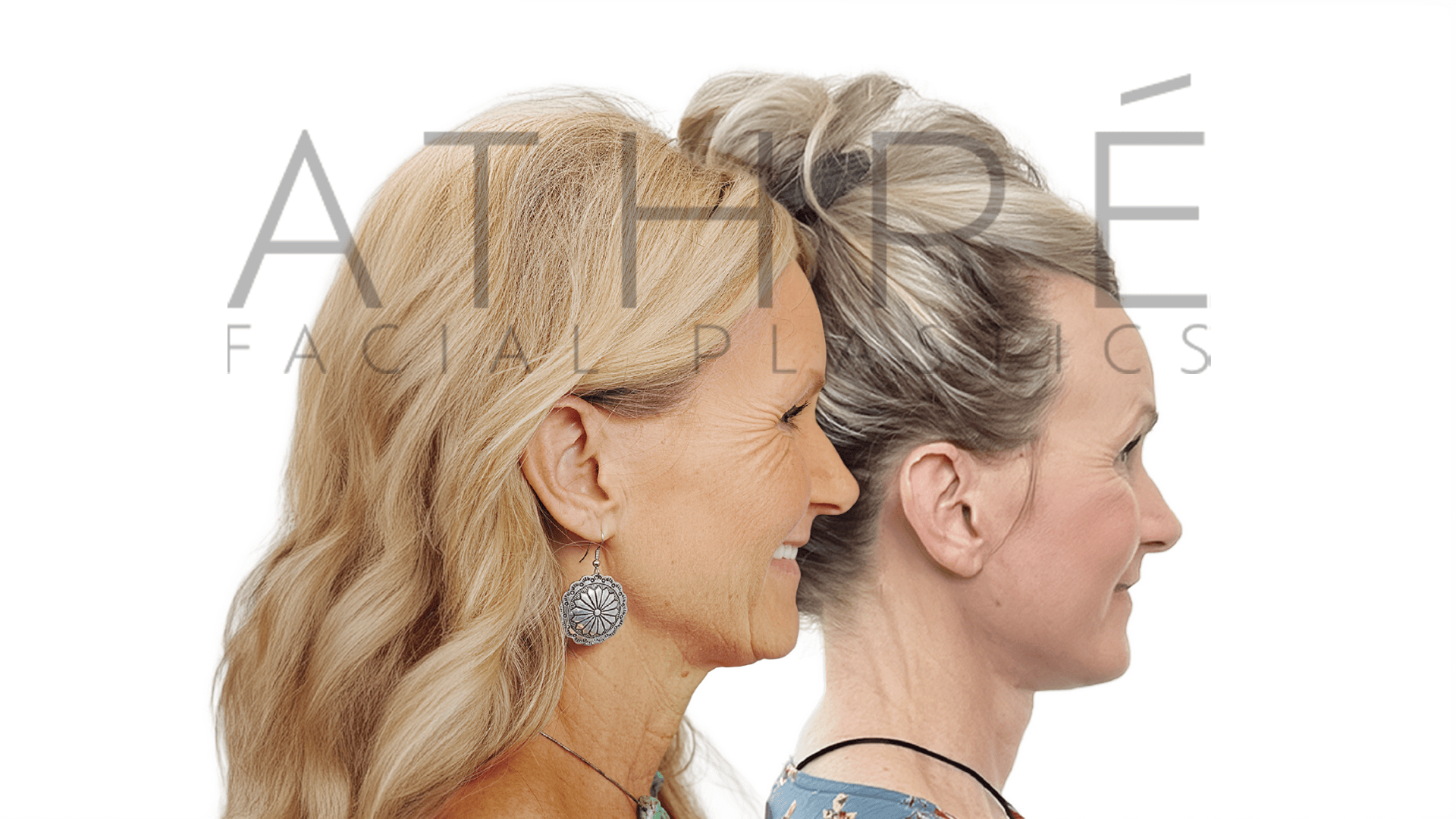
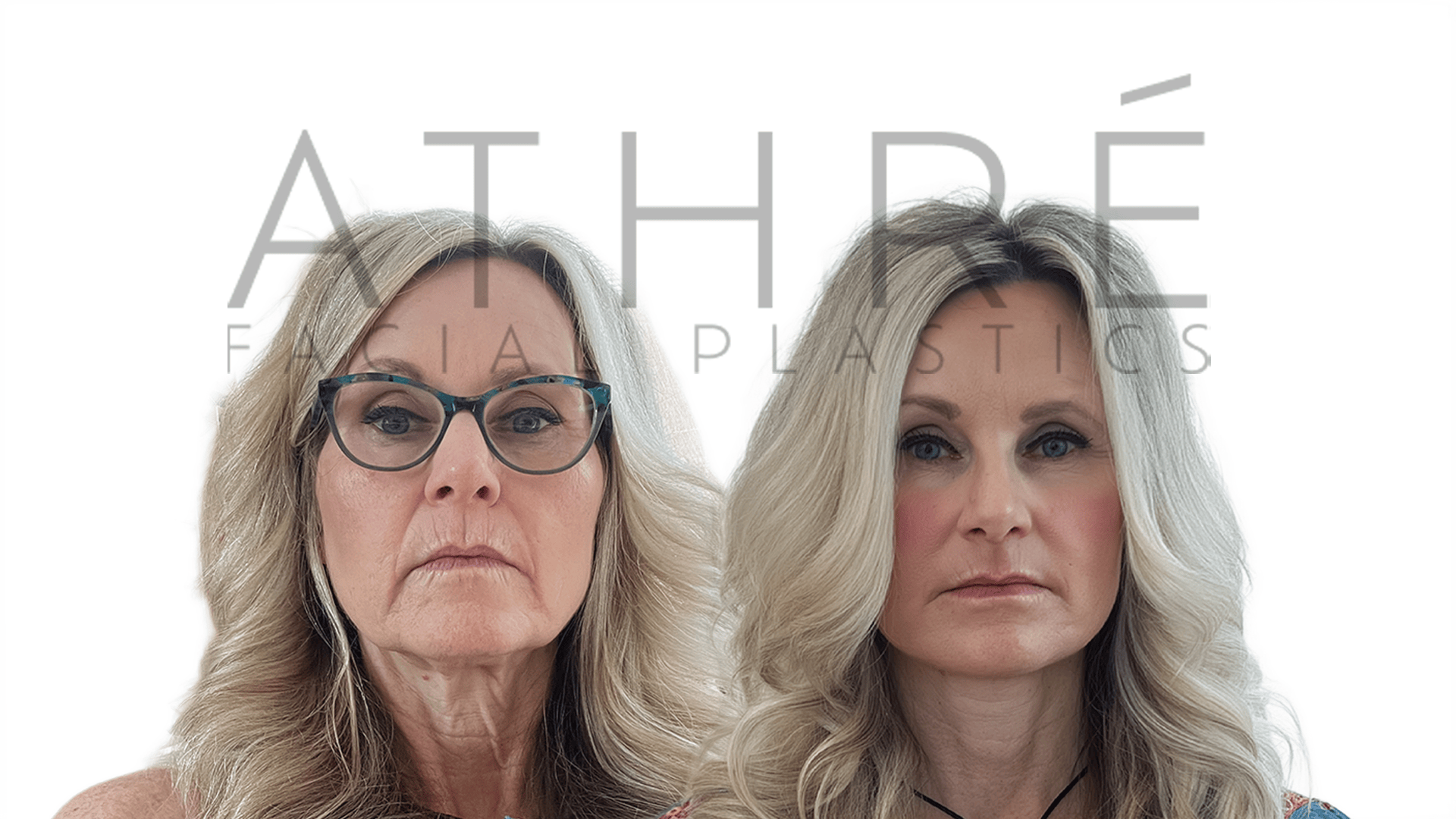
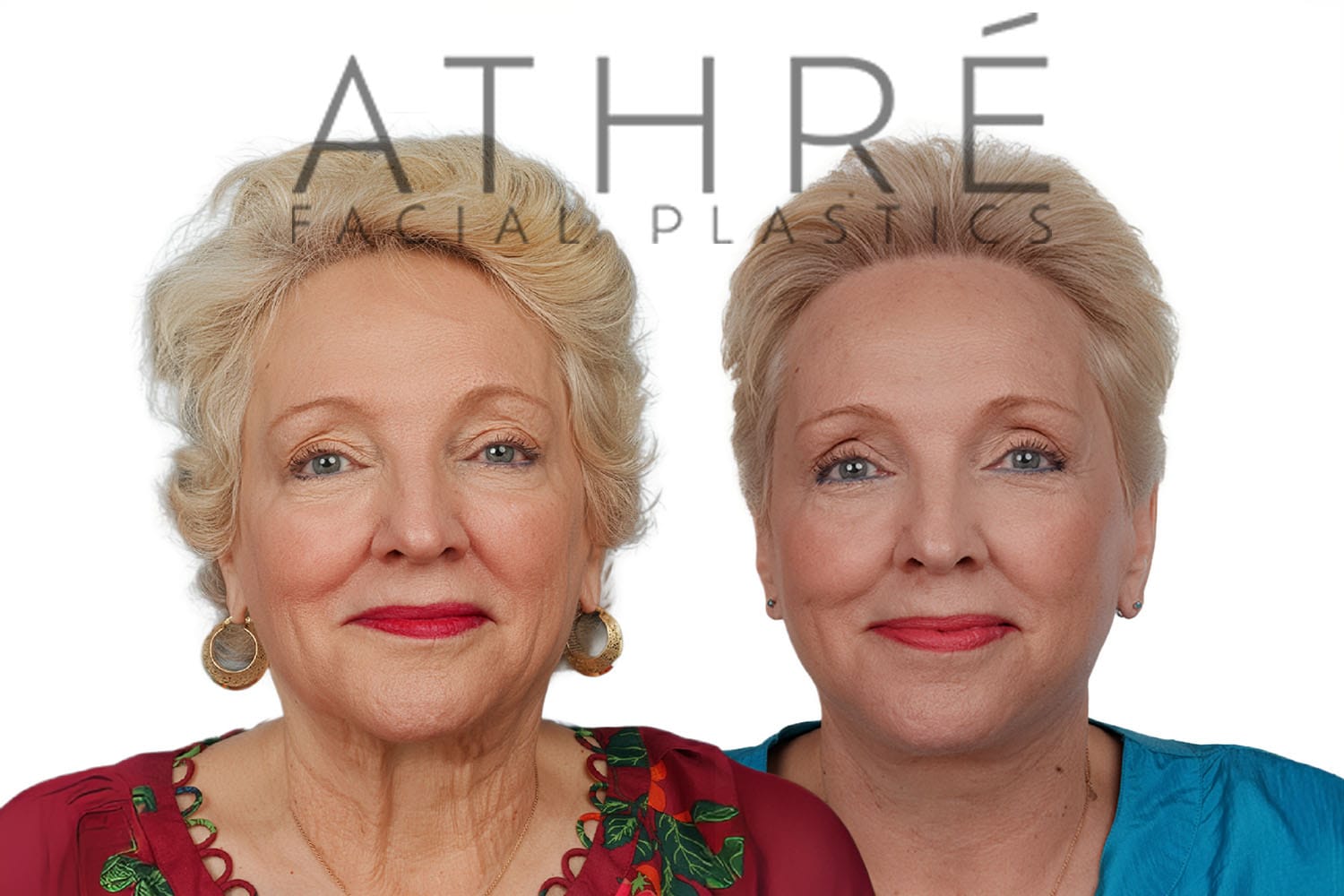
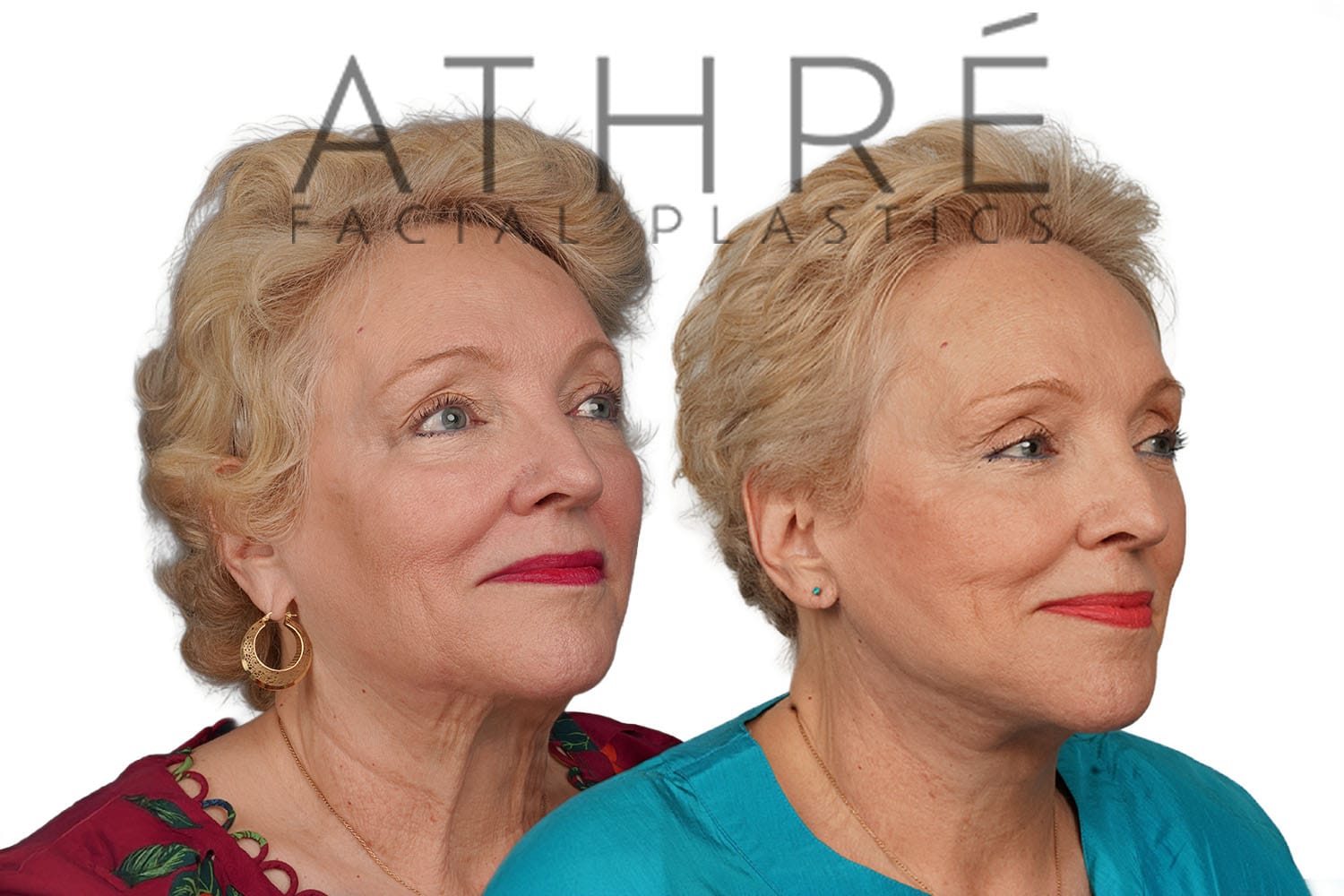
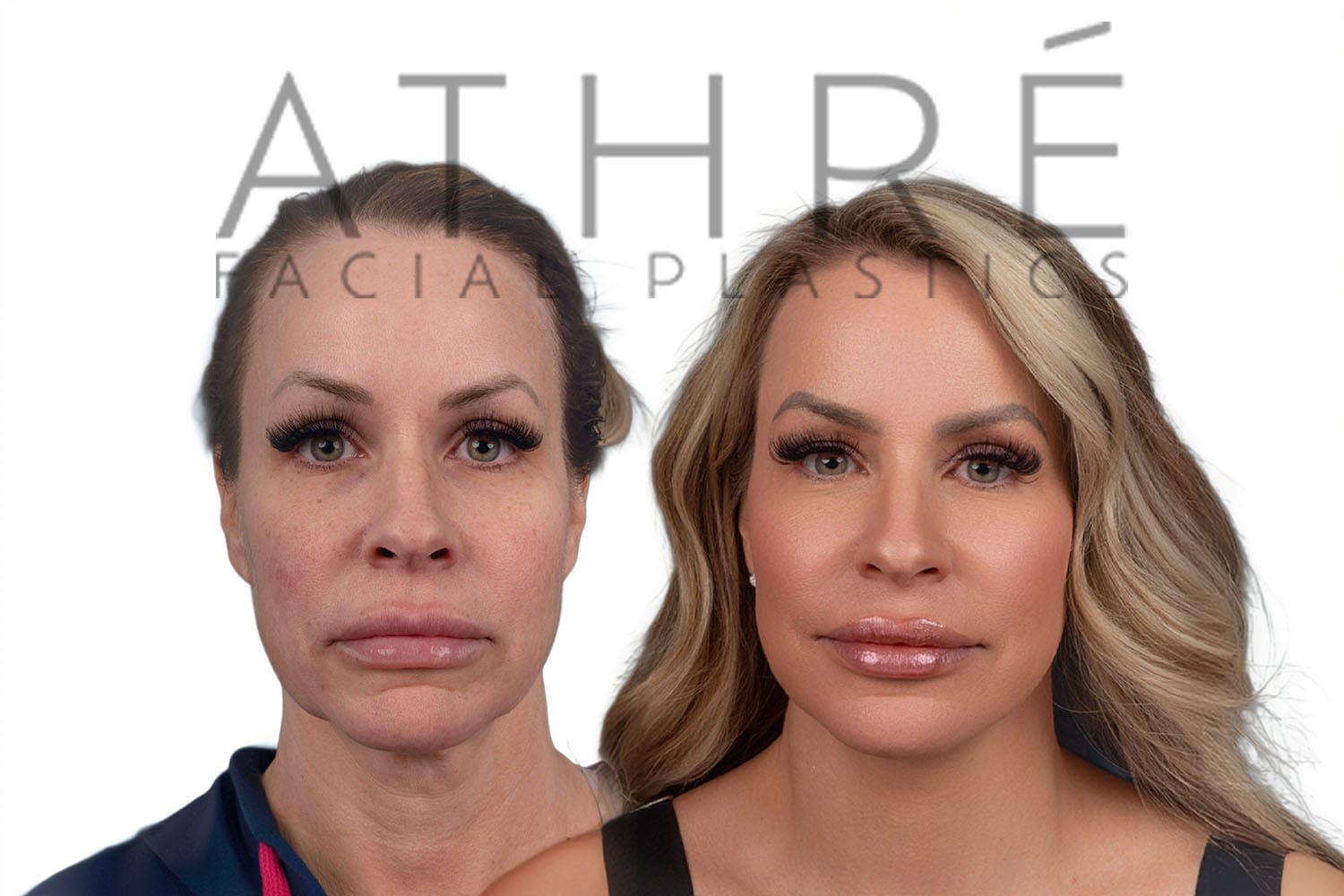
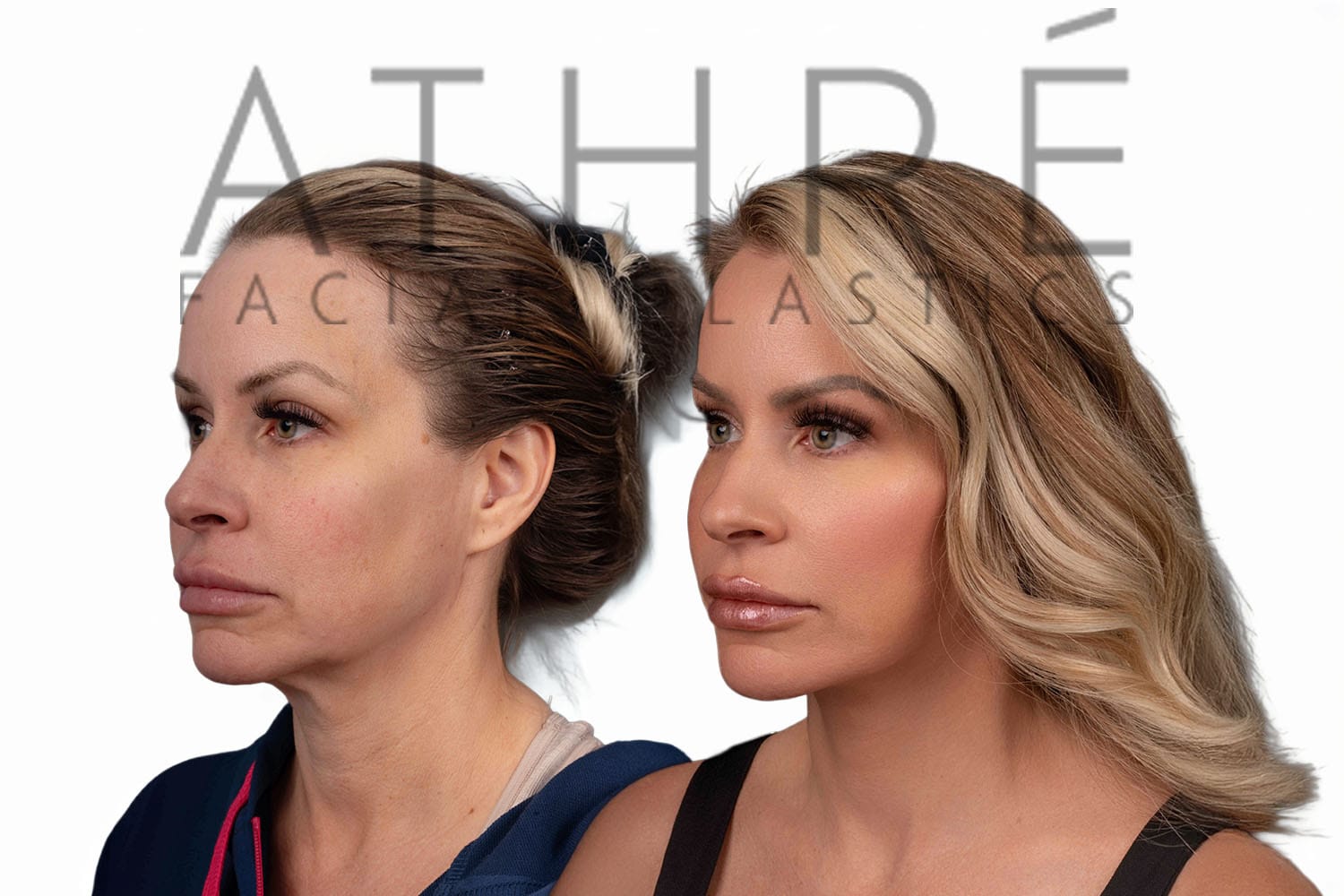
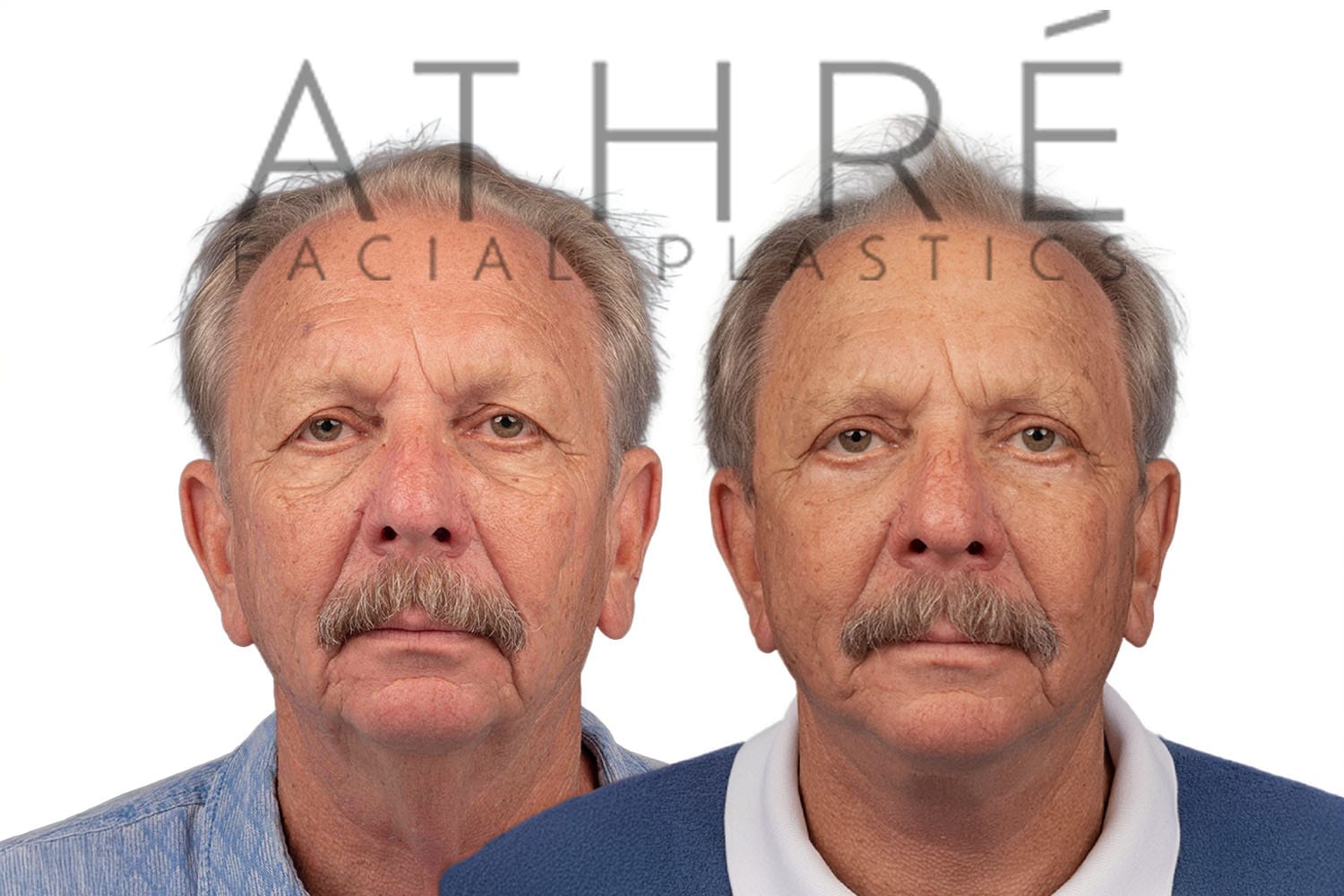
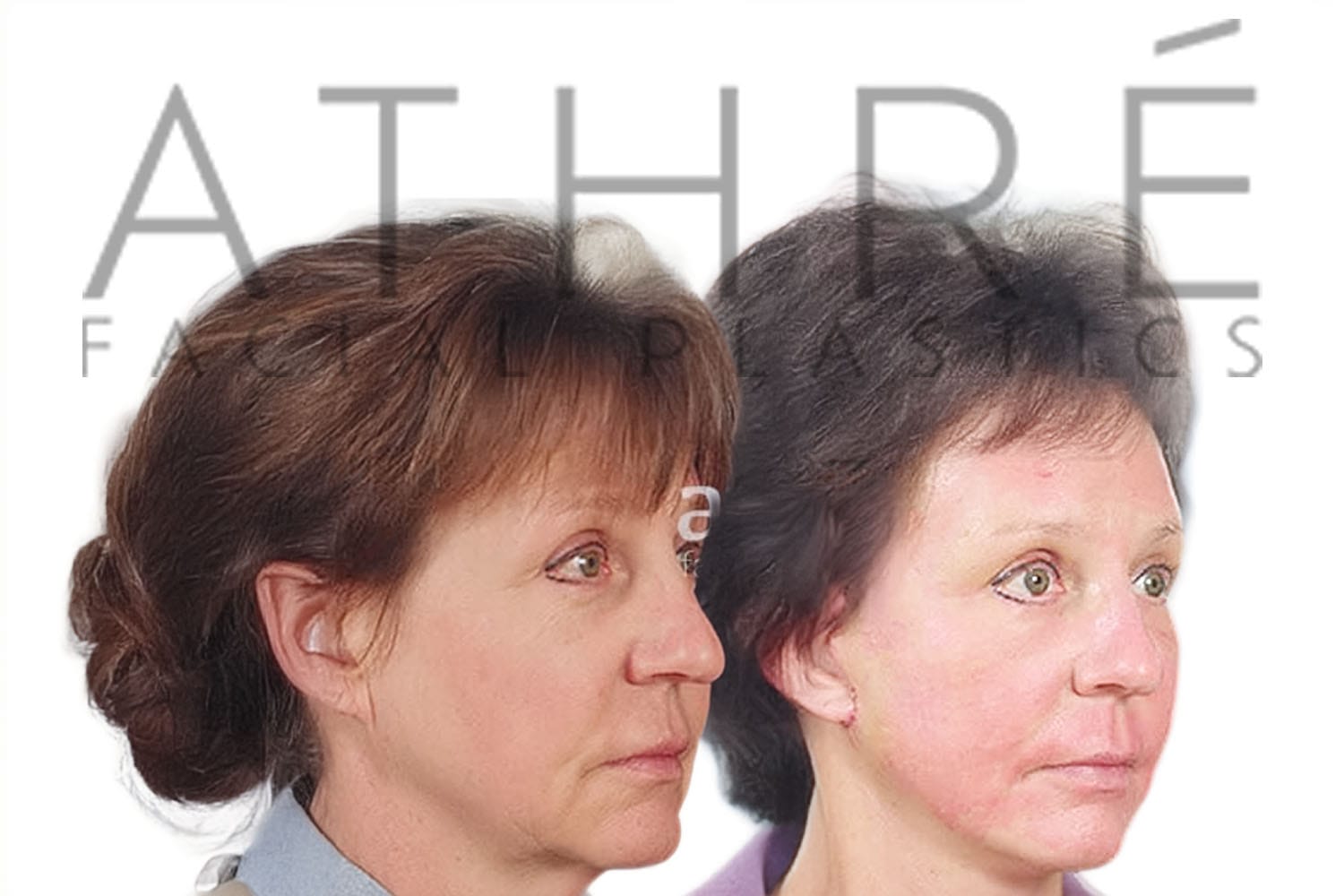
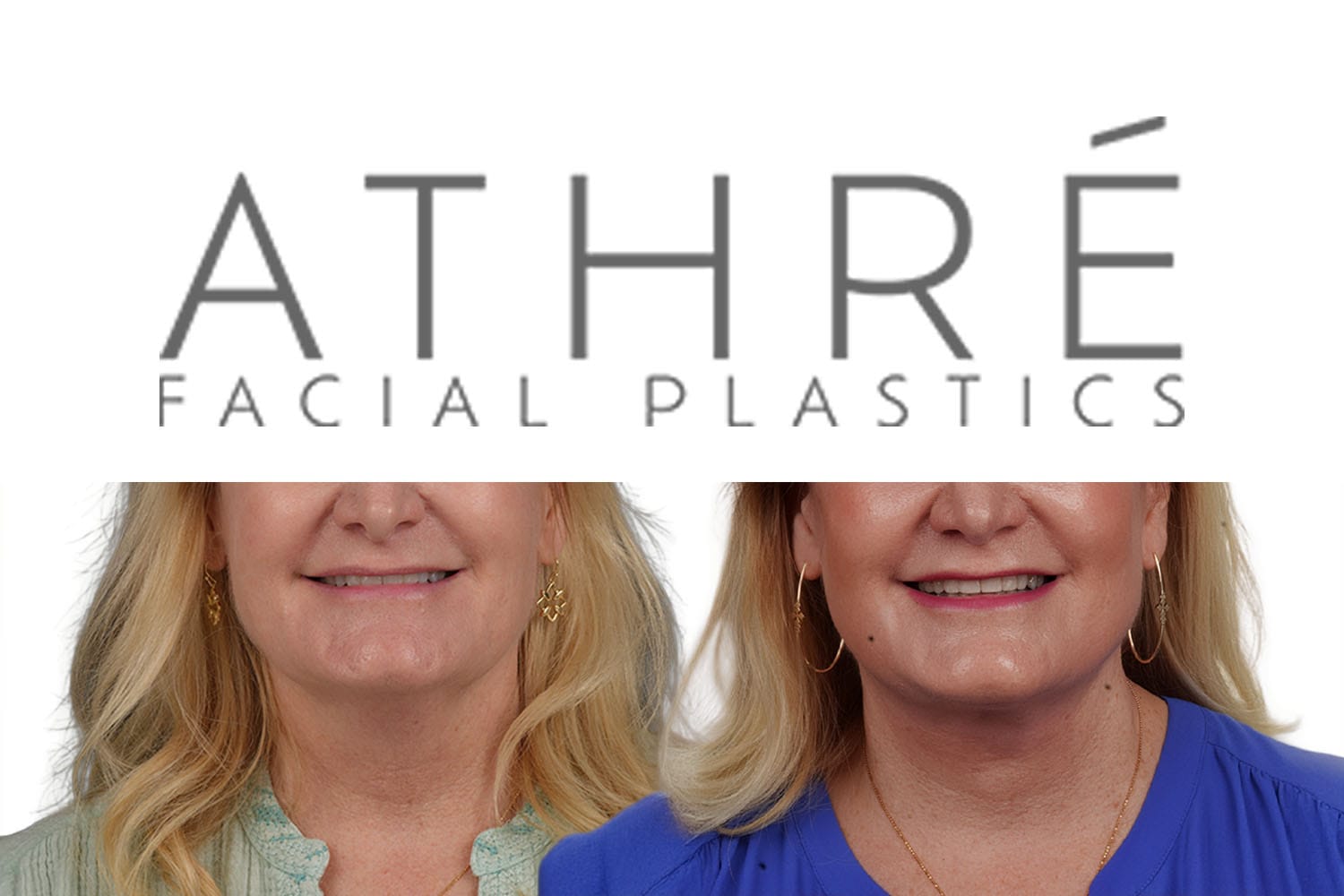
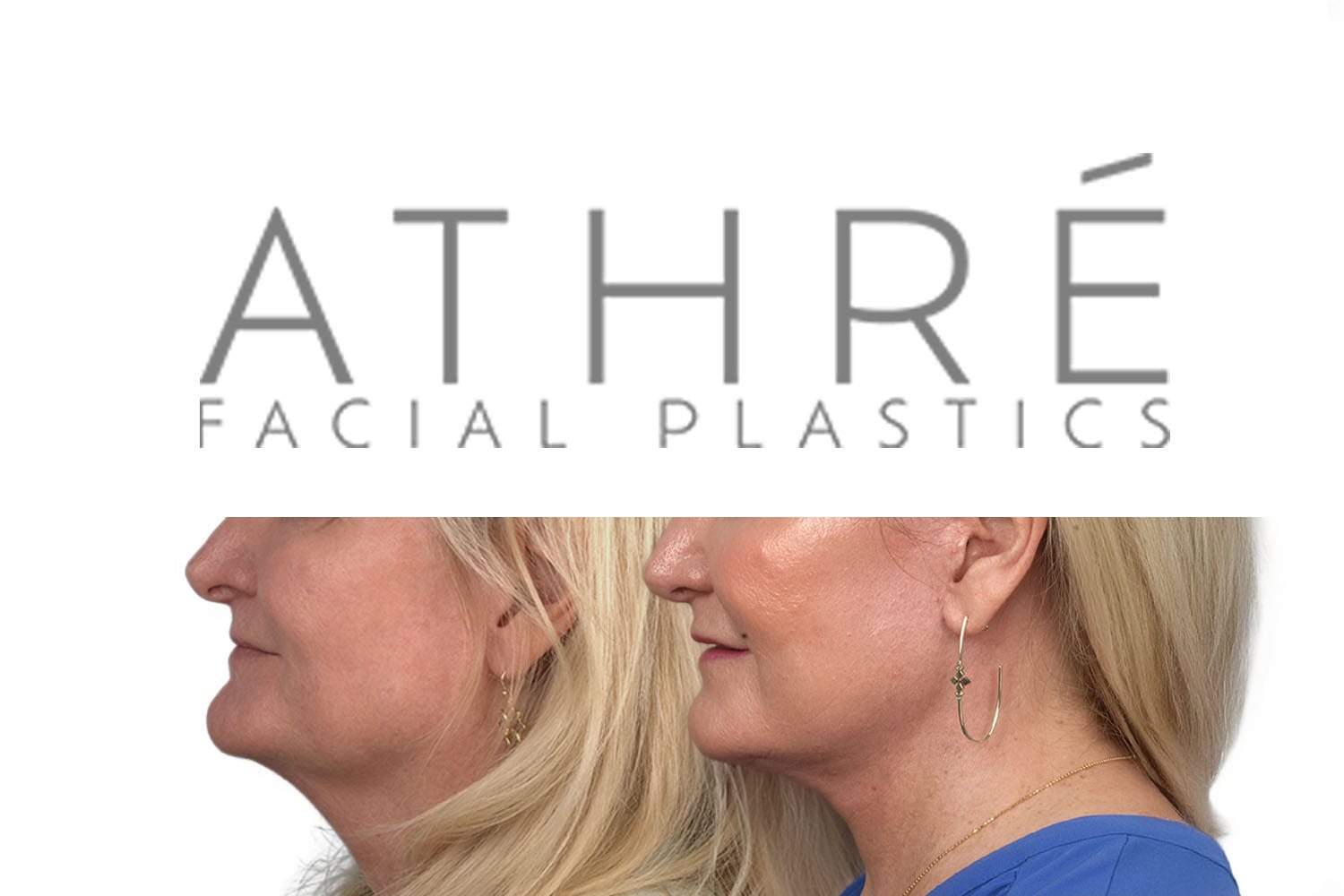
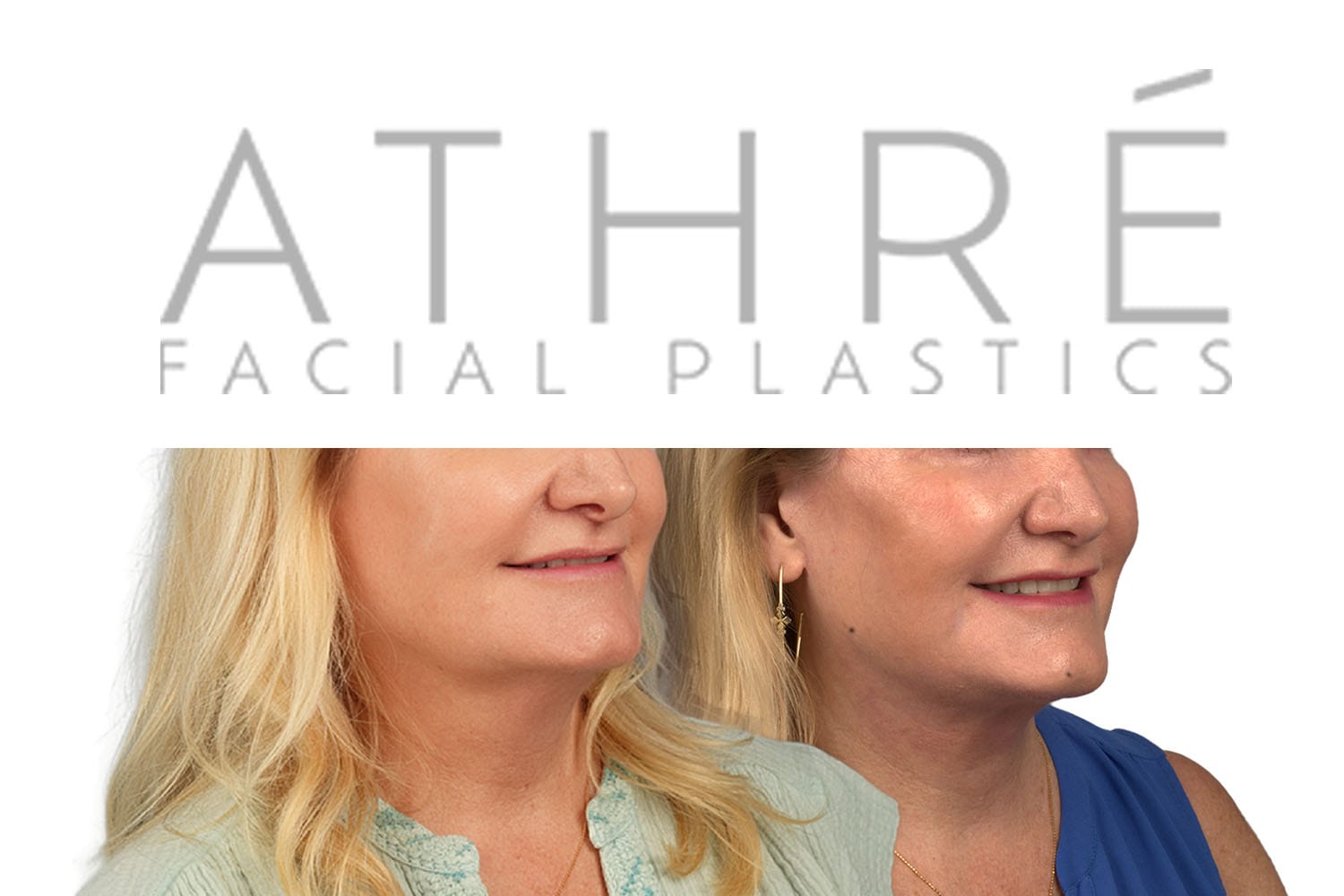
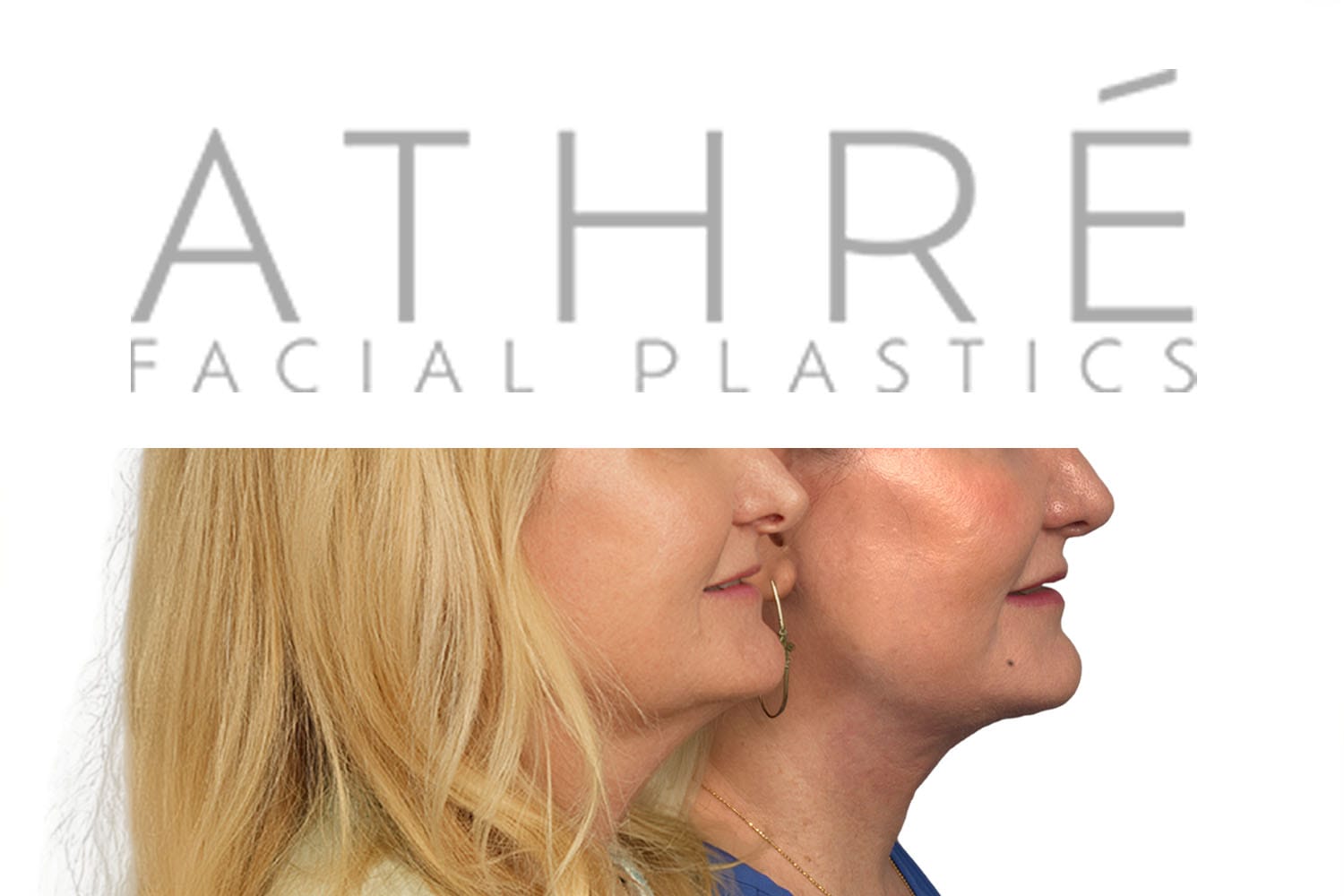
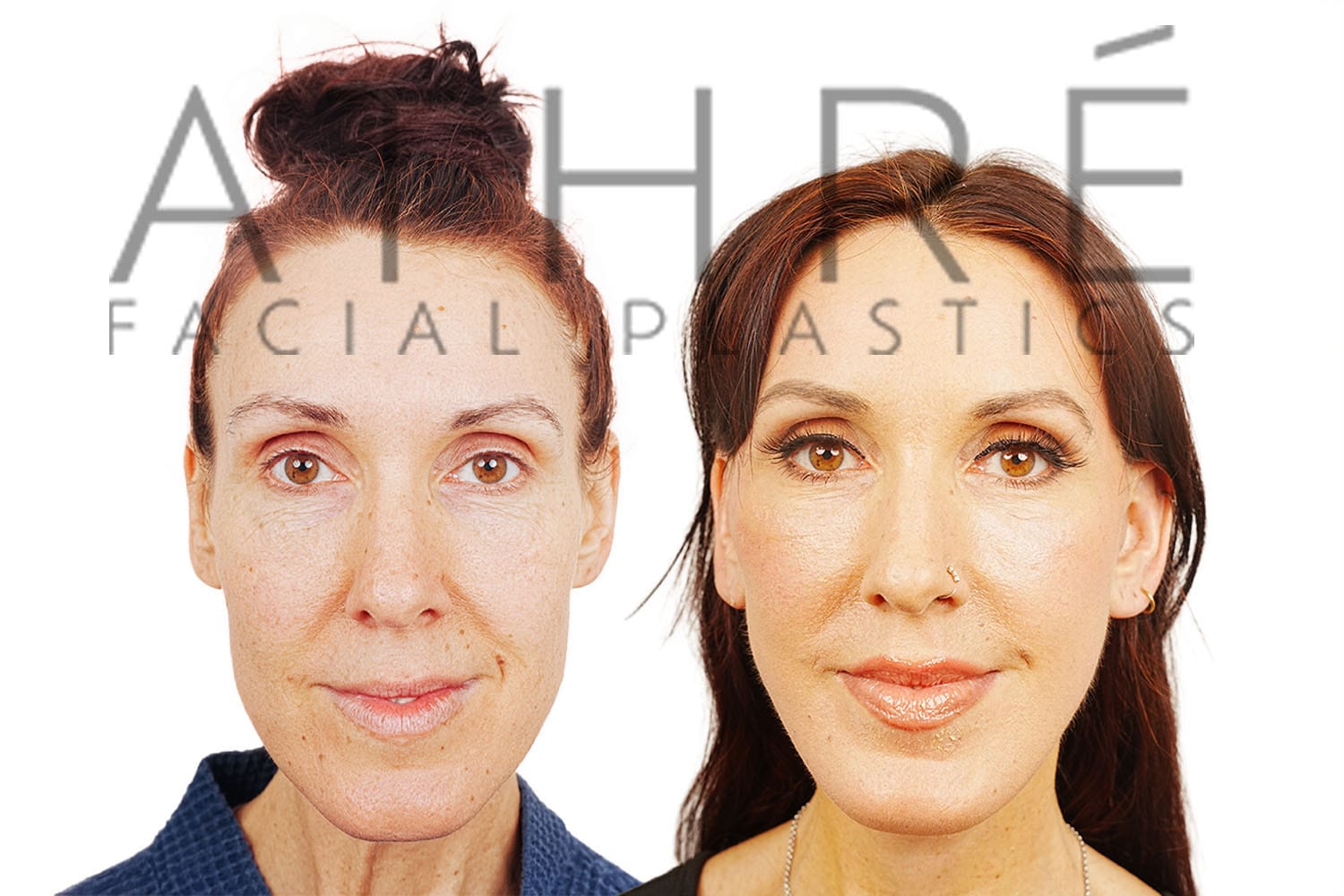
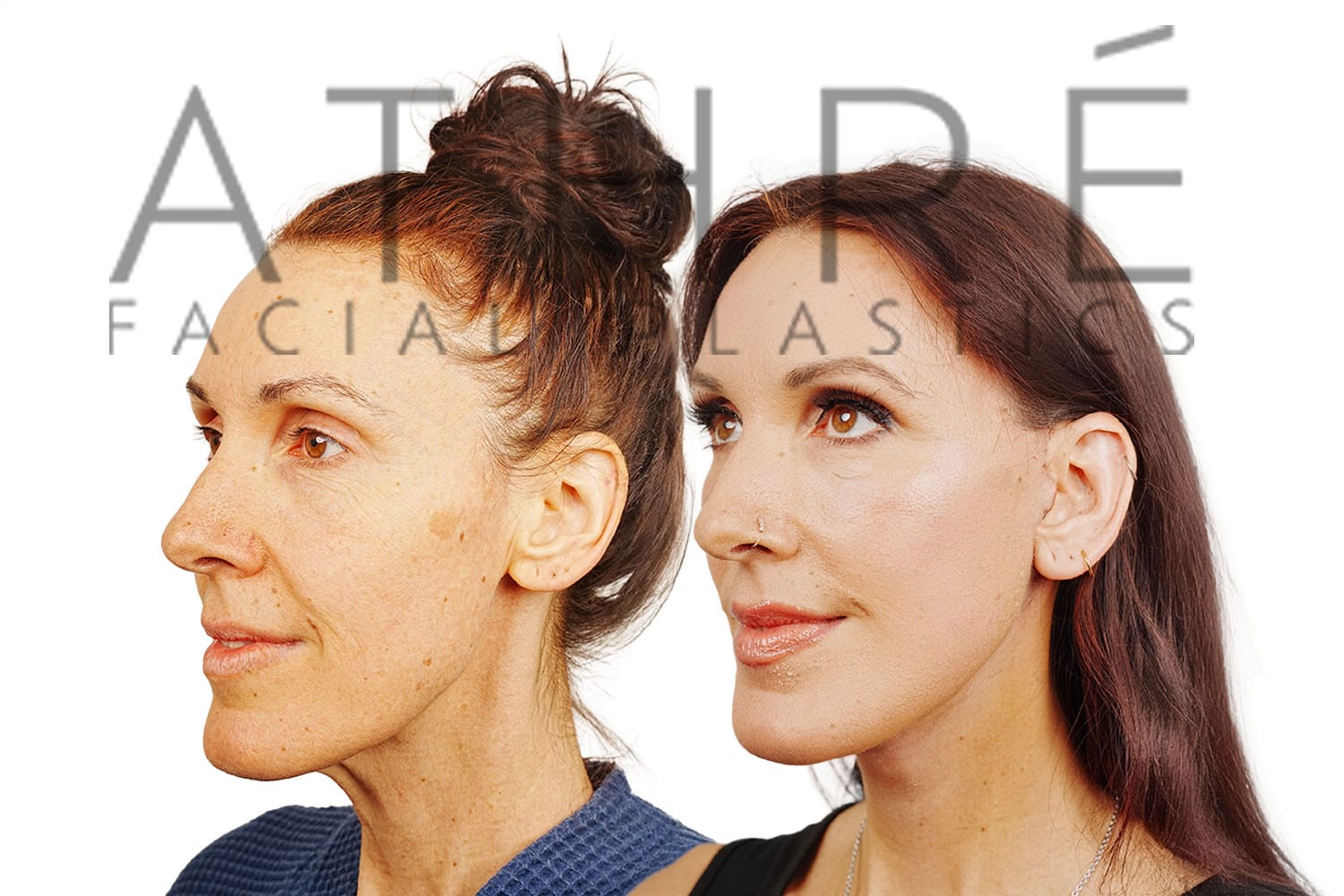
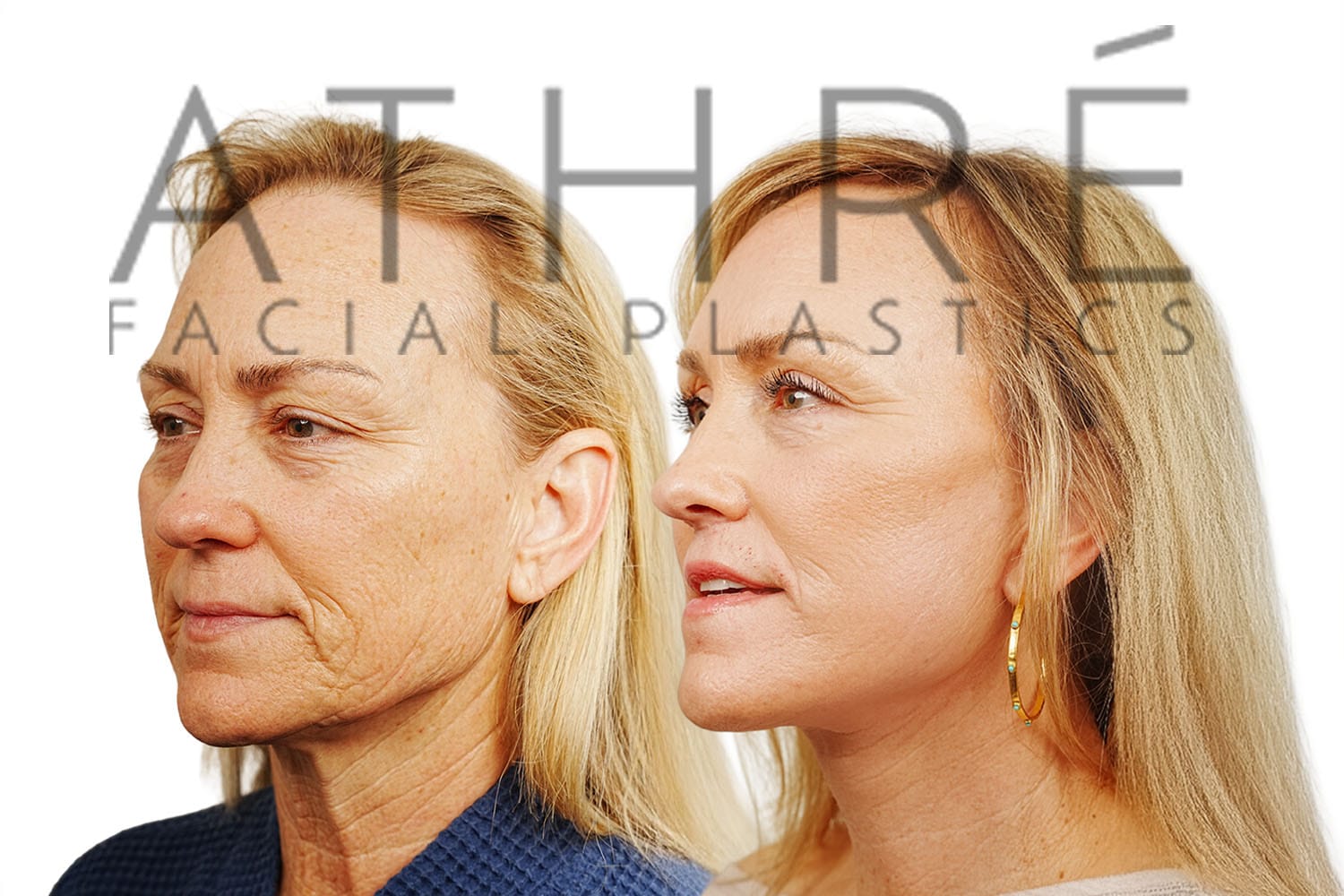
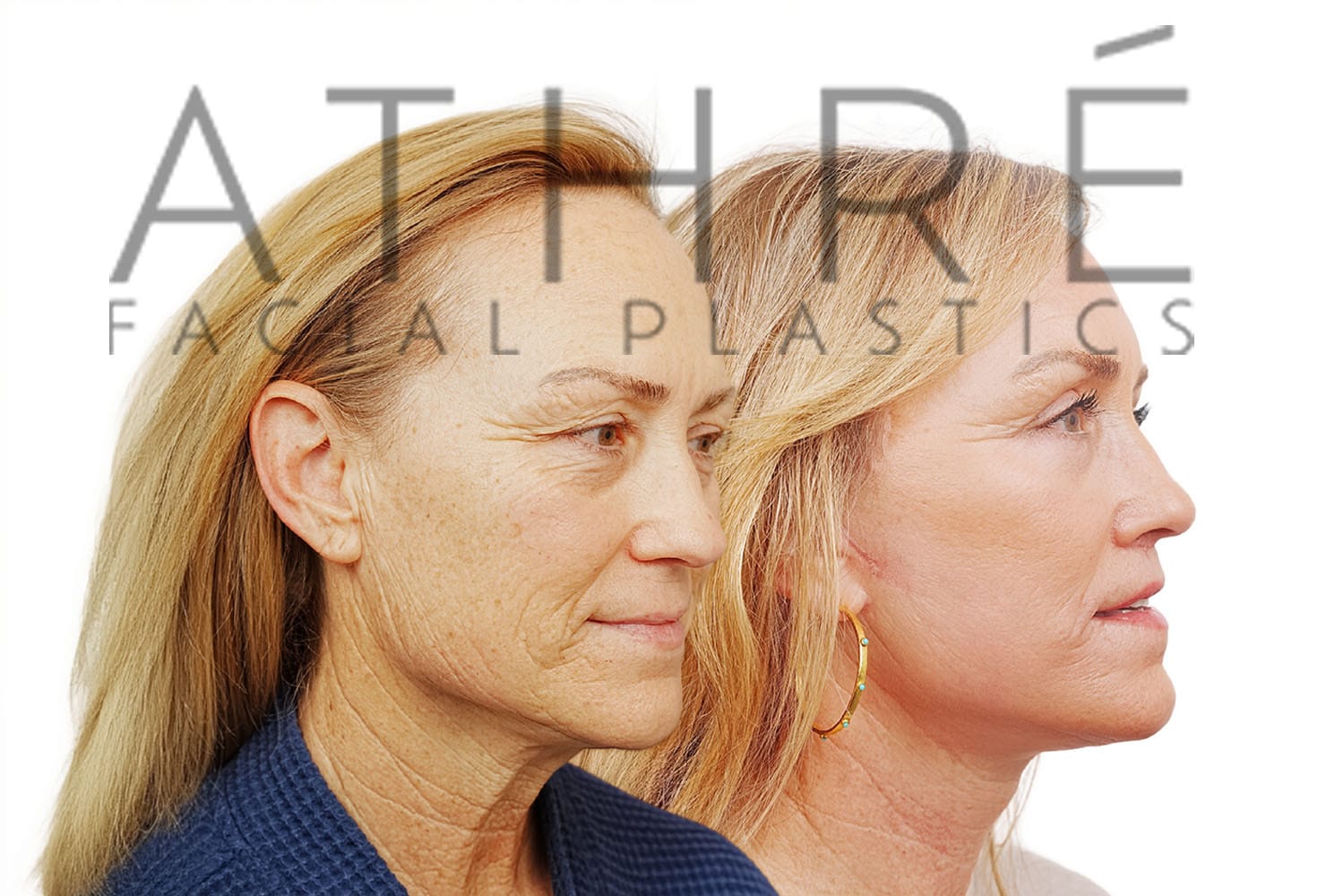
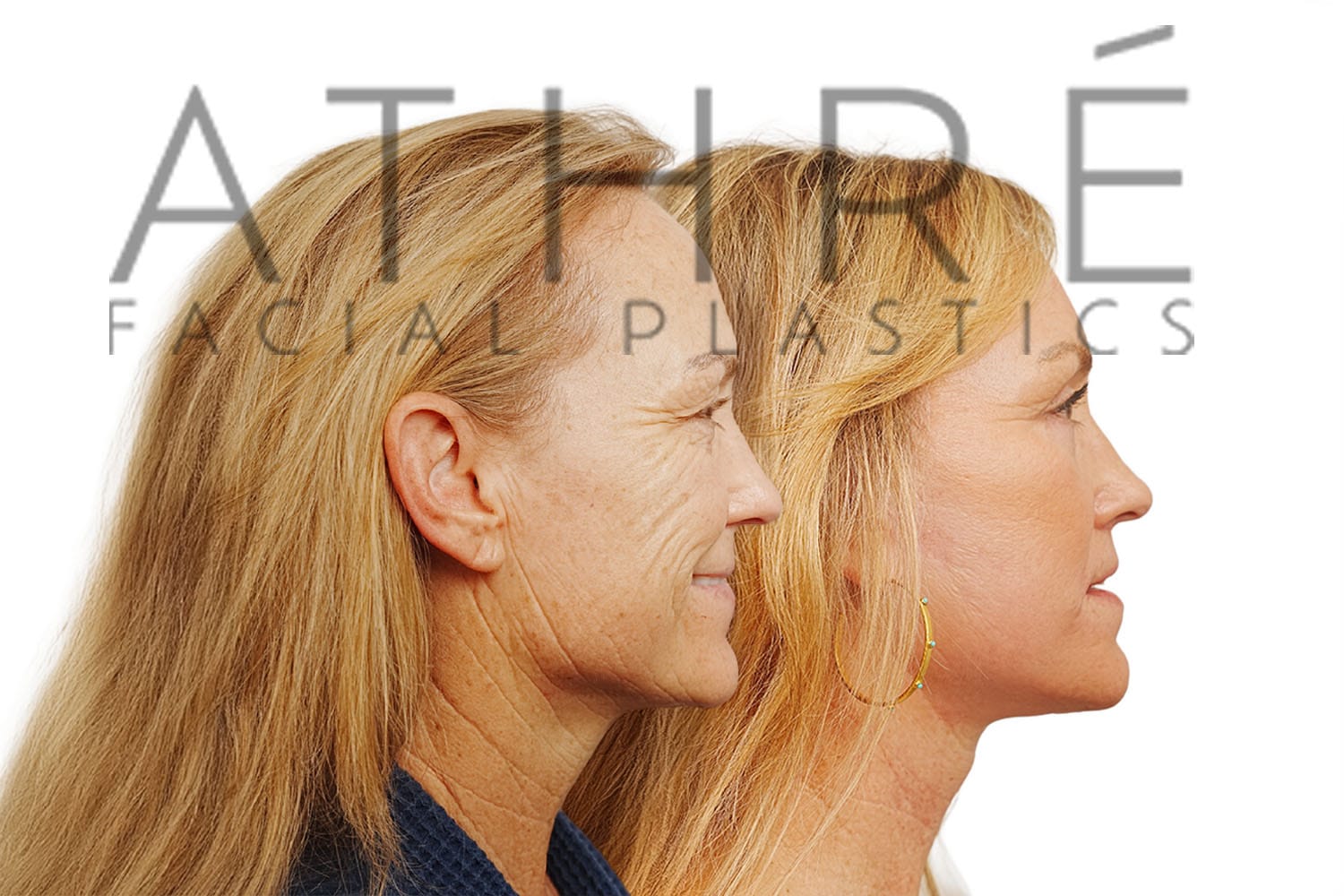
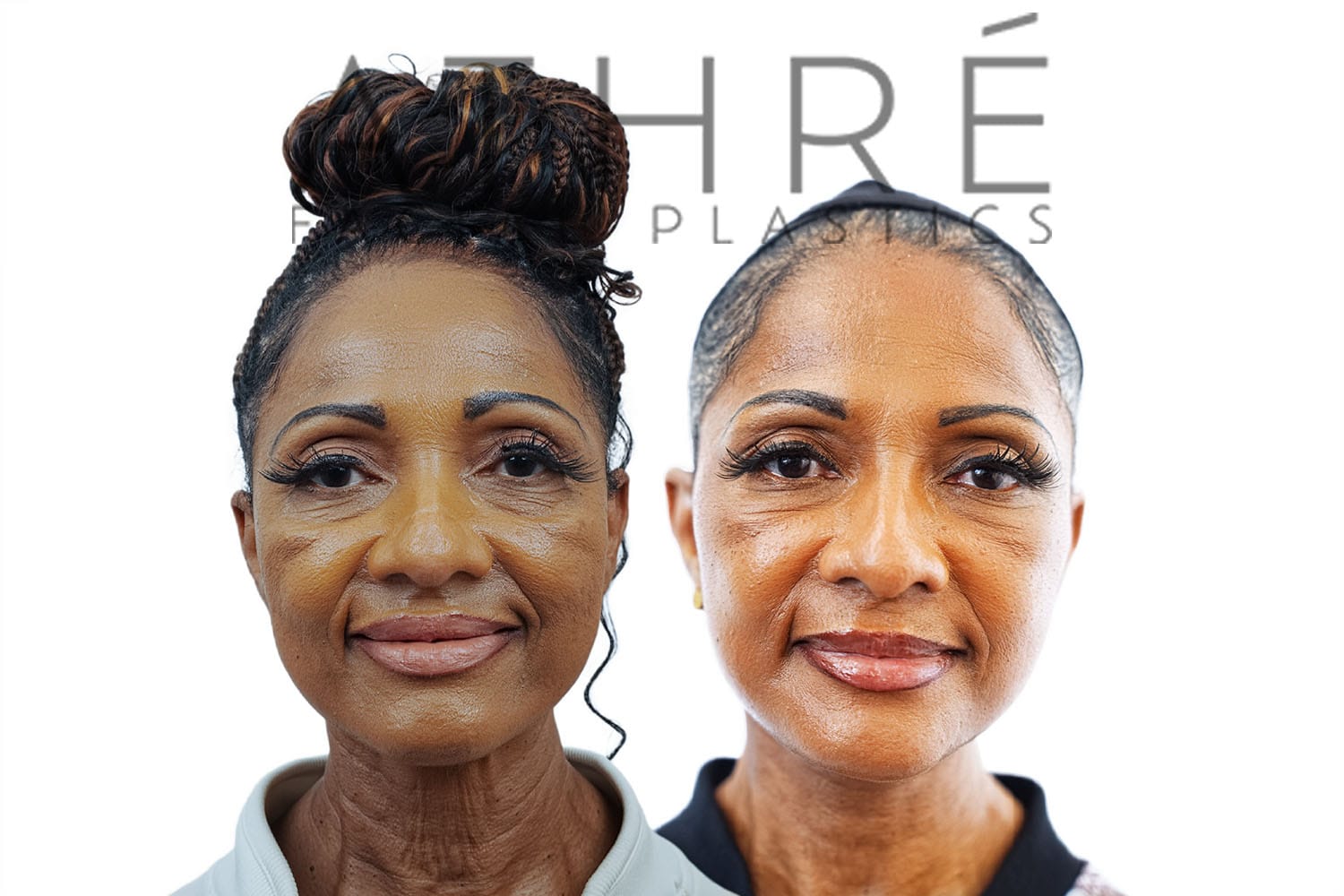
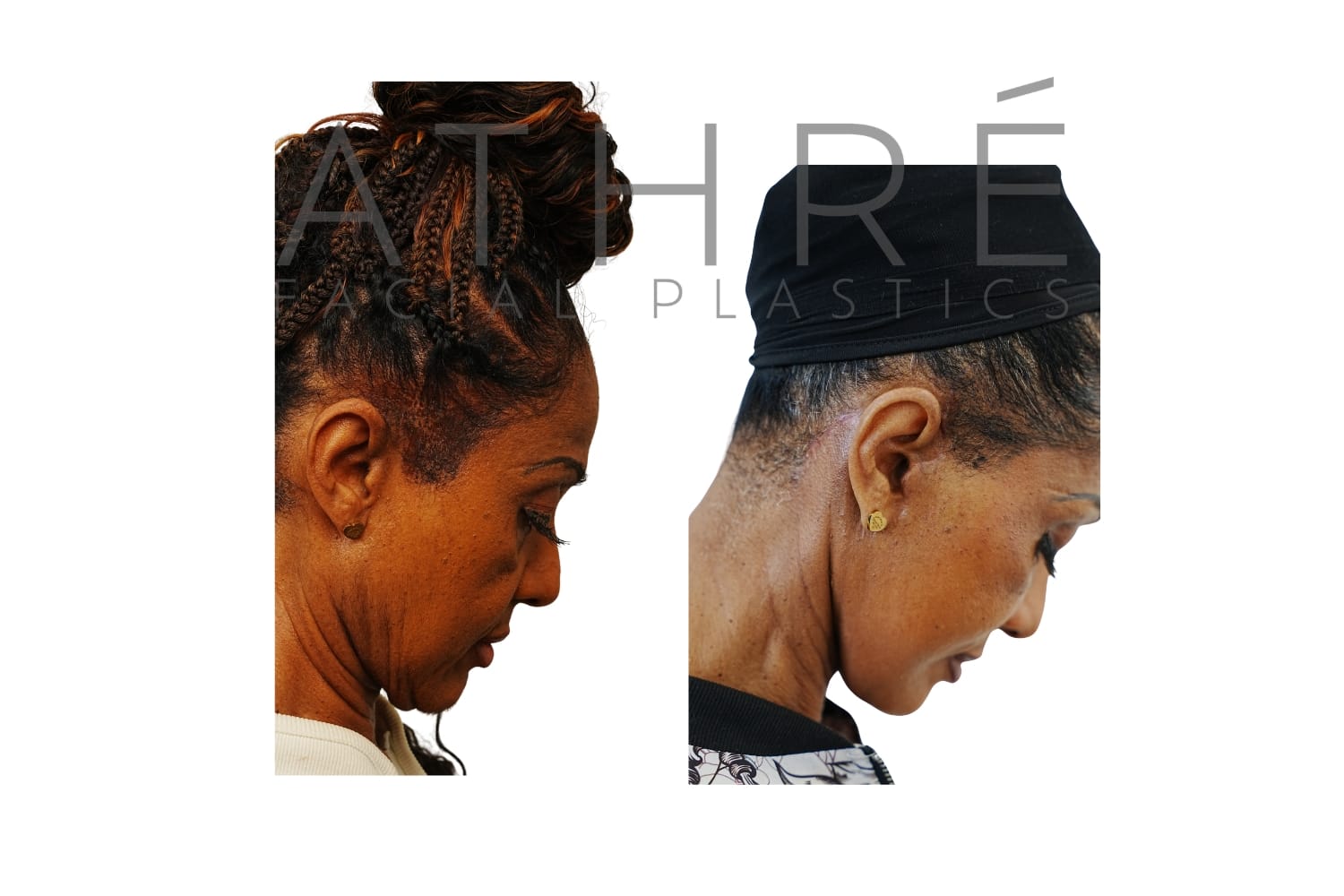
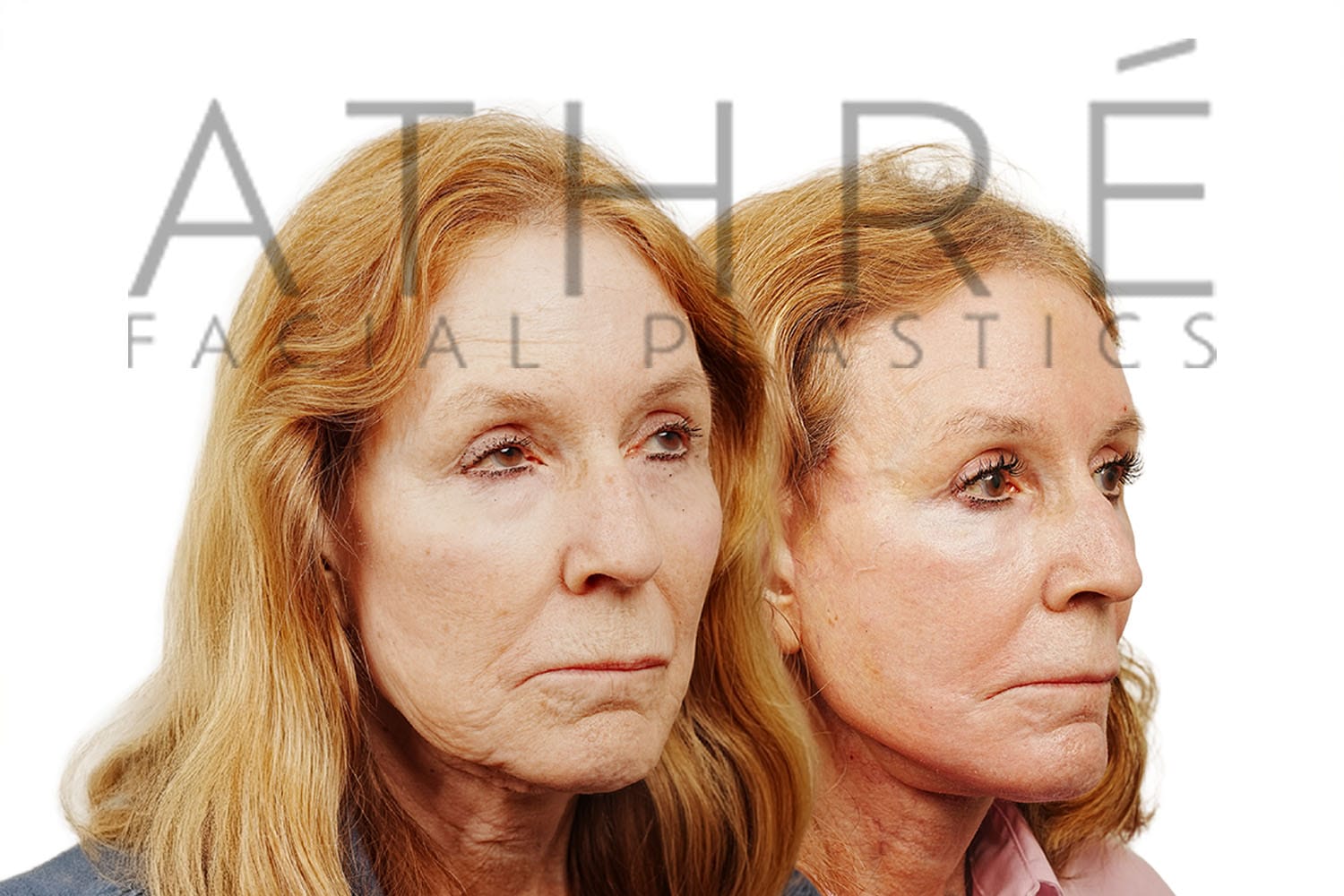
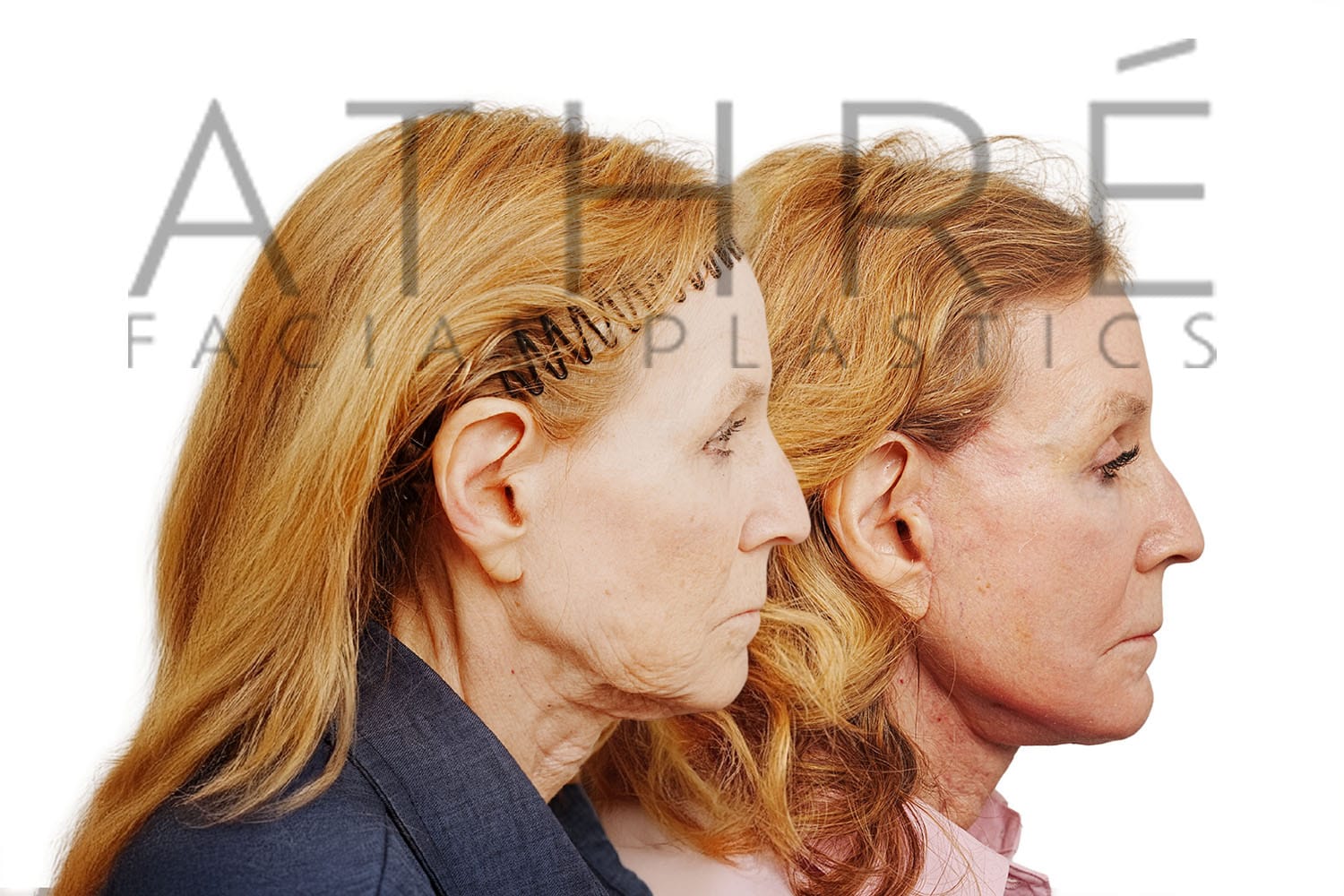
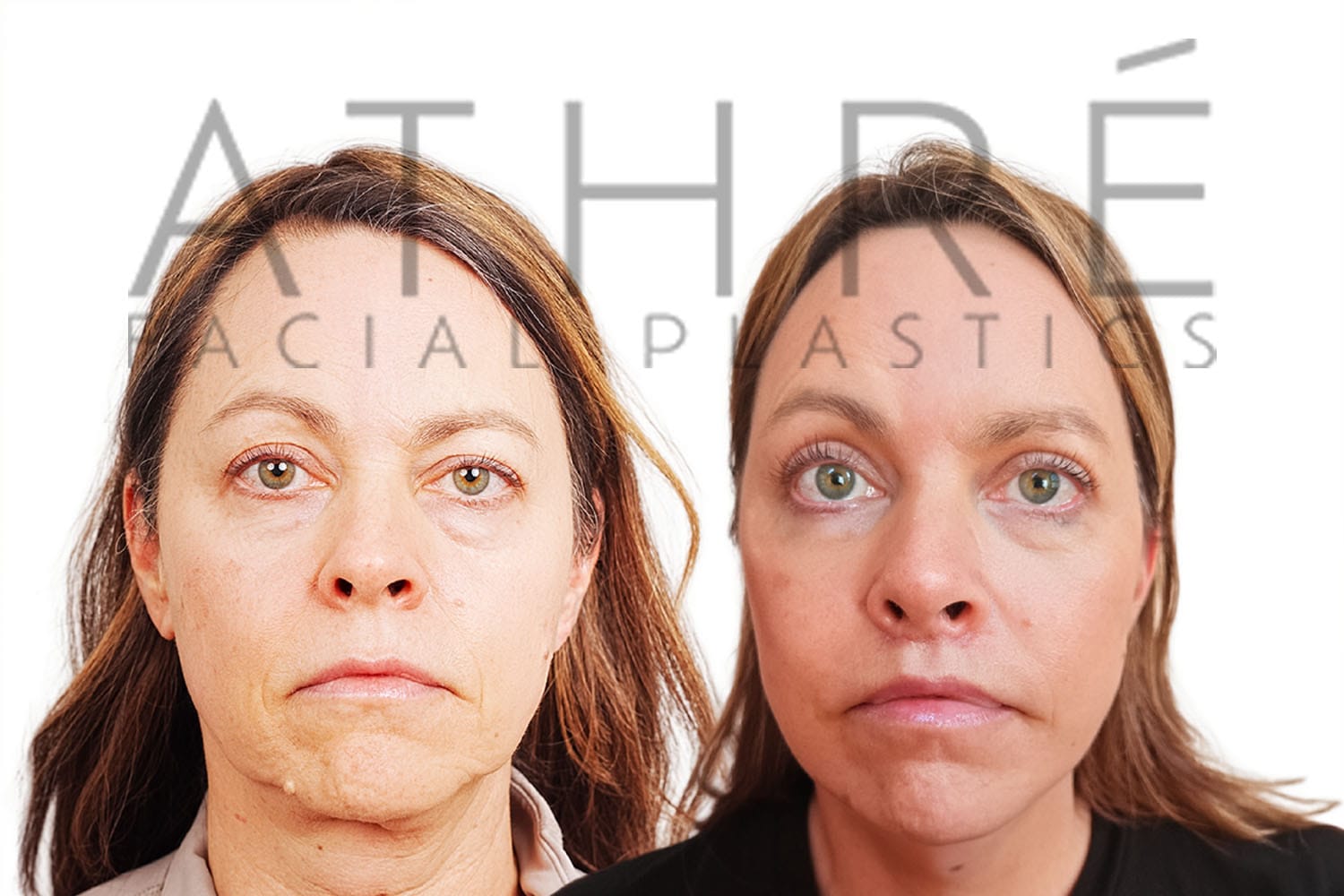
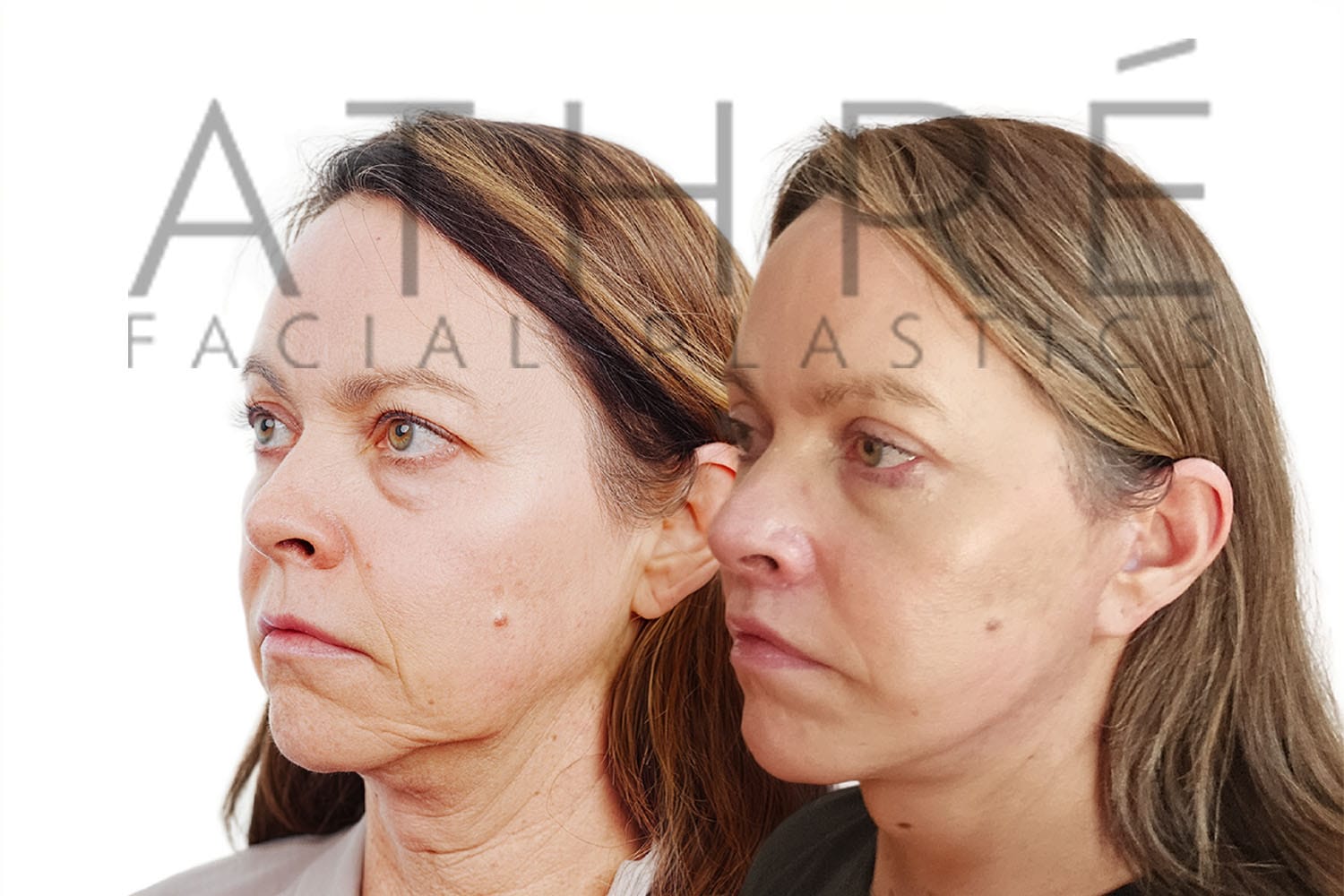
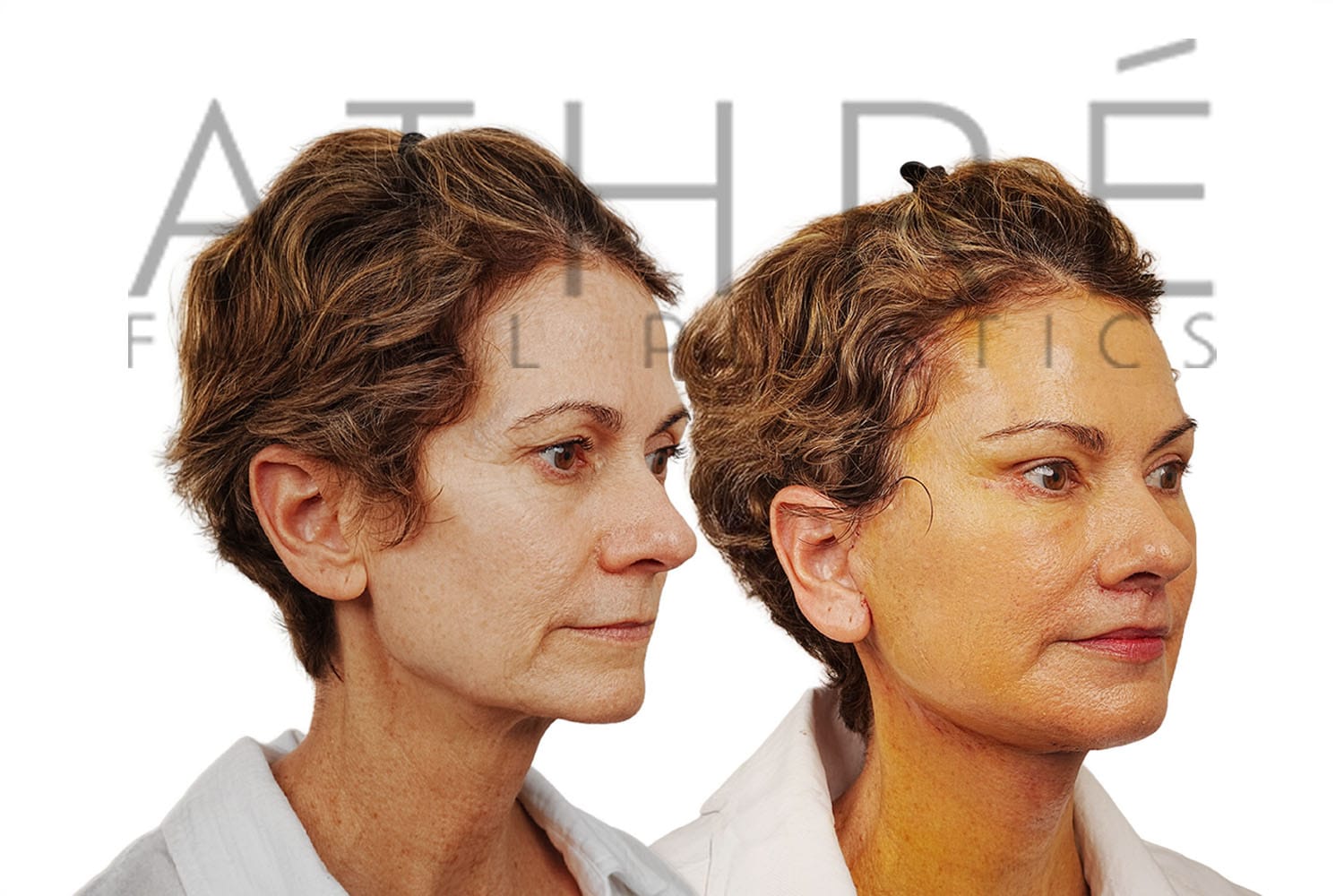
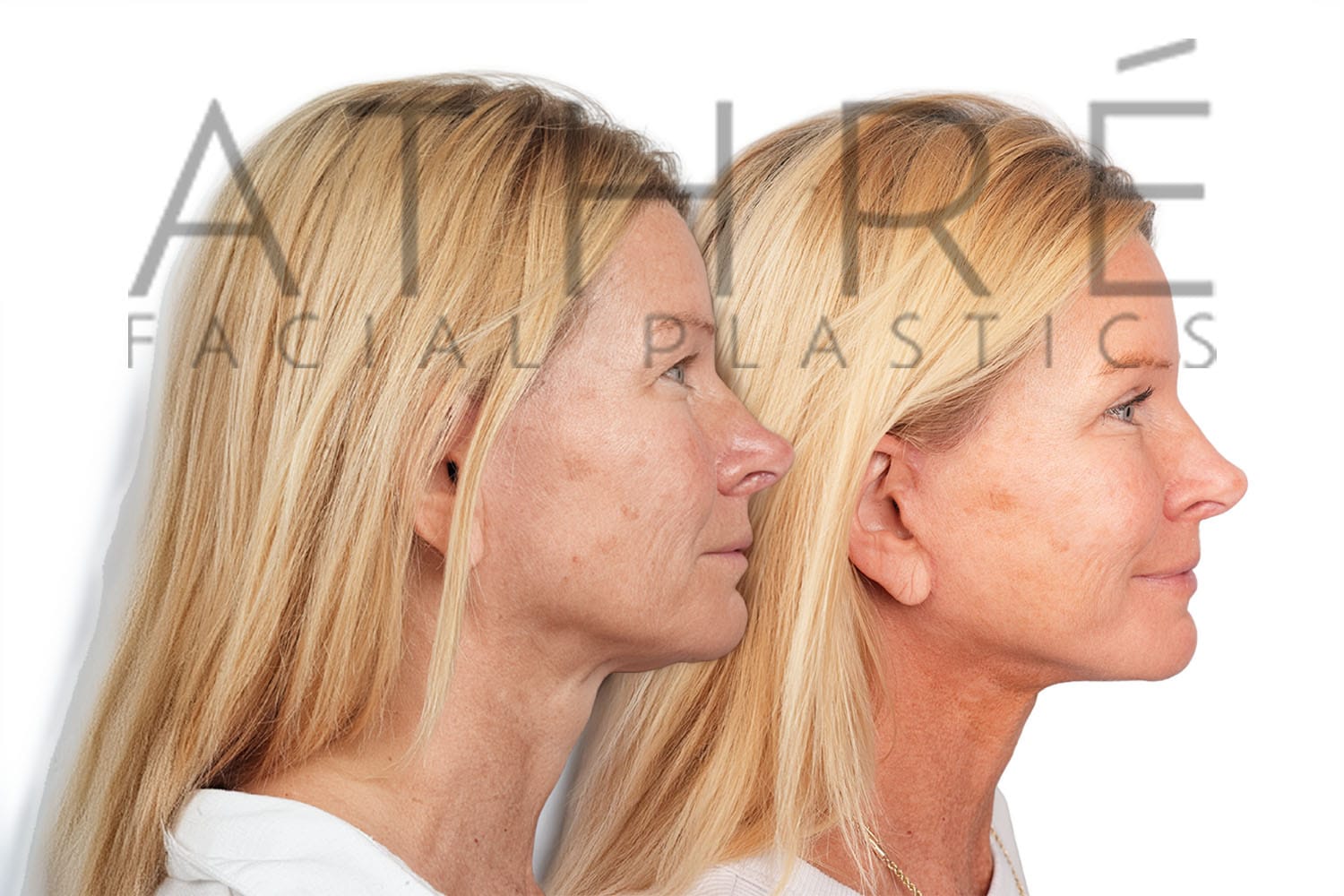
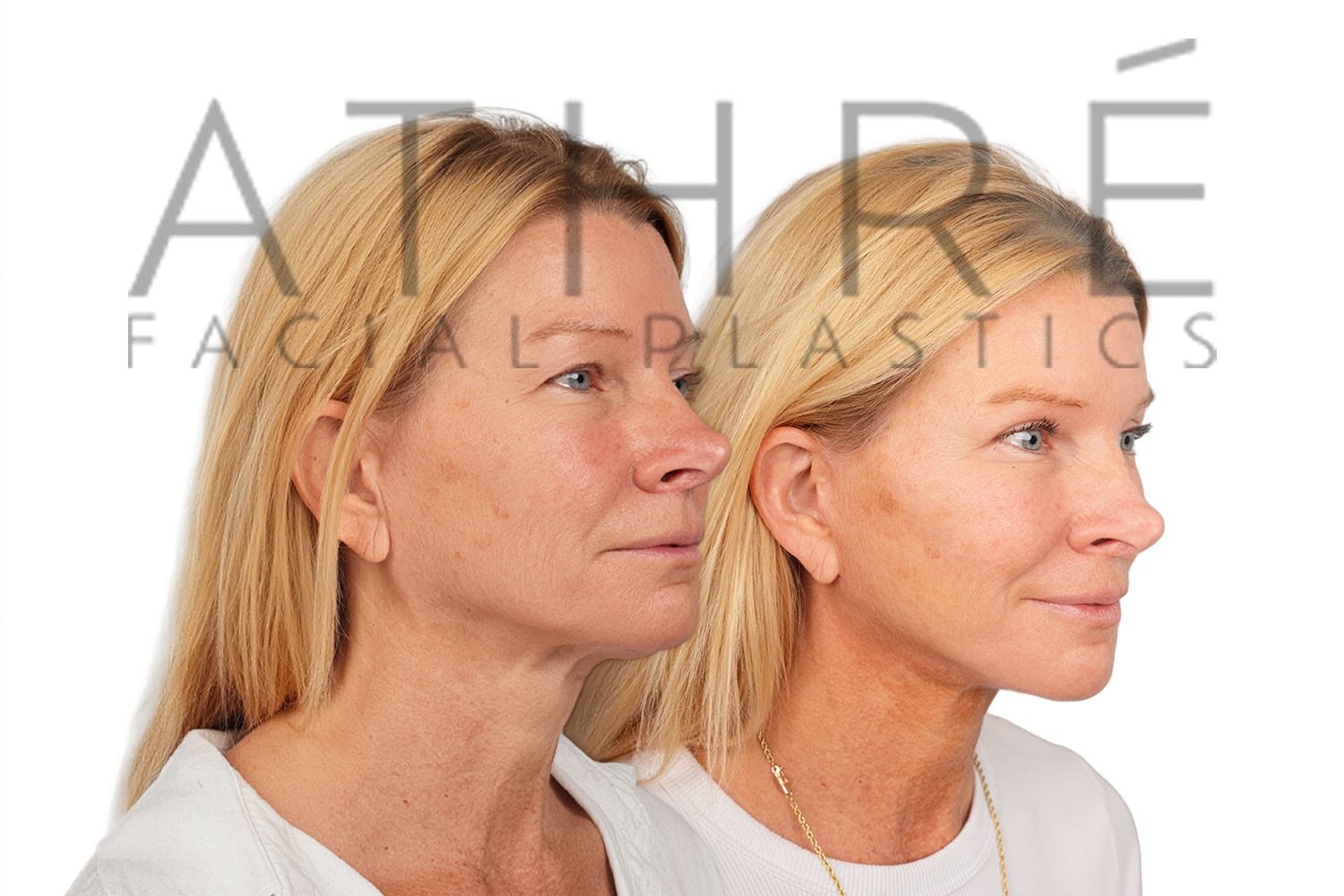
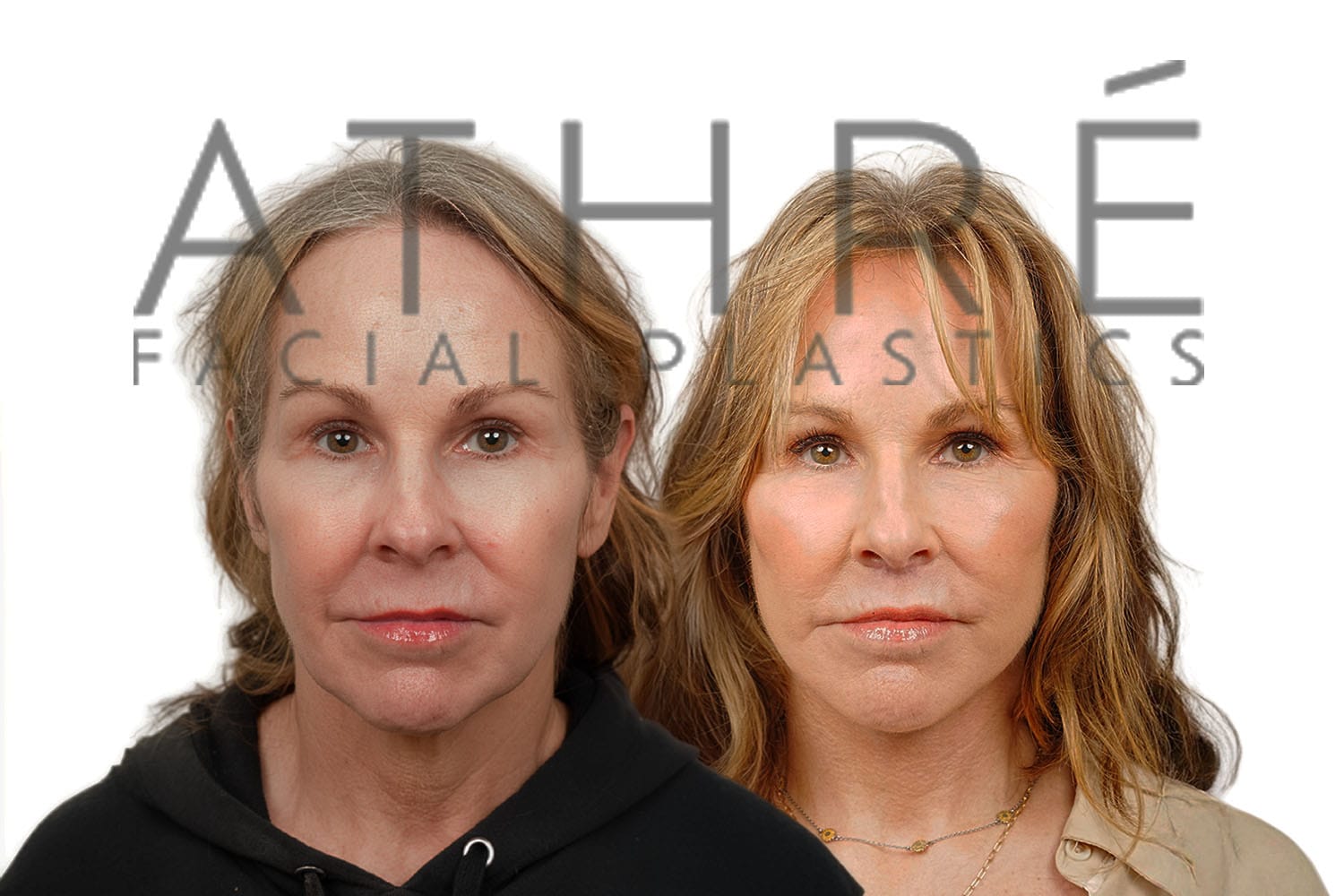
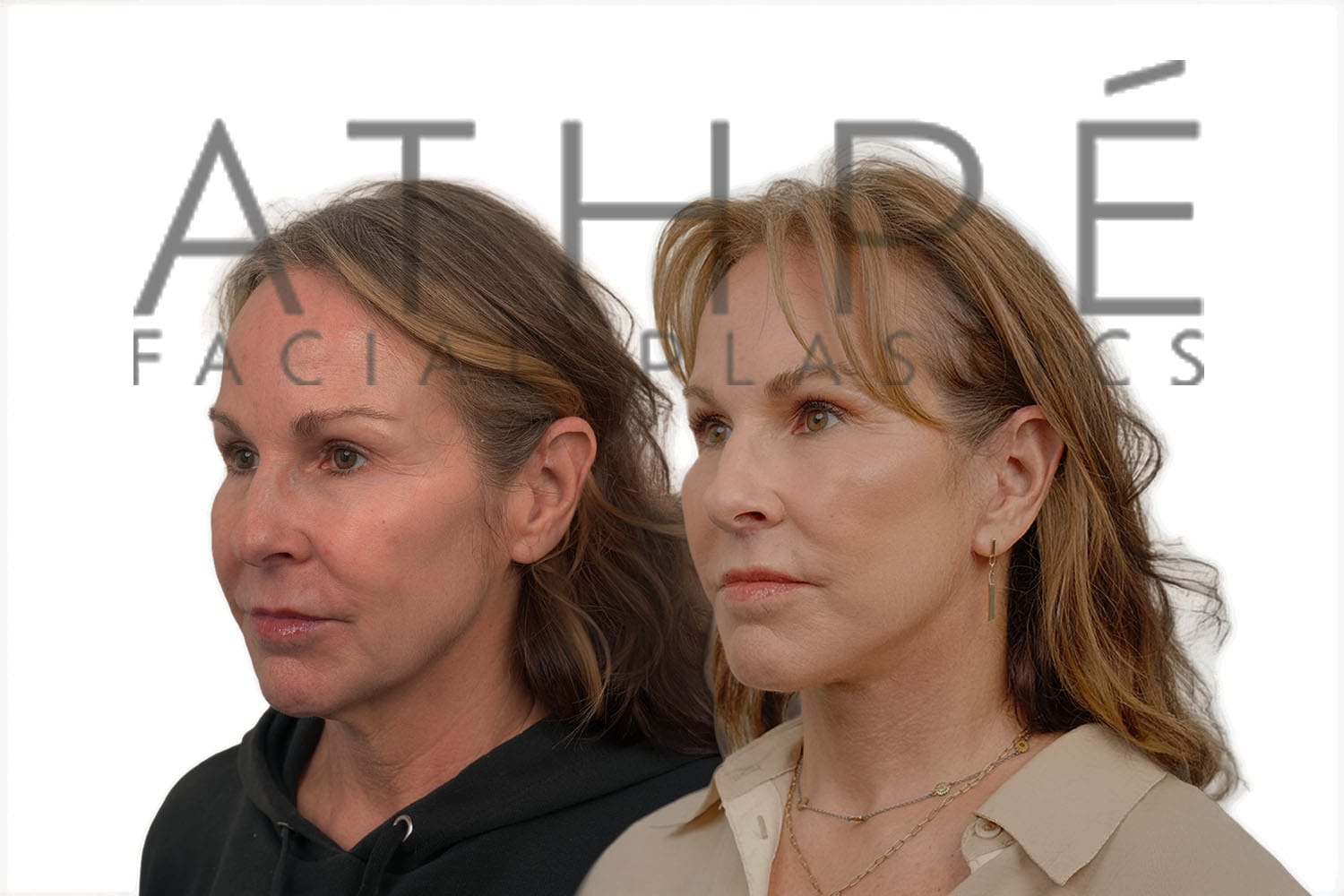
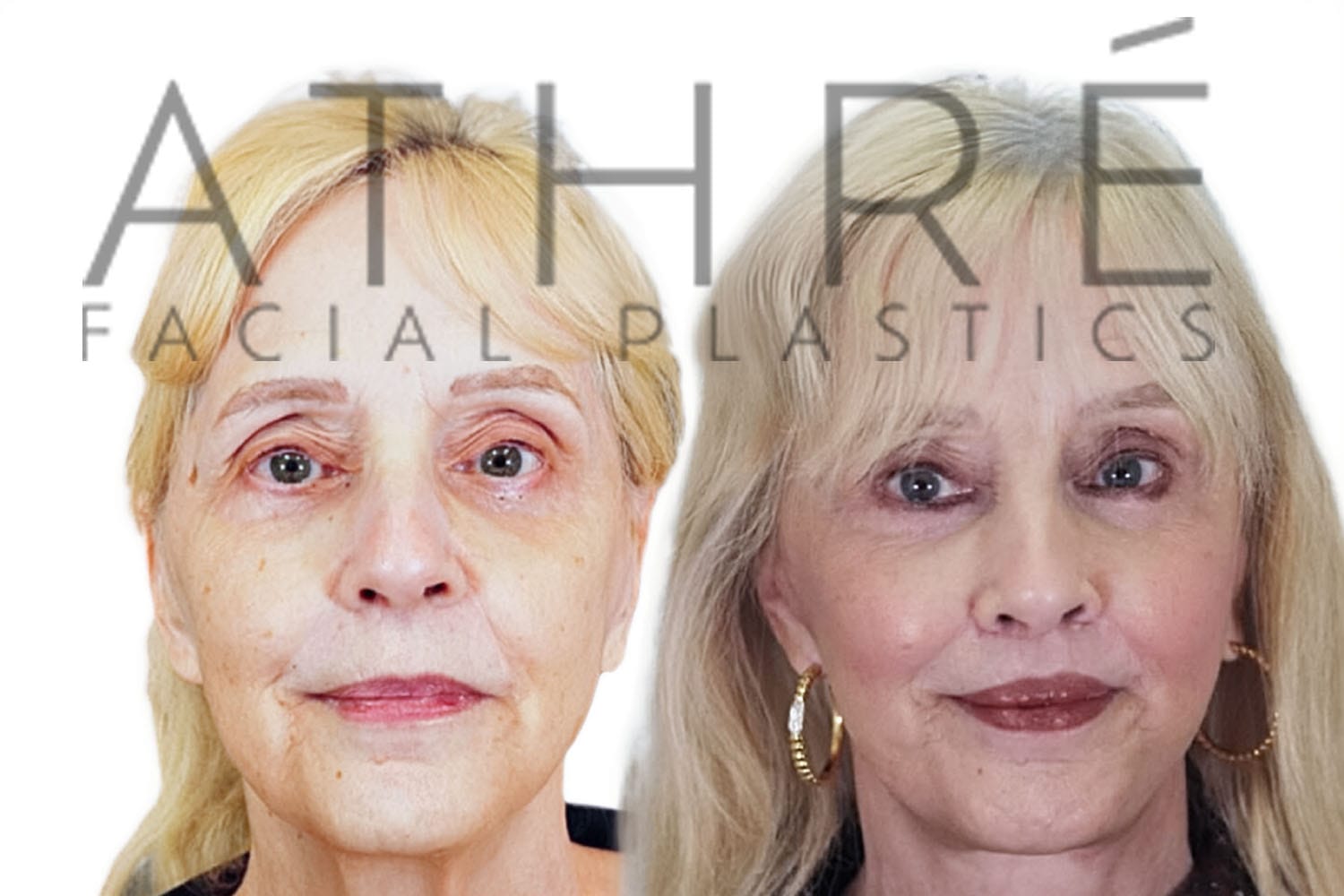
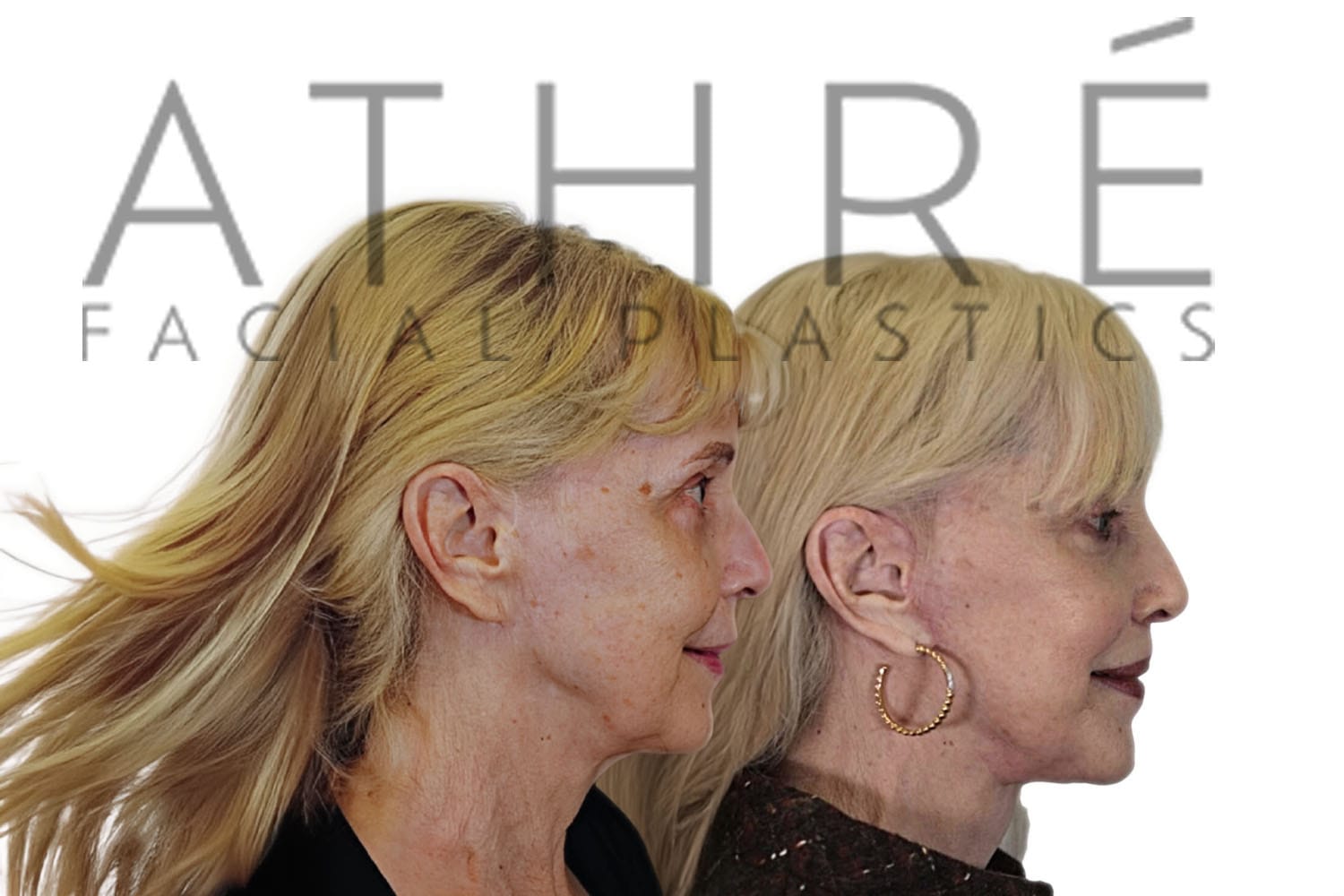
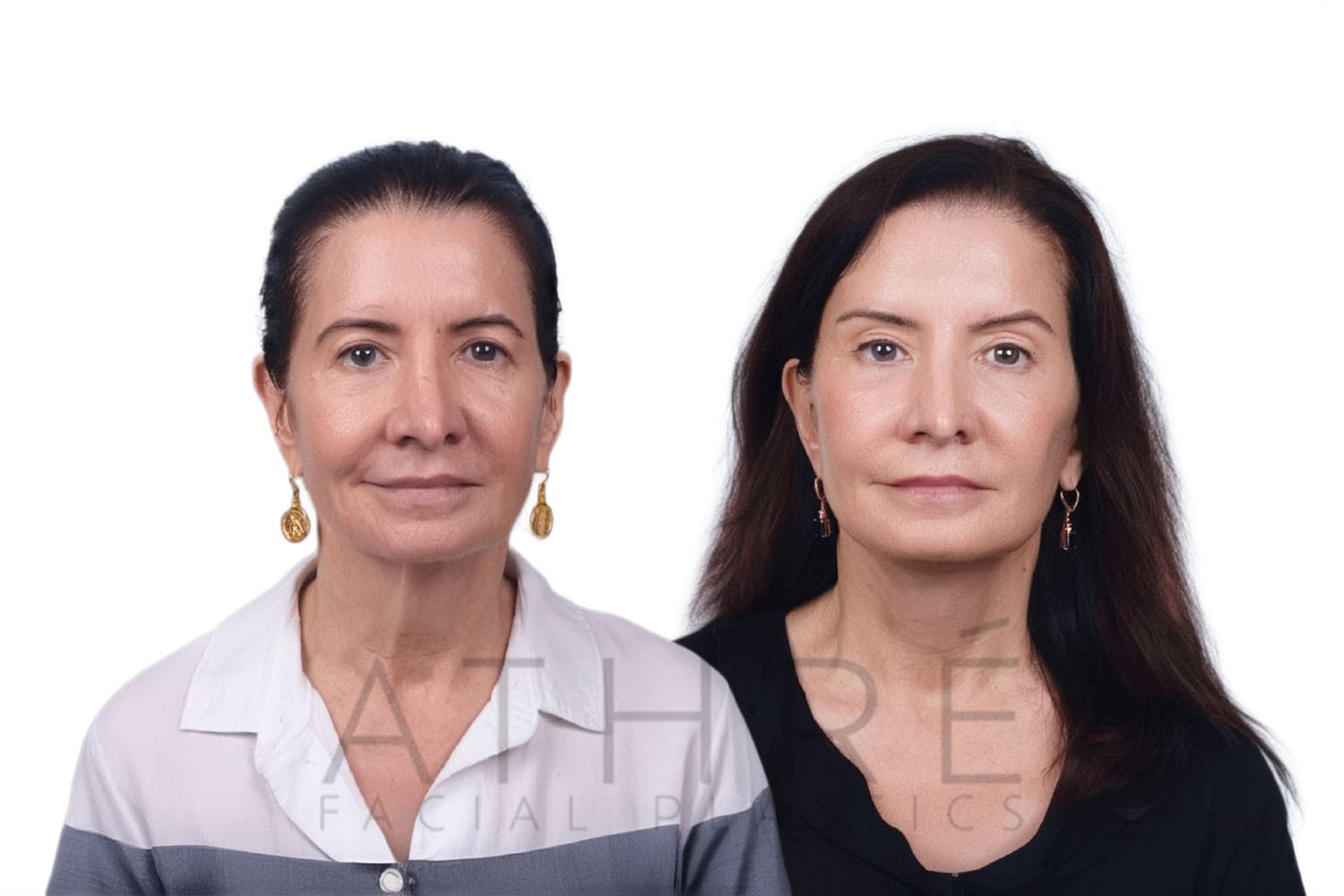
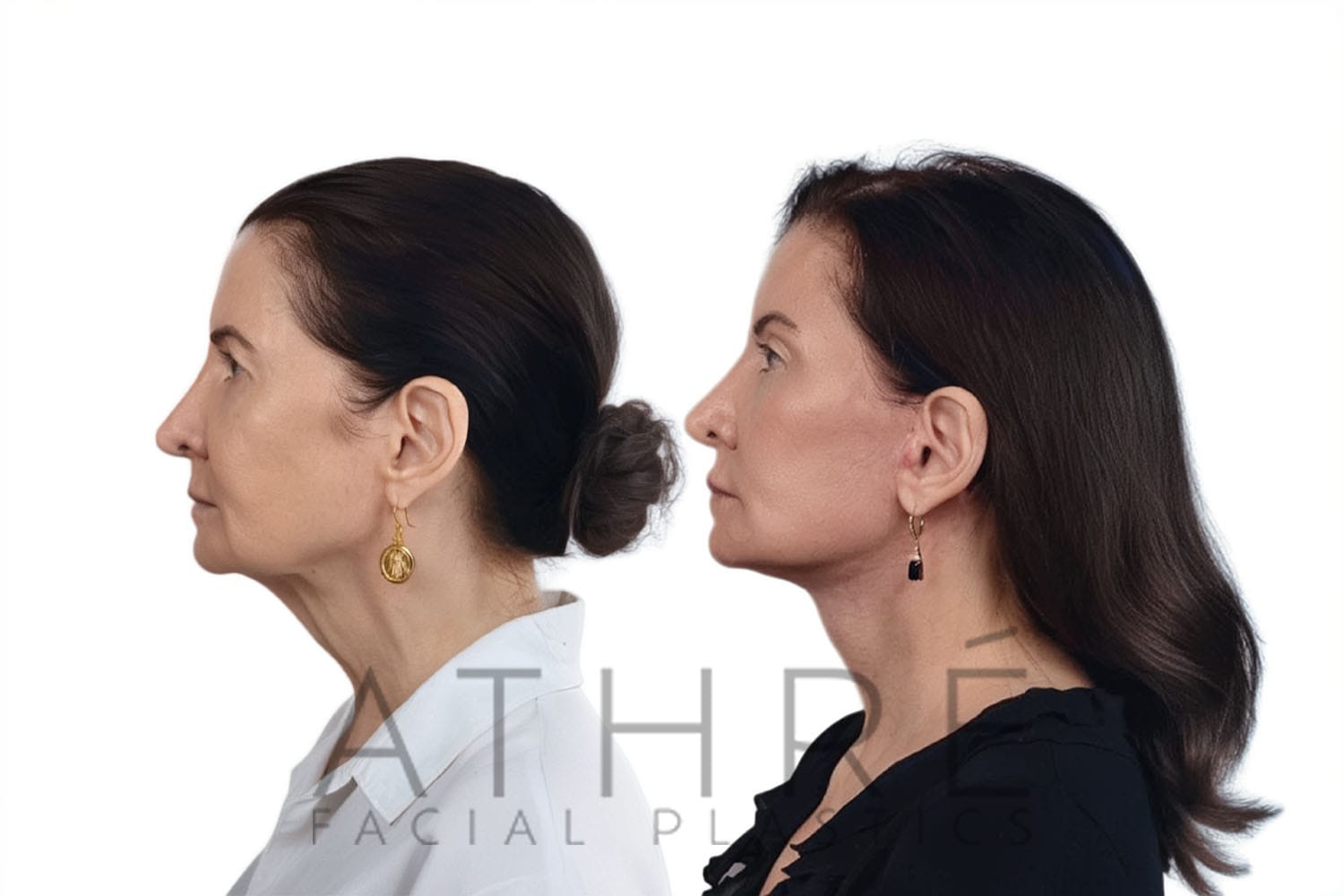
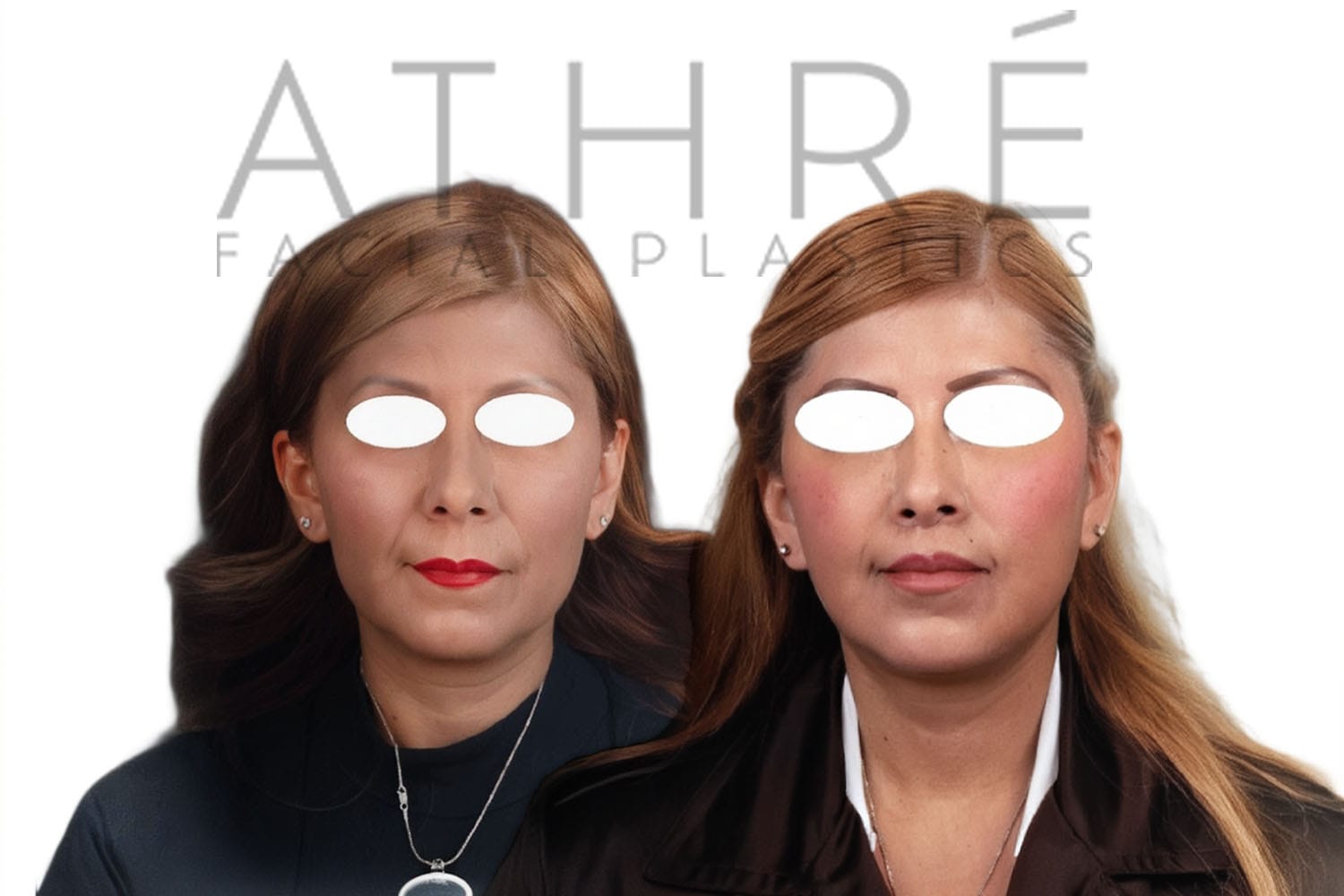
I also encourage patients to look at more than one photographic angle. The frontal view helps demonstrate changes in facial width, symmetry and jawline definition. Three-quarter views can reveal the position of the cheeks and the transition toward the lower face. Profile photographs often provide a clearer view of the neck, the underside of the chin and the relationship between the chin and jawline.
The patients above are different ages and have different patterns of facial aging. Some required considerably more surgery than others. Several underwent additional procedures, including neck lifting, facial fat transfer, eyelid surgery or skin resurfacing. It's important to read those procedure descriptions because the photographs represent the result of the entire surgical plan.
The timing of the photographs matters too. Some patients in this gallery were photographed relatively early in recovery, while others returned after more healing had occurred. I don't want patients to mistake an early postoperative appearance for a final result. I explain how these changes evolve in my article on how long facelift recovery really takes.
That's exactly why I find before and after photographs so valuable. They allow you to see how the surgical plan changes from one face to another while the objective remains the same.
The person you notice after surgery should still be the person who was there before it.
FREQUENTLY ASKED
Facelift Before and After FAQs
Learn what facelift before and after photos reveal about surgical results, healing, and realistic expectations.
What should I look for in facelift before and after photos?
Look beyond whether the face simply appears younger. Pay attention to changes in the jawline, neck, cheeks and area beneath the chin. These are recognized areas for evaluating facelift outcomes, including in research developing validated FACE-Q outcome measures. I also look at whether the facial proportions remain natural and whether the person still looks like themselves. The objective is not simply tighter skin, but an improvement that works with the patient's underlying facial structure.
Why is standardized photography important when comparing facelift results?
Small differences in lighting, camera position, facial expression, background or patient positioning can change how a face appears, even when no surgery has occurred. Before and after photographs are most useful when these conditions are kept as consistent as possible. A prospective study of photographic variables in facial rejuvenation demonstrated how changes in photographic technique could influence the perceived result without an operation being performed. Published facial plastic surgery photography standards also emphasize consistent equipment, lighting and patient positioning. I want patients to compare the anatomy, not differences in how the pictures were taken.
Can facelift before and after photos predict what my result will look like?
No. Photographs can show how I've approached different patterns of facial aging, but another patient's result cannot predict your own. Your anatomy, skin quality, degree of tissue descent, surgical plan and healing response all influence the outcome. A prospective multicenter FACE-Q study demonstrated improvements in patient satisfaction following face and neck lift surgery, but those findings describe outcomes across a study population rather than predicting what any one patient will experience. I use photographs to discuss possibilities and limitations, not to promise that one person will look like another.
How long after surgery should facelift after photos be taken?
There is no single postoperative date that tells the entire story. Early photographs may document visible improvement, but swelling, scar maturation and tissue settling continue beyond the first several weeks. A prospective study evaluating facelift patients at three, six and twelve months found that improvements in patient-reported satisfaction were measurable by three months and remained stable at the later evaluations. That doesn't mean every patient has finished healing at three months. Some photographs in my gallery were taken early in recovery, while others show results farther along in the healing process. The postoperative timing should always be considered when evaluating a result.
Do facelift results last, or will the face eventually age again?
A facelift does not stop the aging process. The face continues to change after surgery, so a before and after photograph represents the result at a particular point in time. Long-term research provides some perspective. A 20-year review of secondary facelift surgery reported an average interval of approximately nine years between primary and secondary facelifts among patients who underwent another operation. That does not establish a nine-year lifespan for every facelift or mean that another operation will necessarily be required. I focus on appropriate structural repositioning and realistic expectations rather than promising that a particular result will last a predetermined number of years.
Are facelift before and after photos the best way to judge a successful result?
Photographs are important, but they are only one measure of success. They allow you to evaluate visible changes in facial contours, while they cannot tell you how a patient feels about the outcome. Research measuring facelift satisfaction with the FACE-Q has documented high patient-reported satisfaction with facial appearance and quality-of-life measures following surgery. A prospective multicenter study also found improvements in patient-reported appearance satisfaction after face and neck lifting. I want a patient's improvement to look natural in photographs, but I also want the patient to feel comfortable with the result.
Why do some facelift patients have more dramatic results than others?
Every patient begins with different anatomy and may undergo a different combination of procedures. Some photographs in this gallery show a facelift and neck lift, while others document my 4D Facelift™ approach with treatments such as facial fat transfer, eyelid surgery, brow lifting or skin resurfacing. The visible change reflects the entire treatment plan rather than lifting alone. A systematic review of fat grafting combined with facelift surgery found evidence that the combination can address facial volume loss alongside tissue descent. When comparing patients, I encourage you to consider their starting anatomy, procedures performed and the timing of the photographs.
Can you tell whether someone had a deep plane facelift just by looking at the photos?
Not reliably. A before and after photograph can demonstrate changes in facial contour, but it cannot show the surgical plane used, which retaining ligaments were released or how the deeper tissues were repositioned. Different facelift techniques can produce overlapping visible improvements. A review of deep plane facelift anatomy explains the underlying tissue planes, facial nerve relationships and anatomical structures involved in this type of surgery. Those details cannot be determined from an external photograph alone. I recommend reading the procedure description associated with each patient rather than trying to identify the surgical technique from appearance alone.
Why are profile photographs especially important when evaluating neck lift results?
Profile photographs help reveal the relationship between the chin, jawline and neck in ways that may be difficult to appreciate from the front. I look at the transition beneath the chin, the definition of the jawline and the shape of the angle between the chin and neck. The published discussion of difficult neck anatomy in facelift surgery explains how factors such as fat distribution, skin laxity, platysmal bands and skeletal structure influence the neck contour. Not every patient needs the same neck lift, and I use photographs from different angles to evaluate the result in the context of the patient's anatomy.
Will facelift scars be visible in before and after photographs?
Not necessarily. A front-facing photograph may not show incisions around the ears, within the hairline or behind the ears. The location and extent of those incisions depend on the procedure performed and the amount of correction required. Scar quality also changes as healing progresses. A published discussion of incision placement and preauricular scarring in facelift surgery emphasizes the importance of scar position and preserving the natural appearance of the ear and sideburn. Photographs are useful for evaluating facial contours, but I also discuss incision placement, scar expectations and recovery with patients during their consultation.