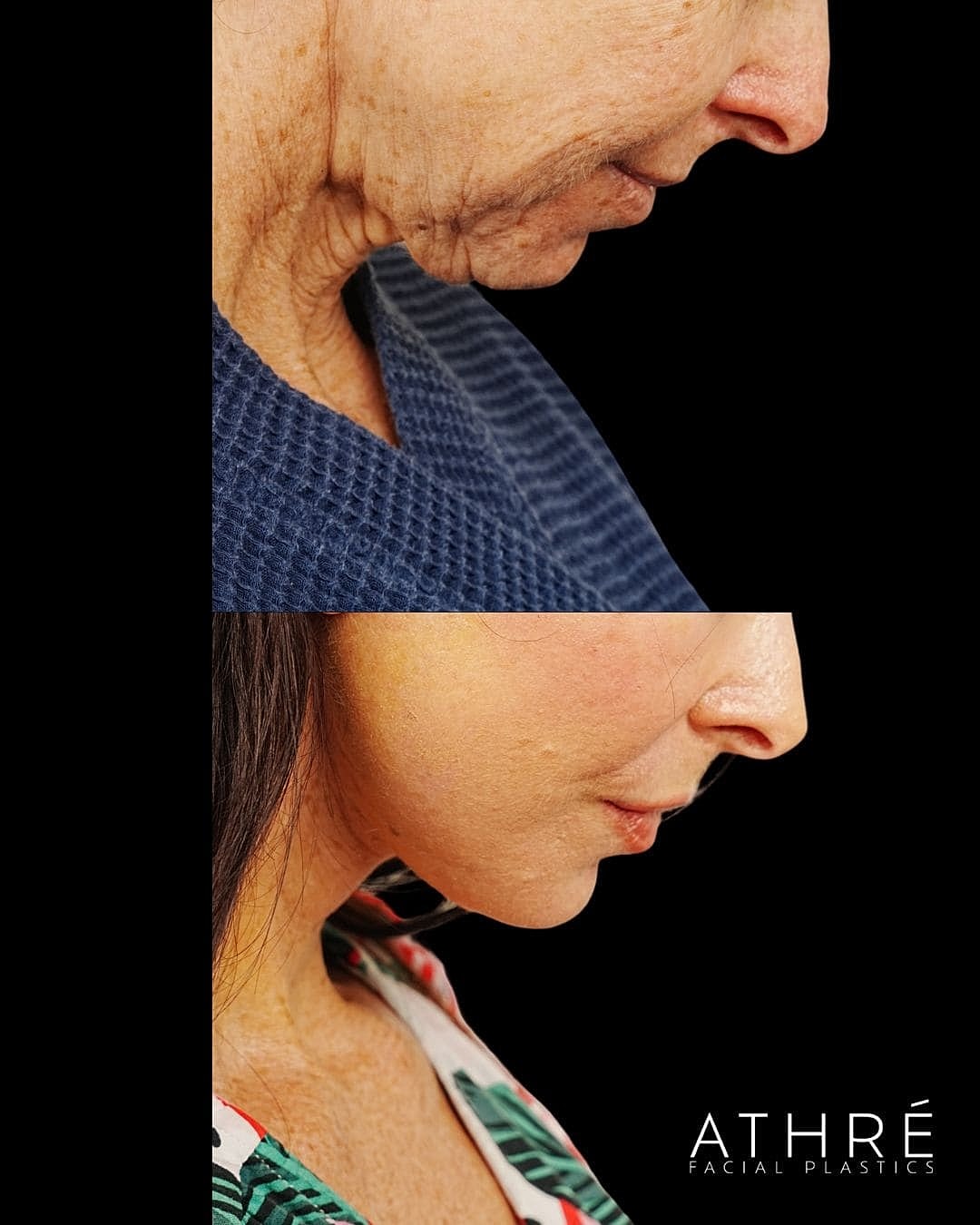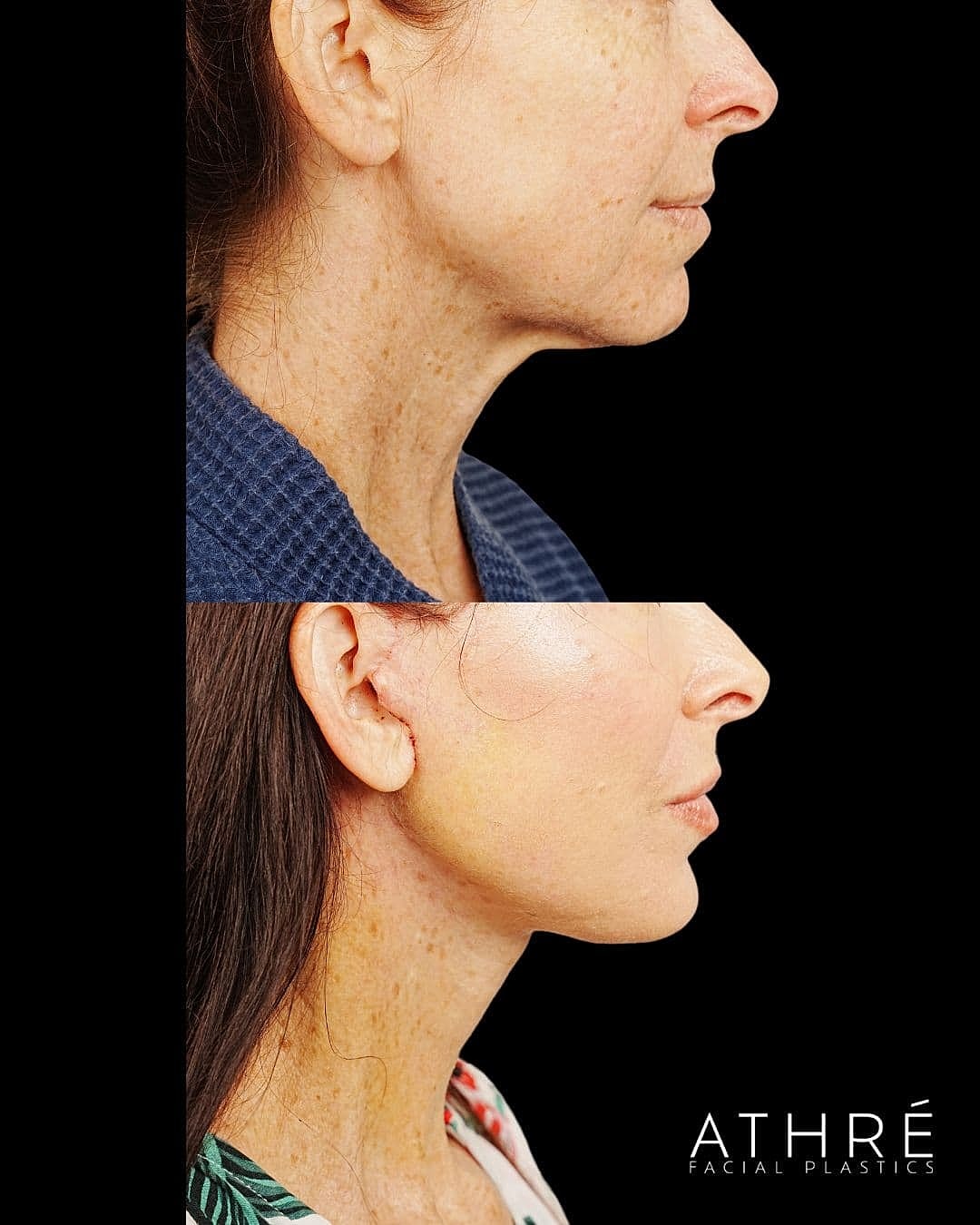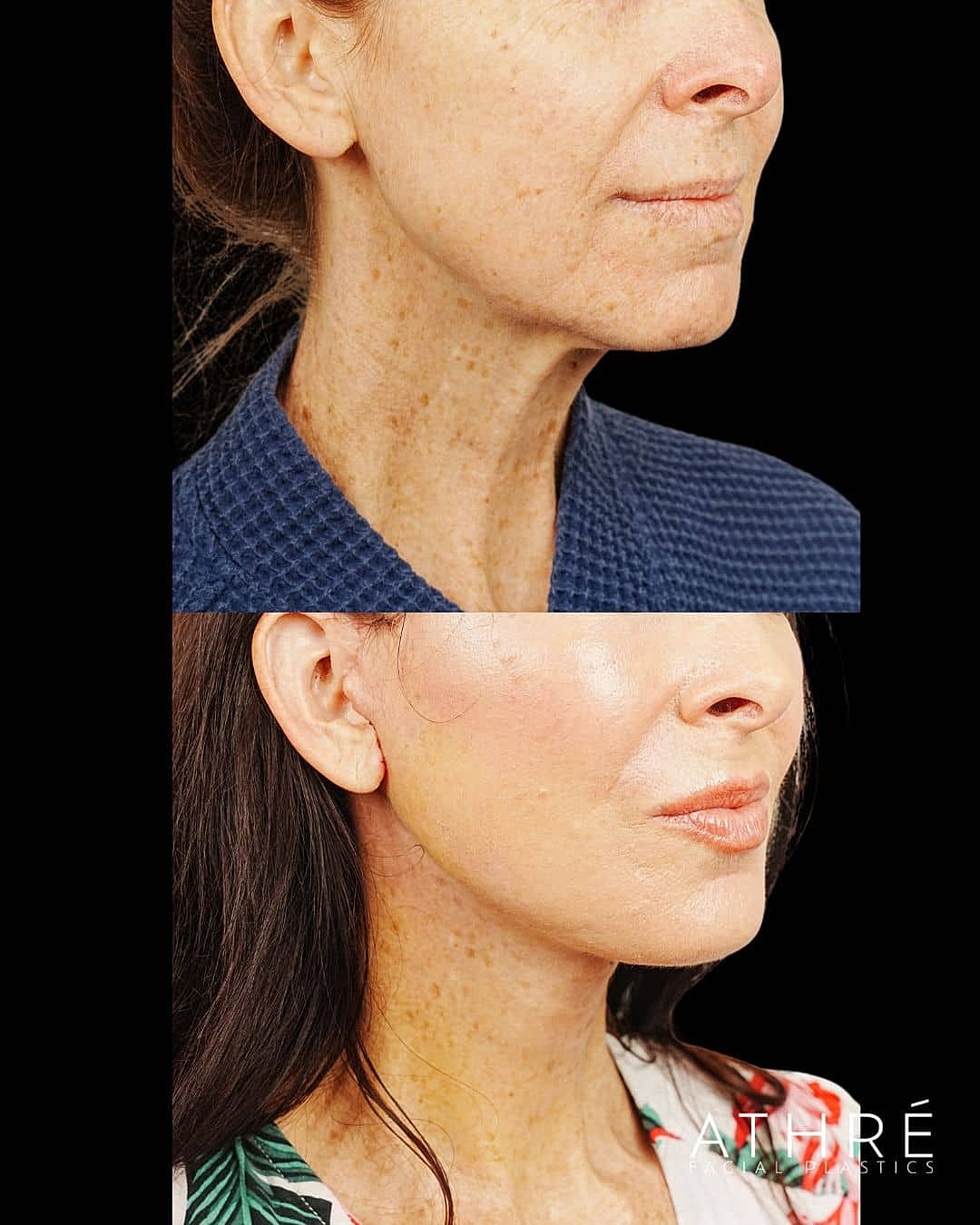

In the world of facial plastic surgery, few procedures generate as much conversation as the deep plane facelift. While the term is everywhere today, it is often misunderstood—and occasionally misrepresented. Although it might feel like a brand-new innovation, the deep plane facelift was actually described decades ago. Since then, it has evolved alongside our understanding of facial anatomy to become the gold standard for correcting facial aging.
As a double board-certified facial plastic surgeon in Houston specializing exclusively in facial rejuvenation, I believe patients deserve clarity. It is vital to understand what a true deep plane facelift procedure actually entails, why it delivers such incredible results, and why not every plastic surgeon offers it.
A deep plane facelift is an advanced surgical procedure that addresses aging at its structural source. Traditional facelift techniques often rely on pulling the skin or tightening the superficial muscle layer (known as the superficial musculoaponeurotic system or SMAS). In contrast, the deep plane facelift works in the deeper layers beneath the SMAS.
By accessing these deeper tissues, I can release key facial retaining ligaments. This release allows the skin and muscle layer to be lifted together as a composite unit, moving naturally without fighting against your anatomy.
The result is a more youthful jawline, restored cheek volume, softened nasolabial folds, and a refreshed appearance that looks entirely natural, never pulled or tight.
To understand the technique, you have to understand the face. It is made up of layers: skin, fat, muscle (SMAS), and deeper structures like the facial nerves and glands. Over time, gravity isn't the only culprit; strong retaining ligaments, such as the zygomatic ligaments, tether these facial tissues downward. This tethering contributes to sagging skin, heavy jowls, and the formation of deep nasolabial folds.
In a standard facelift surgery, these ligaments are often left attached. Because the anchor points aren't released, surgeons must rely on tension to pull the face up. This reliance on tension is often the root cause of that "windswept" look, widened scars, or results that fade too quickly.
A true deep plane facelift technique focuses on fully releasing these ligaments. Think of it like a tug-of-war: if the ligaments are left intact, they constantly pull down against the lift. When I release them, the deep plane facelift repositions the face effortlessly and precisely.
This creates a tension-free closure, which is the secret to why deep plane facelifts:
The extended deep plane facelift is technically demanding. Beneath the SMAS lie critical anatomical features, including the facial nerve. Performing this surgery safely requires profound anatomical knowledge, advanced techniques, and an experienced surgeon who is comfortable and confident navigating the deeper layers of the face.
Because of this complexity, many surgeons perform only partial dissections beneath the SMAS but still market the procedure as a "deep plane facelift." However, without the full release of the ligaments, the benefits of a true deep plane technique such as maximal rejuvenation and significant improvement in the midface, are simply not realized.
Traditional Facelift:
Deep Plane Facelift:
We see many patients seeking revision surgery who were told they previously had a deep plane facelift, only to find the ligaments were never actually released. In these revision cases, once we properly enter the deep plane and release those tethers, the difference is dramatic. We can correct excess skin issues, improve patient comfort, and restore a natural facial shape that was missed the first time around.
Modern facial plastic surgery isn’t meant to make you look different, but to look like a better version of yourself. The deep plane facelift moves the skin and muscle as a unit so your facial expressions remain soft and authentic. The jawline, cheek volume, and corners of the mouth are restored to a youthful position without distortion, making the deep plane facelift one of the most transformational options for patients seeking natural results and true facial rejuvenation.
The deep plane facelift is not just a marketing term; it is a philosophy of anatomy and precision. When performed correctly by a specialized plastic surgeon, it addresses the root causes of facial aging, volume loss, sagging skin, and gravitational descent, to deliver the most durable, natural-looking results available today.